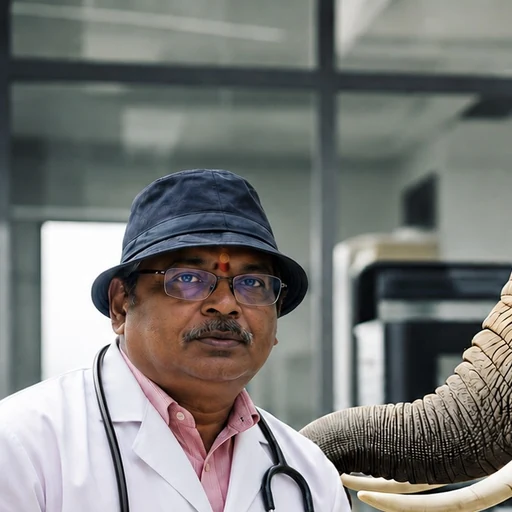
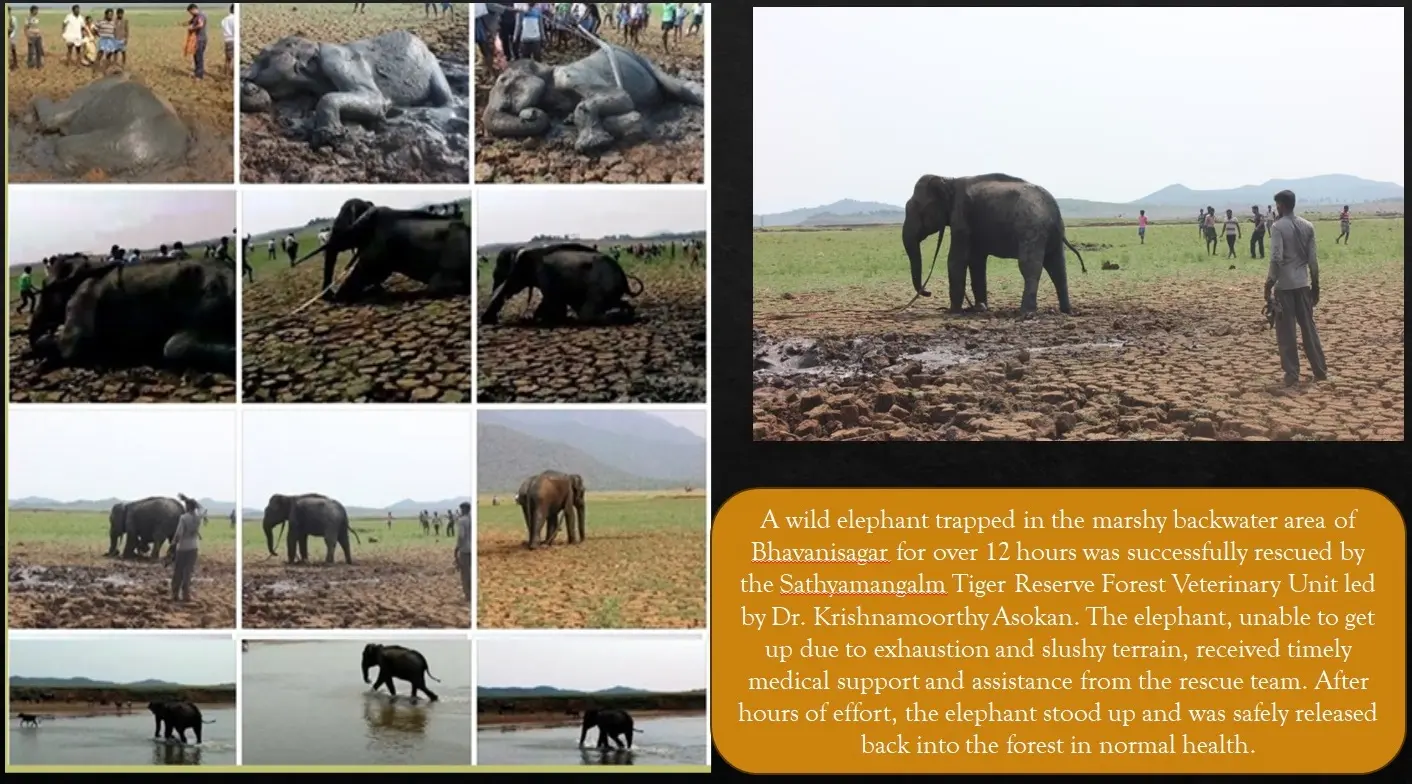
Wild Elephant Rescue & Rehabilitation
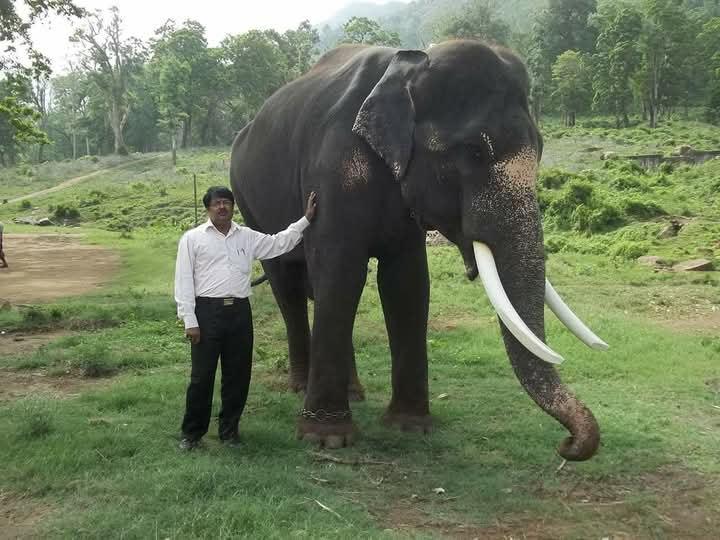
Emergency treatment, capture, translocation, orphan calf care, conflict mitigation, monitoring, and welfare.
Open elephant page →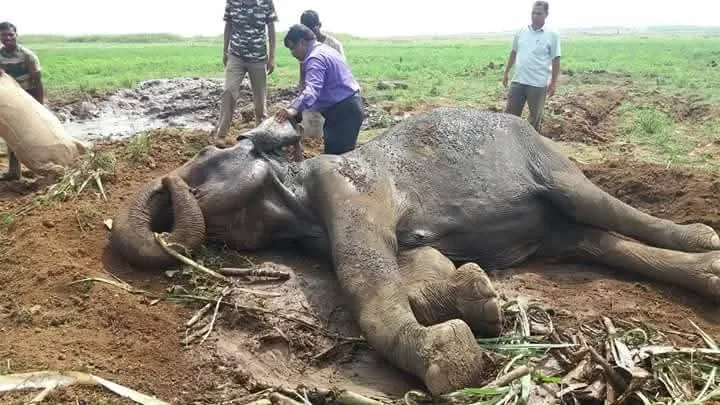
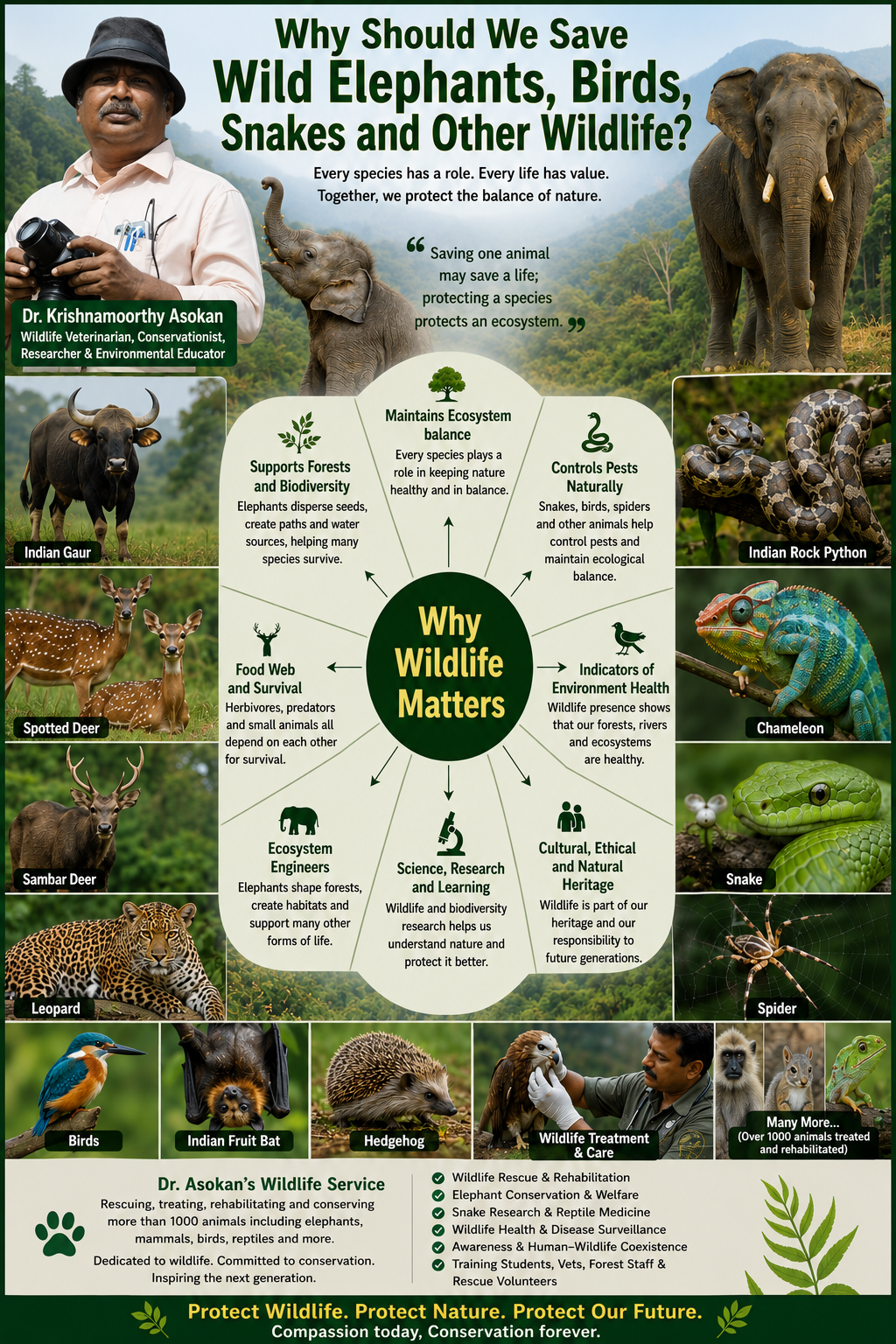
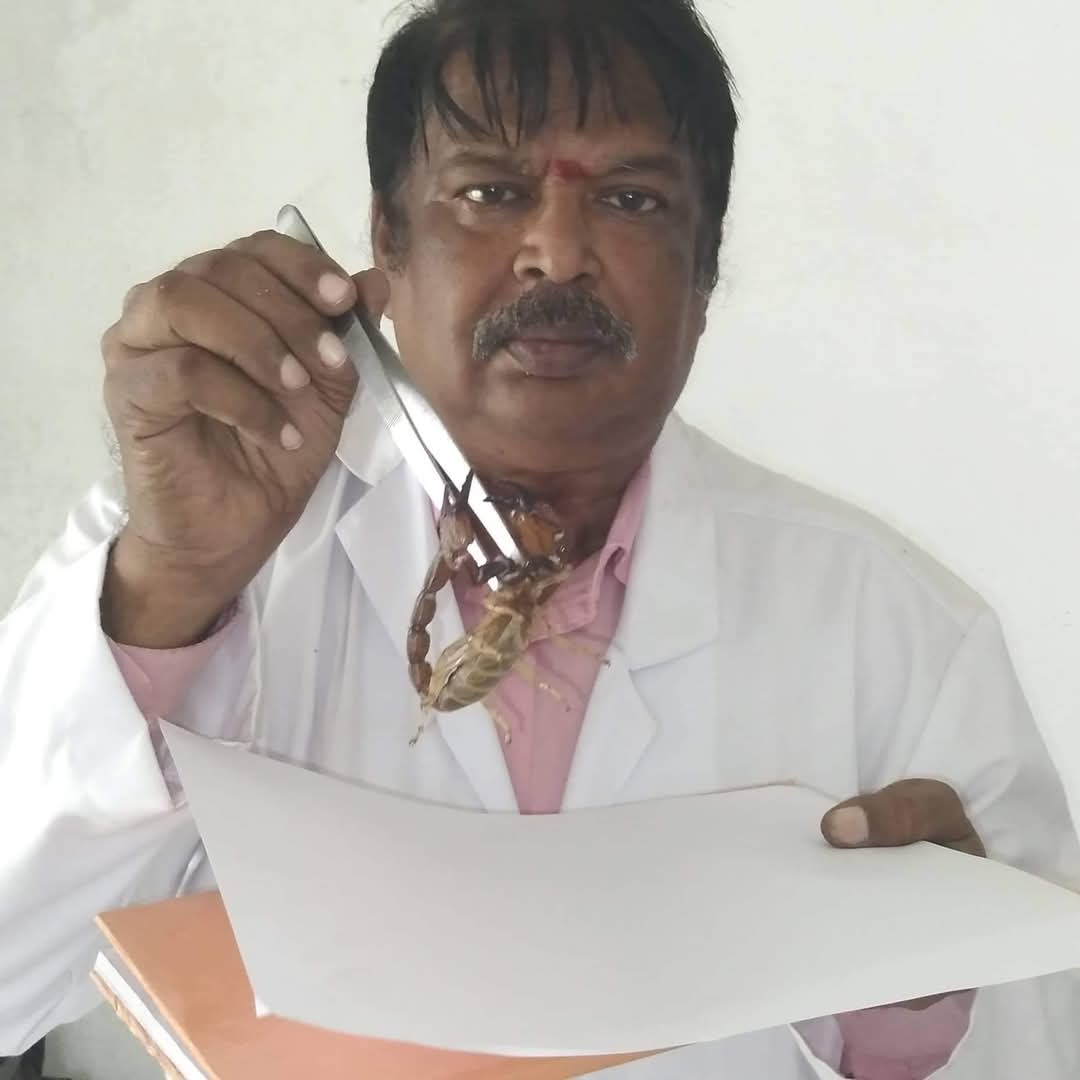
Dr. Asokan’s wildlife work spans emergency rescue, clinical examination, chemical immobilization, anesthesia, surgery, disease diagnosis, intensive care, rehabilitation, and release. He has treated more than 1,000 free-ranging wild animals and has supported forest authorities in difficult field conditions involving accidents, conflict, disease, orphaning, habitat disruption, and human-related threats.
His conservation approach combines scientific veterinary care with animal welfare, habitat awareness, forensic investigation, long-term monitoring, and public education.
Each page is independently editable and supports multiple images positioned above, below, left, or right of the text.
Emergency treatment, capture, translocation, orphan calf care, conflict mitigation, monitoring, and welfare.
Open elephant page →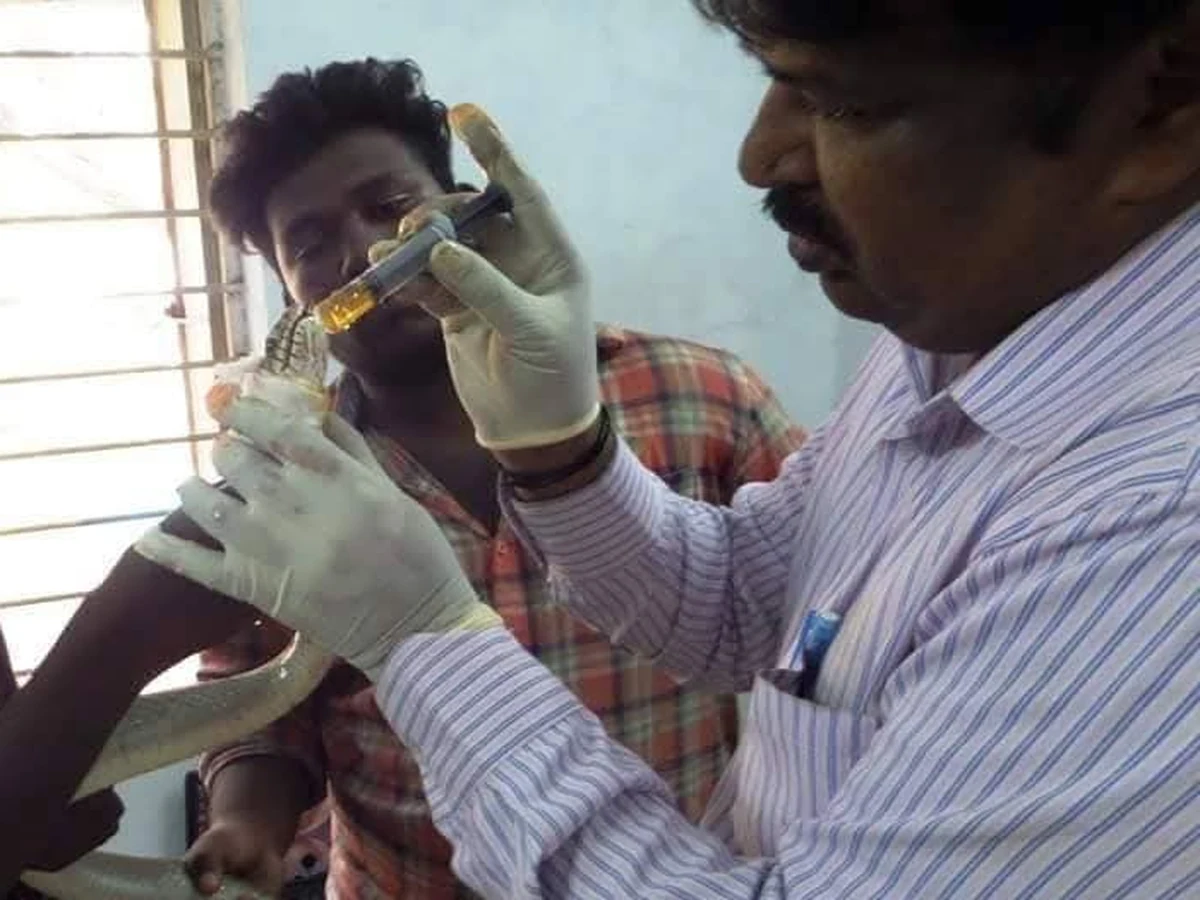
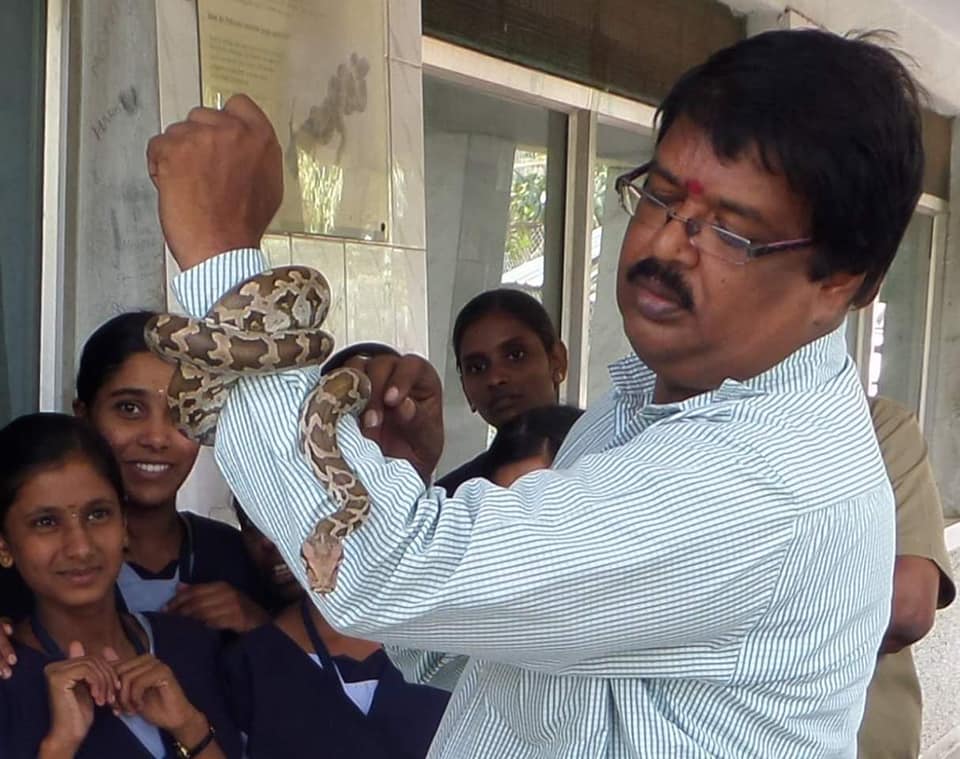
Advanced surgery, medical treatment, incubation, rehabilitation, public awareness, and release.
Open snake page →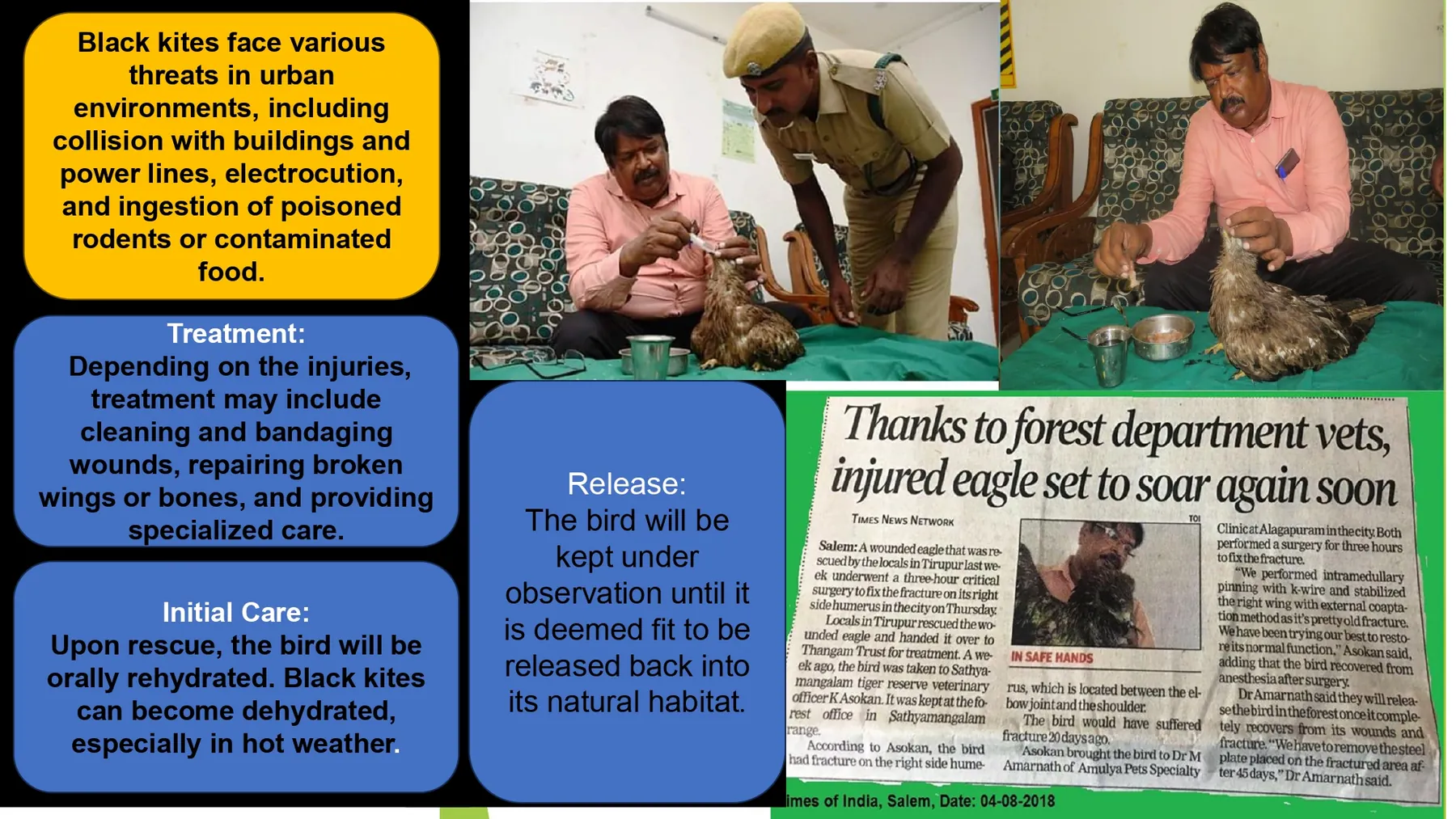
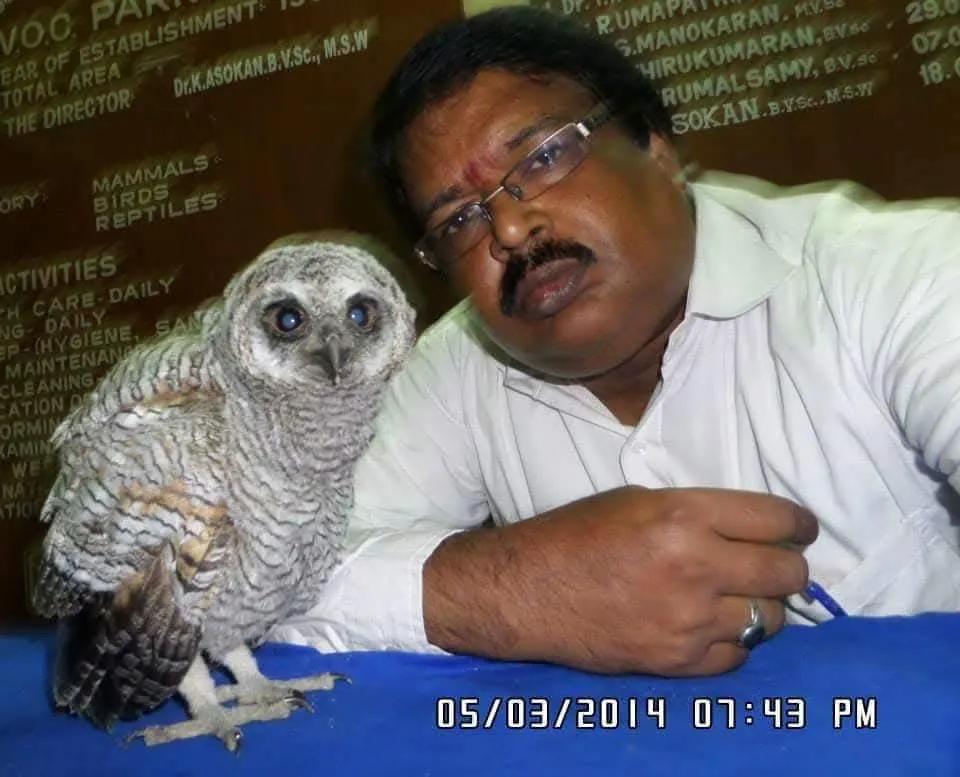
Orthopaedic, ophthalmic, soft-tissue, supportive, and flight-rehabilitation care for native birds.
Open bird page →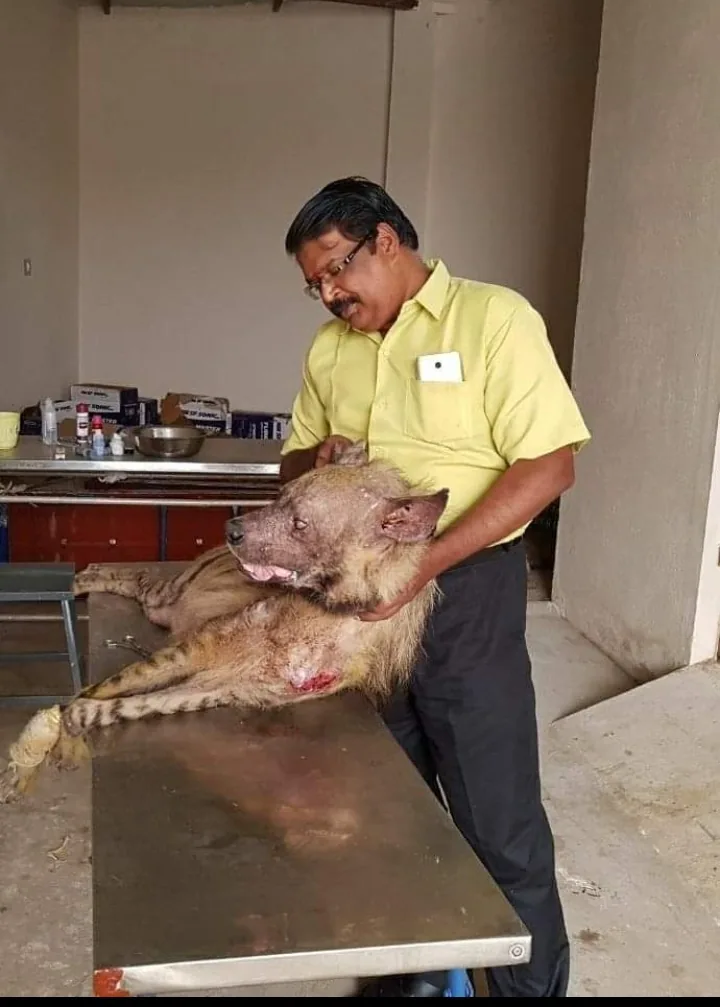
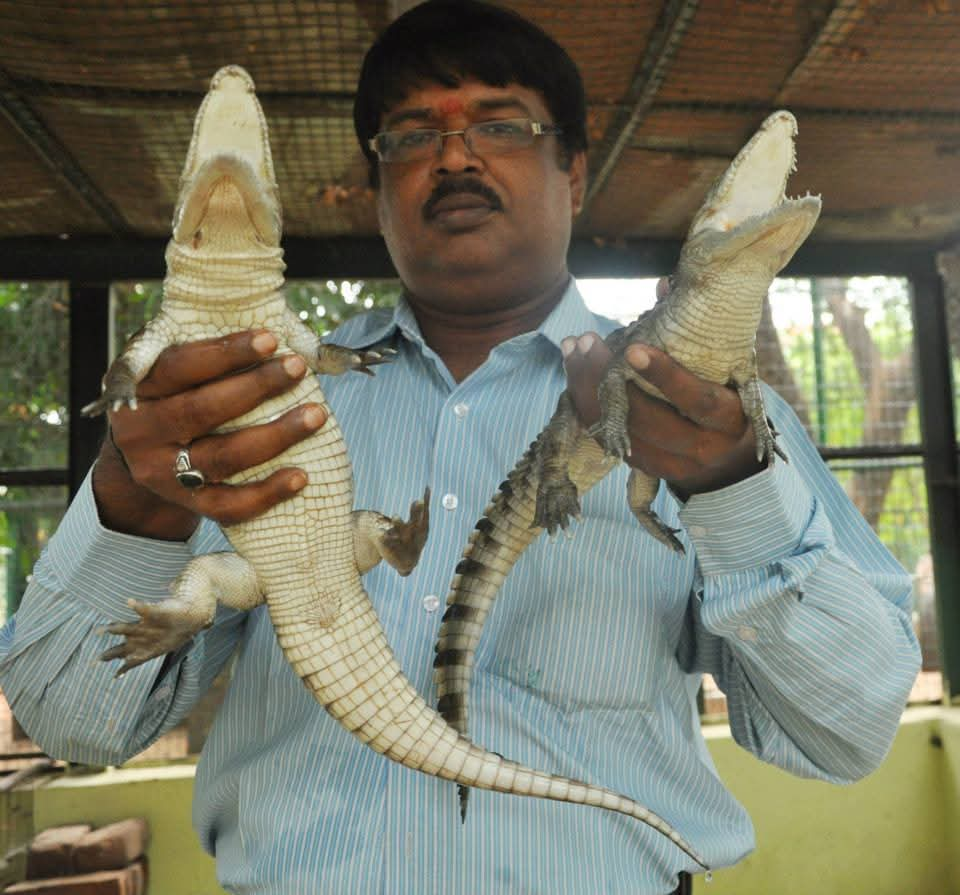
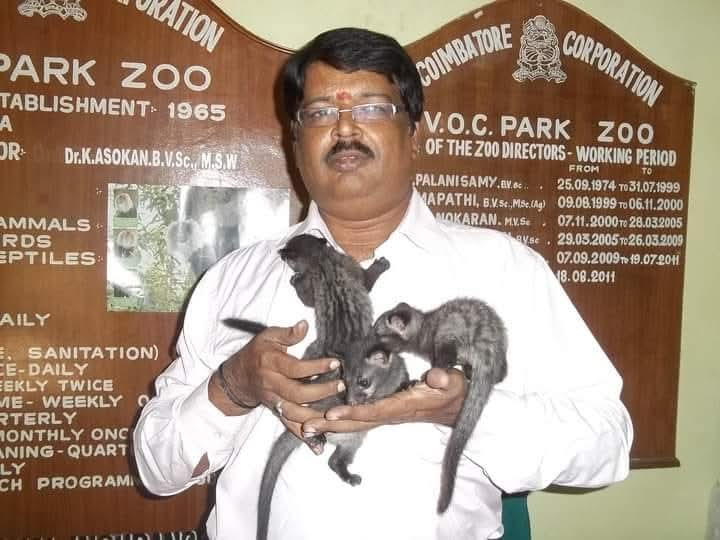
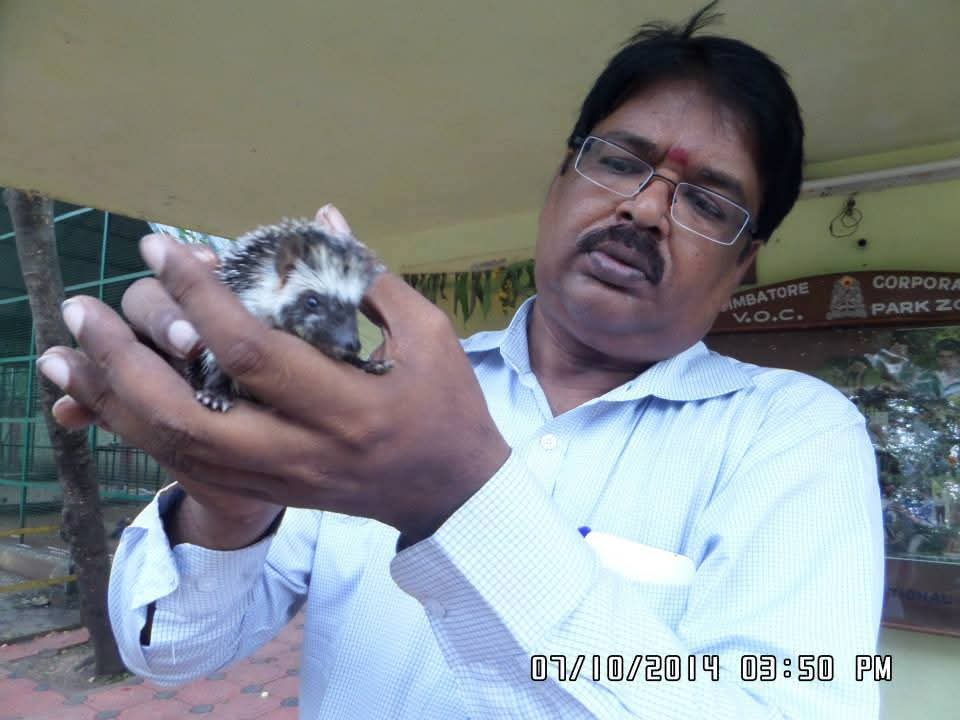
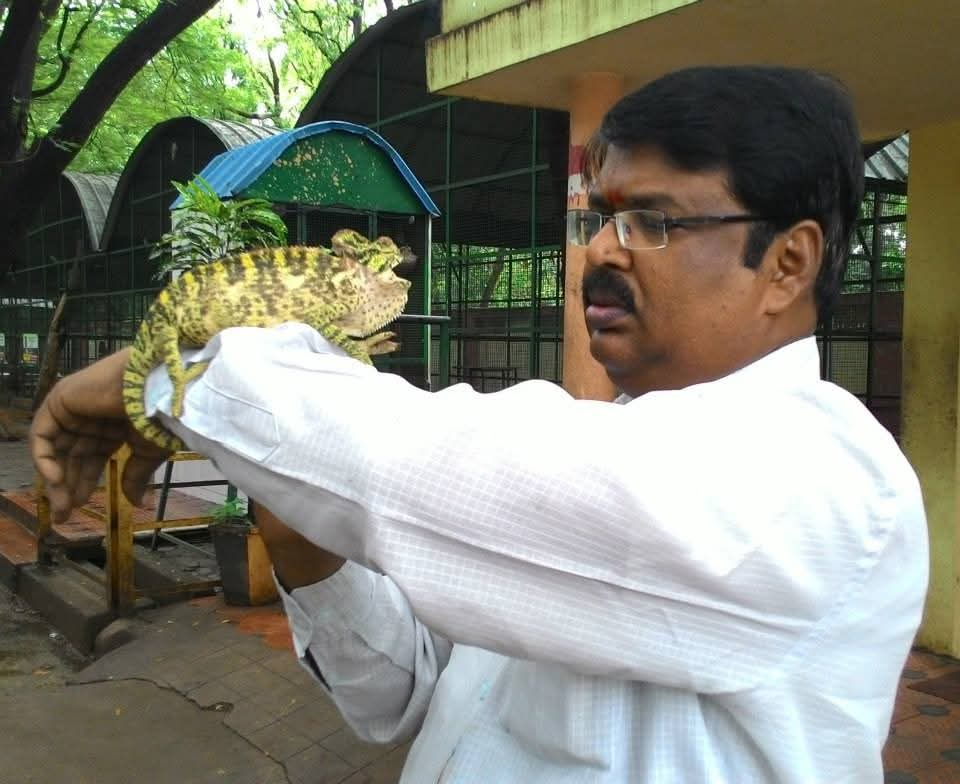
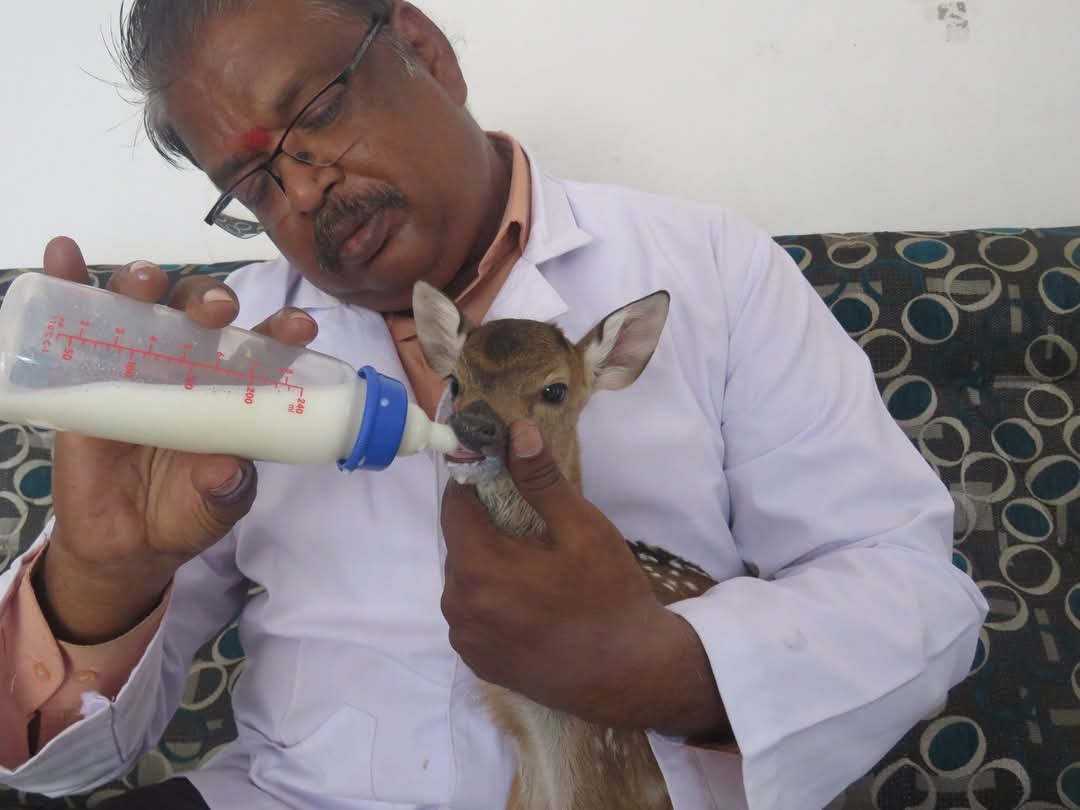
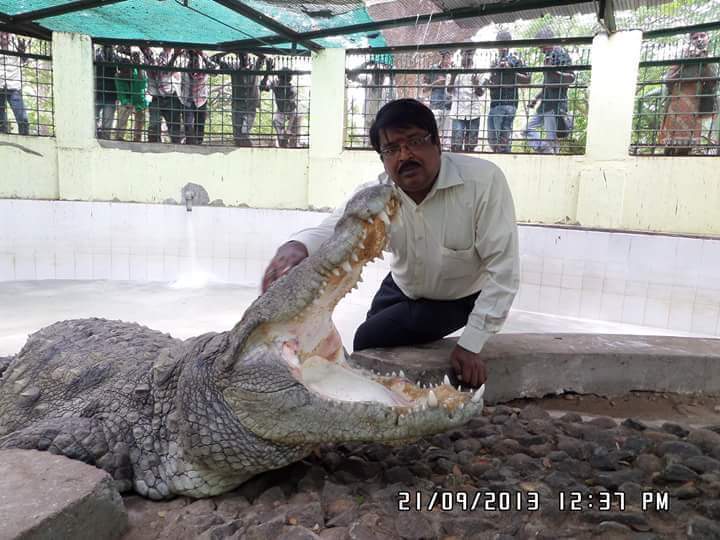
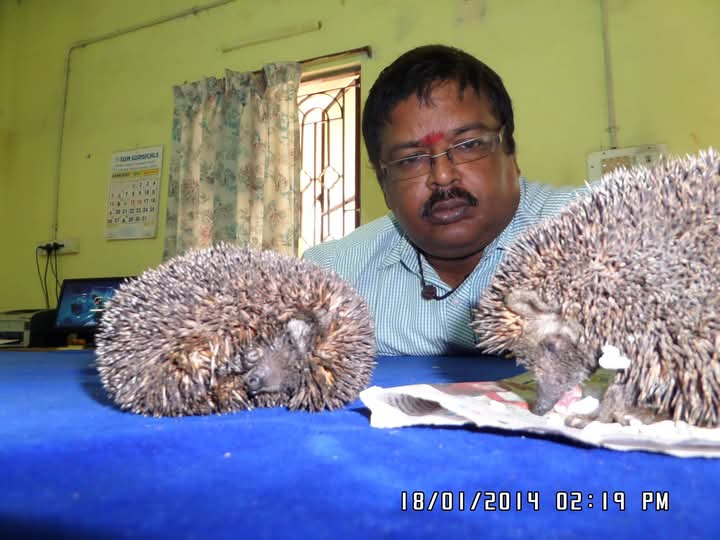
Rescue and rehabilitation of hyenas, gaur, deer, monkeys, civets, hedgehogs, chameleons, crocodiles, bats, turtles, and more.
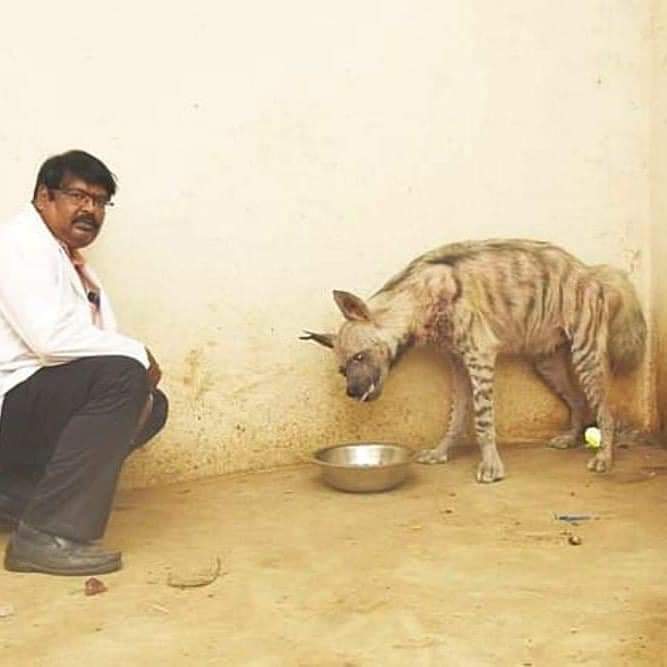
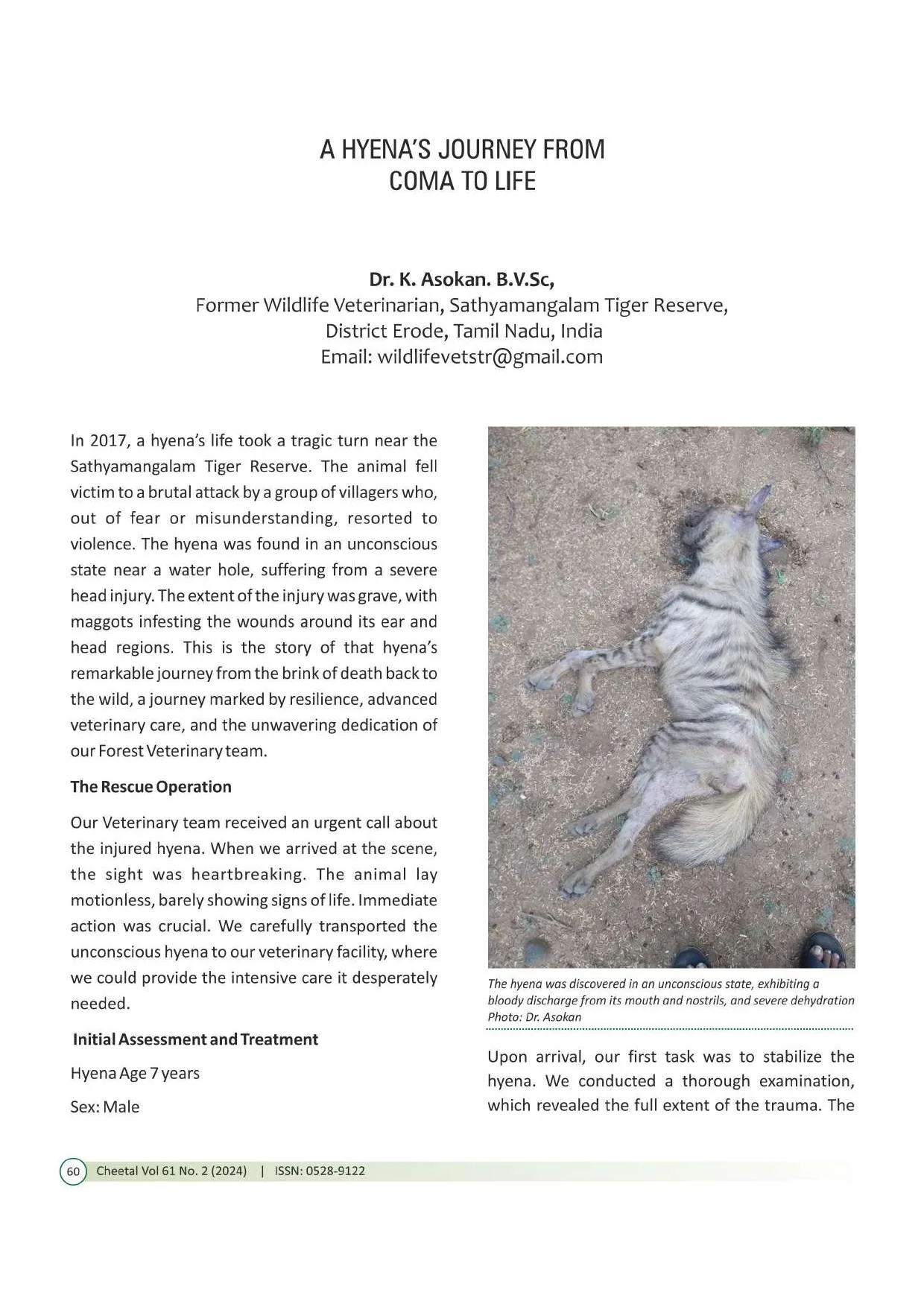
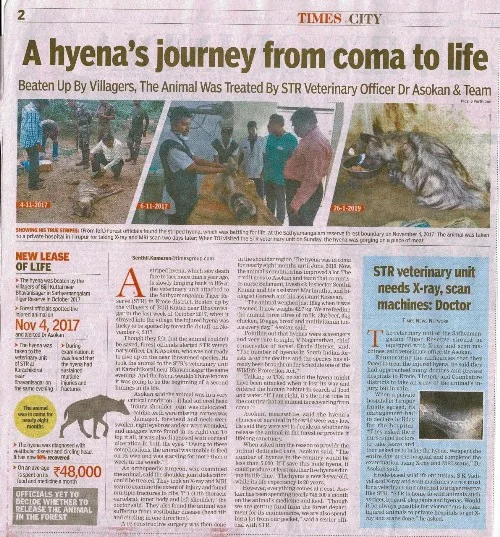
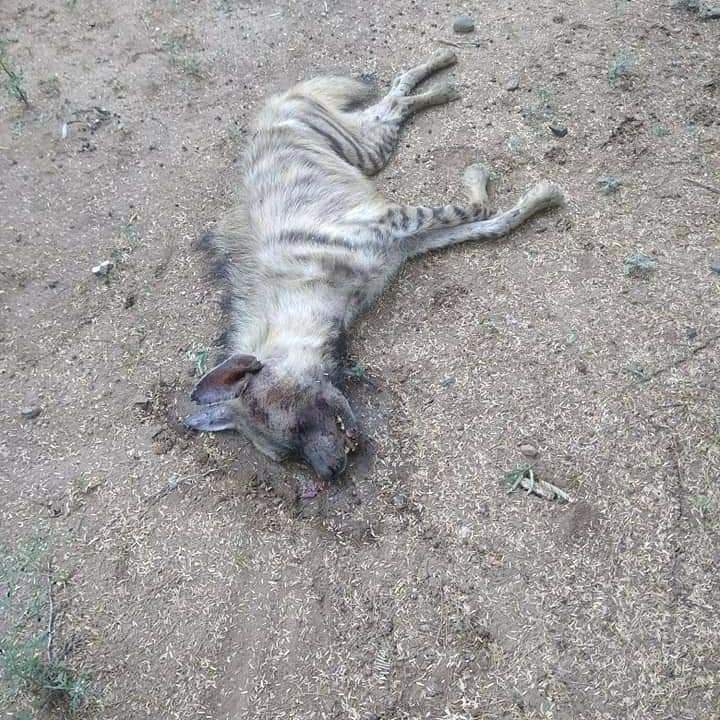
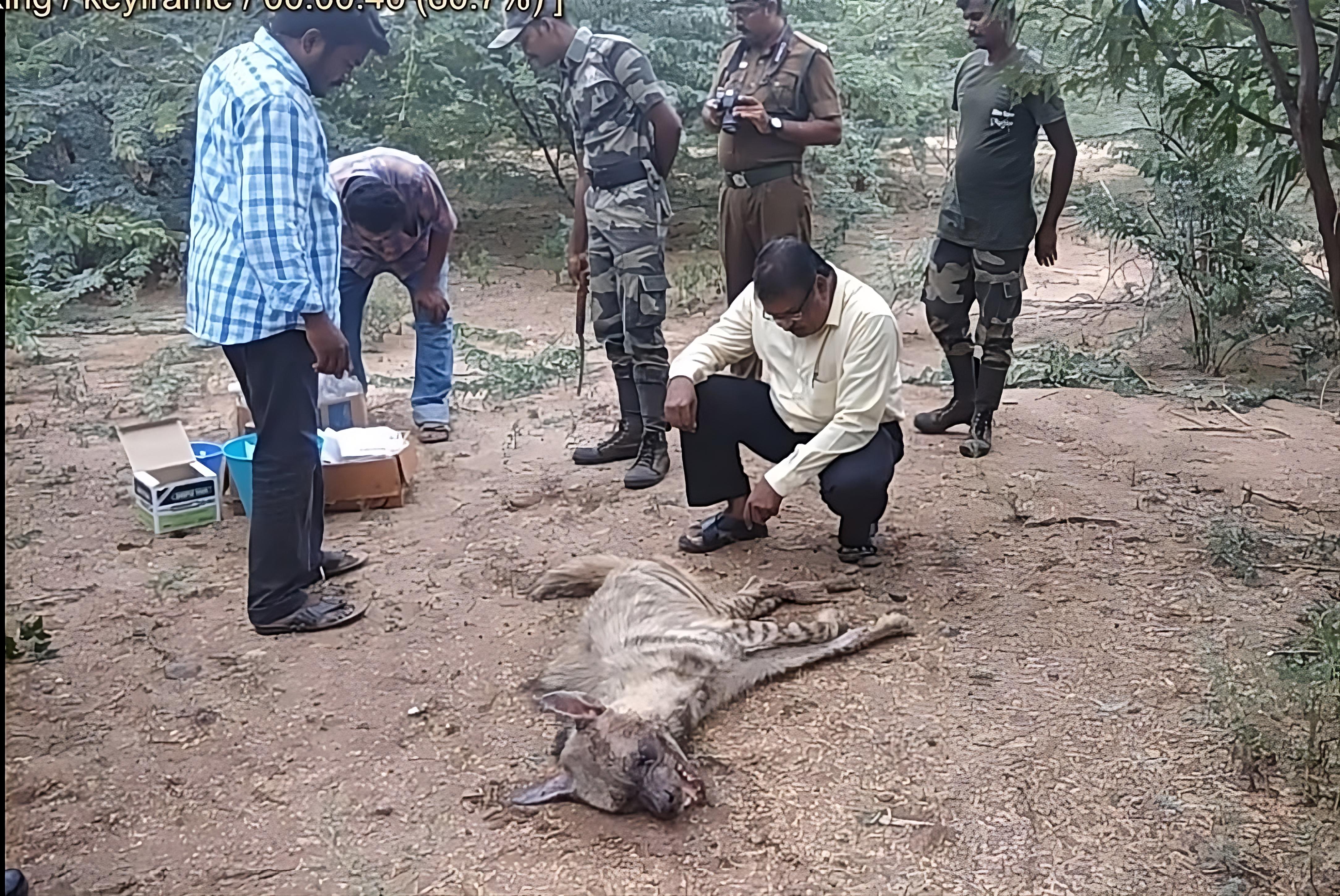
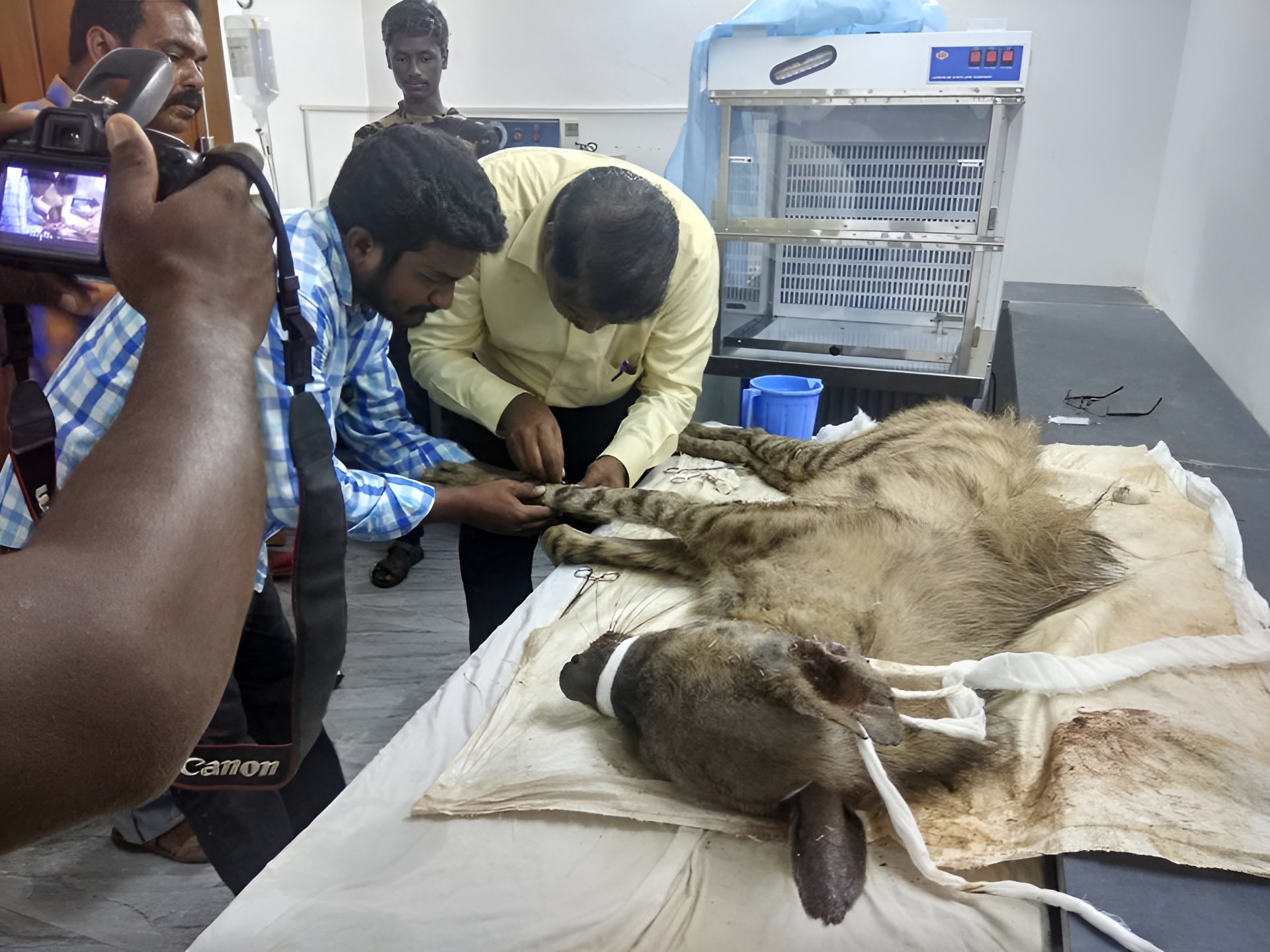
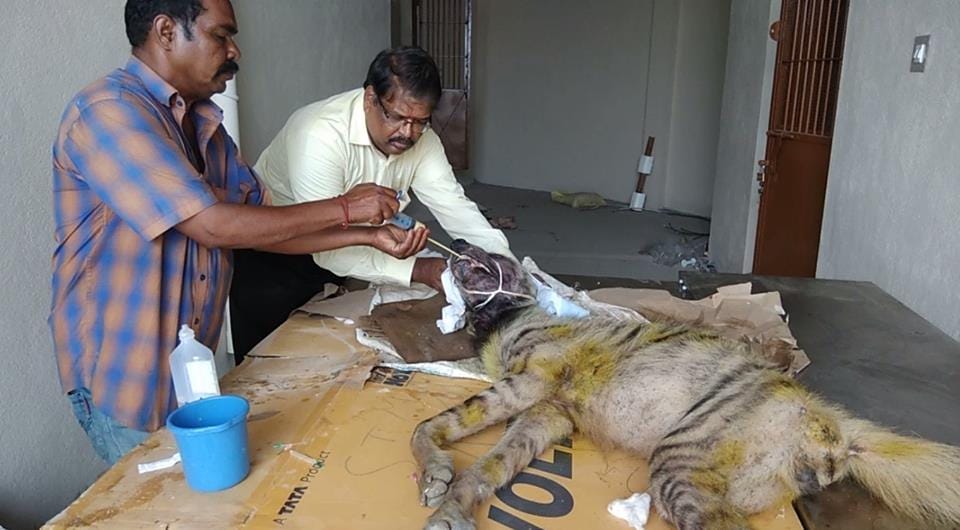
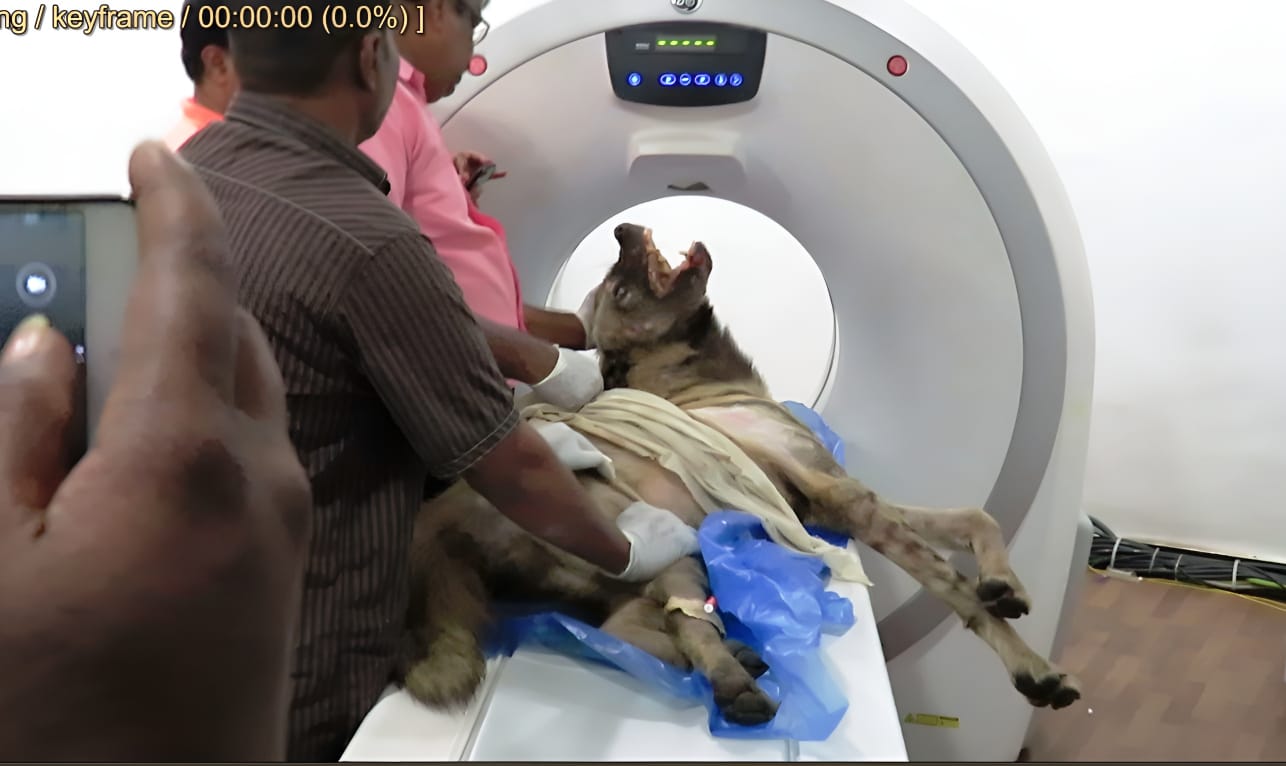
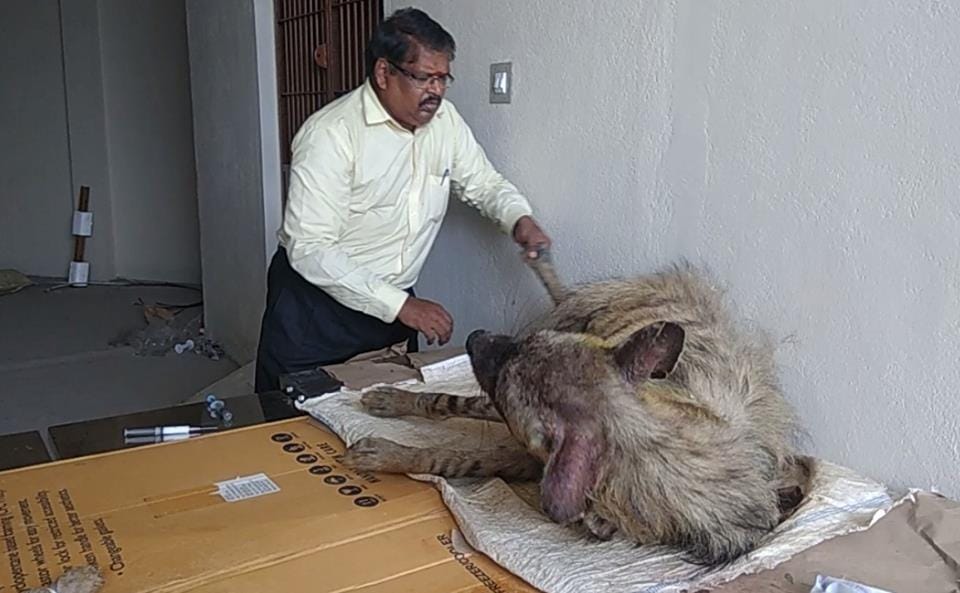
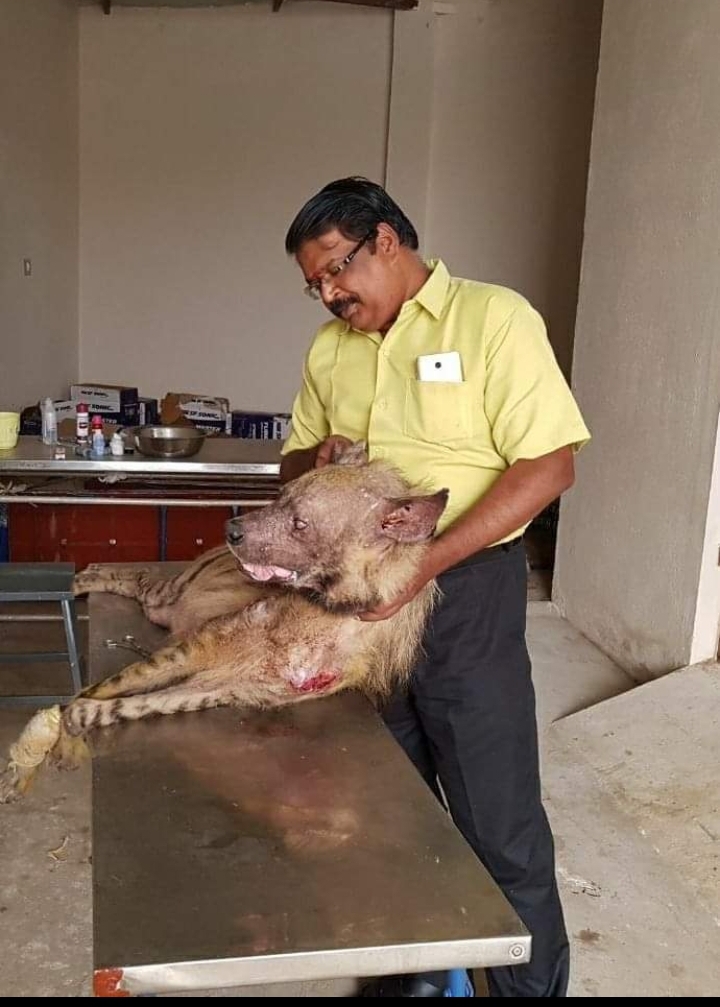
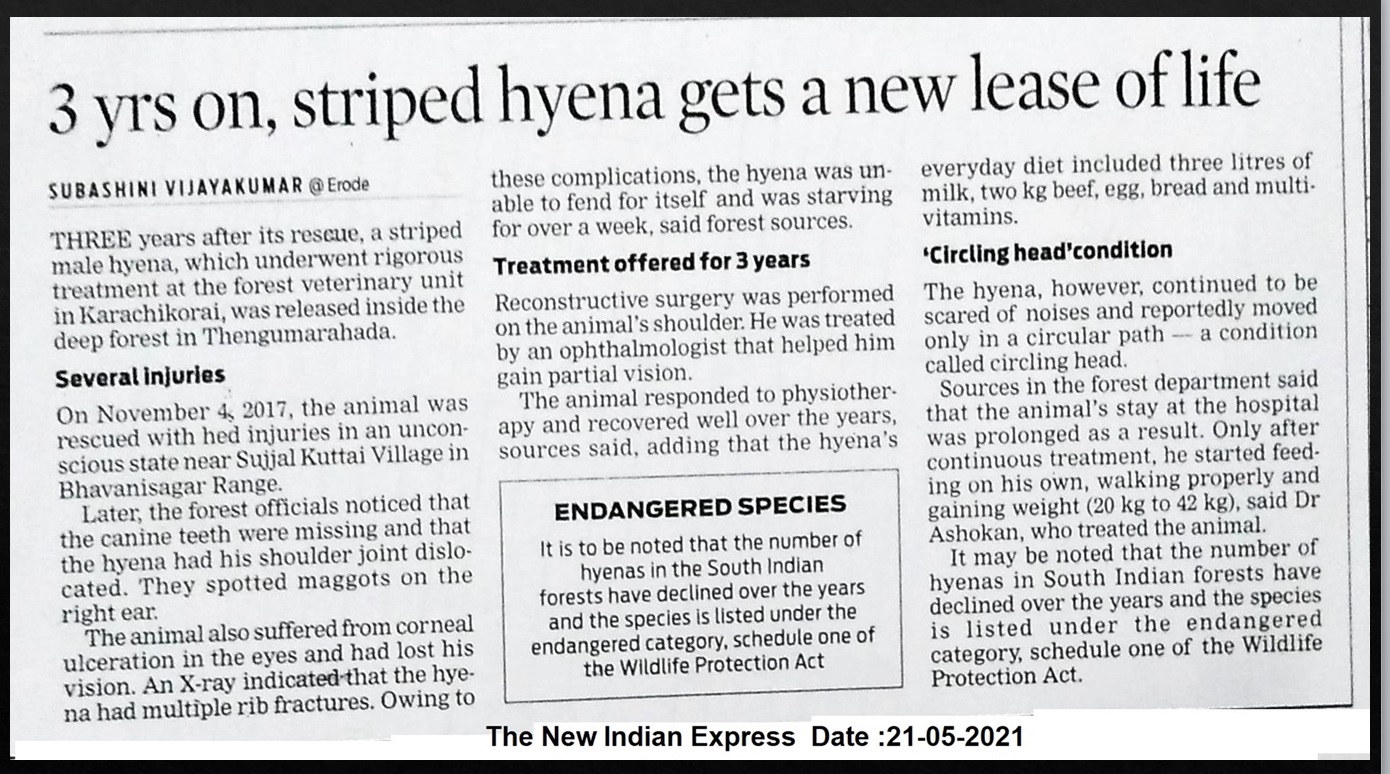
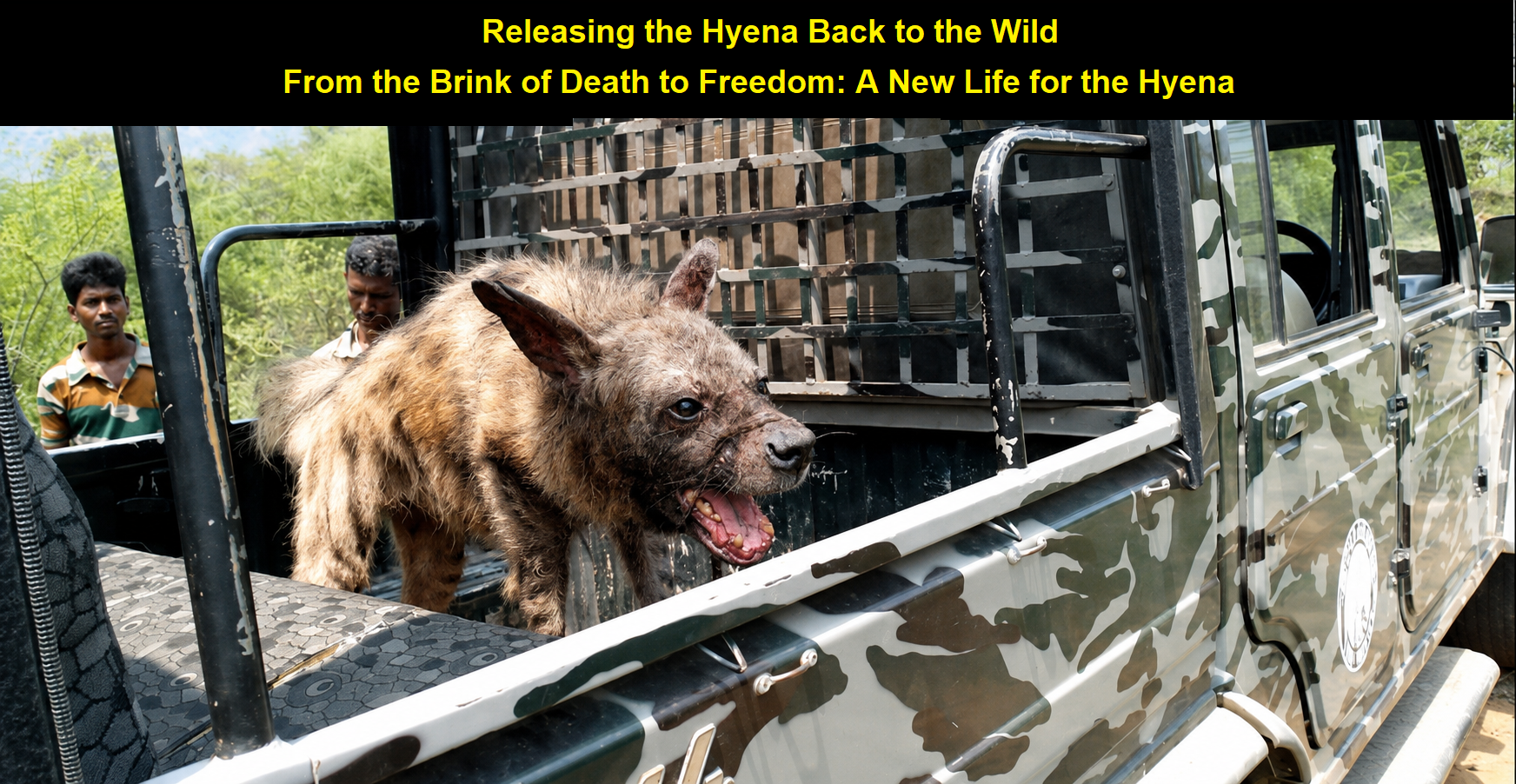
Open other wildlife page →In 2017, a striped hyena was brutally attacked by villagers near the Sathyamangalam Tiger Reserve and was found unconscious beside a waterhole with severe head injuries and extensive maggot infestation around the head and ears. It was rescued by the Forest Veterinary Team led by Dr. Asokan.
The hyena received intensive veterinary care, including advanced diagnostic imaging, multiple surgical procedures, wound management, infection control, supportive care, and prolonged rehabilitation. After nearly six months, it gradually recovered from its comatose state. Following continued monitoring and rehabilitation, it regained strength and natural behaviour.
On 28 April 2021, after almost three years of rehabilitation, the healthy hyena was successfully released into the Sathyamangalam forests, marking an exceptional wildlife rescue success.
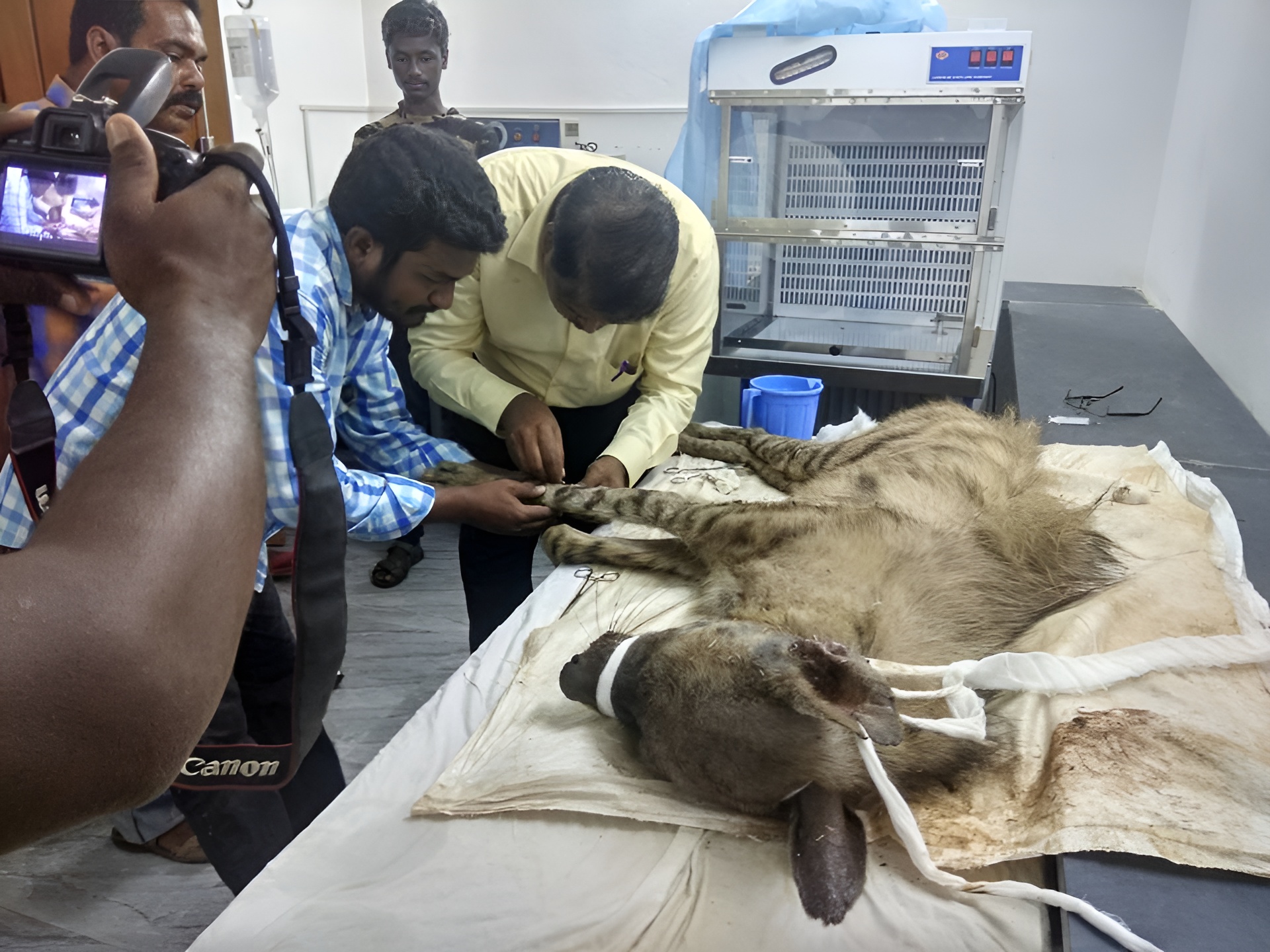
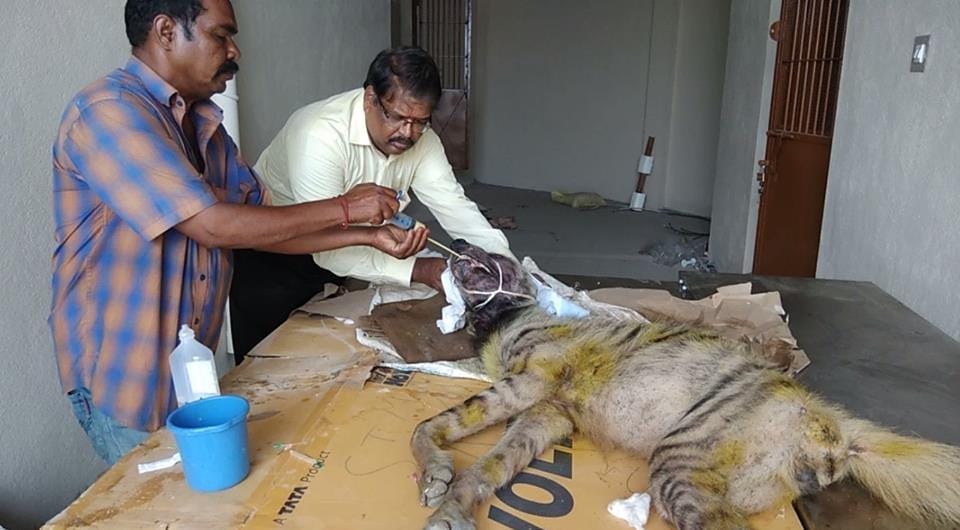
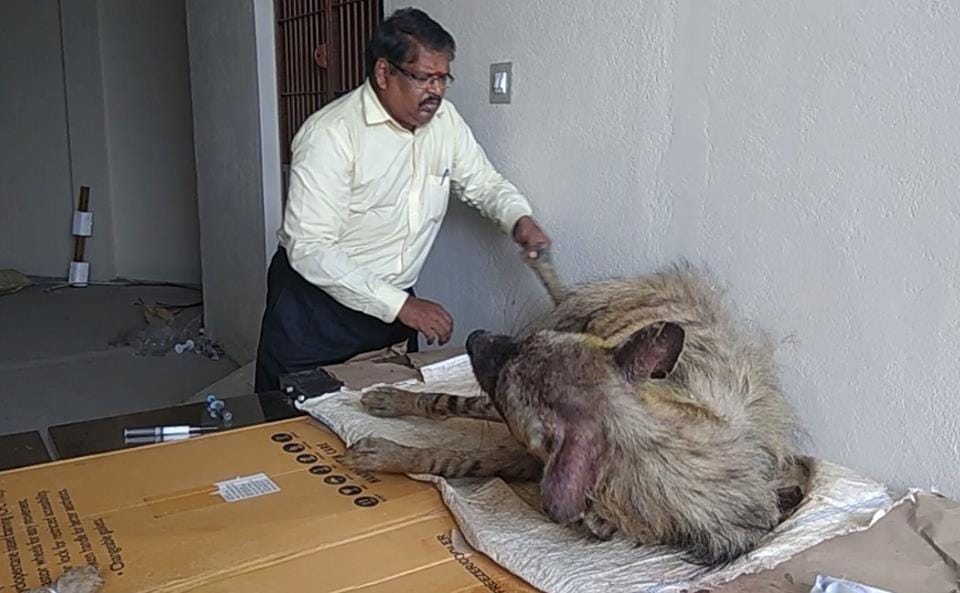
Dr. Asokan’s real-life experience as a wildlife veterinarian, especially in the rescue, treatment, and handling of hyenas and other wild animals, served as a reference for realistic wildlife rescue and veterinary scenes associated with the Tamil film Leo.
This connection helped draw public attention to scientific wildlife management and to the role of wildlife veterinarians in conservation, showing how real field experience can inform cinematic storytelling.
Wildlife Veterinary Experience and Its Relevance to the Tamil Film LeoExperience with hyenas and wild-animal rescue
Hyenas are powerful, highly adaptive wild carnivores that require specialised knowledge when they are injured, trapped, displaced or involved in human–wildlife conflict. A wildlife veterinarian must consider: Animal behaviour and temperament before attempting rescue or capture.
Maintaining a safe distance and escape route for both the animal and rescue team.
Appropriate capture and restraint techniques to minimise injury and stress.
Veterinary assessment following rescue, including examination for wounds, dehydration, trauma and other conditions.
Chemical immobilisation, when scientifically and legally appropriate, under veterinary supervision.
Safe transportation and temporary holding.
Post-treatment monitoring and assessment for release into a suitable habitat.
Dr. Asokan's field experience therefore represents the type of practical knowledge that is valuable when portraying wildlife rescue and veterinary situations realistically.
Dr. K. Asokan’s extensive experience as a wildlife veterinarian, particularly in the rescue, treatment, immobilisation and safe handling of wild animals, provides a valuable real-life reference for understanding realistic wildlife rescue and veterinary situations portrayed in cinema.
His field experience with hyenas and other wild animals involved practical knowledge of animal behaviour, safe capture and restraint, veterinary assessment, emergency treatment, stress management and, where appropriate, rehabilitation and release. Such experience highlights the specialised skills required when veterinarians and trained rescue teams work with potentially dangerous wild animals.
The wildlife-related sequences associated with the Tamil film Leo, including the prominent depiction of a hyena, brought considerable public attention to the challenges of dealing with wild carnivores. Dr. Asokan’s professional background provides a relevant real-world perspective on these situations and illustrates how practical wildlife-veterinary knowledge can contribute to the understanding and realistic portrayal of wildlife.
This association also helped highlight the importance of scientific wildlife management and the vital role played by wildlife veterinarians in conservation, animal welfare, rescue and rehabilitation. It demonstrates how real field experience can provide valuable knowledge for public awareness and cinematic storytelling while reinforcing the need for scientifically sound and humane approaches to wildlife.
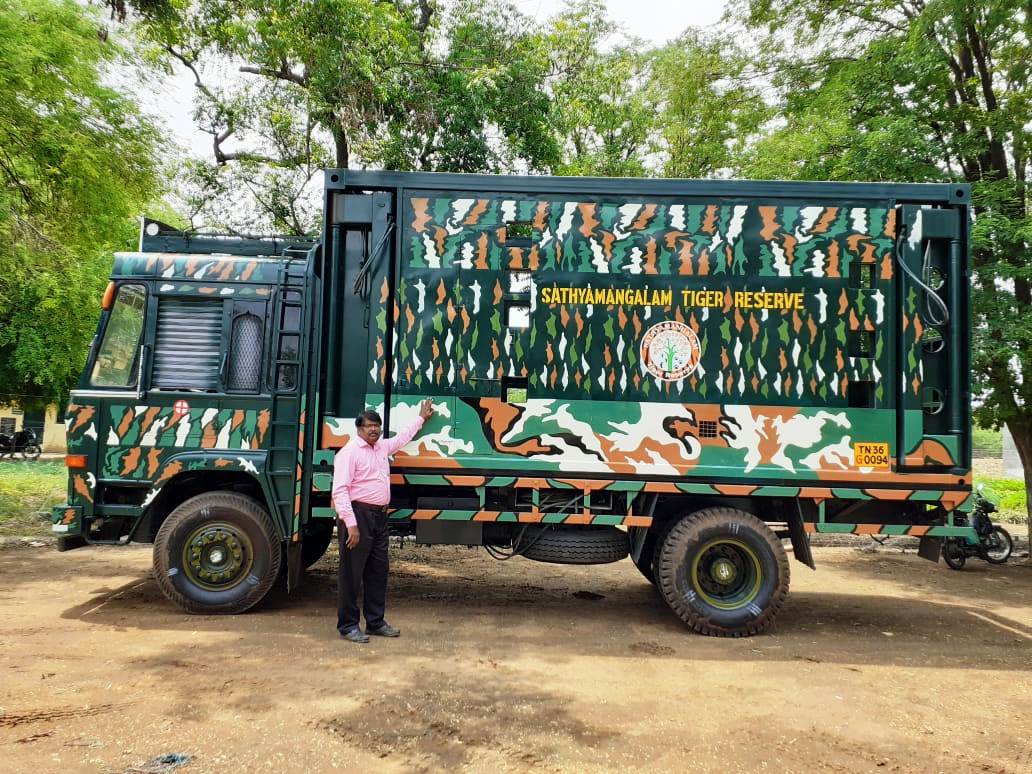
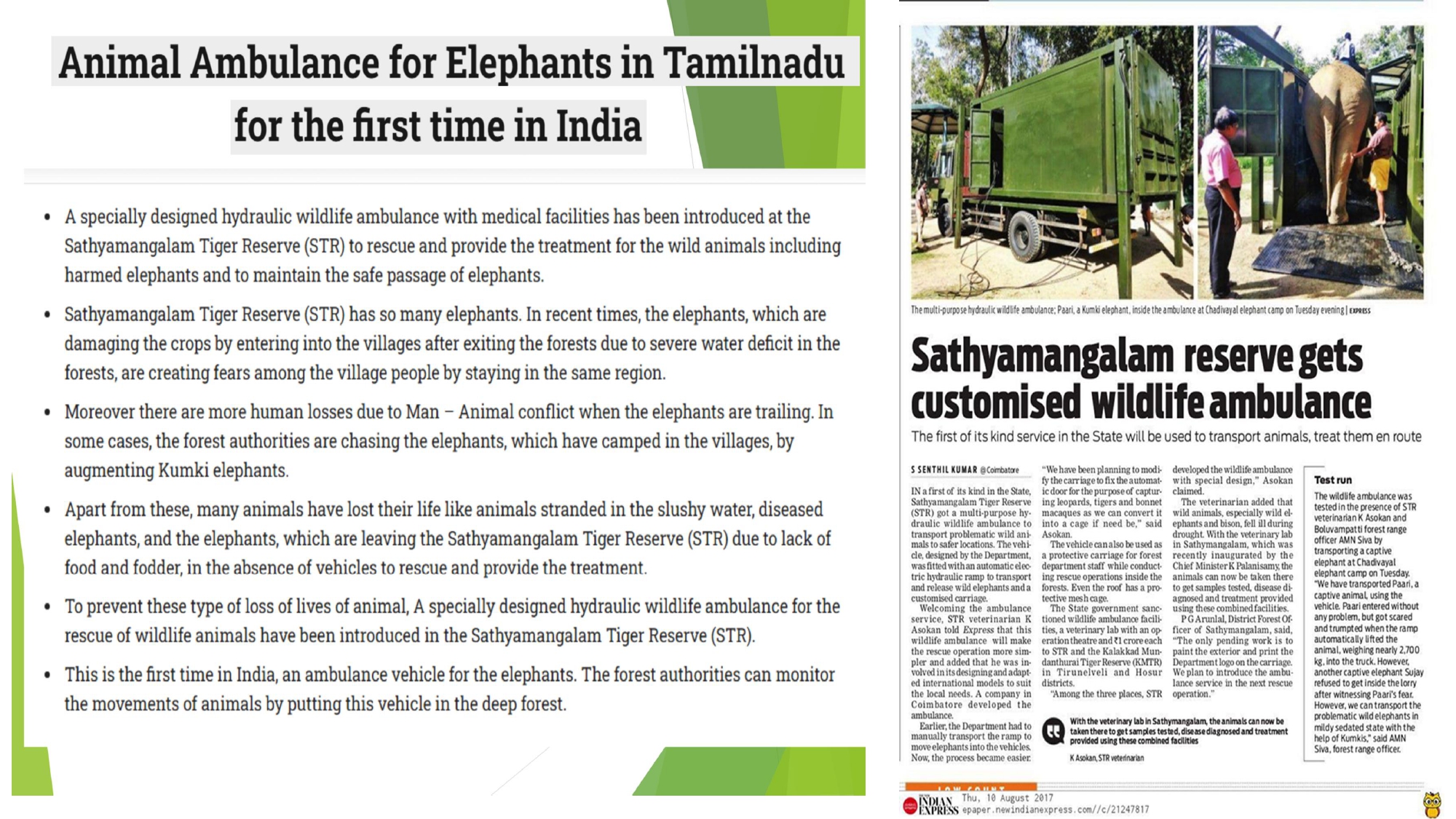
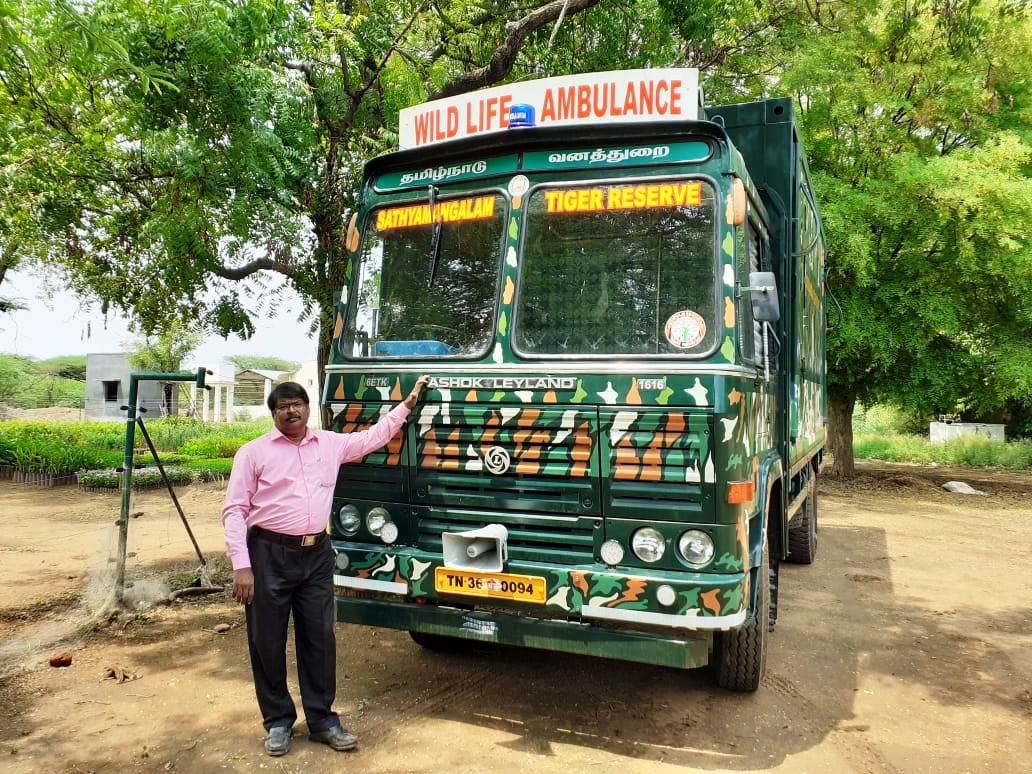
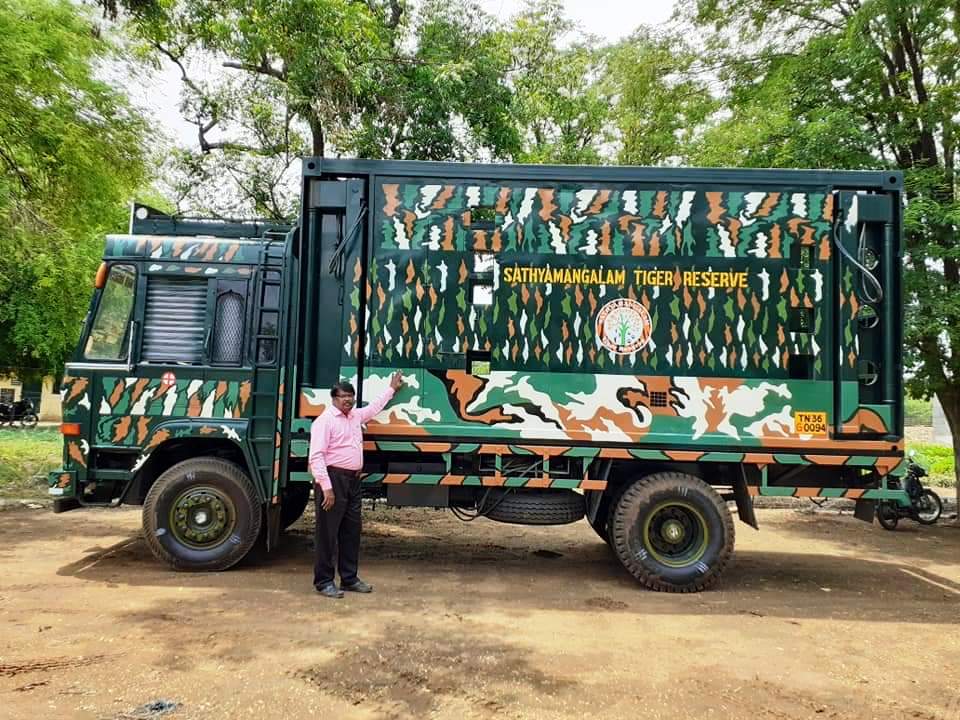
In 2017, Dr. Asokan played a key role in introducing India’s first specially designed hydraulic ambulance for elephants to support rescue and emergency veterinary operations. The vehicle was developed to safely transport injured, sick, immobilized, and rescued elephants while minimizing stress and the risk of further injury.
Its multi-purpose design also enabled the transport of rescue equipment and Forest Department personnel during field operations. The hydraulic ambulance improved the efficiency and safety of elephant rescue missions and was inspected and appreciated by senior officials from several State Forest Departments as a pioneering wildlife-rescue model.