Wild Animals, & Zoo Animal , Birds and Reptiles Disease Management and Treatment
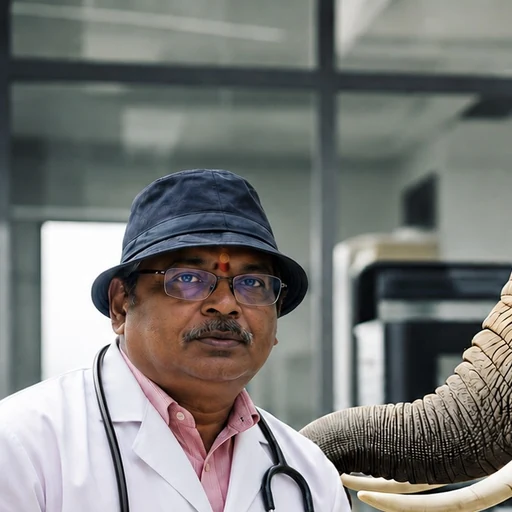
- Dr. Krishnamoorthy Asokan has worked extensively in wildlife veterinary medicine, treating wild, captive and zoo animals, including elephants, snakes, birds and other wildlife. His professional profile also describes experience in wildlife rescue, treatment, rehabilitation, orphaned-calf care, reptile surgery and zoo animal healthcare.
- Major disease and medical conditions treated
- Wild Elephants: Infectious diseases, parasitic diseases, traumatic injuries, poisoning and toxicological conditions, electrocution injuries, gunshot wounds, gastrointestinal problems, liver fluke infestation and other critical illnesses.
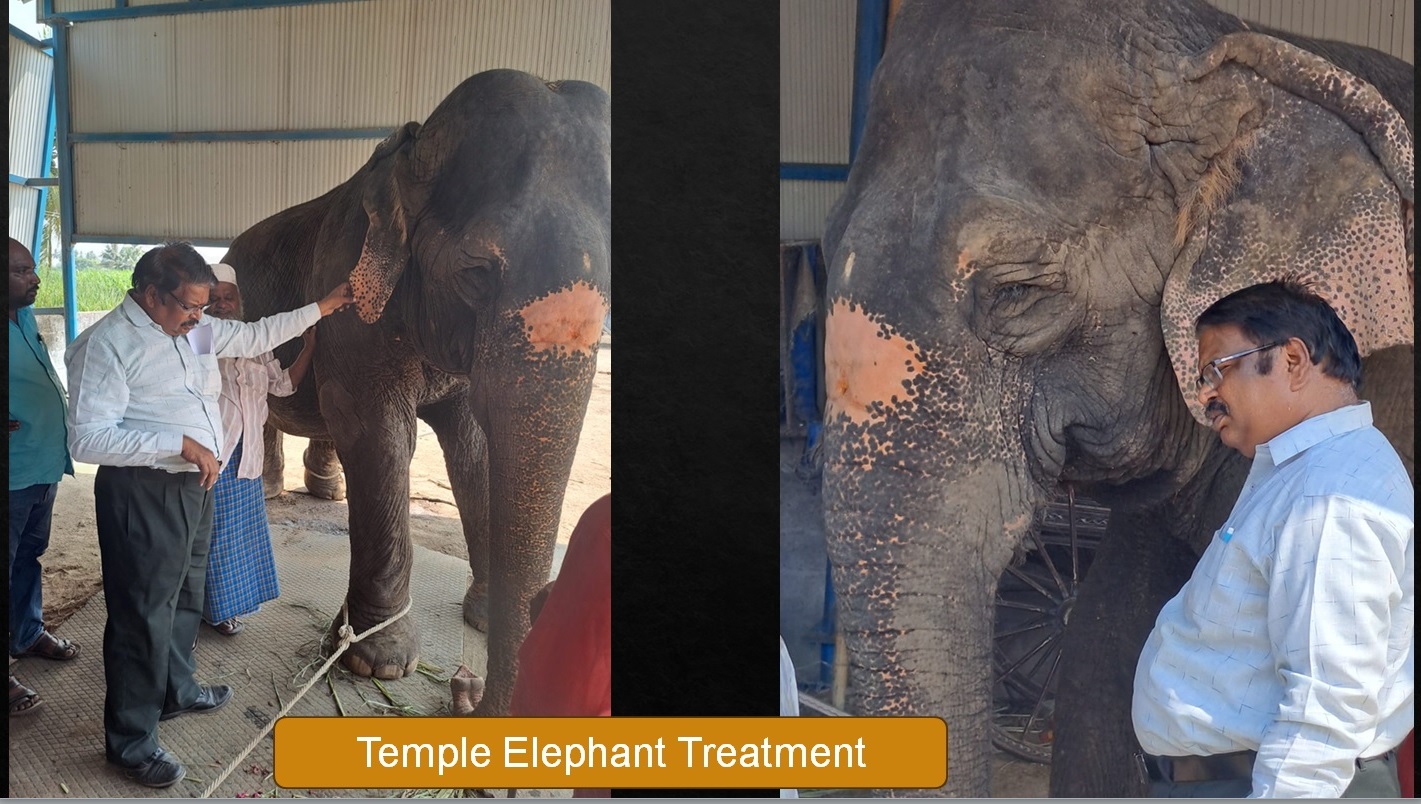
- Captive & Temple Elephants: Wounds, abscesses, foot problems, infections, nutritional and digestive disorders, injuries and other emergency conditions.
- Orphaned Elephant Calves: Severe weakness, dehydration, nutritional deficiencies, infections, injuries and complications associated with loss of maternal care.
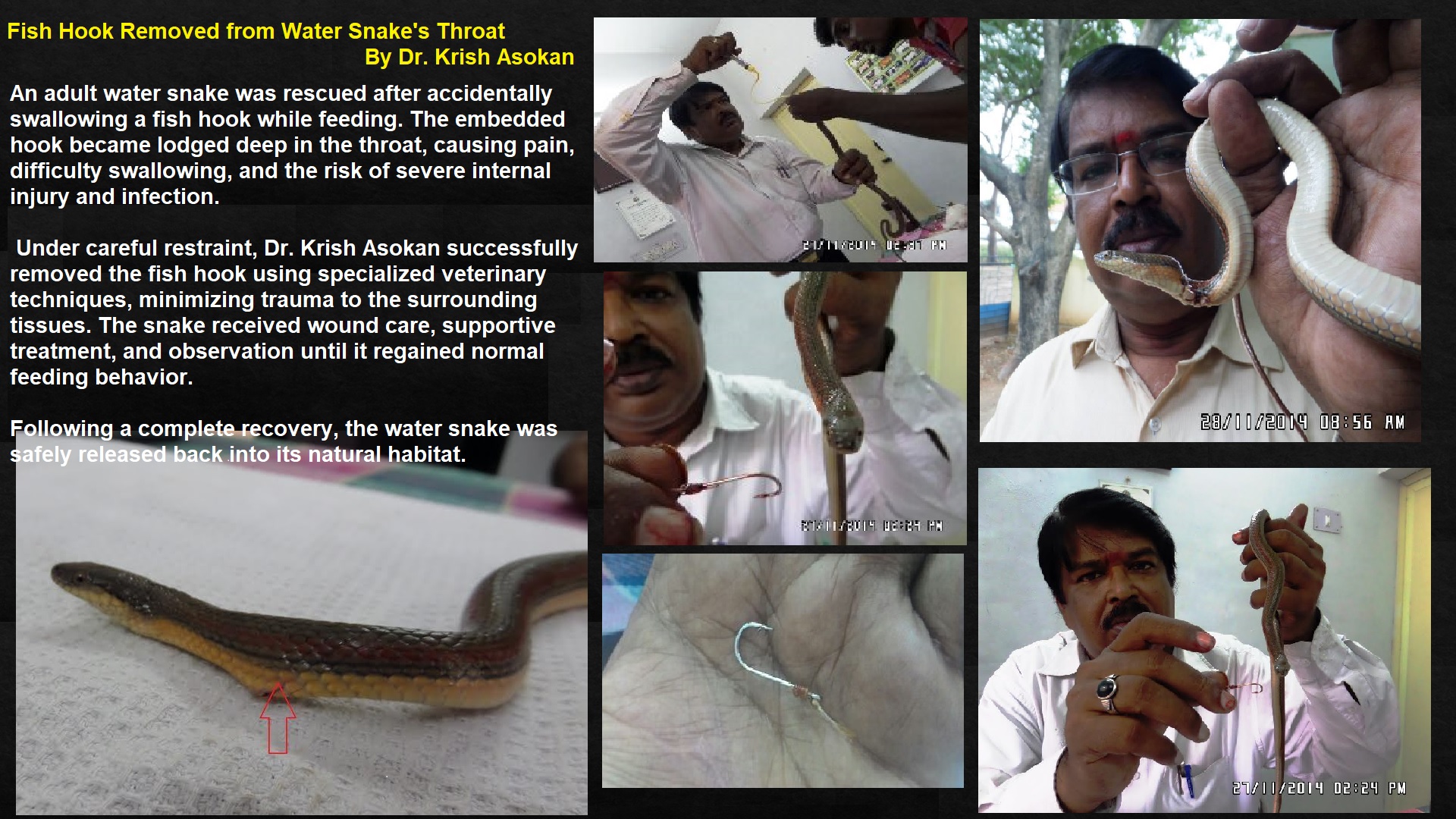
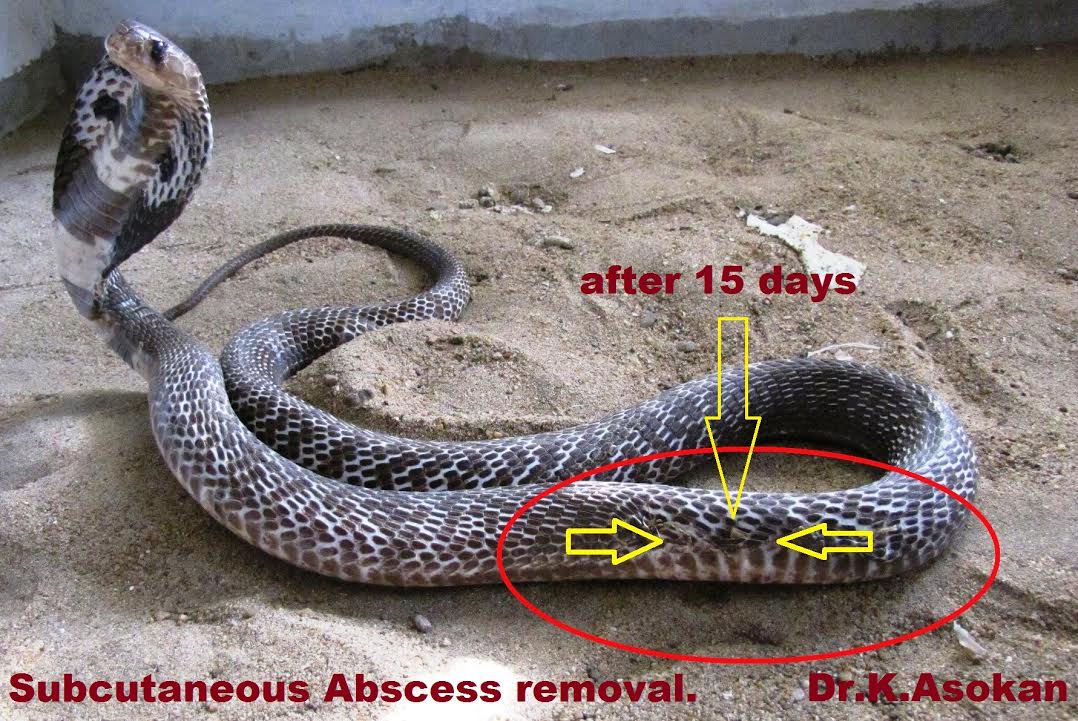
- Snakes: Abscesses, tumours/cancer, infected wounds, spinal injuries, eye problems, fish-hook injuries and other traumatic conditions requiring surgery.
- Zoo Reptiles: Diseases and injuries affecting pythons, cobras, Russell's vipers, rat snakes and other captive reptiles.
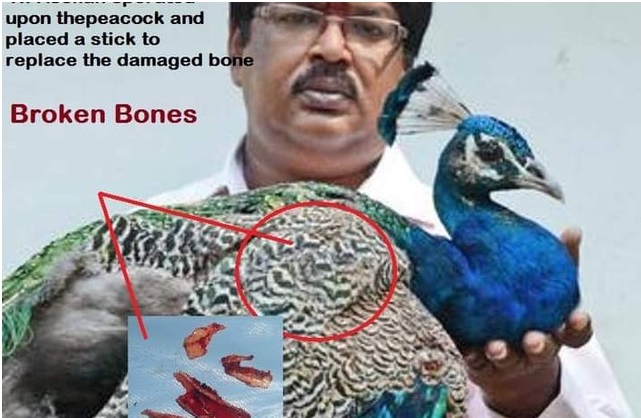
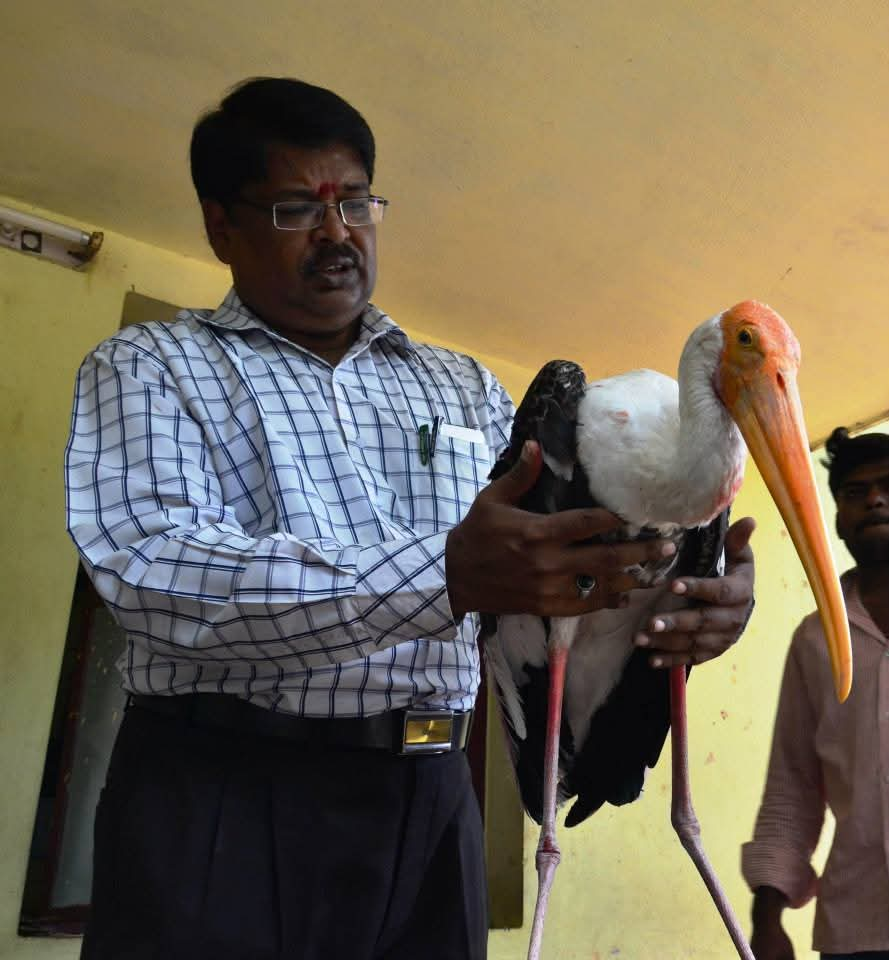
- Birds: Wing injuries, fractures, eye problems, beak injuries and other traumatic conditions requiring veterinary intervention.
- Other Wild Animals: Rescue and rehabilitation of injured or diseased wildlife, including emergency treatment, supportive care and rehabilitation before release.
- Wildlife Veterinary Challenge
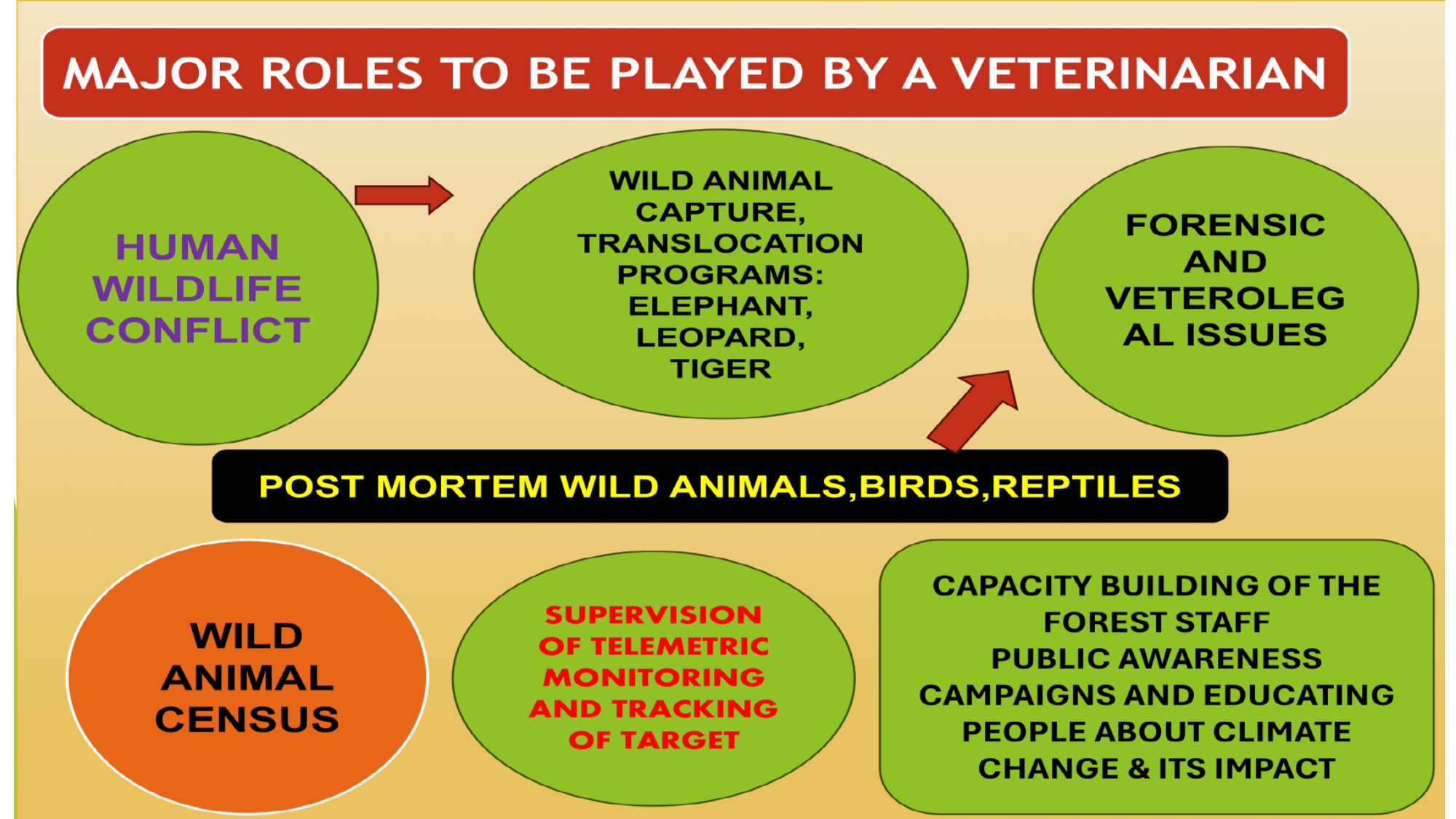
- Treatment of wild animals is considerably different from routine domestic-animal practice. Capturing the animal safely, reducing stress, selecting appropriate anaesthesia, performing diagnosis in difficult field conditions, treating injuries or disease, providing post-operative care and finally rehabilitating the animal for release all require specialised wildlife veterinary skills.
- Dr. Krishnamoorthy Asokan's wildlife veterinary career therefore represents a combination of clinical medicine, emergency treatment, surgery, toxicology, rehabilitation and conservation medicine. His documented work includes wildlife rescue and treatment, wild-elephant management and reptile surgery
Wild and Captive Elephants Disease Diagnosis and Treatment
- Dr. Krishnamoorthy Asokan (Dr. Krish Asokan) has treated numerous wild, captive and temple elephants, providing veterinary care for diseases, traumatic injuries, infections, parasitic conditions, poisoning, electrocution, foot disorders and other critical health problems.
- His wildlife veterinary work involved field diagnosis, emergency treatment, wound management, surgery, supportive therapy, disease control, rehabilitation and post-treatment monitoring, with particular challenges in safely treating large and often stressed elephants in forest and field environments.
- Major diseases & conditions
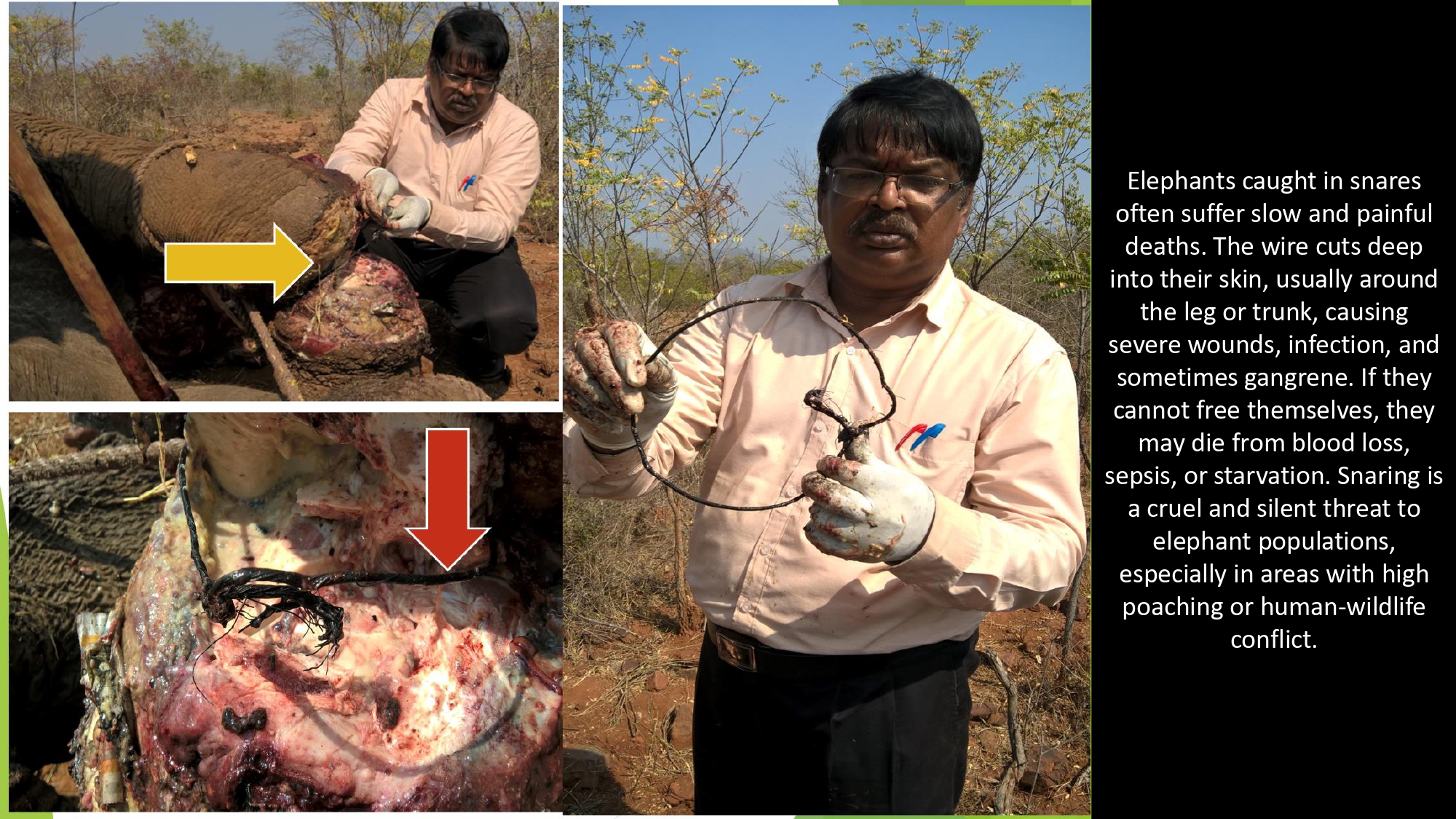
- Traumatic injuries – deep wounds, lacerations, fractures and injuries from fights, traps and human–elephant conflict.
- Infectious diseases – haemorrhagic septicaemia, septicaemia, tuberculosis, foot infections and cellulitis.
- Parasitic diseases – gastrointestinal worms, liver flukes (Fasciola), ticks, mites and other parasites.
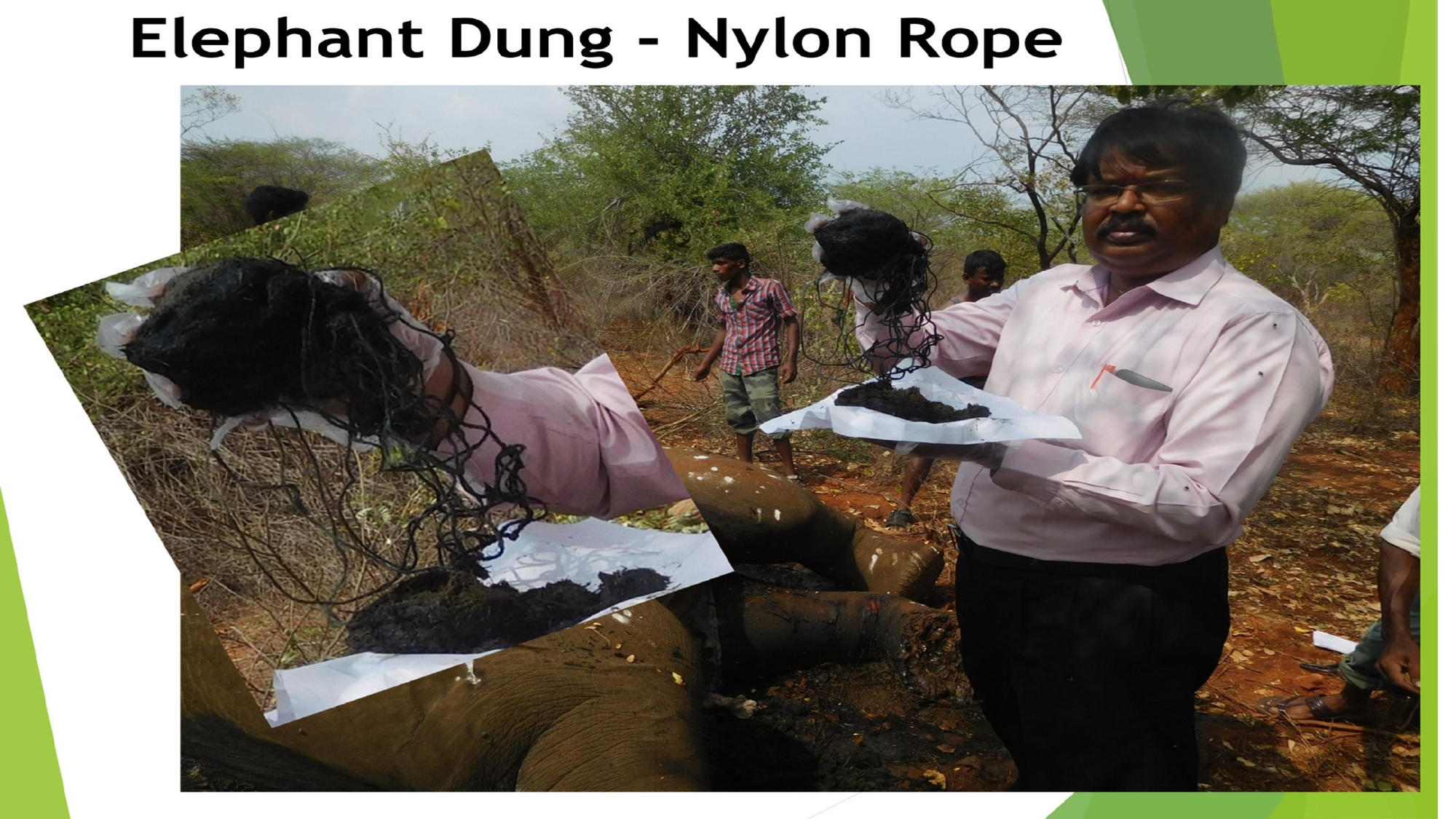
- Poisoning & toxicosis – pesticide poisoning, plant toxicity and ingestion of plastic or garbage.
- Electrocution injuries – burns, shock and organ damage following contact with electrical wires.
- Gunshot & conflict injuries – firearm wounds, internal injuries, haemorrhage and shock.
- Foot diseases – cracks, abscesses, fungal and bacterial infections, and abnormal foot growth.
- Other conditions – digestive and respiratory disorders, nutritional deficiencies and reproductive problems.
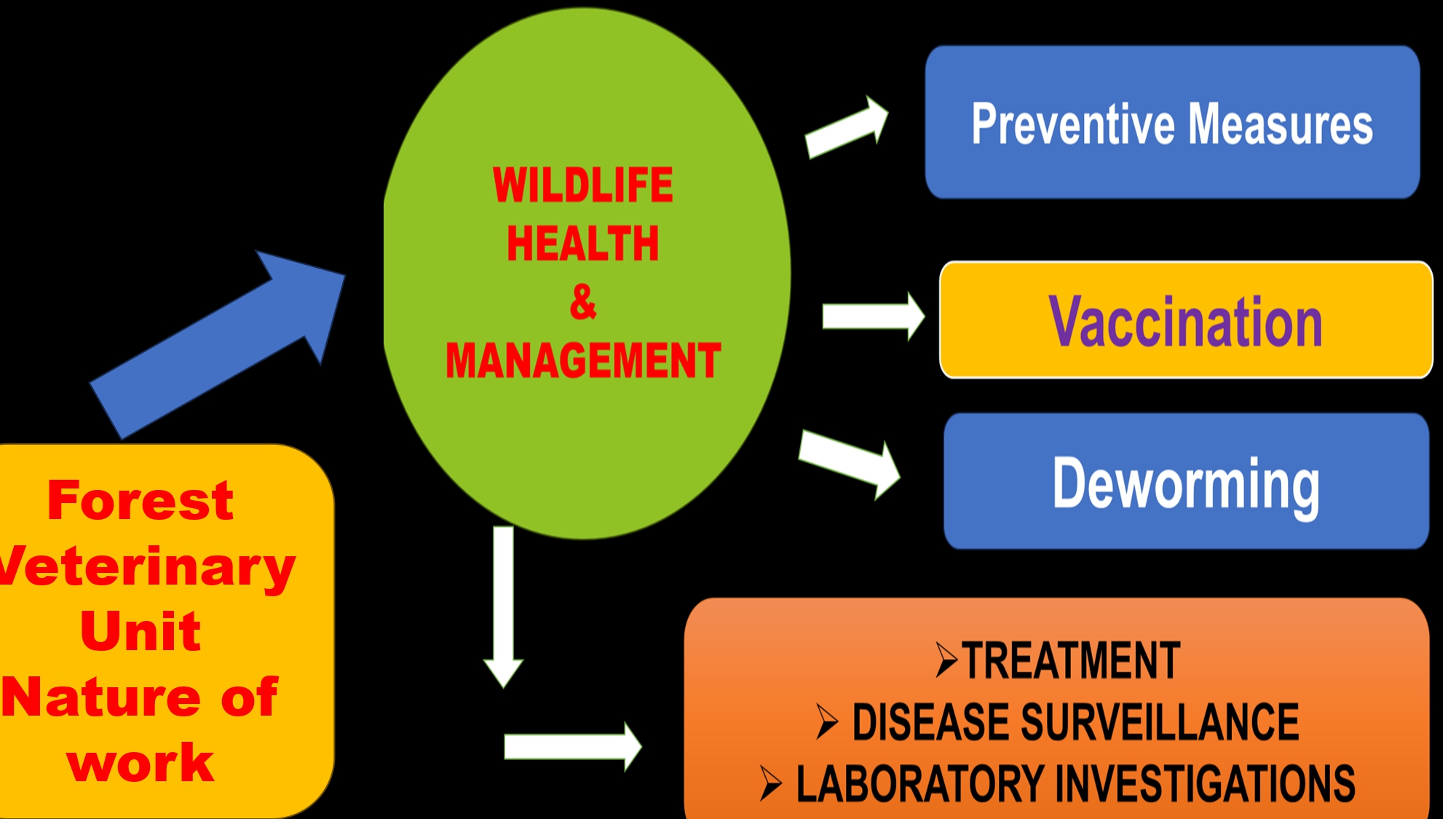
- Veterinary care Treatment may include emergency stabilization, wound management and surgery, antibiotics and supportive therapy, parasite control, fluid and nutritional support, rehabilitation, and rescue/translocation and release back into the wild.
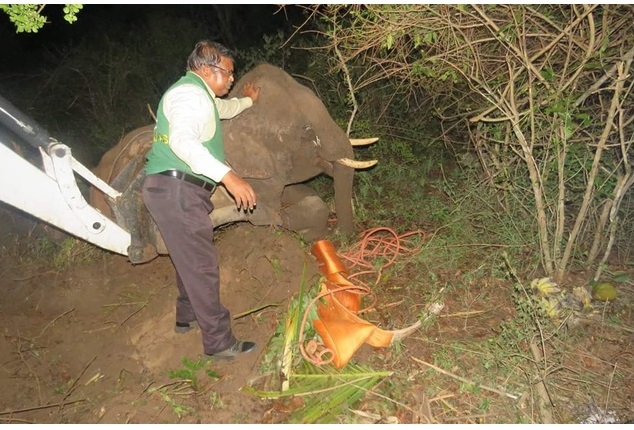
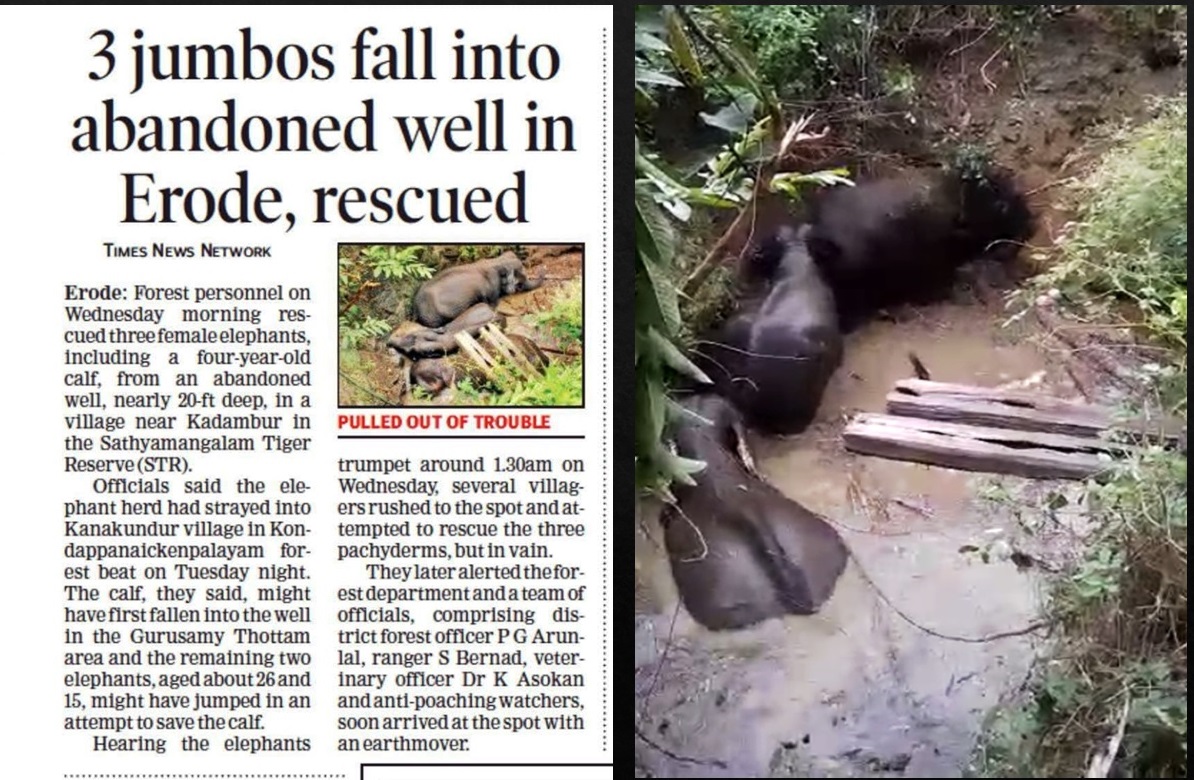
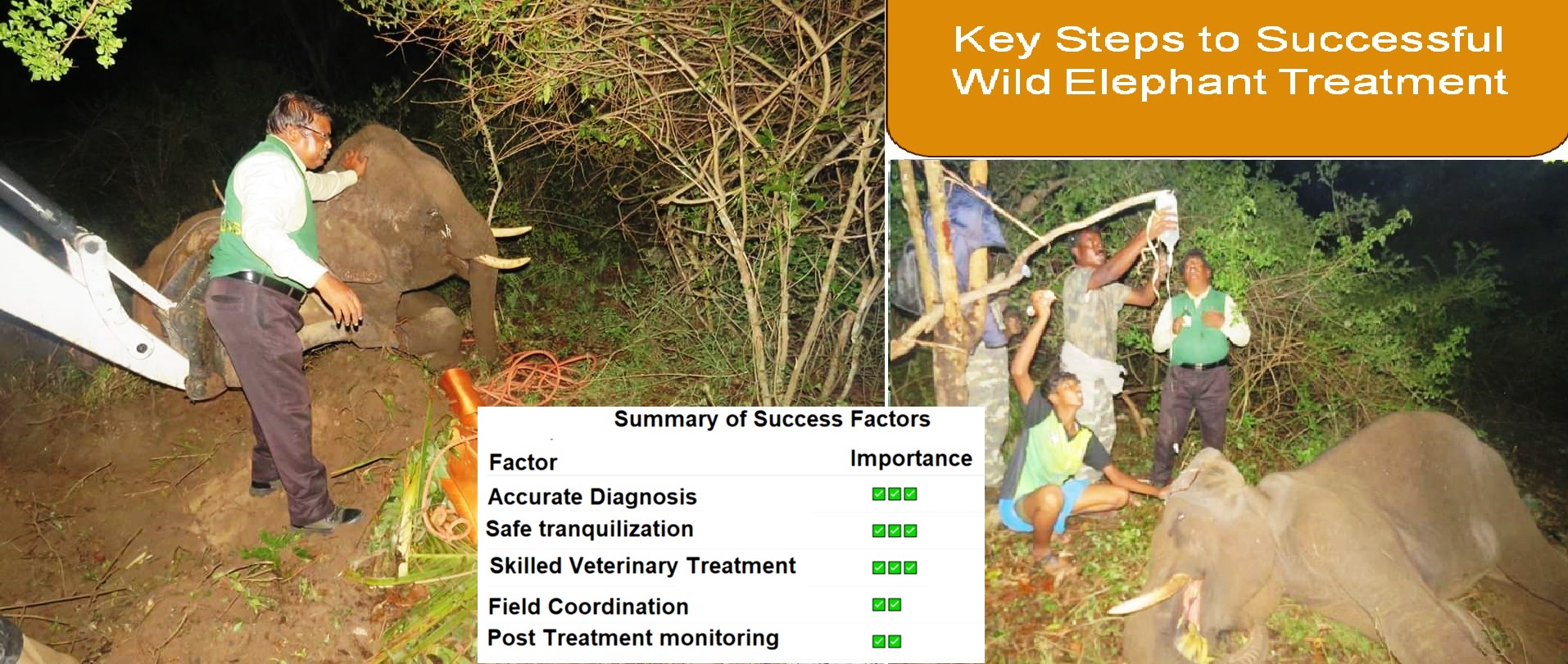
- Dr. Krishnamoorthy Asokan has faced several challenging wild elephant rescue operations during his wildlife veterinary service. He successfully rescued a wild elephant trapped in a 70-foot-deep well and also participated in the rescue of three wild elephants trapped in a 40-foot-deep well. In another challenging operation, three wild elephants stranded in the backwater area of a dam were rescued and safely guided back to their natural habitat. These difficult rescue operations required careful planning, veterinary expertise, coordination with forest personnel, and a strong understanding of elephant behaviour to ensure the safety of both the animals and the rescue teams.
- “Every elephant life is precious. Treatment, care and compassion can bring them back to the wild.” — Dr. Krishnamoorthy Asokan

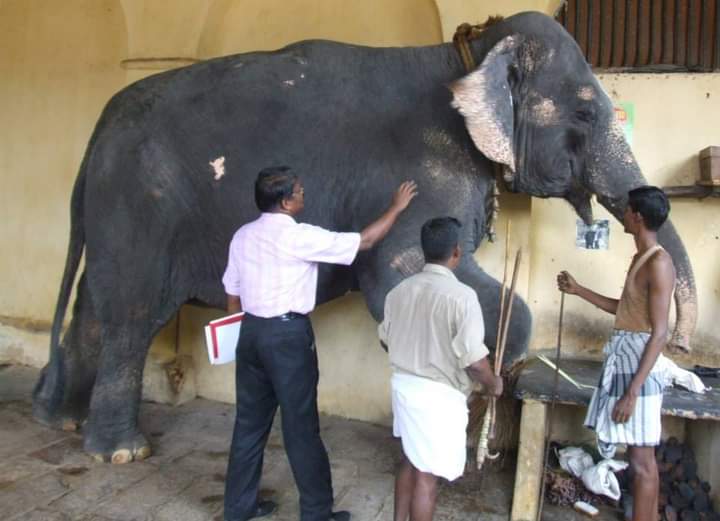
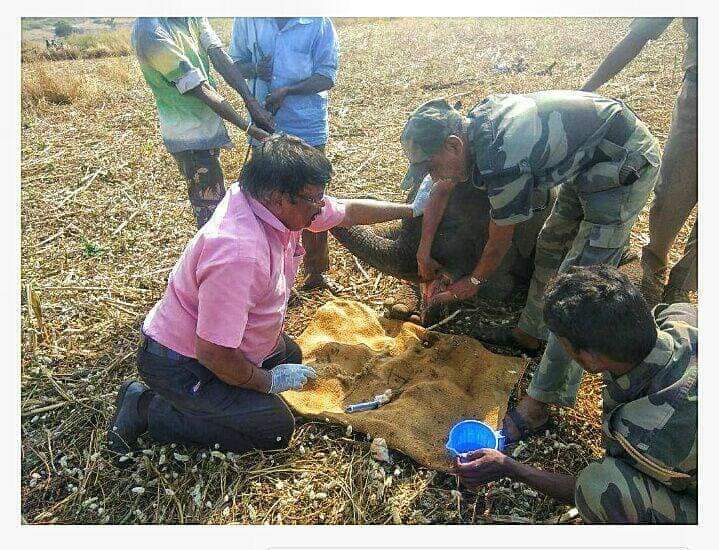
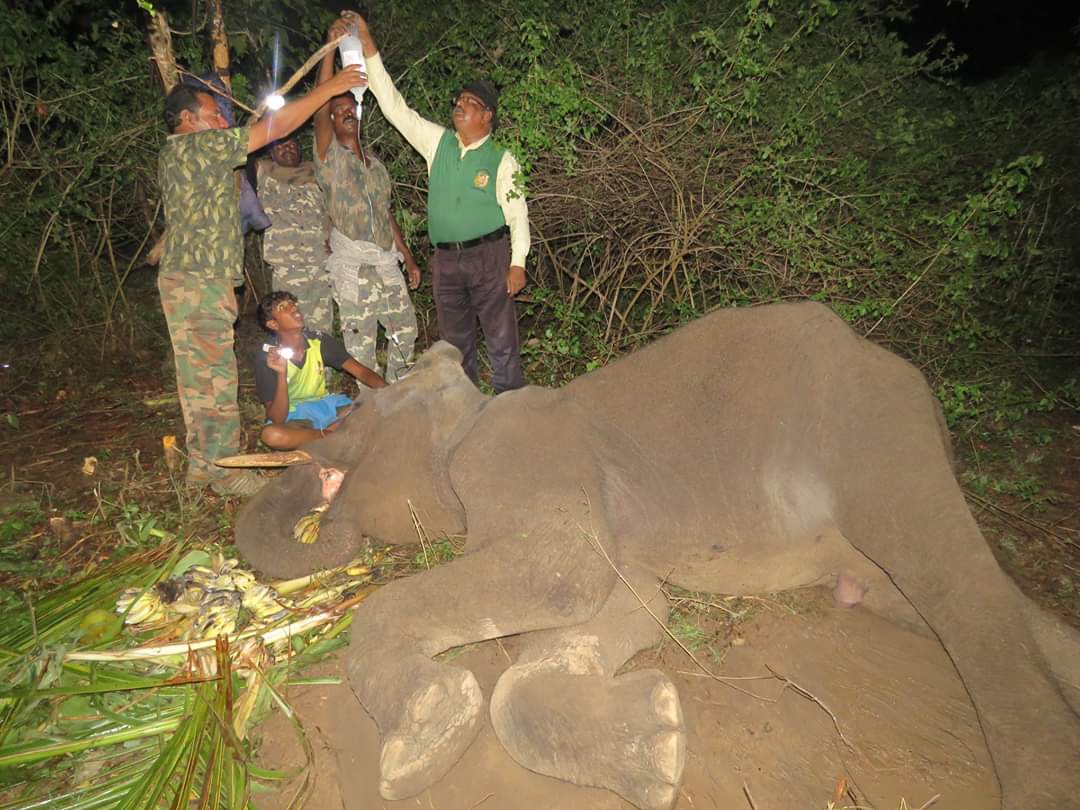
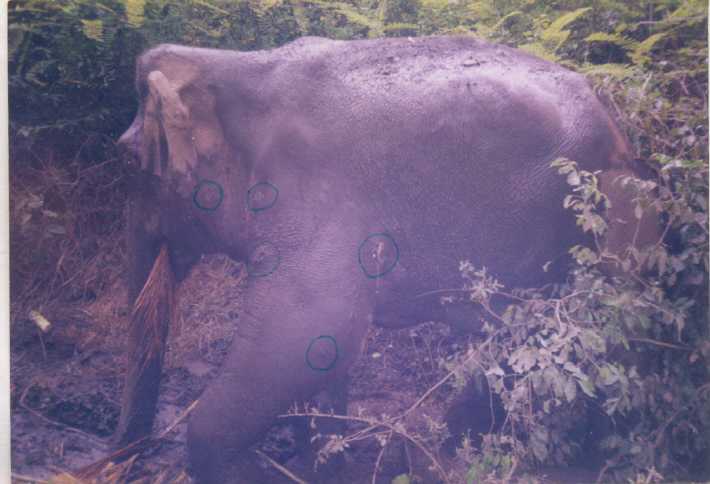
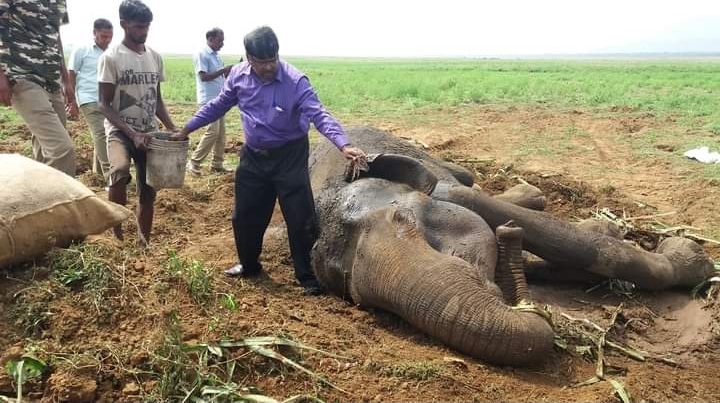
Successful Treatment of More Than 20 Wild Elephants
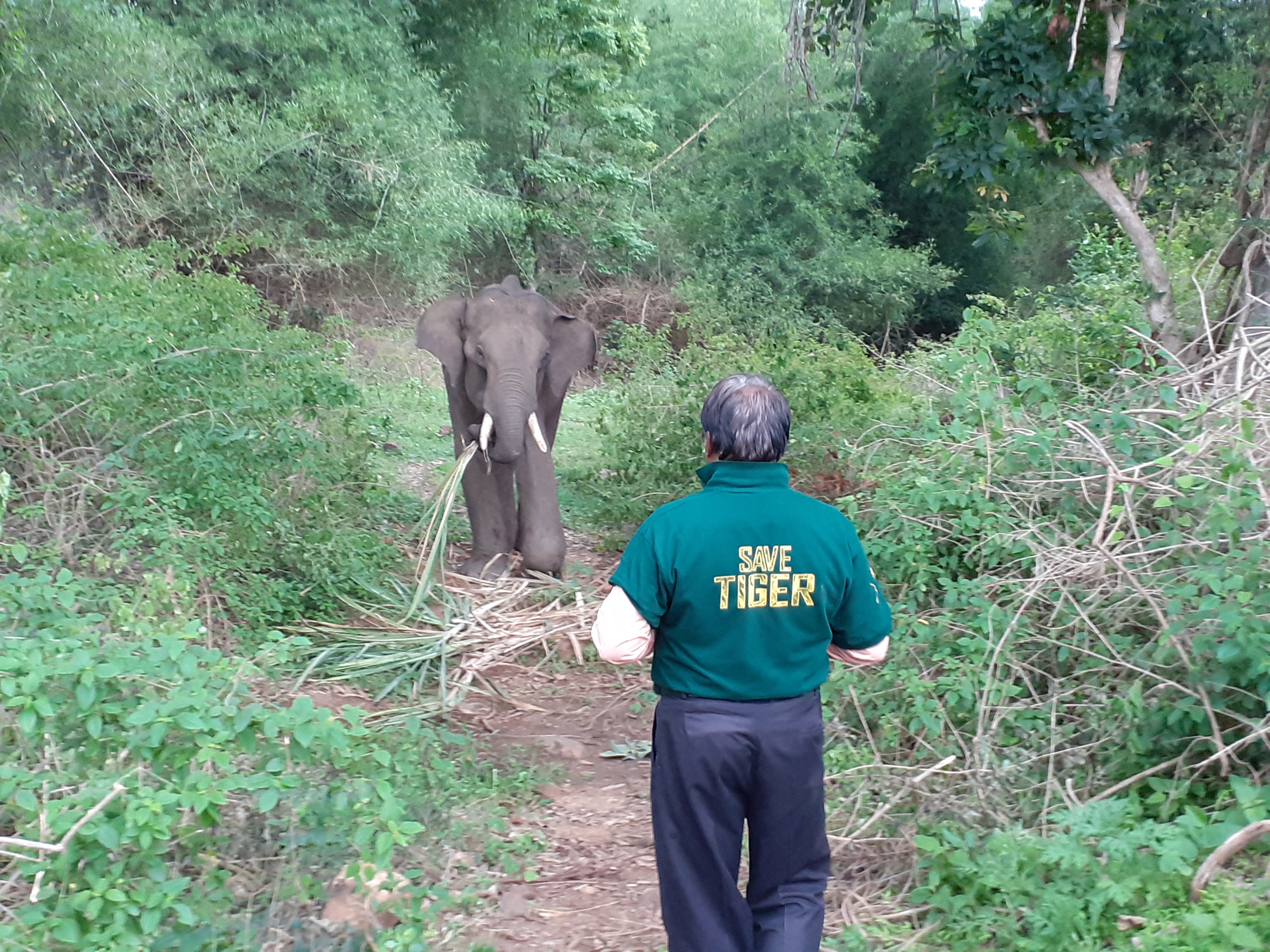
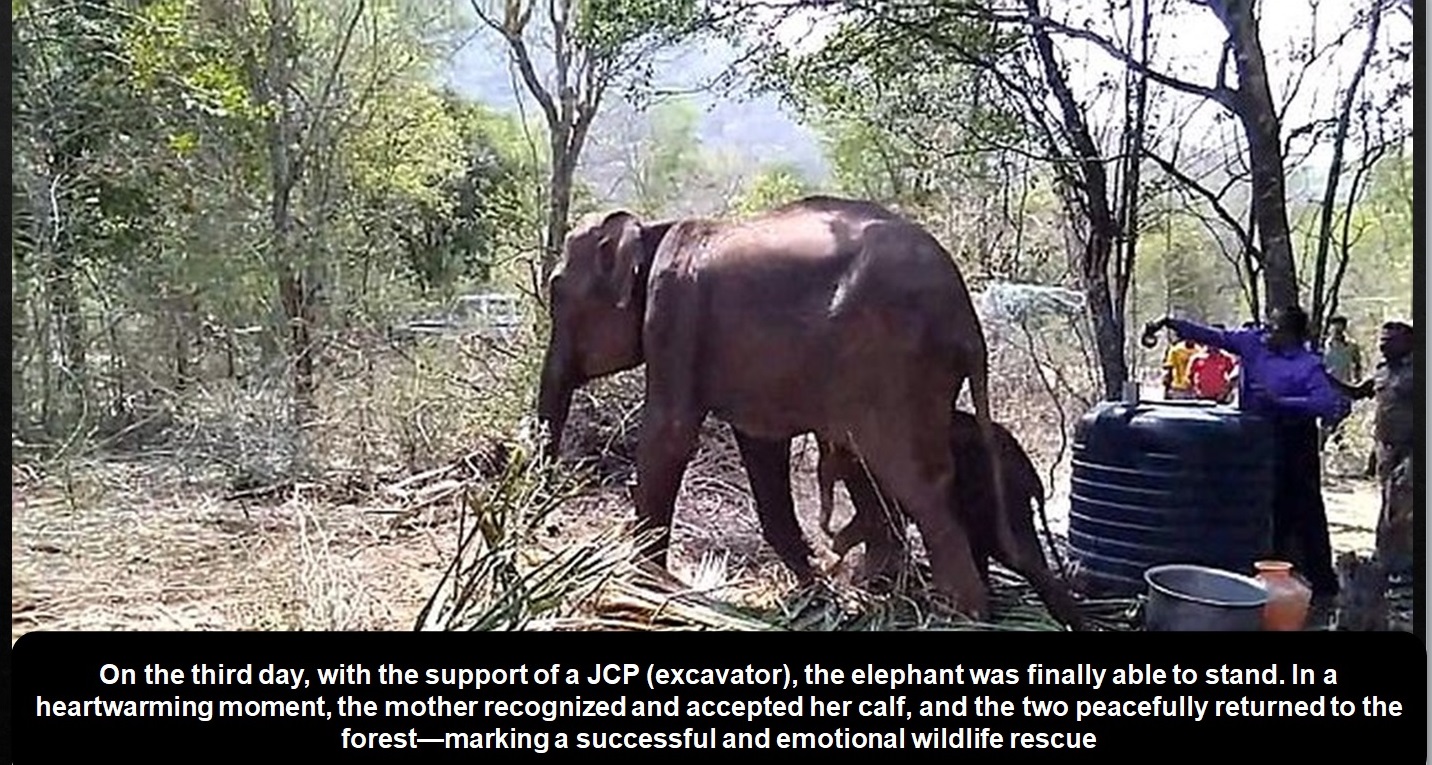
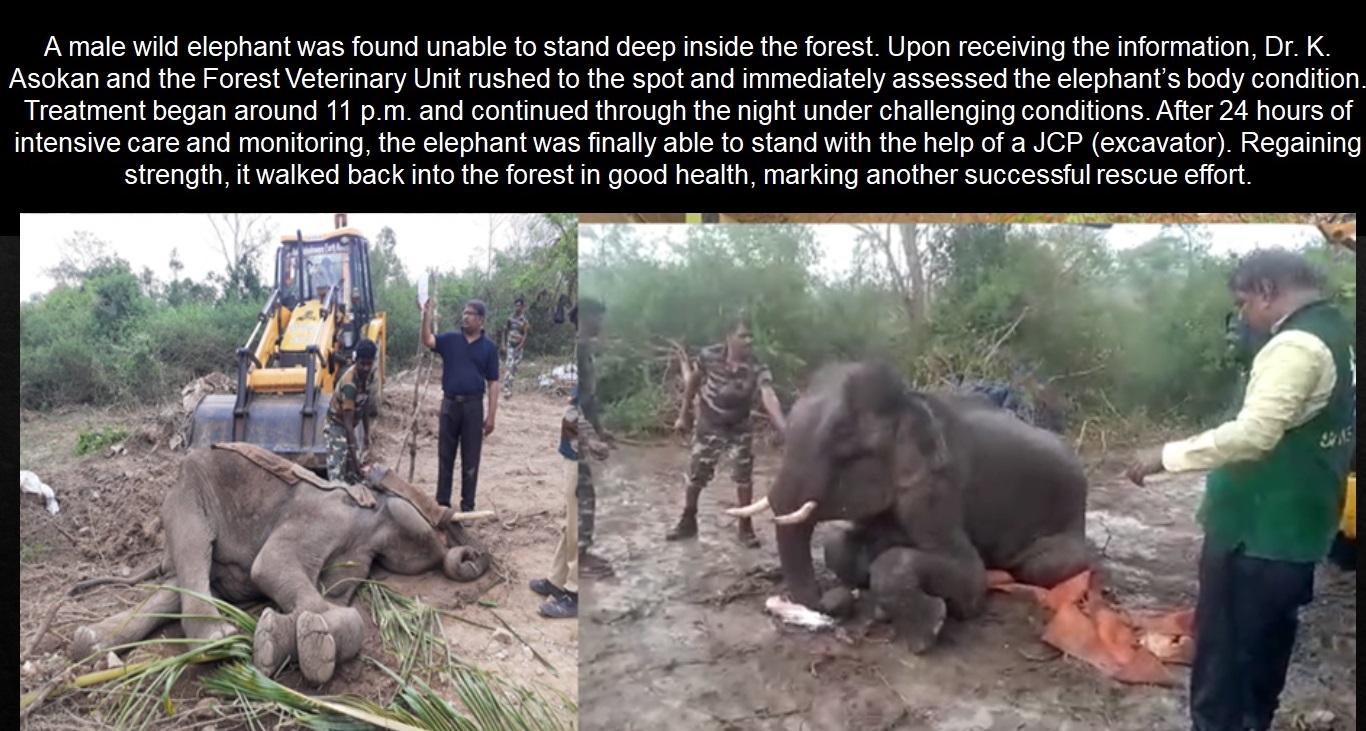
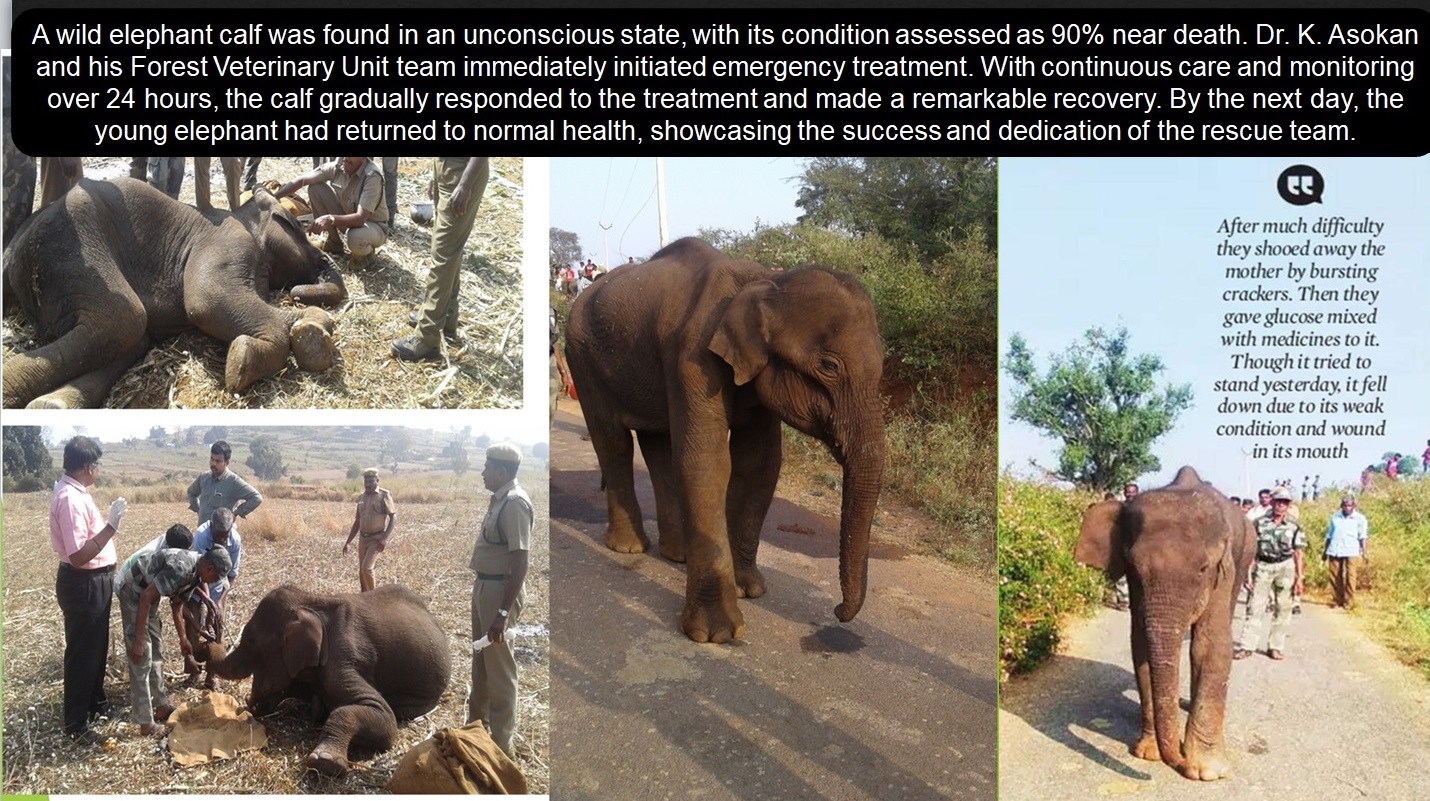
- Dr. Krishnamoorthy Asokan has successfully treated more than 20 wild elephants affected by various injuries, illnesses, and health emergencies, providing timely veterinary care and helping them recover and return safely to the wild whenever possible.
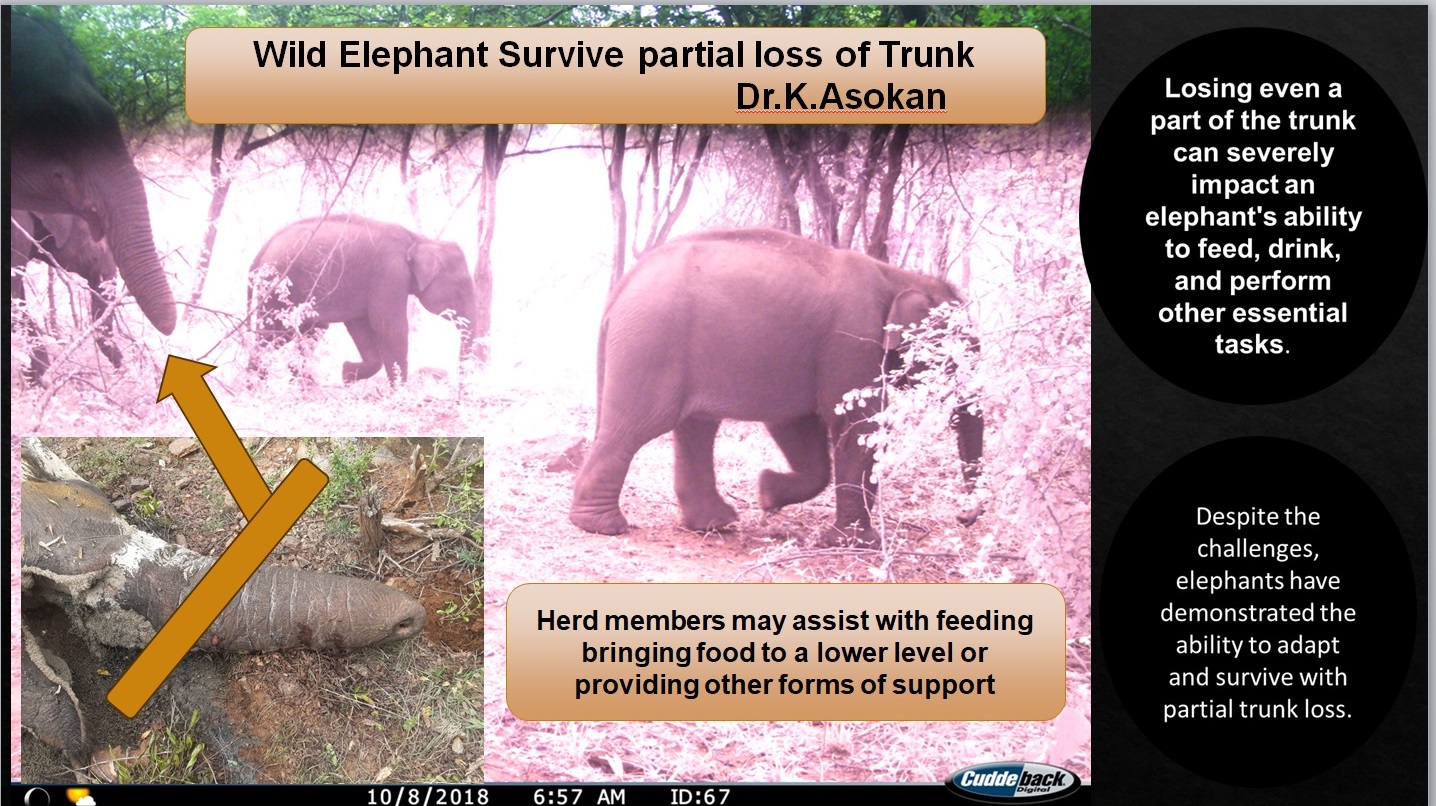
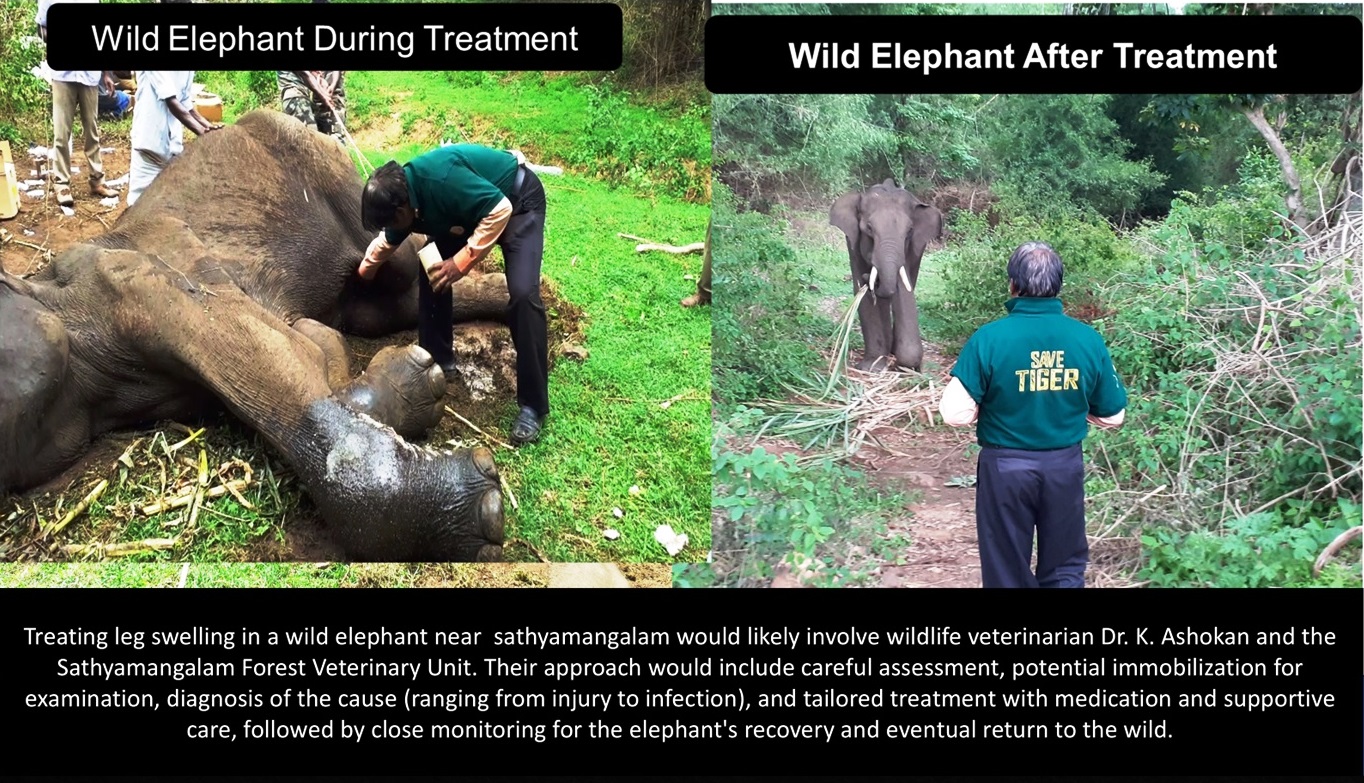
Indian Gaur Disease Treatment & Management
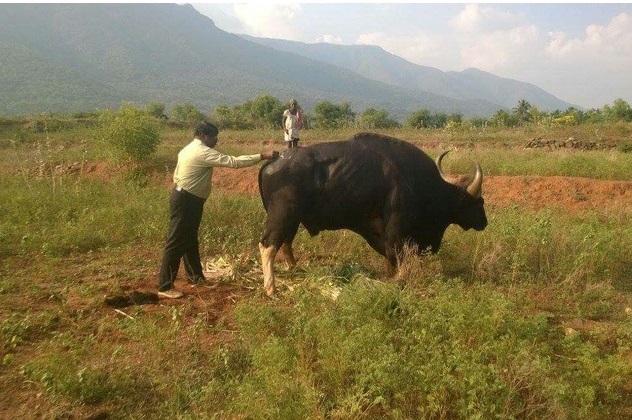
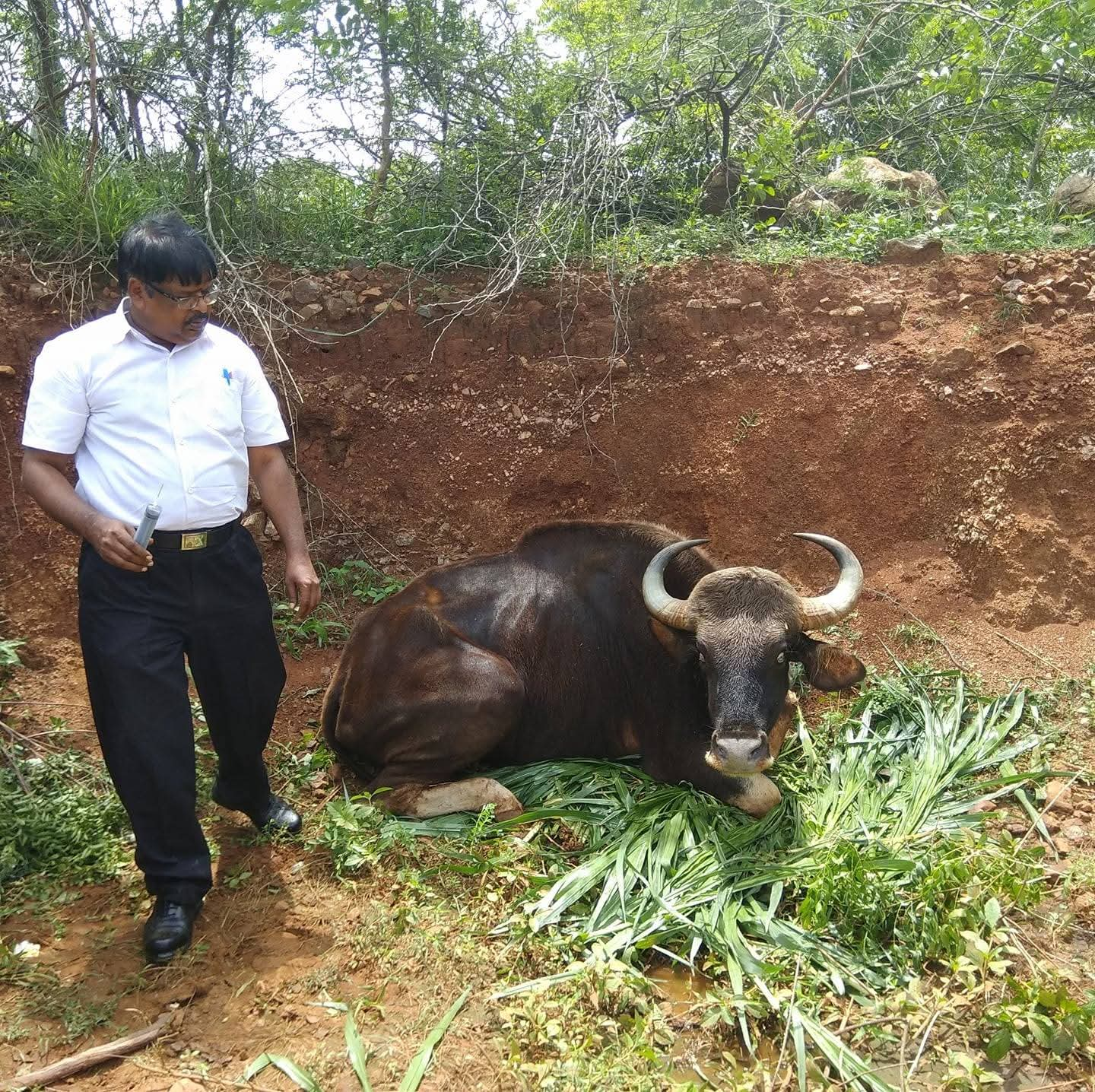
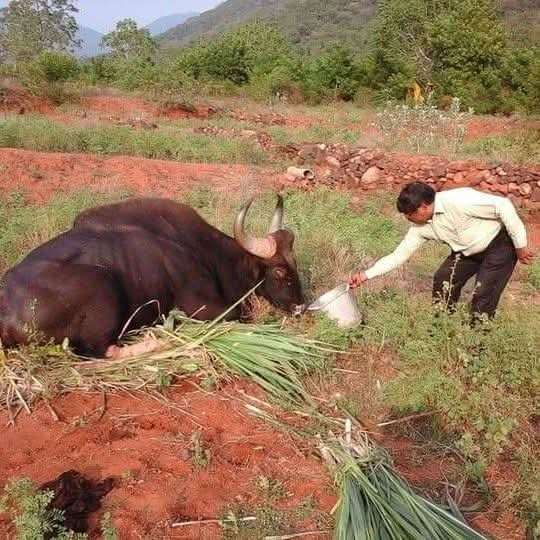
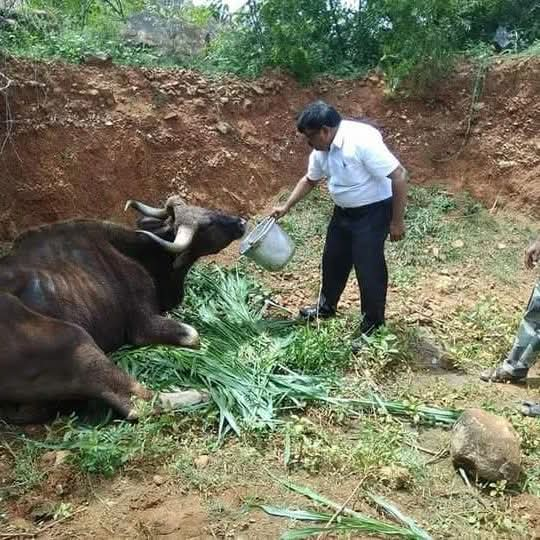
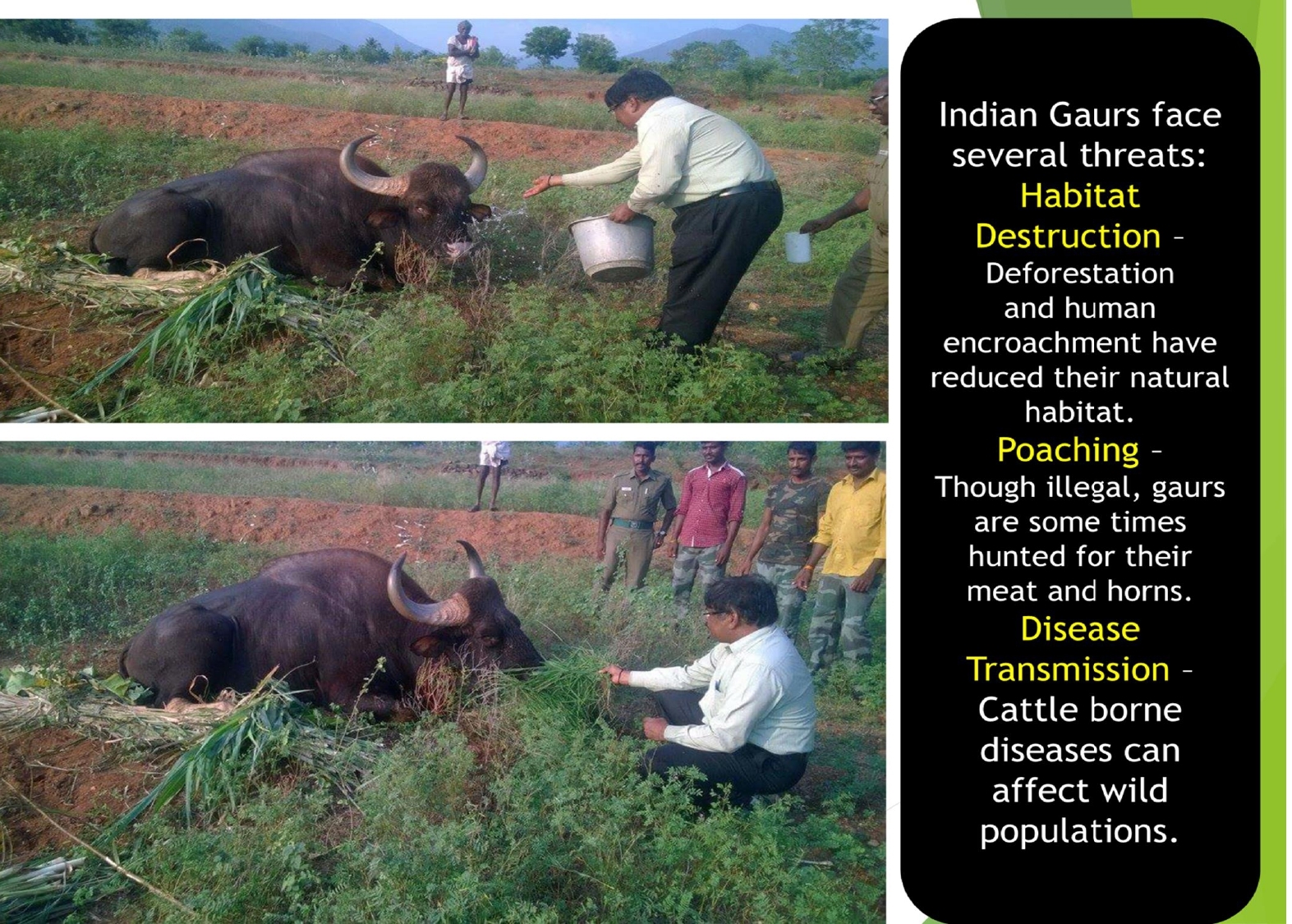
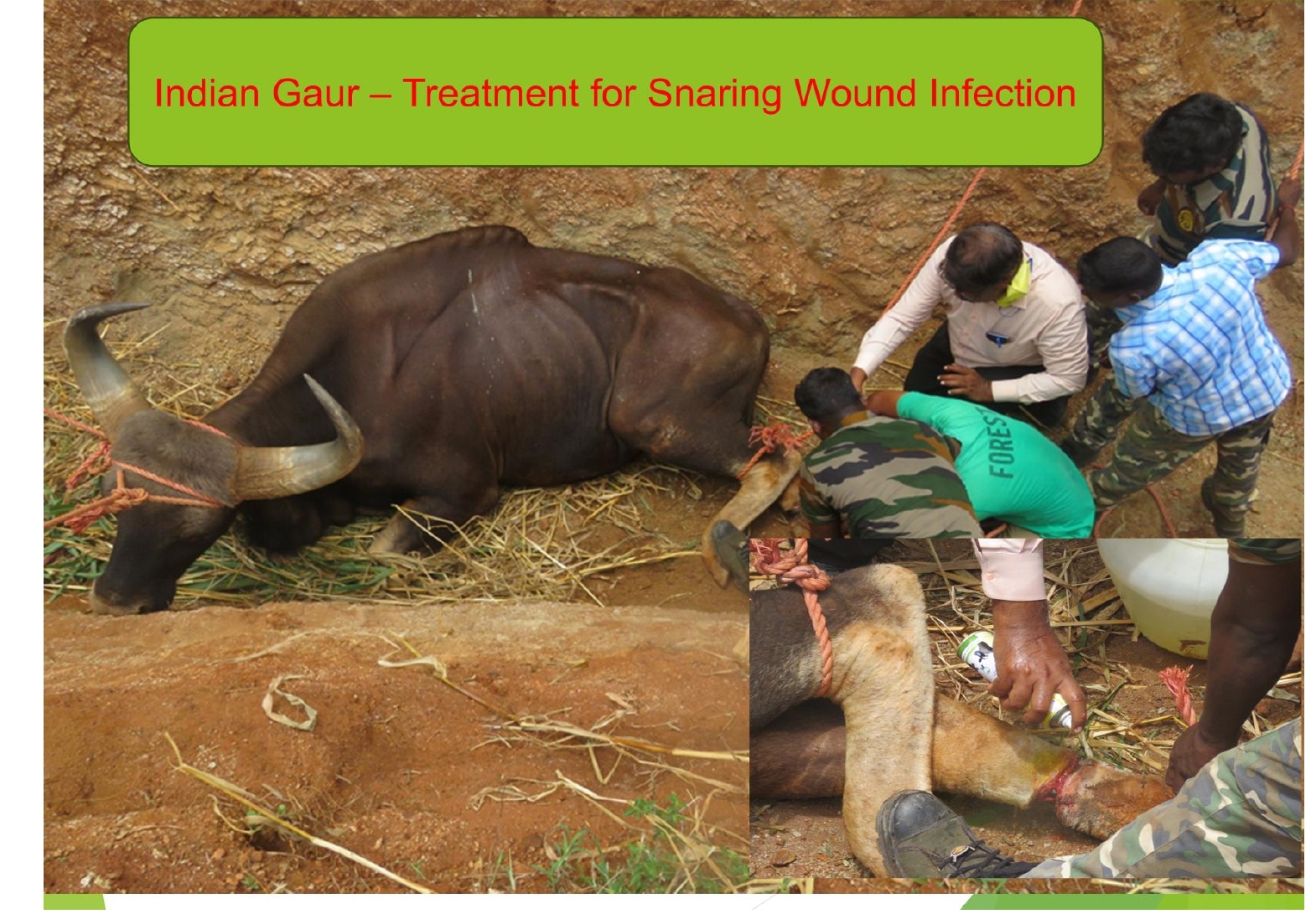
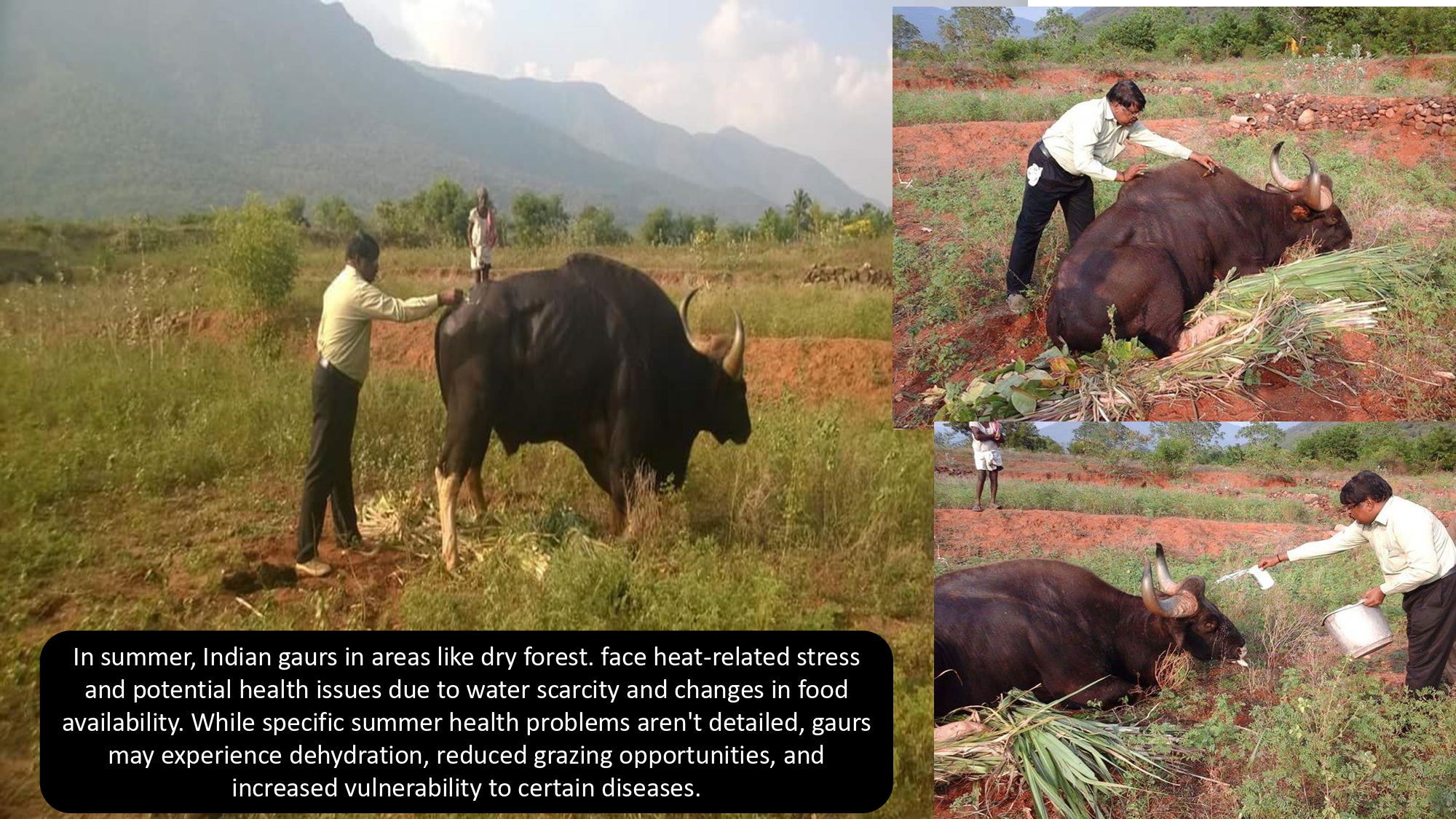
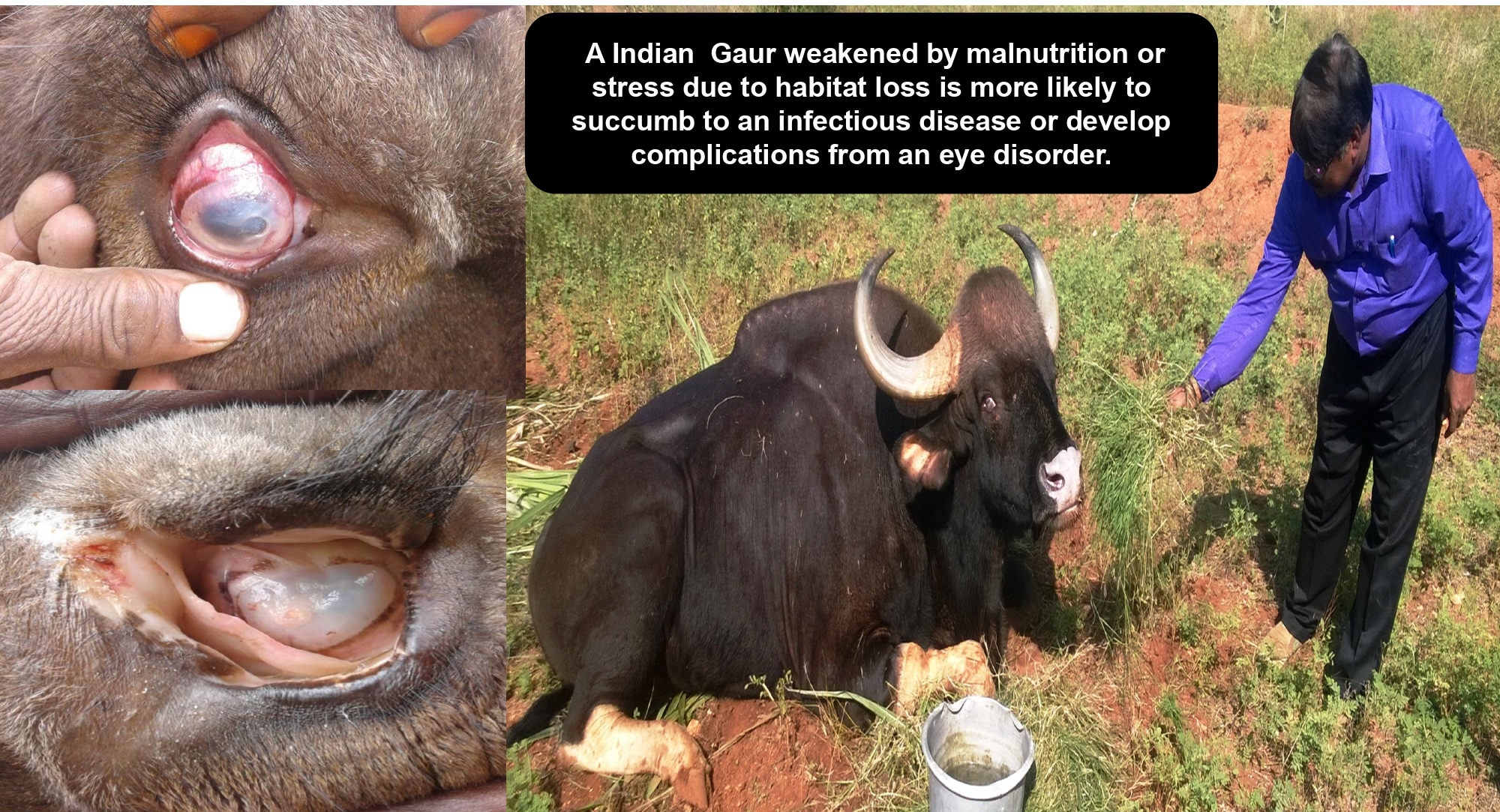
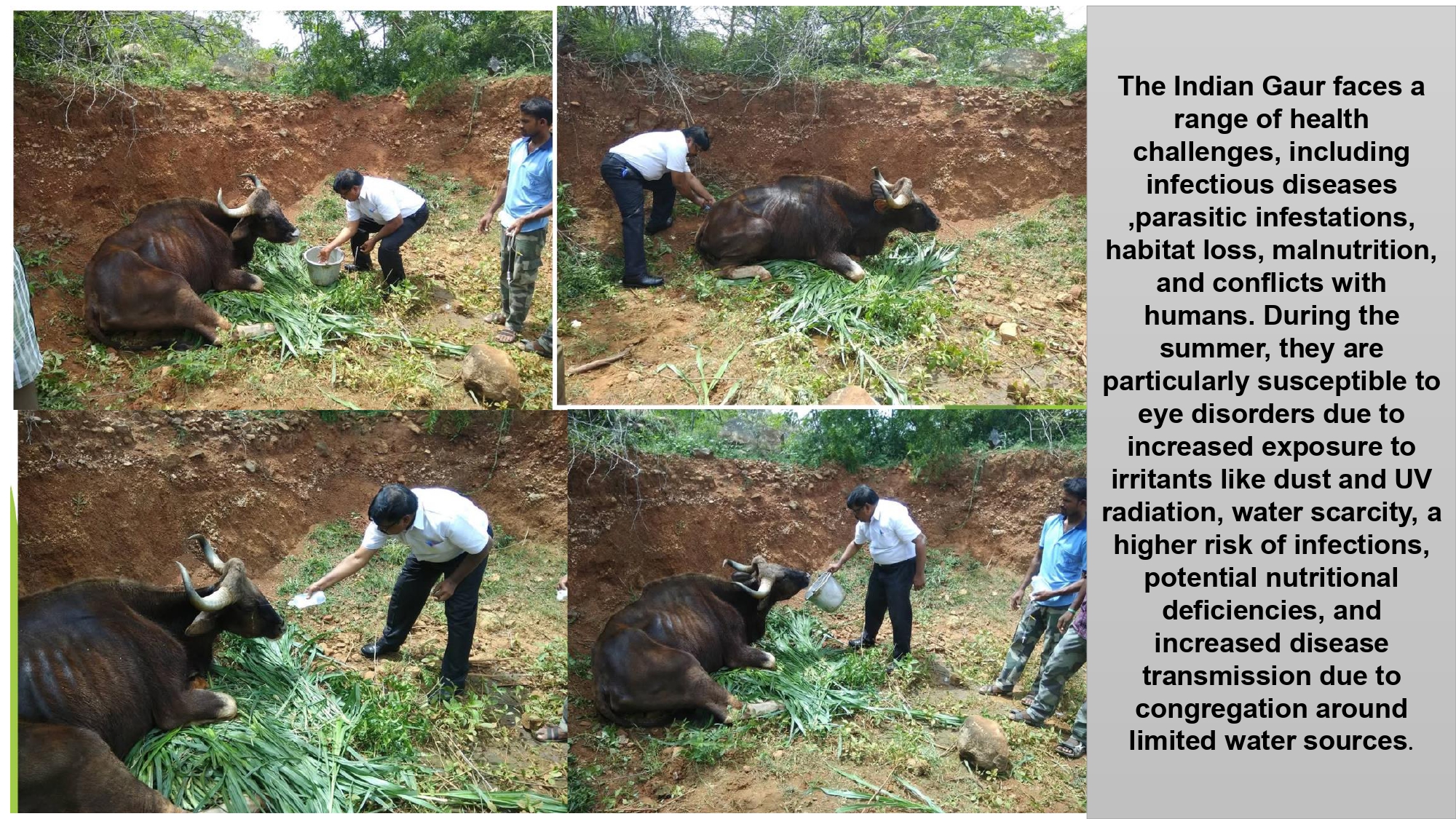
- Dr. Krishnamoorthy Asokan has treated more than 10 Indian gaurs affected by various health problems during his wildlife veterinary service. The cases included eye disorders, ruminal impaction, pesticide poisoning, stress, malnutrition, dehydration, and other injuries and illnesses. Treating wild gaurs in their natural habitat presents significant challenges because of their size, strength, behaviour, and the difficulty of safely approaching and restraining them. Through careful clinical assessment, appropriate treatment, and coordination with forest personnel, Dr. Asokan helped stabilize and rehabilitate these affected gaurs and support their return to the wild whenever possible.
Successful Treatment of Indian Gaur
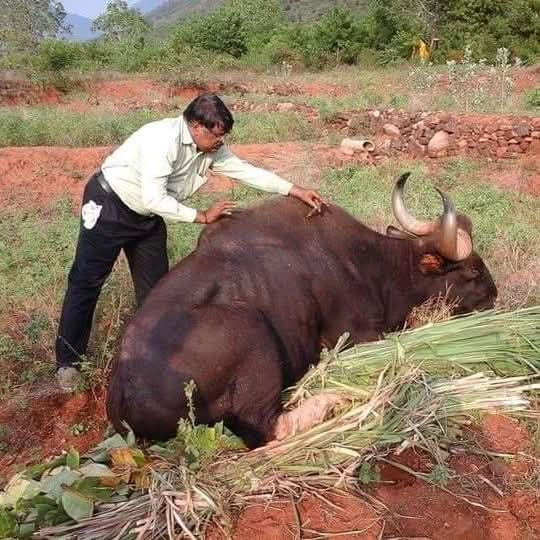
- Dr. Krishnamoorthy Asokan has successfully treated more than 10 Indian gaurs affected by various diseases and health conditions. The cases included eye disorders, ruminal impaction, pesticide poisoning, stress, malnutrition, dehydration, injuries, and other health problems. Treating free-ranging Indian gaurs is highly challenging because of their large size, strength, behaviour, and the difficulty of safely examining and restraining them. Through timely veterinary intervention, supportive care, and close coordination with forest personnel, Dr. Asokan helped stabilize and recover affected gaurs, contributing to their welfare and safe return to the wild whenever possible.
Successful Treatment of More Than 100 Snakes
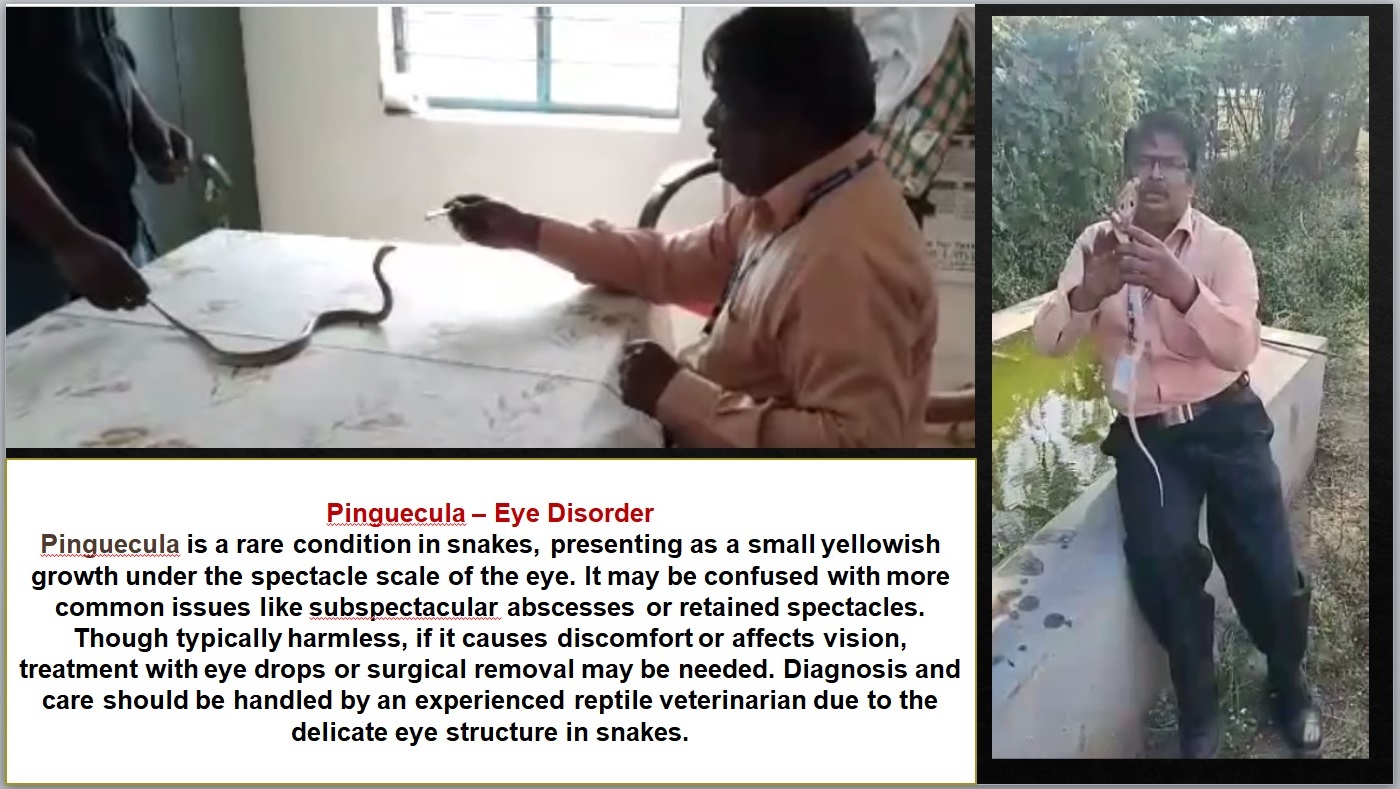
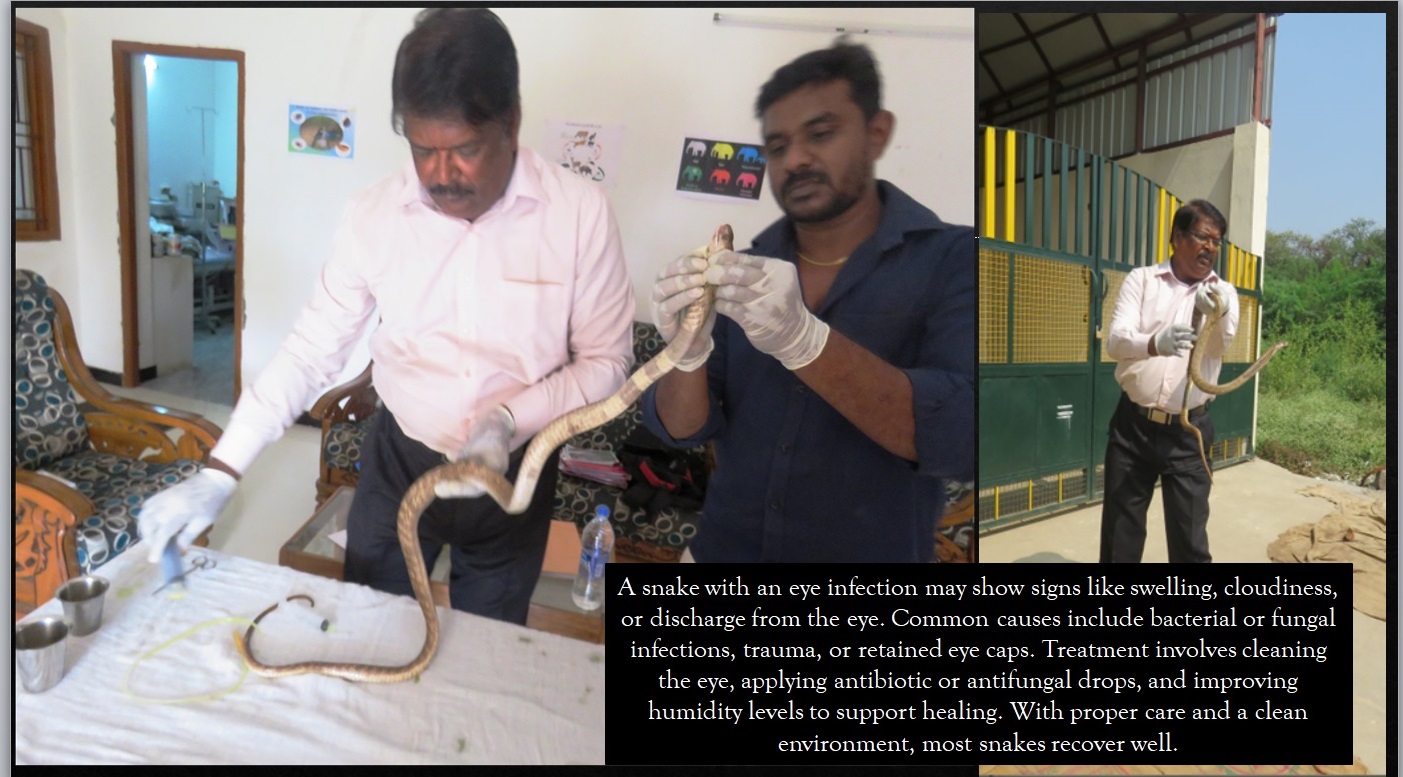
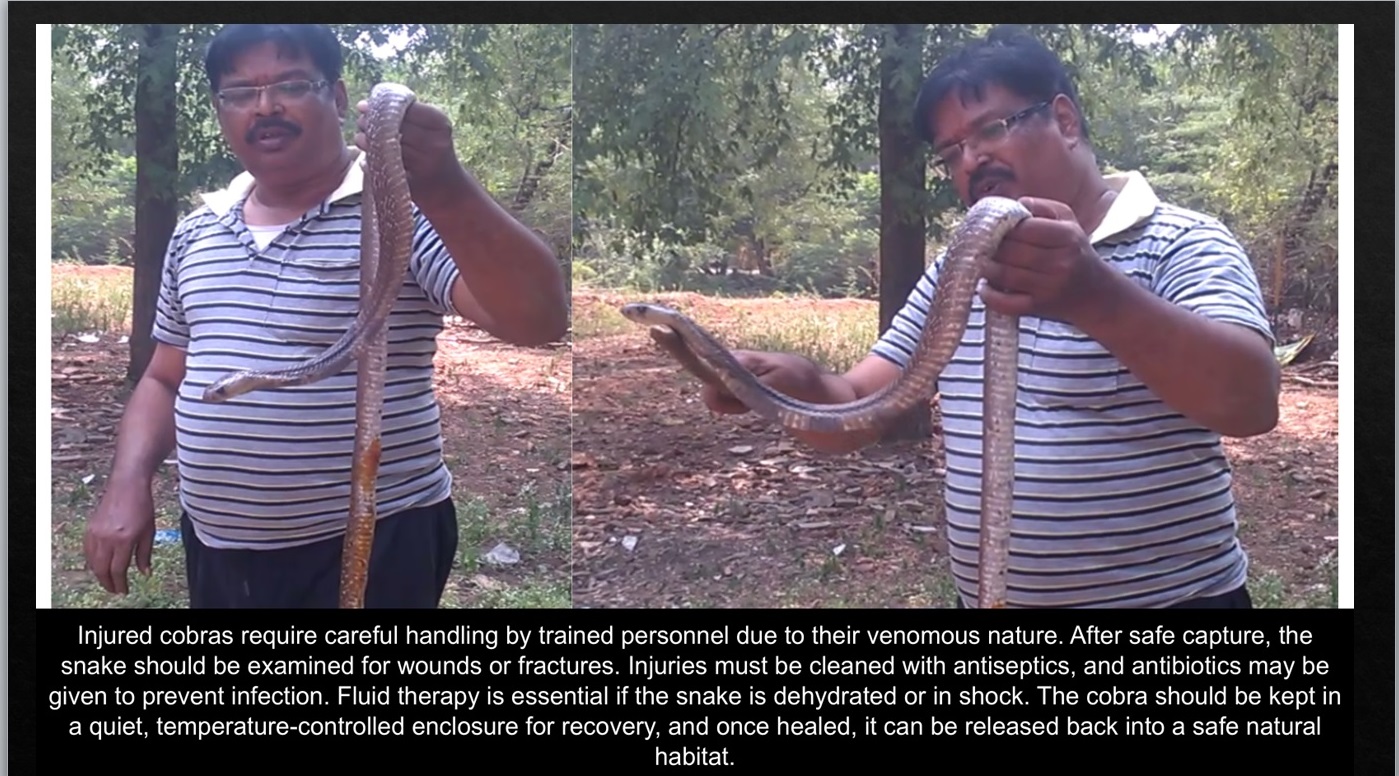
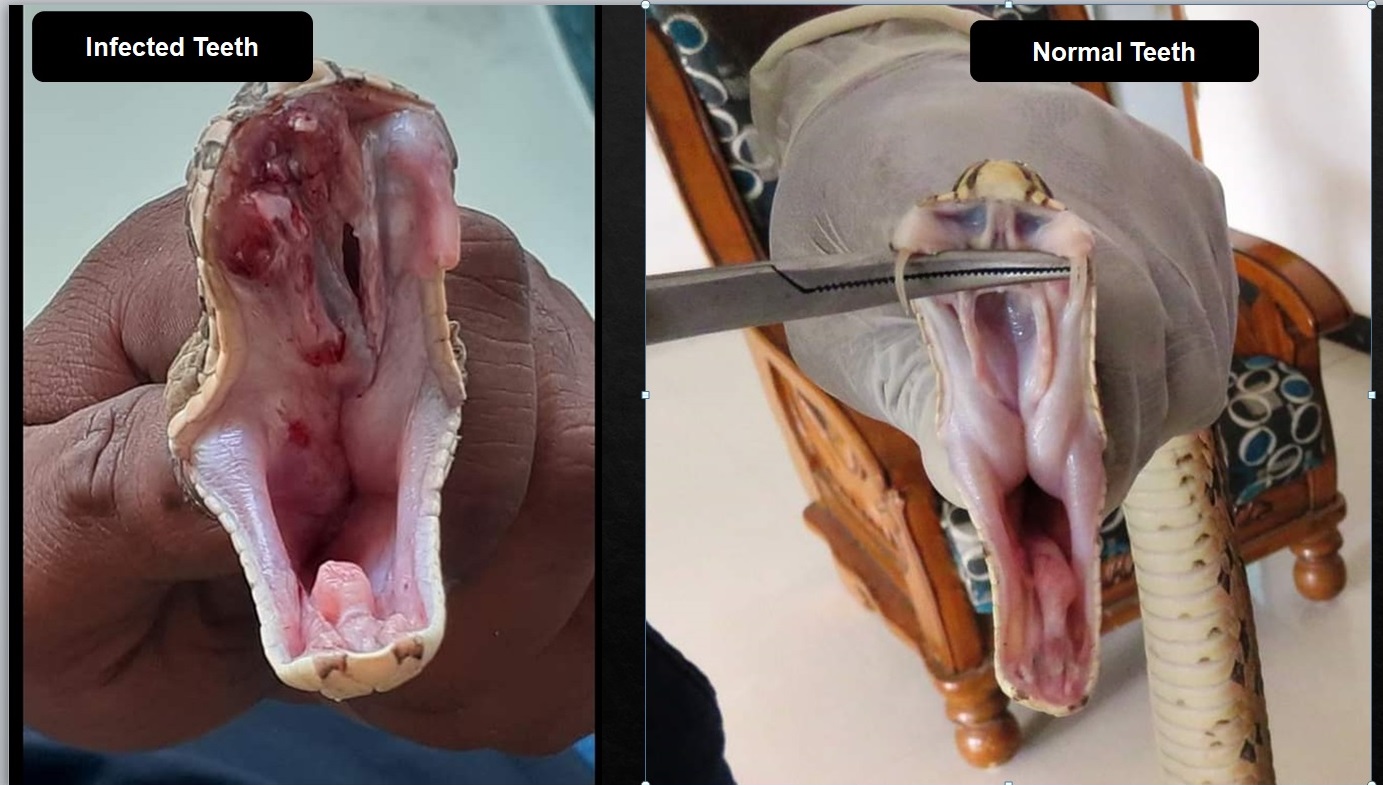
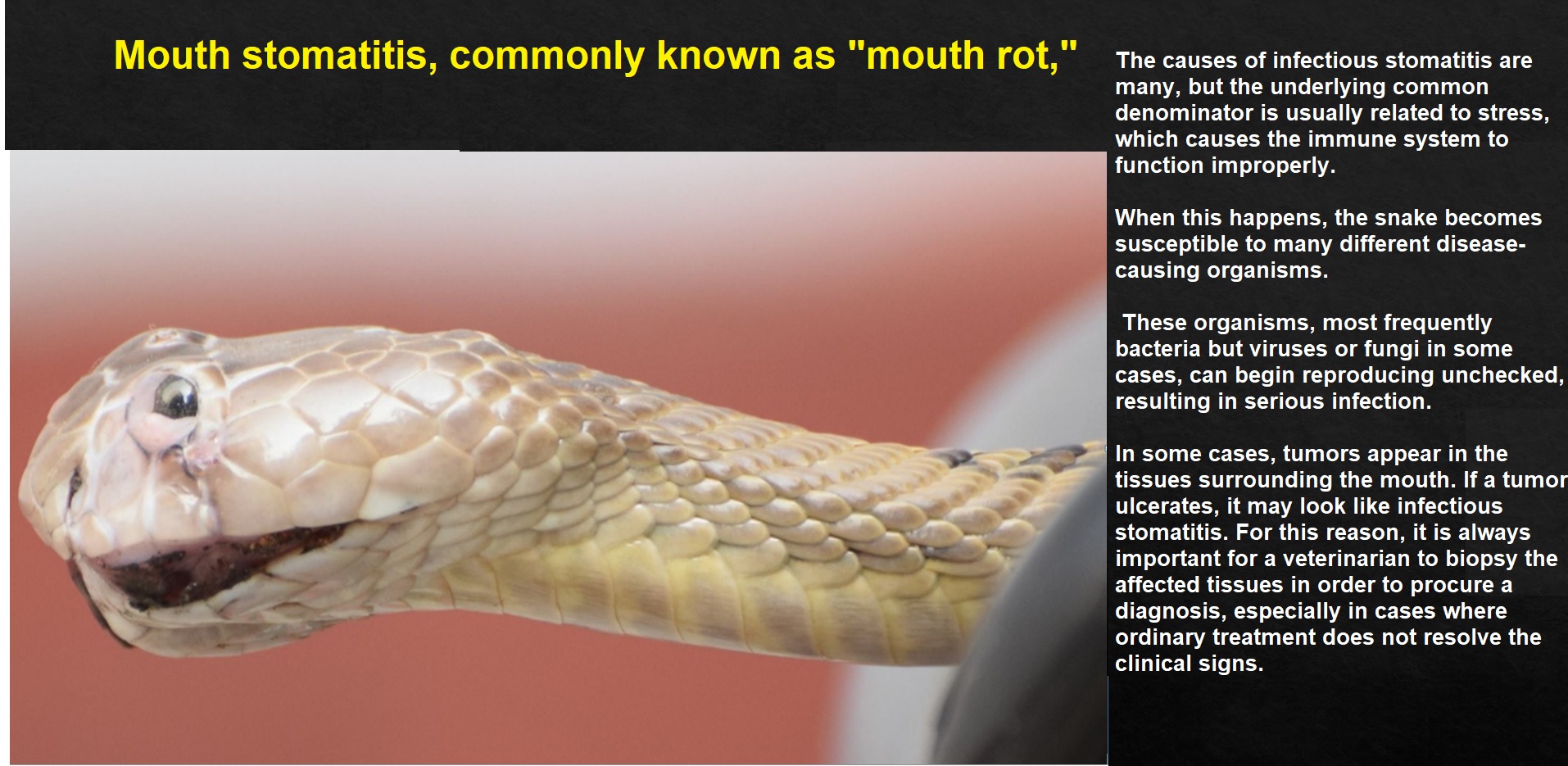
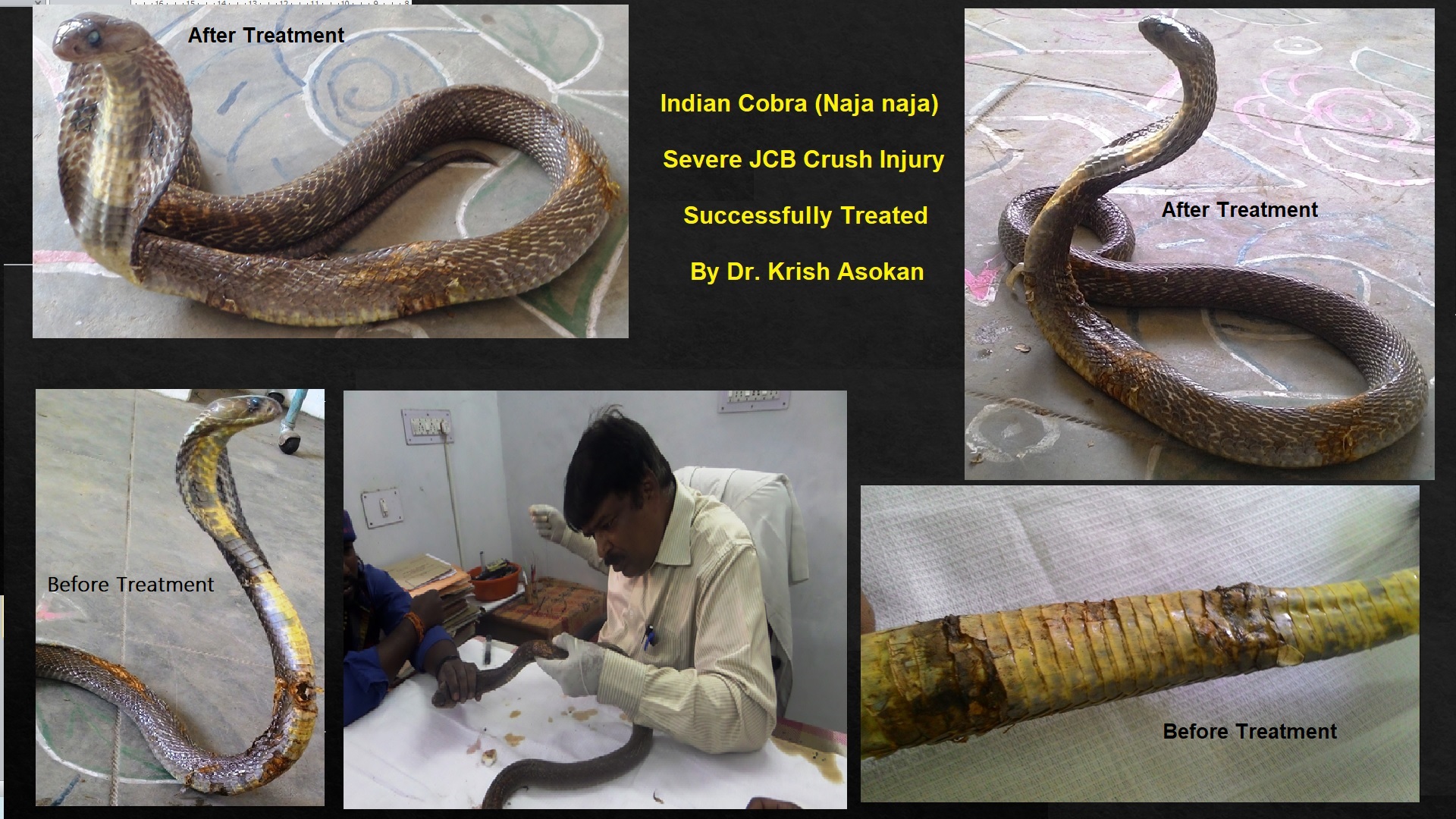
- Due to climate change, urbanisation, habitat loss, and increasing human–wildlife interactions, snakes are increasingly exposed to various health problems and injuries. Dr. Krishnamoorthy Asokan has successfully treated more than 200 snakes affected by conditions including stress, eye disorders, bacterial infections, multiple abscesses, dehydration, weakness and debility, fungal diseases, bone fractures, and barbed-wire injuries. Treating snakes requires specialized knowledge of reptile anatomy, physiology, handling, anaesthesia, wound management, and supportive care. Through timely veterinary intervention, Dr. Asokan has helped injured and diseased snakes recover and return to suitable natural habitats whenever possible.
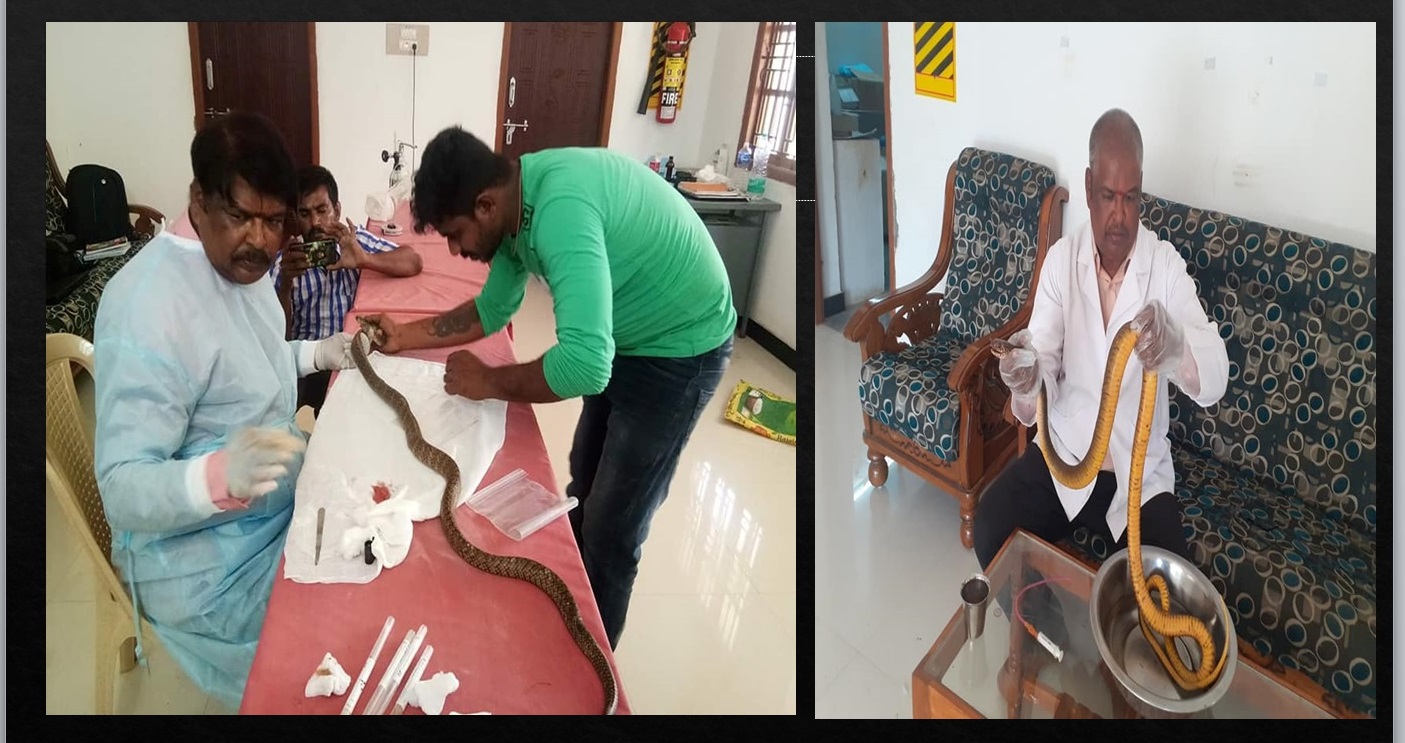
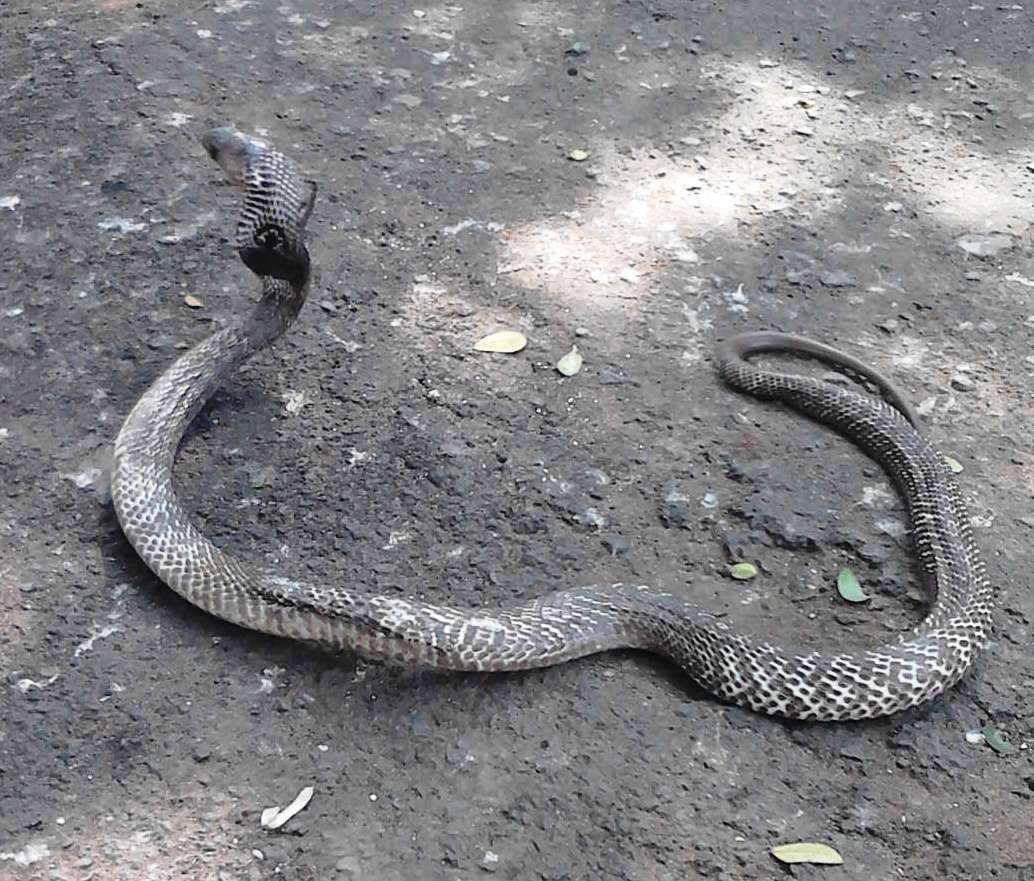
Successful Treatment of Benign Tumour in a Cobra
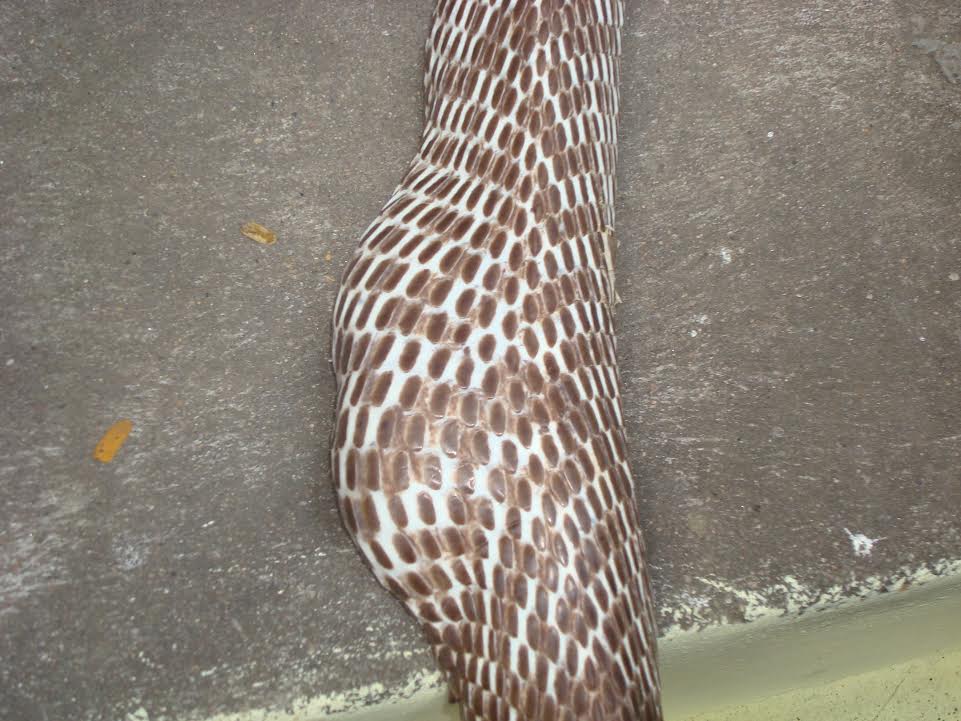
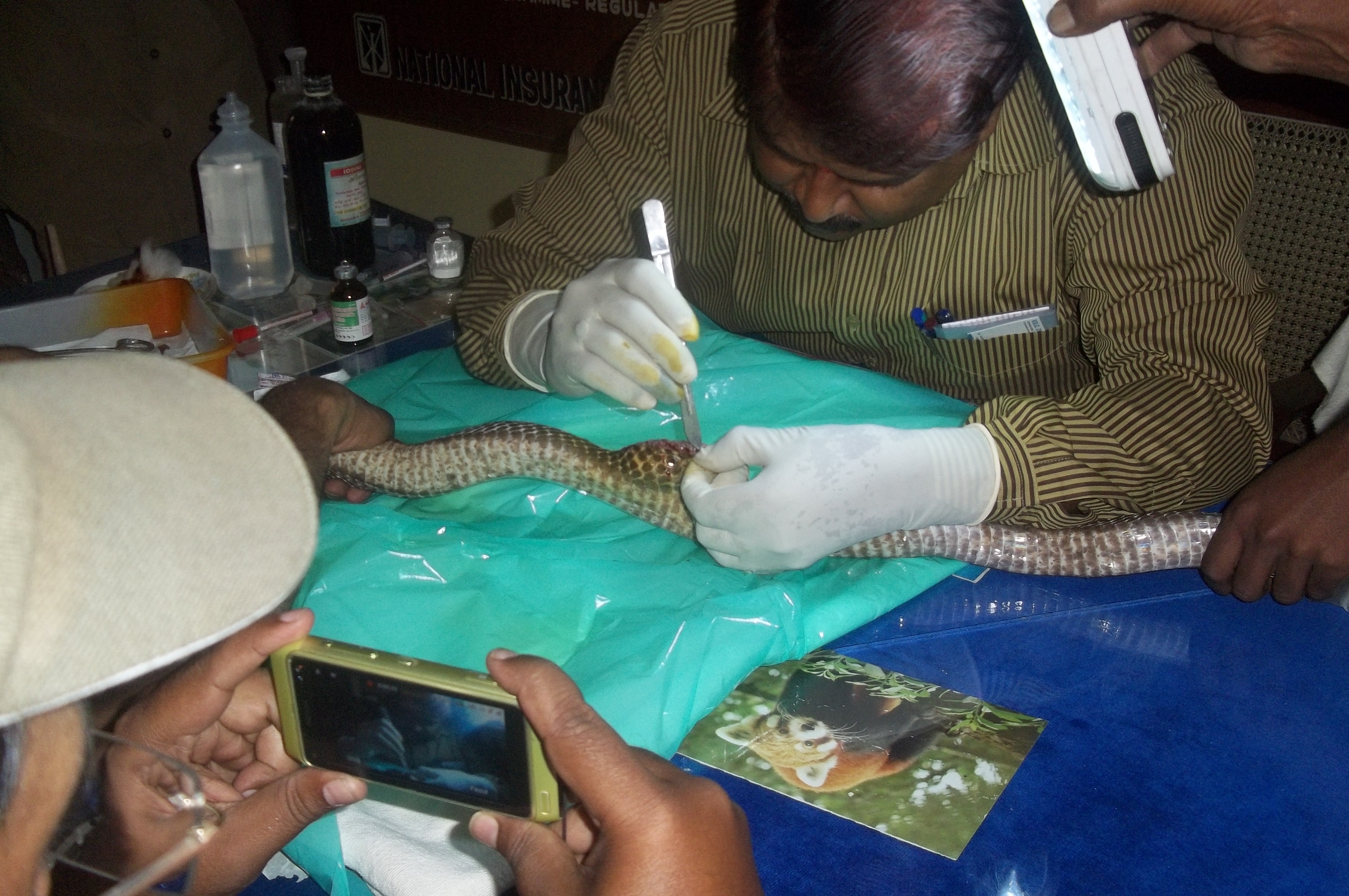
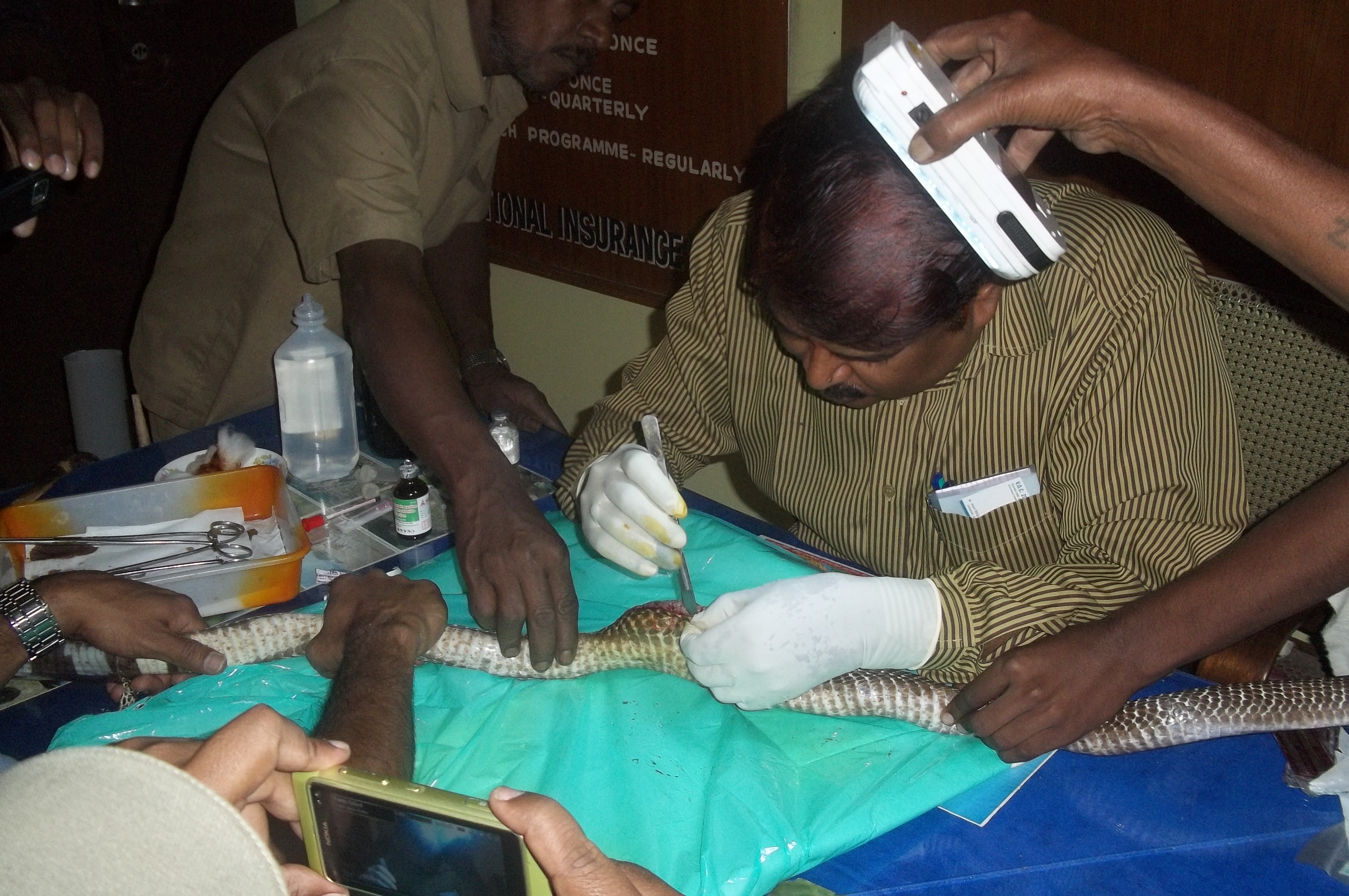
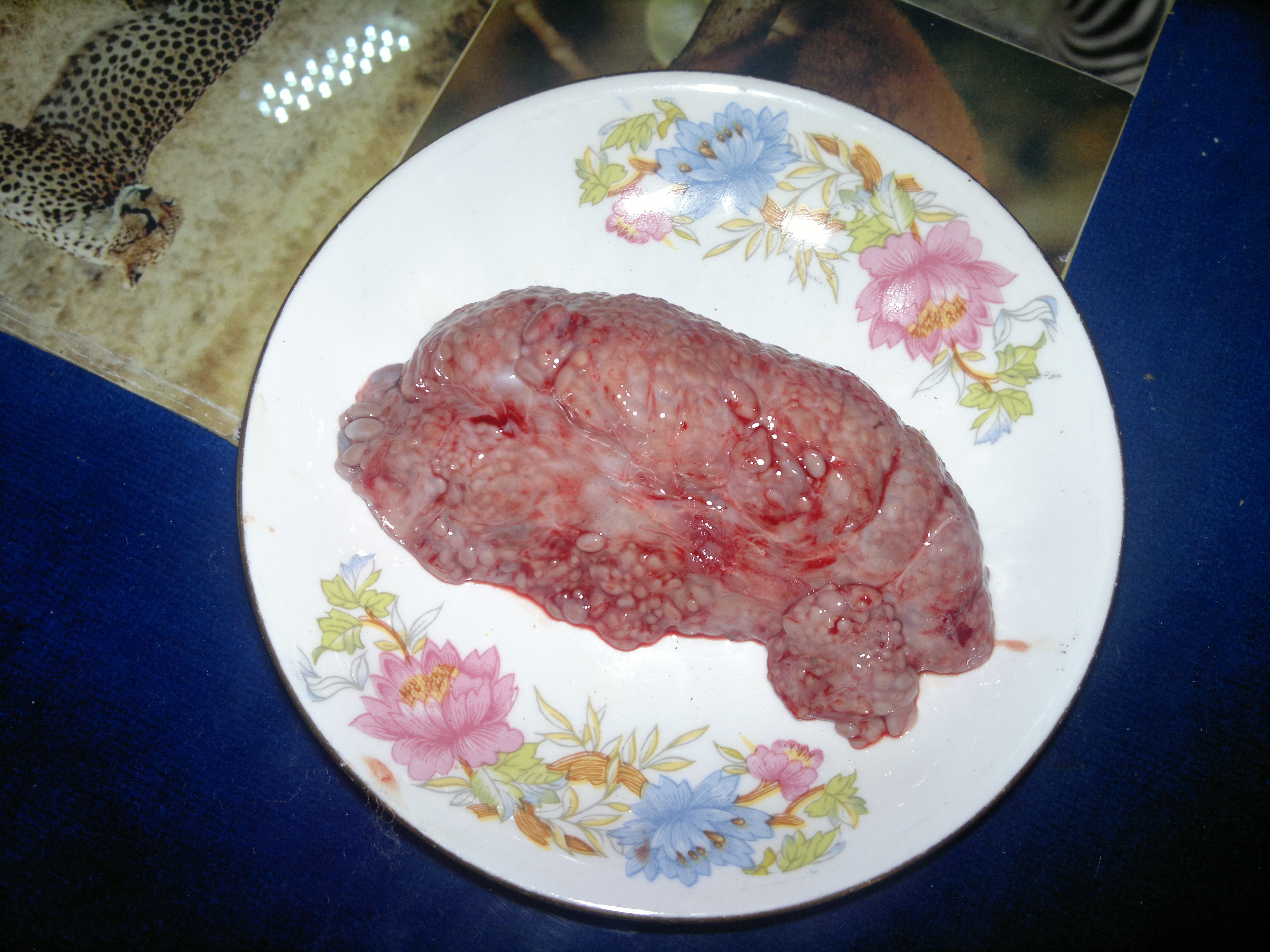
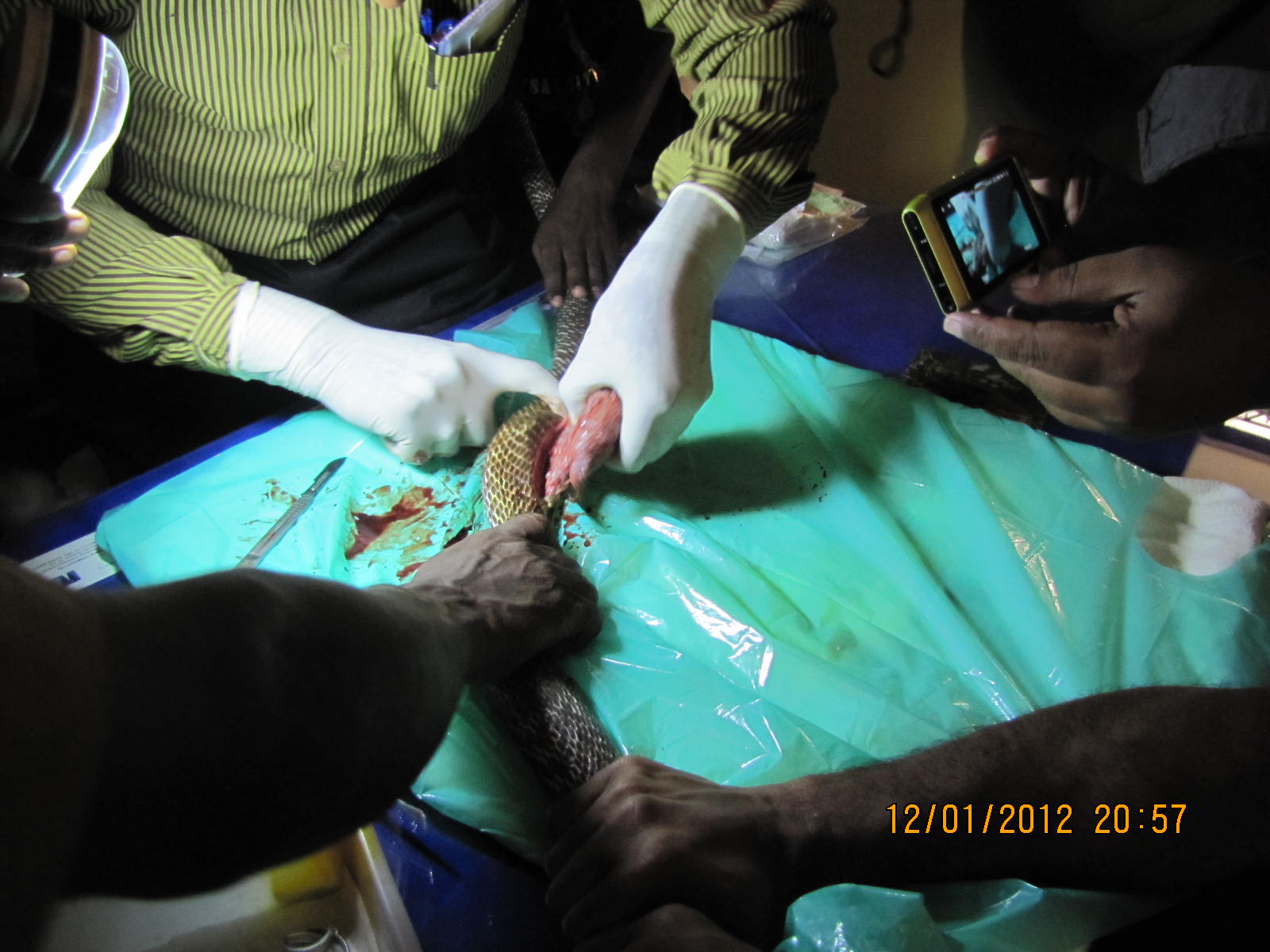
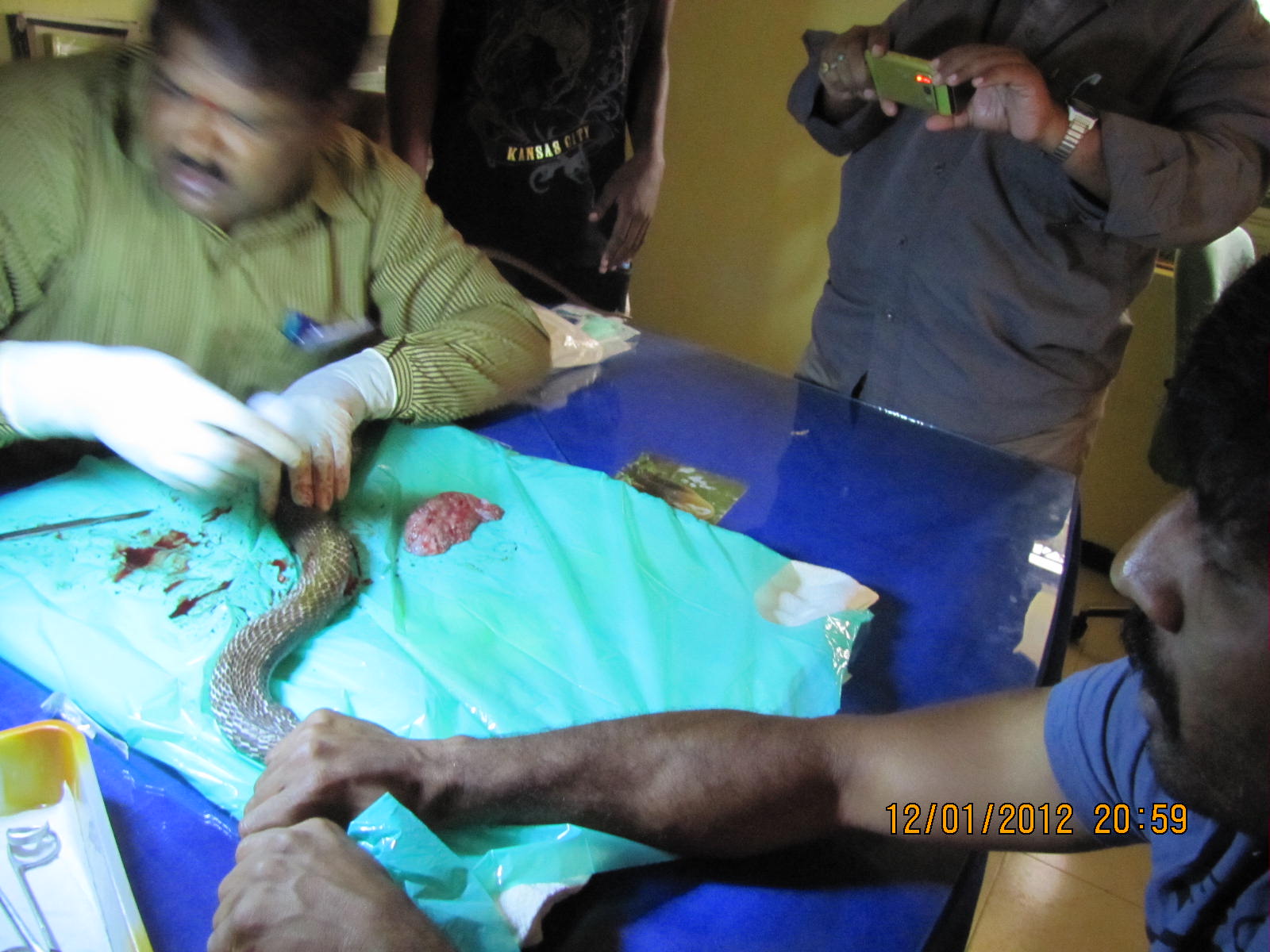
- Dr. Krishnamoorthy Asokan successfully treated a cobra affected by a benign tumour (benign neoplasm) through specialized wildlife veterinary care. The case required careful handling, restraint, anaesthesia, surgical management, and post-operative care because of the cobra’s venomous nature. The successful treatment highlights the challenges of reptile surgery and wildlife veterinary medicine, particularly when managing surgical conditions in venomous snakes.
Avian Veterinary Medicine: Diseases & Treatment
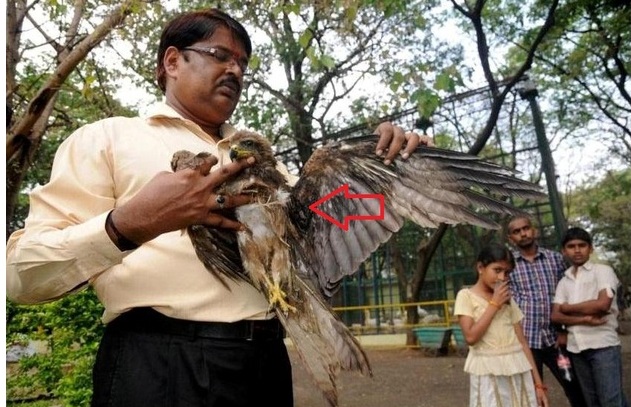
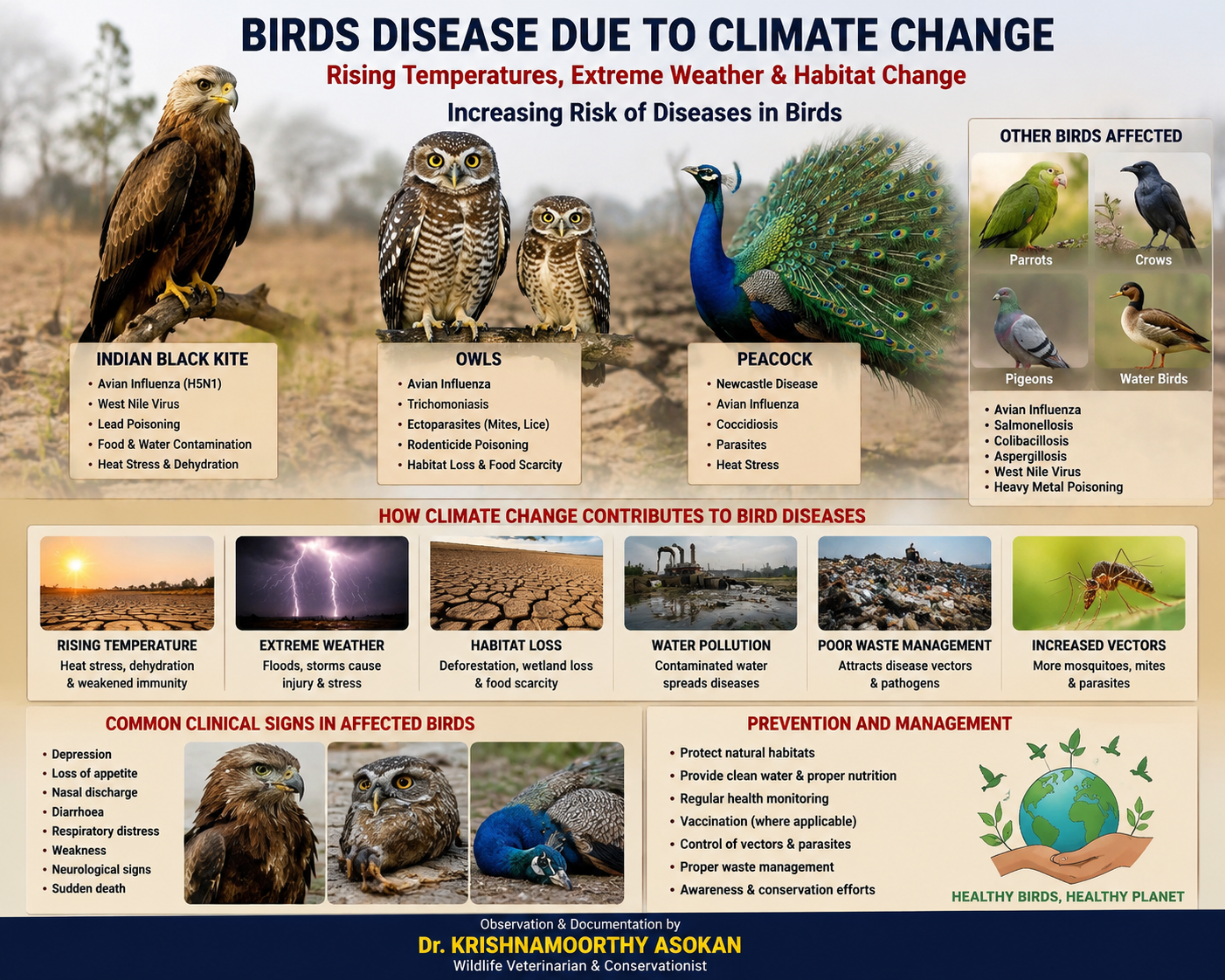
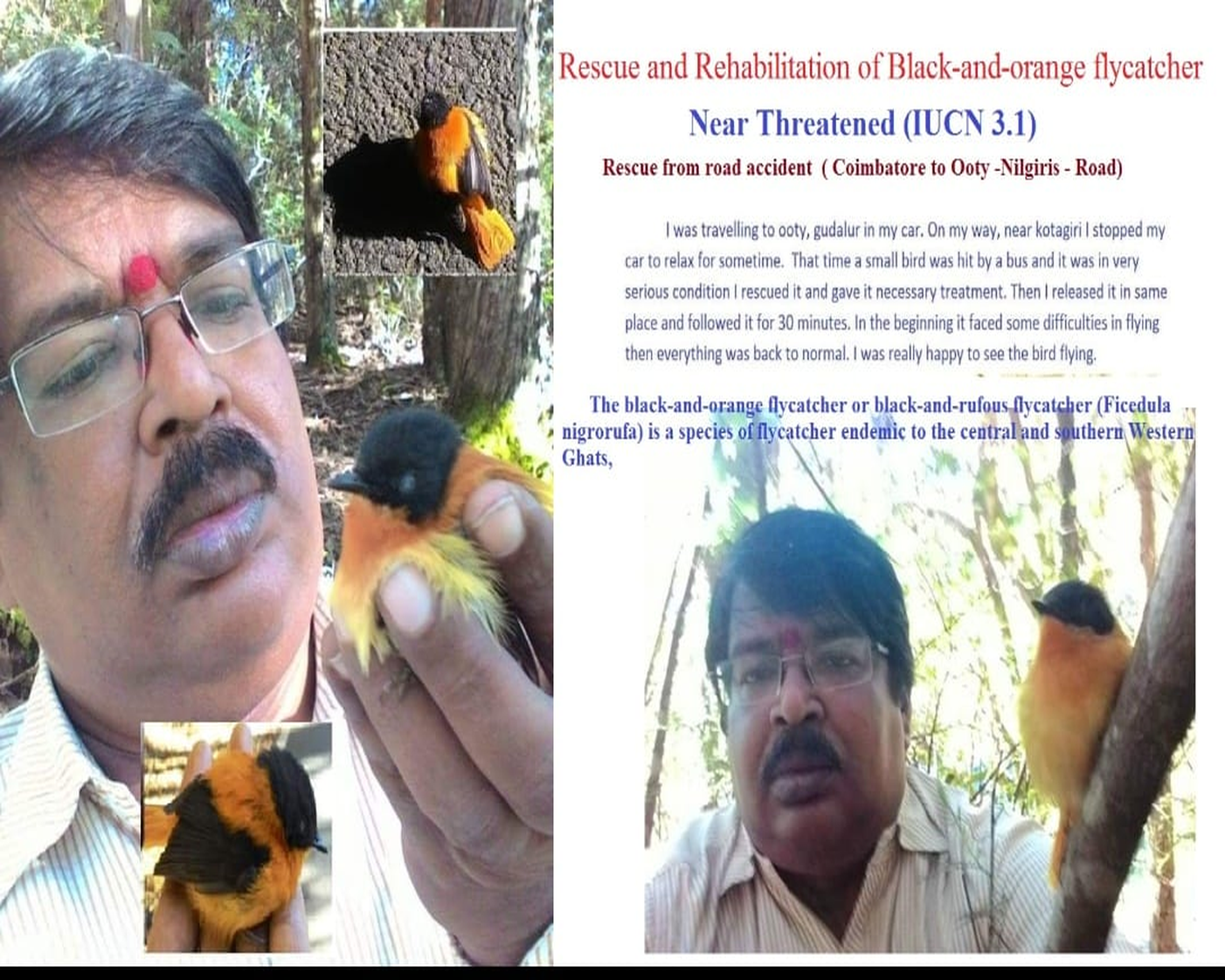
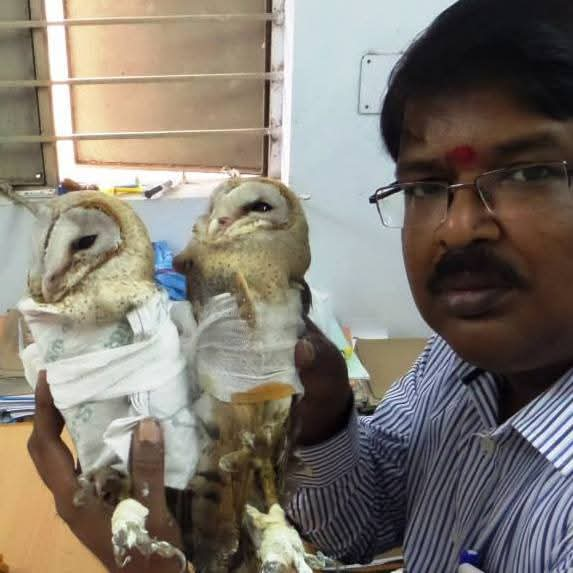
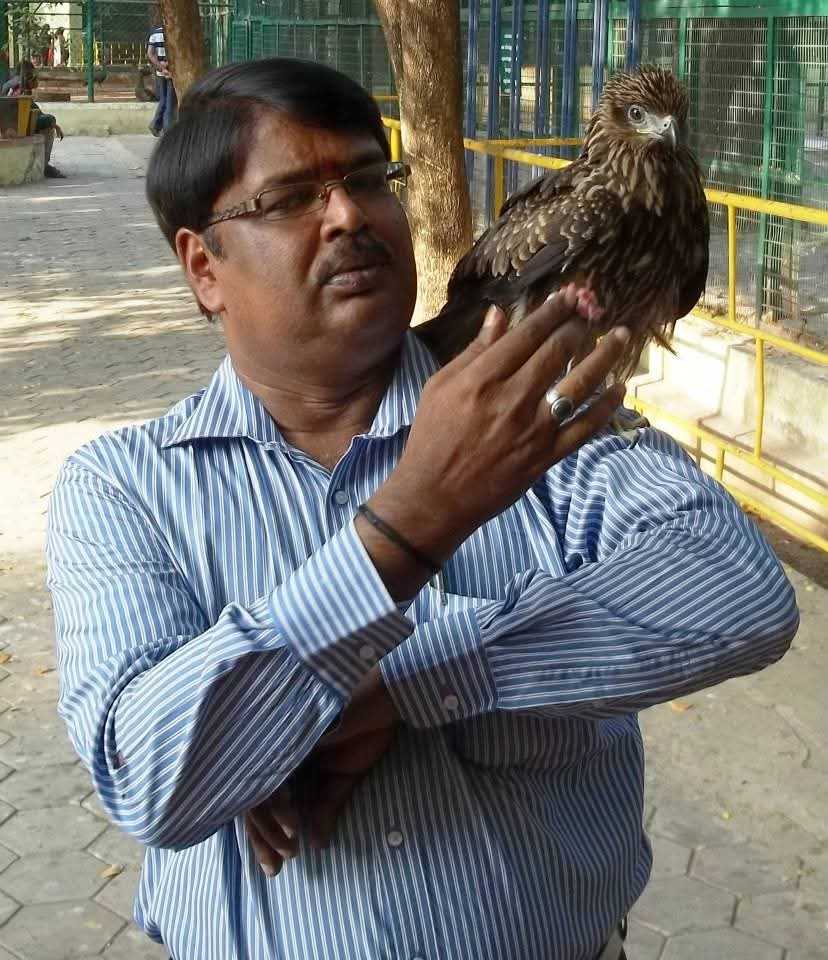
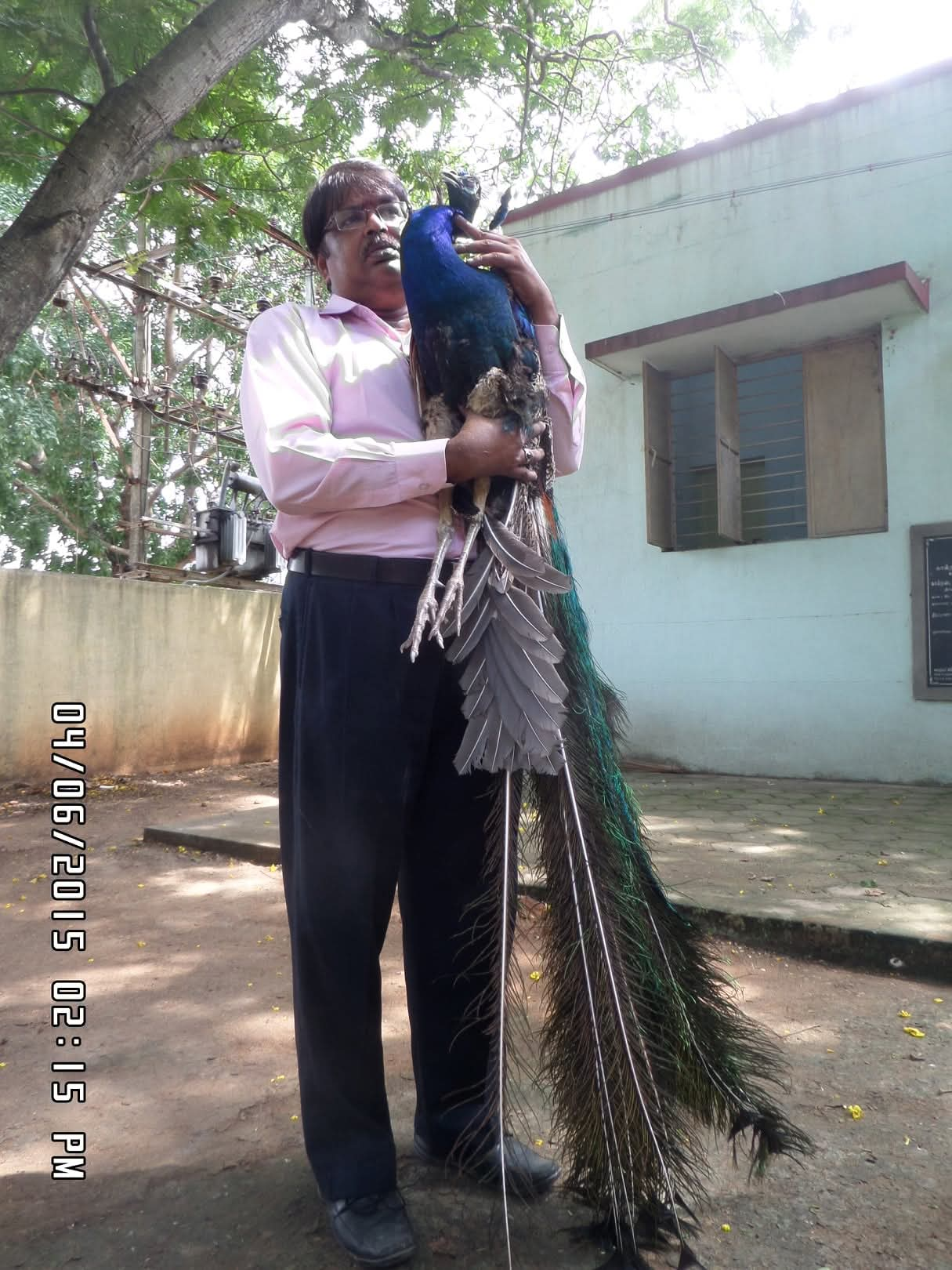
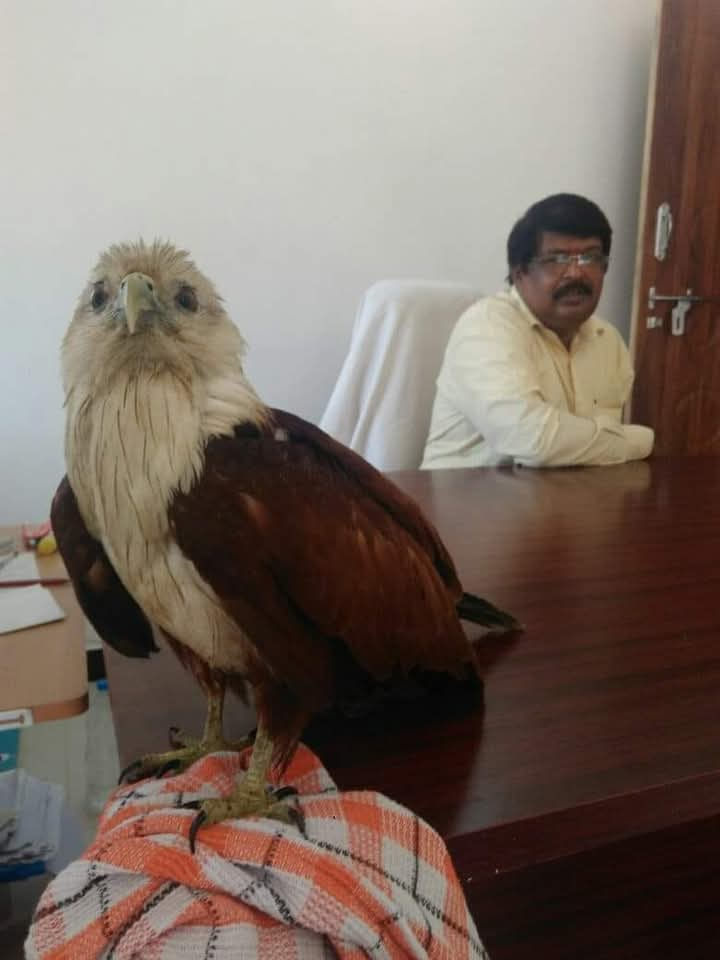
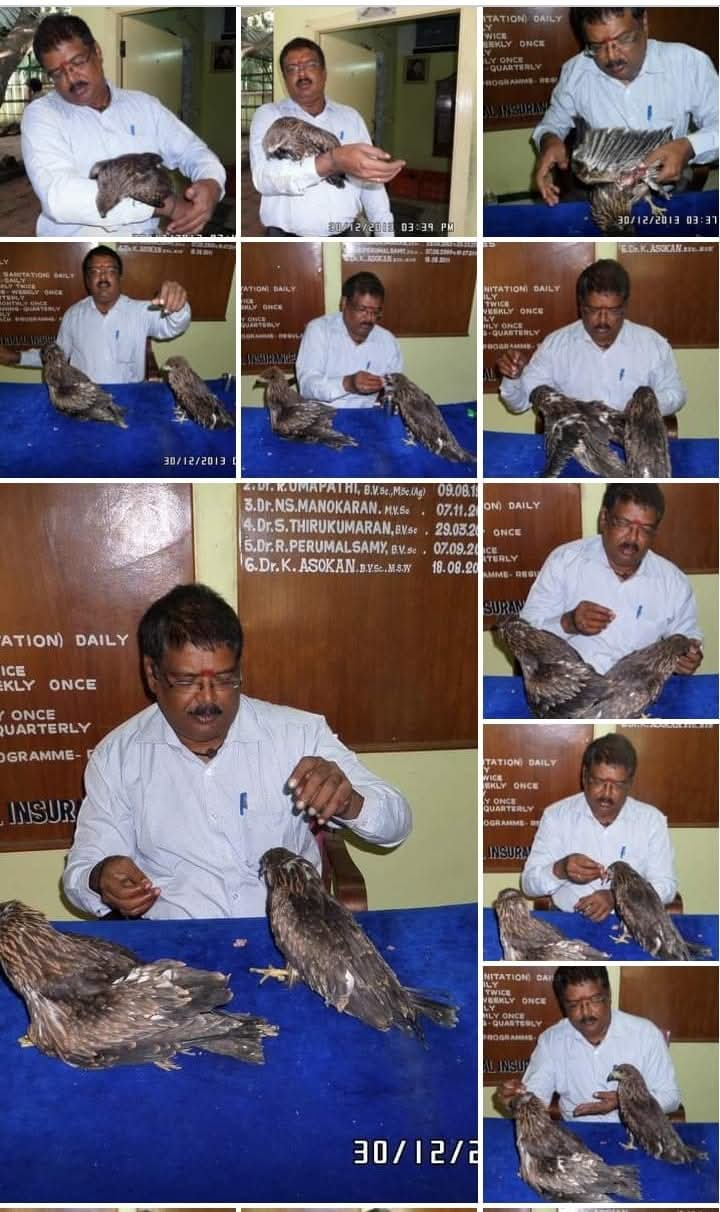
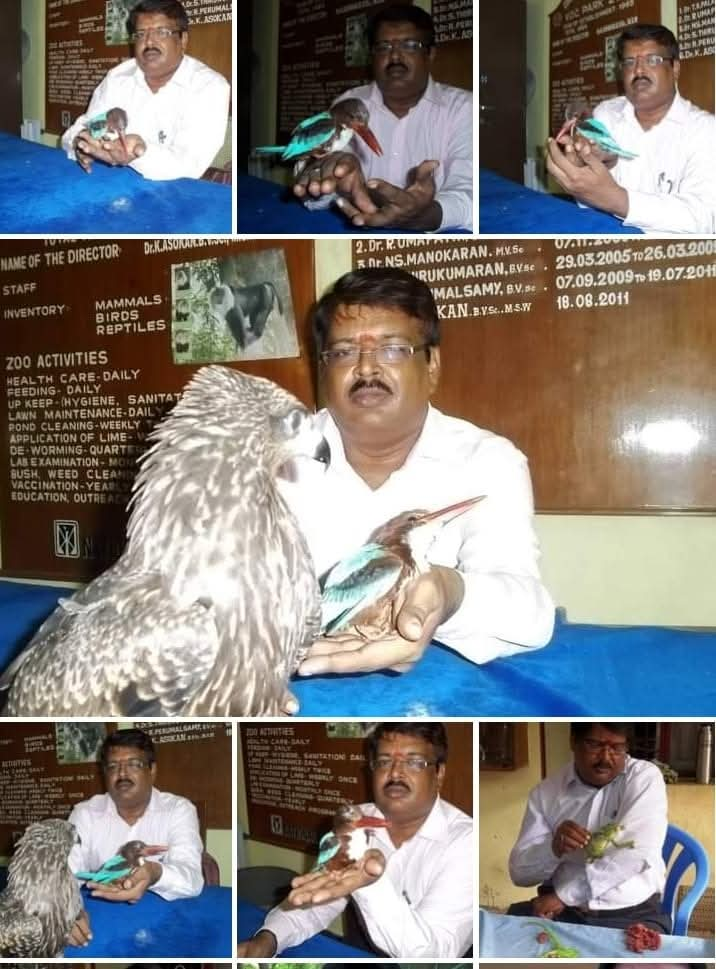
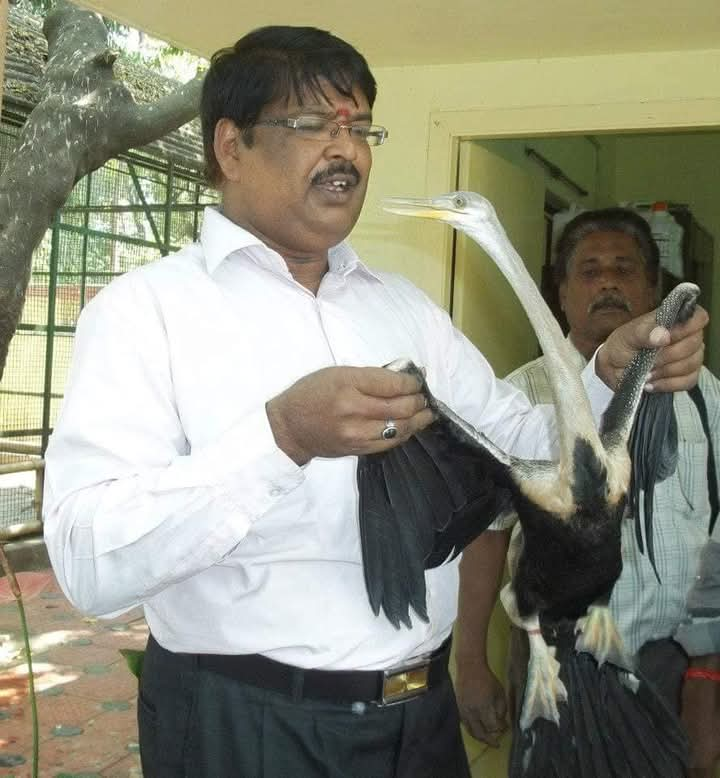
Dr. Krishnamoorthy Asokan has provided veterinary care for wild and injured birds, including Indian Black Kites, Falcon, owls, peacocks, pigeons, parrots ,Indian Fruit Bat,and other avian species. His work has involved clinical examination, diagnosis, emergency care, wound management and surgery, supportive treatment, rehabilitation and release back into the wild.
Major Bird Diseases & Conditions
Avian infectious diseases – influenza, Newcastle disease and other infections
Parasitic diseases – internal worms, mites, lice and other ectoparasites
Wing and bone injuries – fractures, wounds and soft-tissue trauma
Eye disorders – infections, injuries and cataract-related problems
Beak disorders – fractures, deformities and beak injuries
Talon wing bone fracture and foot injuries
Poisoning and toxic exposure – pesticides, rodenticides and contaminated food
Nutritional disorders and dehydration
Respiratory and gastrointestinal disorders
Feather damage and stress-related conditions
Treatment & Rehabilitation-
Treatment may include medical examination and diagnosis, appropriate antimicrobial or antiparasitic treatment, fluid and nutritional support, wound care, fracture management, wing repair, eye treatment, beak and talon care, surgery when required, rehabilitation and eventual release.
Climate-Related Bird Health Challenges
Rising temperatures, drought, extreme weather, habitat loss, pollution, contaminated water, changing food availability and increased exposure to vectors can place additional stress on wild birds and may alter disease risks.
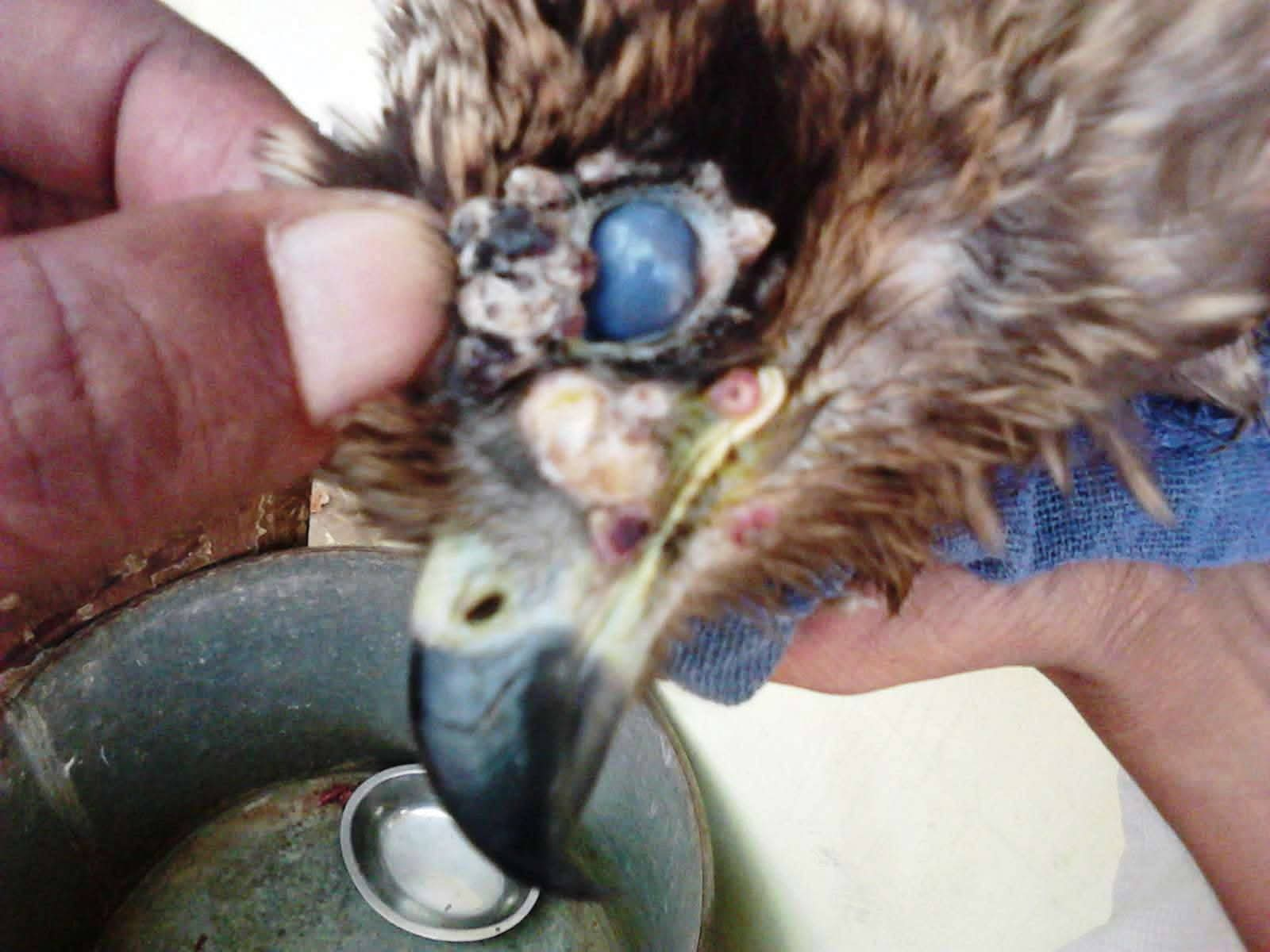
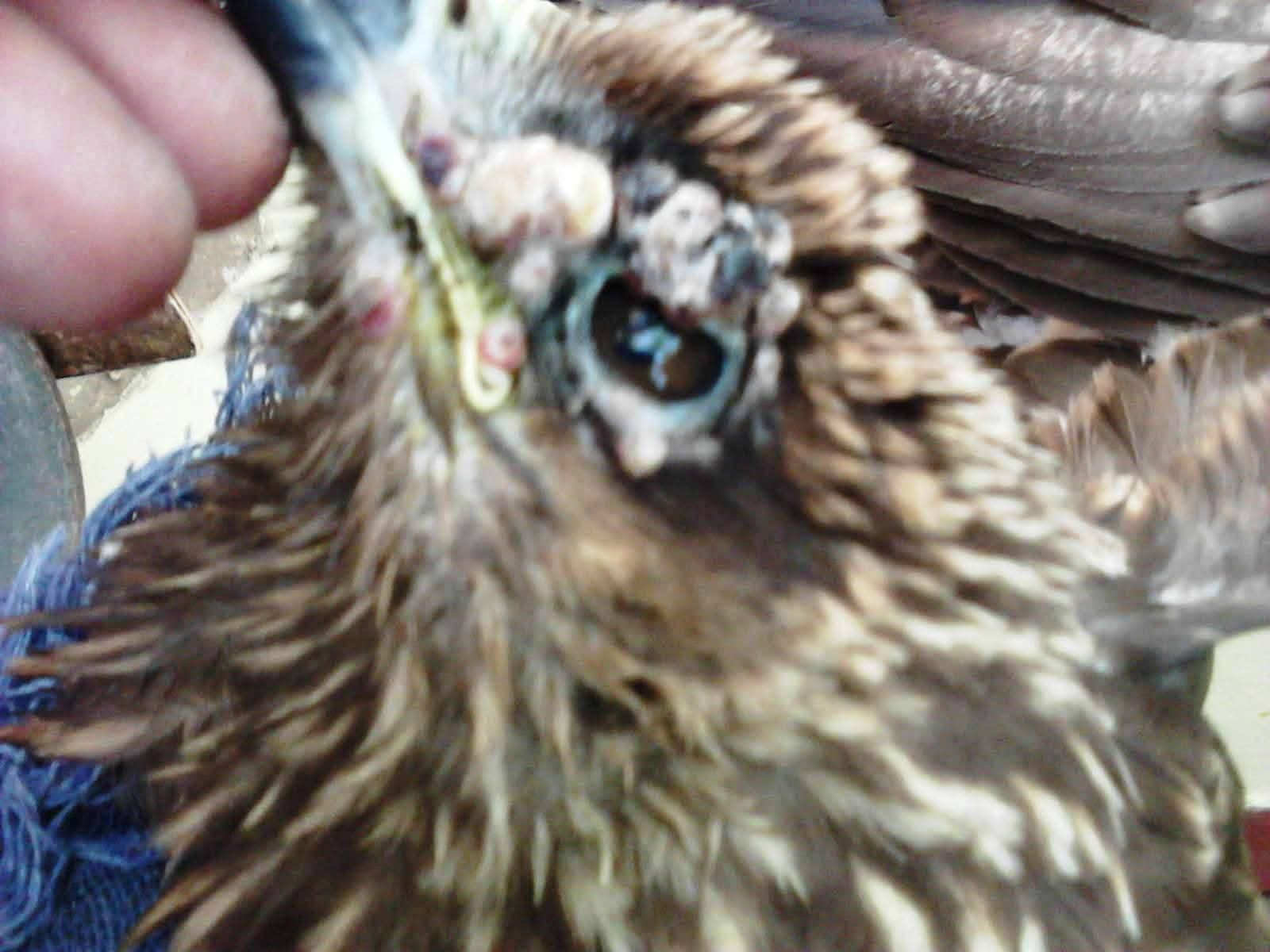
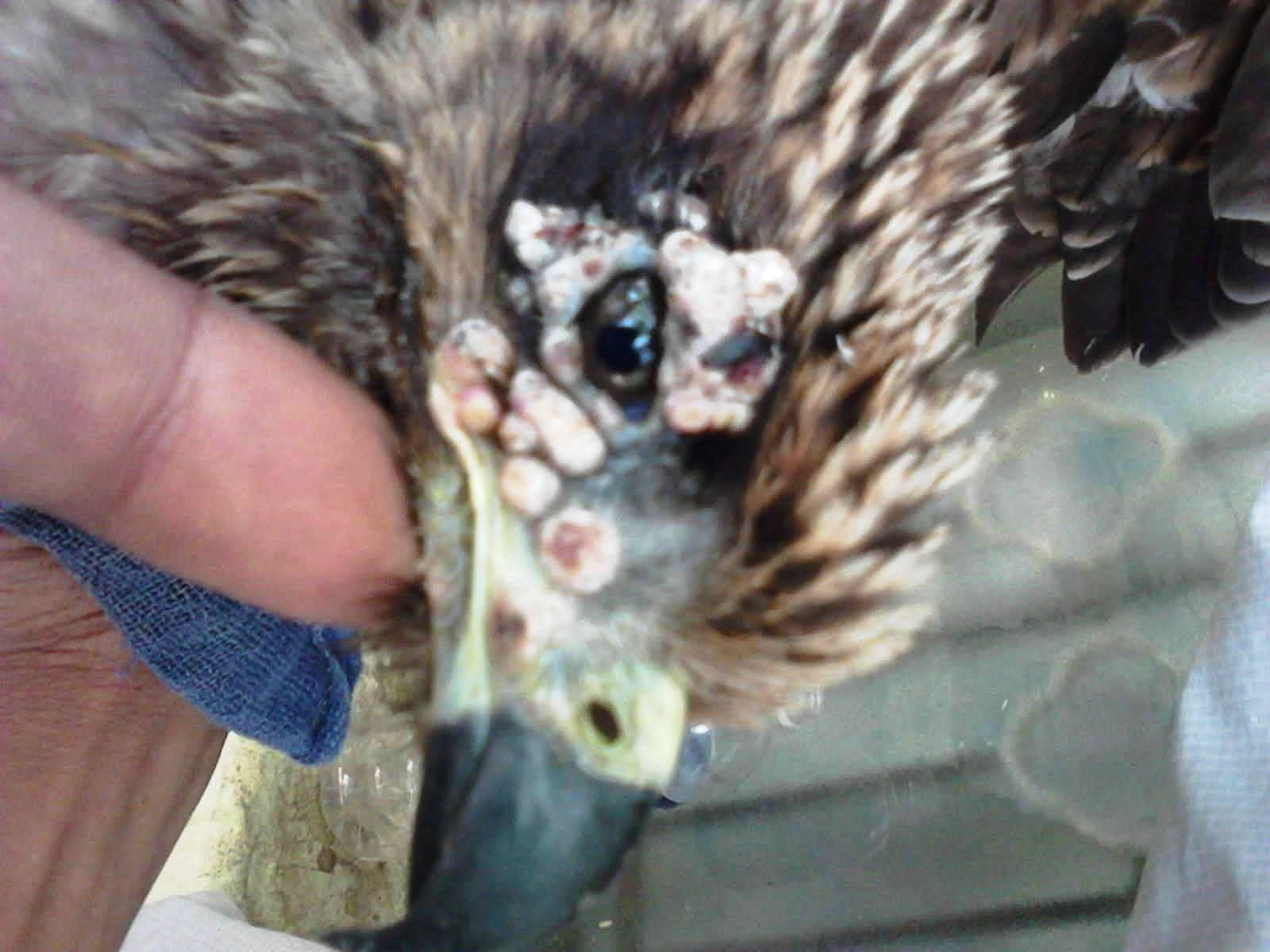
Viral Disease: “Papillomatous Facial Growth in an Indian Black Kite: Successful Veterinary Treatment
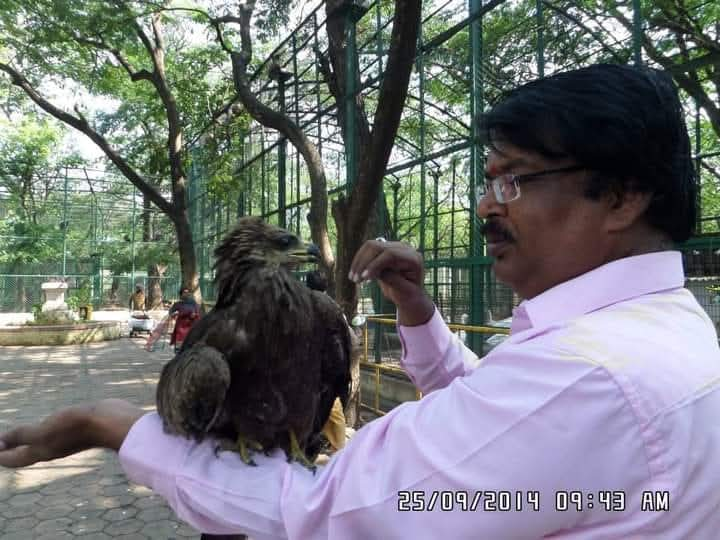
- An Indian Black Kite (Milvus migrans) was presented with a papillomatous growth on the facial region, causing a visible abnormal mass. Dr. Krishnamoorthy Asokan examined the bird and provided appropriate veterinary treatment to control the growth, protect normal facial function and support recovery. Following successful treatment and rehabilitation, the kite recovered well and was safely released back into the wild, restoring it to its natural habitat.
Diseased -“Bat Rescue, Injury Treatment & Rehabilitation
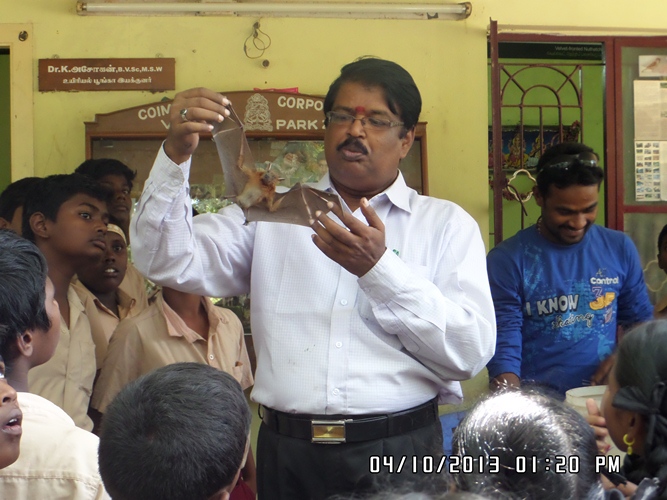
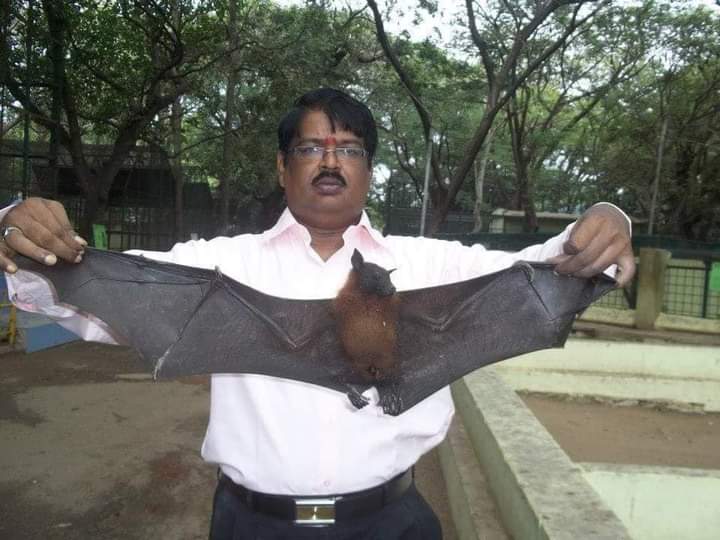
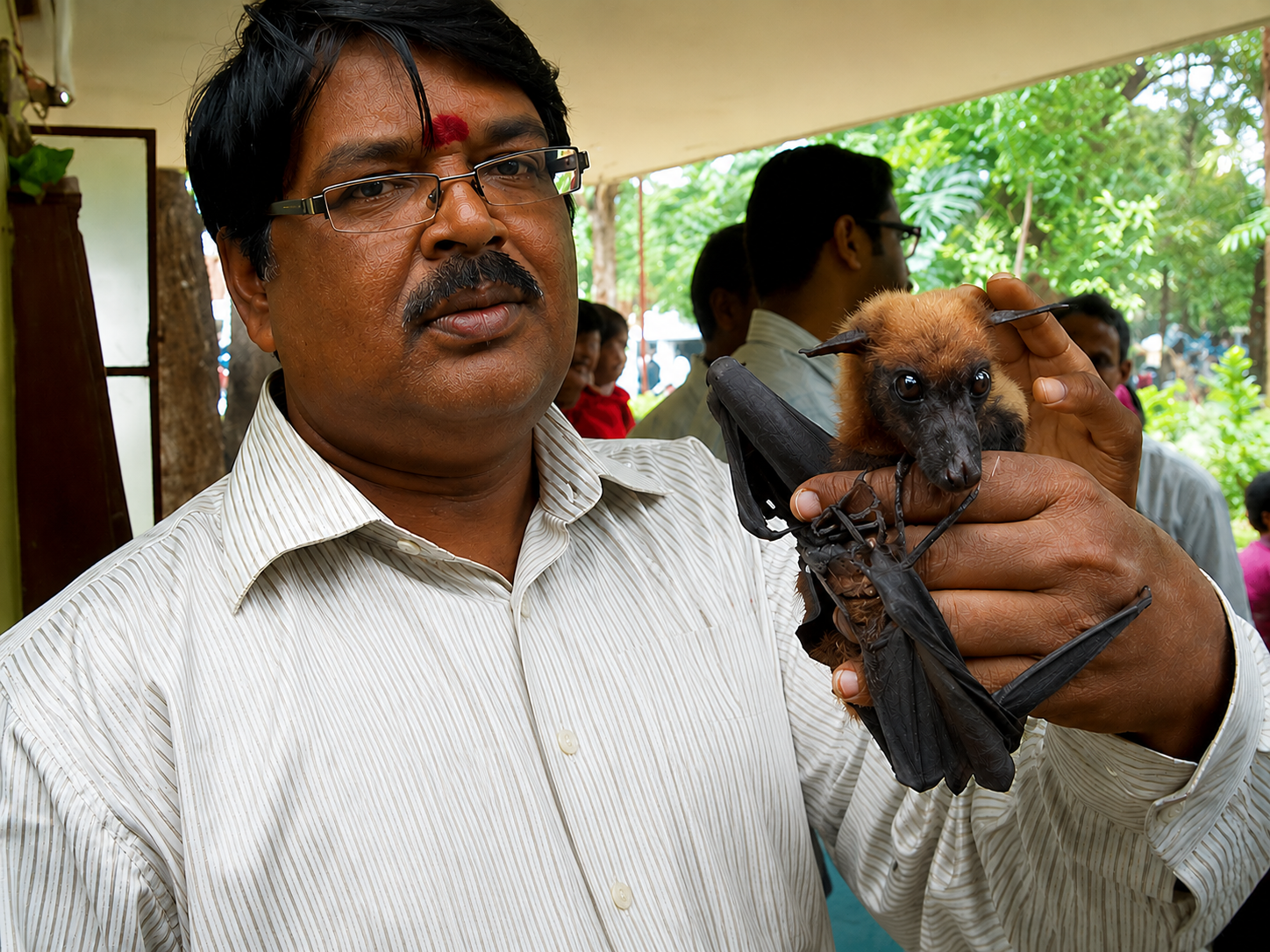
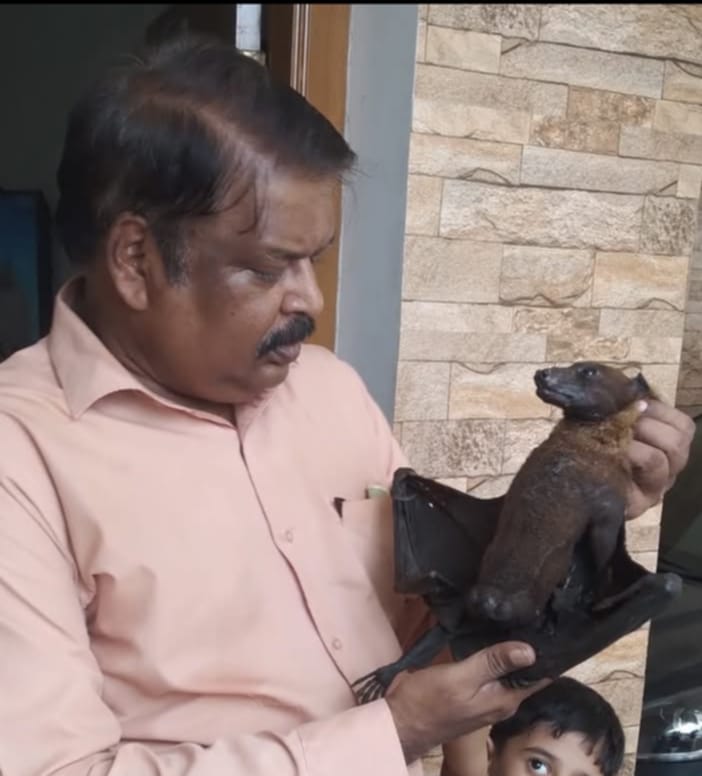
- Indian fruit bats affected by electric shock/electrocution, as well as other bats suffering from stress, wing injuries, fractures and trauma, were treated by Dr. Krishnamoorthy Asokan. His veterinary care included clinical examination, wound management, supportive treatment, fracture care and rehabilitation, with the goal of restoring the bats' ability to fly and, after full recovery, safely releasing them back into their natural habitat.
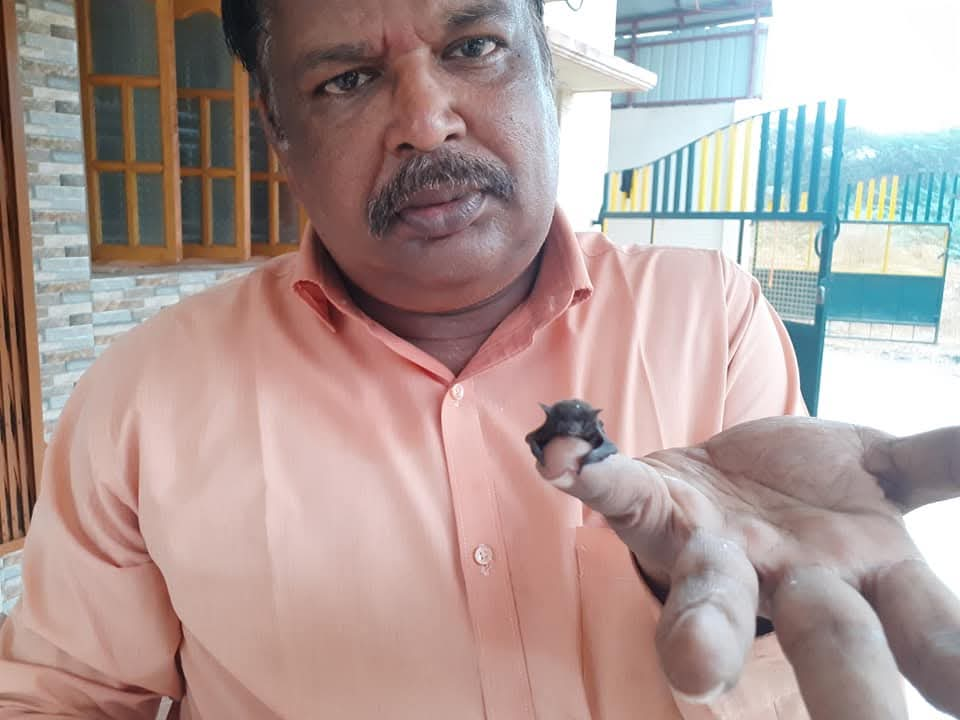
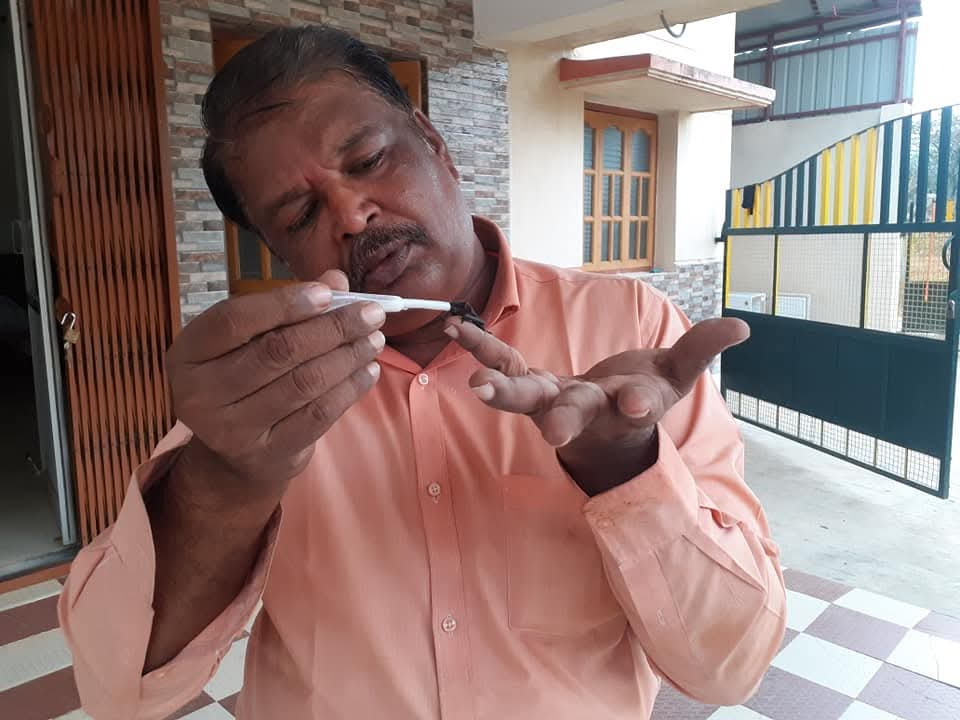
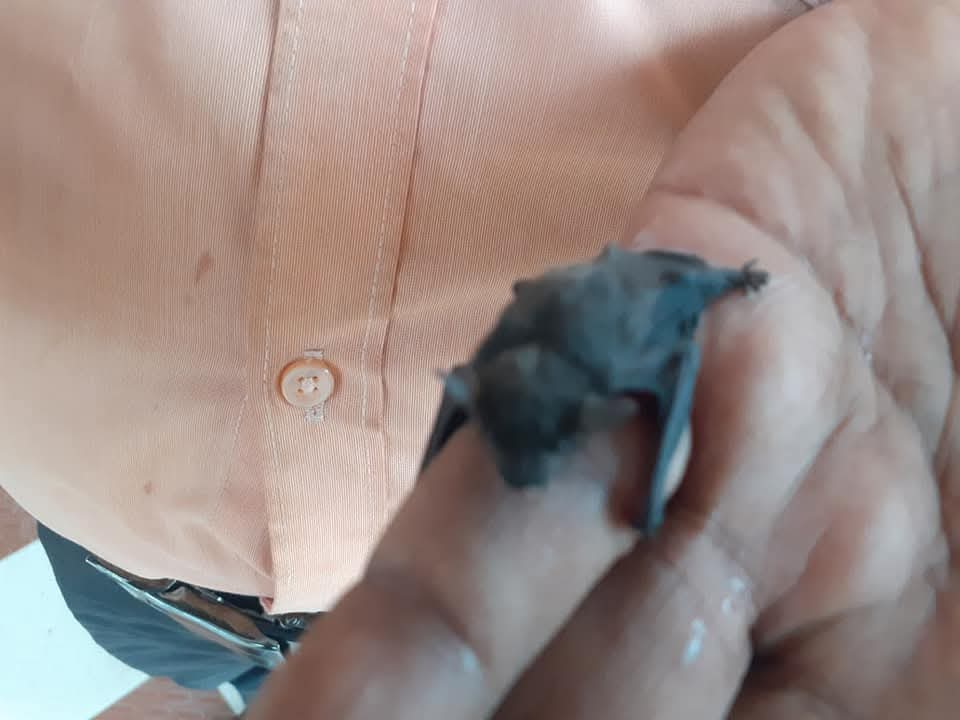
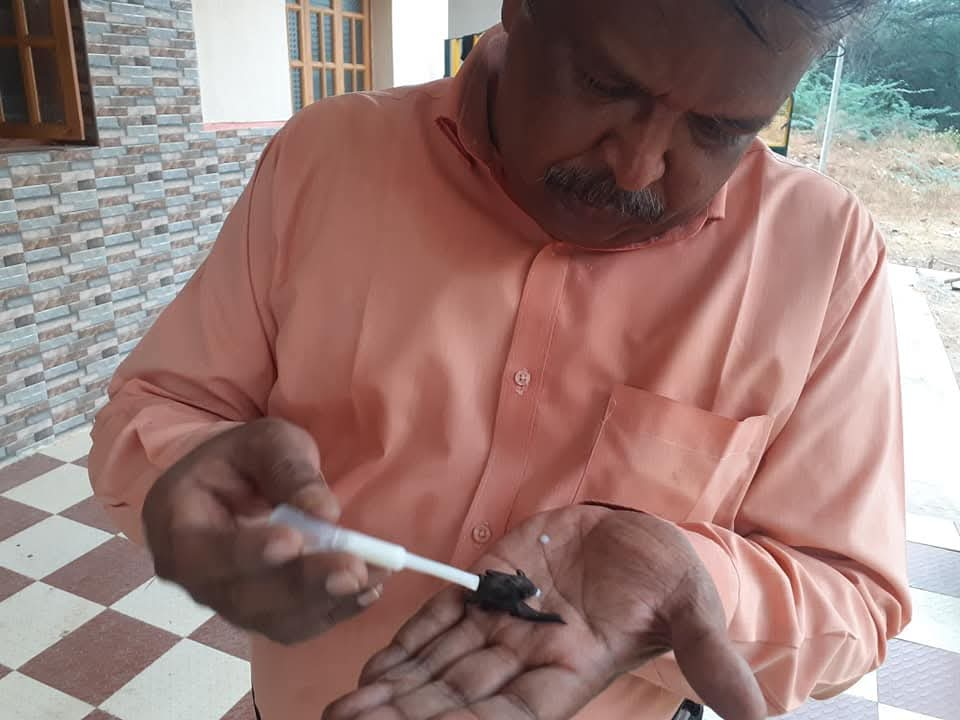
Diseased Small Indian Pygmy Bat — Rescue & Treatment
- A small Indian pygmy bat was found fallen from a tree and unable to fly and was rescued and examined by Dr. Krishnamoorthy Asokan. The bat received supportive veterinary care, including careful handling, hydration, nutritional support and appropriate medication, followed by observation and rehabilitation until it was fit to return to its natural environment.
“Bird Diseases ,Climate Change, & Wildlife Veterinary Care
Wild birds can face increased health challenges from rising temperatures, extreme weather, habitat changes, food and water scarcity, pollution, and changing patterns of disease vectors. Dr. Krishnamoorthy Asokan has provided veterinary care to birds affected by infectious diseases, parasitic infections, dehydration, nutritional stress, injuries, poisoning, respiratory and gastrointestinal disorders, and other health problems, with treatment focused on stabilization, supportive care, wound management, surgery when required, rehabilitation and safe release back into the wild.
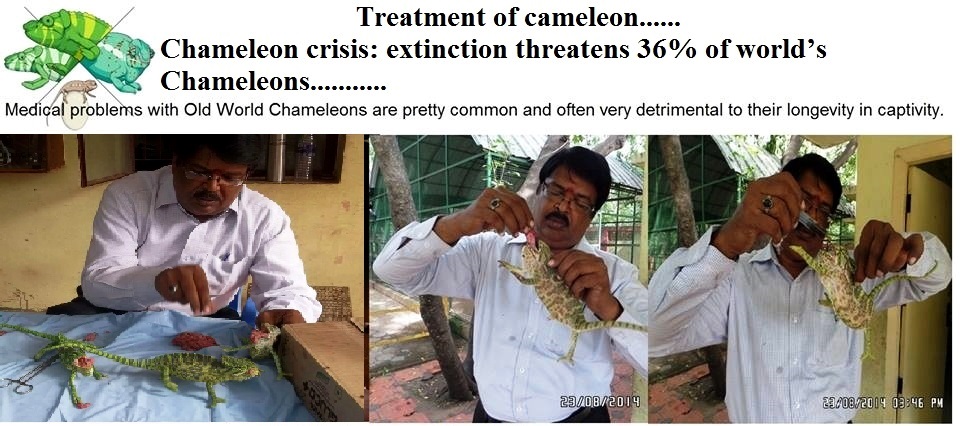
Diseases -Chameleon Health Challenges in a Changing Environment
- Rapid urbanisation, habitat loss and climate-related environmental changes can expose chameleons to increased stress and reduce access to suitable food, shelter and microclimates. As a result, affected chameleons may suffer from stress, injuries and bone fractures, metabolic disorders, dehydration, nutritional deficiencies and malnutrition.
- Dr. Krishnamoorthy Asokan has provided veterinary care for affected chameleons, with treatment focused on stabilisation, wound and fracture management, nutritional support, correction of metabolic problems, hydration and rehabilitation. Such cases require careful handling because chameleons are small, delicate reptiles and are highly sensitive to environmental and nutritional changes.
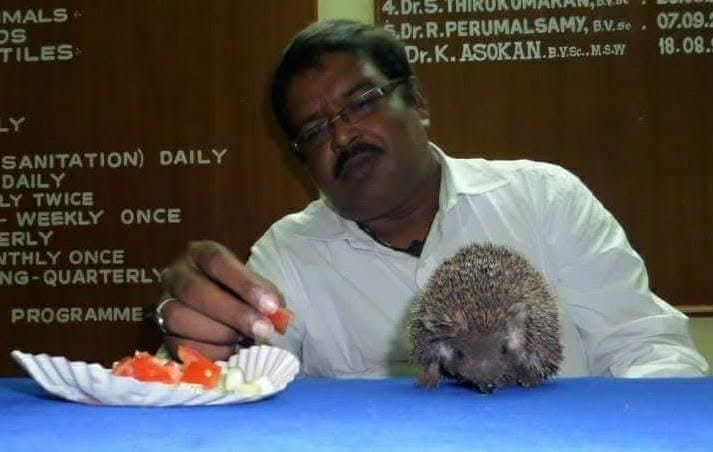
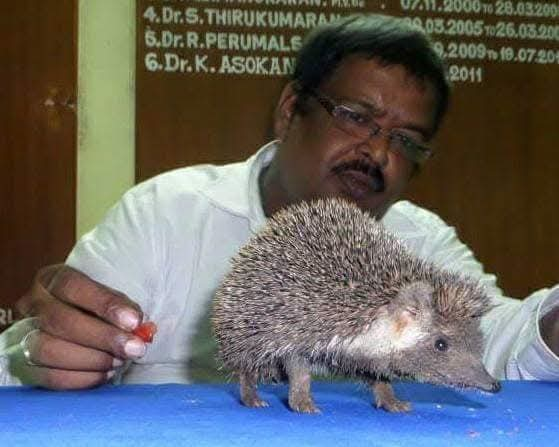
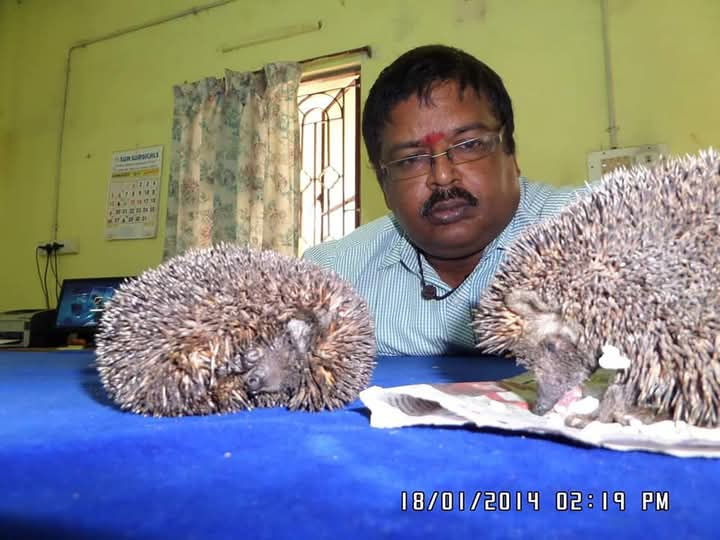
Disease -Hedgehog Health Challenges
- Climate change, habitat disturbance and urbanisation can expose hedgehogs to environmental stress and reduced access to suitable food and shelter. Affected animals may present with severe stress, malnutrition, dehydration, metabolic problems and traumatic injuries such as bone fractures.
- Dr. K. Krishnamoorthy Asokan has treated affected hedgehogs through emergency stabilisation, supportive care, nutritional rehabilitation, fracture and wound management, and recovery monitoring, helping injured and debilitated animals regain health.
Disease-Urbanisation-Related Health Challenges in Wild Monkeys
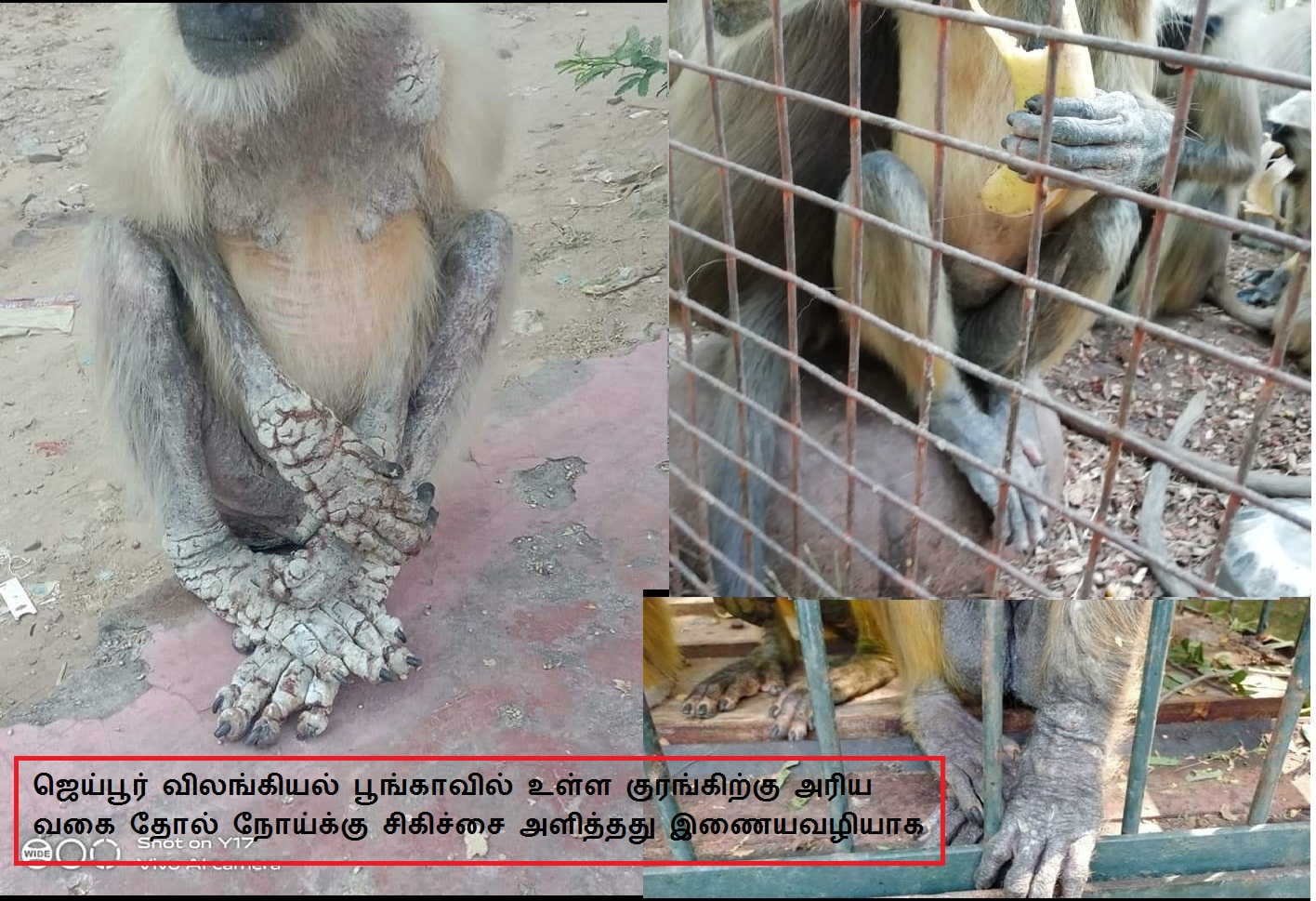
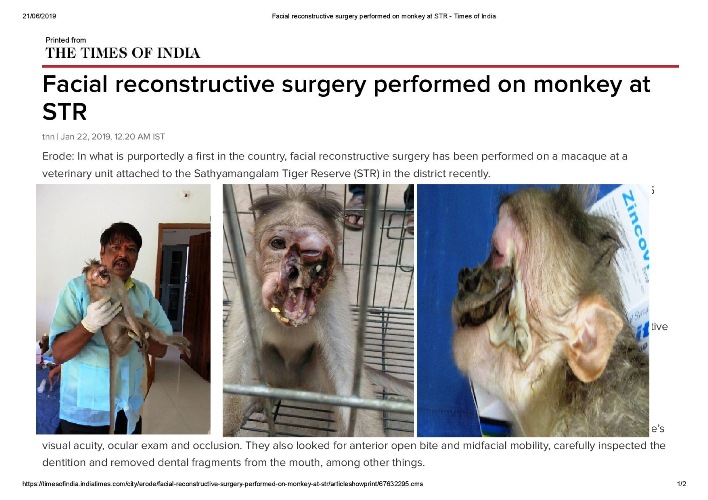
- Due to rapid urbanisation and habitat loss, many wild monkeys are increasingly exposed to human settlements, roads, and domestic animals. Dr. Krishnamoorthy Asokan has treated numerous affected monkeys suffering from dog-bite injuries, various skin diseases, road accidents, stress, dehydration, starvation, and other trauma-related conditions. Through timely veterinary intervention, supportive care, wound management, and rehabilitation, he has helped injured and weakened monkeys recover and return to their natural habitat whenever possible.
Possible Causes of Fetal Death in Elephants
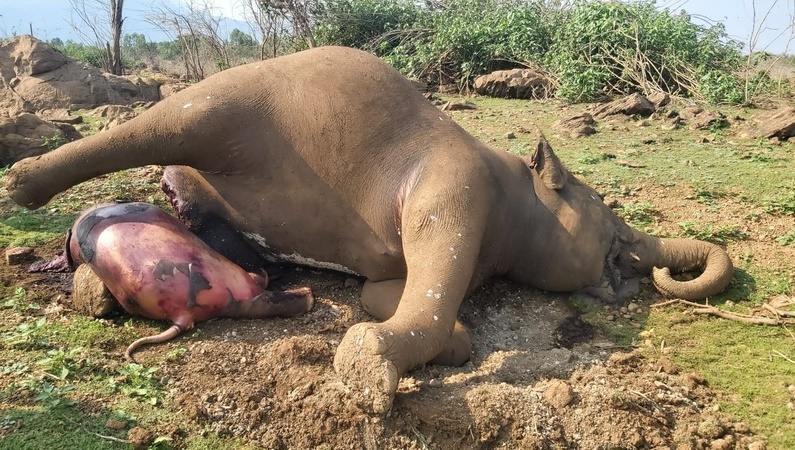
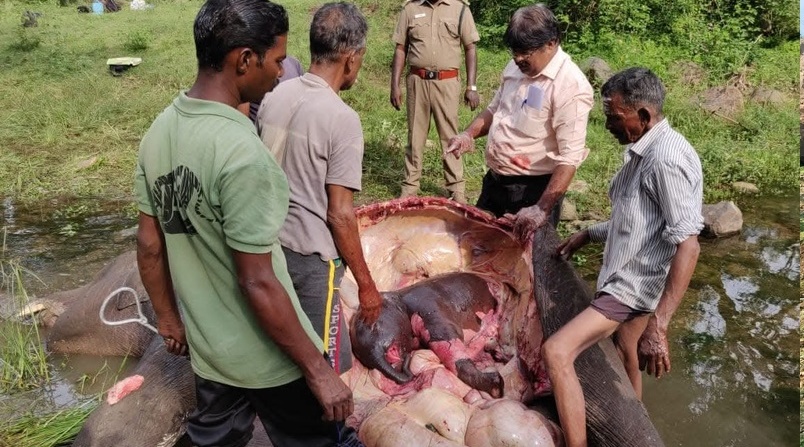
- “Post-mortem examinations of pregnant elephants revealed fetuses at different stages of development. The presence of poorly developed fetuses in some cases may indicate early or mid-gestational fetal loss, whereas well-developed fetuses may represent late-gestational fetal death, stillbirth or fetal retention associated with dystocia. Determination of the precise cause requires correlation of fetal development with maternal pathology, placenta, uterus, clinical history and laboratory findings.”
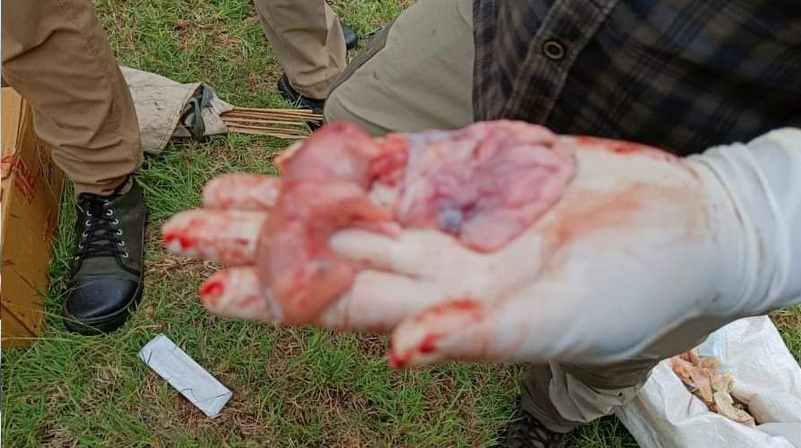
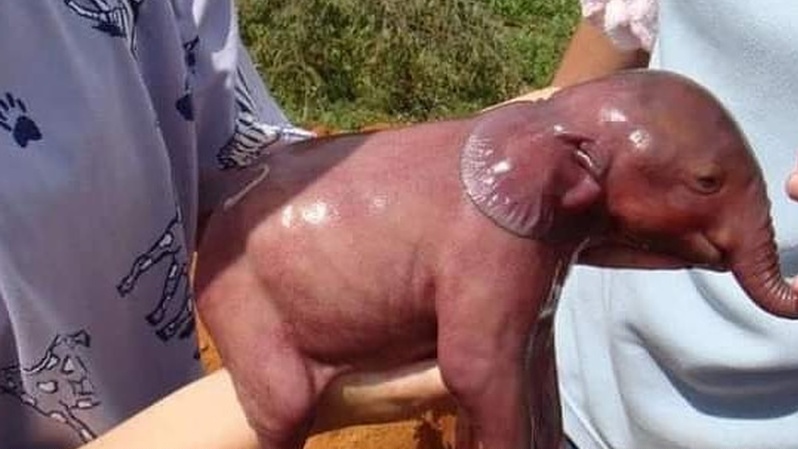
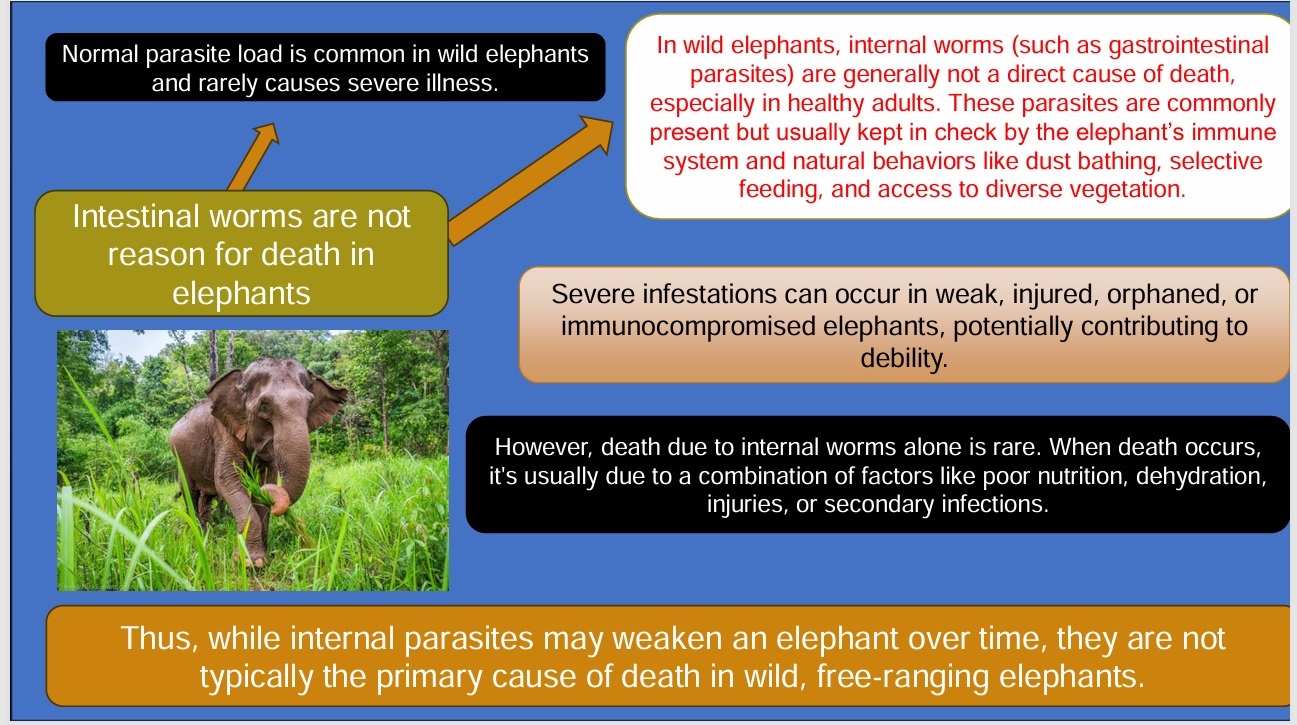
Elephant Internal Worm Infestation — Field and Post-Mortem Observations
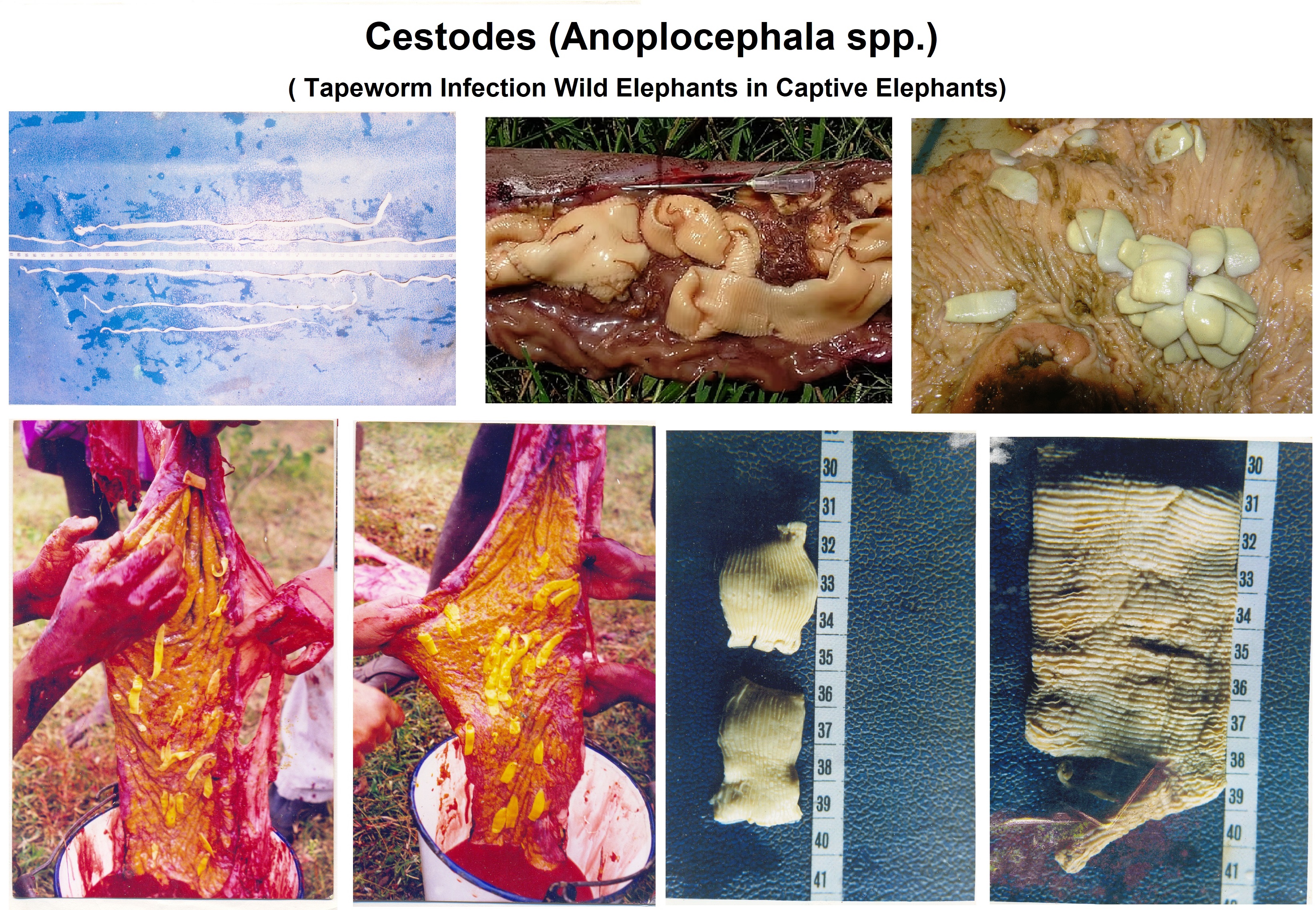
- Dr. Krishnamoorthy Asokan documented internal parasitic worm infestations in wild elephants, including cases with heavy tapeworm (Cestoda) burdens. In severely affected animals, a very high parasite load may be associated with poor nutritional status, gastrointestinal disturbance, weakness and abnormal behaviour; however, continuous running or inability to remain in one place should not be attributed to tapeworm infection alone without clinical and post-mortem evidence.
- Internal Parasites Recorded in Elephants
- Tapeworms (Cestodes) — heavy intestinal infestation
- Roundworms (Nematodes) — gastrointestinal and other internal worm infections
- Strongyle-type worms — intestinal parasitism
- Flukes (Trematodes) — including liver and gastrointestinal flukes
- Other gastrointestinal helminths — detected during examination or post-mortem
- Heavy Tapeworm Infestation
- In a severely parasitized elephant, a large worm burden may interfere with digestion and nutrient absorption and contribute to poor body condition, weakness and gastrointestinal disease. If the animal is also suffering from another disease, starvation, dehydration, poisoning or infection, the combined effects can become life-threatening.
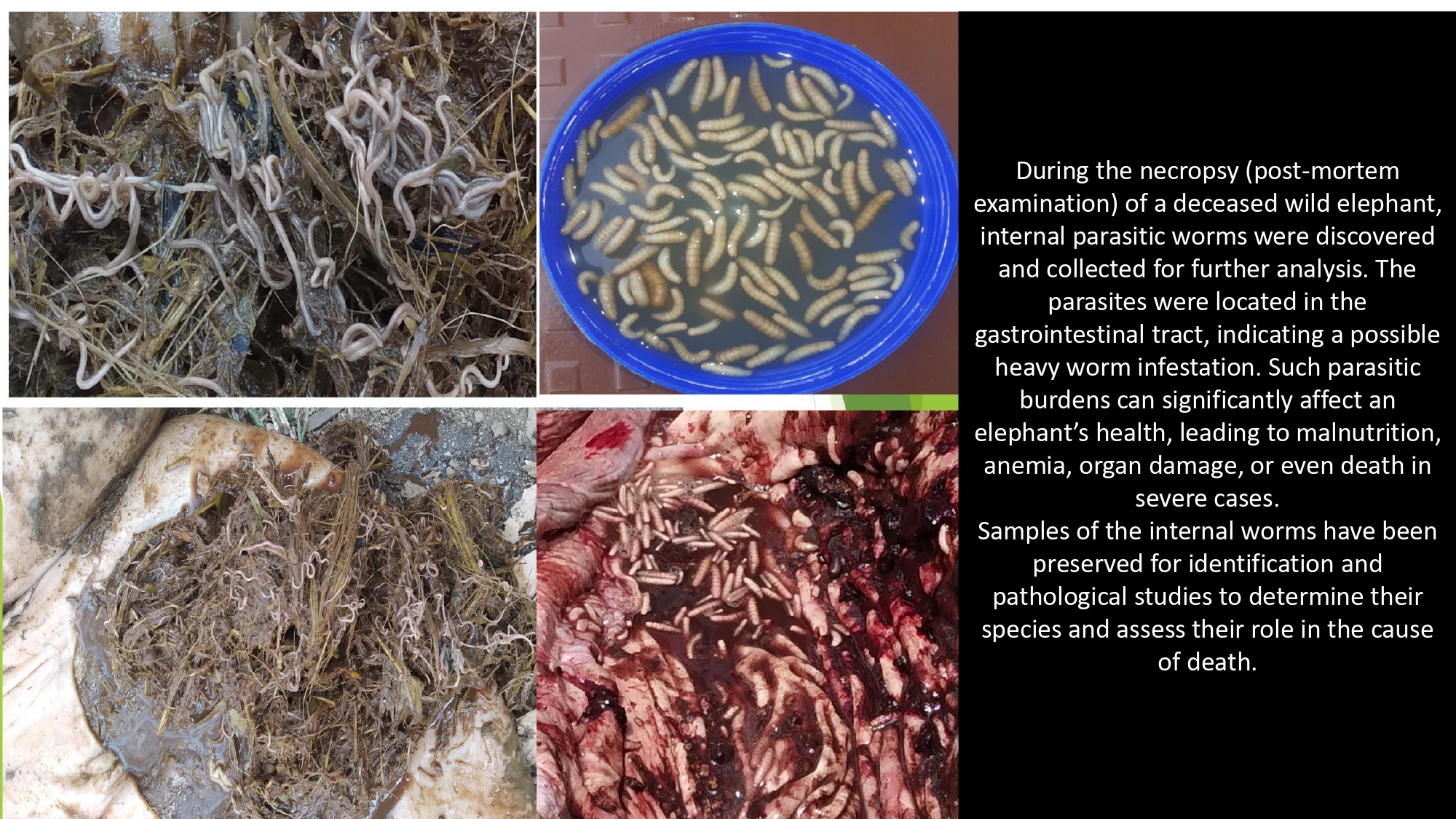
Disease Discovery Through Wild Elephant Post-Mortem
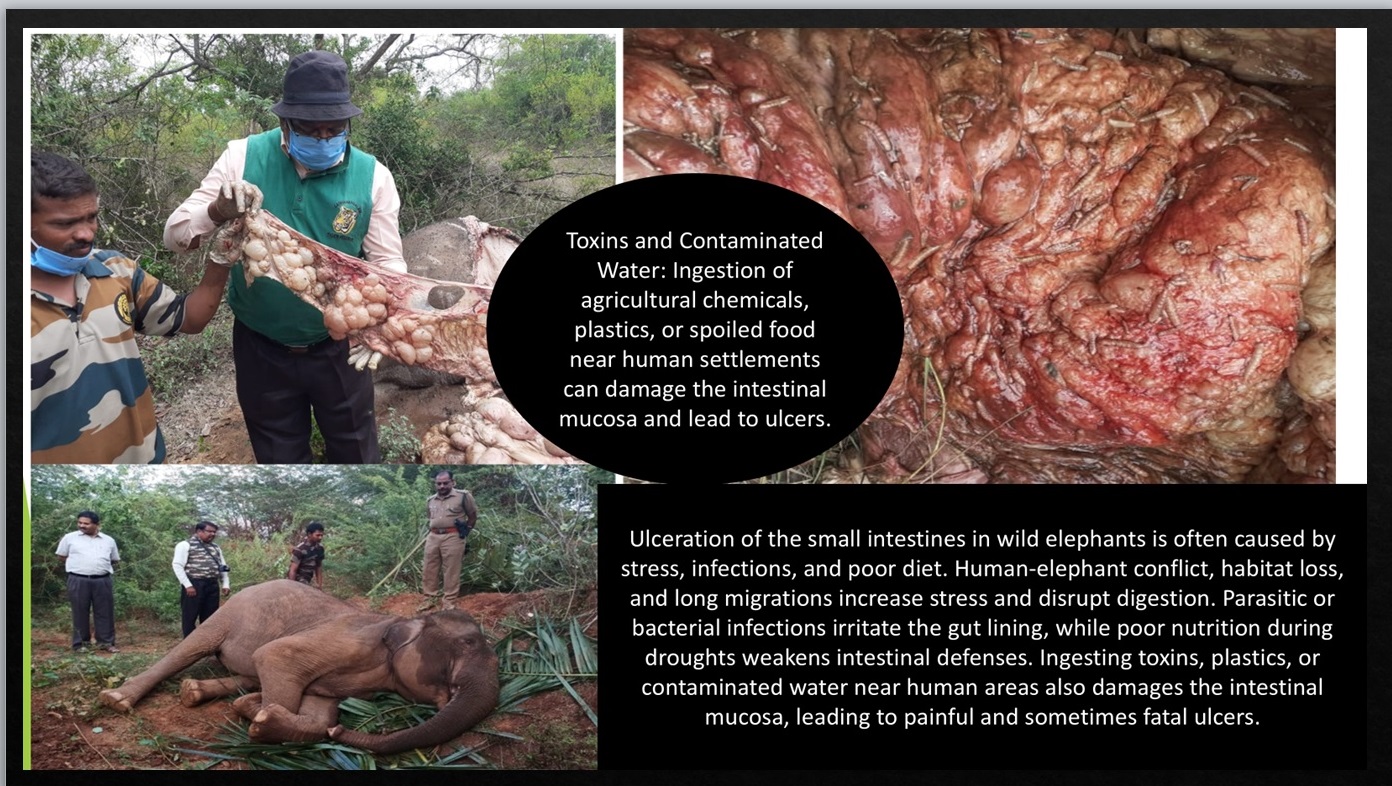
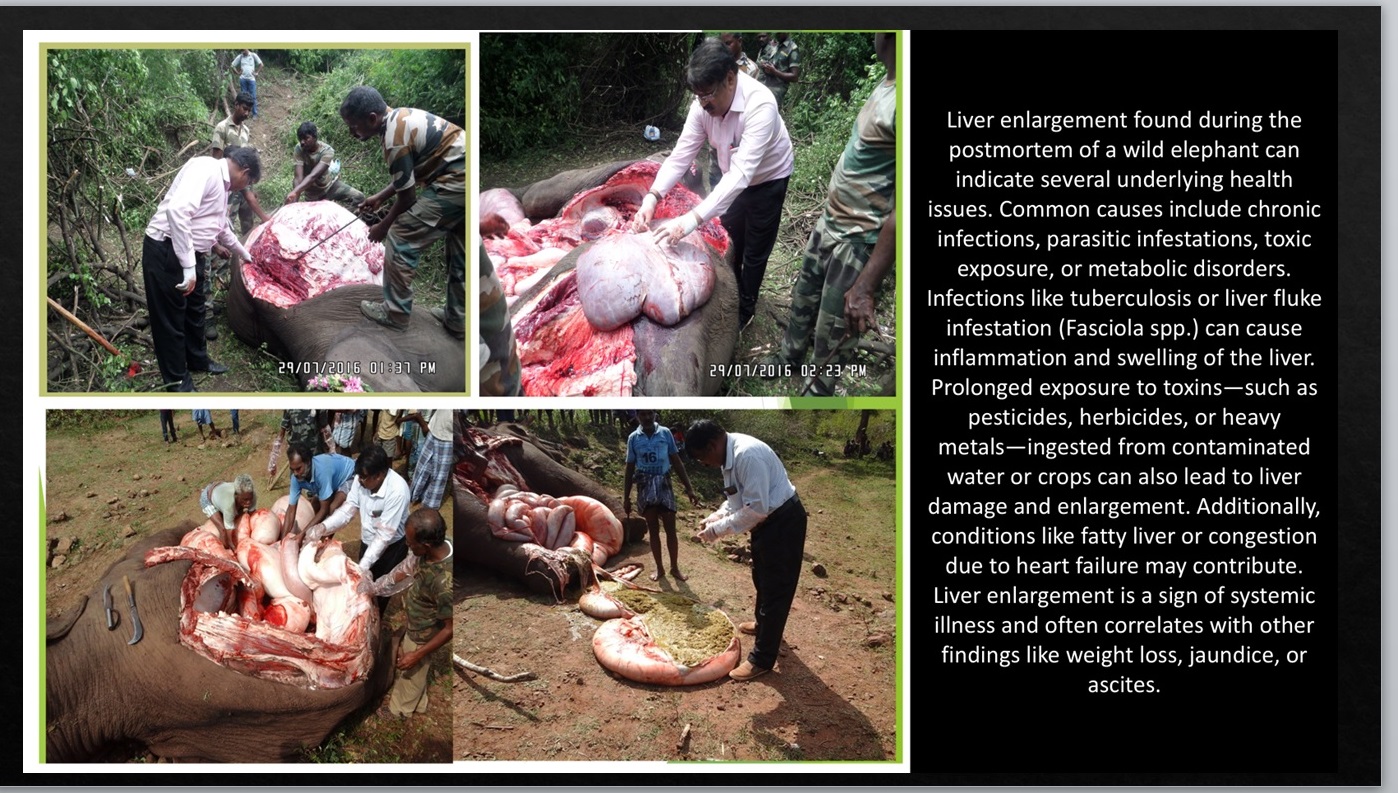
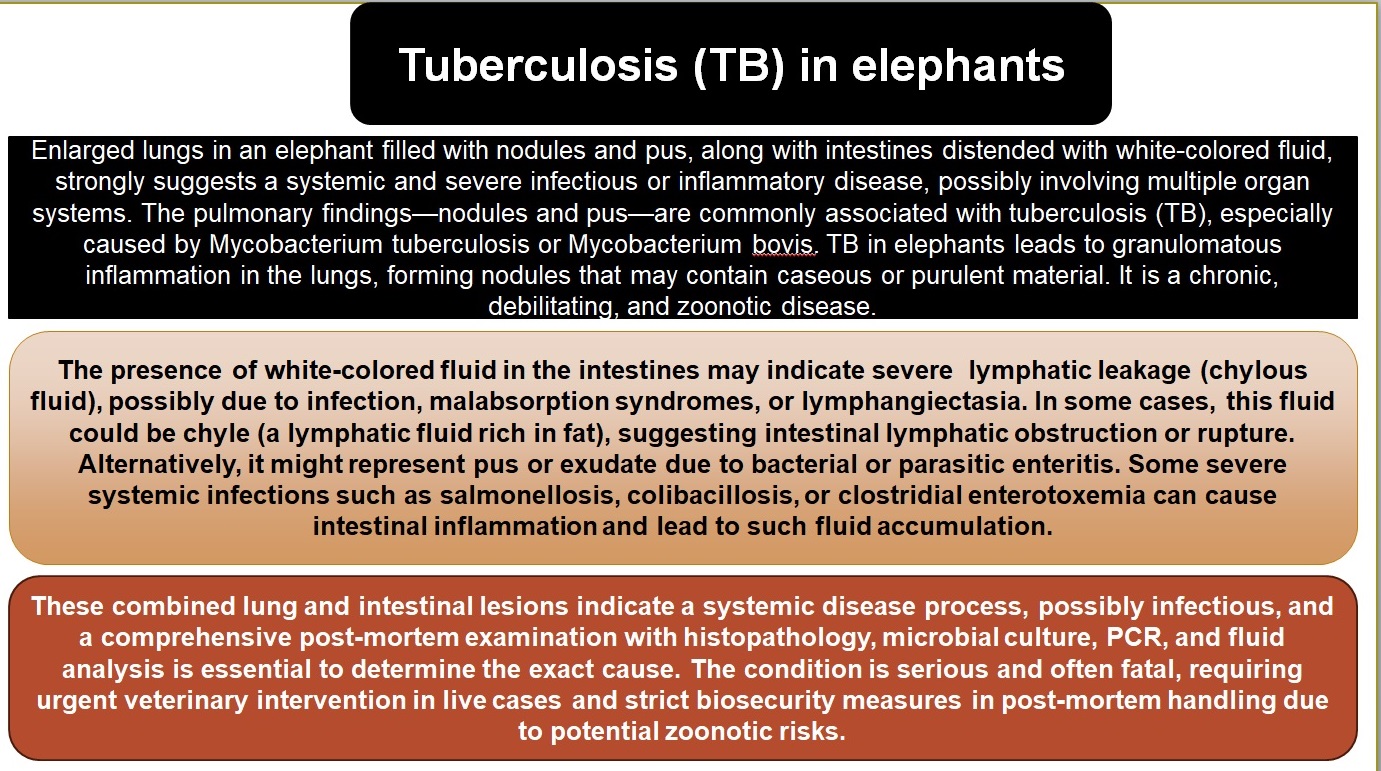
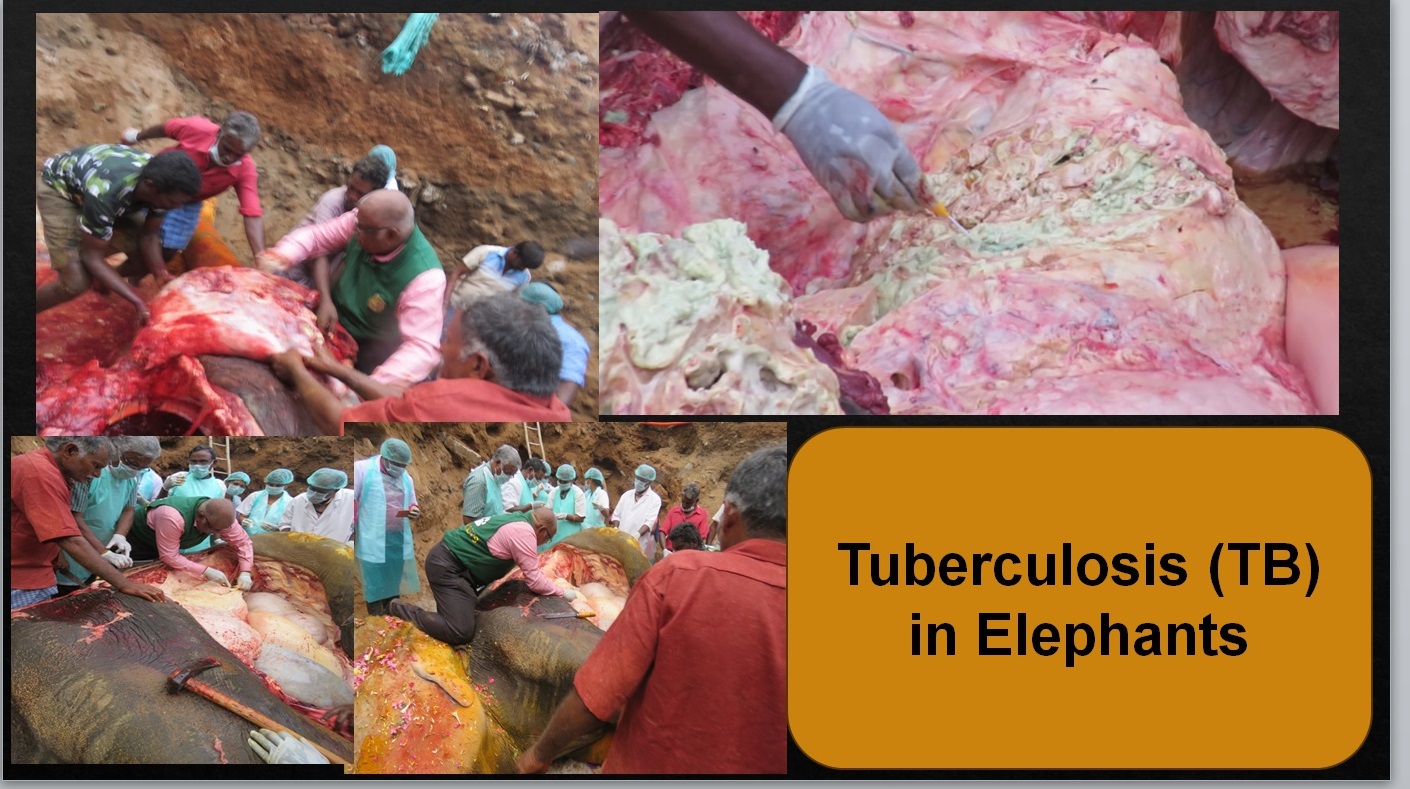
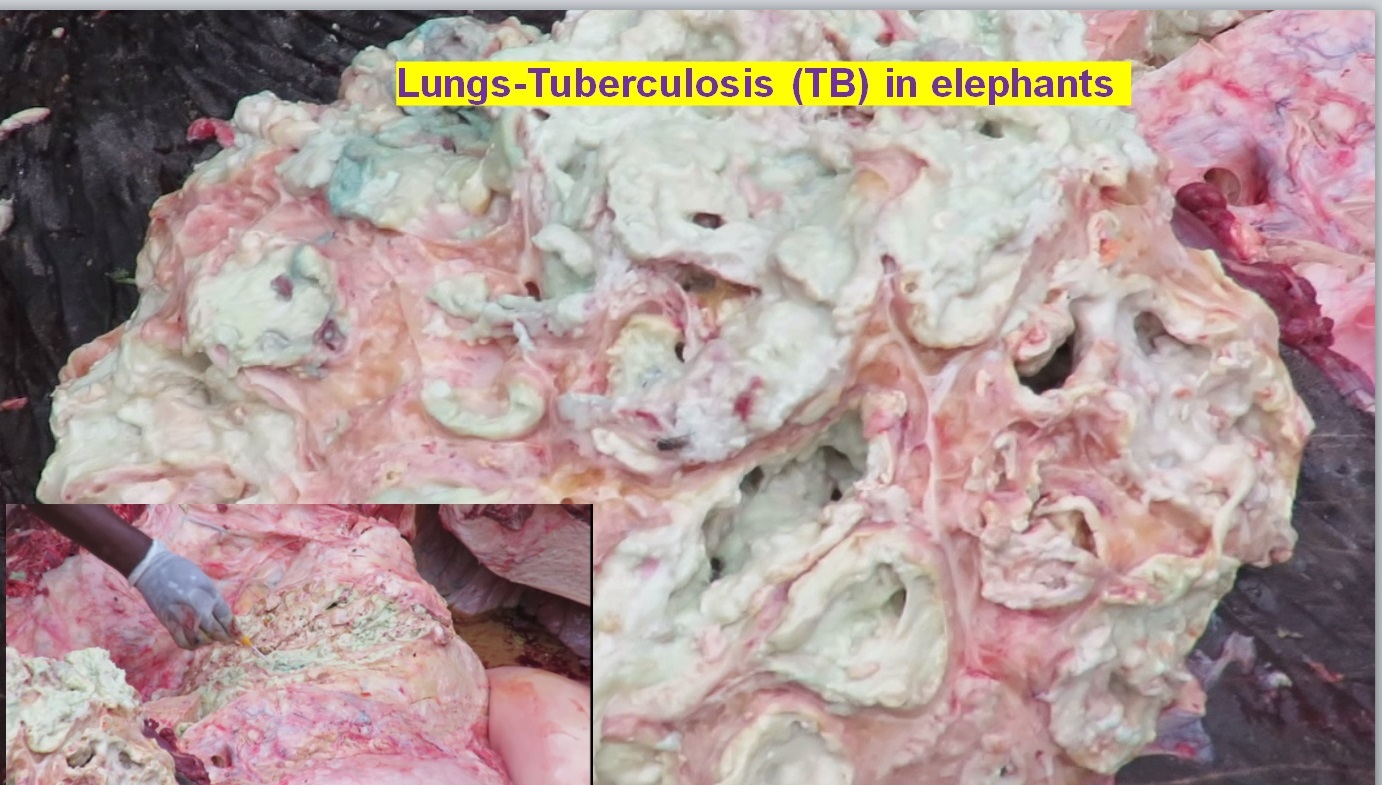
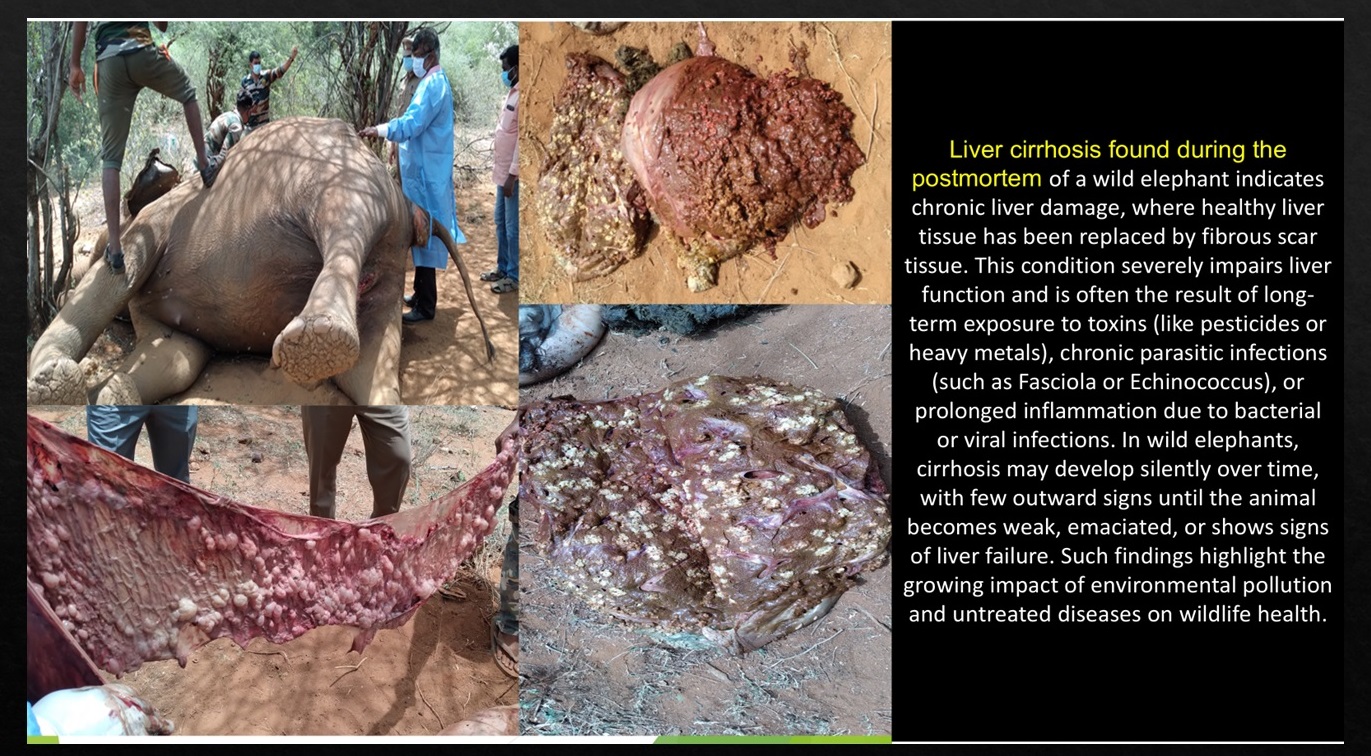
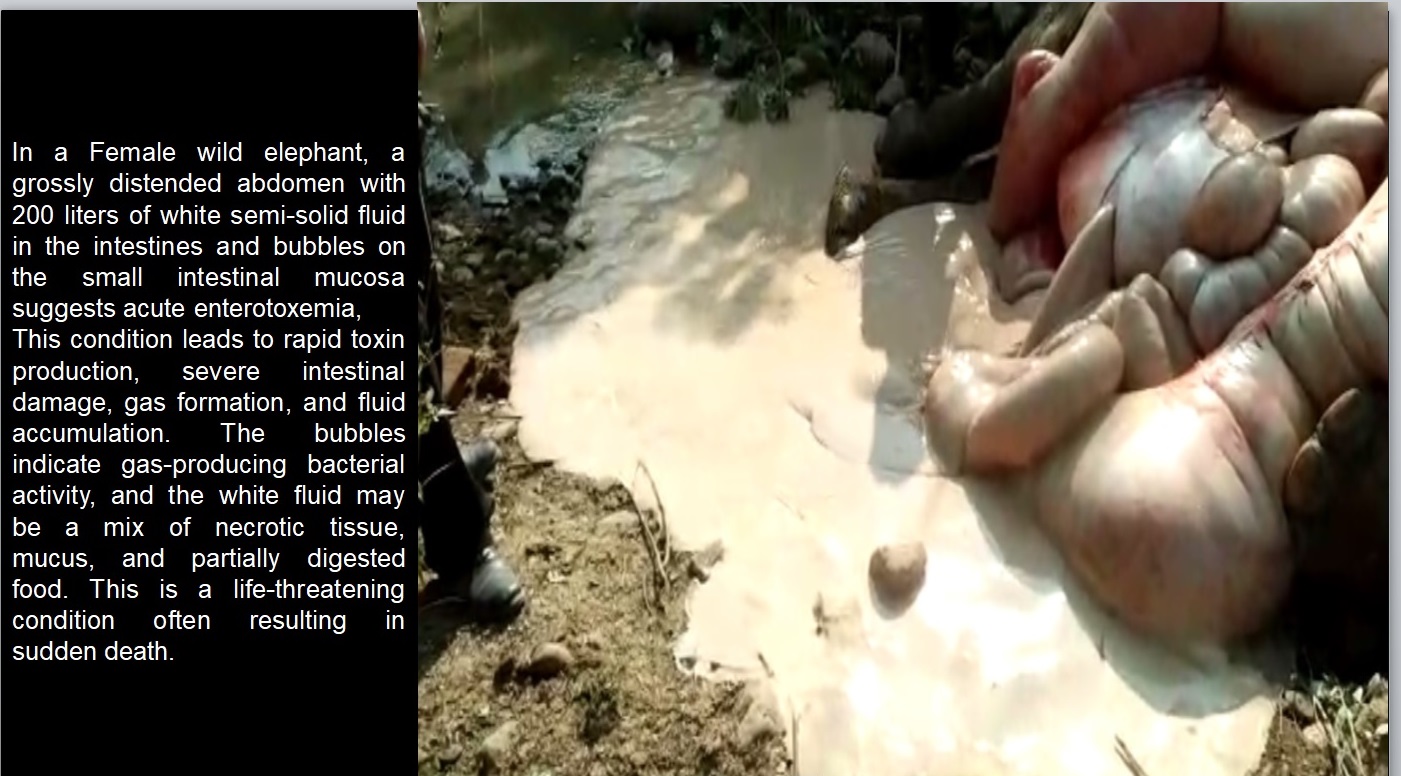
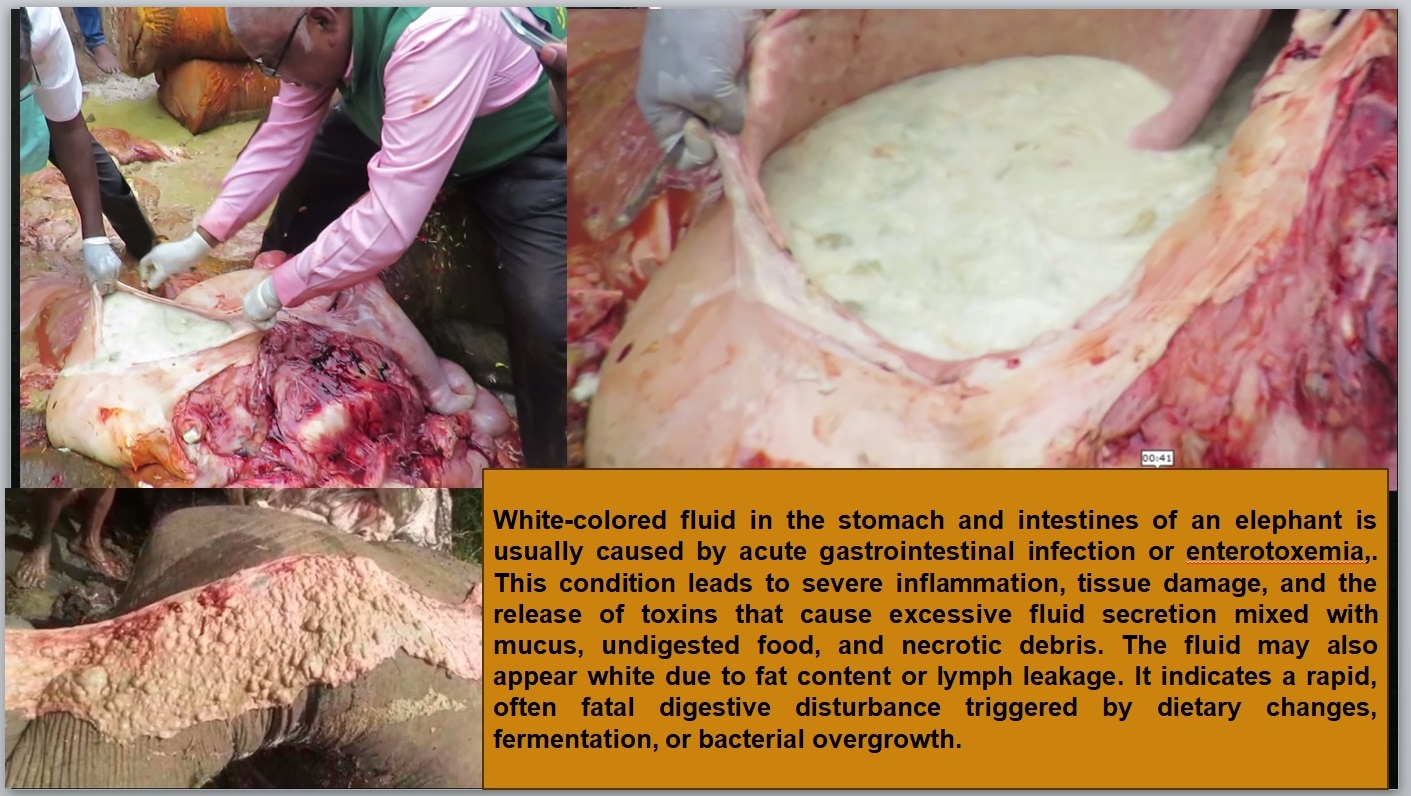
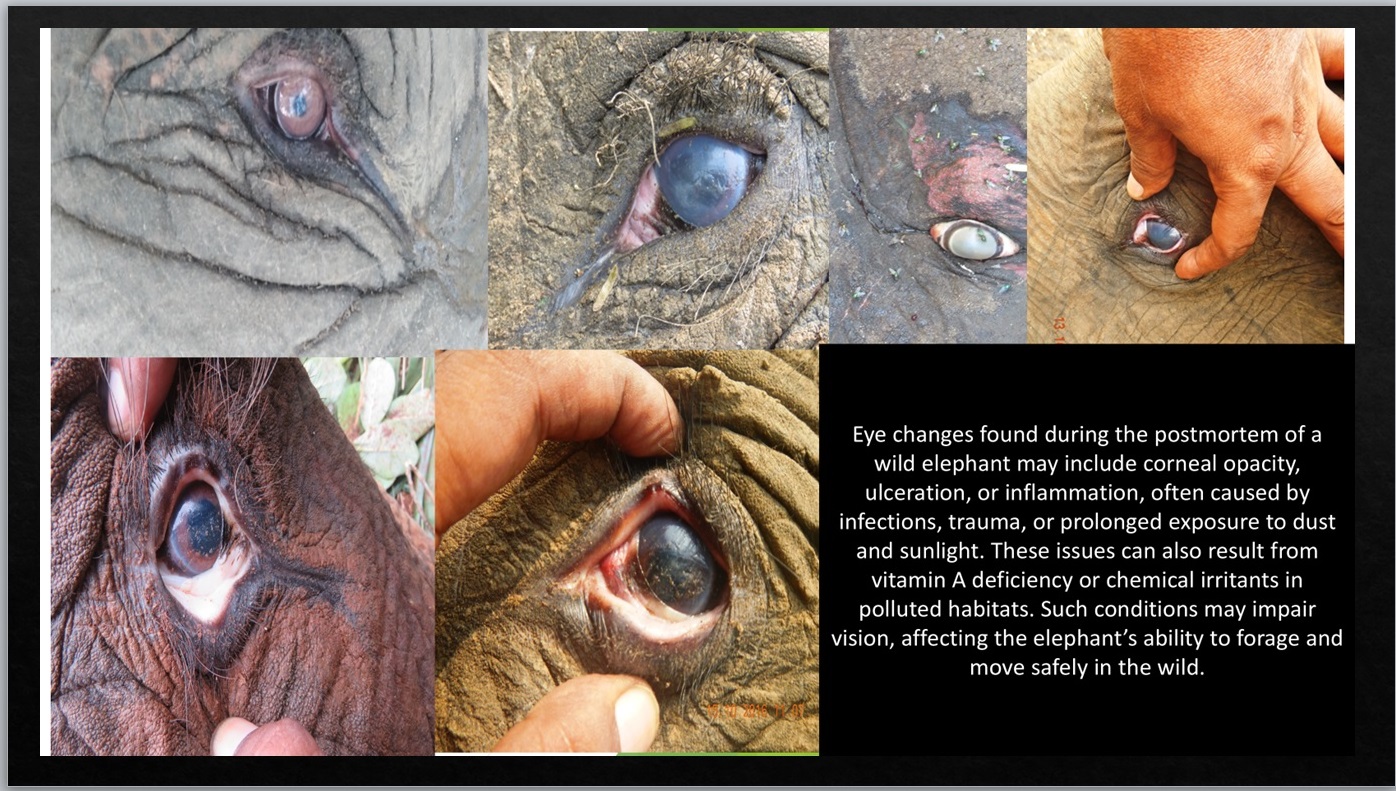
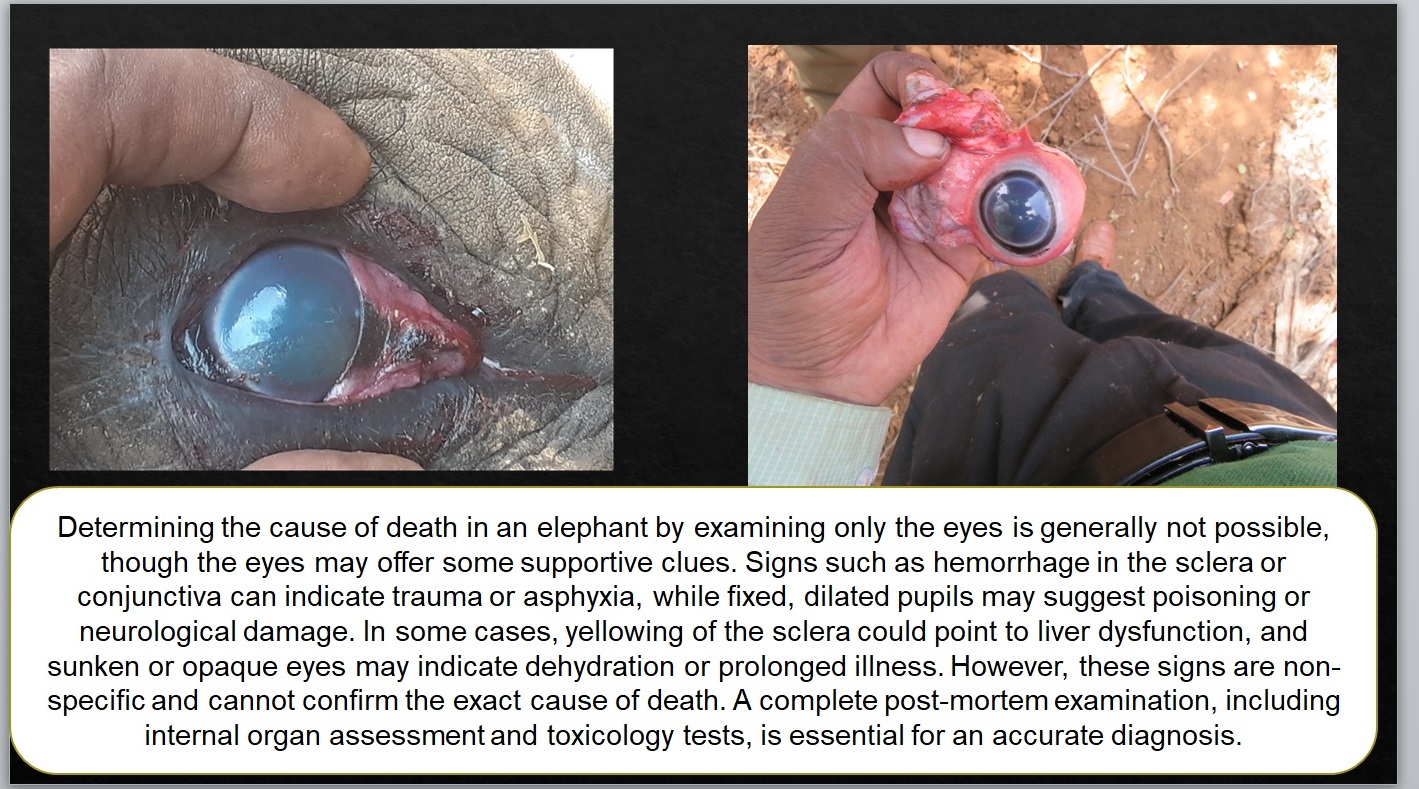
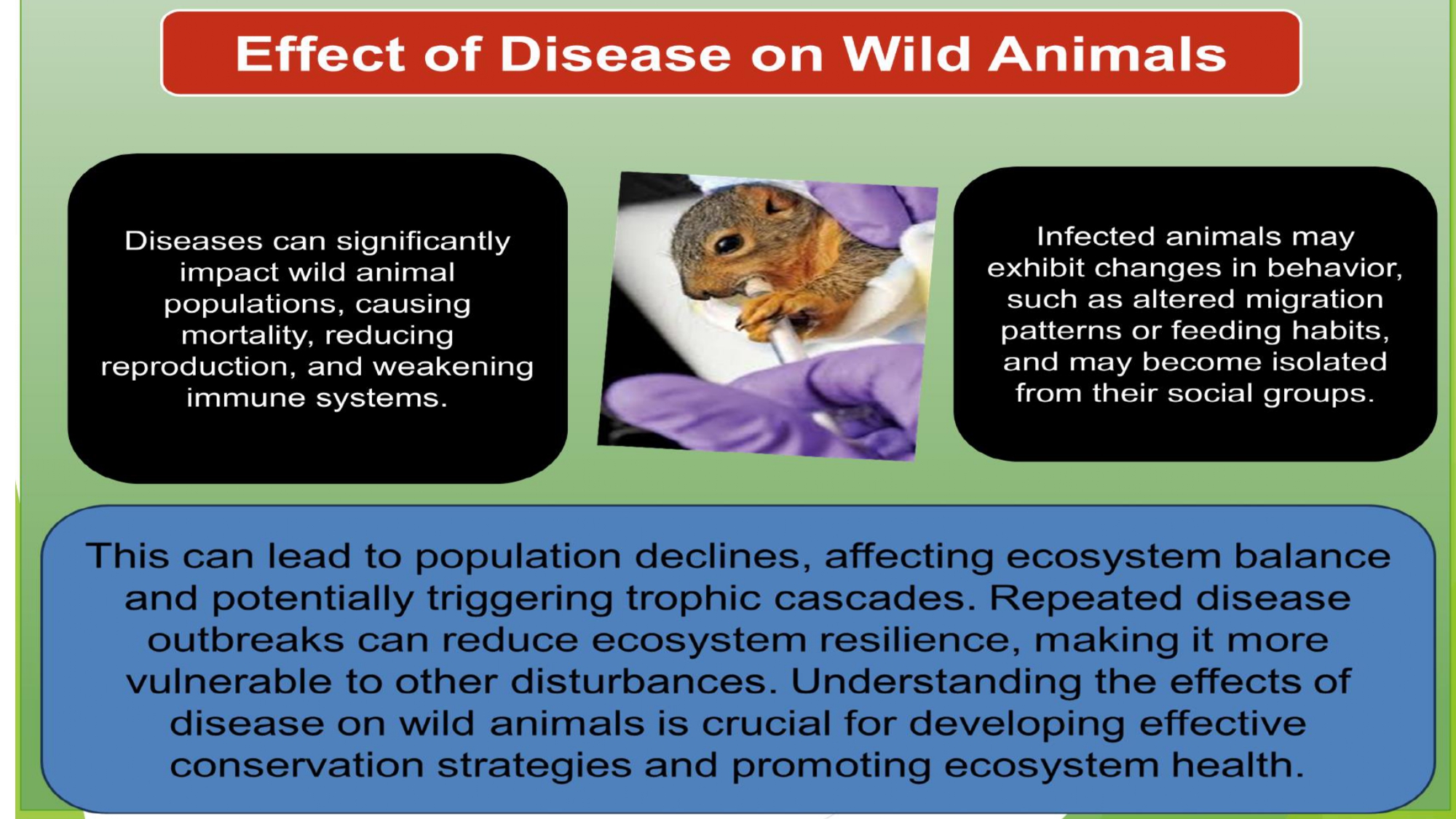
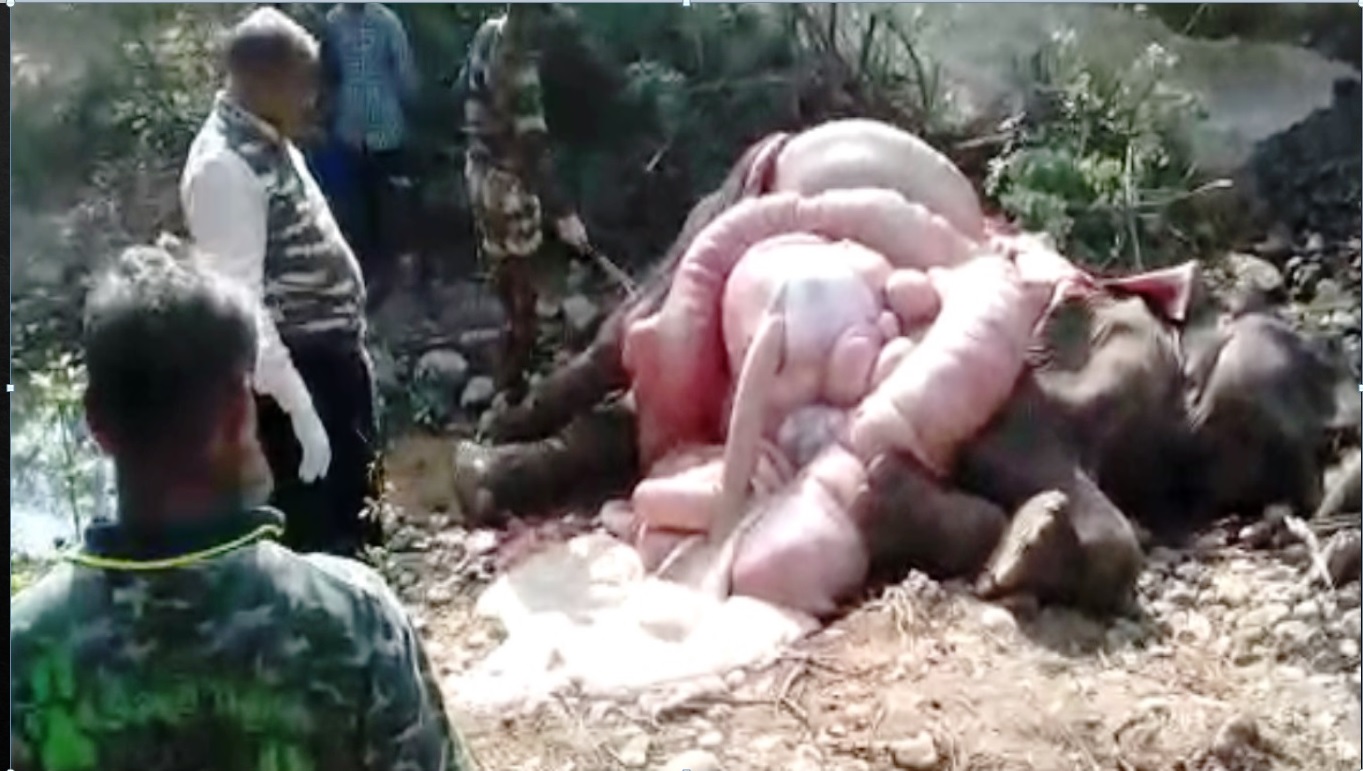
- Dr. Krishnamoorthy Asokan conducted extensive post-mortem examinations of wild elephants and documented a wide range of internal diseases and pathological conditions. His observations included tuberculosis, chronic liver damage and cirrhosis, liver fluke and other worm infestations, intestinal and stomach disorders, eye abnormalities, respiratory lesions and other organ diseases. These examinations helped reveal diseases that were often difficult to diagnose in living wild elephants and provided valuable information about the health status, disease patterns and possible causes of mortality in free-ranging elephant populations.
- “Through extensive post-mortem examinations of wild elephants, Dr. Krishnamoorthy Asokan documented diverse pathological conditions involving the lungs, liver, gastrointestinal tract, eyes and other organs, including tuberculosis, hepatic disease, internal parasitic infestation and digestive disorders, contributing to a better understanding of disease and causes of mortality in wild elephants.”
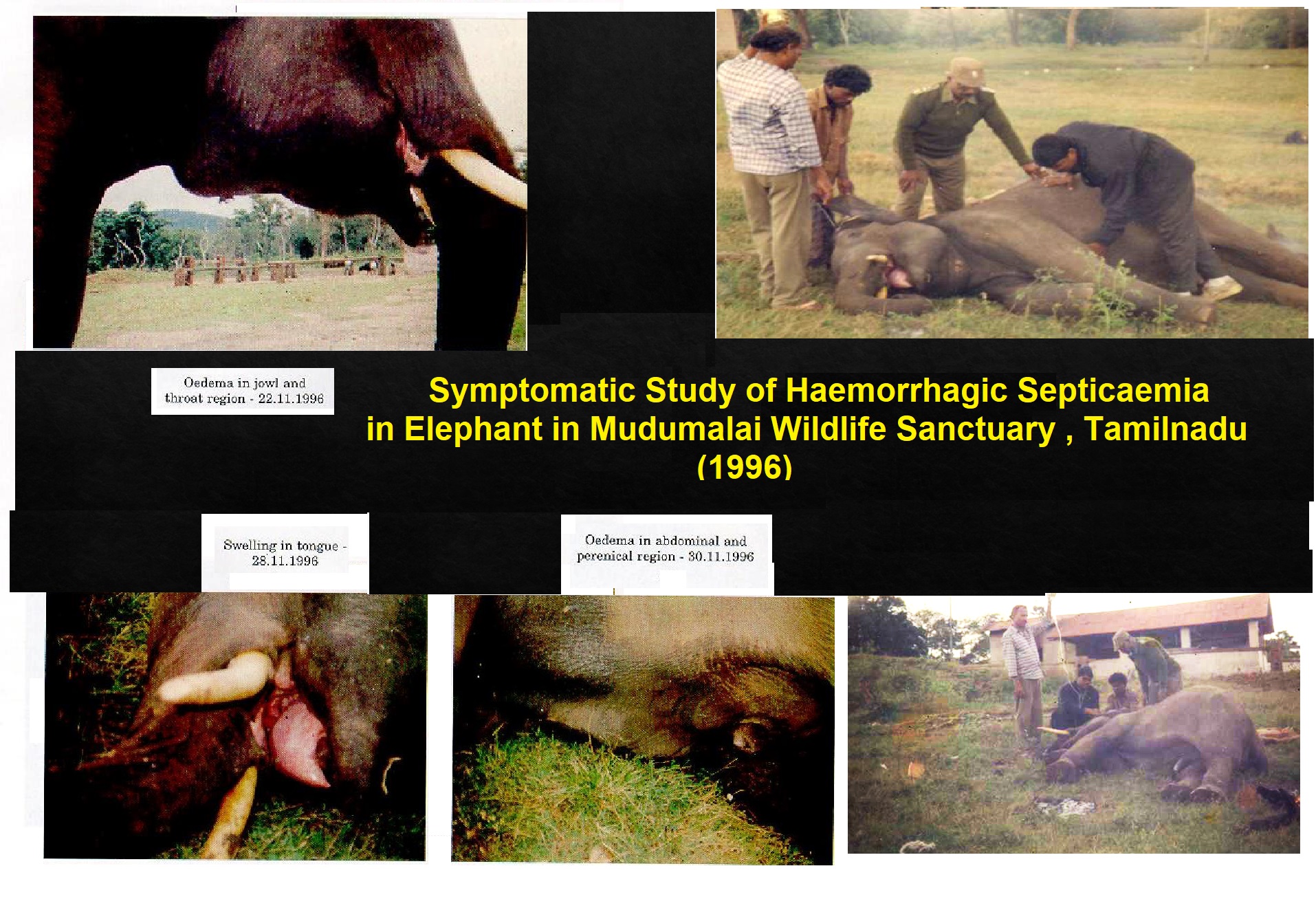
Haemorrhagic Septicaemia in a Asian Elephant
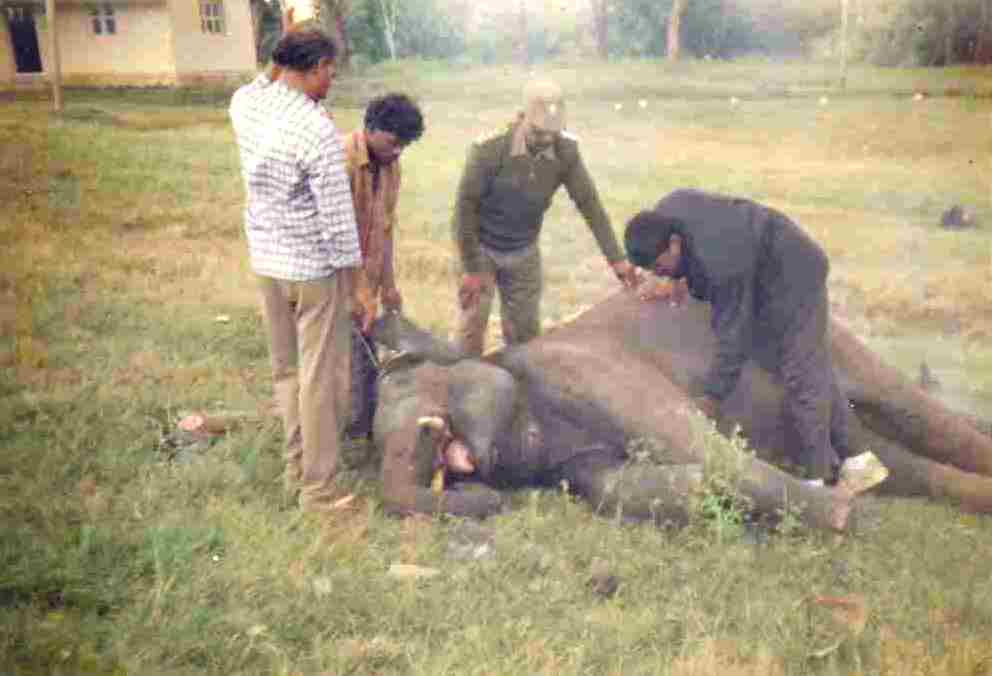
- While serving as a Wildlife Veterinarian at Mudumalai Wildlife Sanctuary and National Park (1996–2000), Dr. Krishnamoorthy Asokan clinically identified and treated a case of Haemorrhagic Septicaemia (HS) in a wild Asian elephant on 26 November 1996. Appropriate antibiotic therapy was administered, and blood samples were collected and examined at the Animal Disease Investigation Unit, Coimbatore, supporting confirmation of the diagnosis. The case was subsequently documented in the scientific publication “Symptomatic Study of Haemorrhagic Septicaemia in Elephant in Mudumalai Wildlife Sanctuary, Tamil Nadu,” Indian Forester, 128(10):1089–1100 (2002), contributing to the documented understanding of the clinical diagnosis and management of HS in free-ranging Asian elephants.
Disease Discovery During Indian Gaur Necropsy
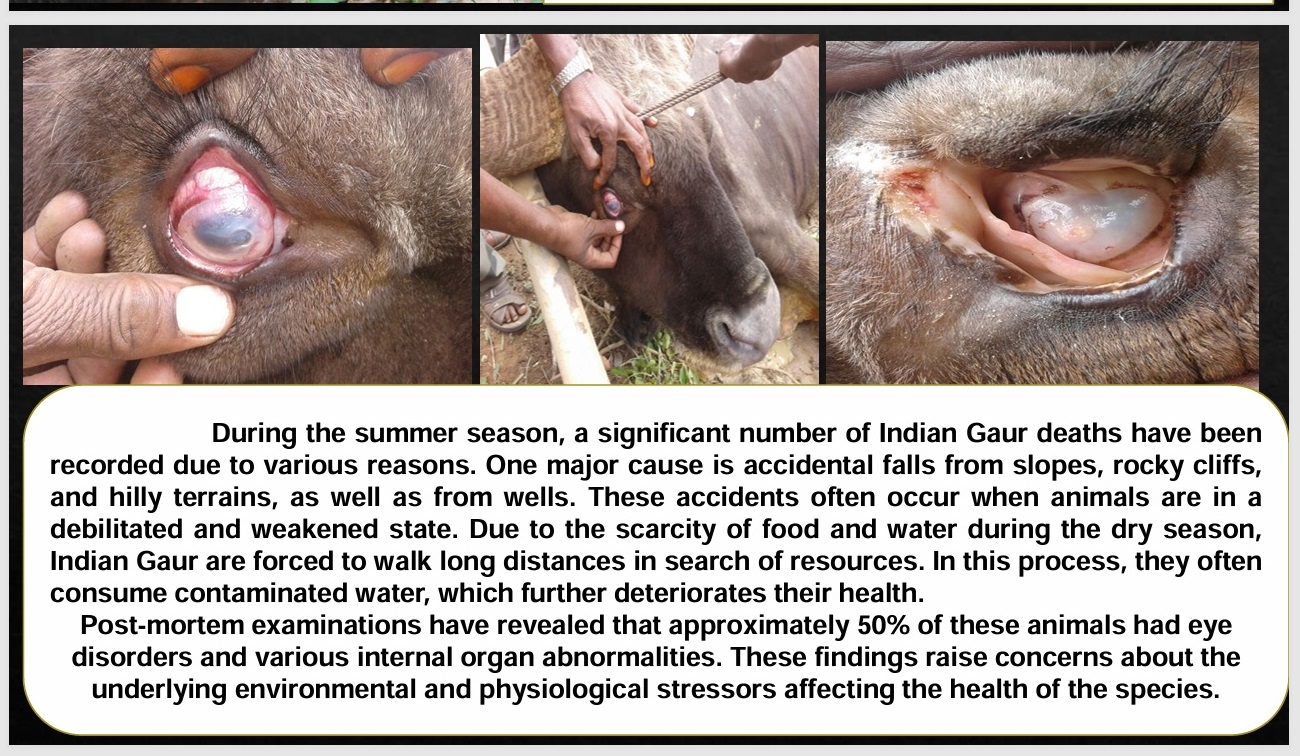
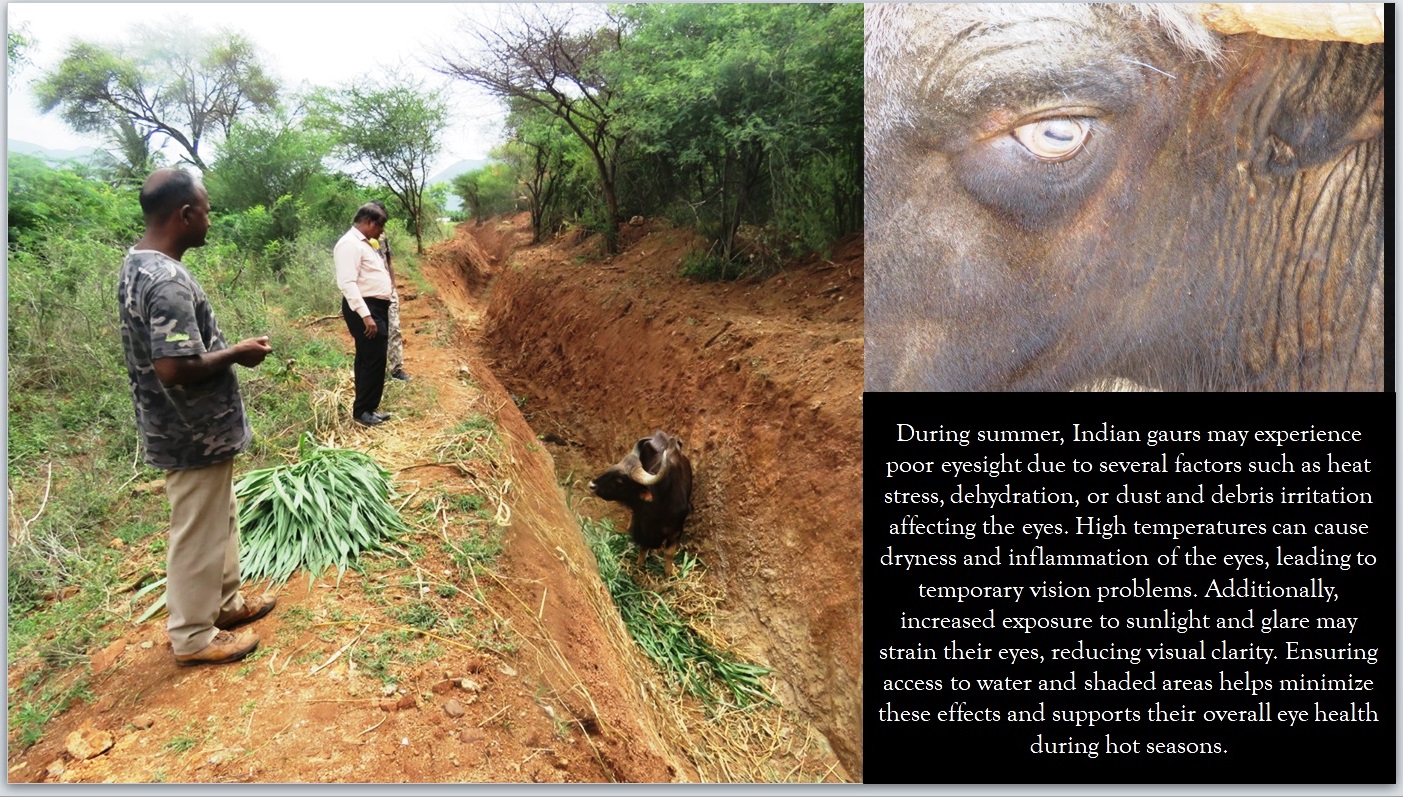
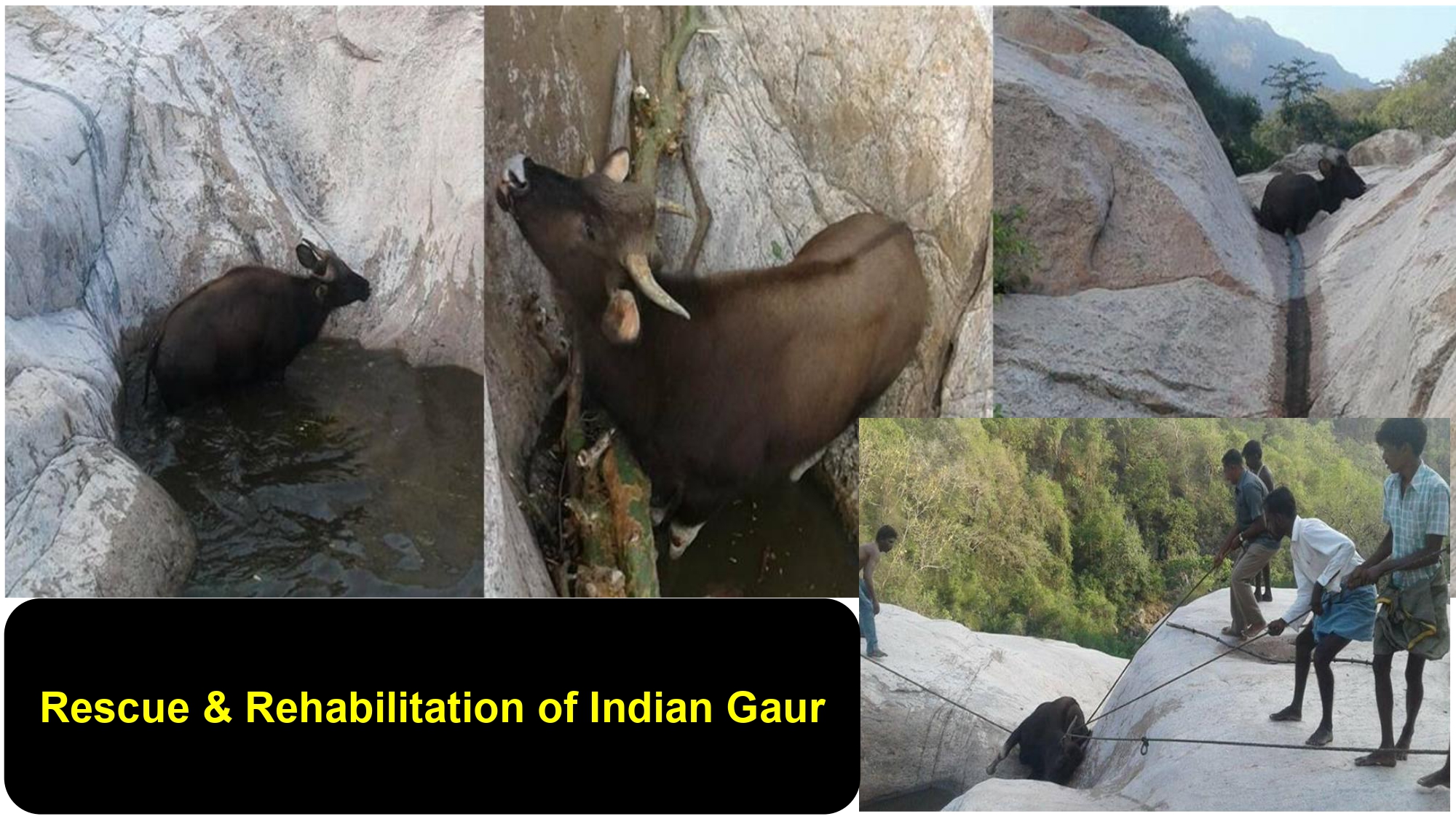
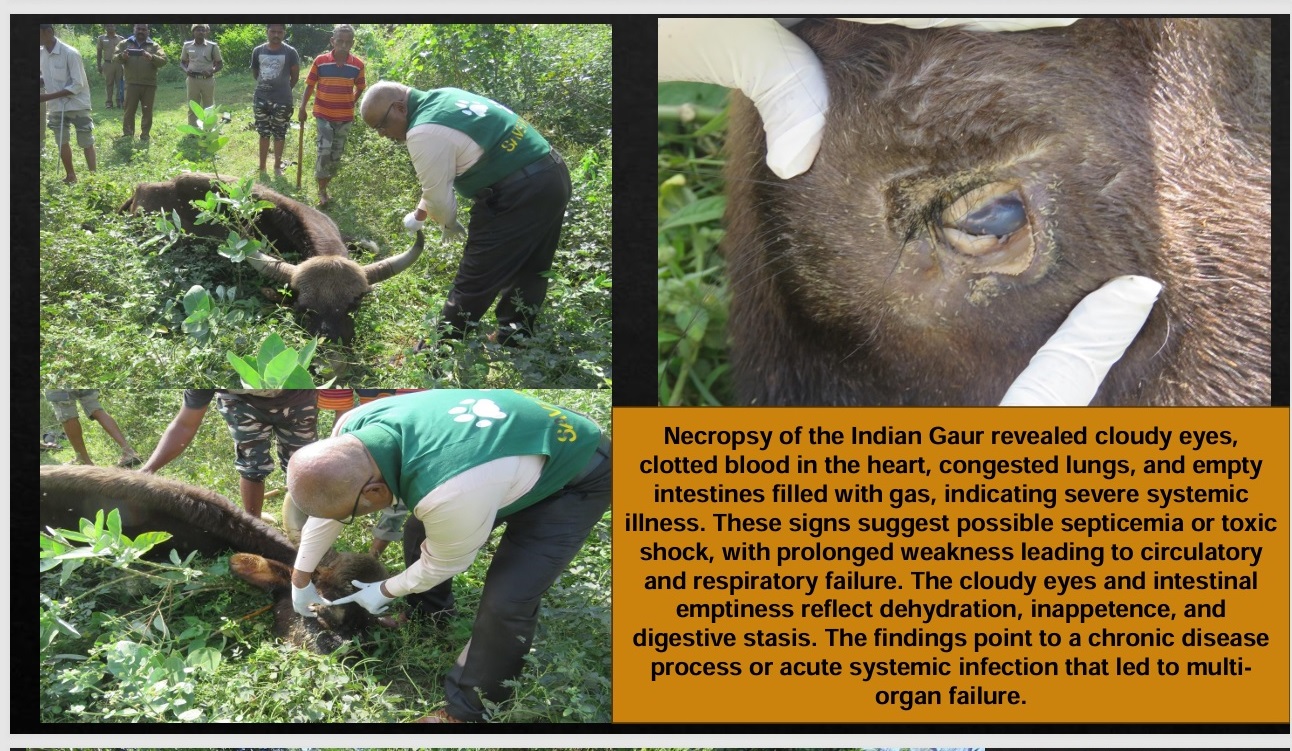
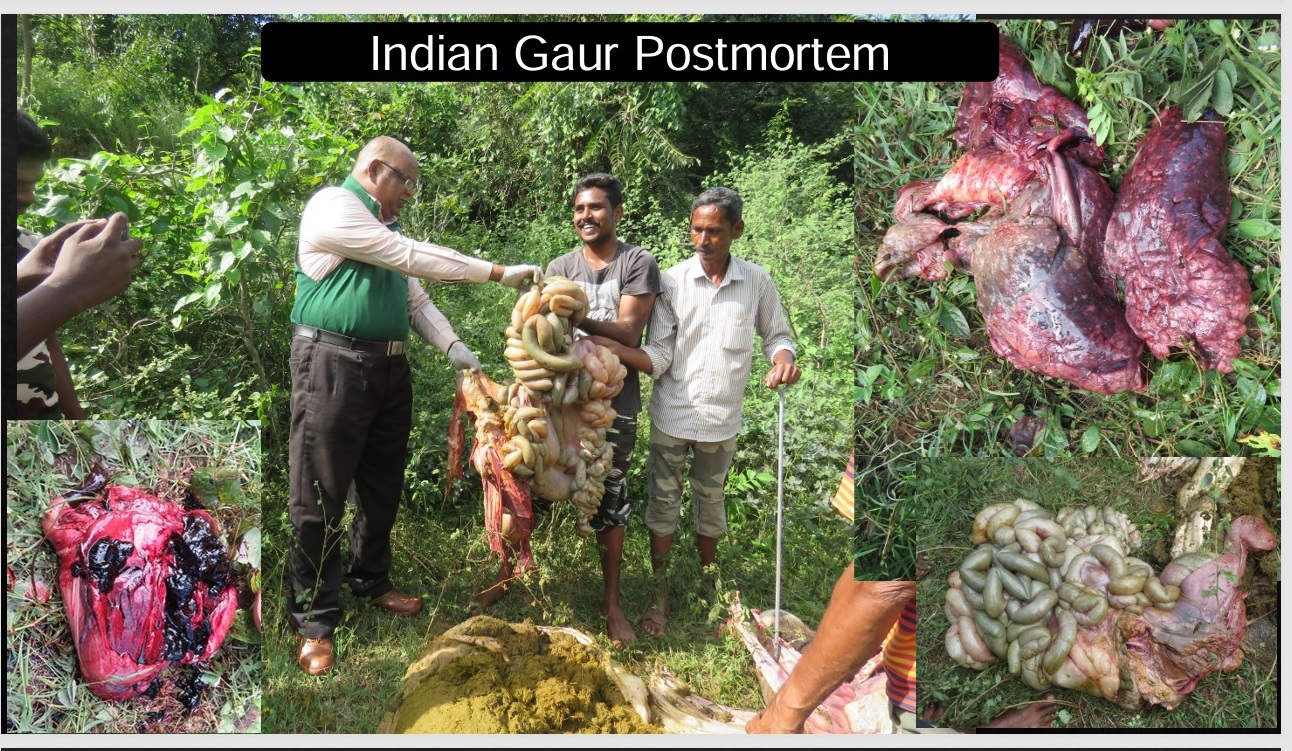
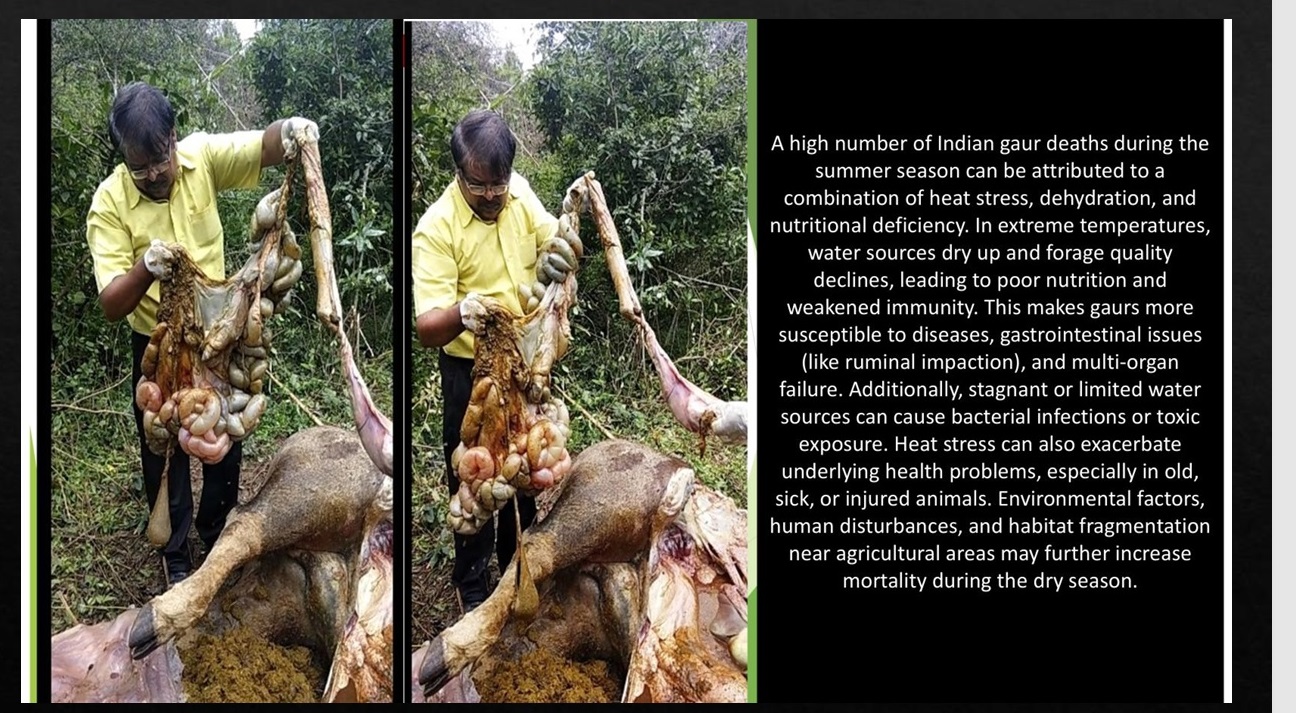
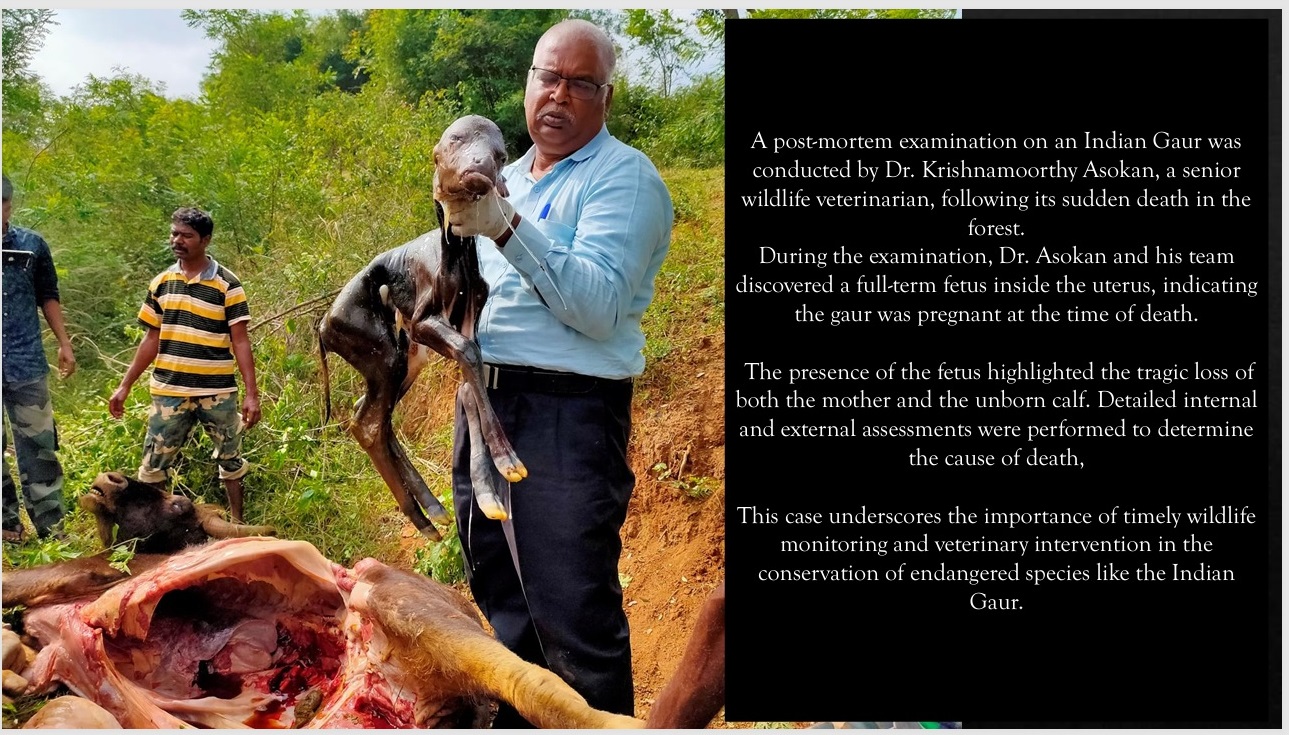
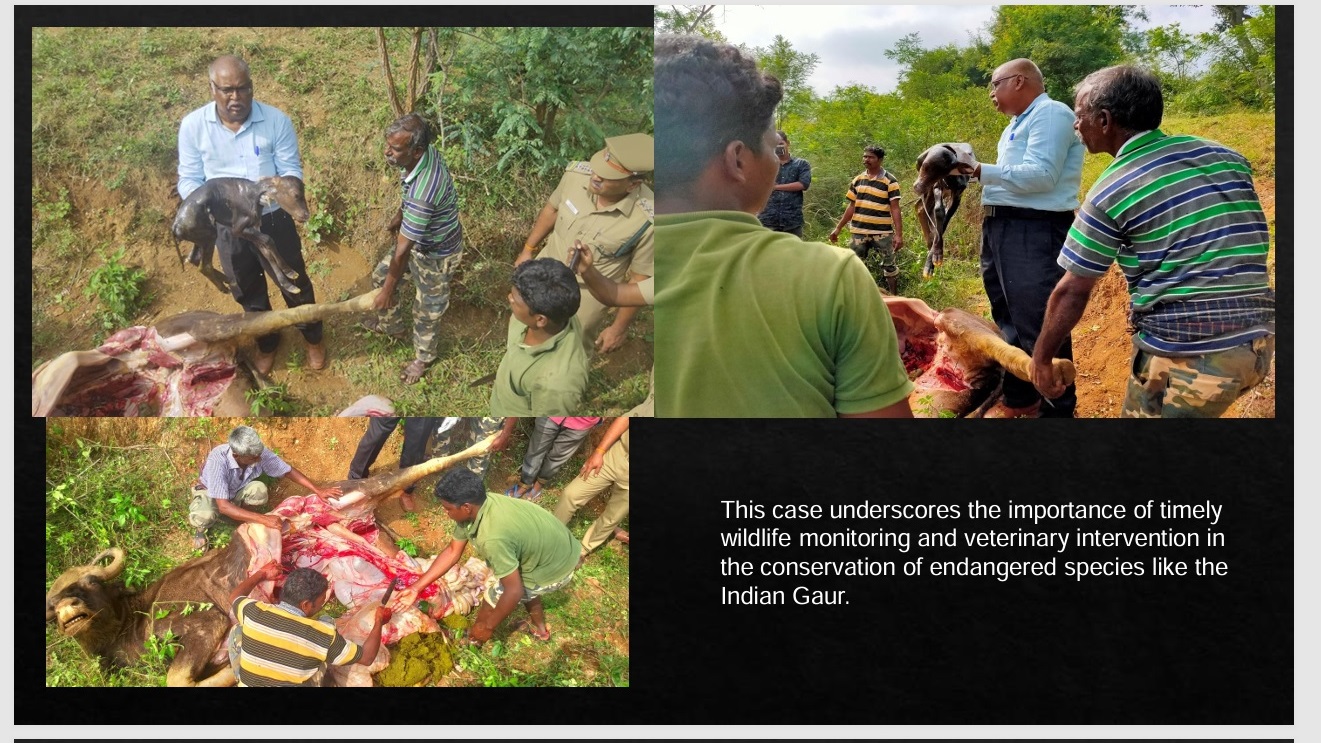
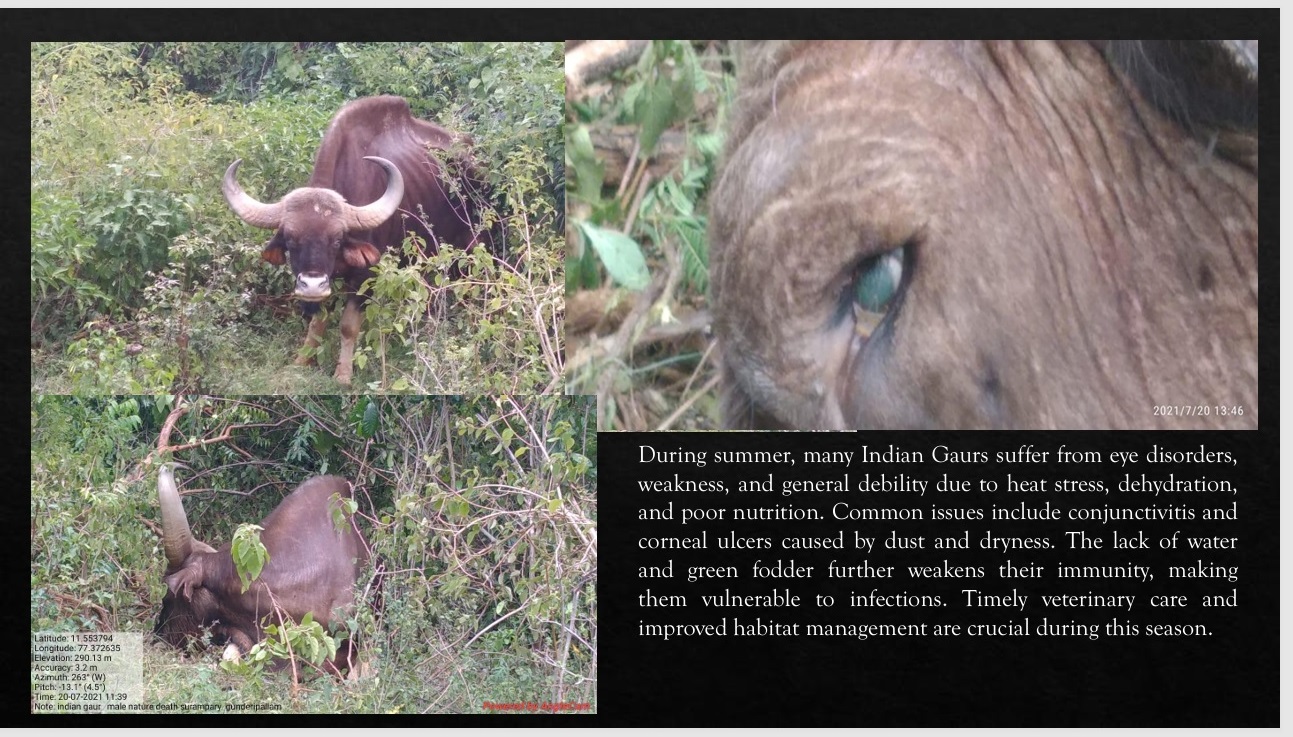
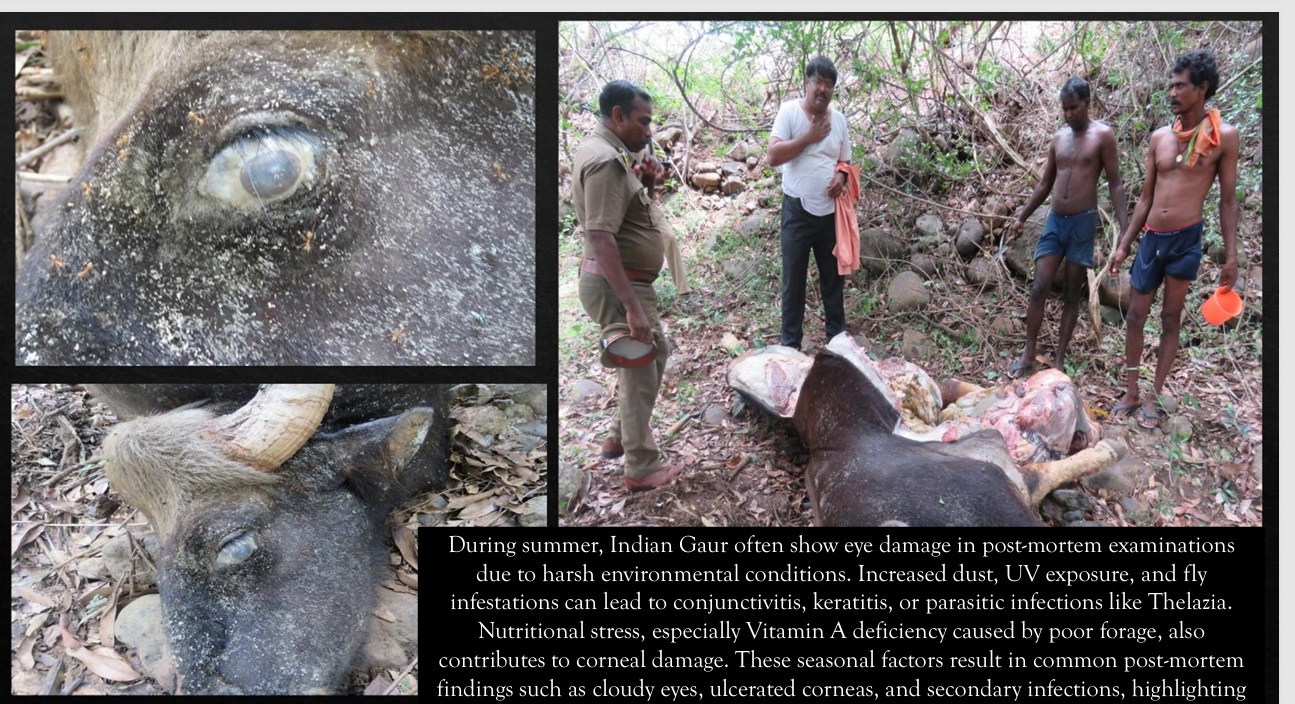
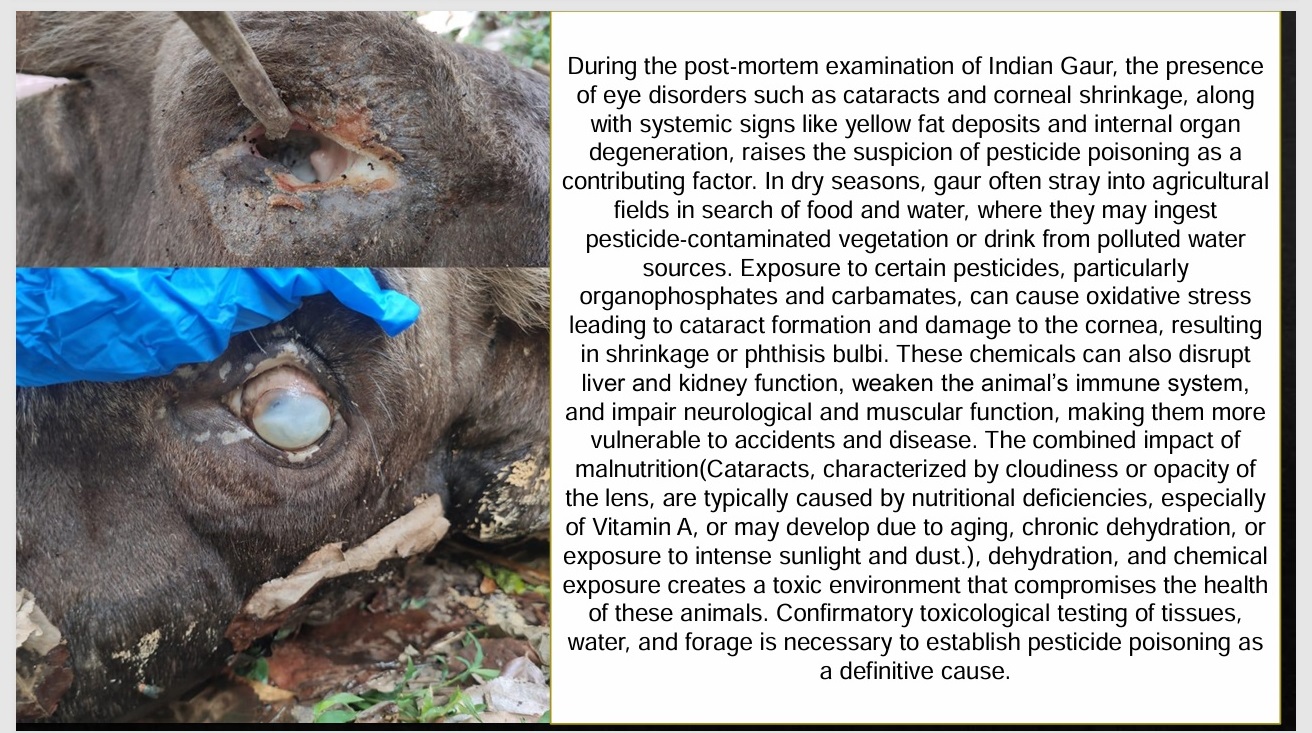
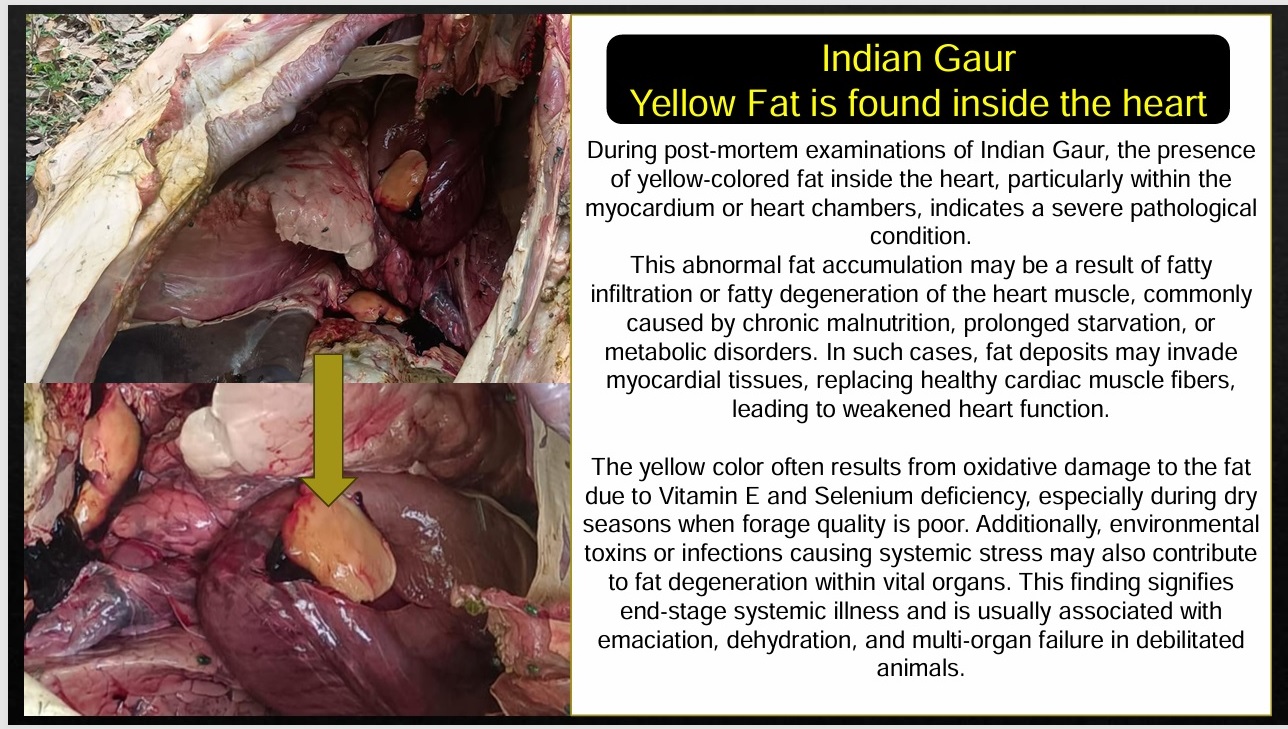
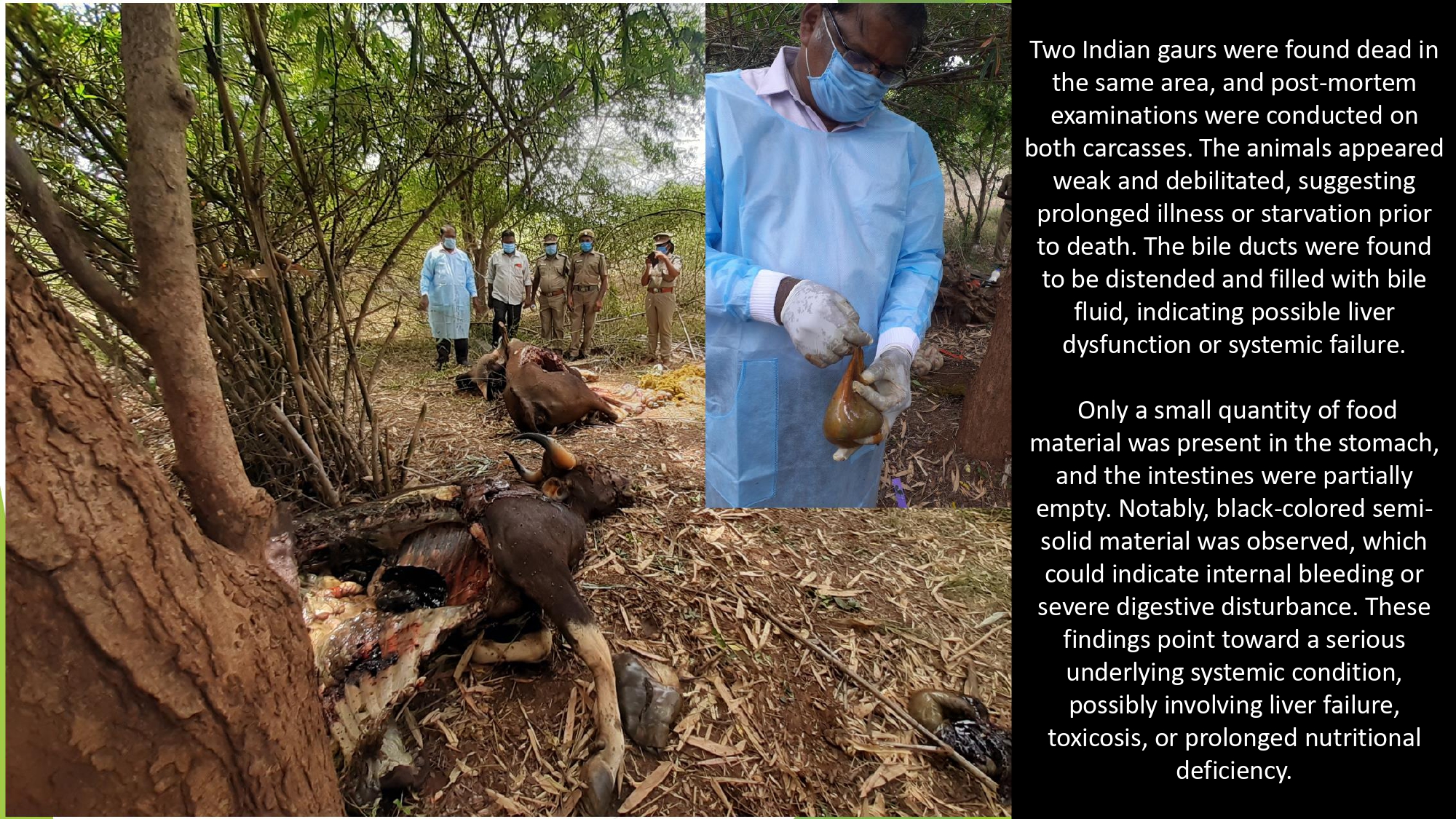
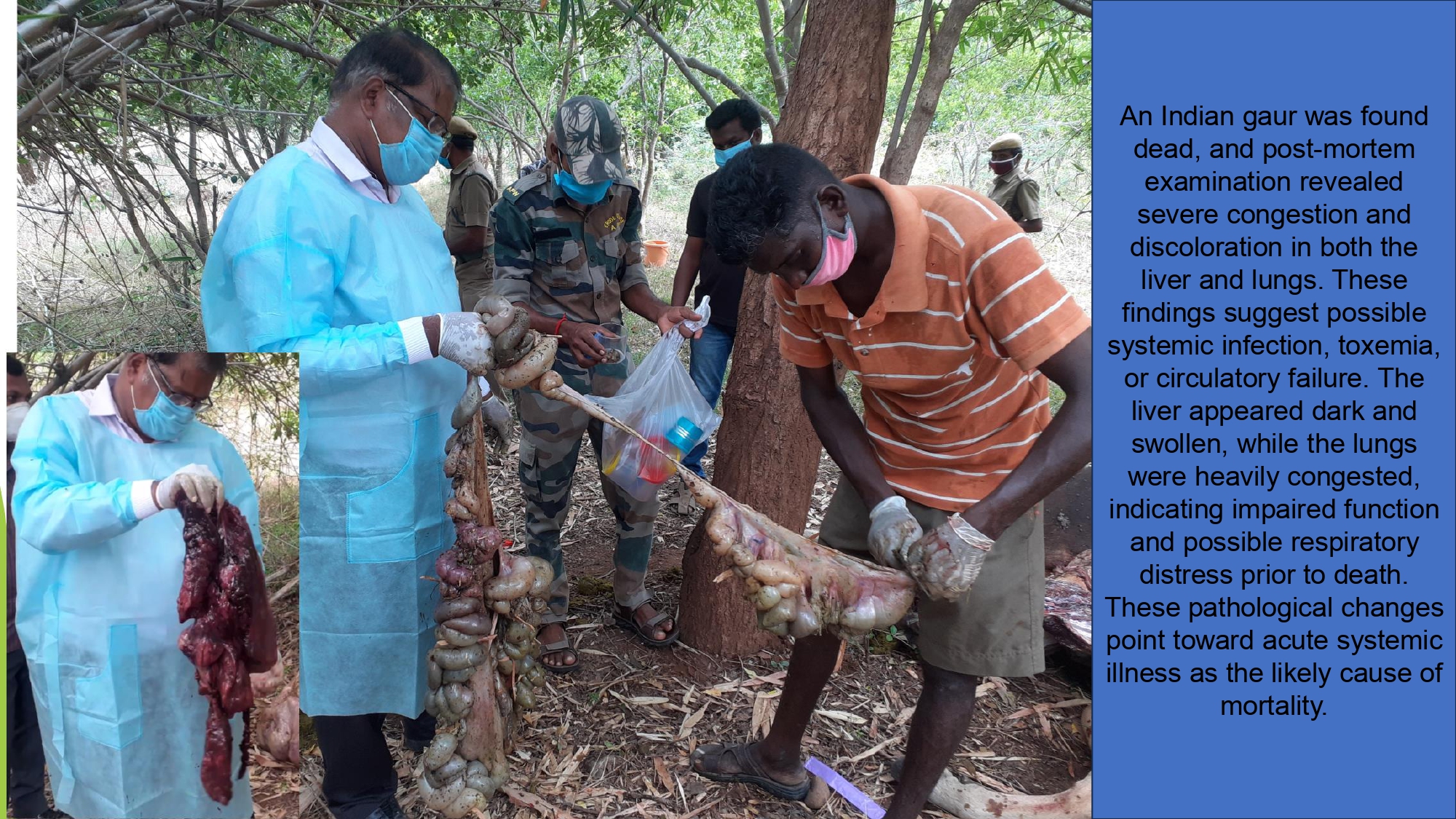
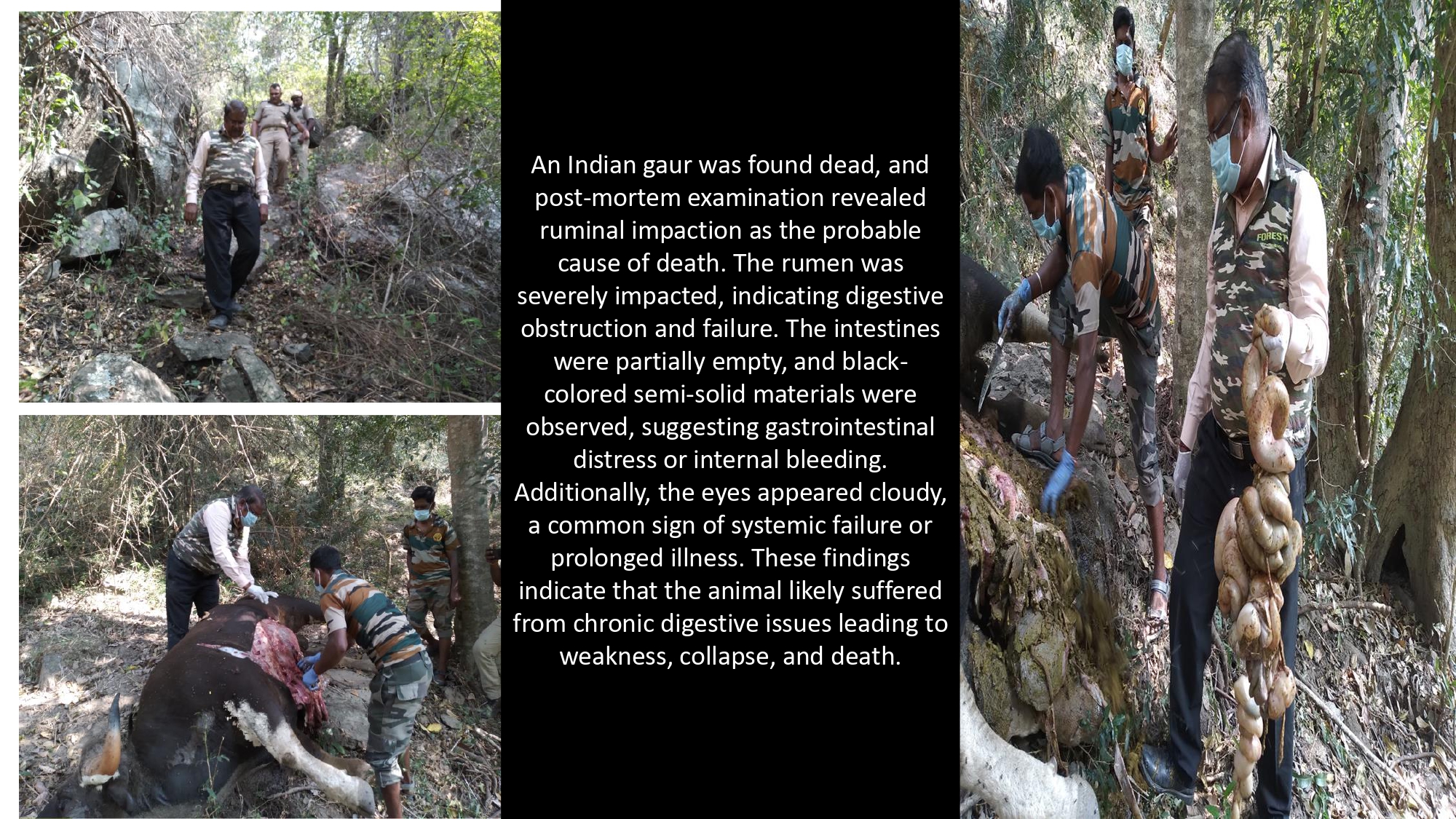
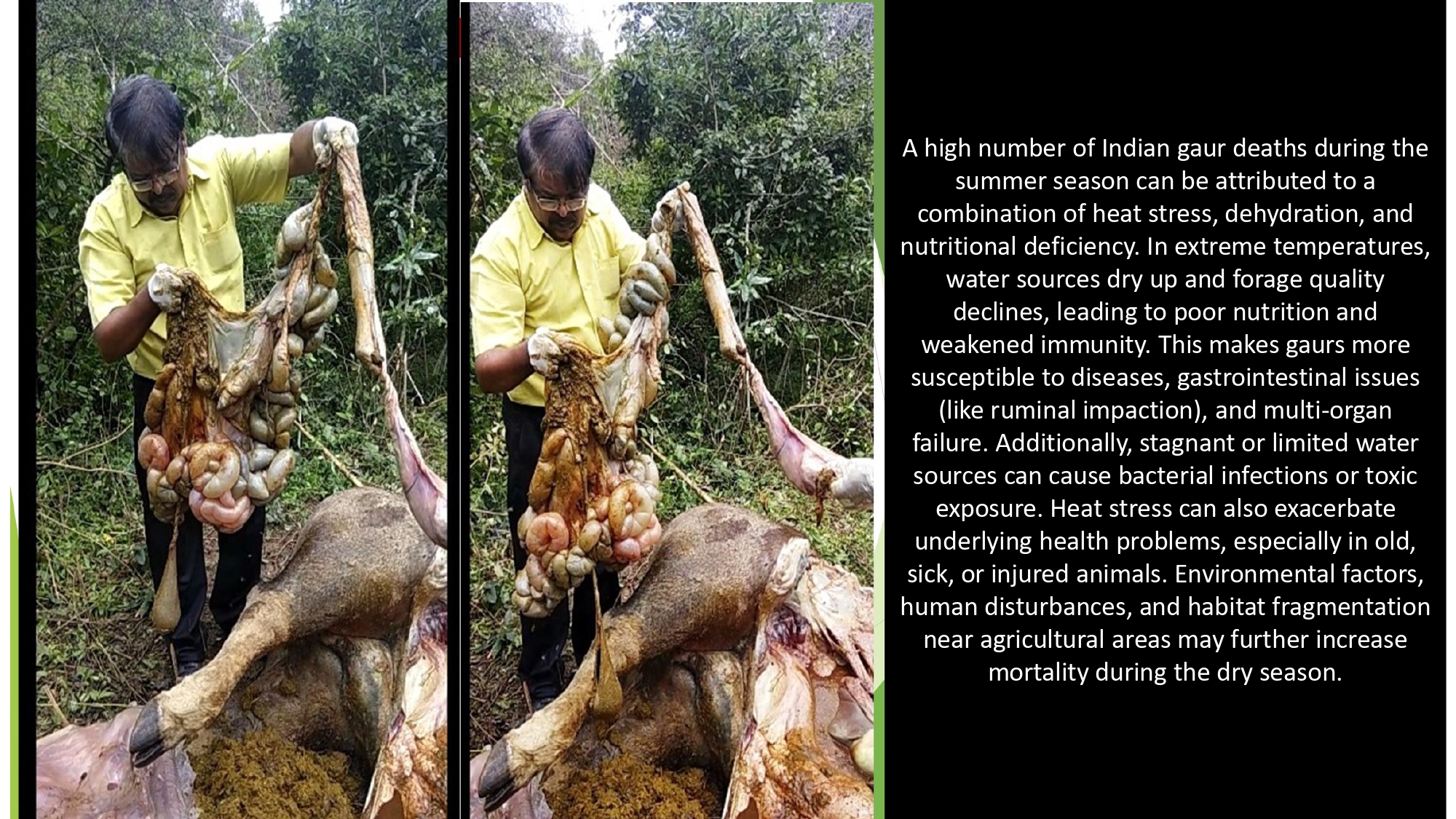
- Dr. Krishnamoorthy Asokan conducted necropsy examinations of Indian Gaur (Bos gaurus) and documented a range of pathological conditions that may contribute to mortality in free-ranging animals. His observations included pregnancy toxemia, intestinal and gastrointestinal disorders, cardiac abnormalities and eye disorders, while some gaur were reported to have fallen into deep wells or other water structures, creating an additional risk of injury, exhaustion and death. The occurrence of illness and accidental deaths may become more significant during the summer season, when high temperatures, reduced water availability, dehydration, nutritional stress and increased competition for resources can place additional physiological stress on wild gaur. Each necropsy therefore provides valuable information for understanding disease, environmental stress, accidental mortality and wildlife health management.
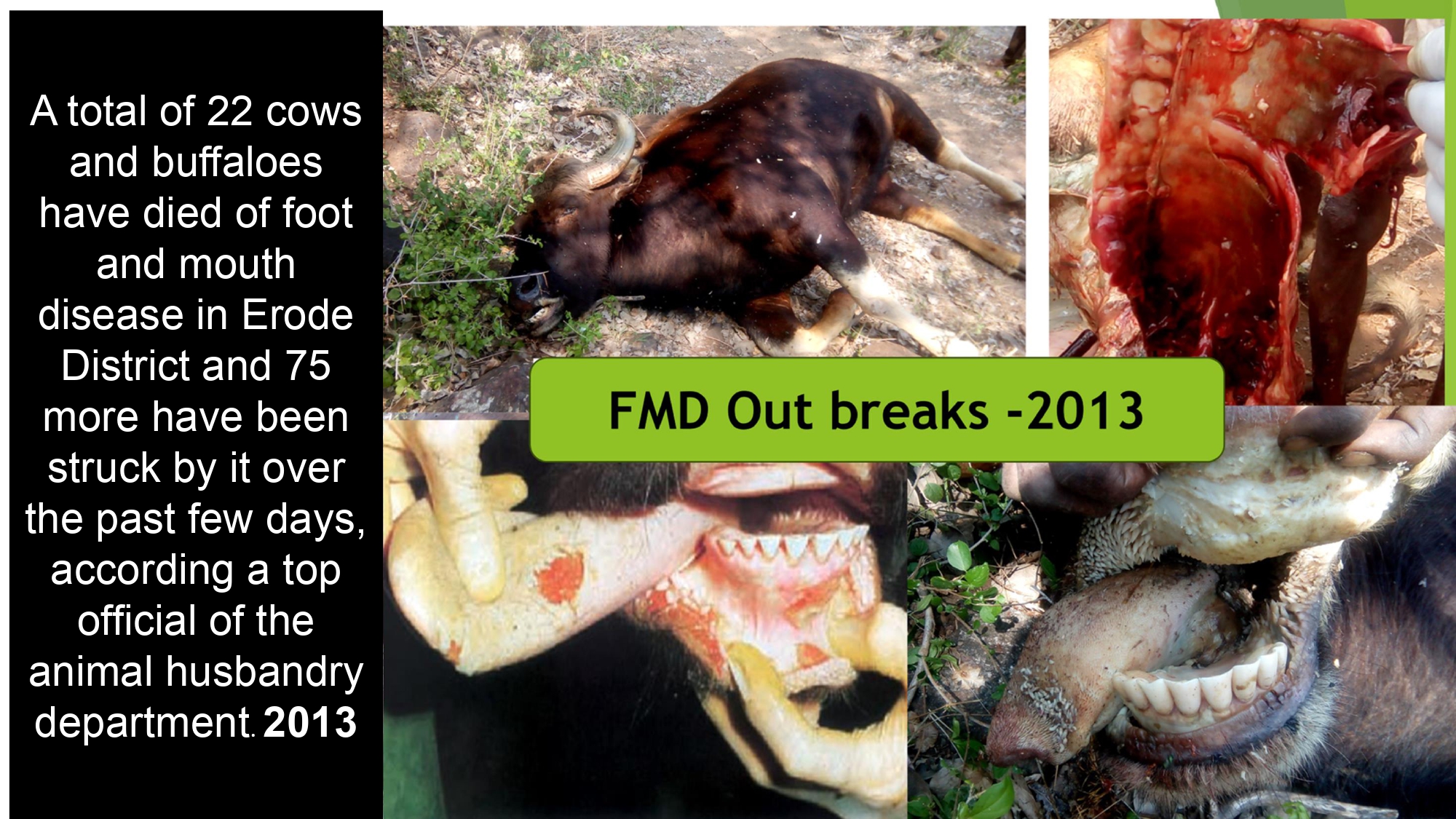
Indian Gaur Affected with Foot-and-Mouth Disease (FMD)
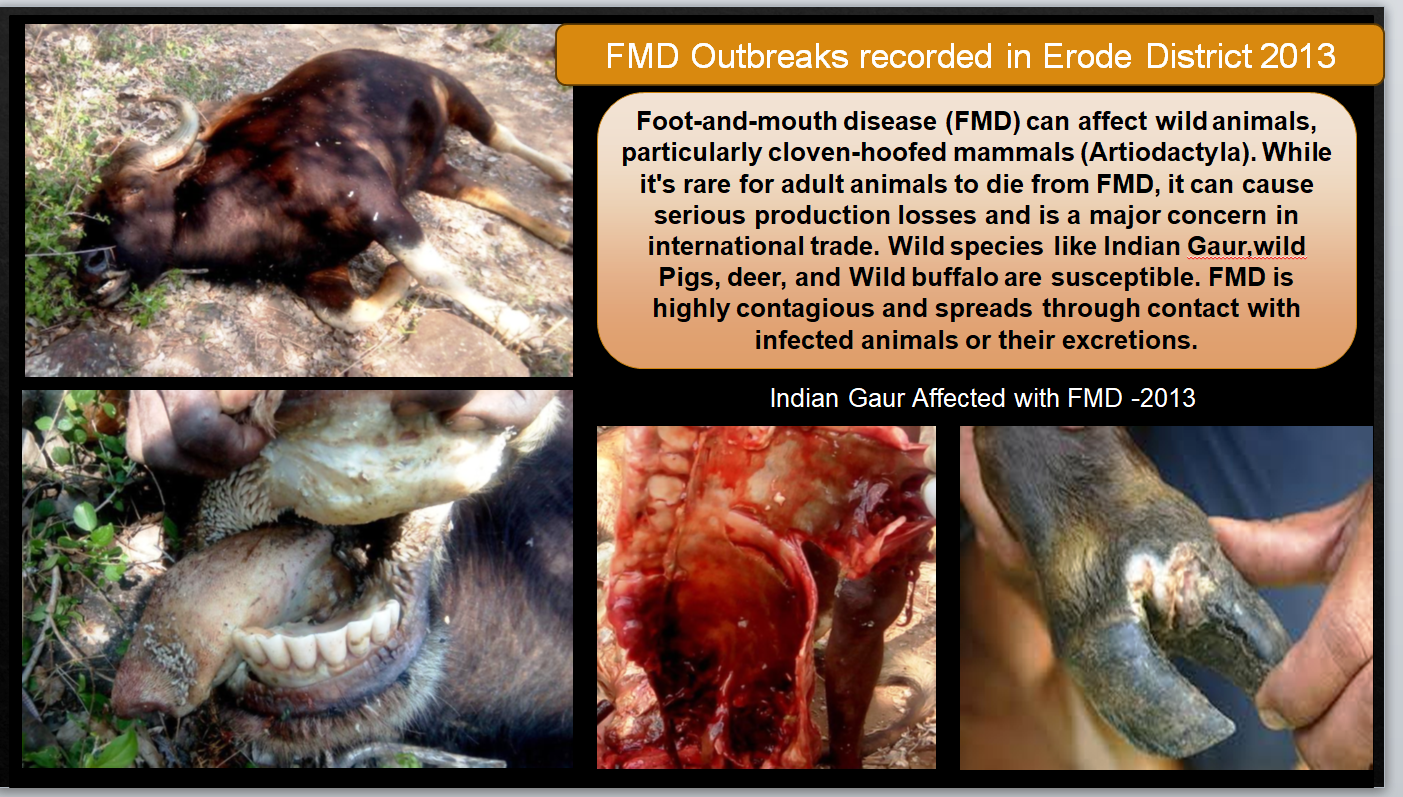
- Foot-and-Mouth Disease (FMD) is a highly contagious viral disease affecting cloven-hoofed animals, including Indian Gaur (Bos gaurus). During a necropsy of an affected gaur, characteristic lesions may include vesicles and erosions of the mouth and tongue, lesions around the coronary bands and feet, excessive salivation, lameness, and damage to the oral and foot tissues.
- In adult gaur, FMD can cause severe debilitation and secondary complications, while young animals may be particularly vulnerable to myocarditis (“tiger heart”), which can result in sudden death. Necropsy examination is therefore important for documenting the distribution of lesions and differentiating FMD from other infectious or traumatic conditions.