Clinical and Wild Animal Necropsy Evidence for Prevention and Conservation
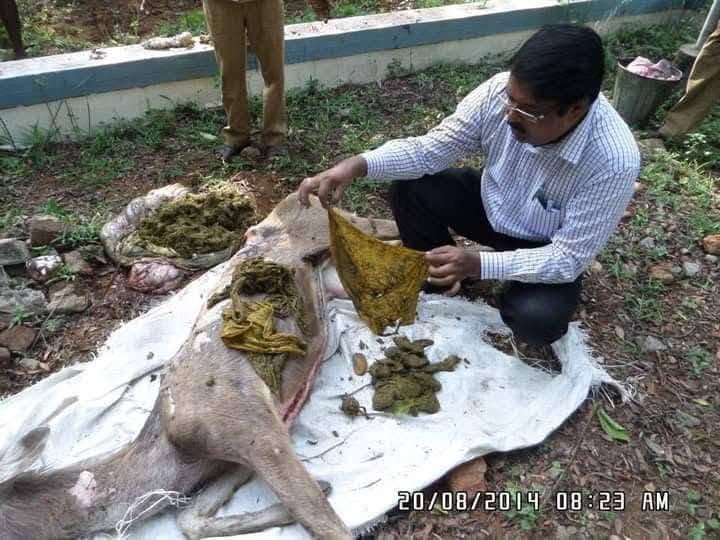
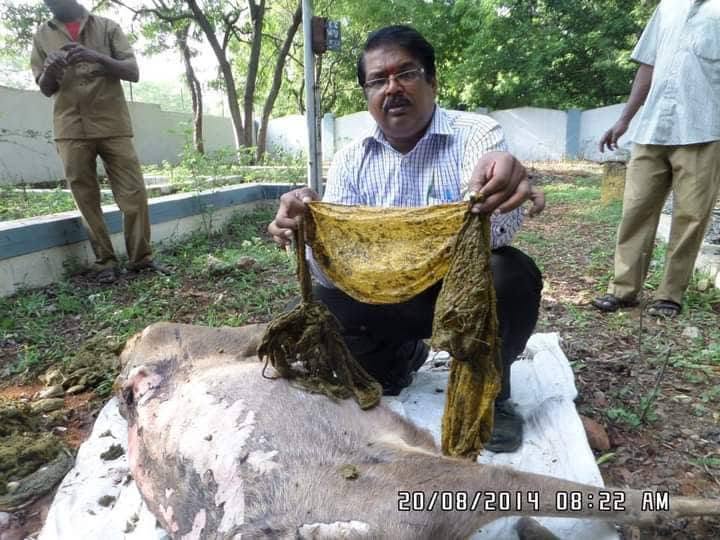
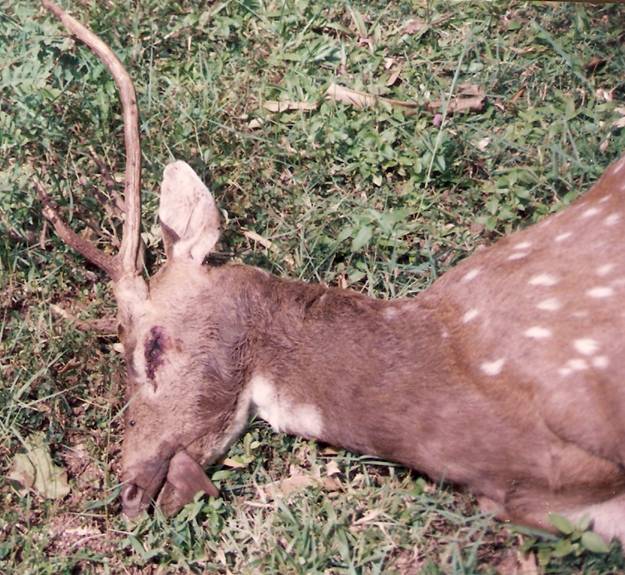
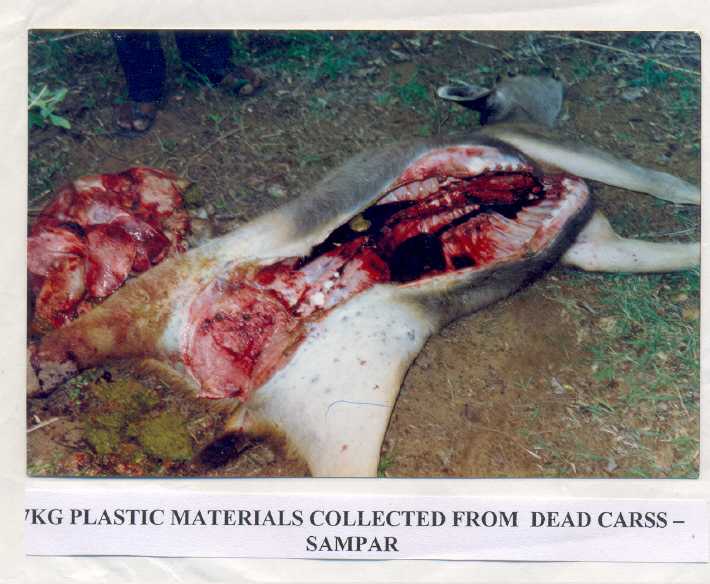
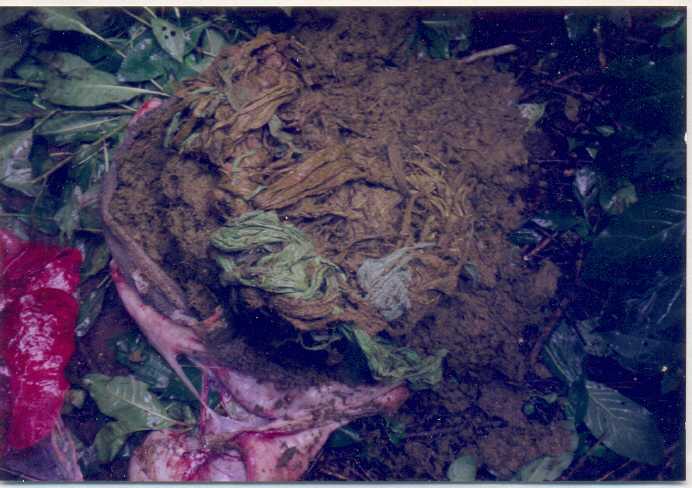
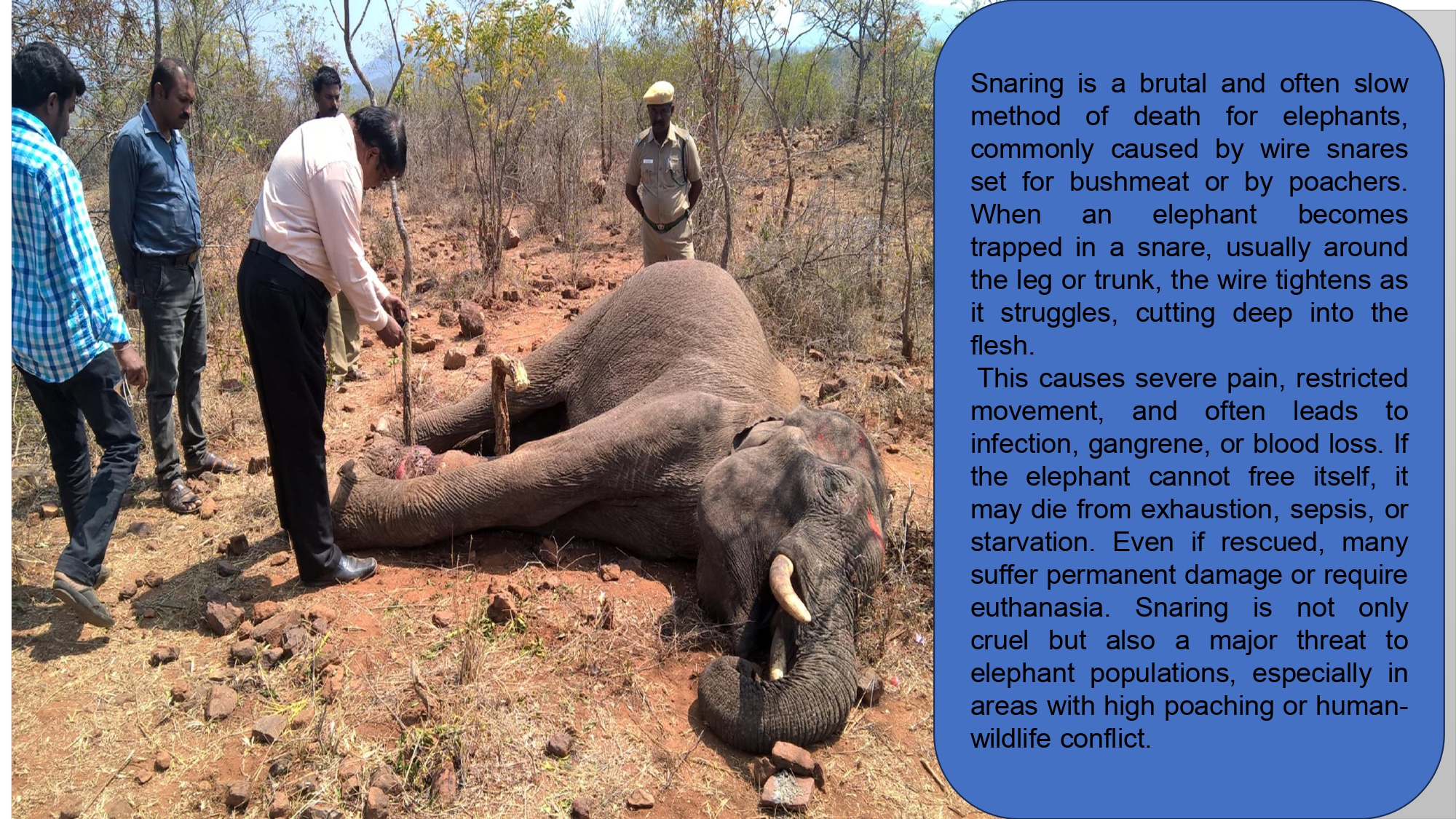
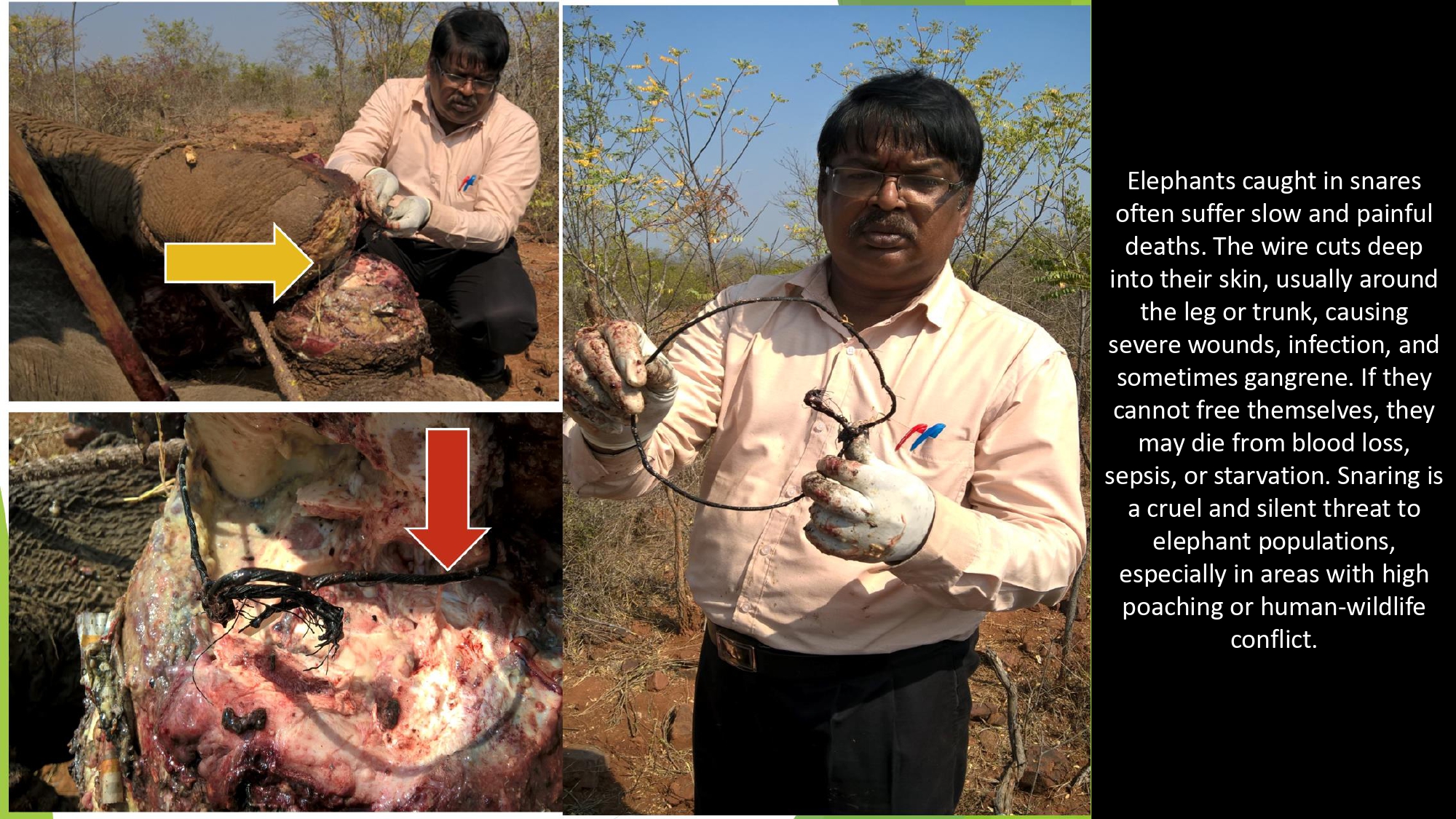
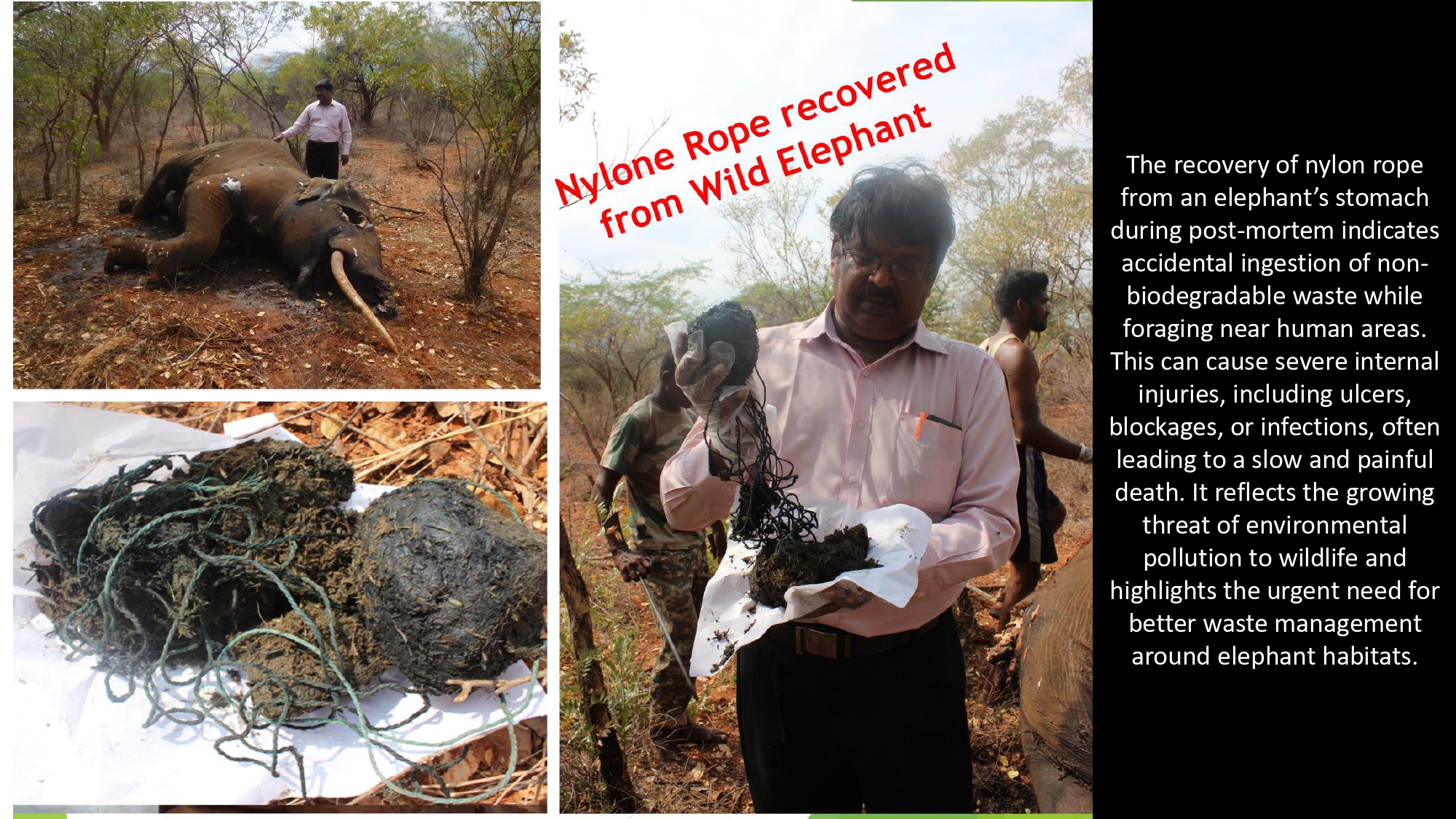
- Dr. Krishnamoorthy Asokan has made significant contributions to wildlife disease investigation through clinical examinations and systematic necropsy studies involving elephants, snakes, birds, Indian gaur, tigers, and leopards. His investigations helped identify conditions including tuberculosis, parasitic infections, multi-organ failure, liver cirrhosis, renal failure, and degenerative diseases, providing valuable information for wildlife health management and preventive veterinary care. His necropsy investigations also helped reveal human-induced threats and wildlife crimes, including the use of explosive bait and nail-studded traps. The discovery of plastic carry bags in the stomachs of spotted deer and sambar deer provided important evidence of plastic ingestion as a wildlife health threat and supported conservation measures, including the ban on plastic carry bags in the Nilgiri Biosphere Reserve. His identification of four species of tapeworms in captive and wild elephants further contributed to improved parasite surveillance, disease prevention, and wildlife health management.
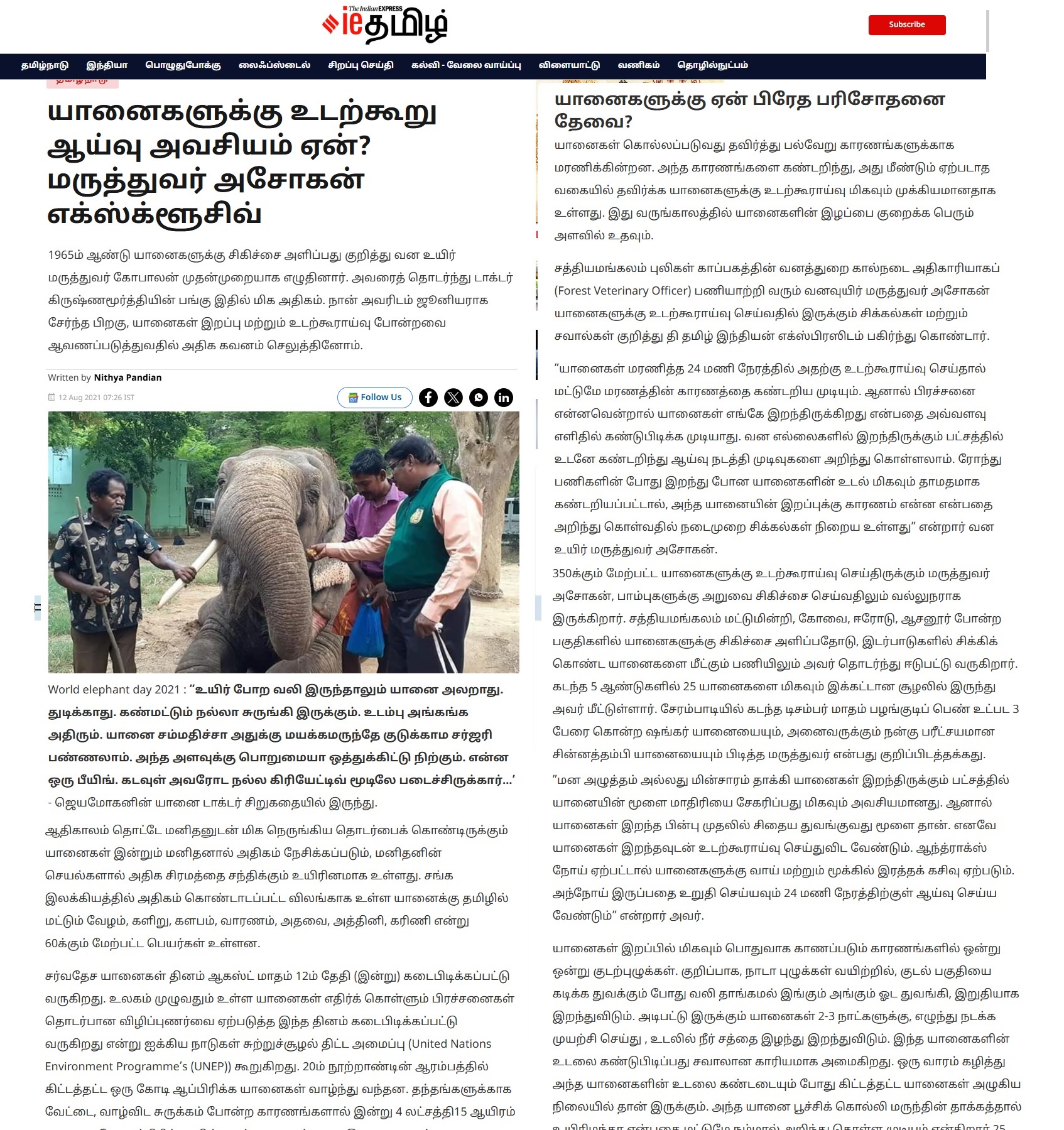
Why Is a Postmortem Examination of Elephants Essential? – An Exclusive Interview with Dr. Asokan
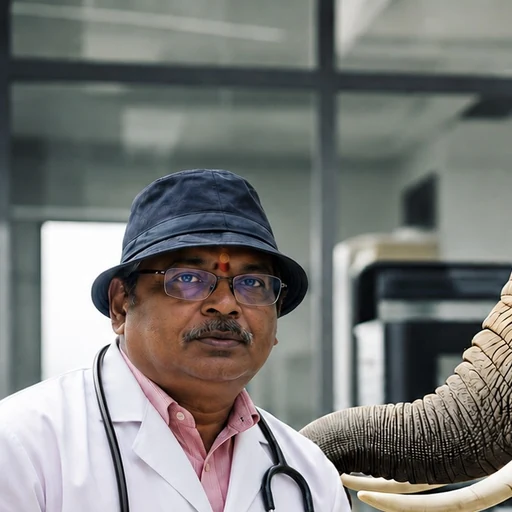
In an exclusive interview published by The Indian Express Tamil on 2 August 2021, wildlife veterinarian Dr. K. Krishnamoorthy Asokan explained the importance of conducting postmortem examinations on deceased elephants to determine the exact cause of death and prevent similar incidents in the future. He highlighted the challenges of investigating deaths caused by electrocution, poisoning, diseases, parasitic infections, and injuries. He also emphasised the importance of collecting organ and tissue samples for laboratory analysis, documenting findings for scientific research, and strengthening wildlife conservation efforts. The interview reflects his extensive experience in elephant rescue, veterinary treatment, and wildlife conservation.
Wild Elephant Necropsy and Disease Investigation
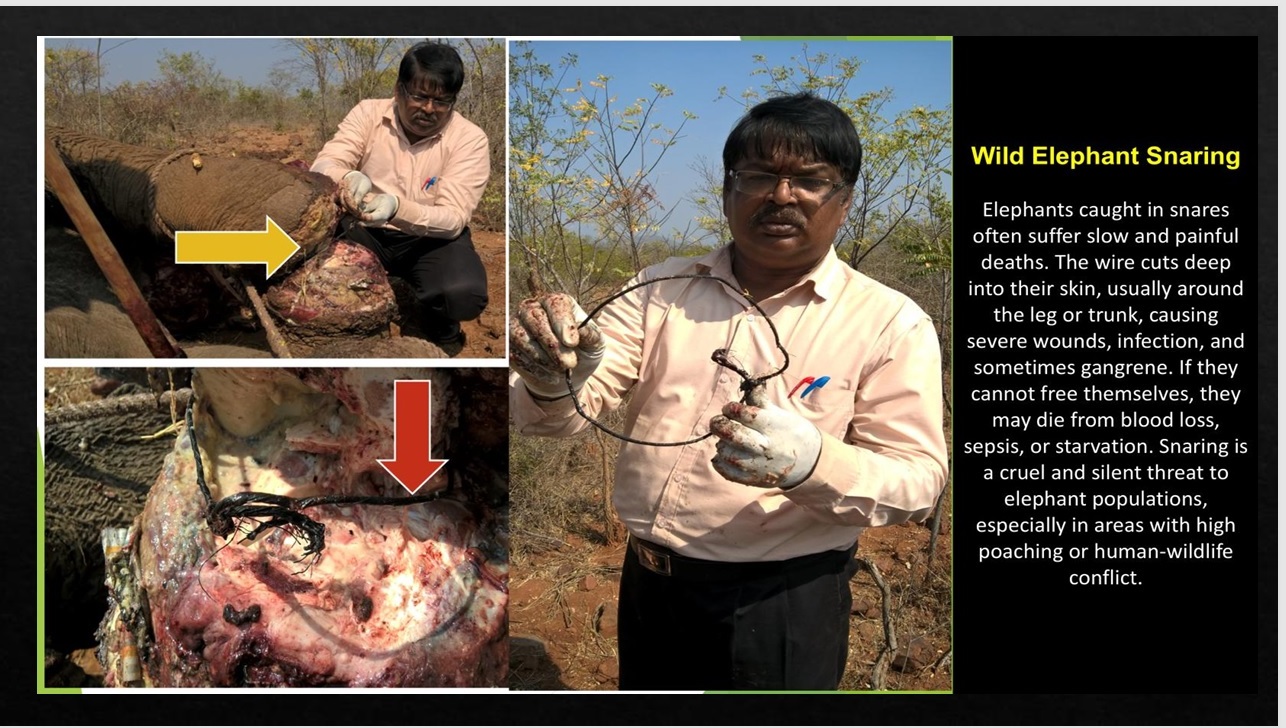
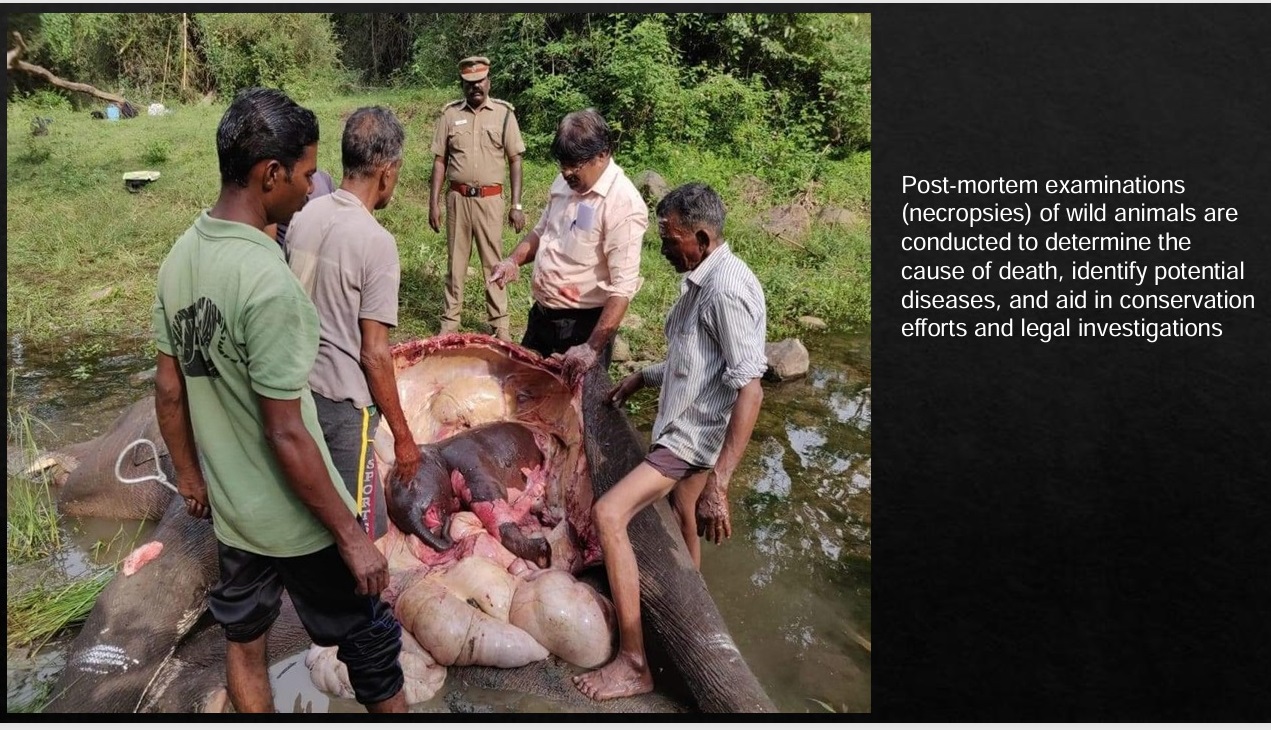
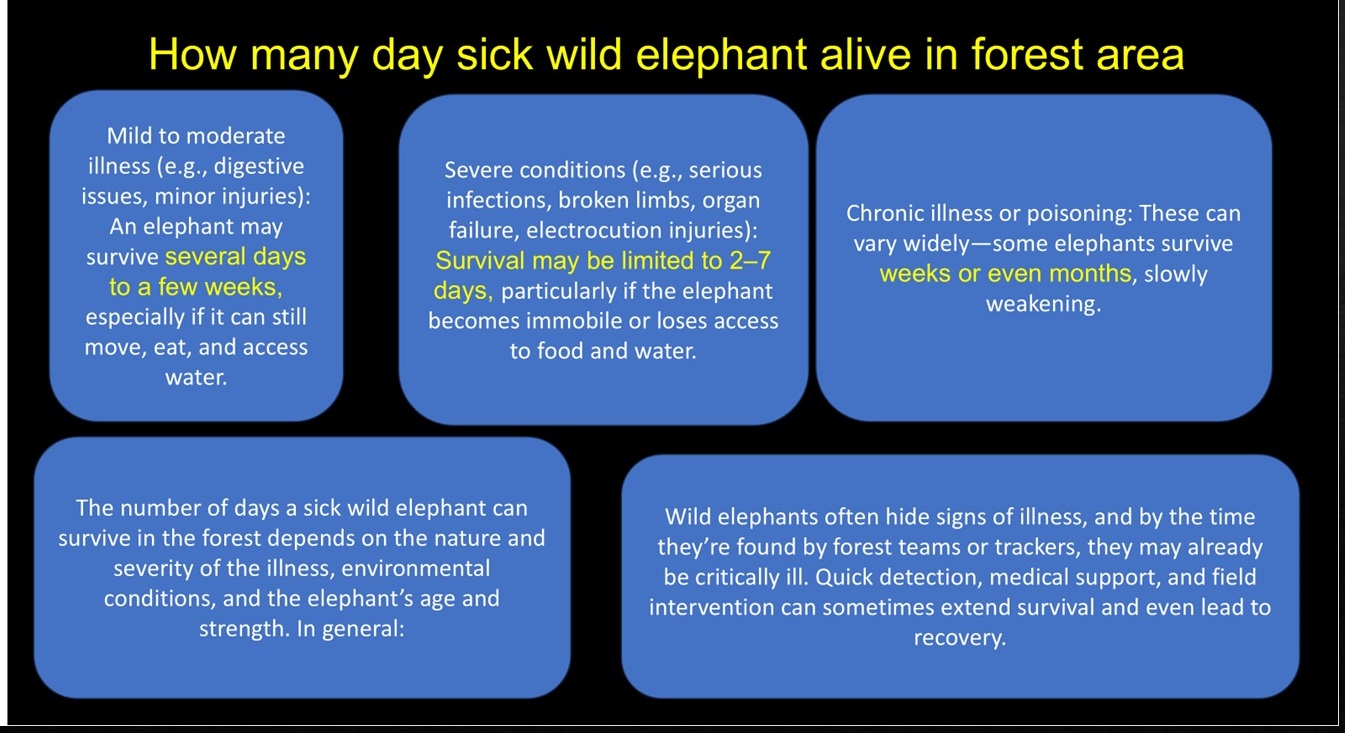
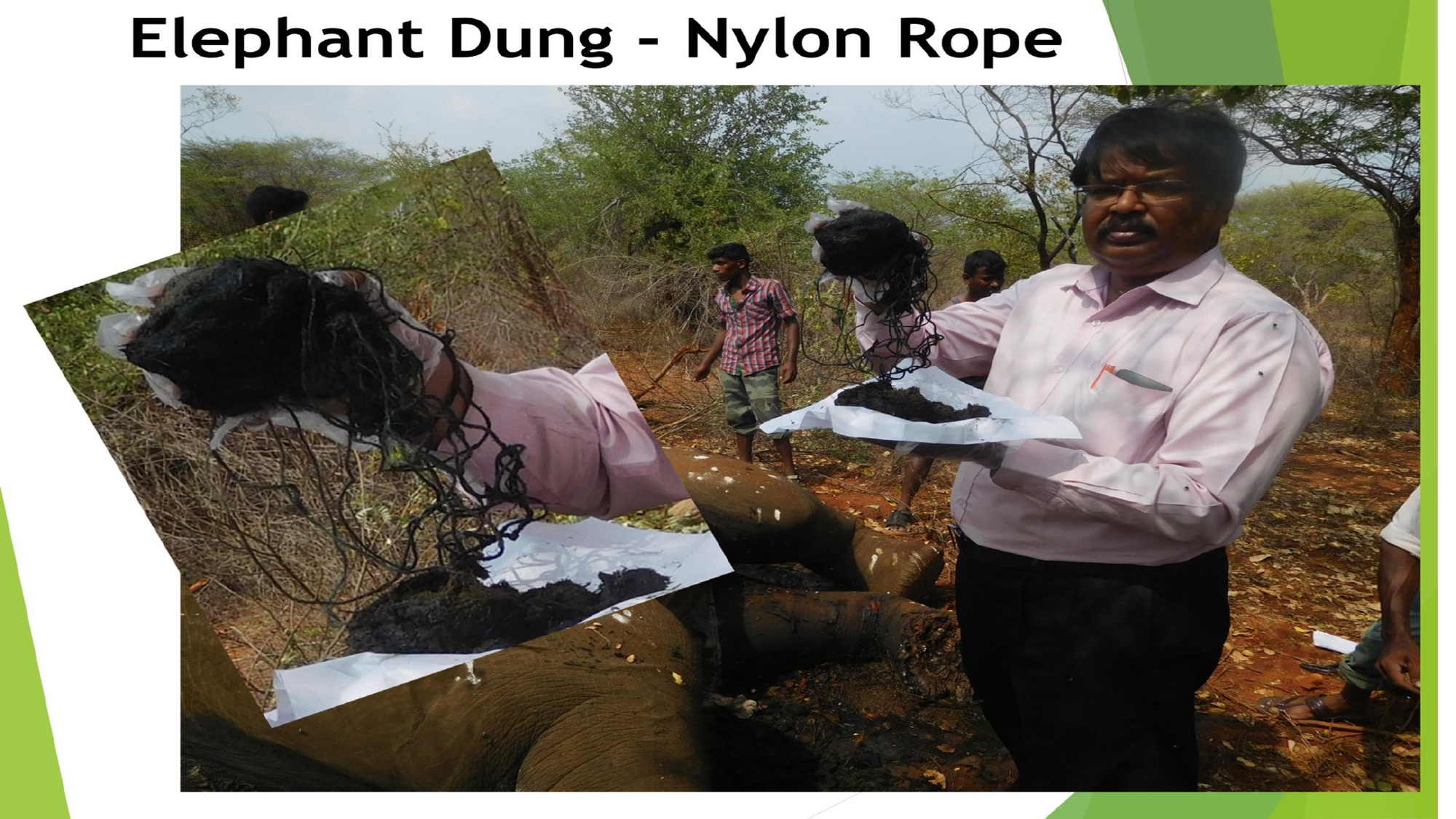
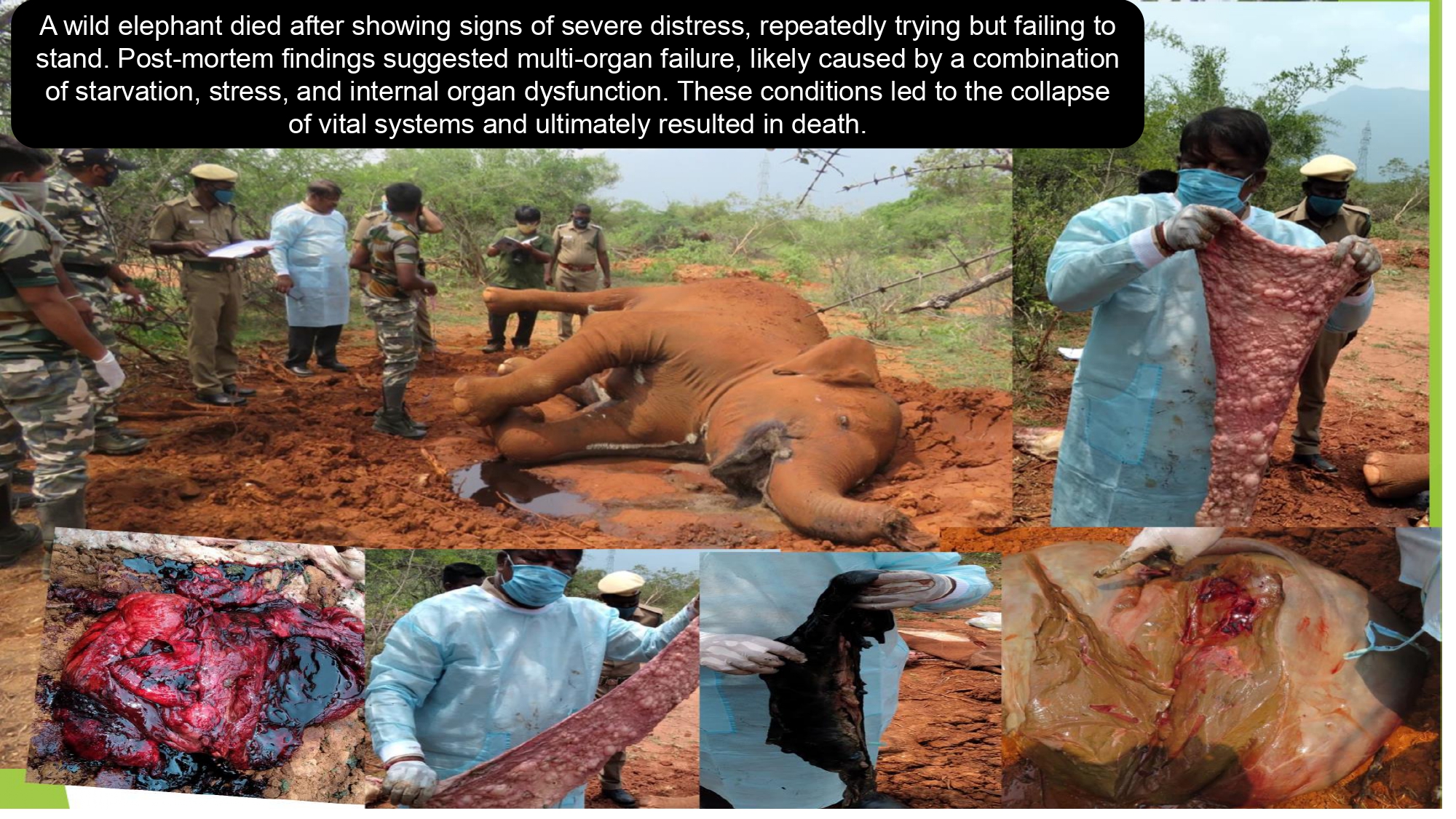
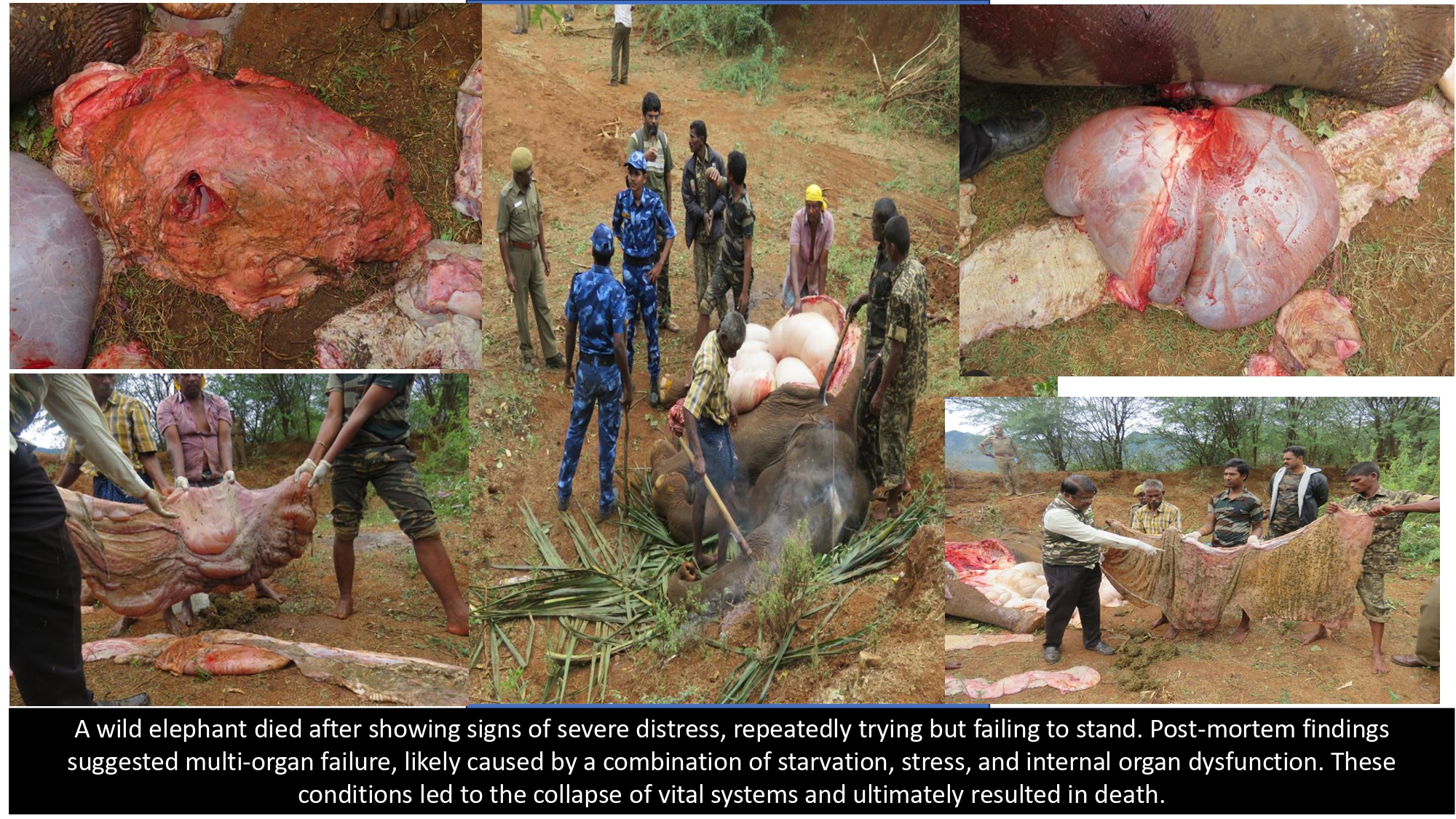
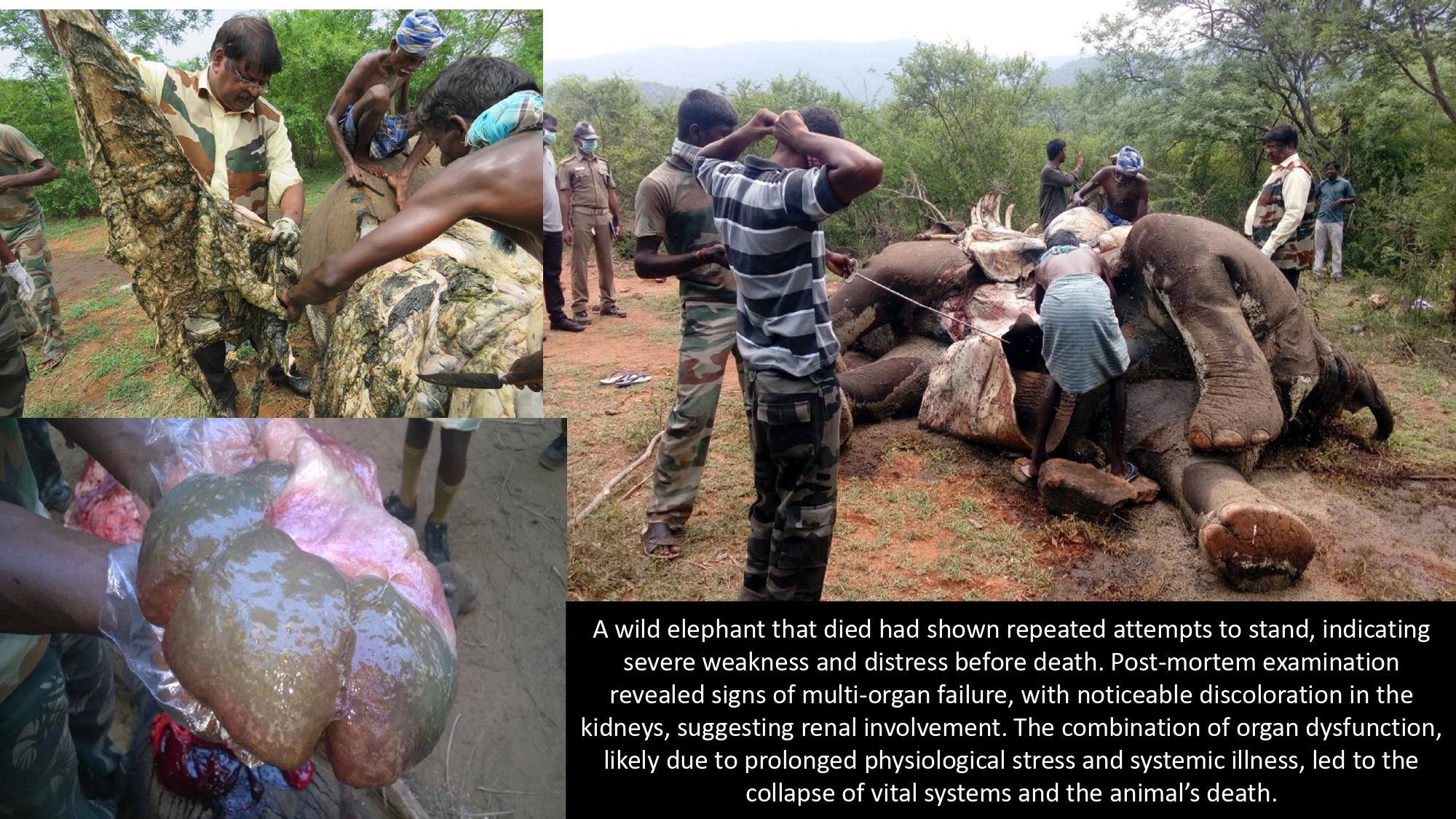
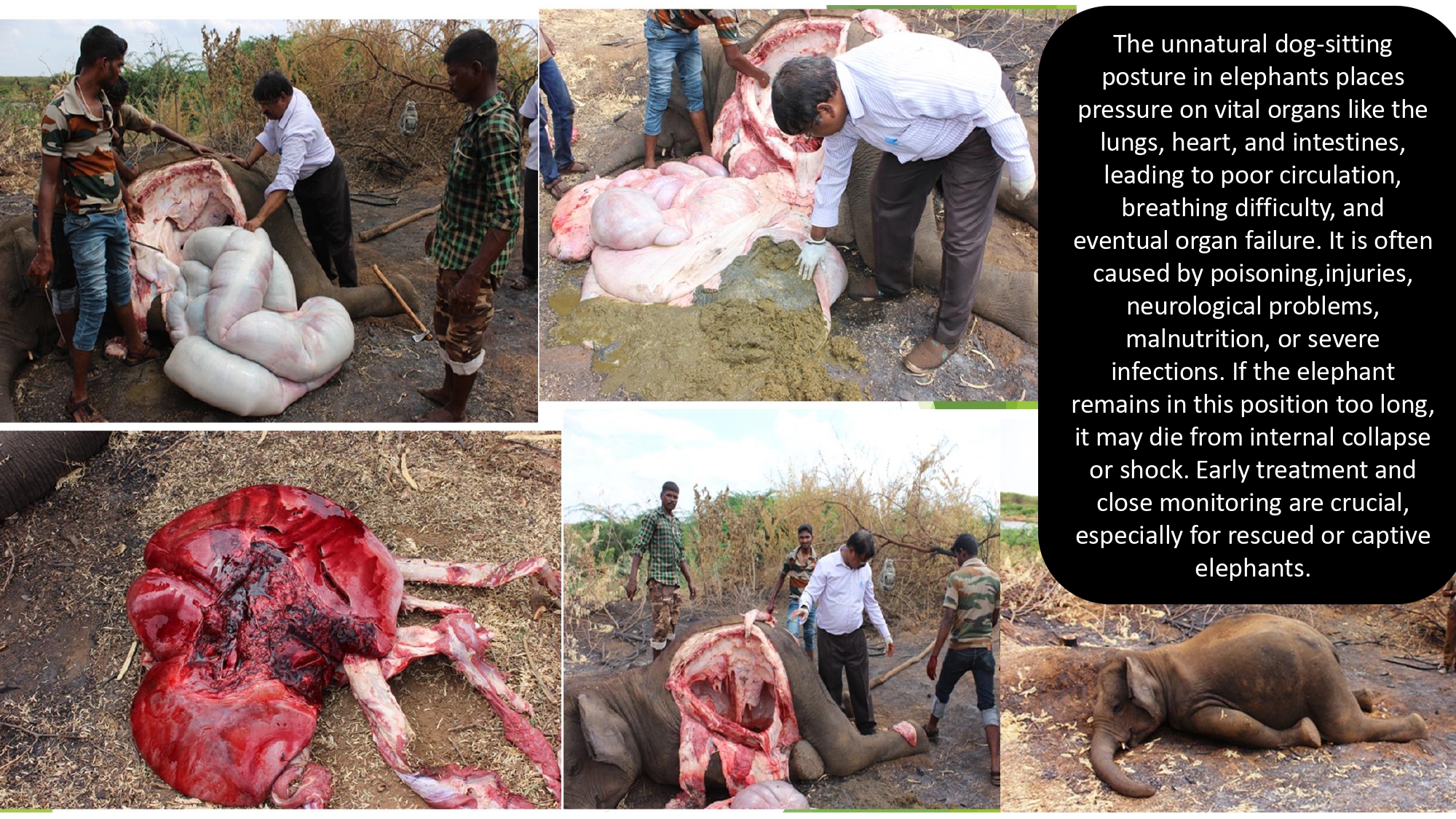
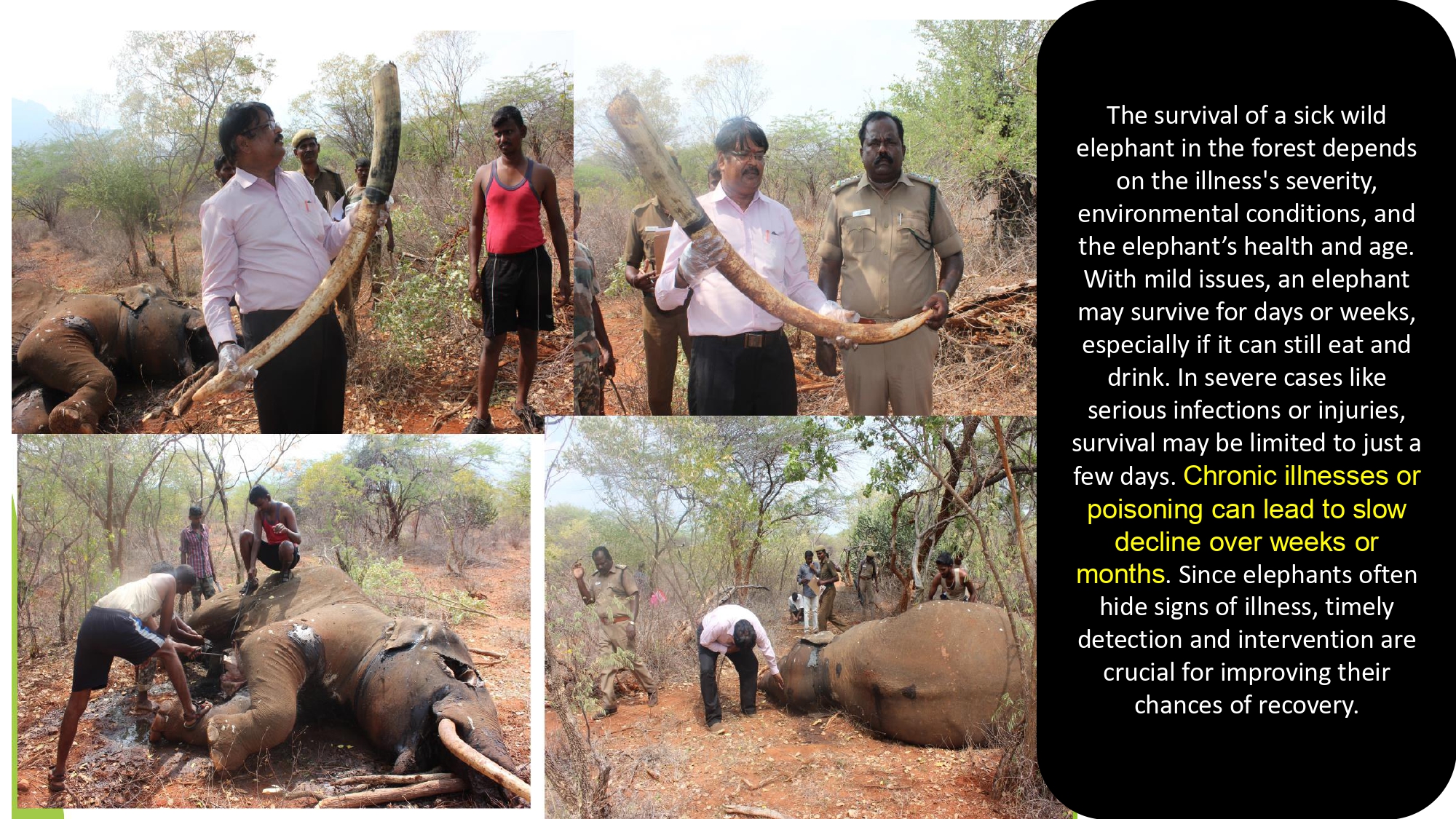
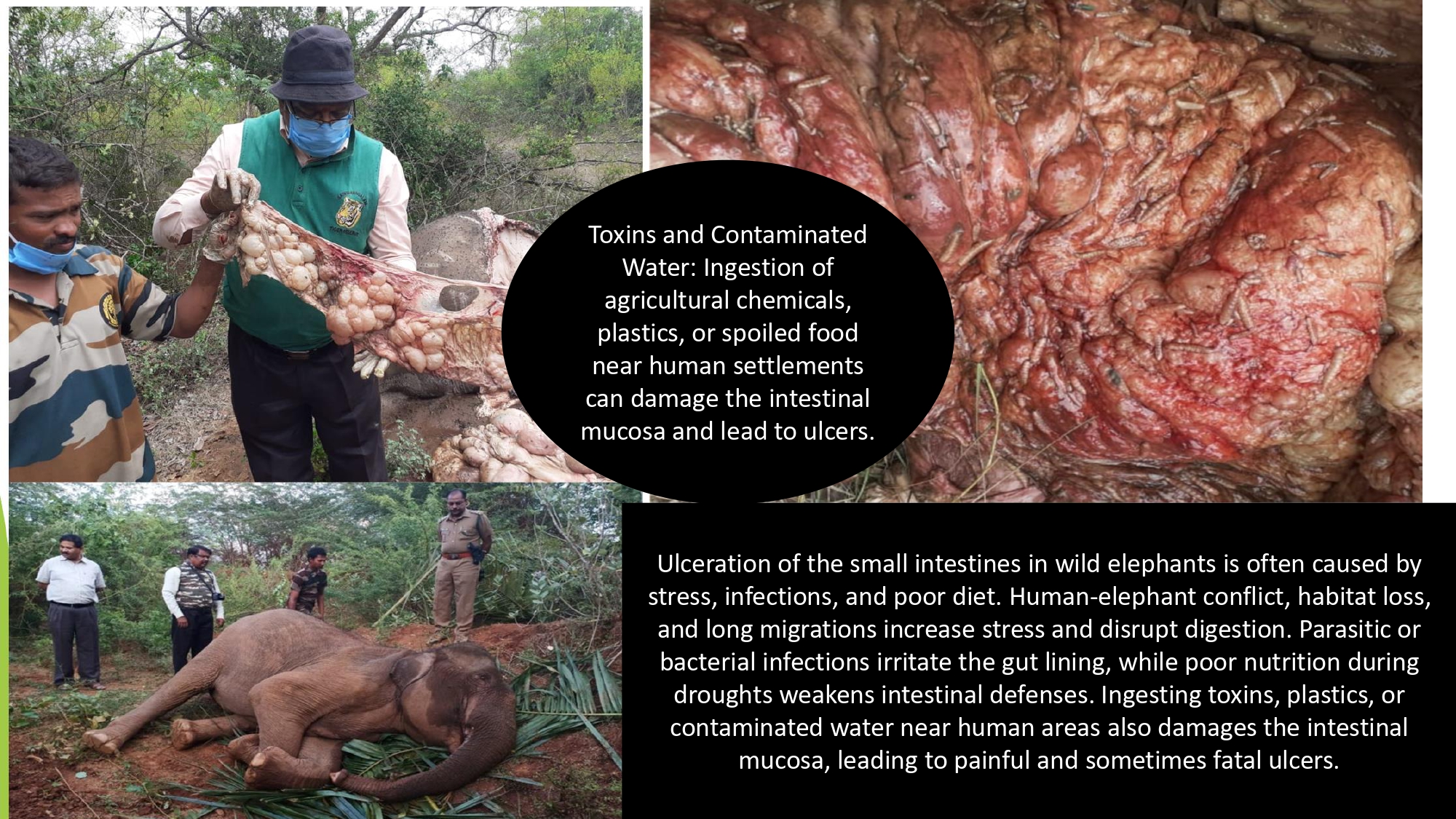
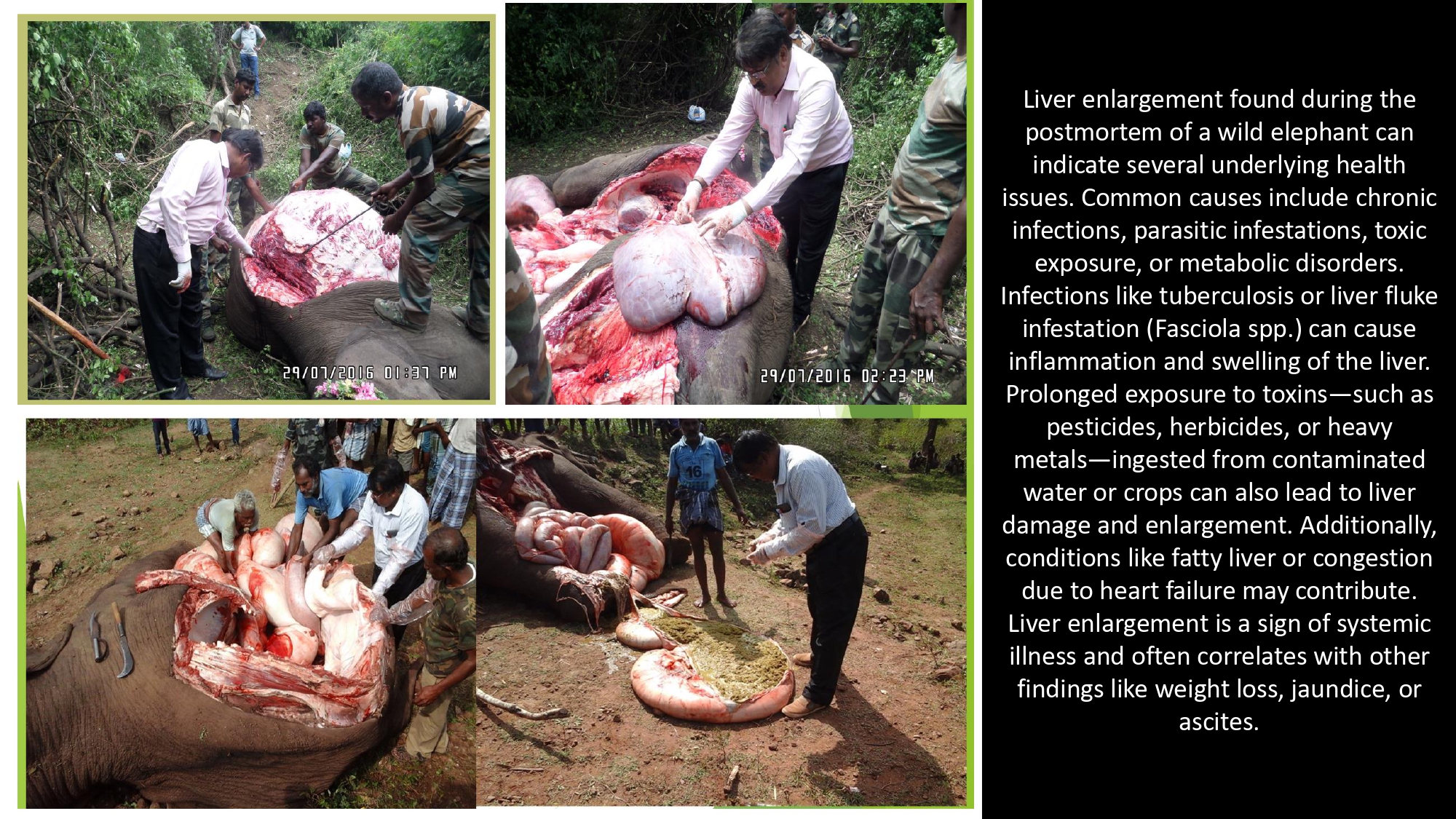
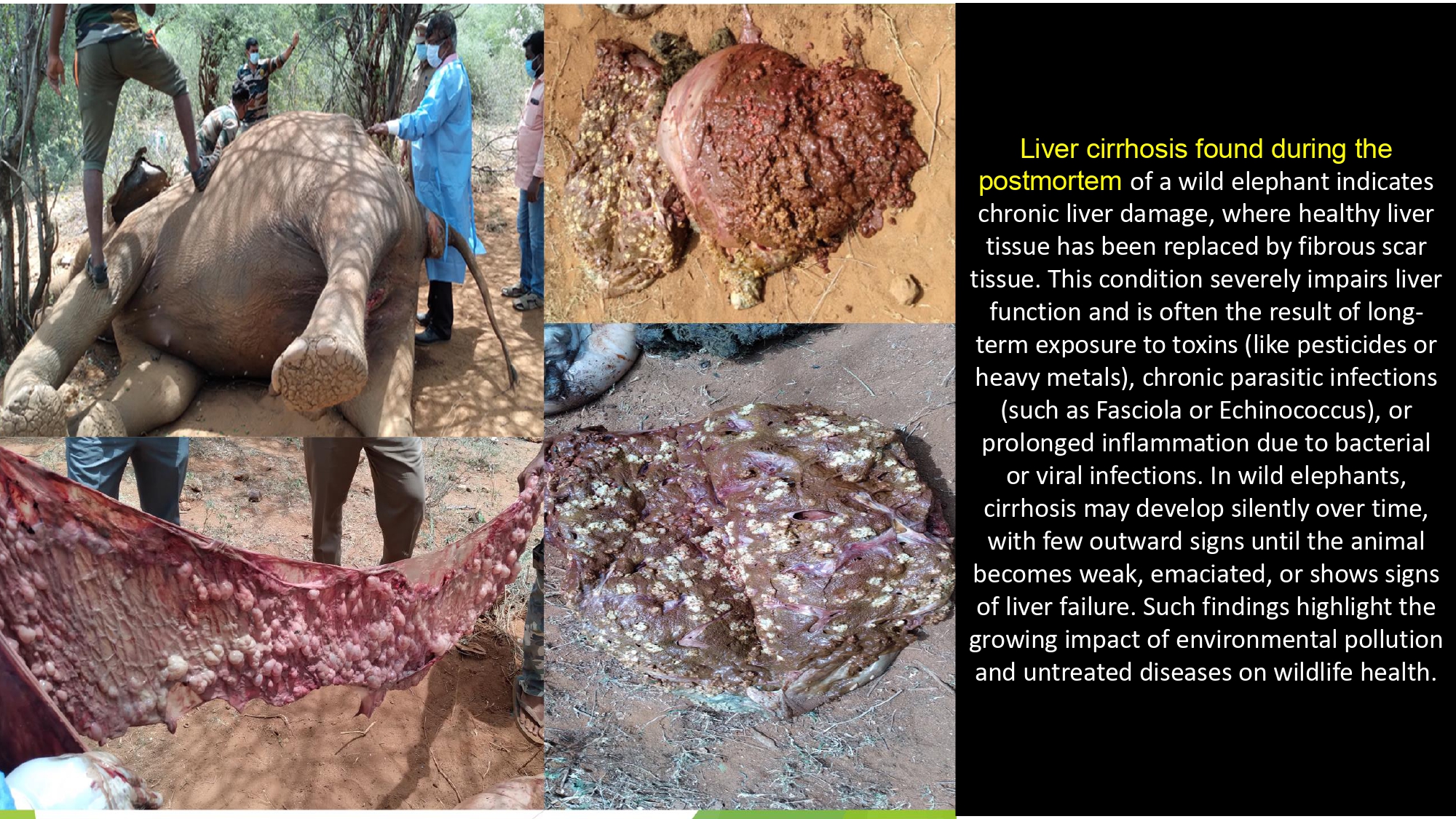
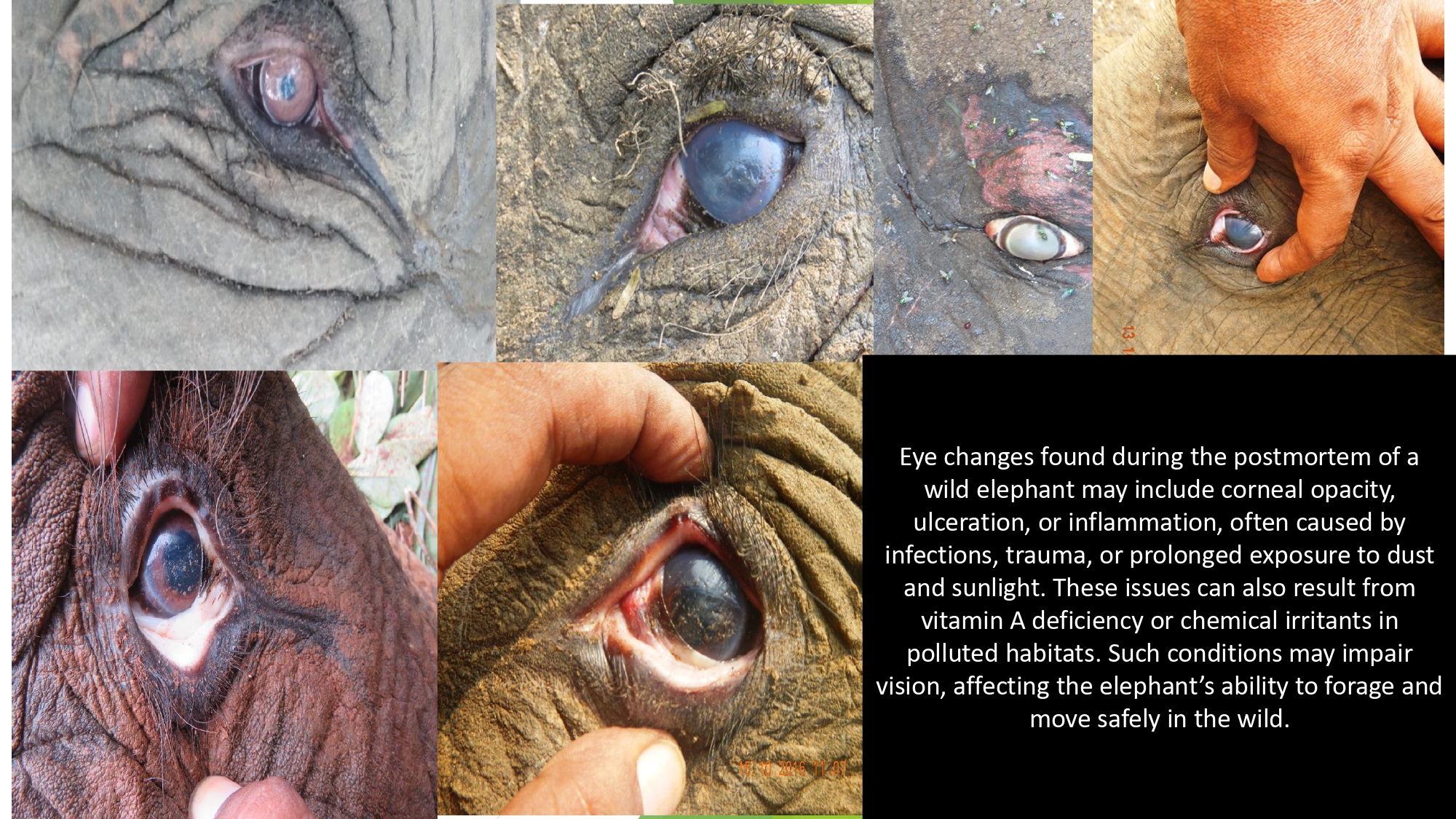
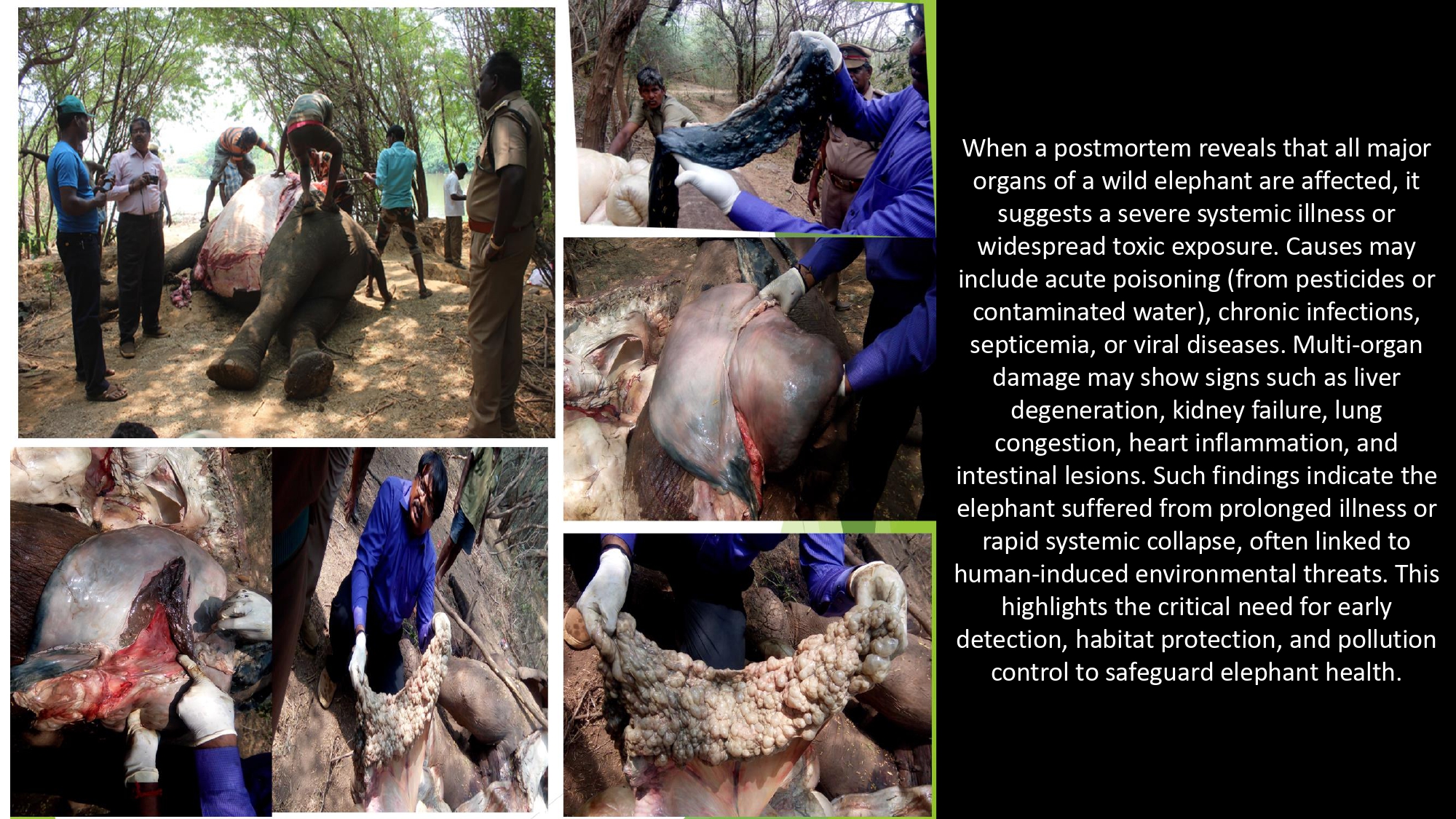
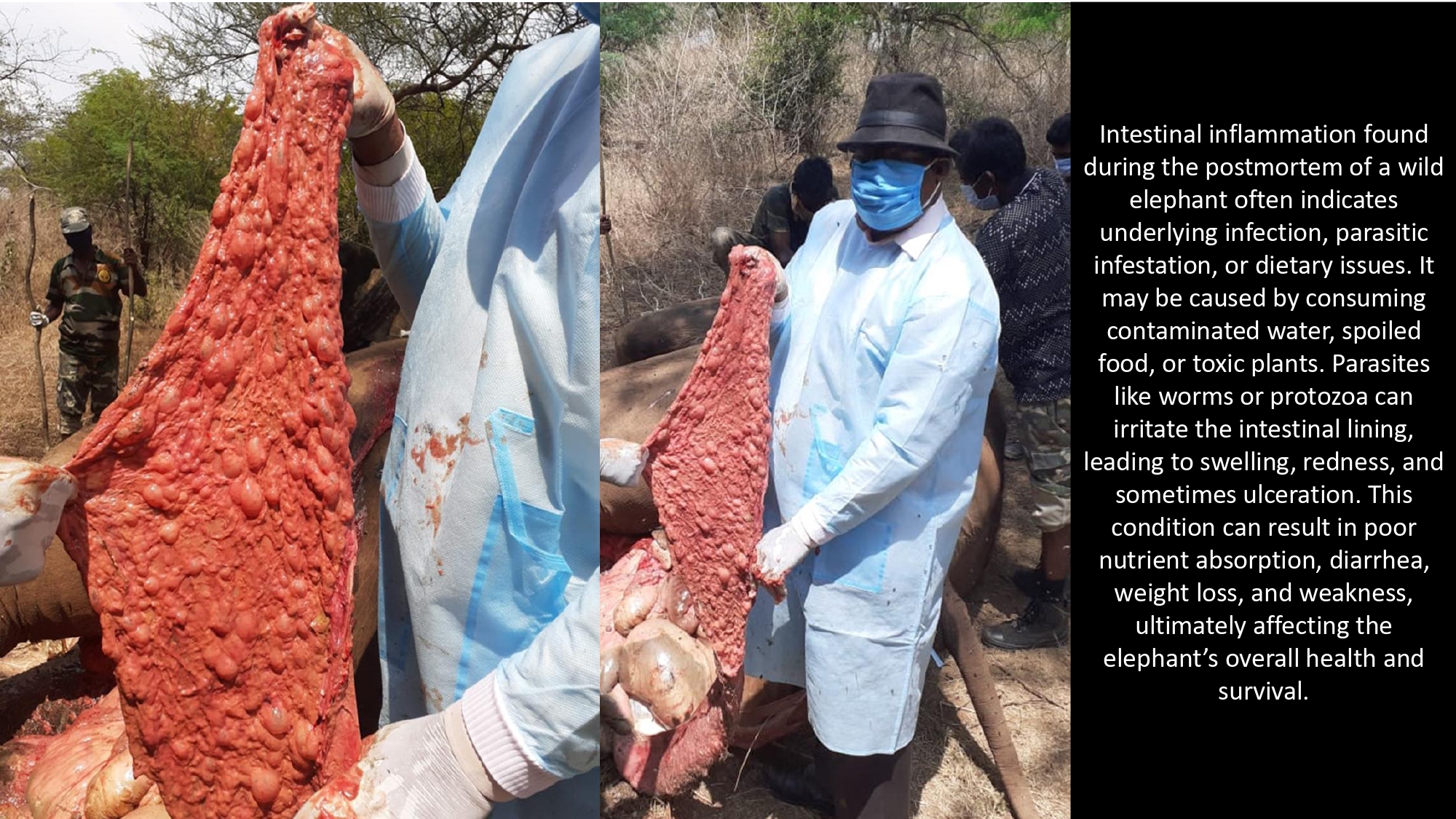
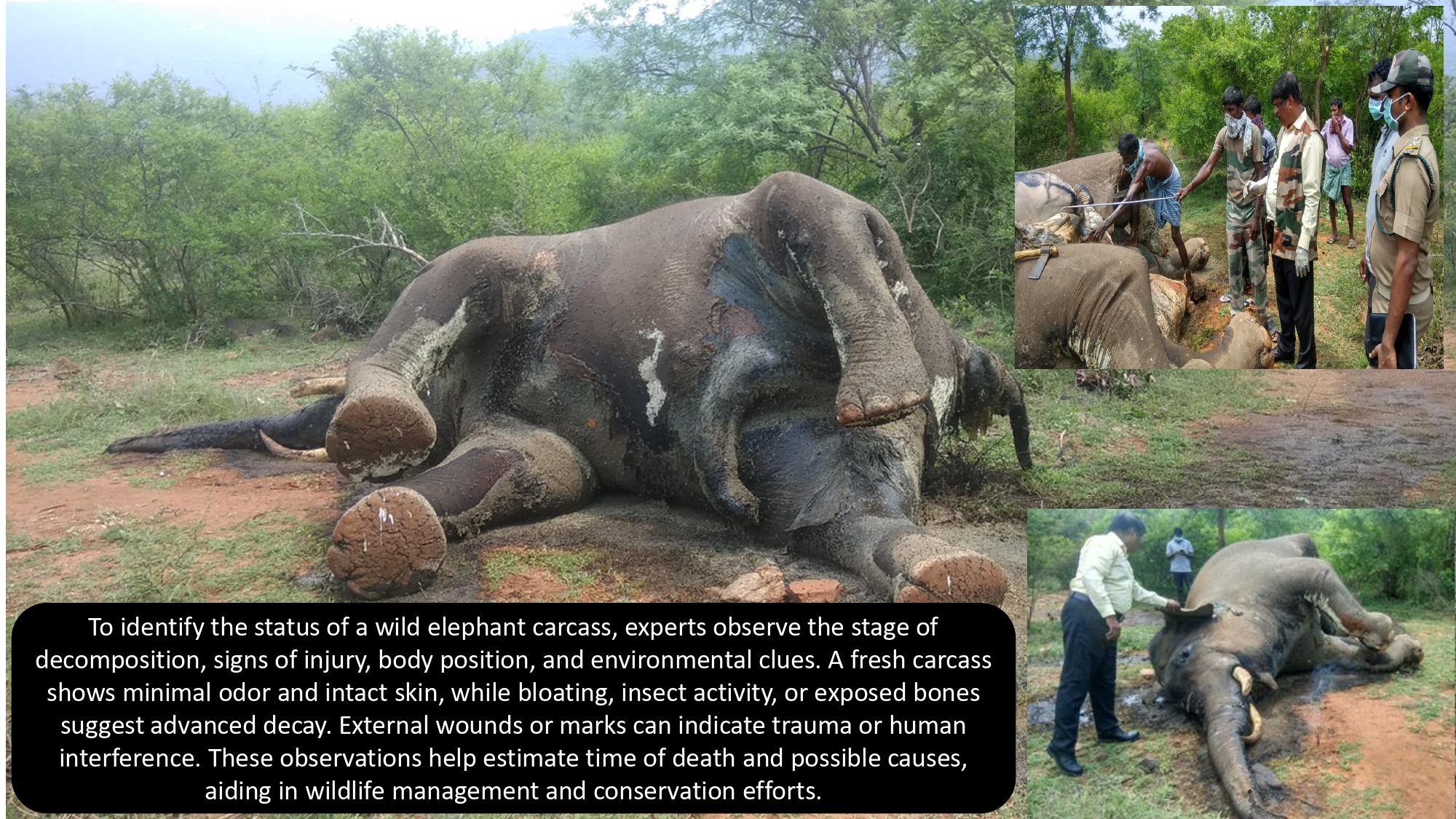
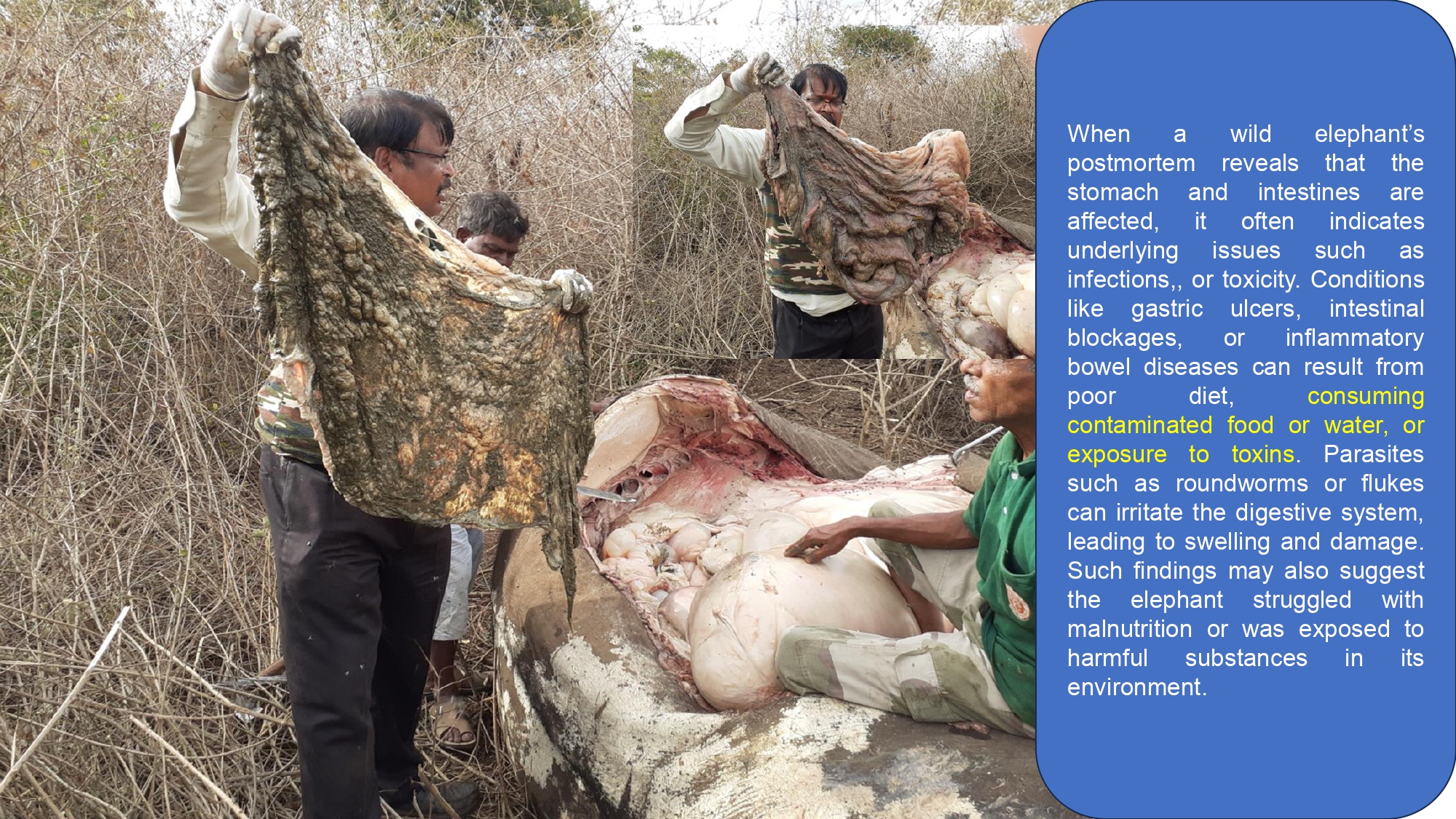
- Dr. Asokan has conducted more than 300 wild elephant necropsies, making a significant contribution to wildlife disease investigation and conservation. Through systematic clinical examinations and postmortem studies, he investigated causes of elephant mortality including poaching, electrocution, tuberculosis, parasitic infections, multi-organ failure, liver cirrhosis, renal failure, and degenerative diseases. These investigations generated valuable evidence on the health and mortality patterns of wild elephants, strengthened disease surveillance and preventive veterinary care, and supported evidence-based wildlife conservation, management, and protection strategies.
Indian Gaur Necropsy and Disease Investigation
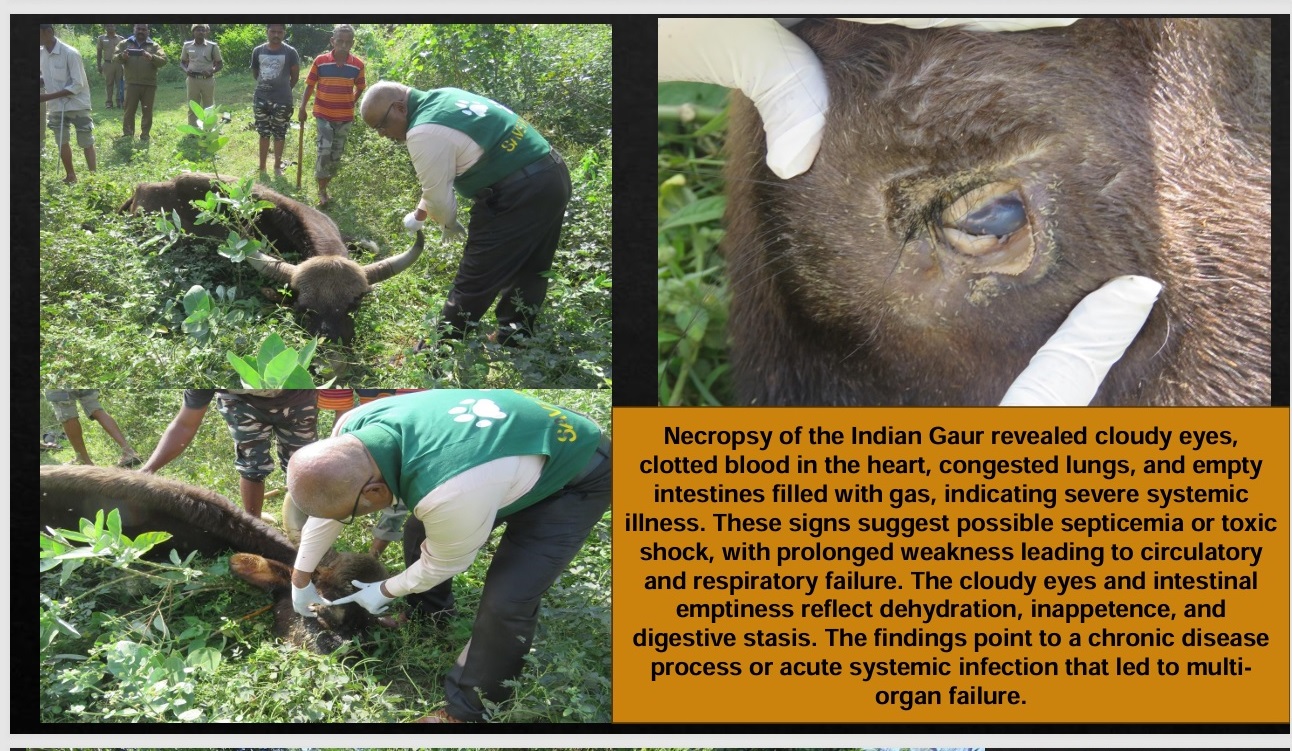
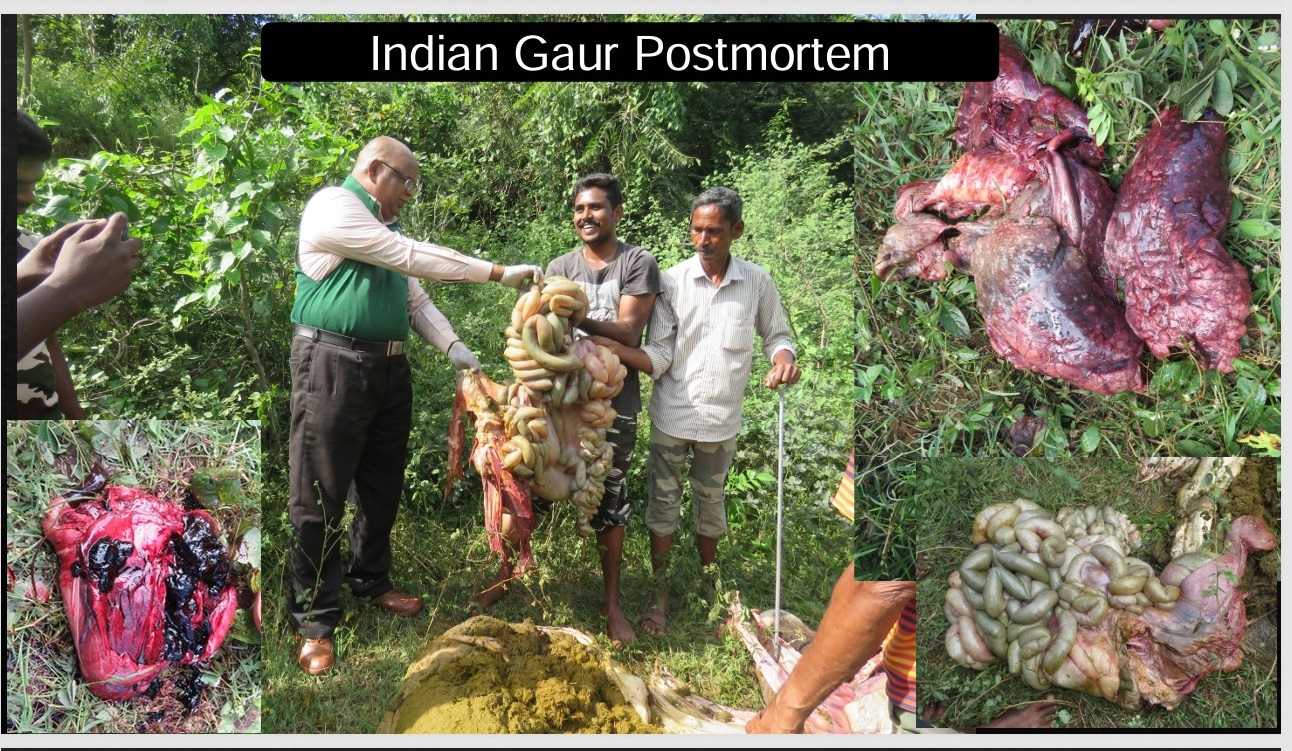
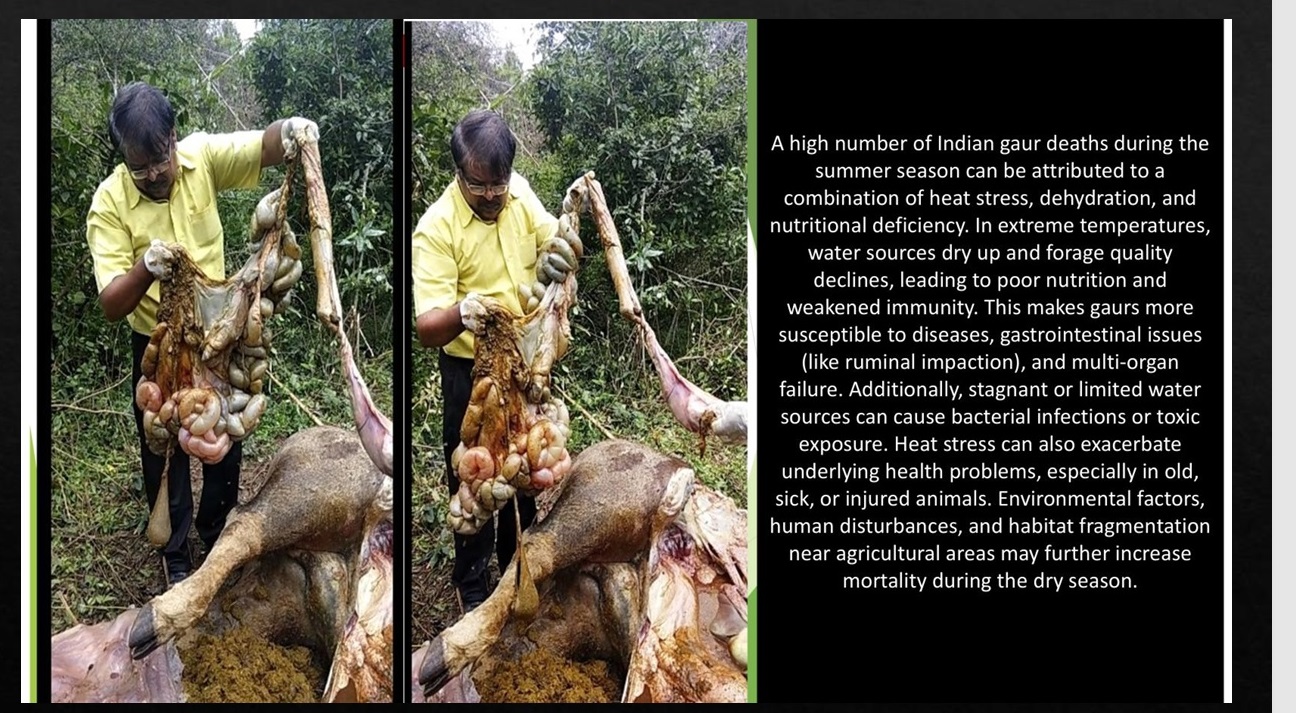
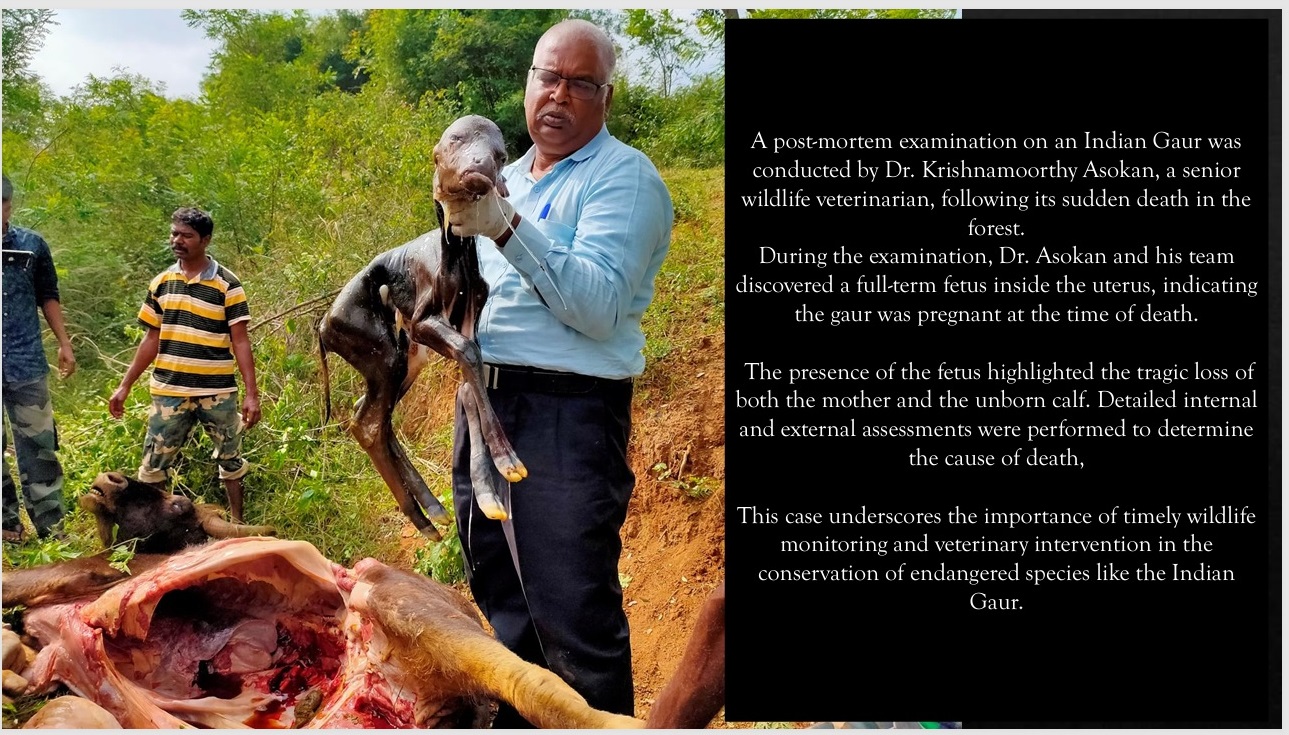
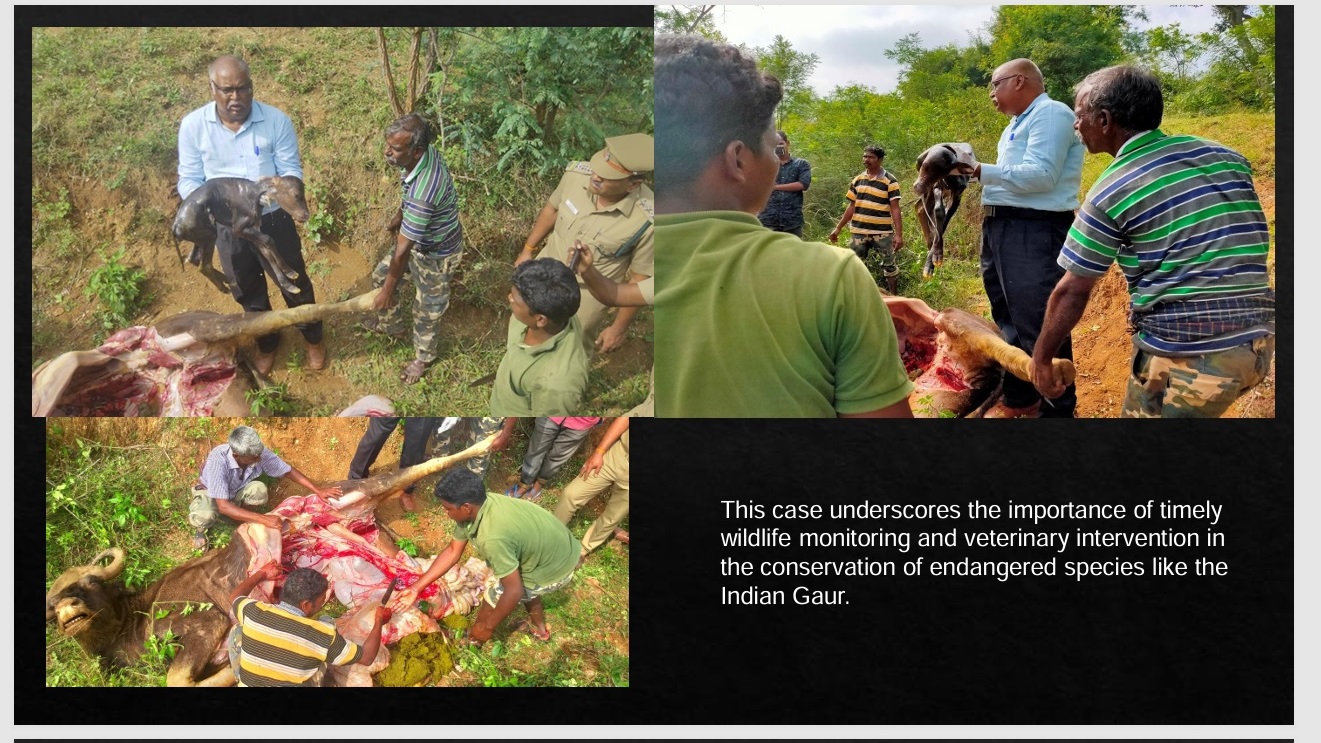
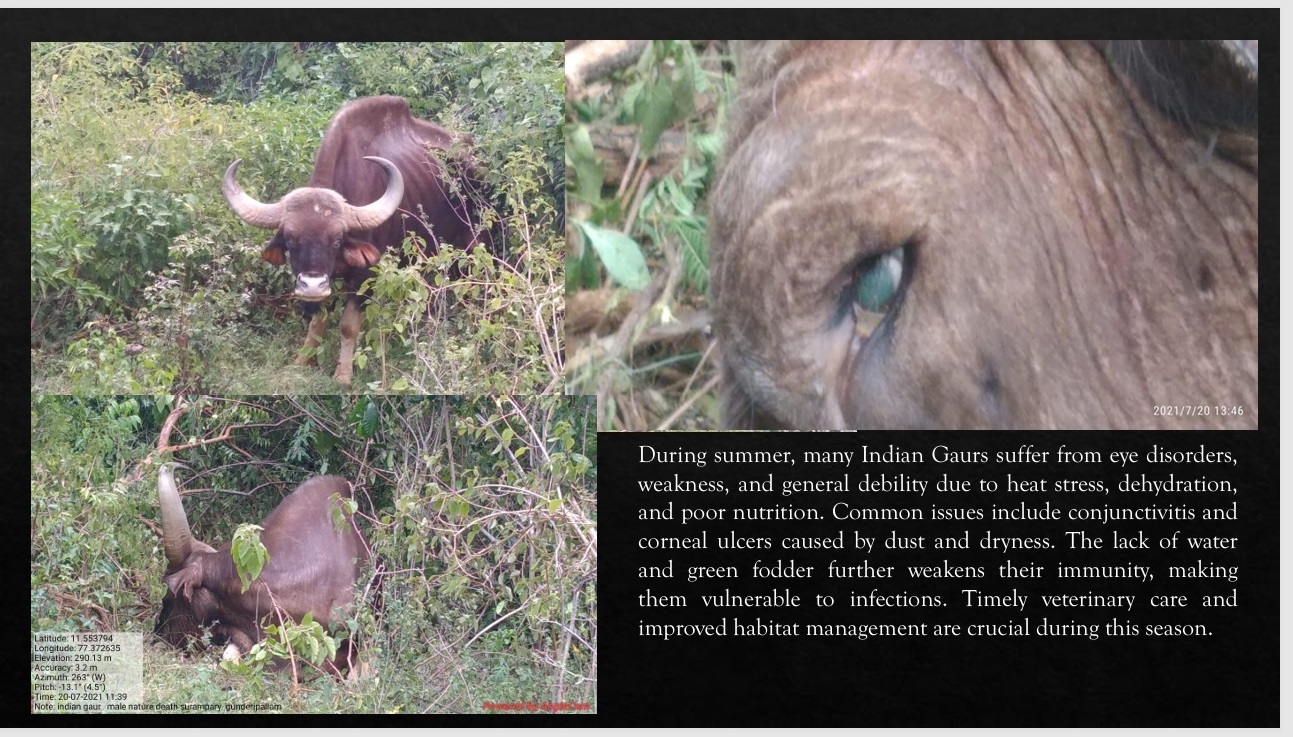
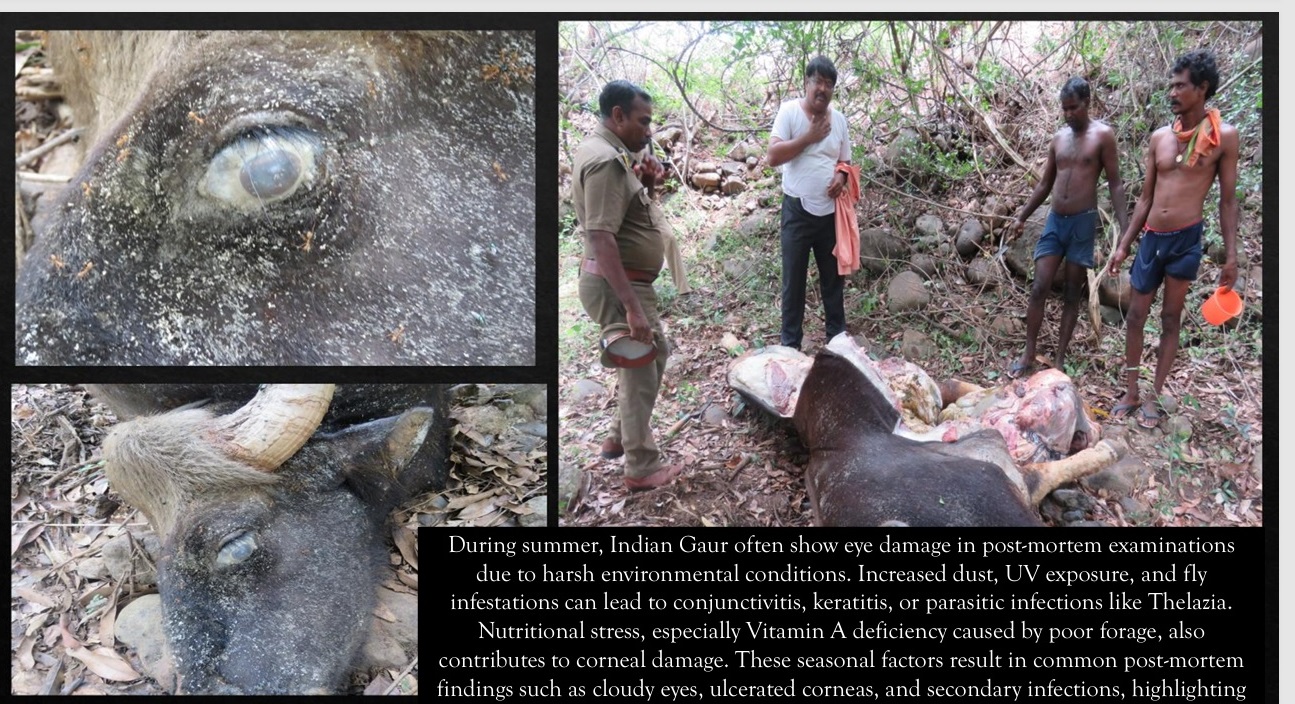
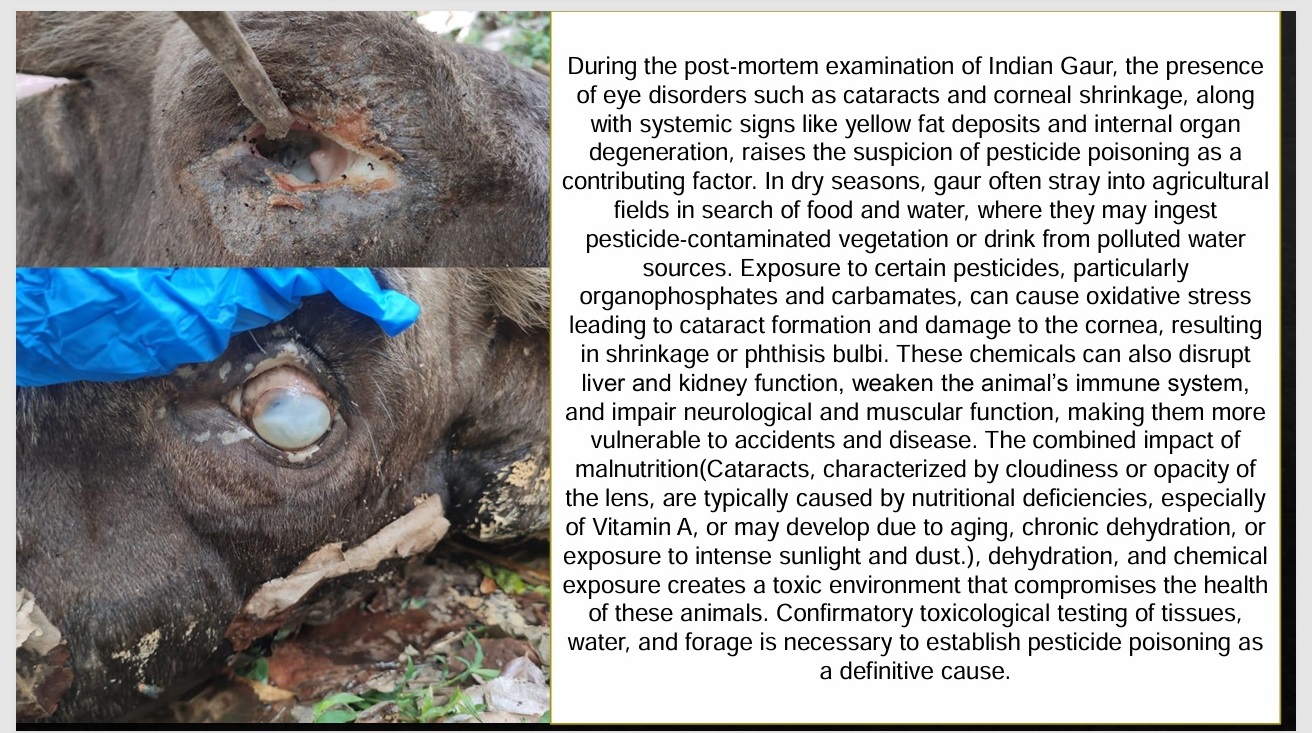
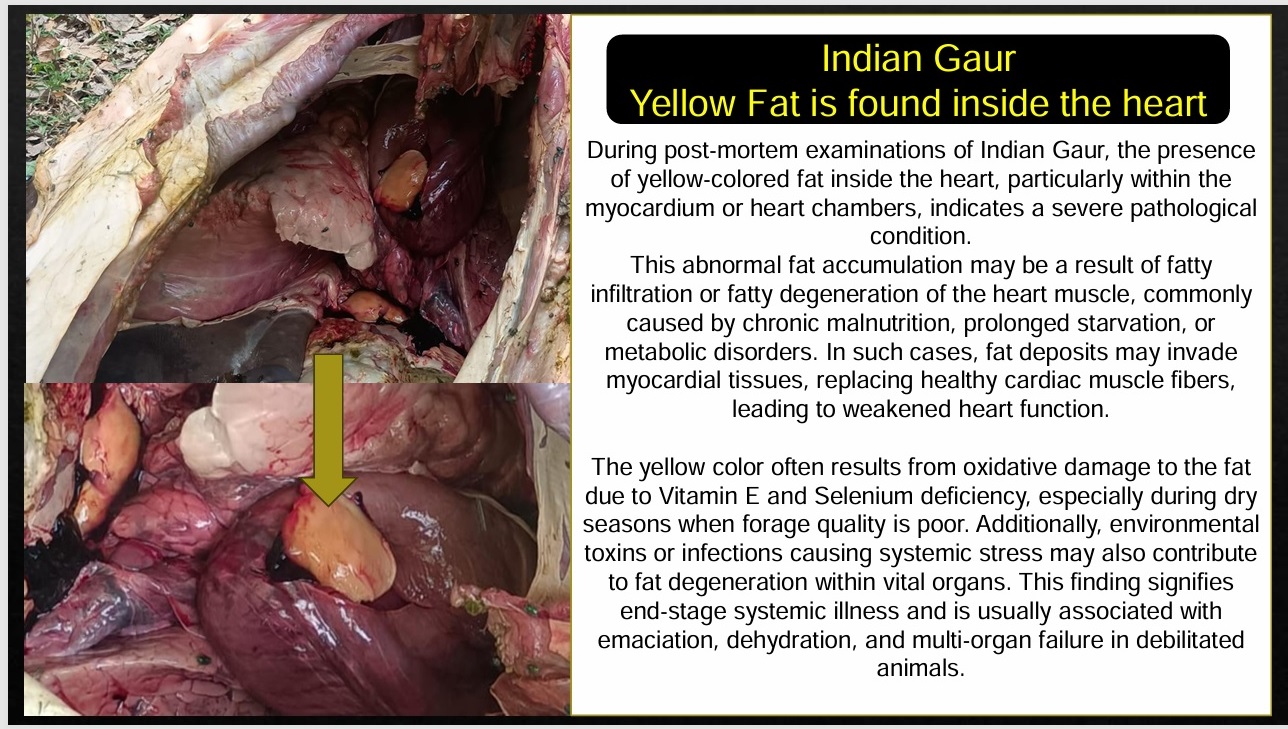
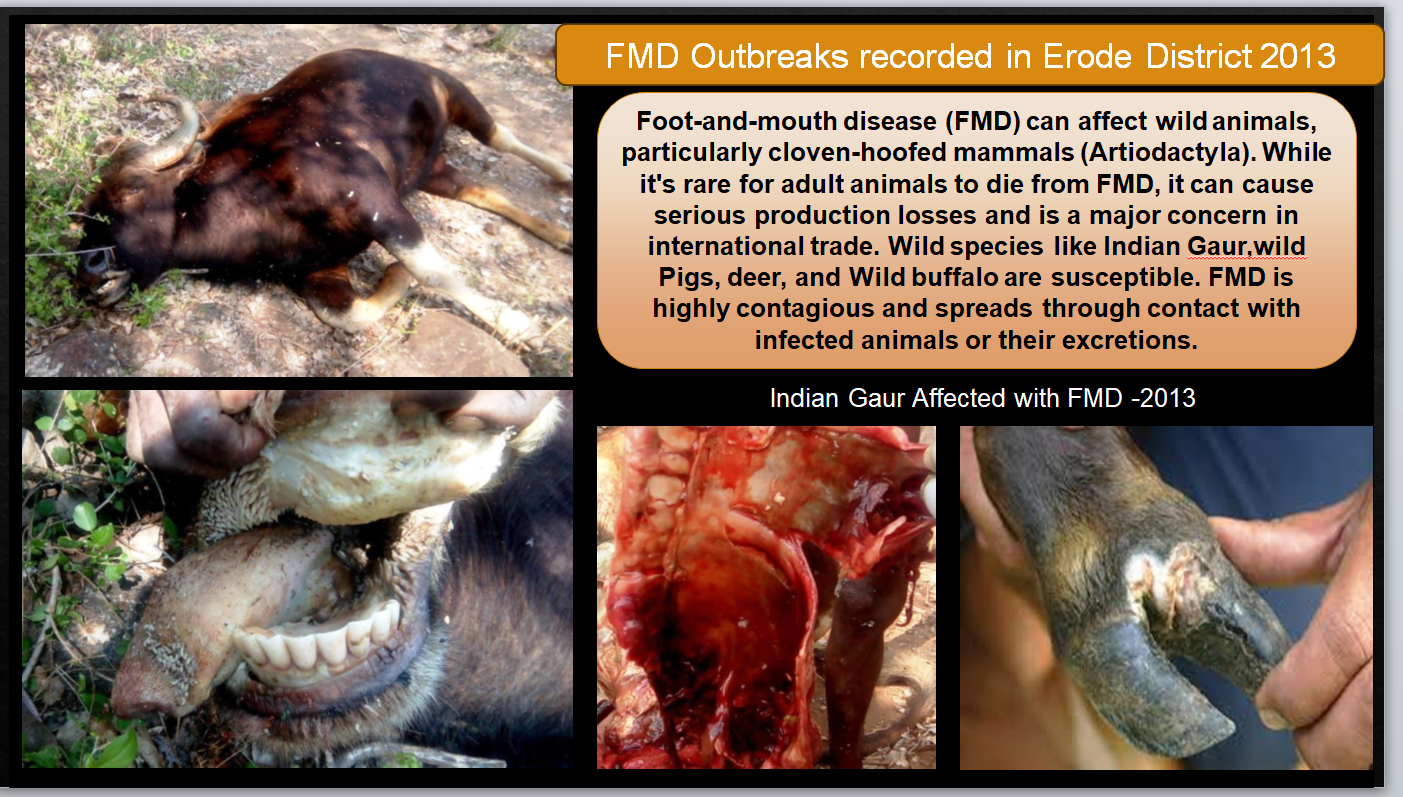
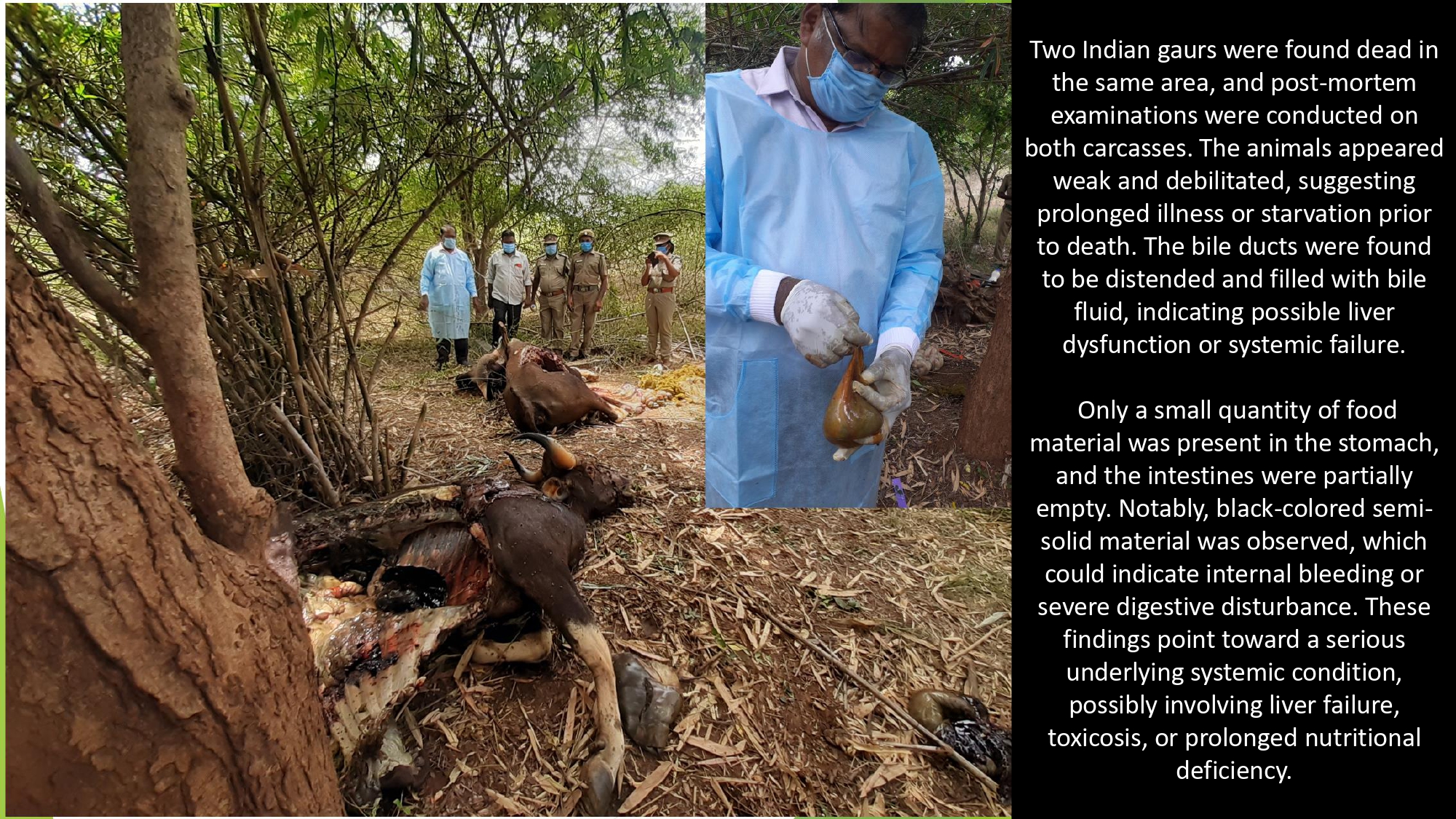
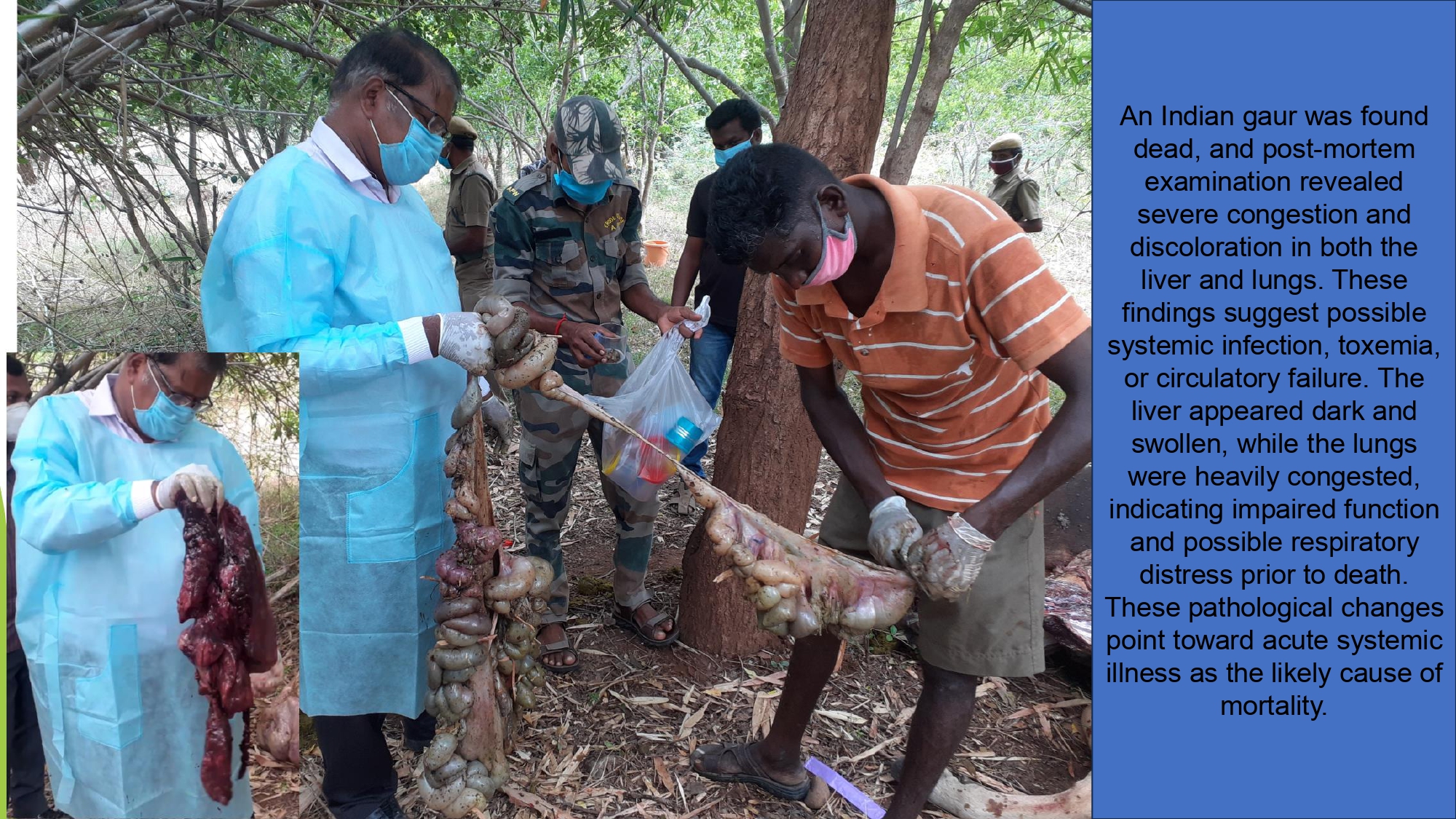
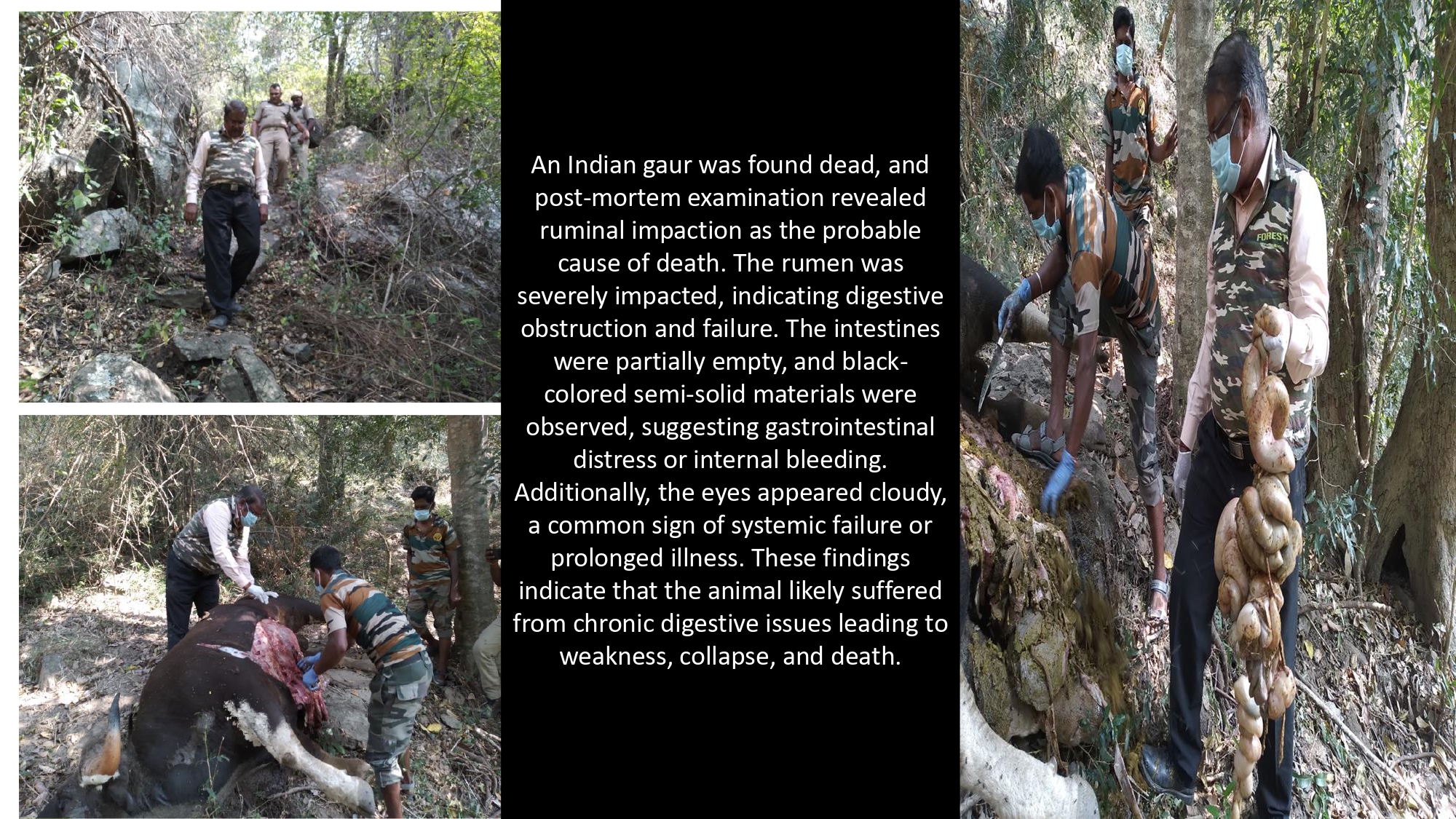
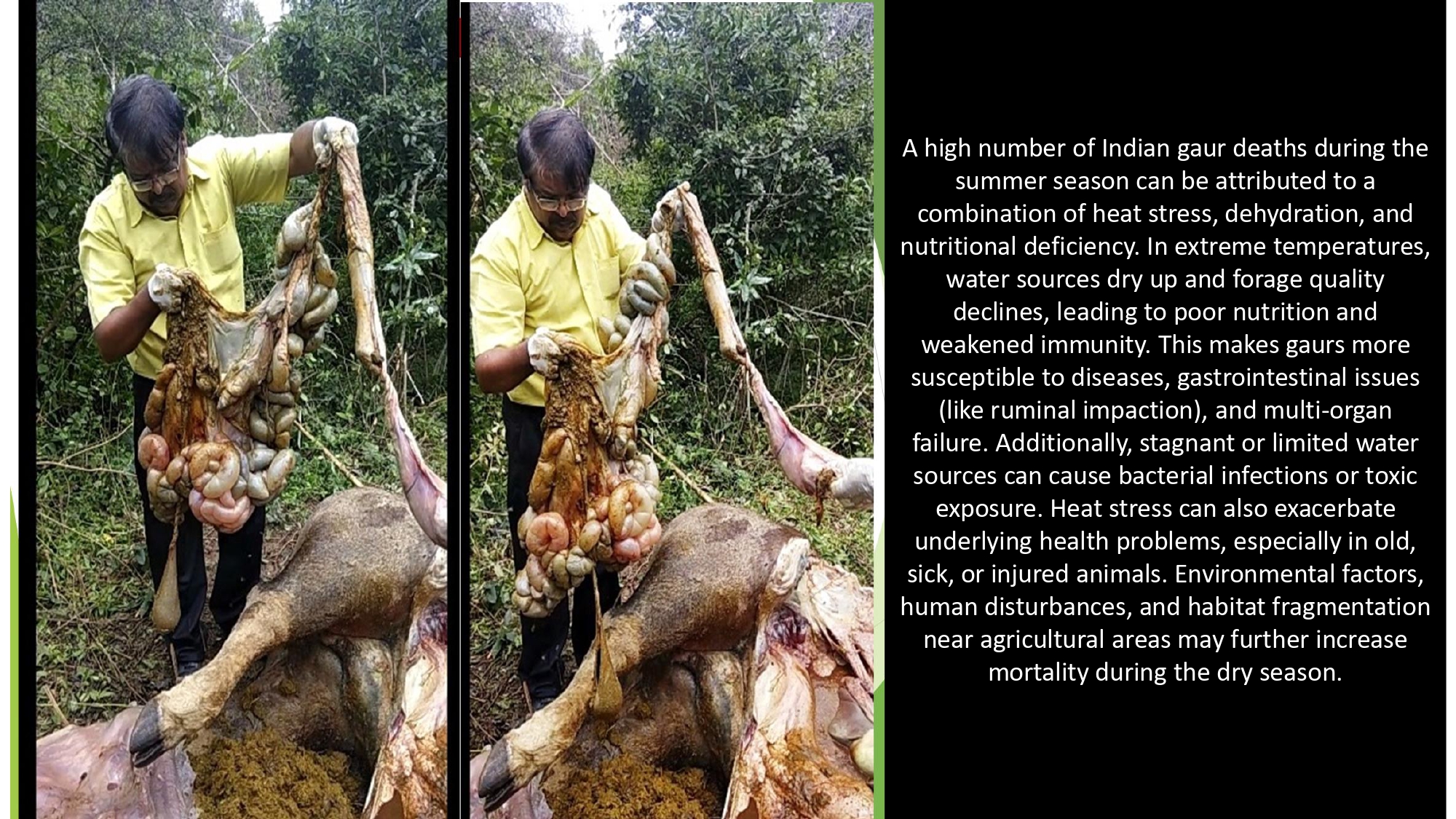
- Dr. Krishnamoorthy Asokan has contributed to Indian gaur (Bos gaurus) disease investigation through clinical examination and systematic necropsy studies. His investigations helped identify important pathological conditions, infectious and parasitic diseases, traumatic injuries, and other causes of morbidity and mortality. The findings provided valuable information for wildlife disease surveillance, early detection of health threats, preventive veterinary care, and evidence-based conservation and management of Indian gaur populations.
Leopard & Tiger Necropsy and Disease Investigation
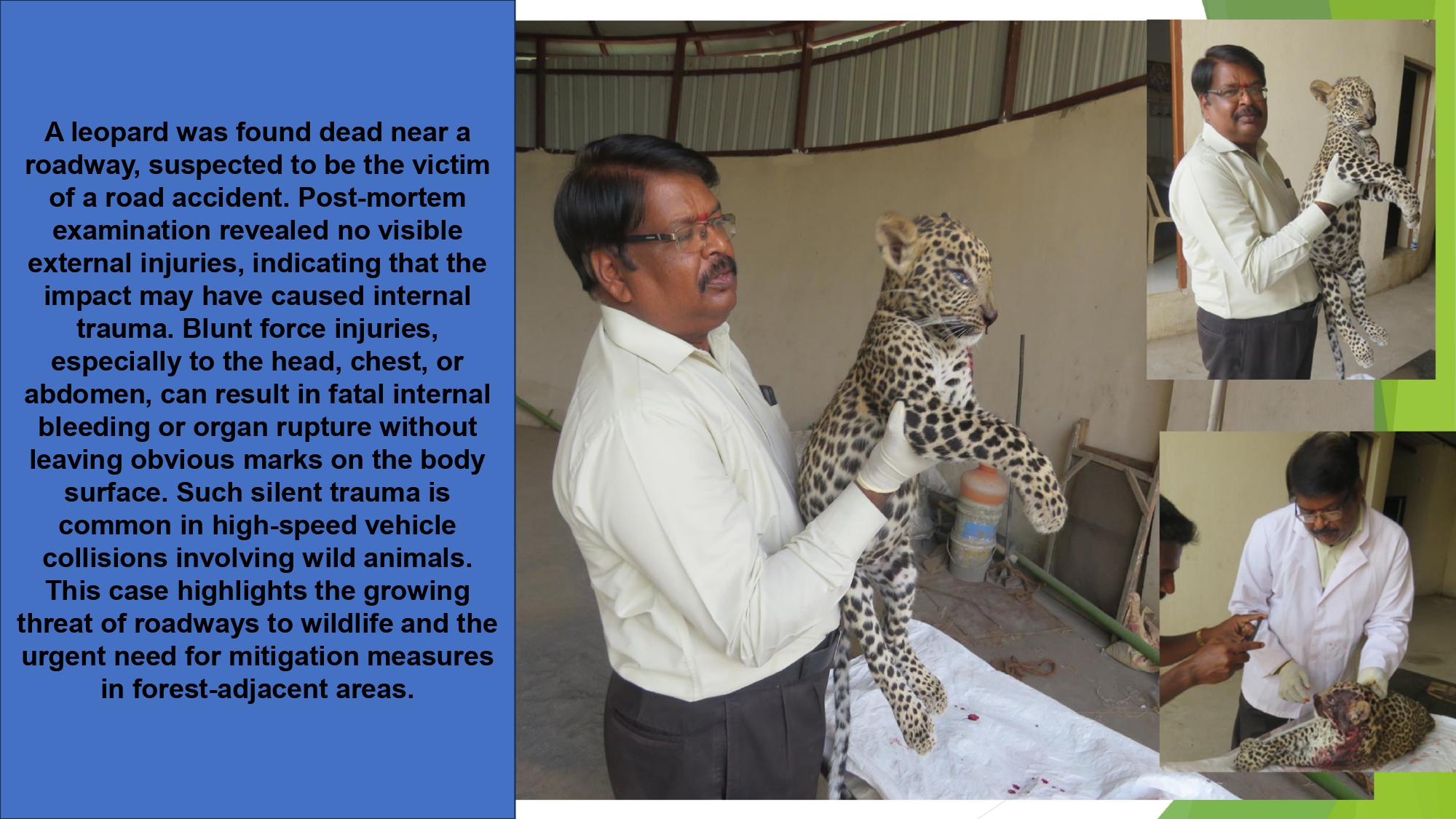
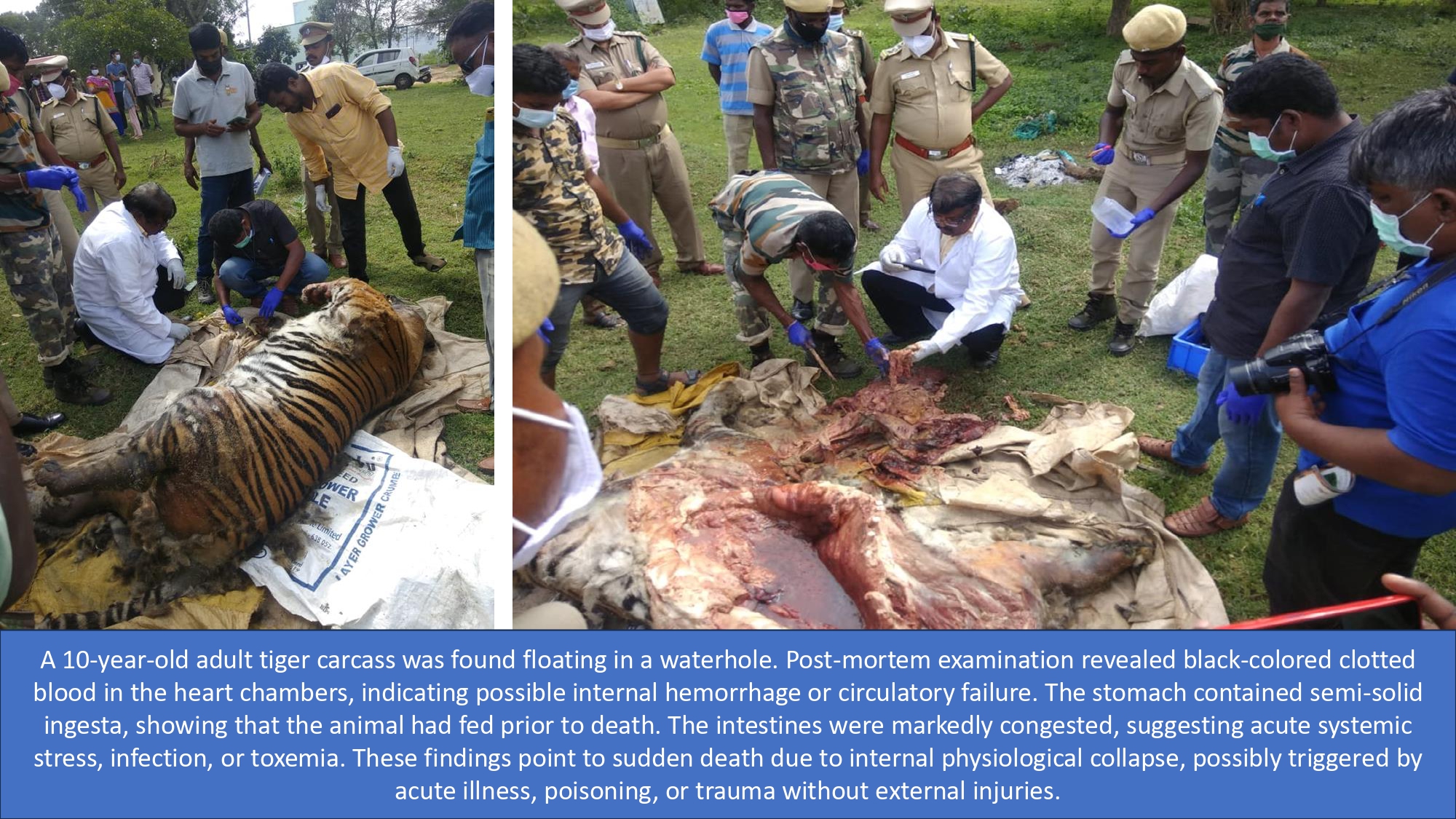
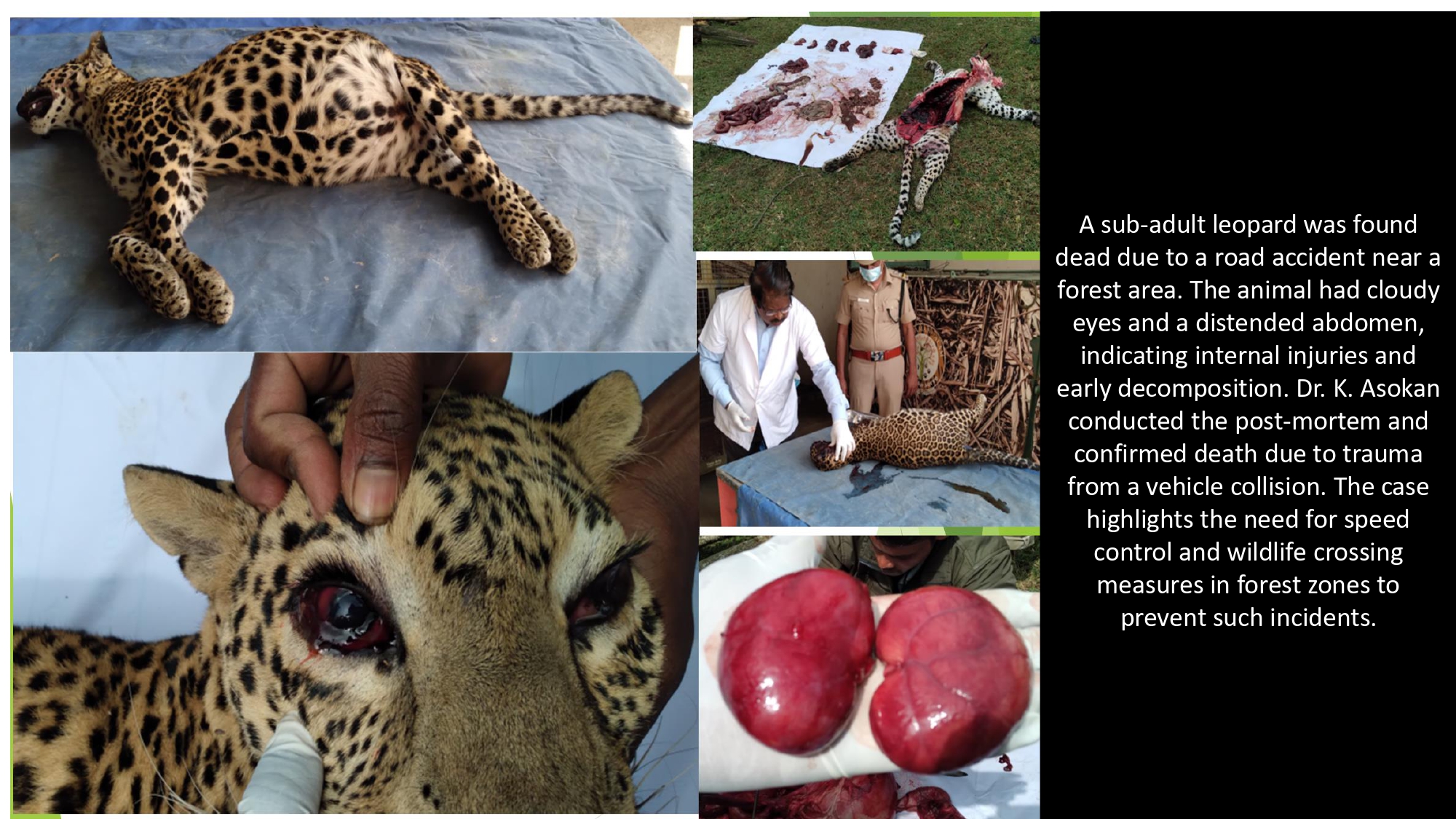
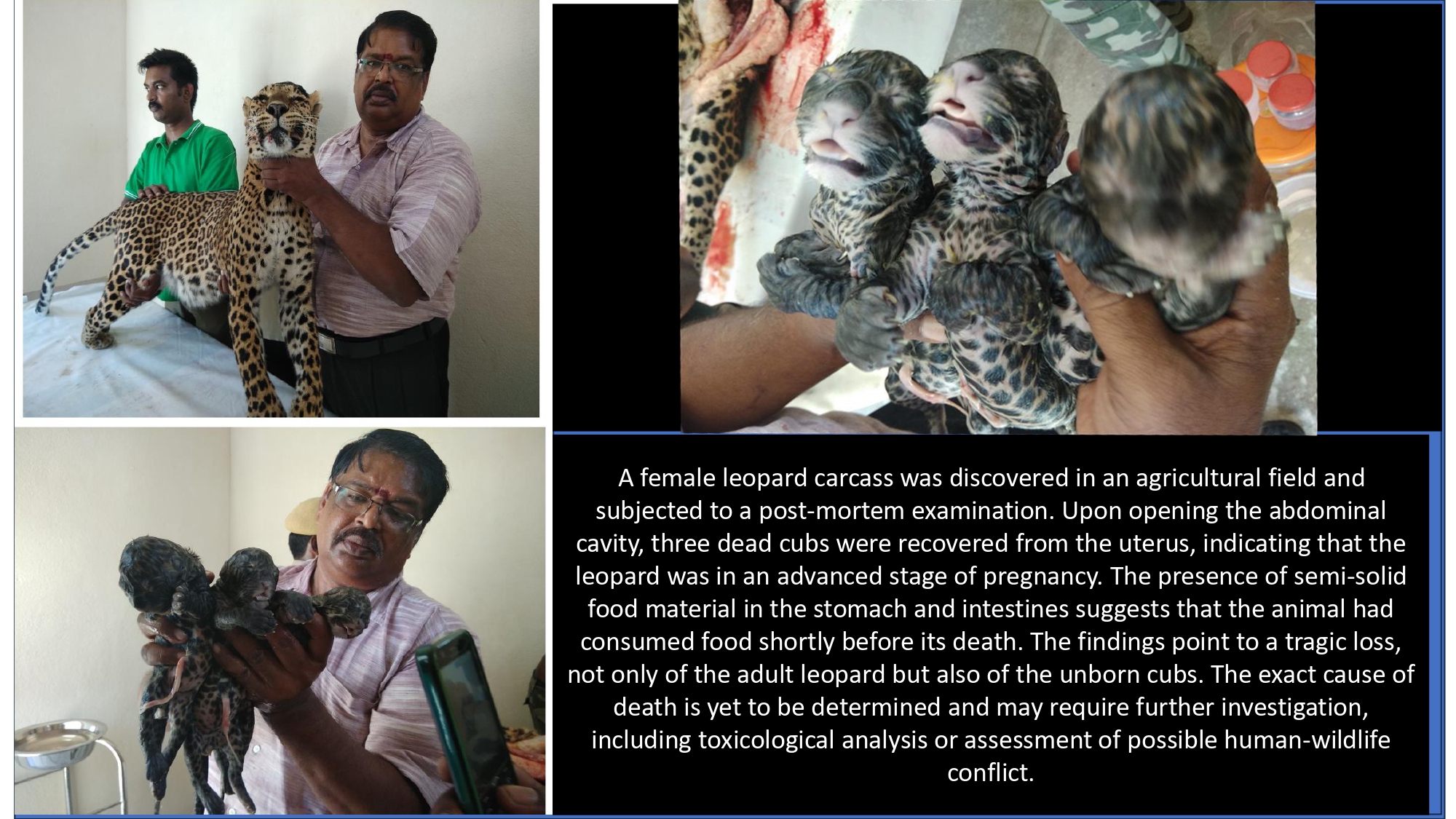
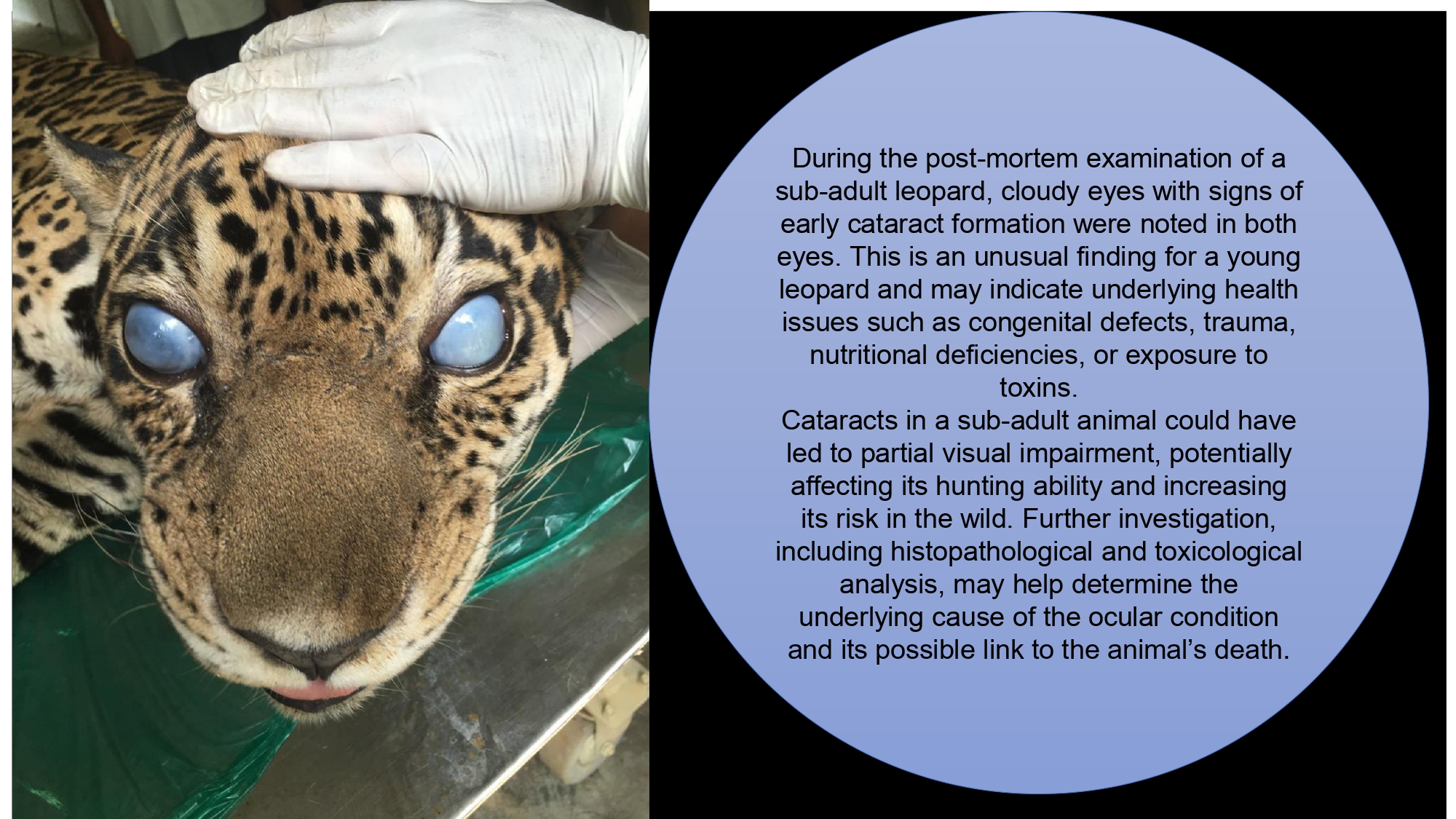
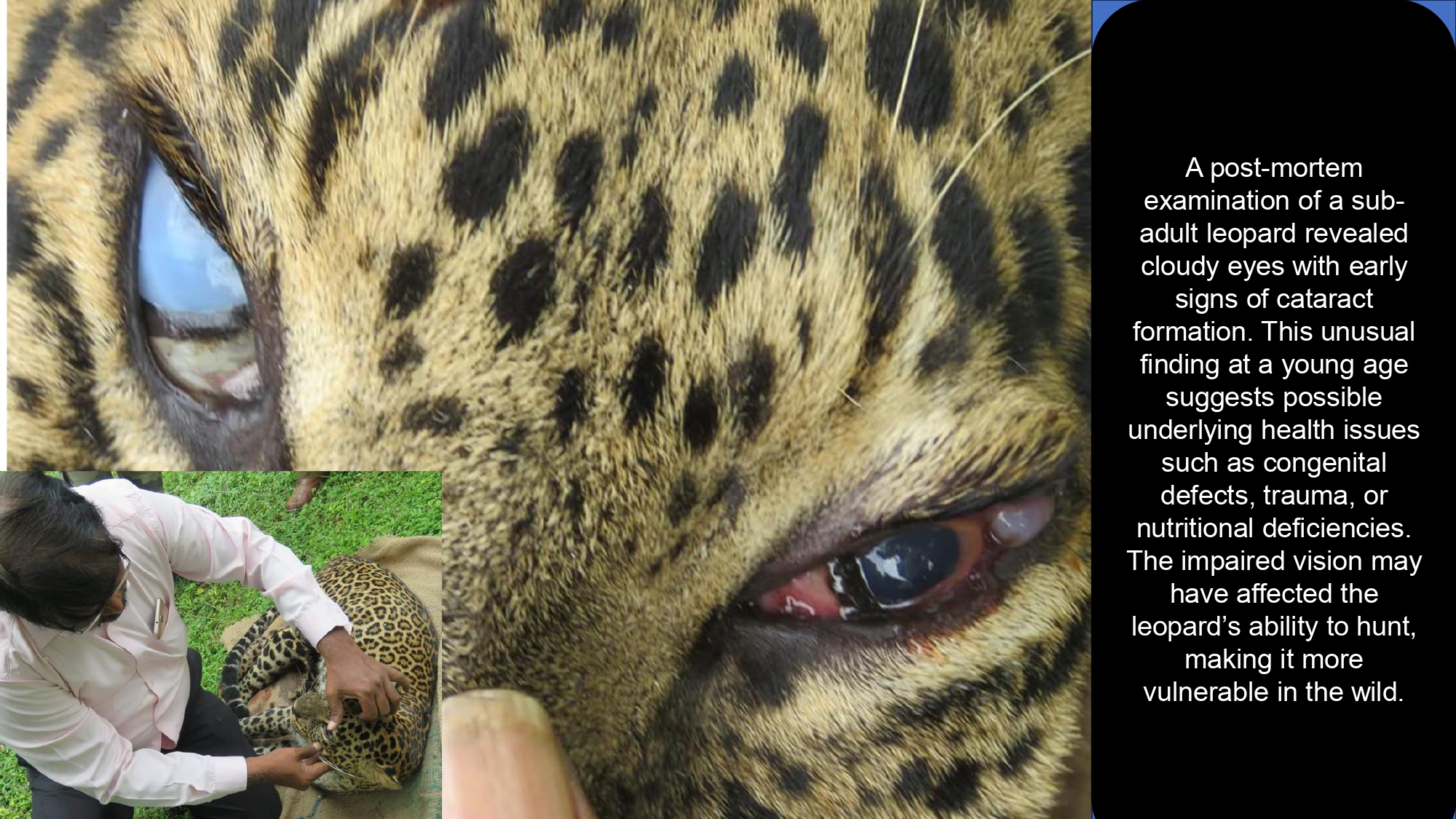
- Dr. Krishnamoorthy Asokan has contributed to wildlife health investigation through clinical examination and necropsy studies of leopards and tigers. His investigations focused on determining causes of illness and mortality, including infectious and parasitic diseases, traumatic injuries, organ dysfunction, and other pathological conditions. Systematic postmortem examination and documentation provided valuable evidence for wildlife disease surveillance, mortality investigation, preventive veterinary care, and evidence-based conservation and management of large carnivores.
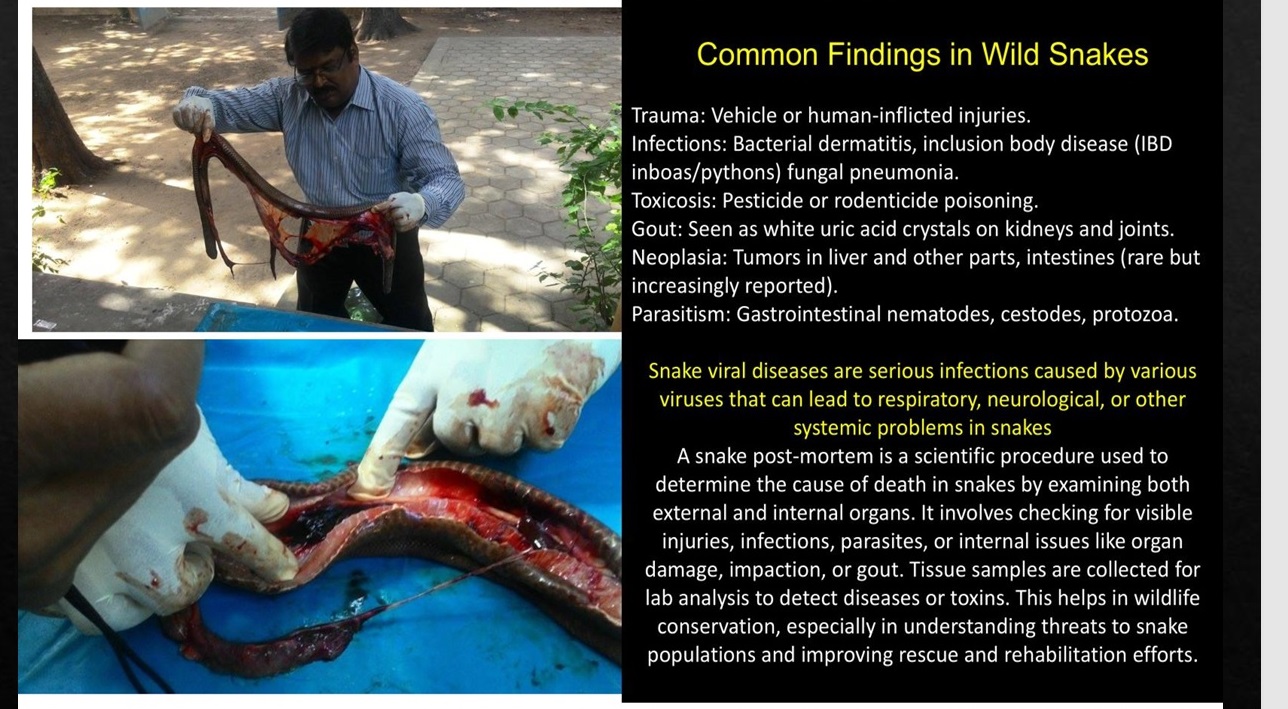
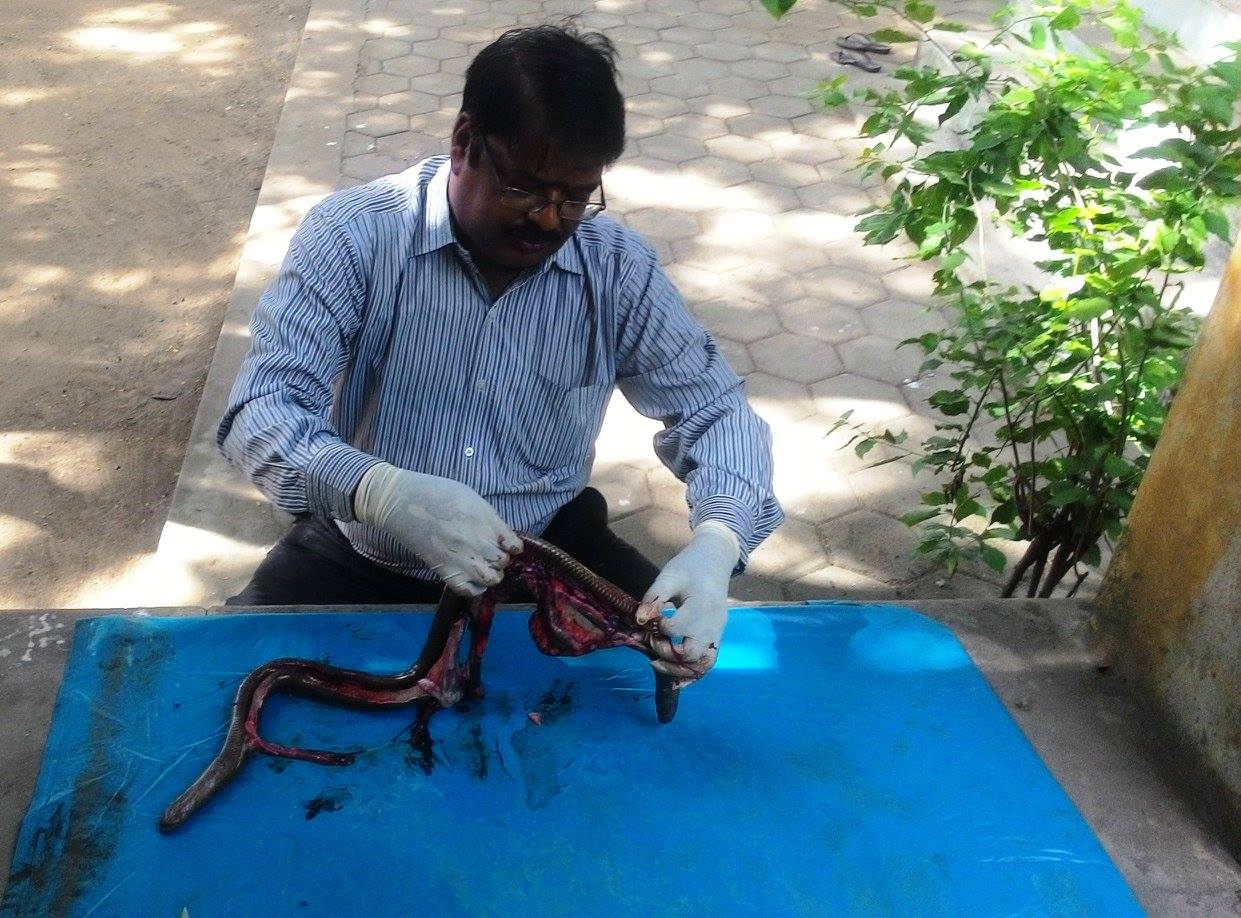
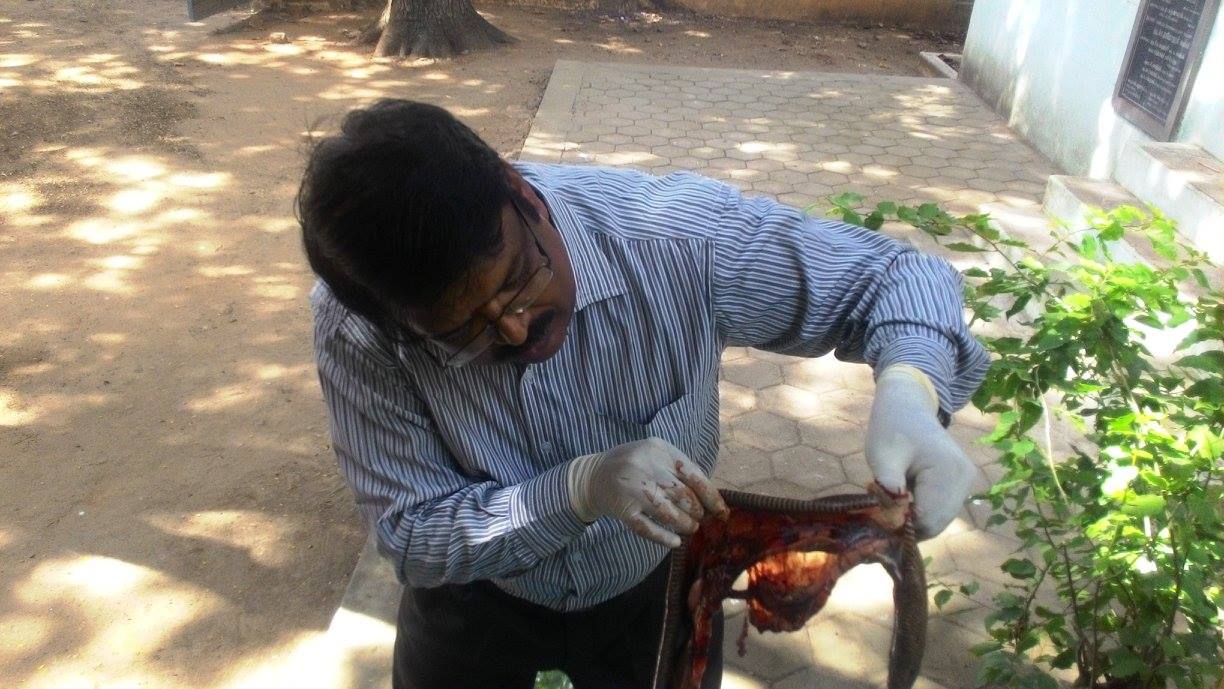
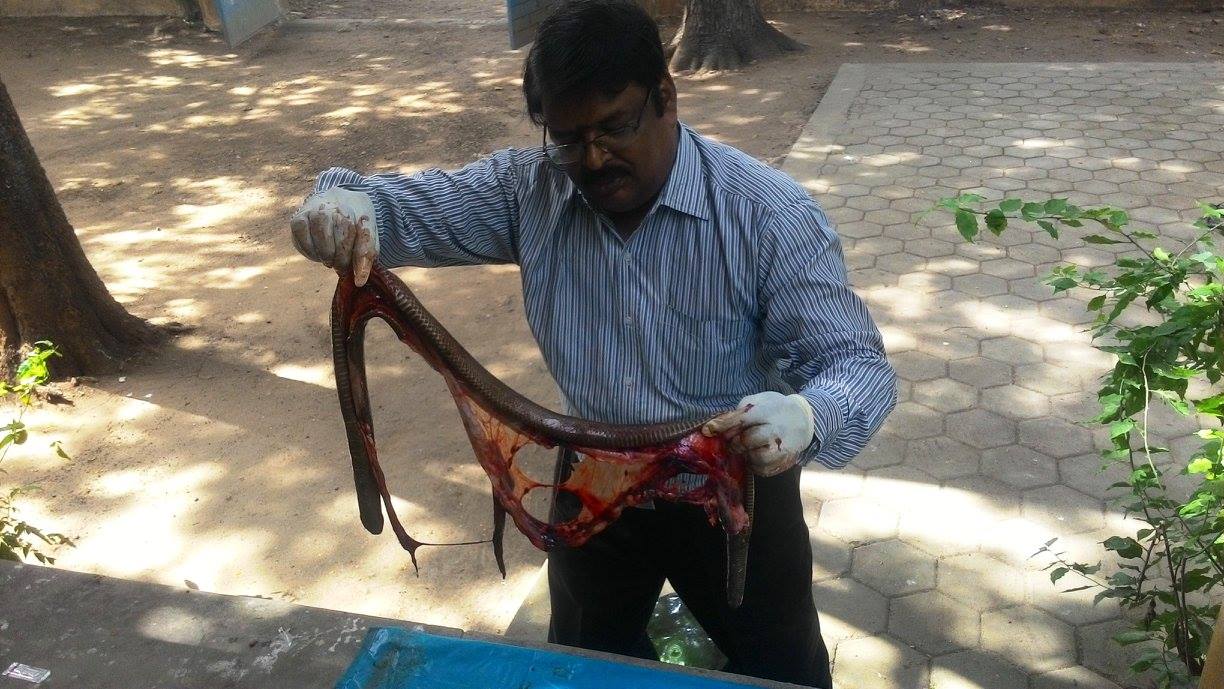
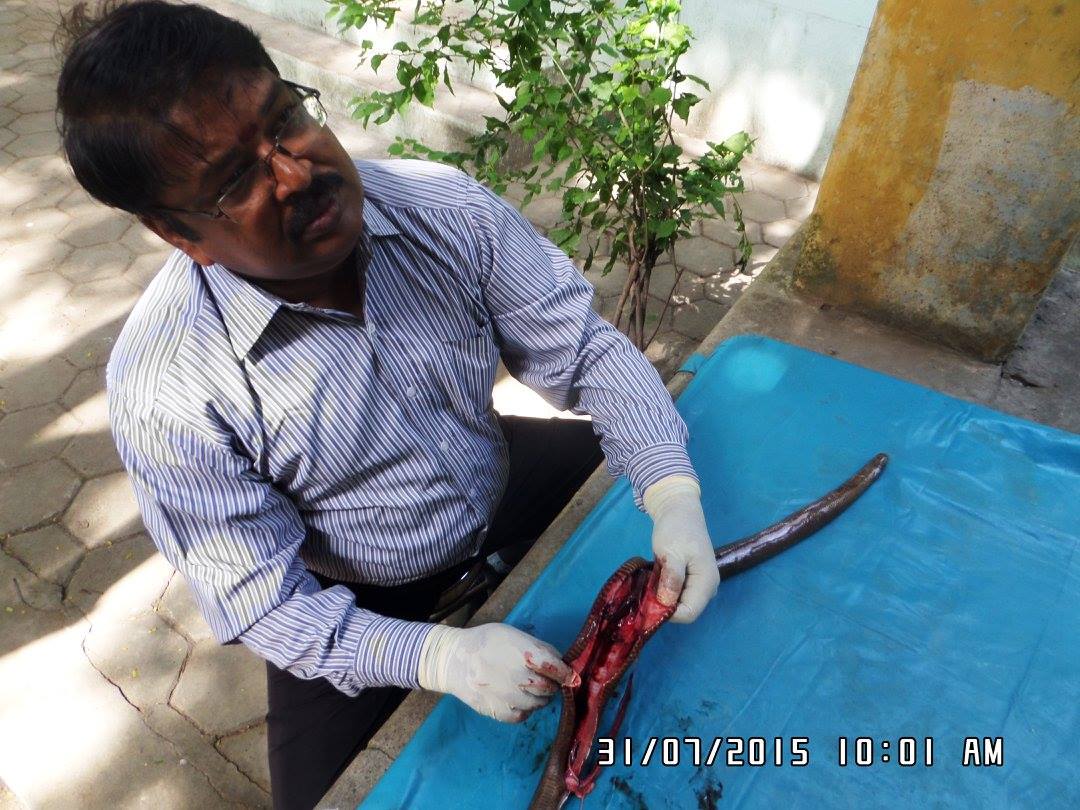
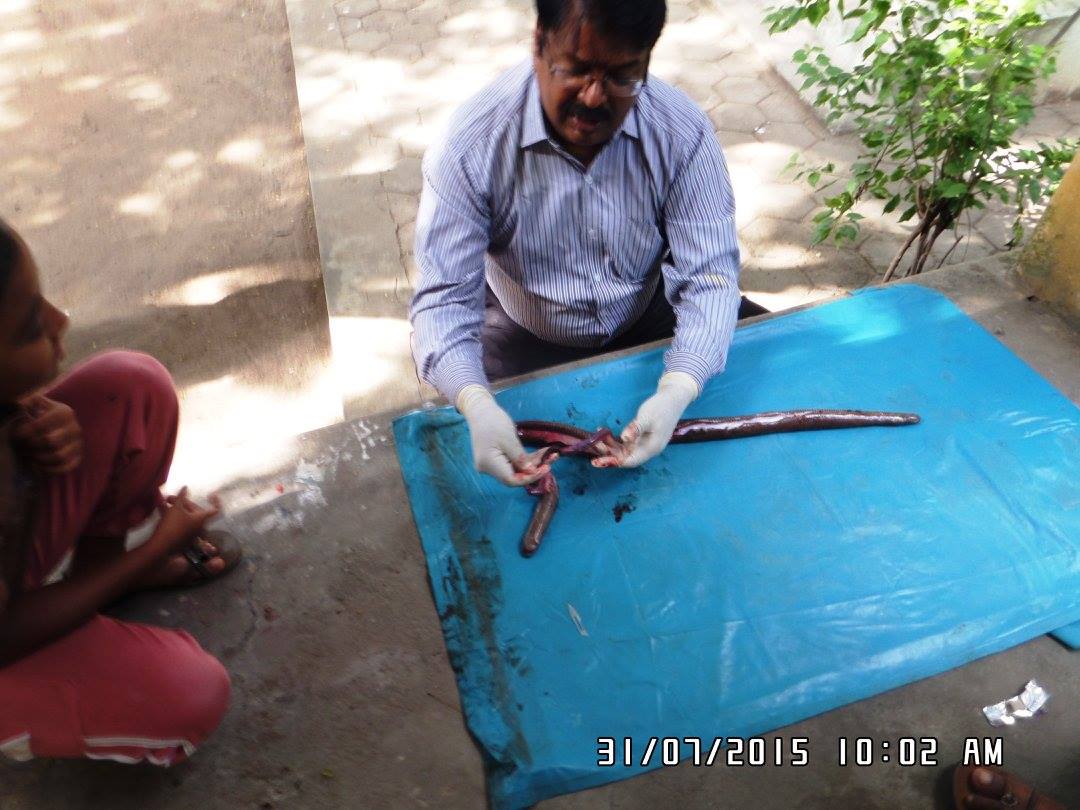
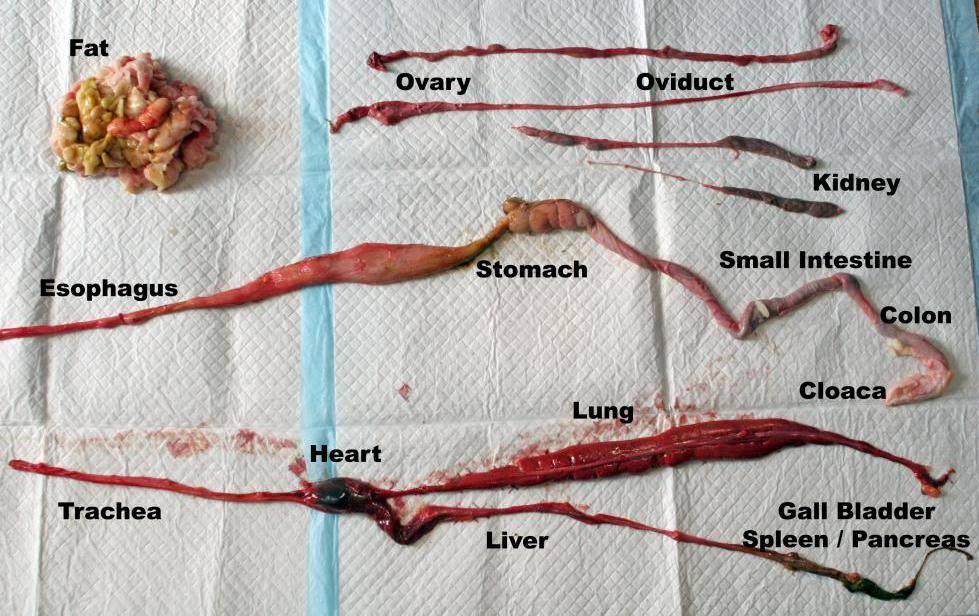
Snake Necropsy and Disease Investigation, Broken Teeth and Natural Replacement in Snakes
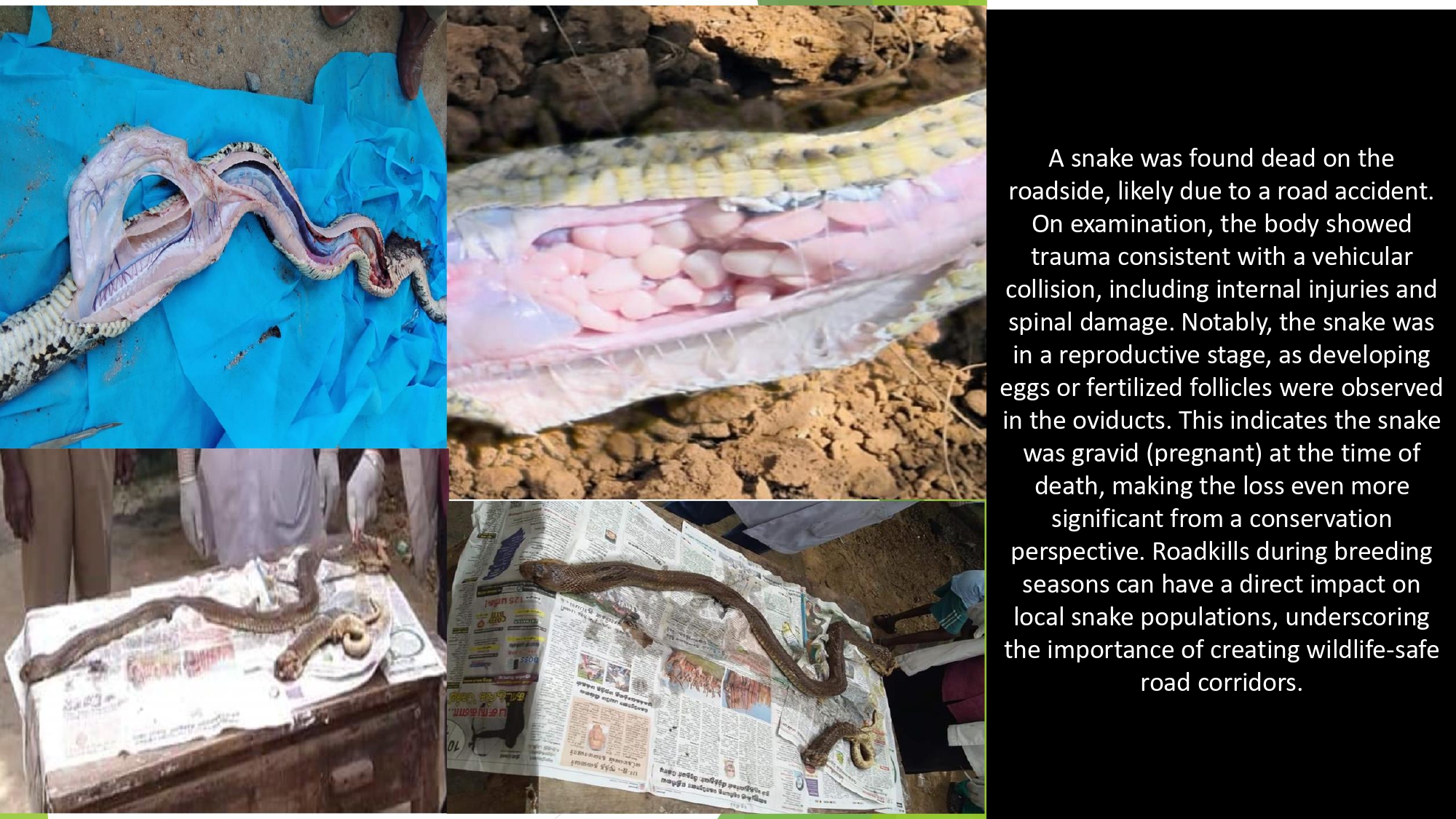
- Dr. Krishnamoorthy Asokan has contributed to snake mortality investigation through clinical examination and necropsy studies. His investigations have identified common causes of snake mortality, including dog bites, dehydration, starvation, road accidents, traumatic injuries, and deliberate killing by humans. These findings highlight the major threats faced by snakes due to human–wildlife conflict, habitat disturbance, and environmental stress. Systematic necropsy and documentation help improve snake rescue and rehabilitation, mortality surveillance, public awareness, and evidence-based snake conservation strategies.
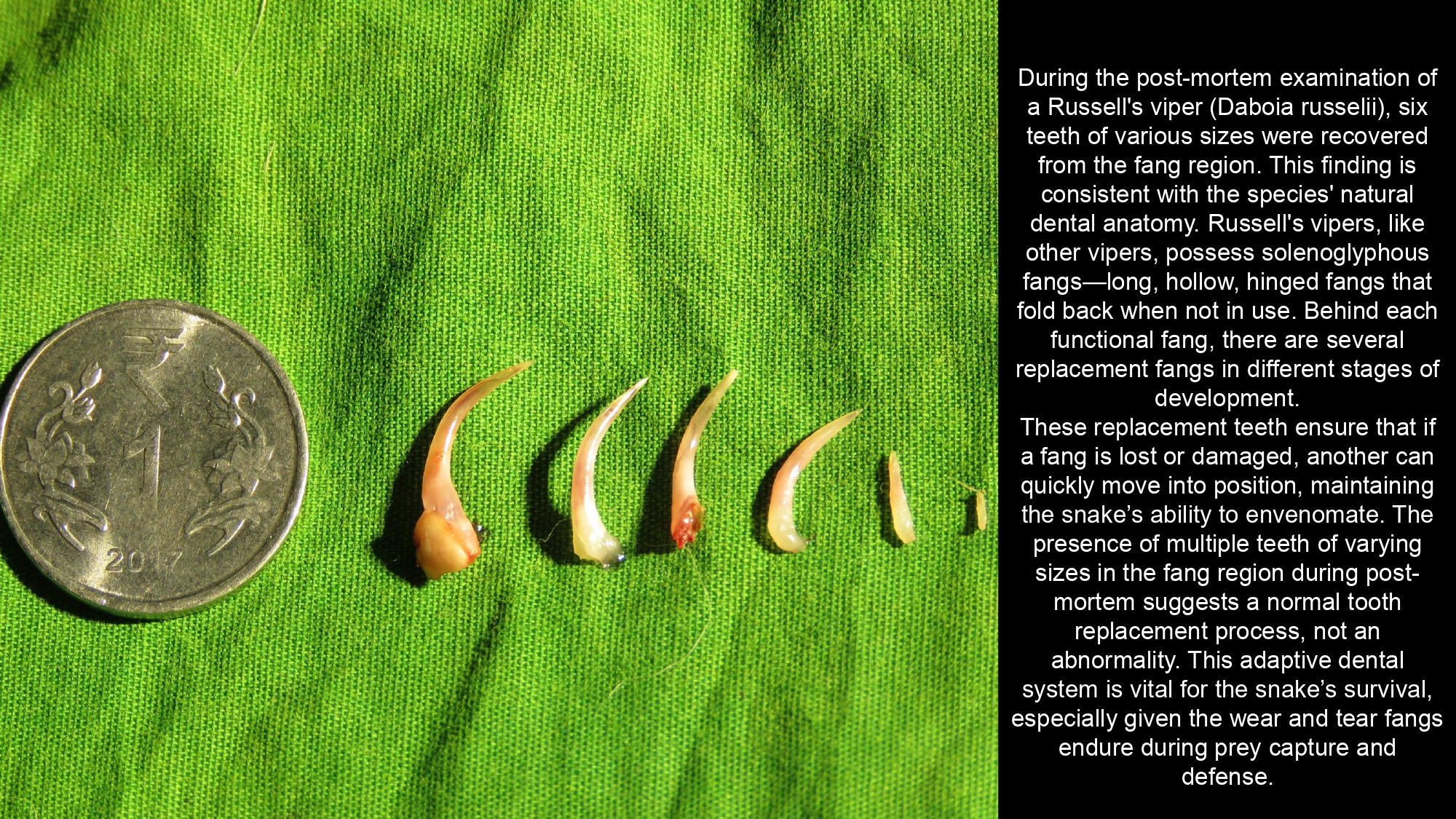
- Broken Teeth and Natural Replacement in Snakes
- Snakes have a remarkable ability to replace broken or lost teeth repeatedly throughout their lives. Replacement teeth develop continuously within the dental tissues, ensuring that damaged teeth can be replaced over time. However, if a broken tooth or its surrounding tissue becomes infected, develops an abscess, or suffers significant inflammation, the infection does not automatically disappear when a new tooth grows. Veterinary treatment may be required to control the infection and protect the jaw and surrounding tissues.
Peacock Necropsy and Mortality Investigation
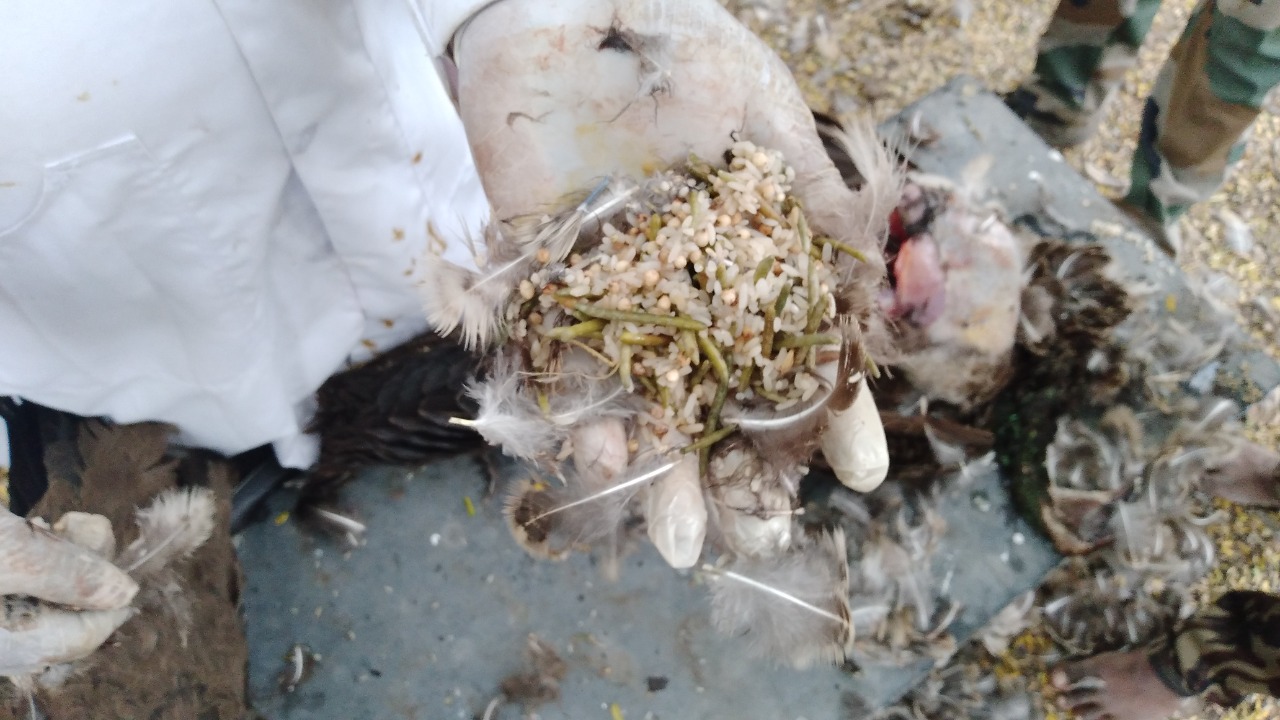
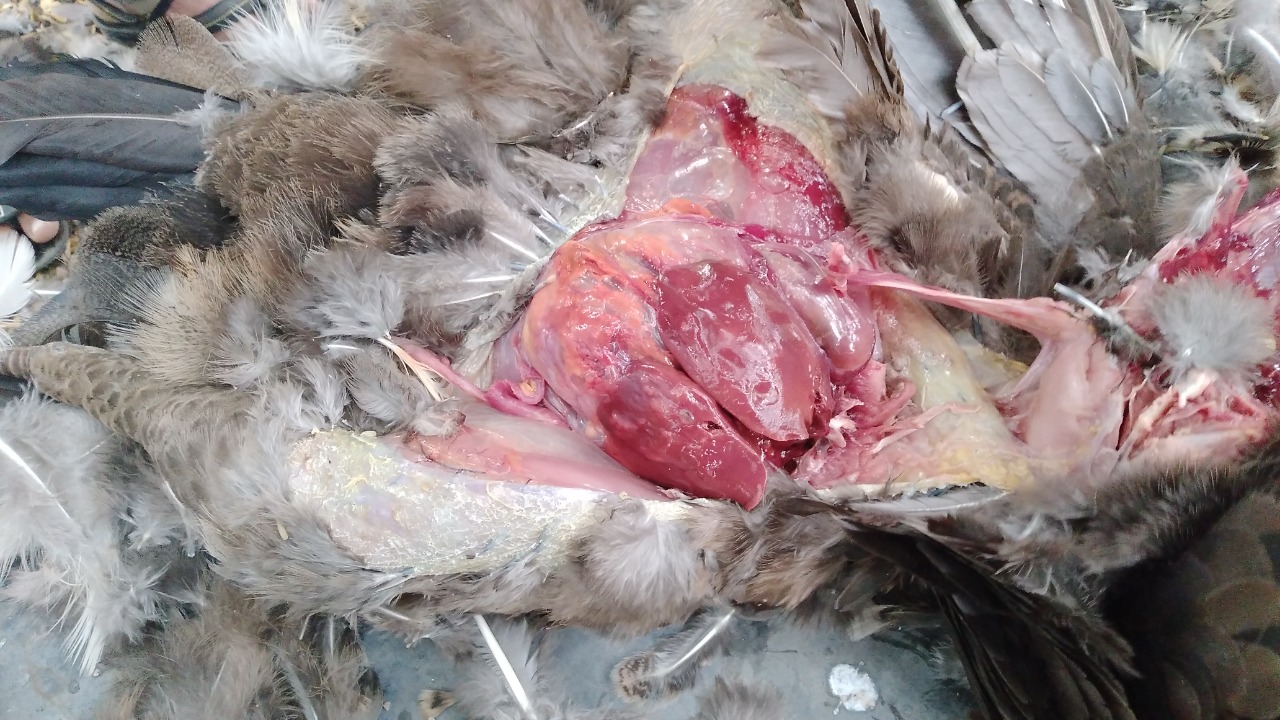
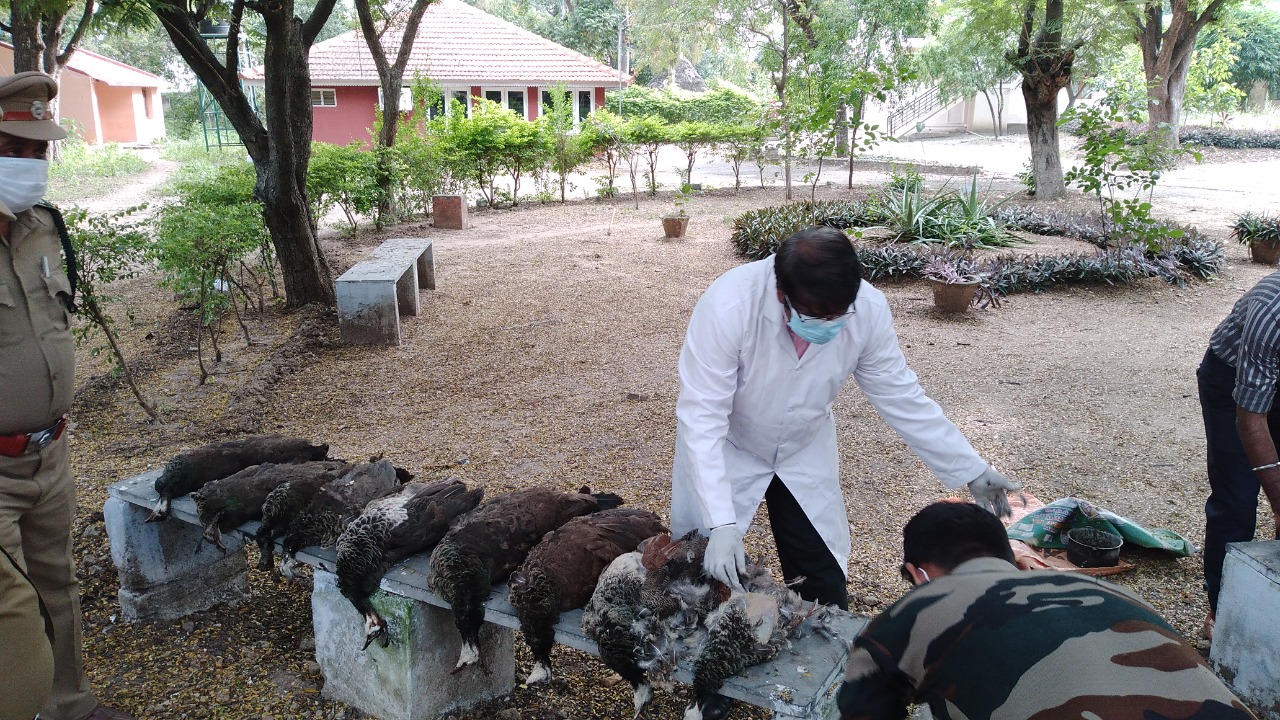
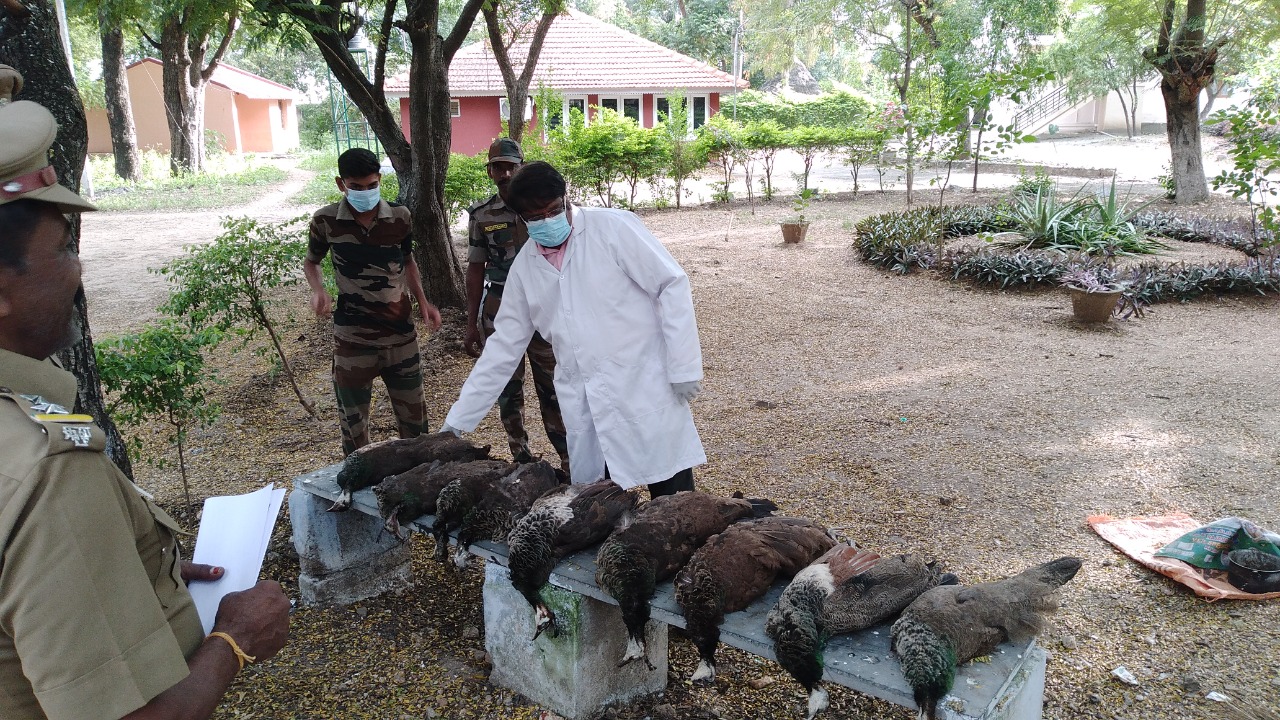
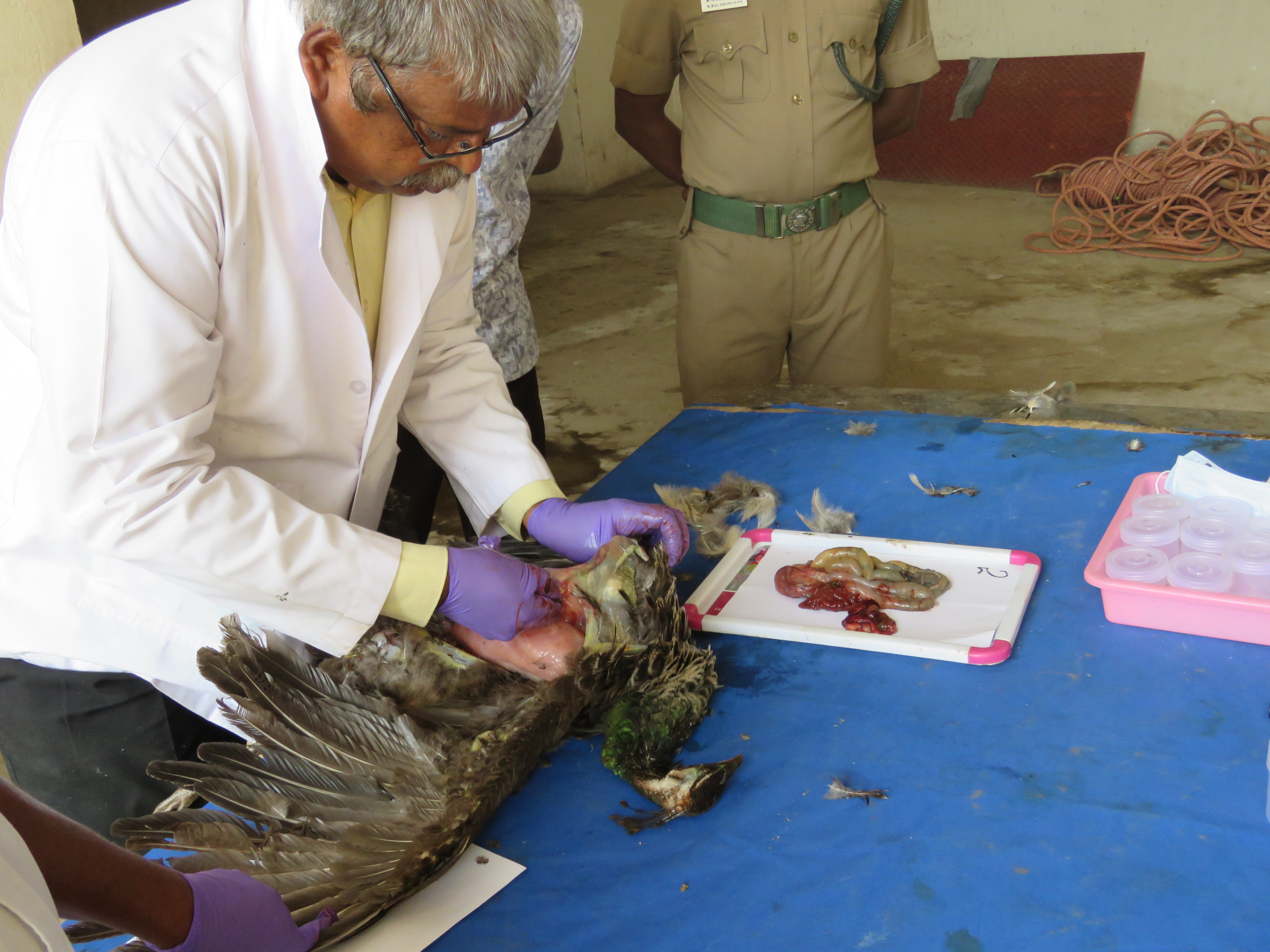
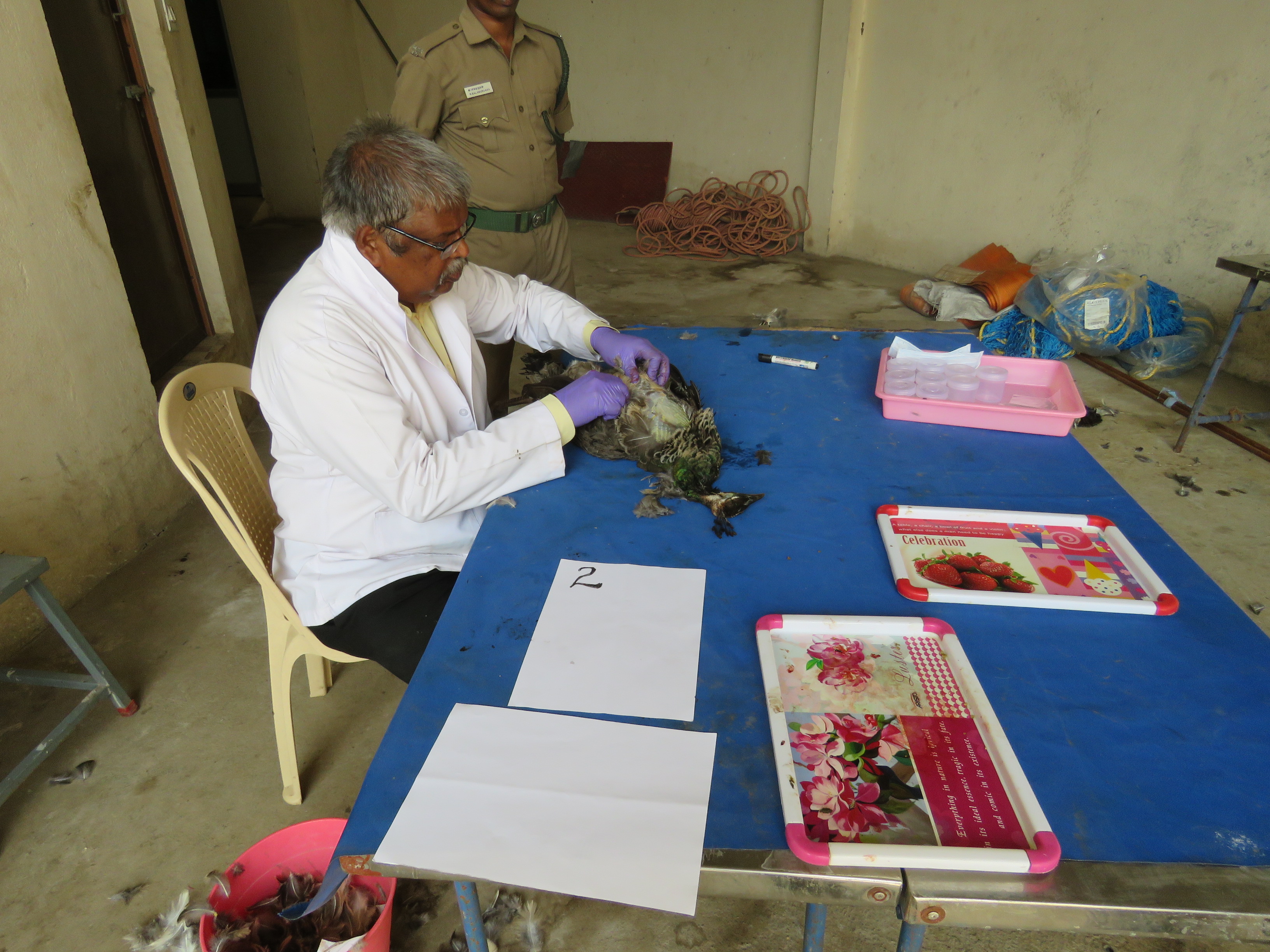
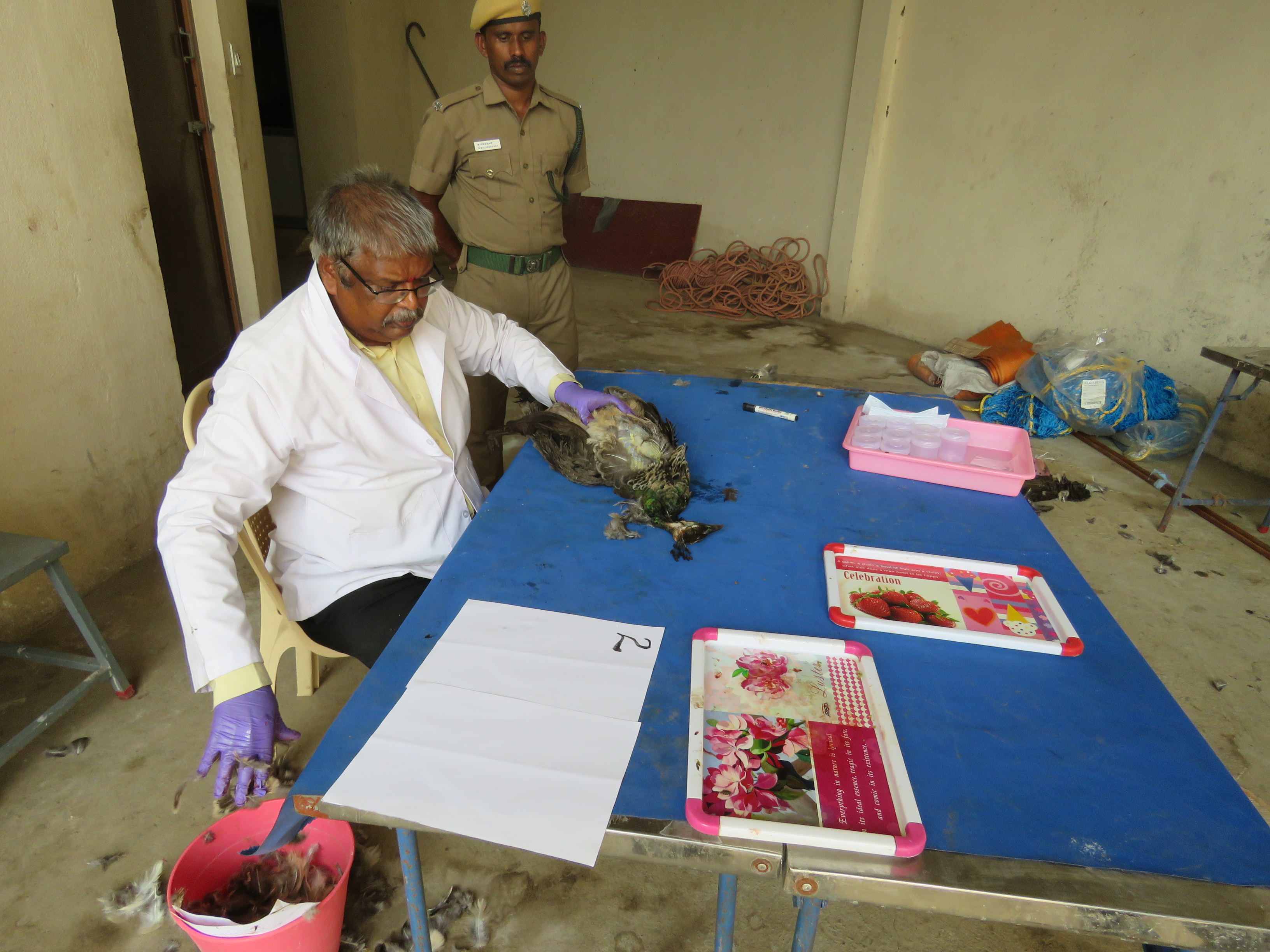
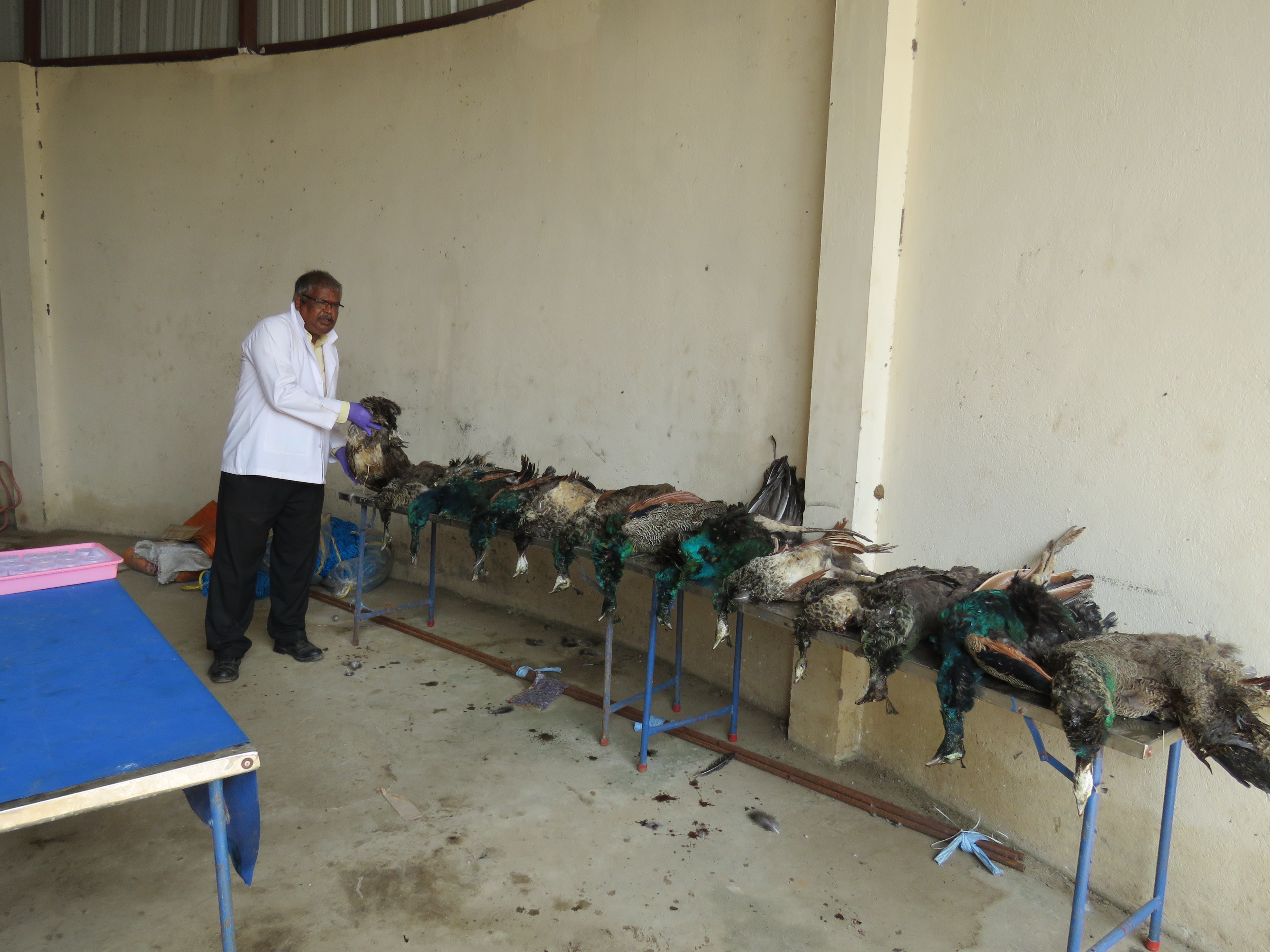
- Dr. Krishnamoorthy Asokan conducted necropsy investigations of peafowl to determine causes of mortality, including road accidents and suspected pesticide poisoning. Clinical history, external examination, internal organ findings, and appropriate sample collection helped identify trauma and possible toxicological causes. These investigations contributed to wildlife mortality surveillance, pesticide-threat assessment, and evidence-based conservation of peafowl populations.
Plastic Carry Bags and Mango Seeds: A Hidden Cause of Death in Deer and Sambar Deer
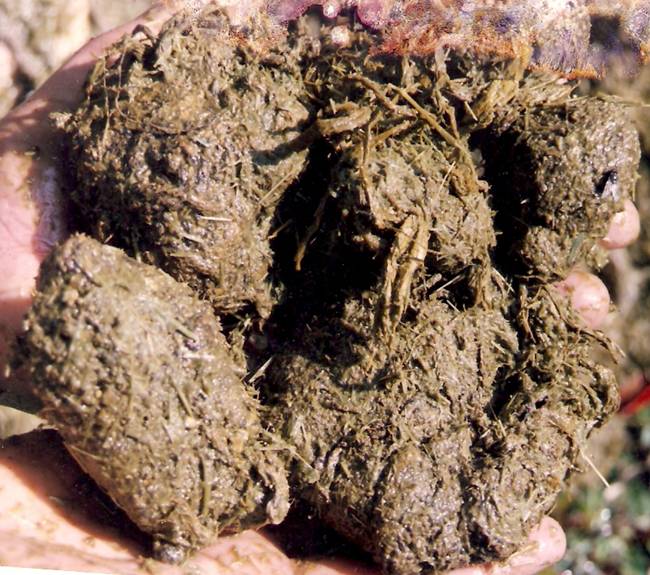
- Dr. Krishnamoorthy Asokan has highlighted the serious threat posed by plastic carry bags and indigestible food materials such as mango seeds to deer, sambar deer, and other wild mammals. Animals may accidentally swallow plastic bags or large hard seeds while feeding in zoo enclosures, near human settlements, or in polluted forest habitats. These foreign materials can accumulate in the stomach or rumen, causing digestive obstruction, ruminal impaction, bloat, starvation, severe weakness, and eventually death. Plastic ingestion is a recognized cause of fatal ruminal impaction in wild ruminants, and documented cases include deer and captive sambar deer
- The prevention of such deaths requires strict control of plastic waste, prohibition of visitor feeding, proper disposal of food waste, and regular cleaning of zoo and wildlife habitats. India's Central Zoo Authority specifically warns that plastic bags thrown into animal enclosures can be swallowed and may cause fatal digestive obstruction