Wildlife Toxicology – Protecting Animals & Ecosystems
- Wildlife toxicology is essential for identifying, diagnosing, and preventing poisoning and chemical-related diseases in wild animals. Wild animals may be exposed to pesticides, rodenticides, poisonous plants, contaminated food and water, heavy metals, plastics, and other environmental pollutants. Toxicological investigation helps veterinarians determine the cause of illness or sudden death, particularly during wildlife post-mortem examinations. It also helps identify pollution threats, protect endangered species, understand toxin movement through the food chain, and develop measures to prevent repeated wildlife mortality. Thus, wildlife toxicology plays an important role in wildlife disease investigation, environmental monitoring, conservation, and protection of ecosystem health.
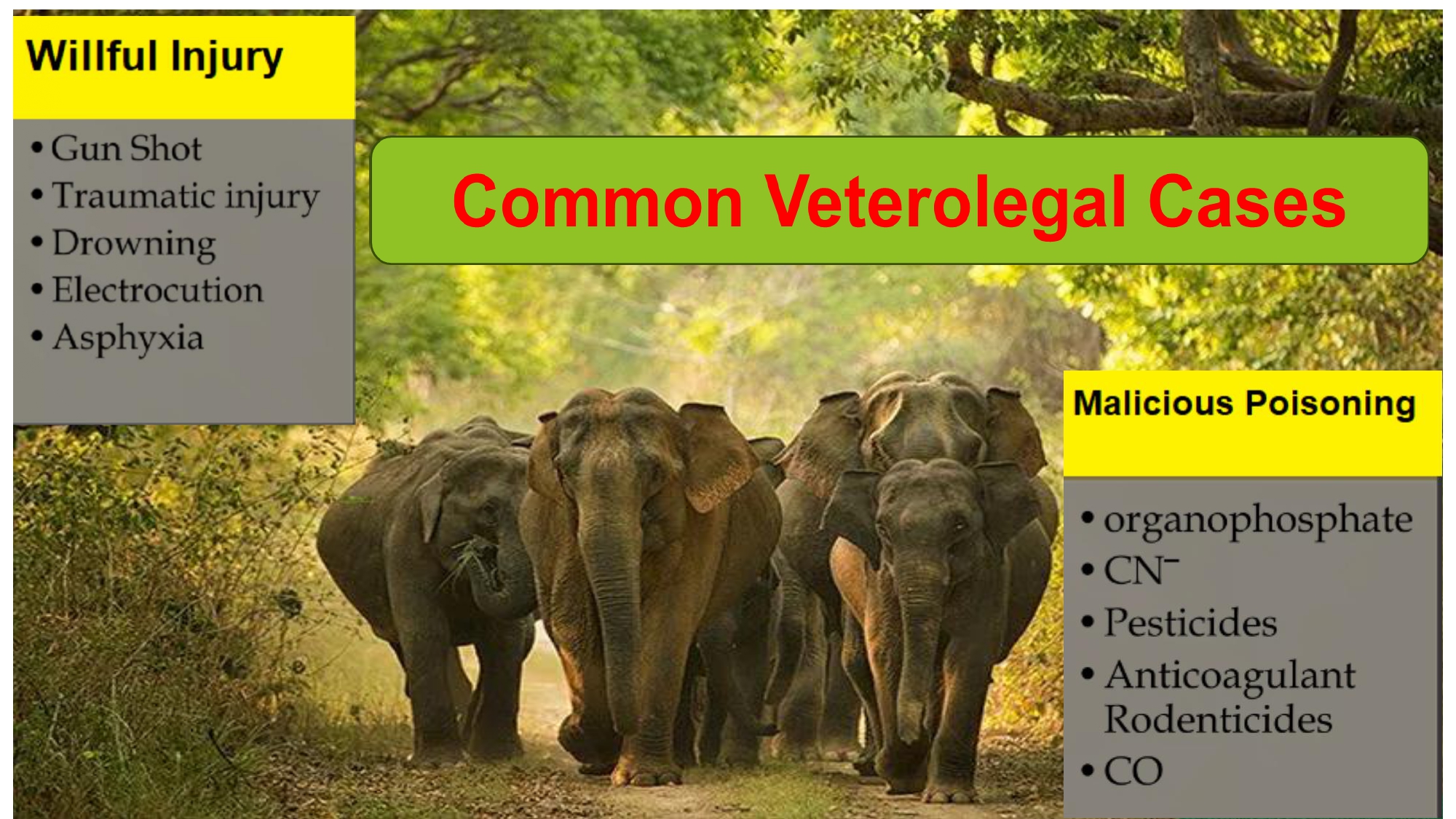
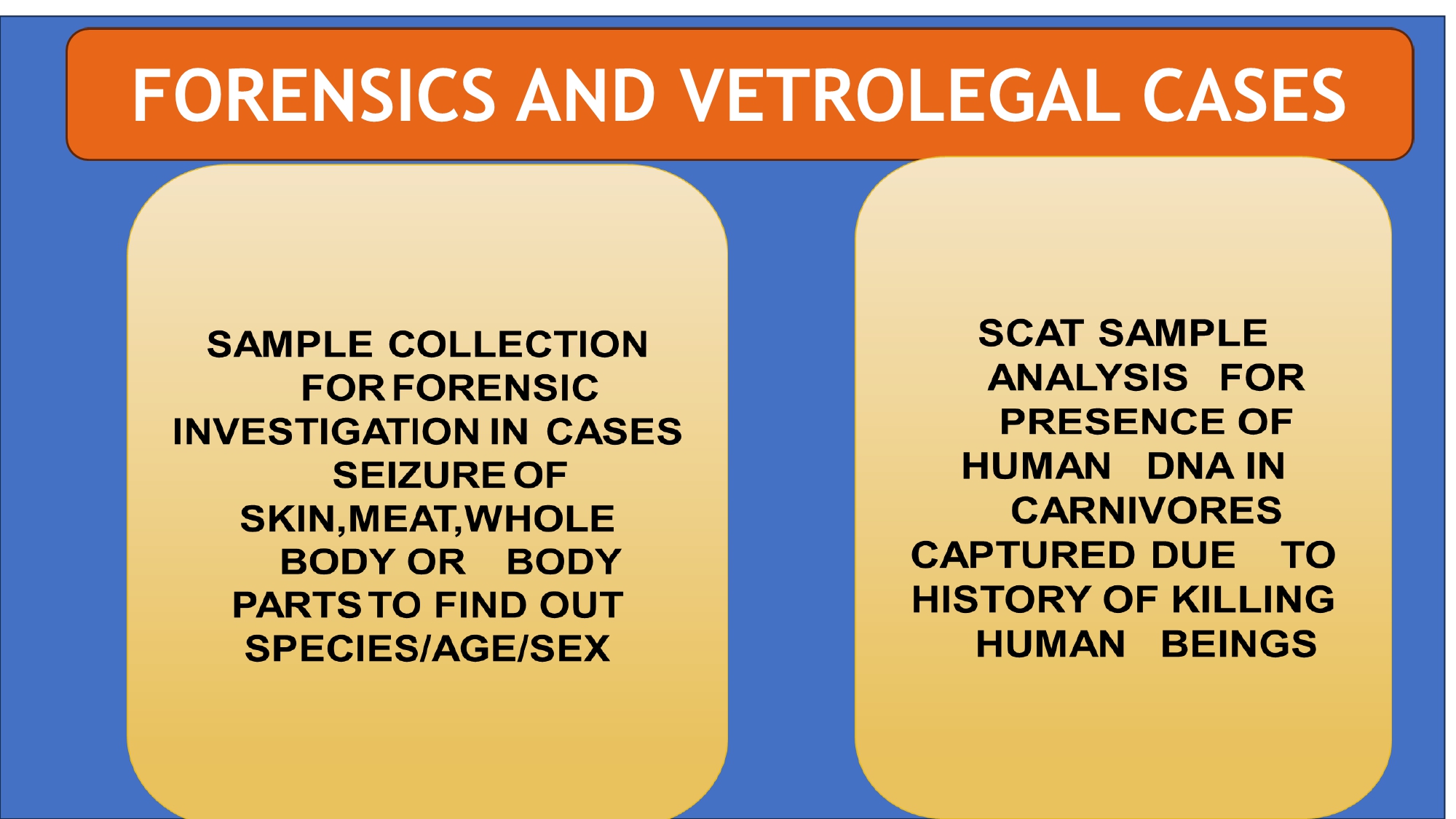
Wildlife Mortality Investigation: Clinical Examination, Necropsy & Toxicological Evidence”
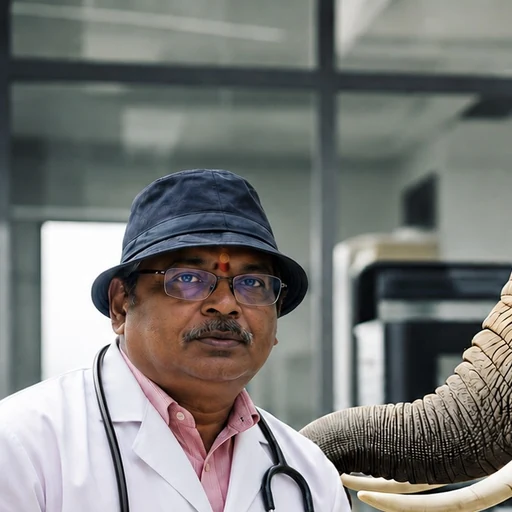
- Dr. Krishnamoorthy Asokan has conducted more than 500 wildlife necropsies on Asian Elephants, Indian gaur, Tigers, Leopards, Sloth Bears, Deer, Reptiles, Birds, and other wild animal species. His investigations identified major causes of mortality, including pesticide poisoning, electrocution, gunshot injuries, infectious diseases, plastic ingestion, parasitic diseases, road accidents, snare injuries, and human–wildlife conflict. His forensic examinations also documented severe oral and facial injuries caused by locally manufactured explosive bait devices used illegally to kill or injure wildlife. During his tenure at Mudumalai Wildlife Sanctuary and National Park (1996–2000),
- Dr. Asokan documented a confirmed case of organophosphorus pesticide poisoning in a wild elephant in 1998, making an important contribution to wildlife toxicology and forensic veterinary medicine. His clinical investigations, necropsy findings, and toxicological analyses have strengthened wildlife disease surveillance, forensic investigations, biodiversity conservation, and evidence-based wildlife management by identifying preventable threats and supporting effective conservation strategies.
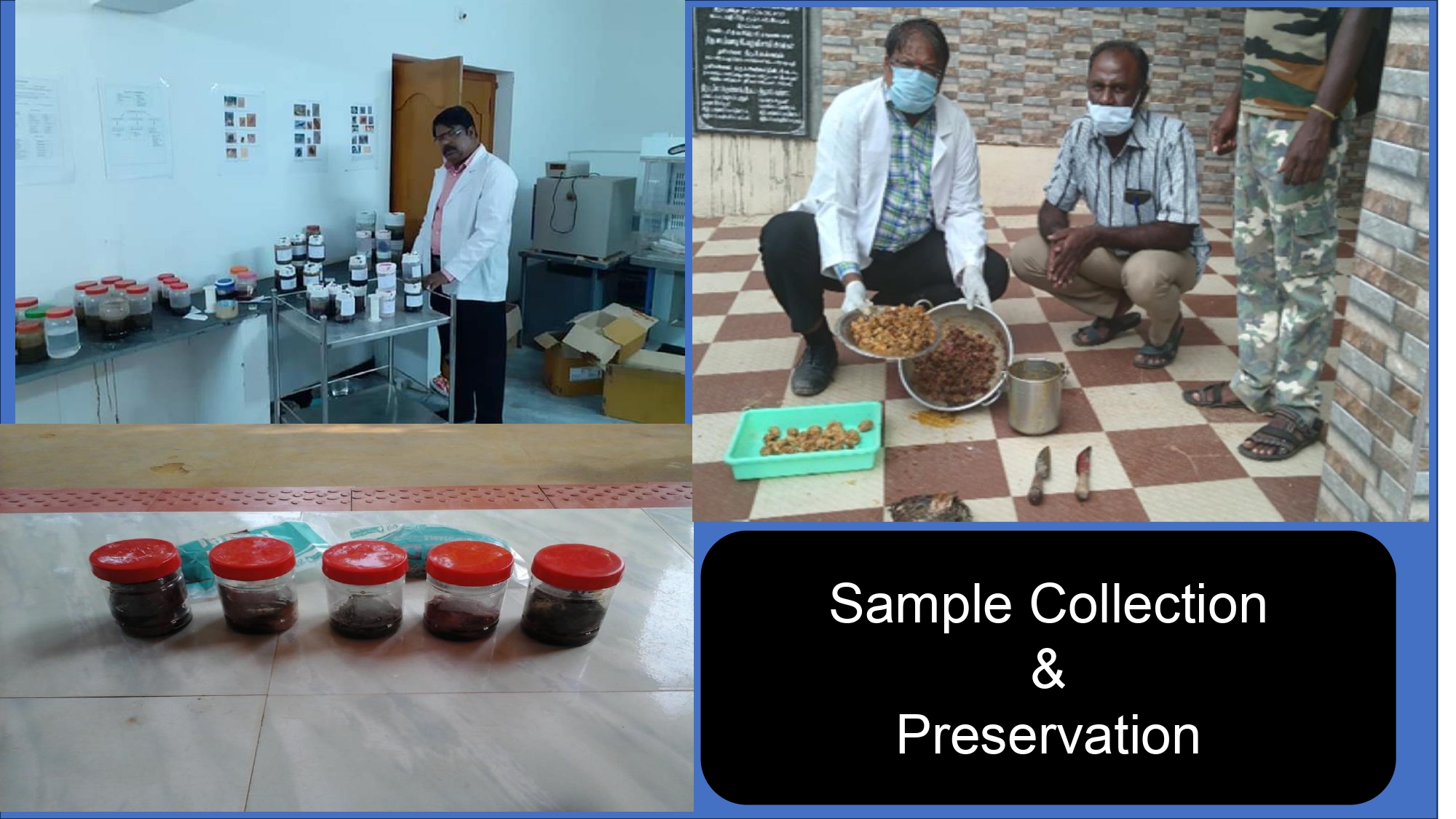
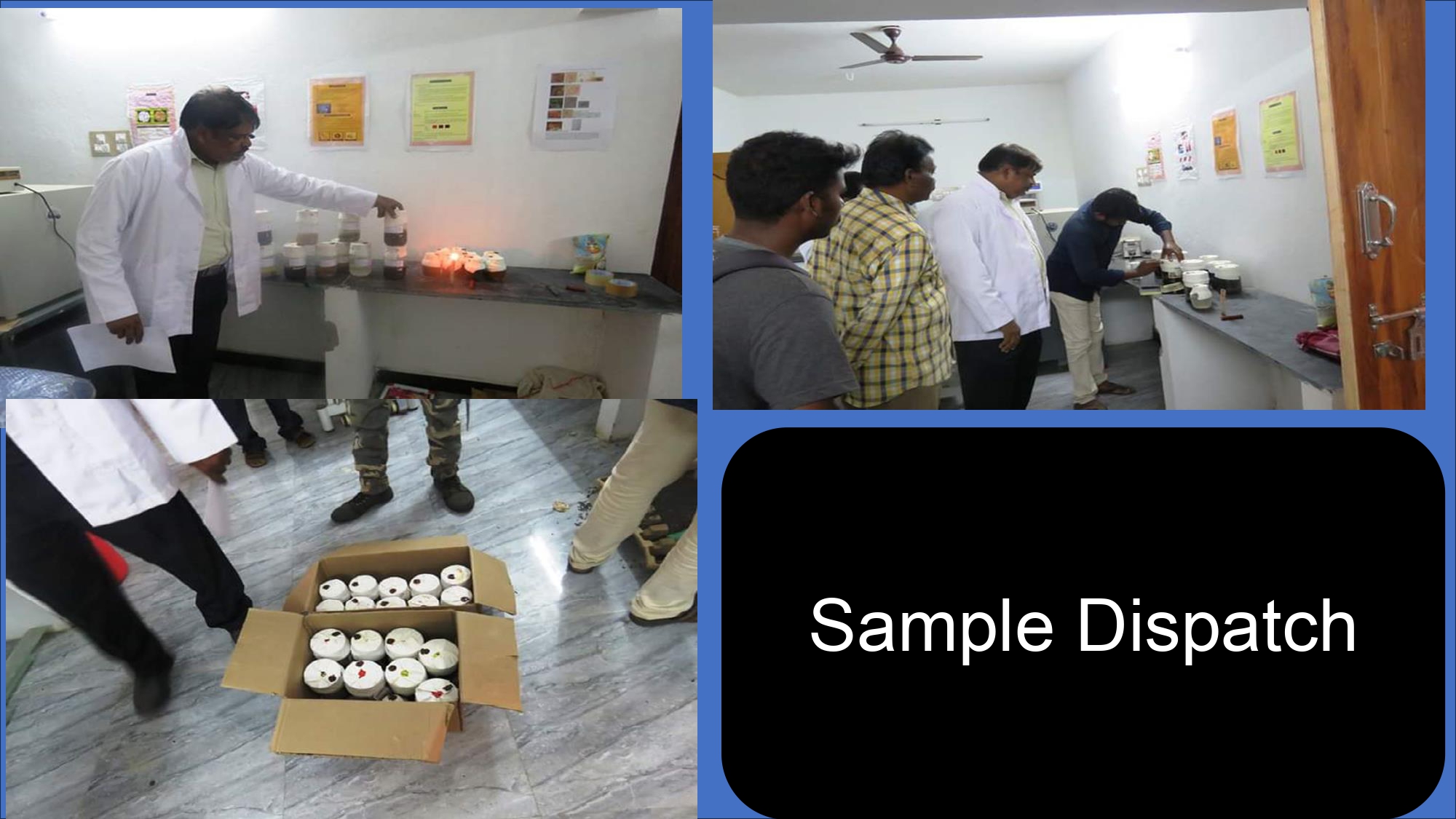
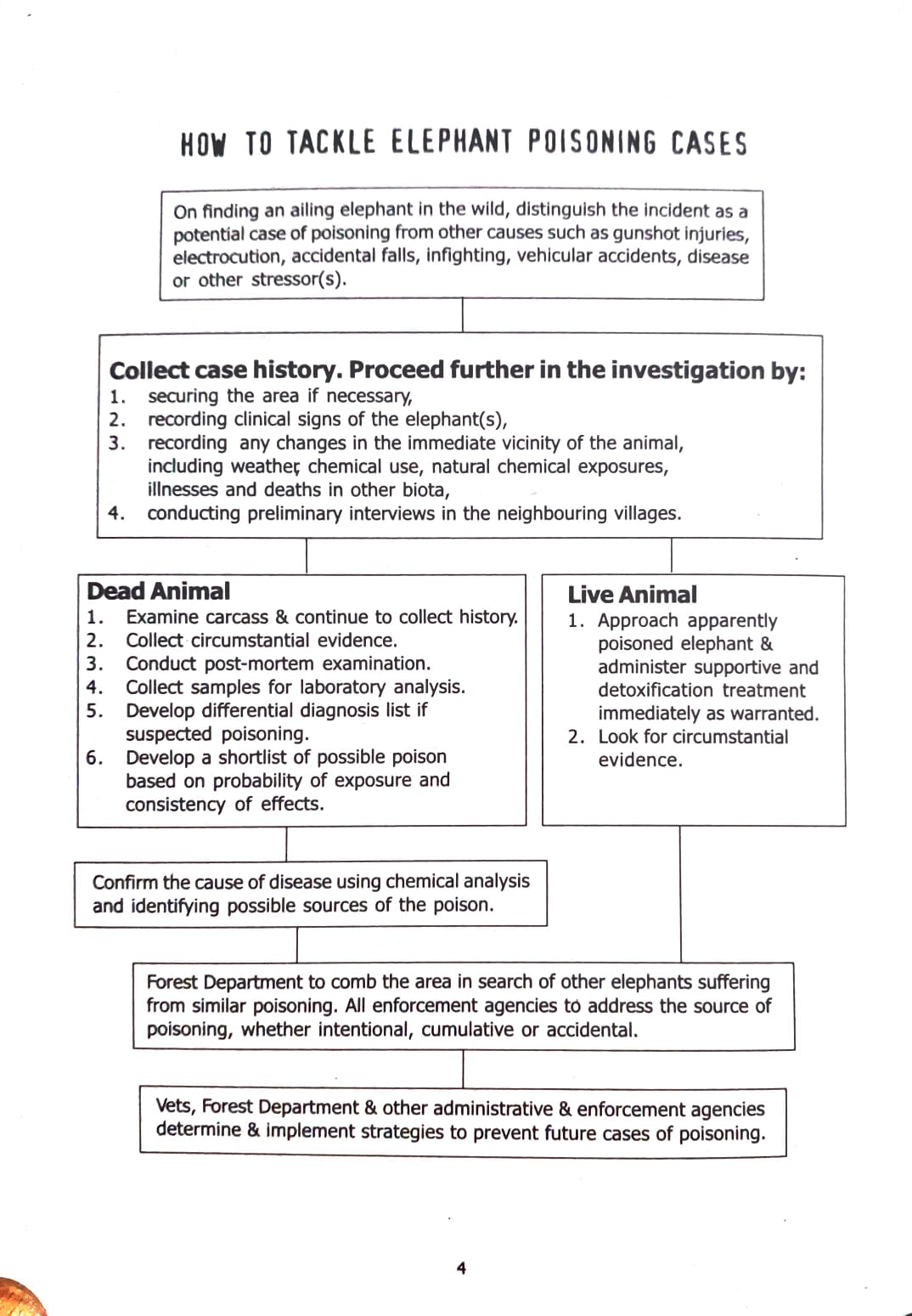
Confirmed Wildlife Toxicology Case: Organophosphorus Poisoning in a Wild Elephant
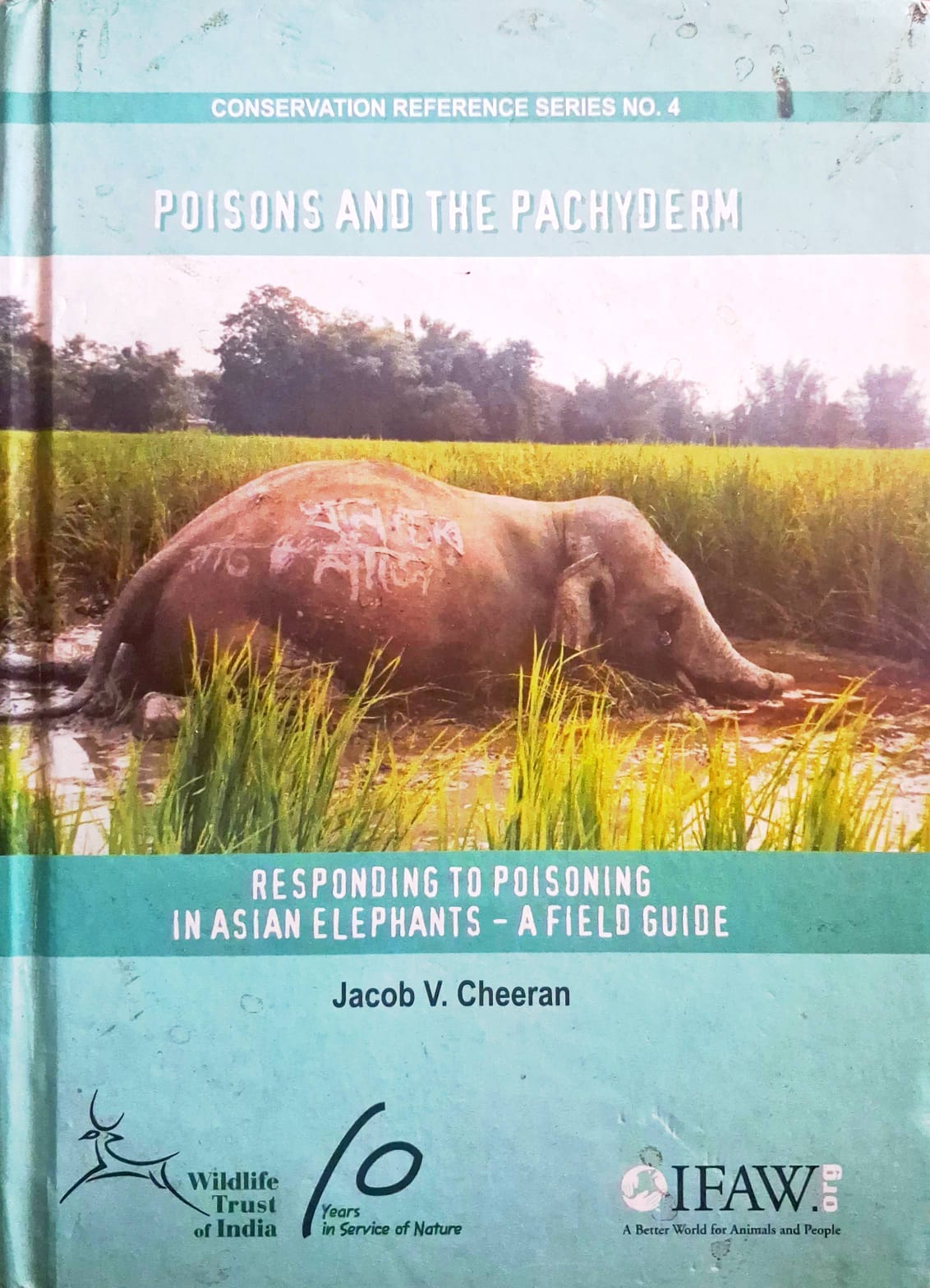
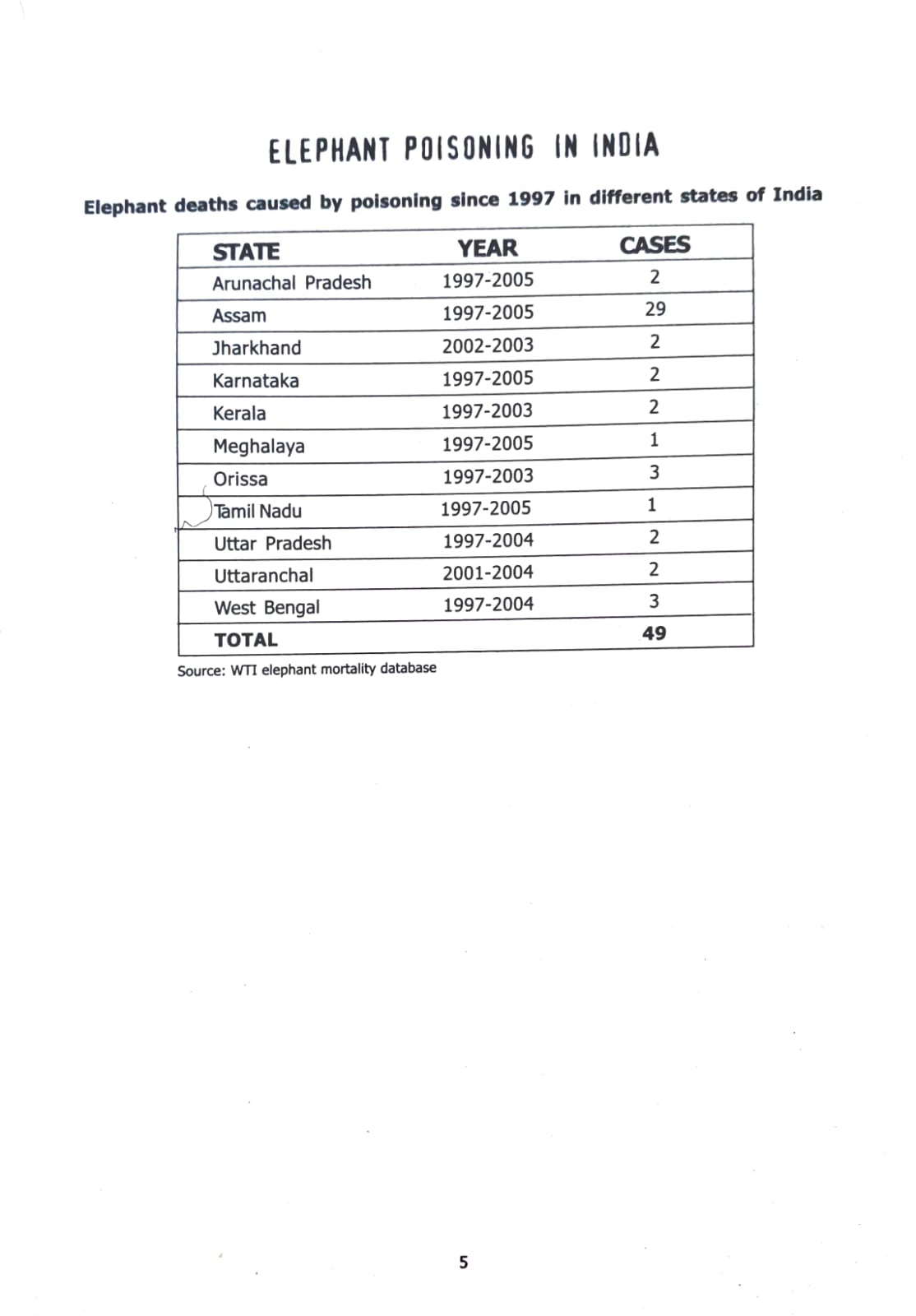
- Dr. Krishnamoorthy Asokan documented a confirmed case of organophosphorus pesticide poisoning in a wild elephant in 1998, recorded under RT 2784/98, Tex.C.6/98. The case represents an important contribution to wildlife toxicology and forensic veterinary medicine. The investigation involved clinical observations, necropsy findings, and toxicological analysis to establish poisoning as the cause of mortality. The case is also consistent with the broader documentation of elephant poisoning in India. “Poison and Pachyderm: Responding to Poisoning in Asian Elephants – A Field Guide” by Jacob J. Cheeran references elephant poisoning incidents in India, including Tamil Nadu during 1997–2005, with one elephant death attributed to poisoning. Dr. Asokan’s investigation demonstrates the importance of veterinary forensic approaches in wildlife mortality. Clinical investigation, systematic necropsy, sample collection, and toxicological analysis can help identify preventable causes of death and provide evidence for wildlife disease surveillance and management. This work contributes to wildlife disease surveillance, forensic veterinary investigations, biodiversity conservation, and evidence-based wildlife management, particularly by identifying anthropogenic threats such as pesticide poisoning and supporting strategies to prevent similar wildlife deaths.
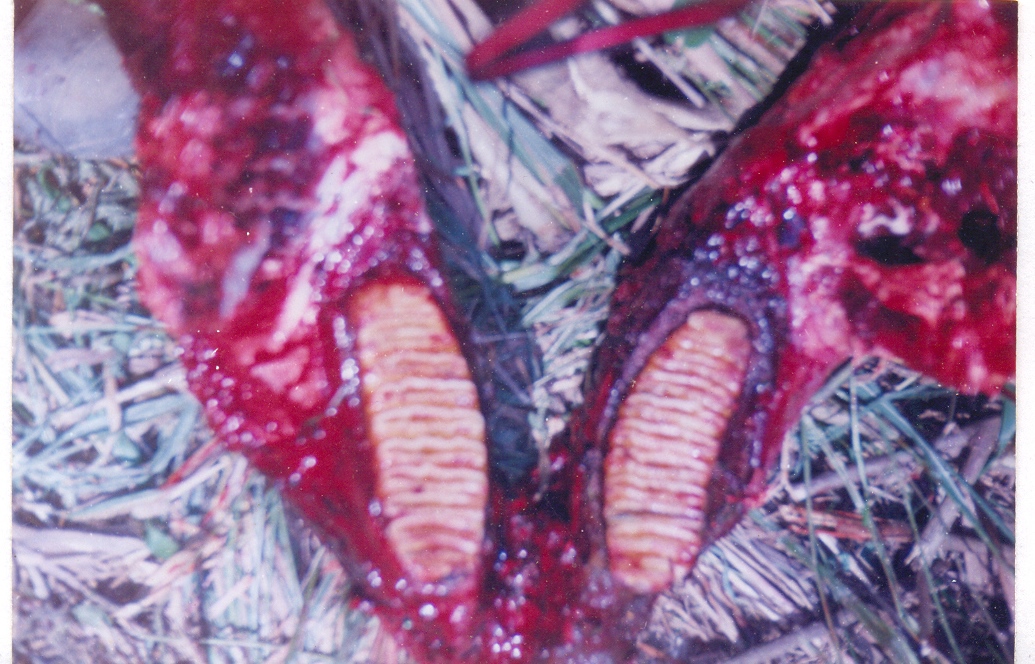
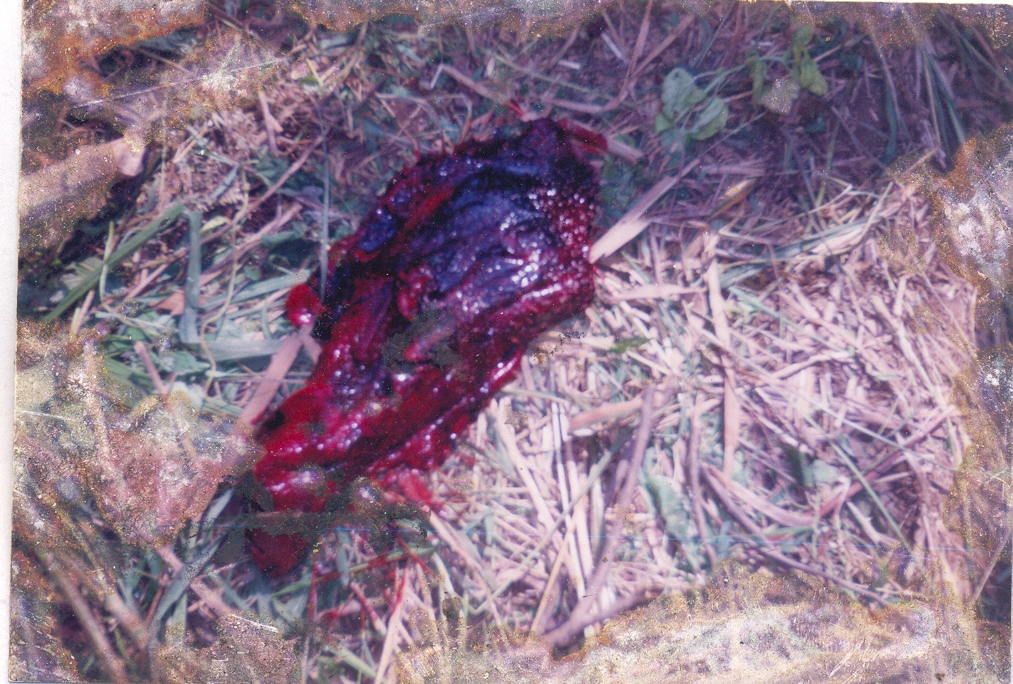
Human–Wild Elephant Conflict: Explosive Bait Injuries in Elephants
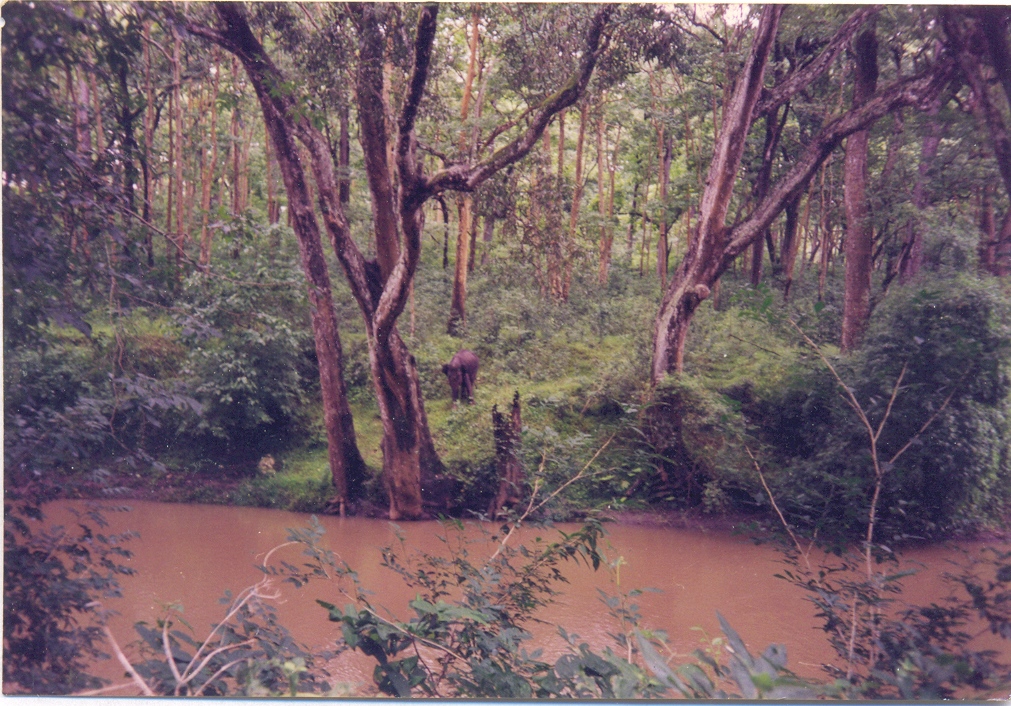
- During the 1996–2000 period in the Mudumalai forest landscape, cases of human–wild elephant conflict were recorded in which elephants were injured after consuming their favourite food bait, locally referred to as “Avuttukai” (அவுட்டுக்காய்), containing mild explosive materials.
- When the elephant attempted to swallow or chew the bait, the explosive material detonated inside the mouth. The resulting blast caused severe injuries to the jaw, oral cavity and surrounding soft tissues, making it extremely difficult or impossible for the elephant to feed normally.
- Because the elephant could no longer consume food properly, it could survive for a prolonged period without feeding. Depending on the severity of the injuries, some elephants survived for up to about 20 days before succumbing to starvation, dehydration and complications associated with the severe oral injuries.
- These cases represent one of the most cruel and serious consequences of human–elephant conflict, causing prolonged suffering and death rather than simply deterring elephants from entering human-use areas.
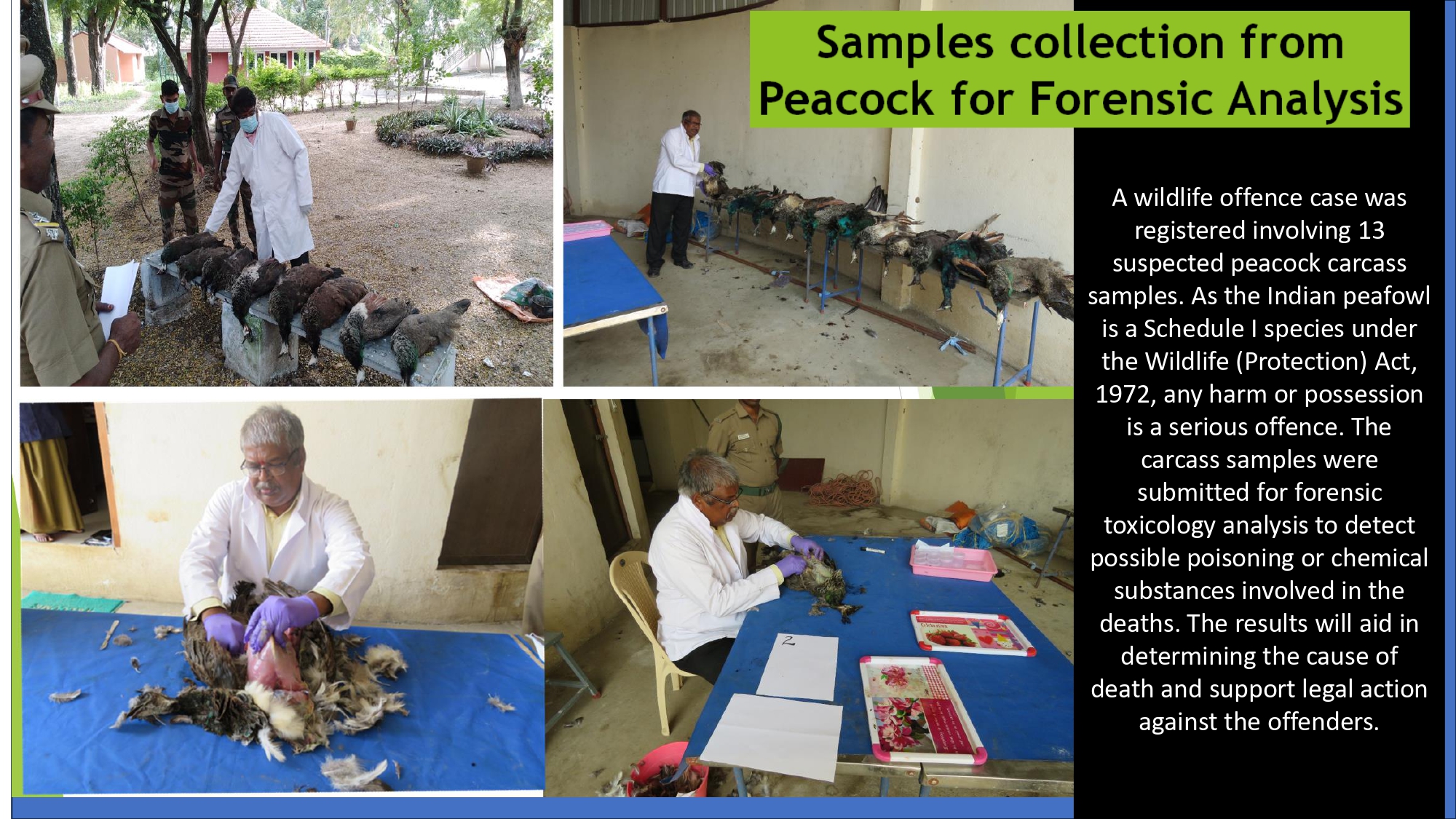
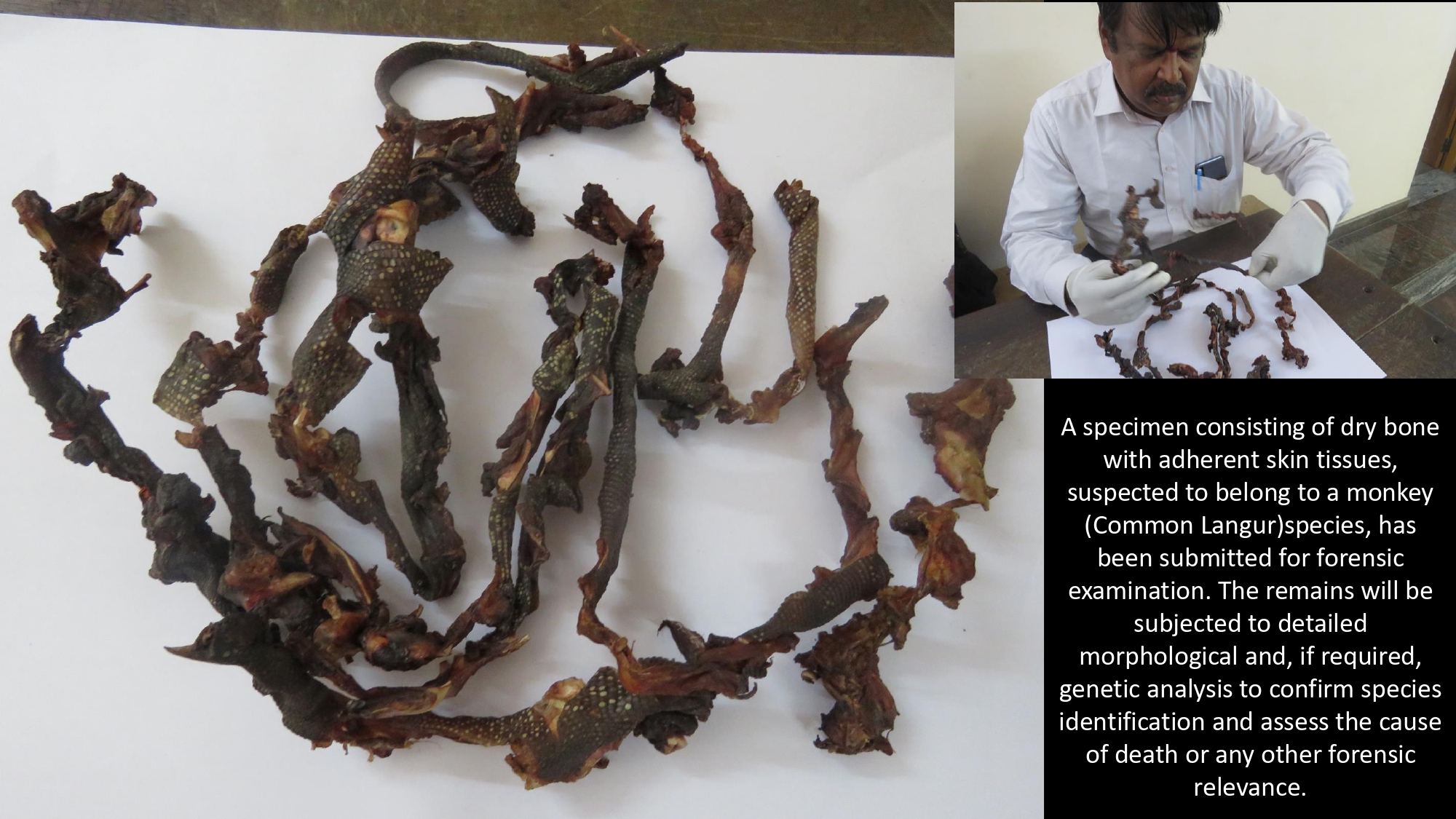
Field Staff Training in Wildlife Forensic Investigation
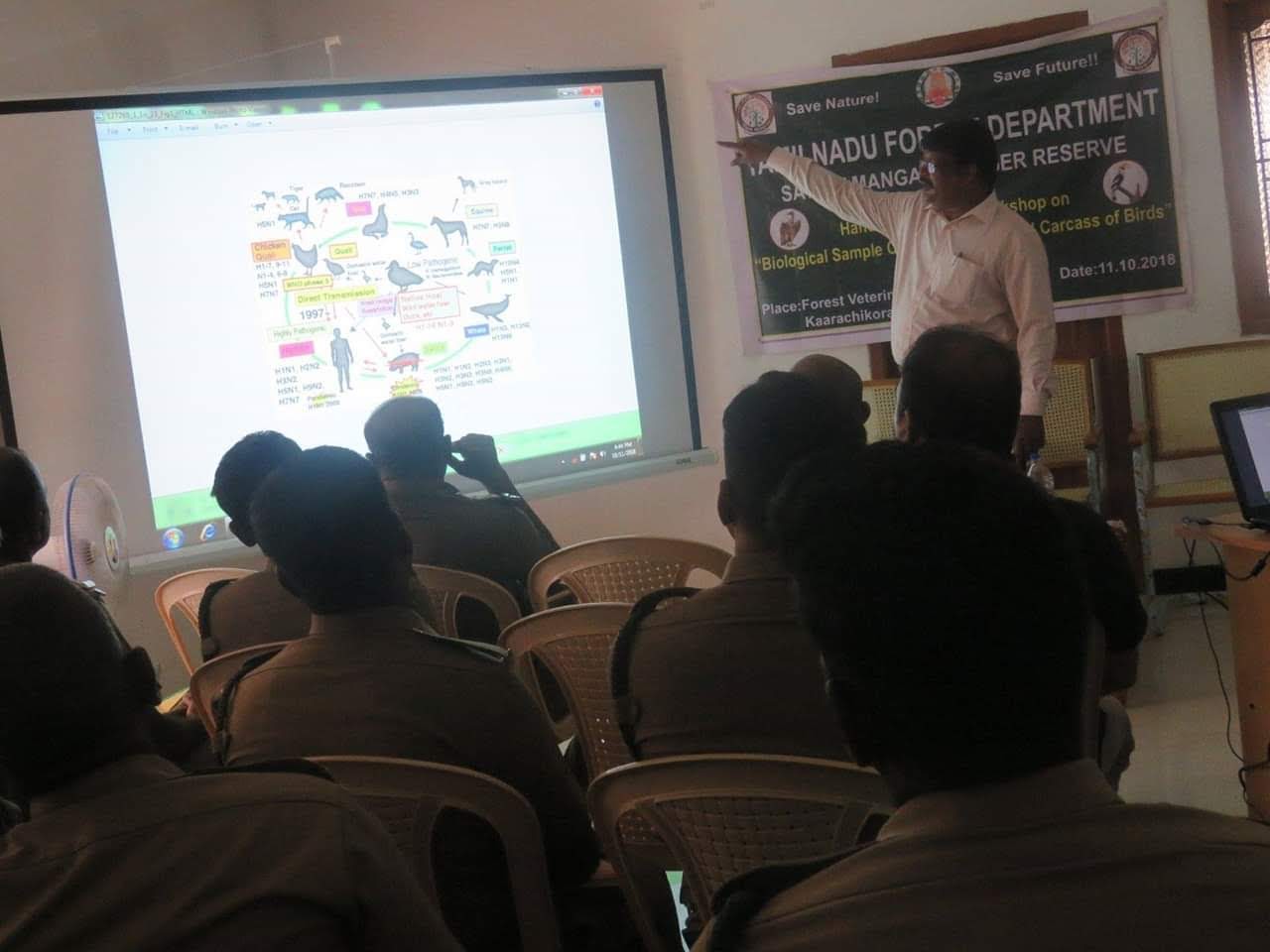
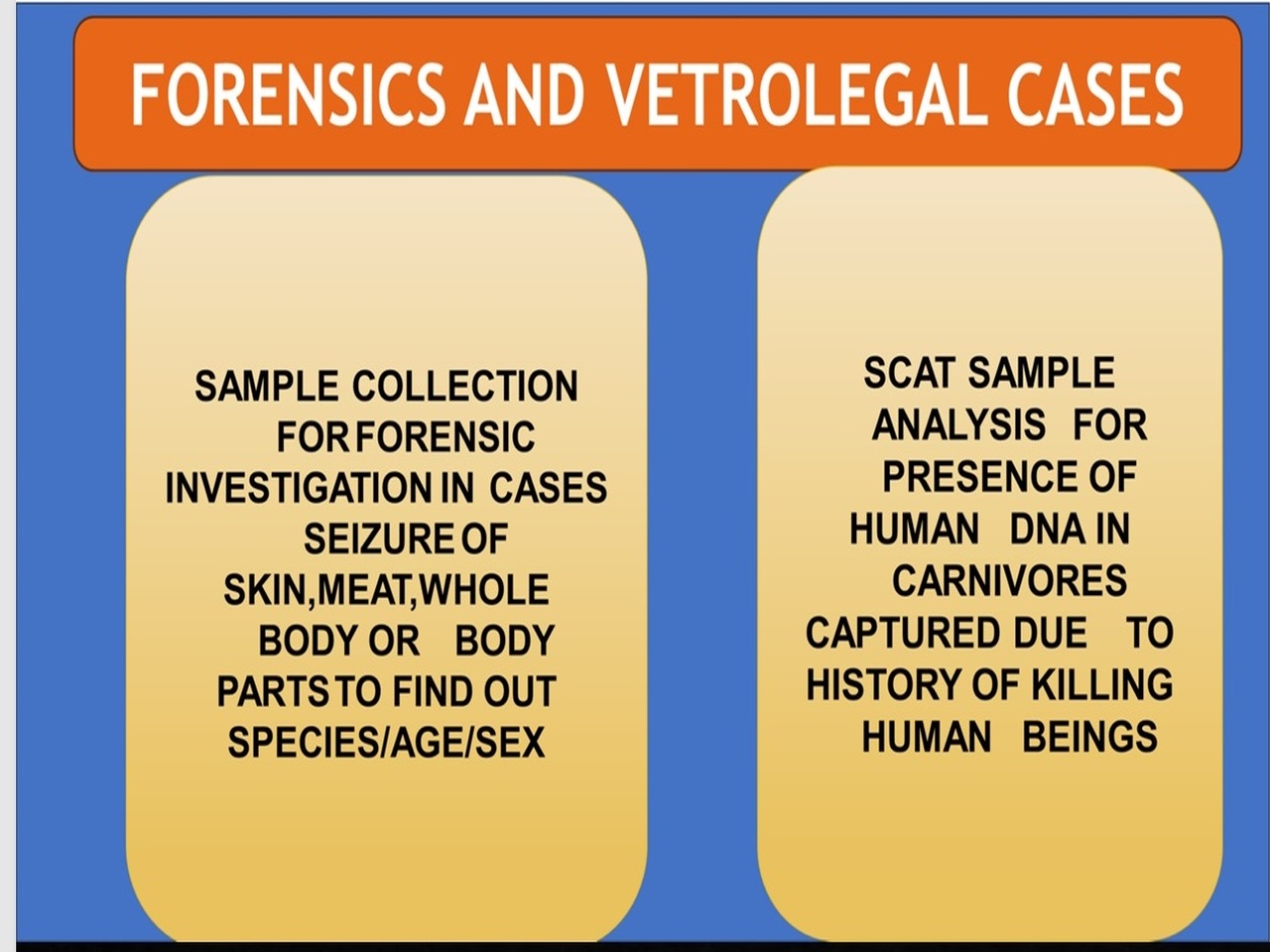
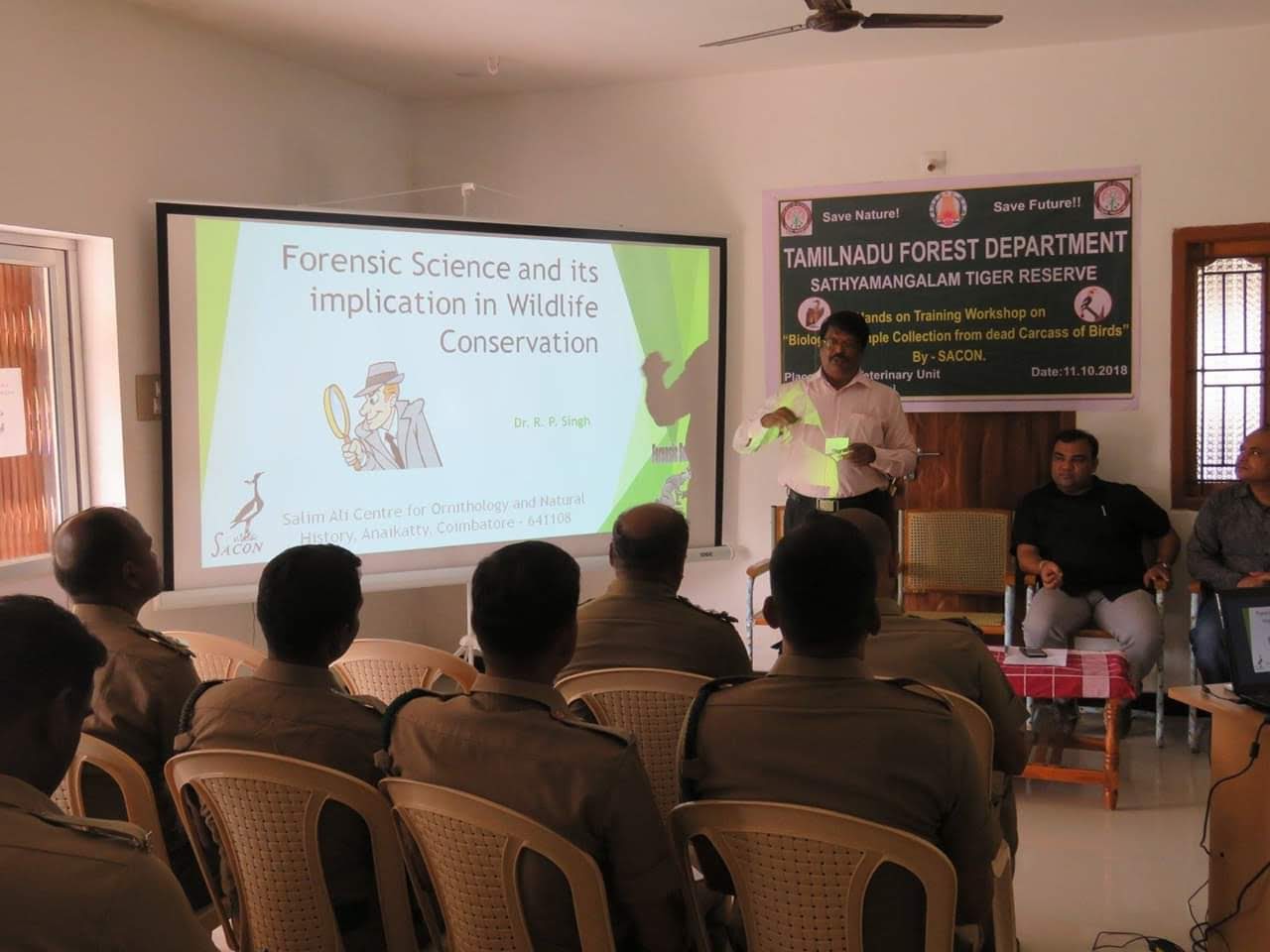
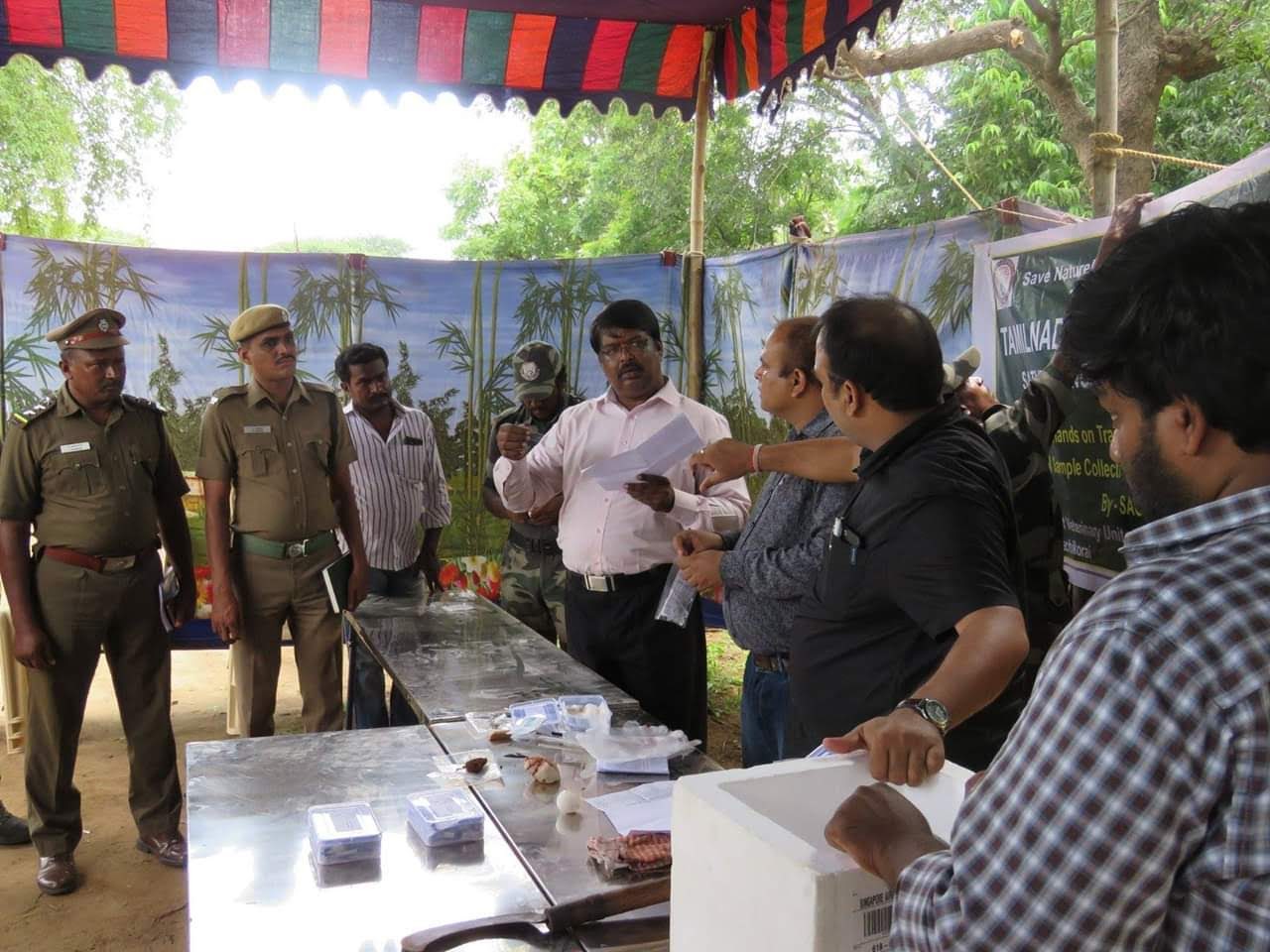
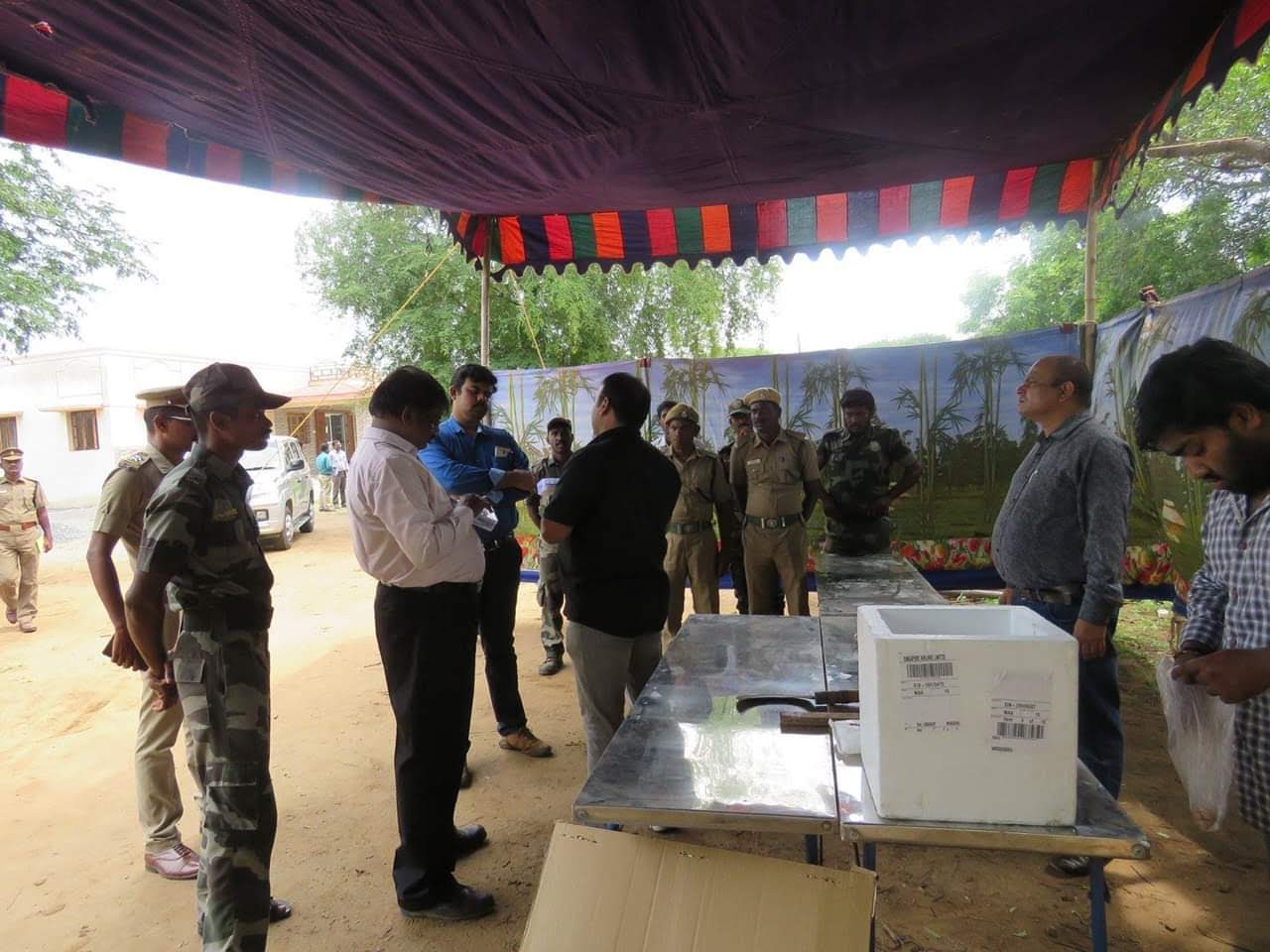
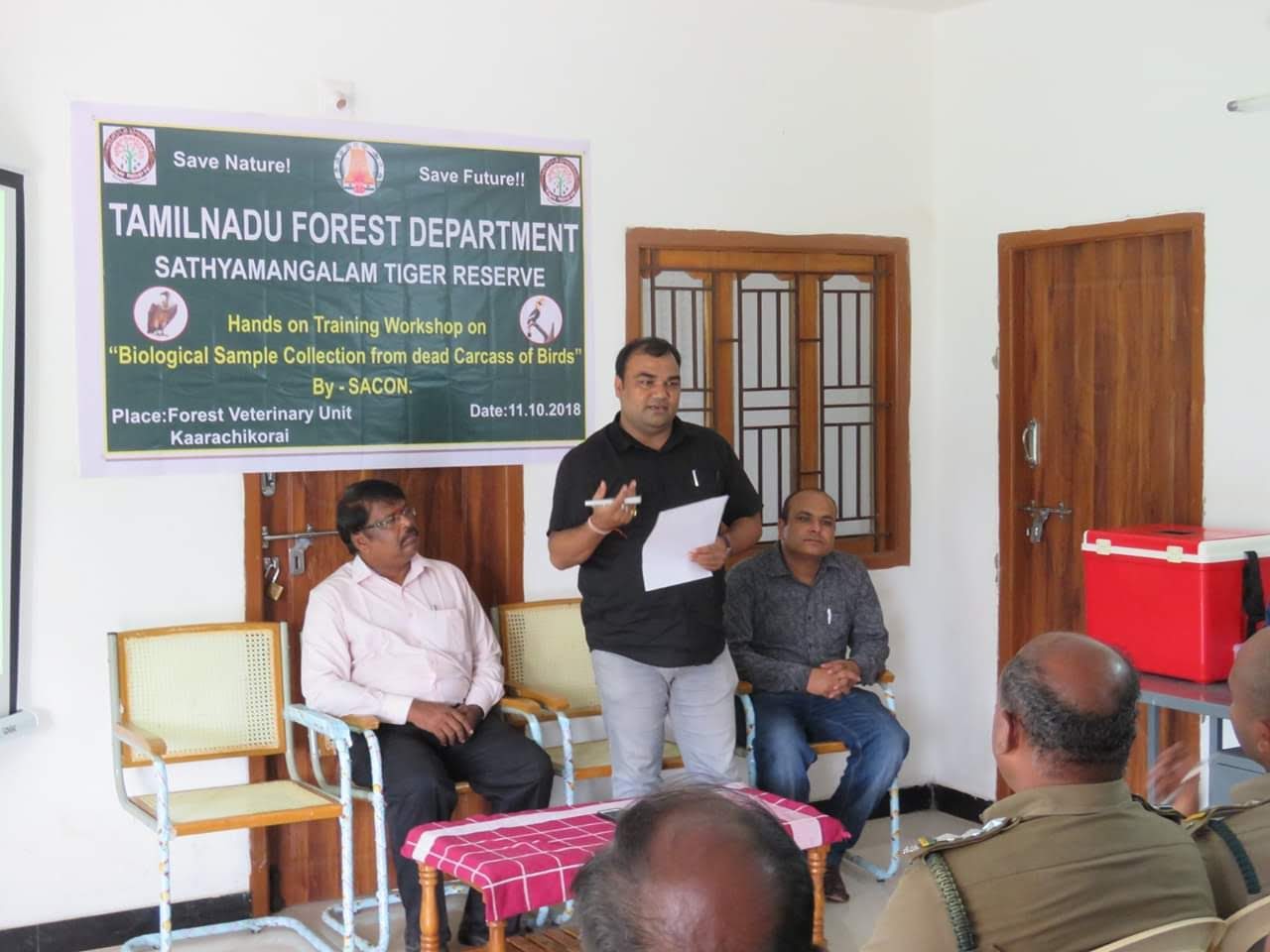
Forensic Science and Its Implications in Wildlife Conservation: A capacity-building programme for wildlife field staff was conducted in coordination with the Salim Ali Centre for Ornithology and Natural History (SACON), Anaikatti, with a focus on strengthening the application of forensic science in wildlife conservation. The programme highlighted the importance of systematic evidence collection, crime-scene documentation, sample preservation, chain of custody, necropsy procedures, and toxicological investigation in cases involving wildlife mortality, poisoning, hunting, electrocution, and other anthropogenic threats. The training also promoted better coordination among forest field staff, wildlife veterinarians, forensic laboratories, and scientific institutions. Such capacity building enables field personnel to recognize and preserve critical evidence, supports scientific investigation of wildlife deaths and crimes, and contributes to evidence-based wildlife management, wildlife crime investigation, and long-term biodiversity conservation.