Wildlife Research & Conservation Science
Major themes of scientific work
- Indian Rock Python radio telemetry
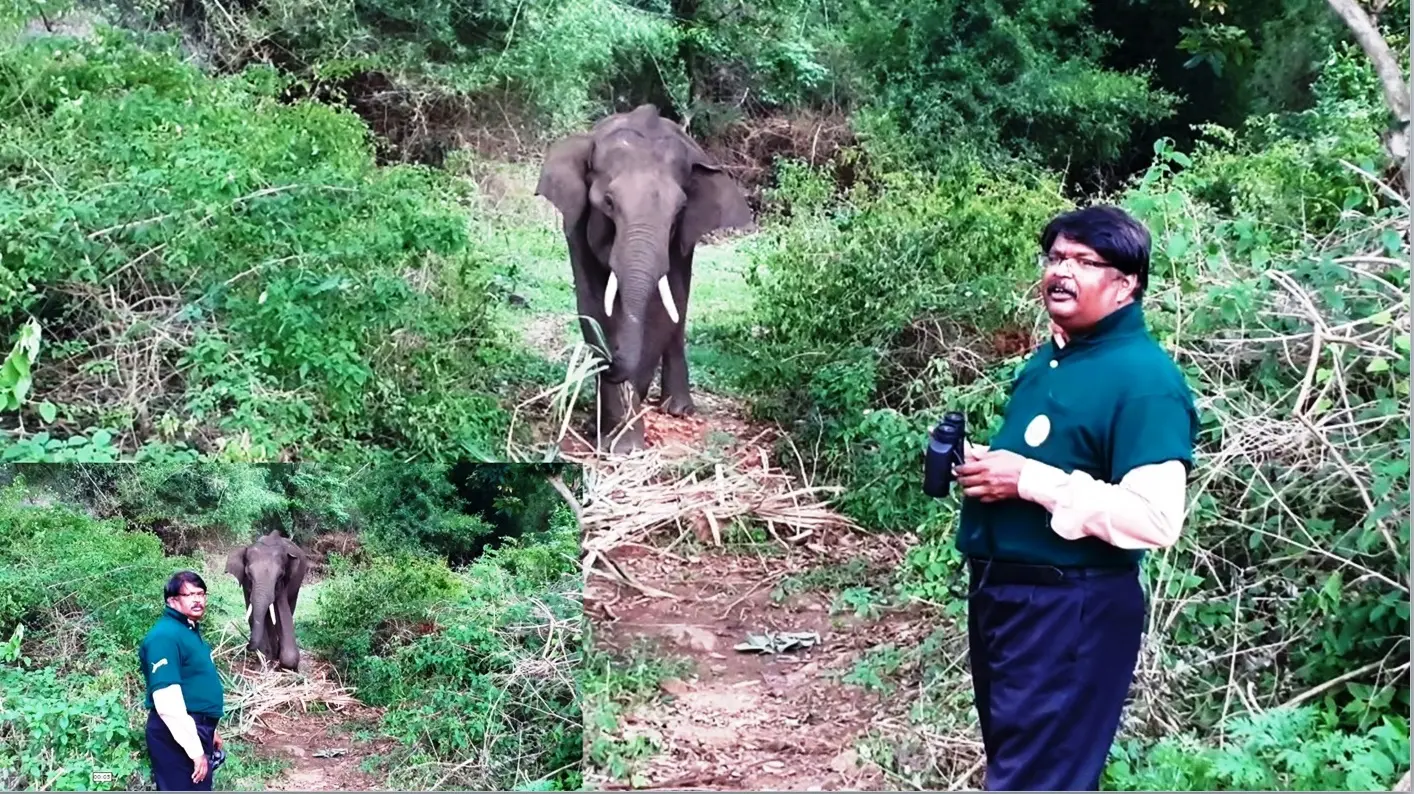
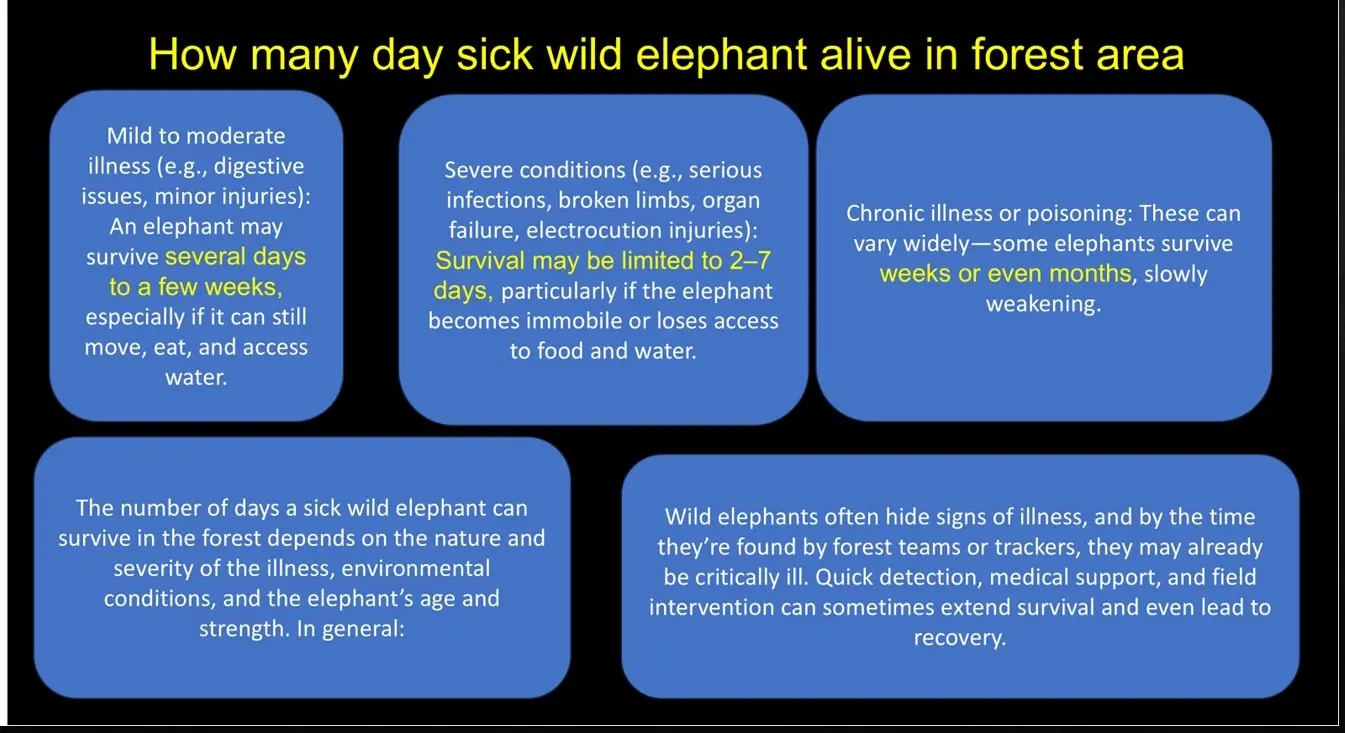
- Elephant health monitoring
- Wildlife disease surveillance
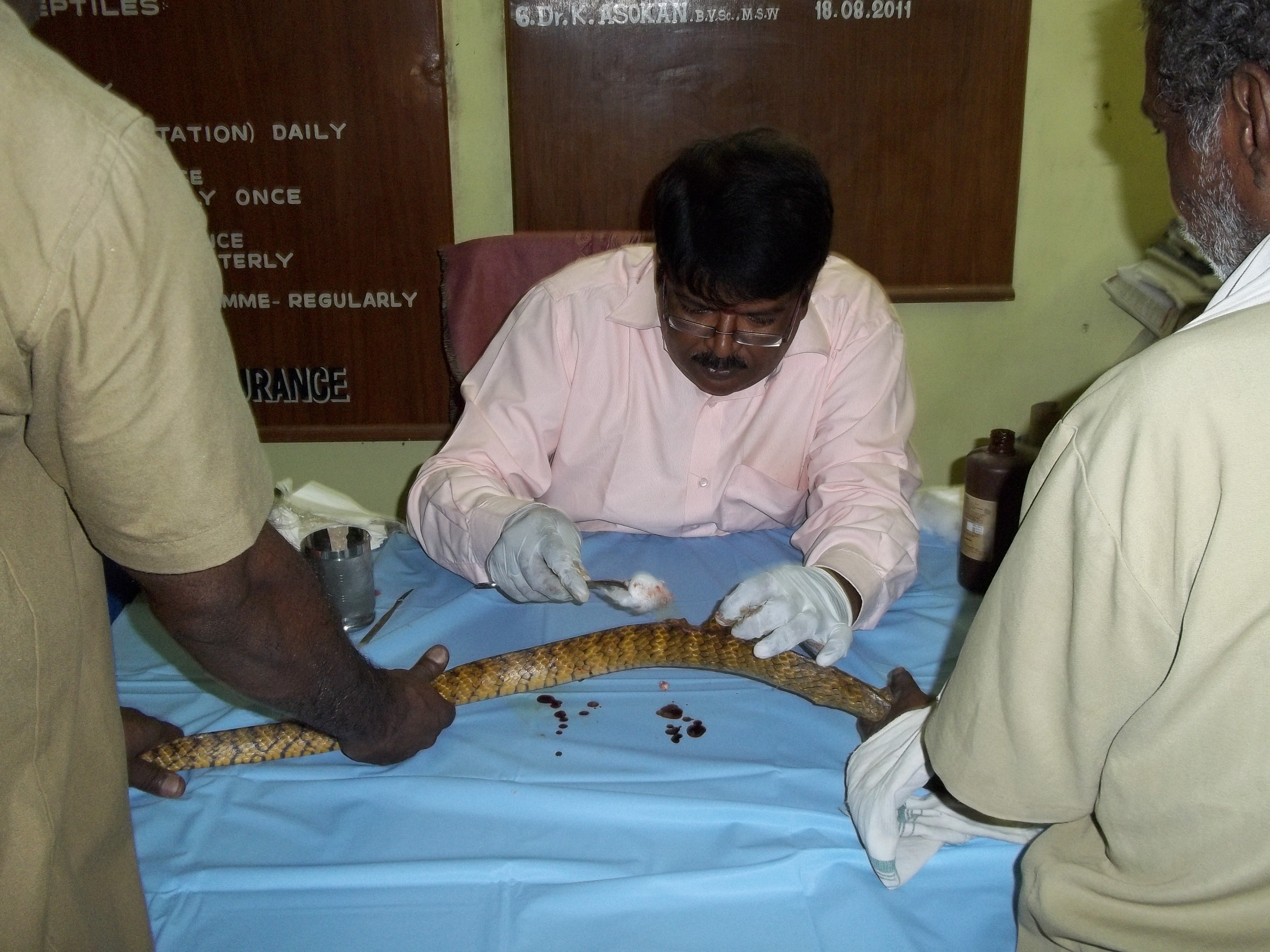
- Snake surgery documentation
- Wildlife rehabilitation research
- Wildlife toxicology and forensic necropsy
- Biodiversity conservation and habitat protection
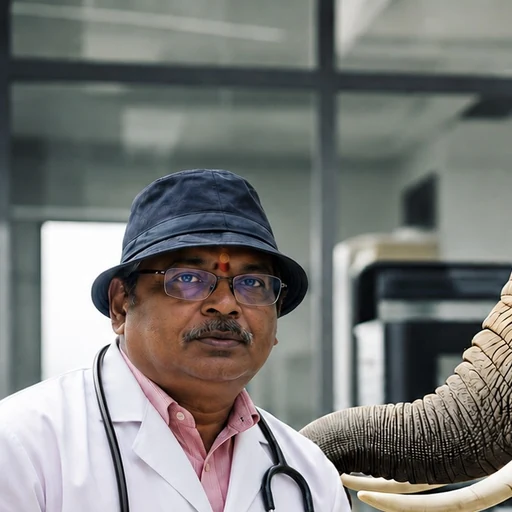
- Wildlife Research & Conservation Science – Dr. Krishnamoorthy Asokan: Dr. Krishnamoorthy Asokan has dedicated over three decades to wildlife veterinary care, research and conservation. During his service at Mudumalai Wildlife Sanctuary from 1996–2000, he investigated a wild elephant death suspected to be due to pesticide poisoning in 1998, contributing to wildlife toxicology and the understanding of poisoning as a threat to wild elephants. His work also includes elephant rescue and rehabilitation, snake surgery and research, wildlife post-mortems, radio-telemetry studies, bird and turtle conservation, and human–wildlife conflict mitigation. Through field-based science, veterinary expertise and conservation awareness, he has contributed to protecting wildlife and promoting coexistence between people and nature.
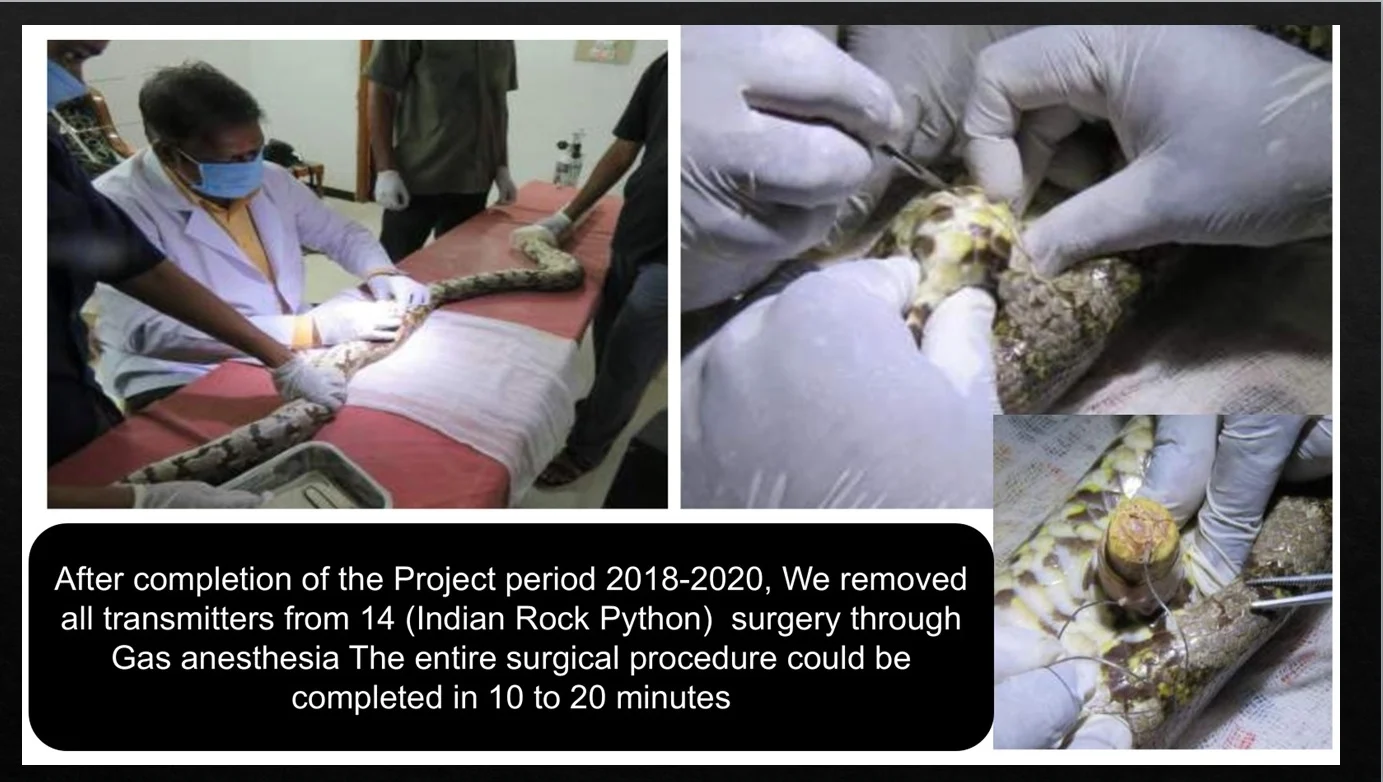
Indian Rock Python Research - A pioneering integration of wildlife surgery and conservation science
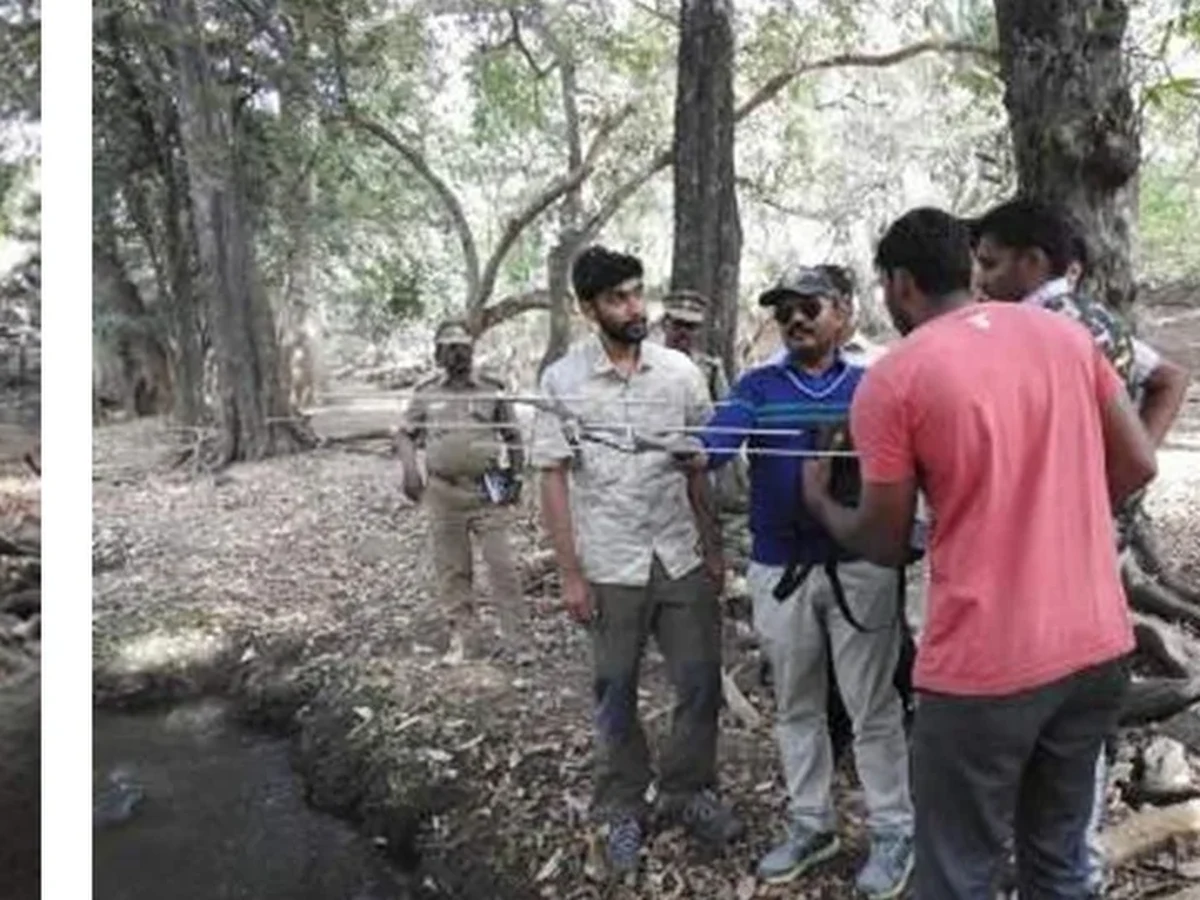
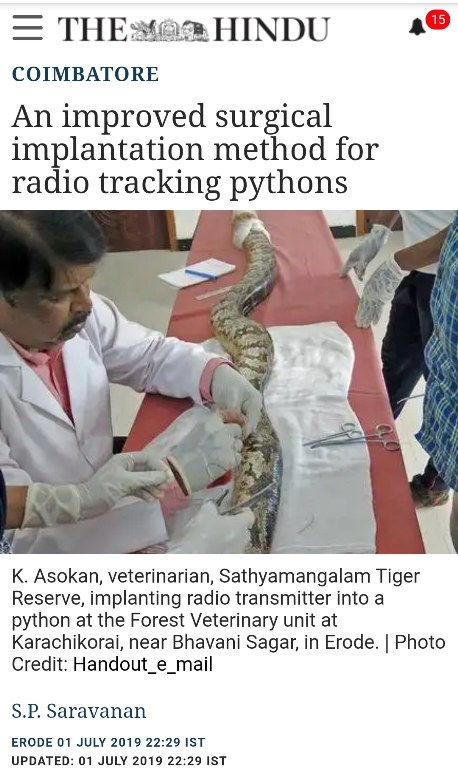
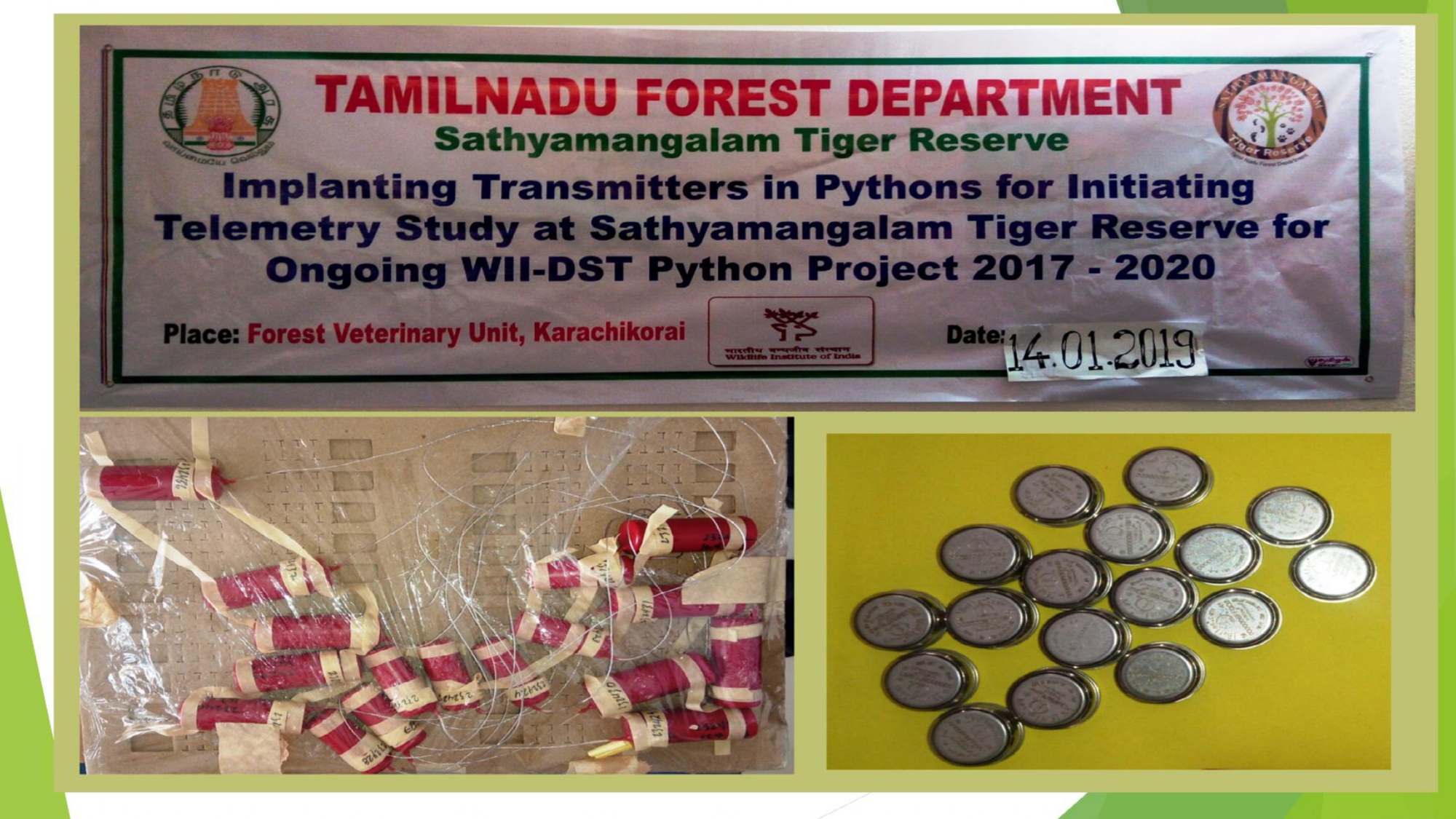
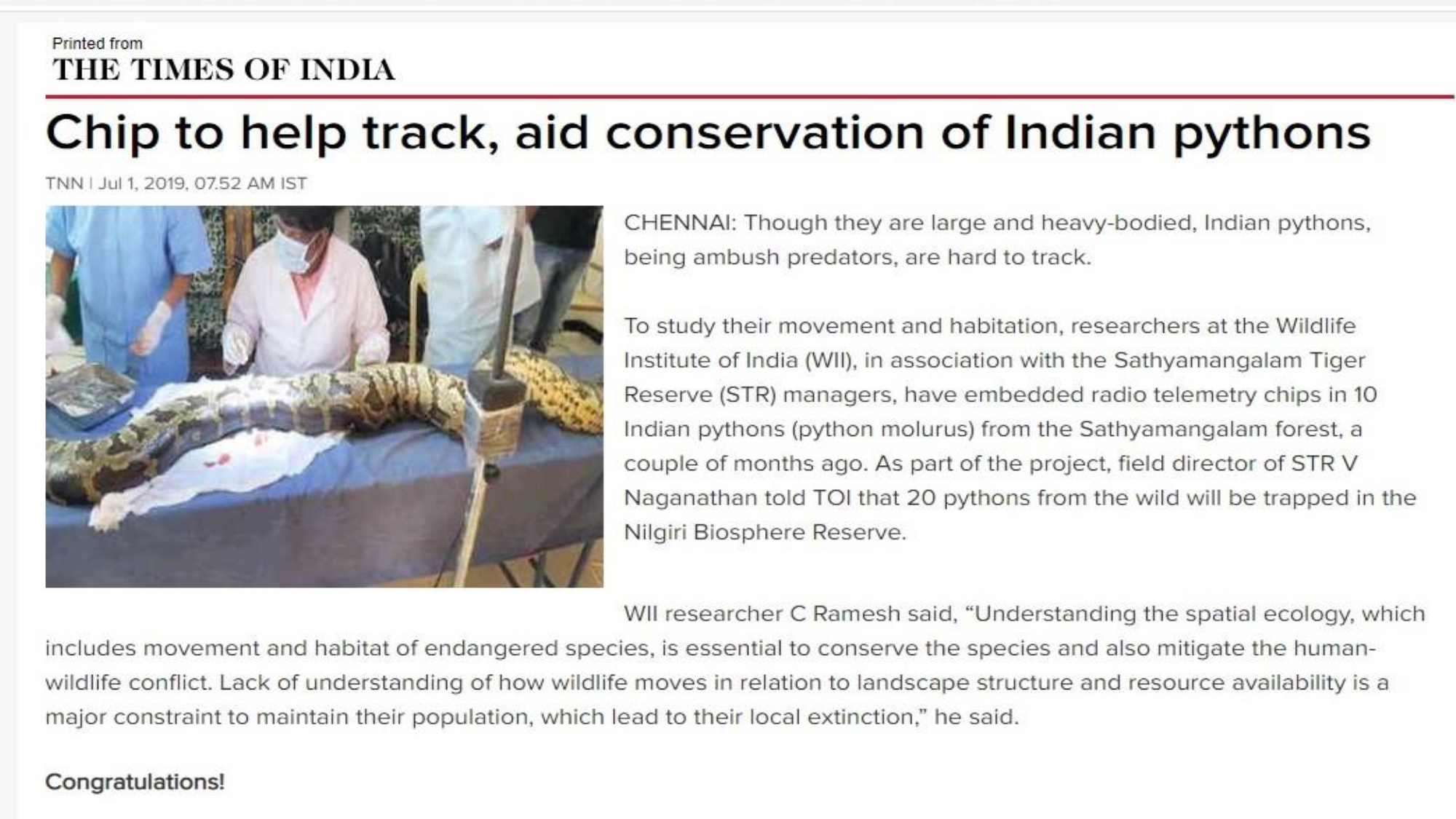
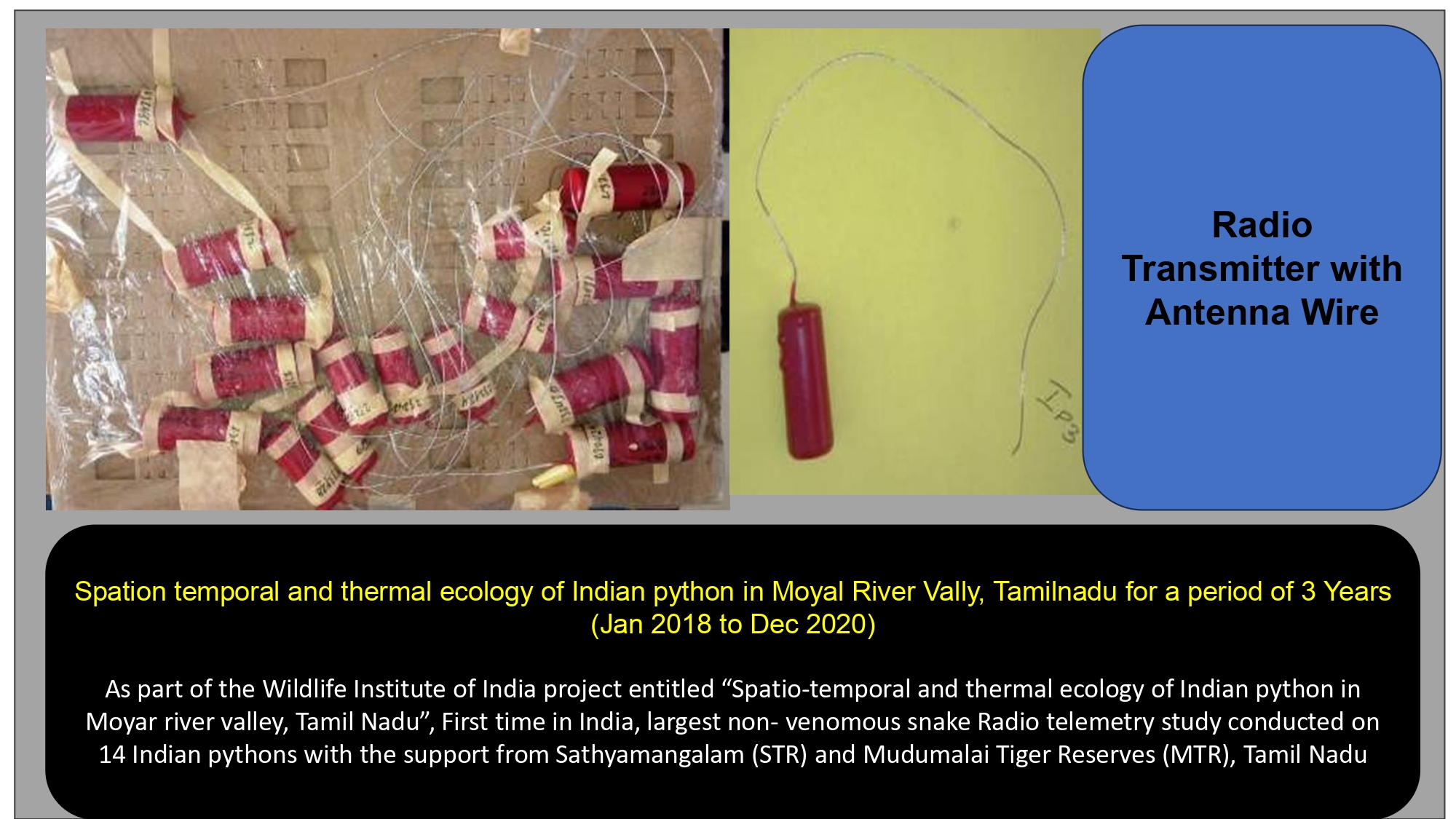
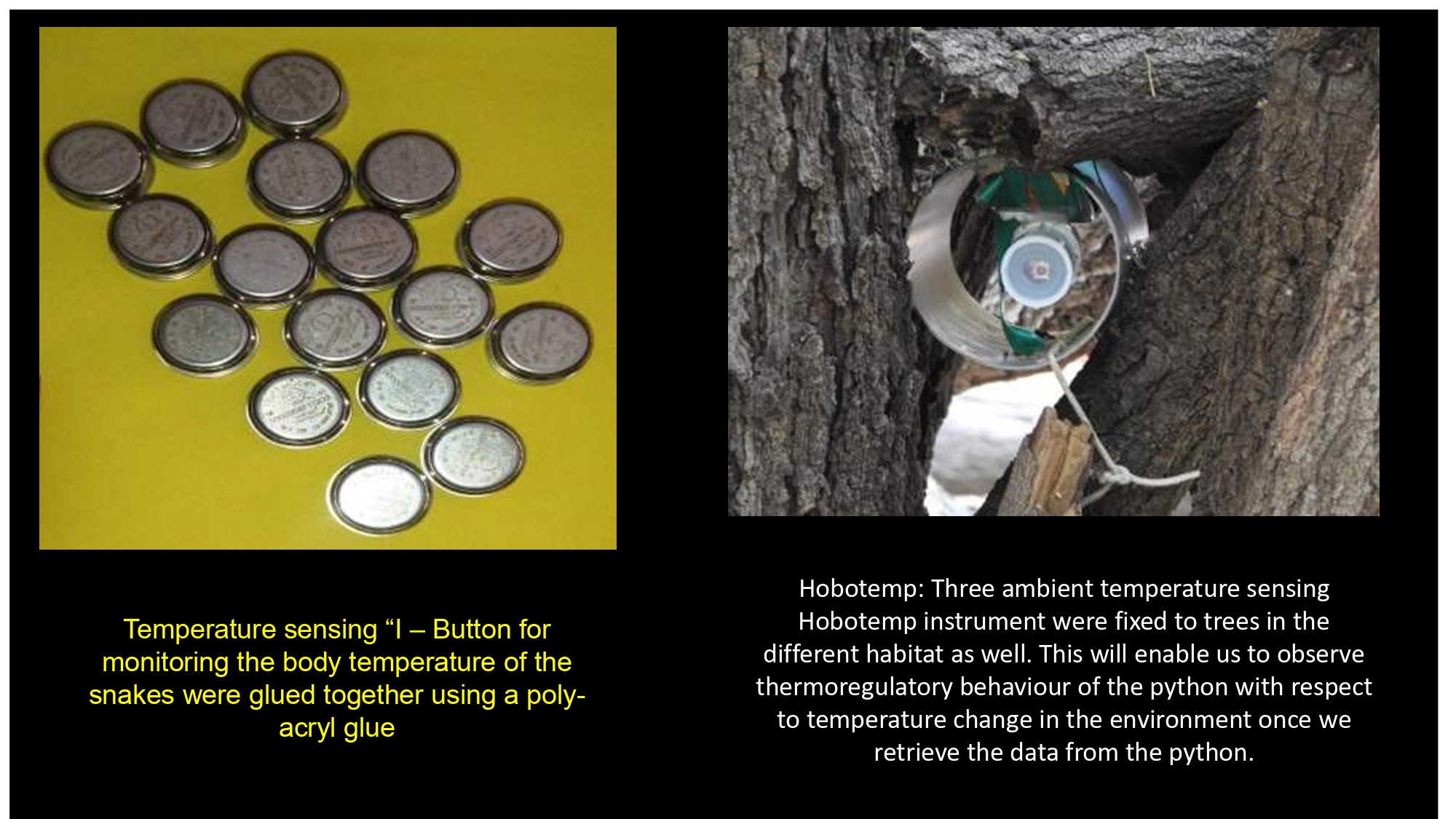
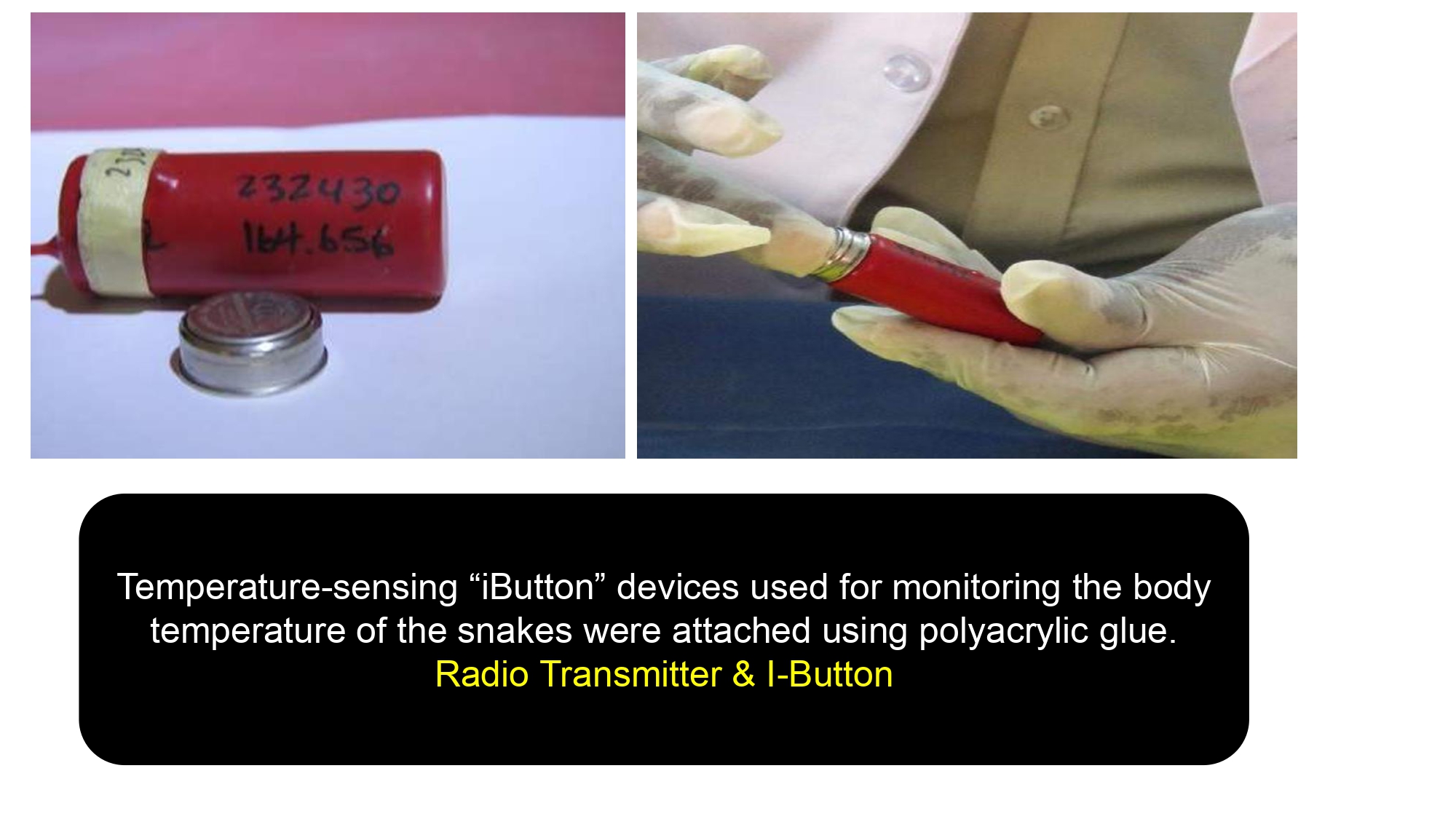
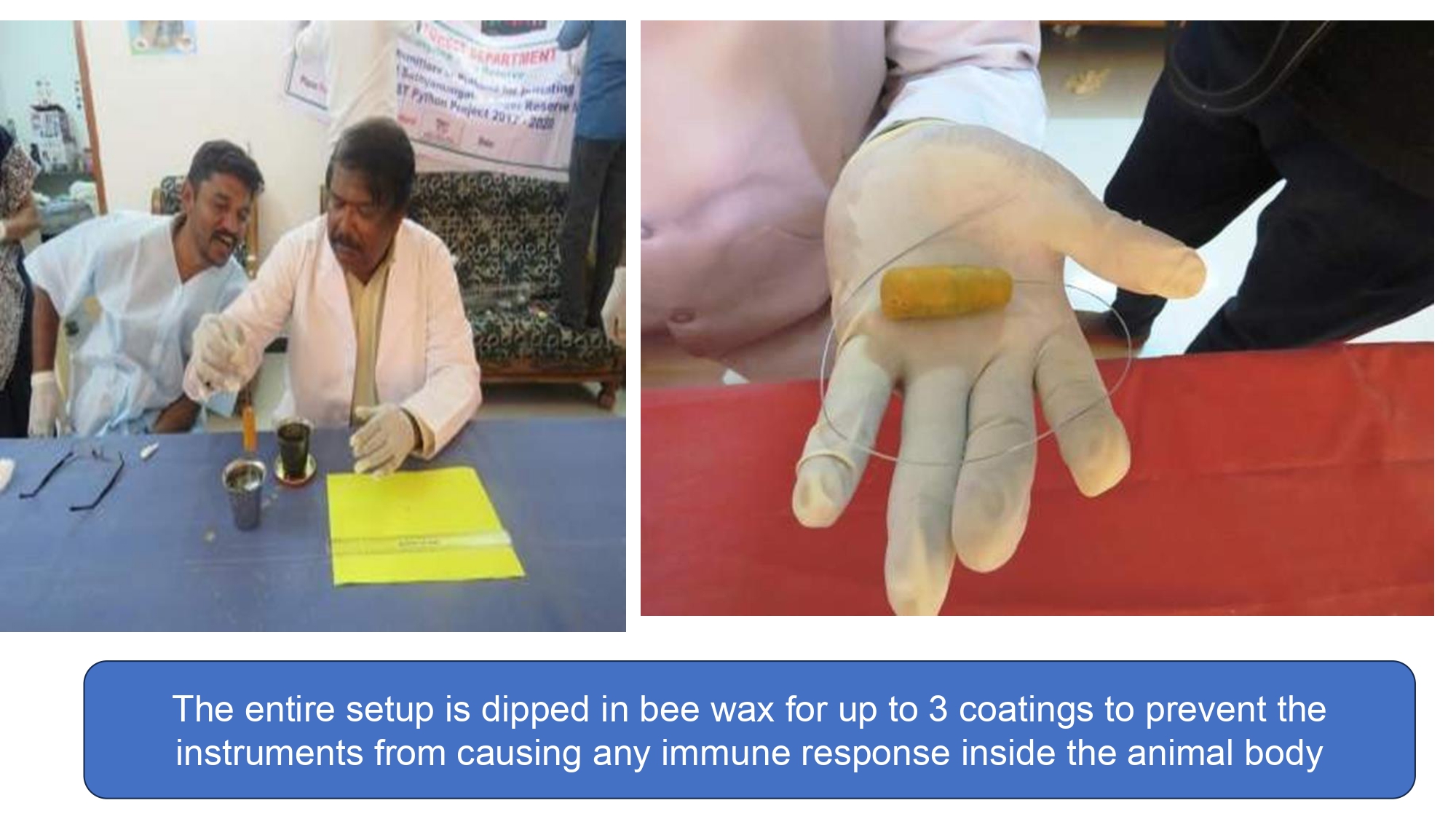
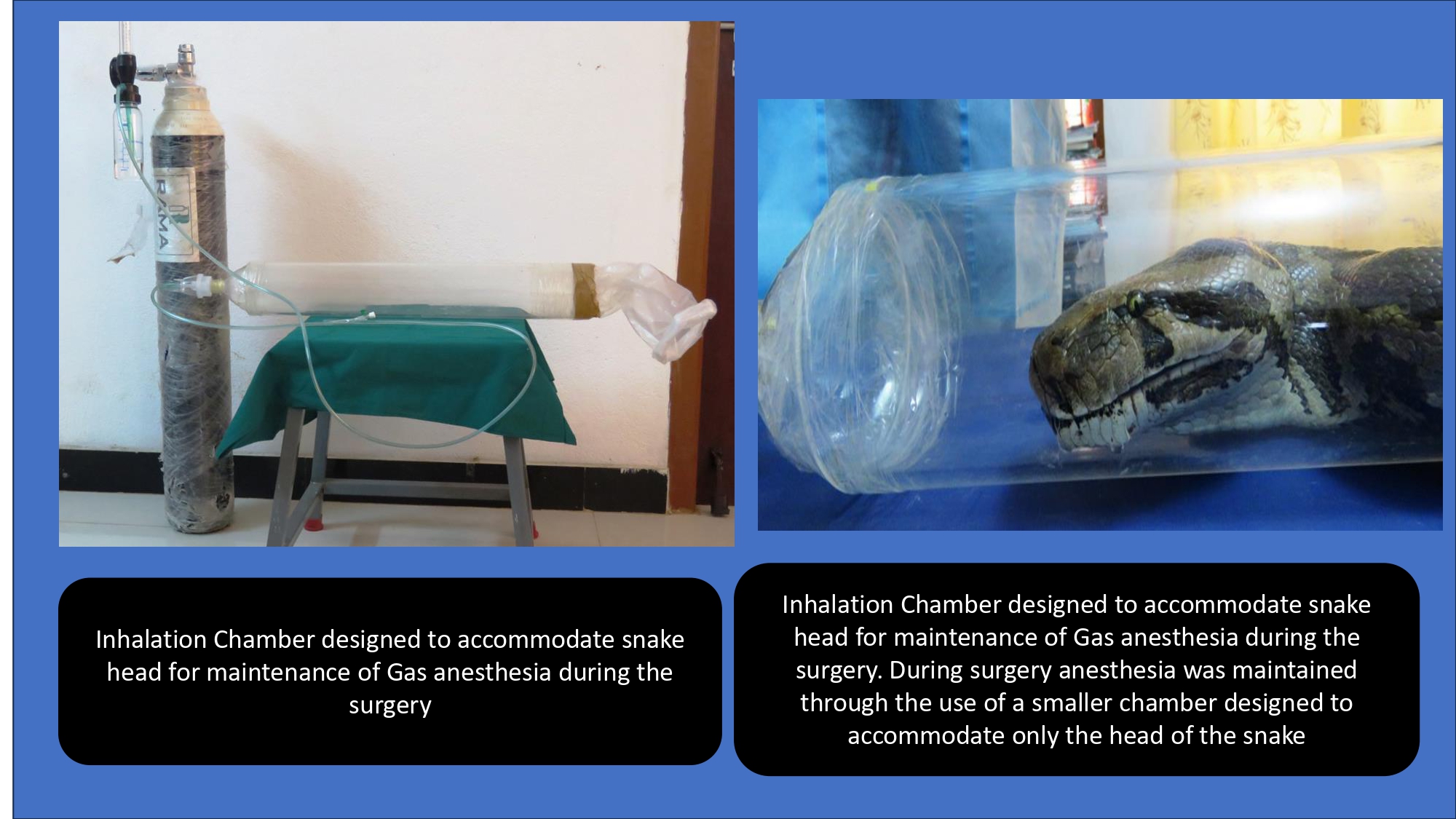
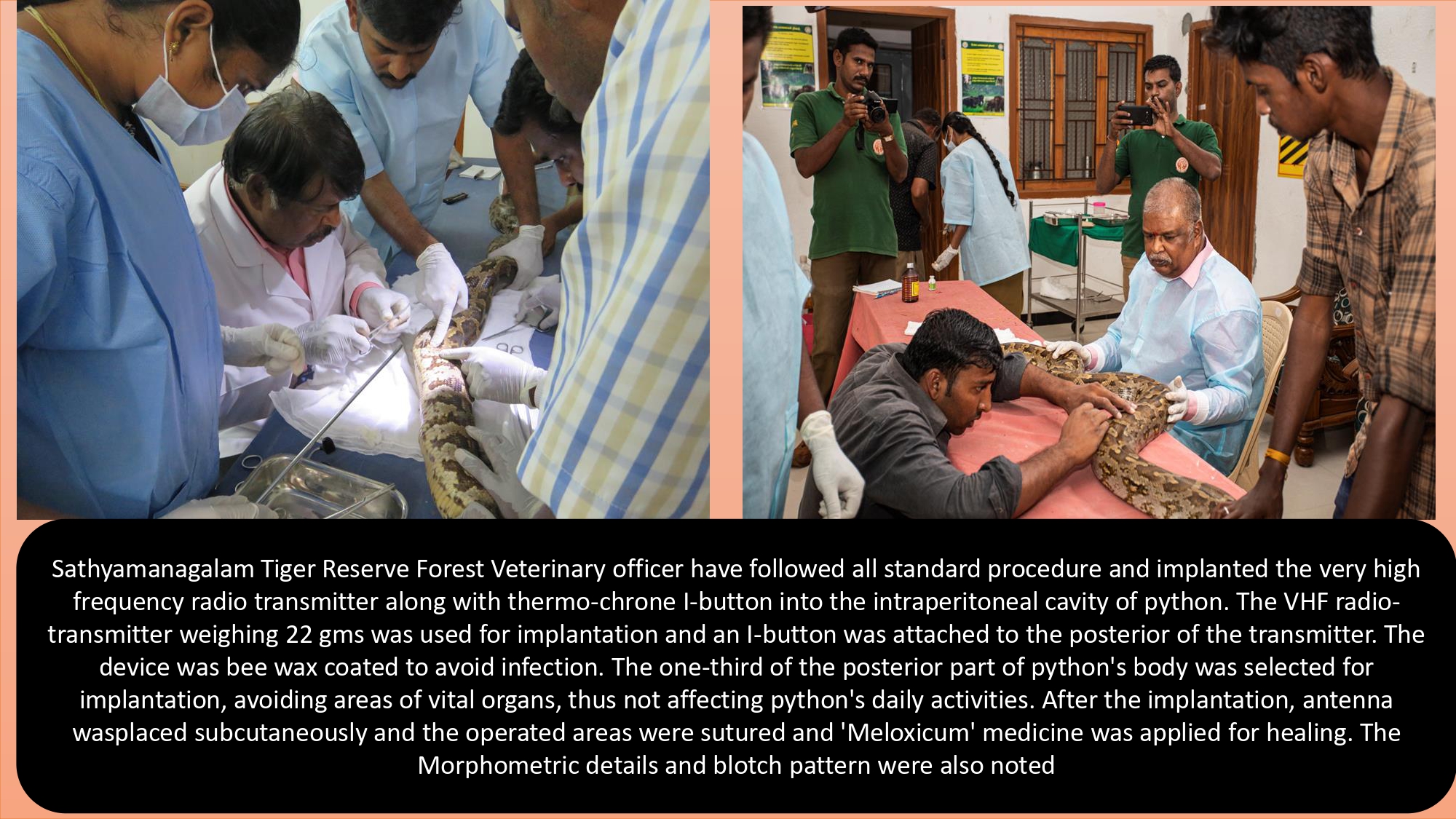
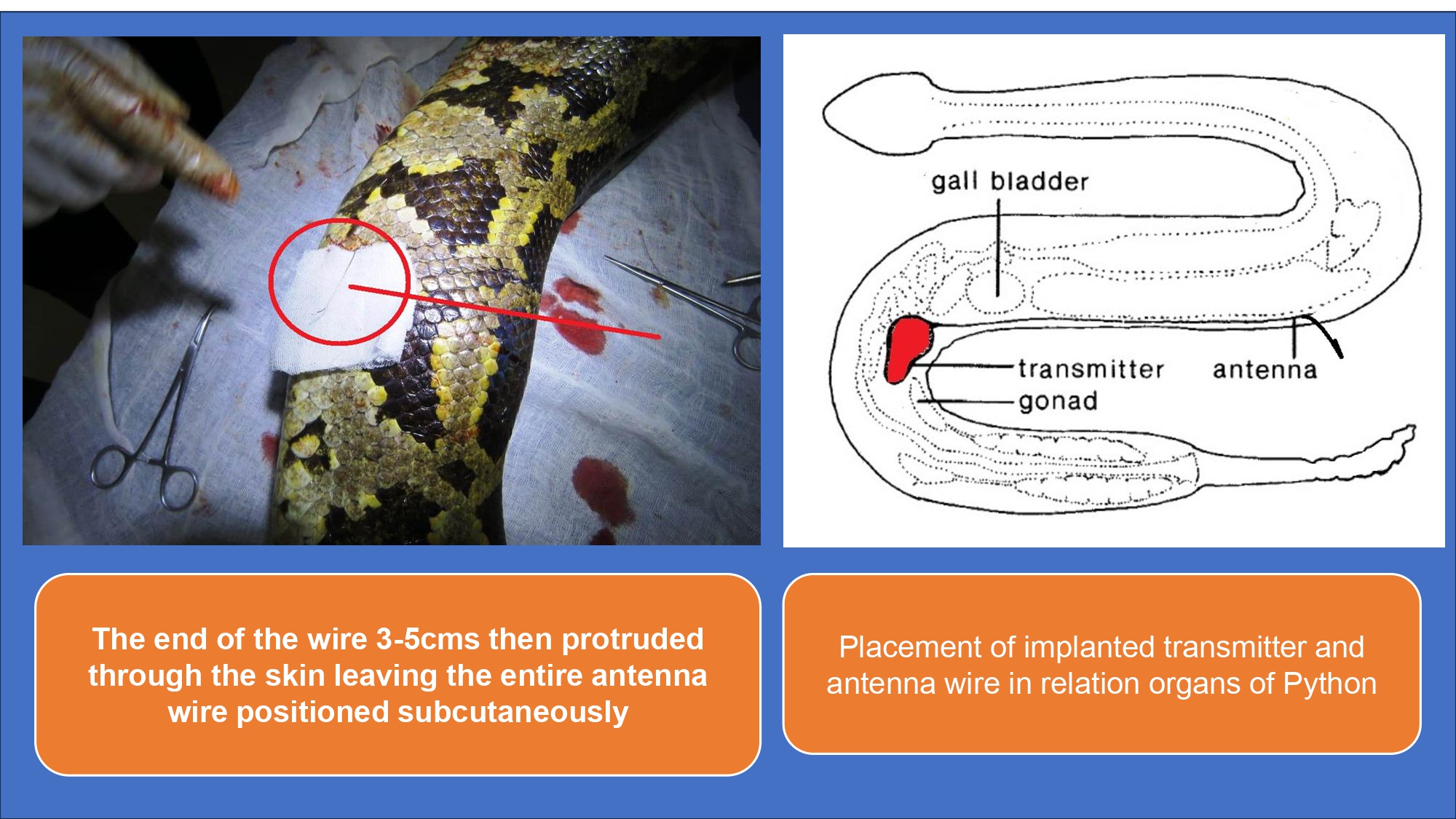
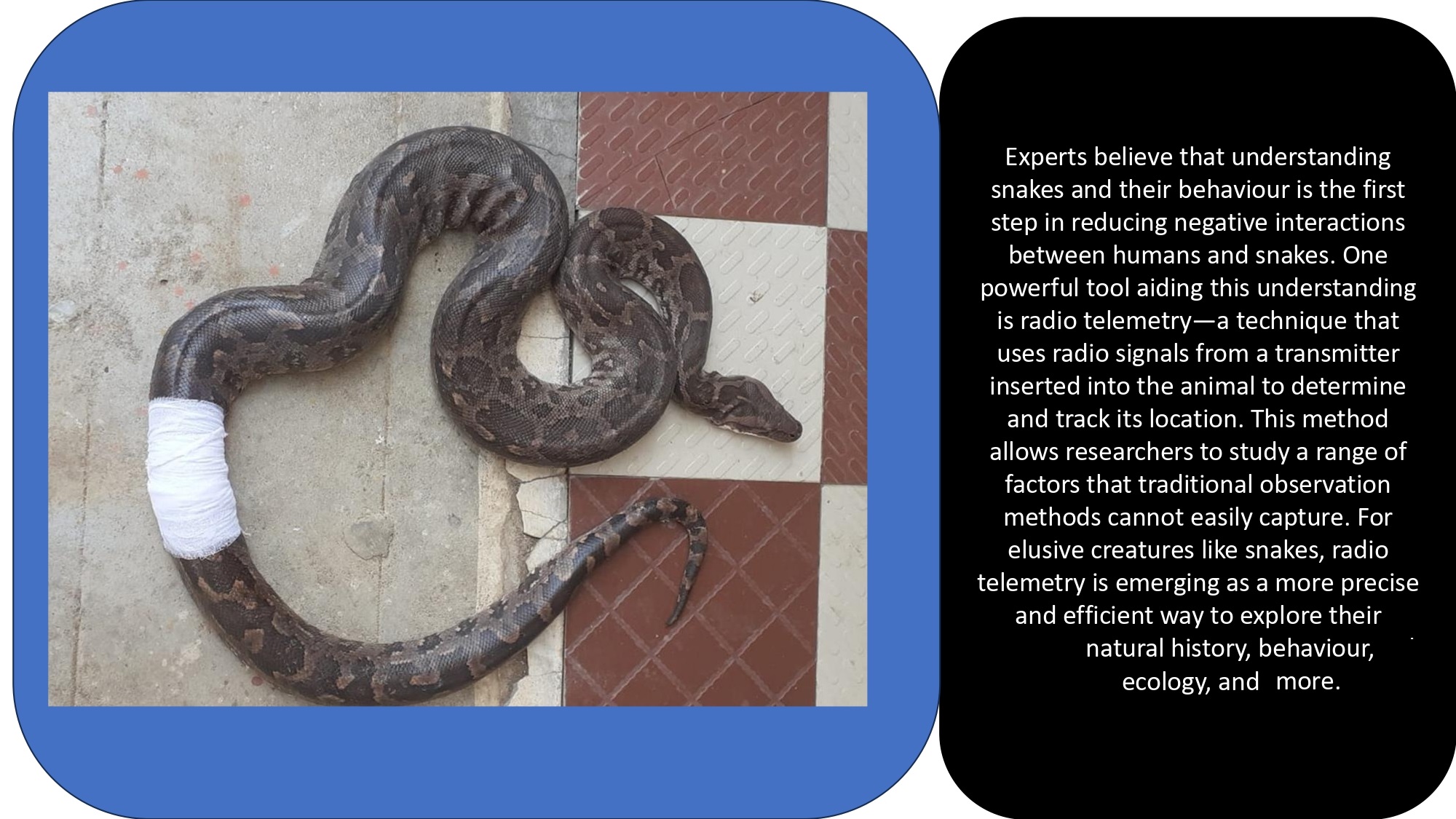
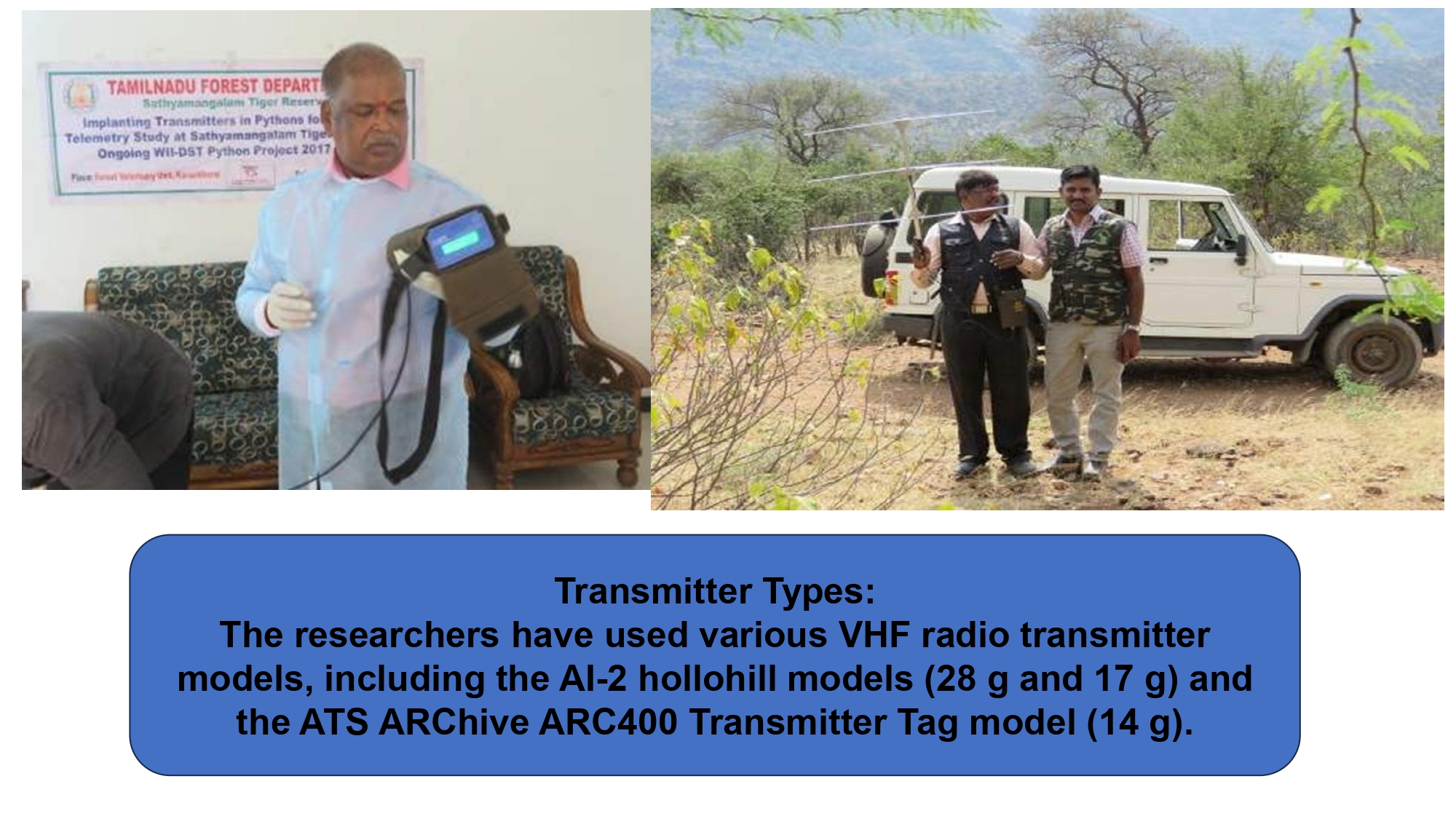
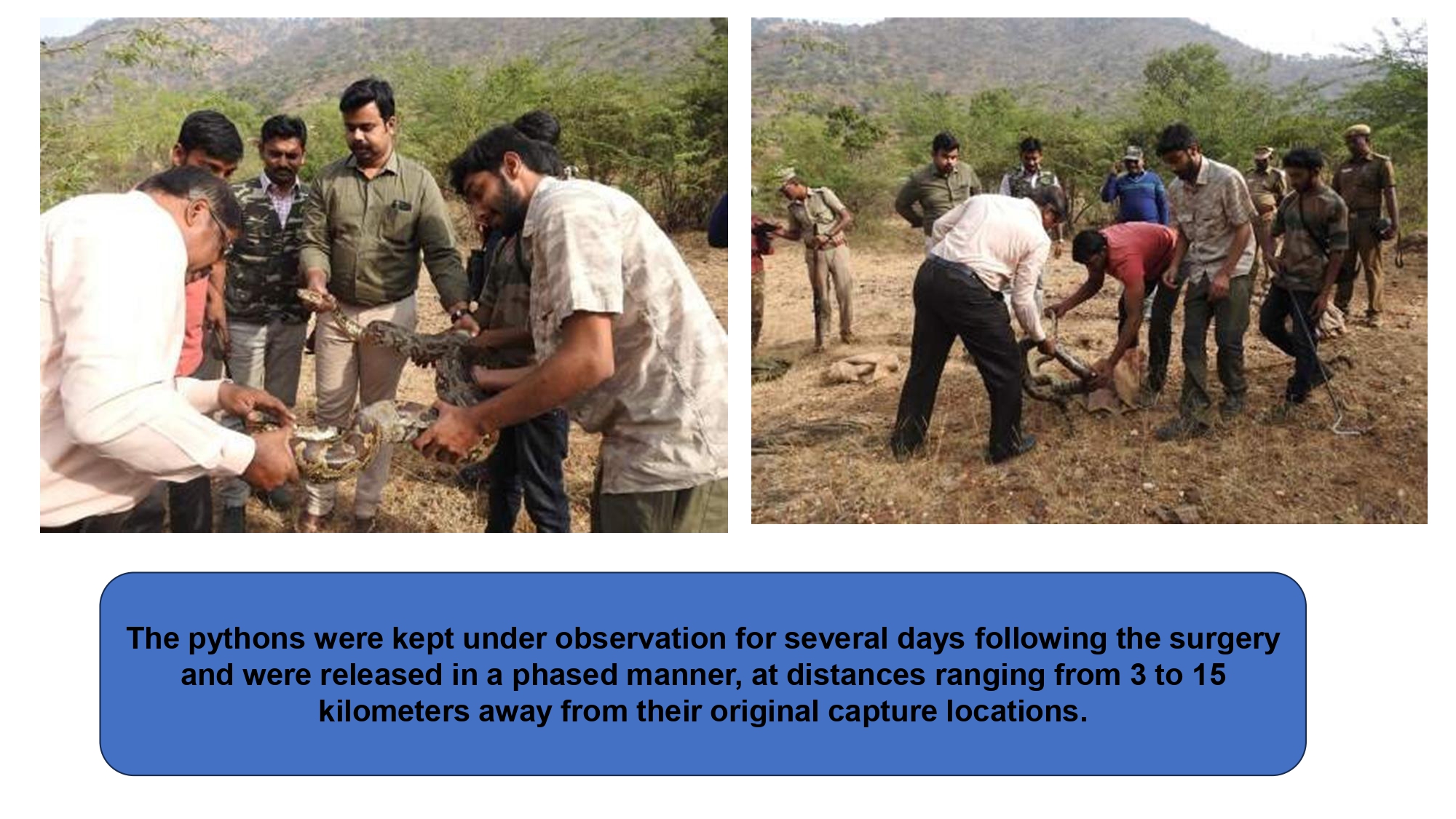
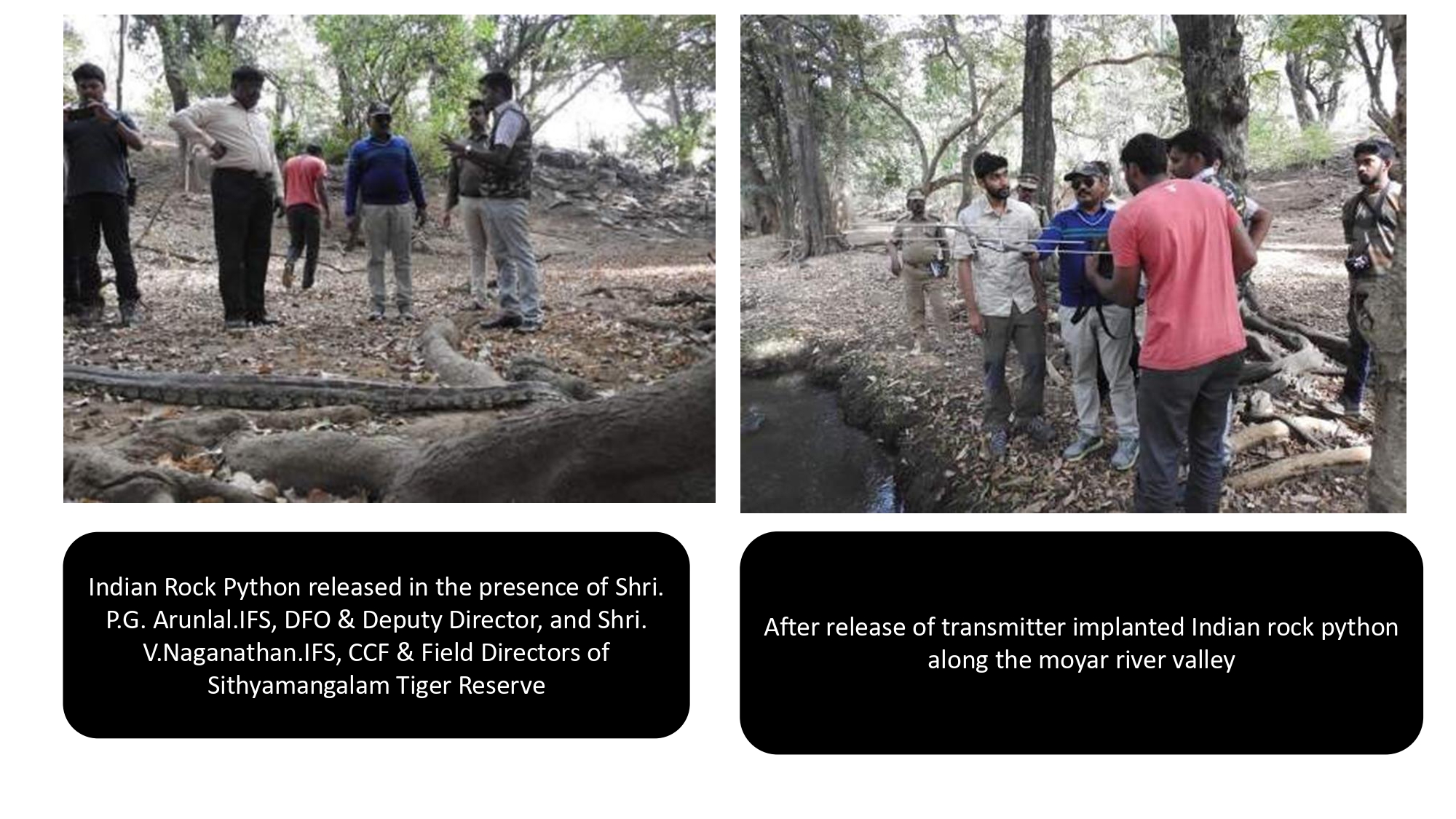
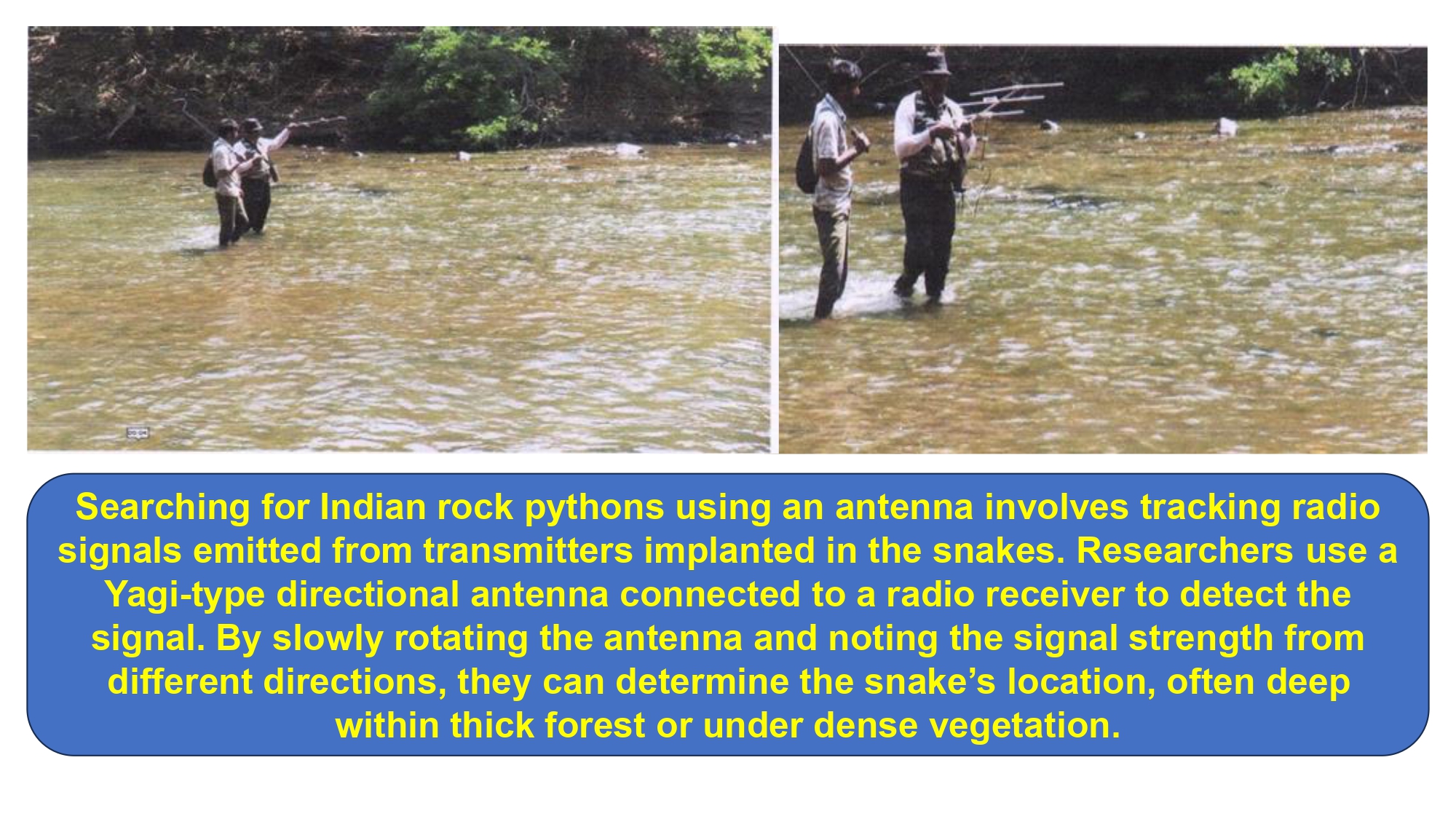
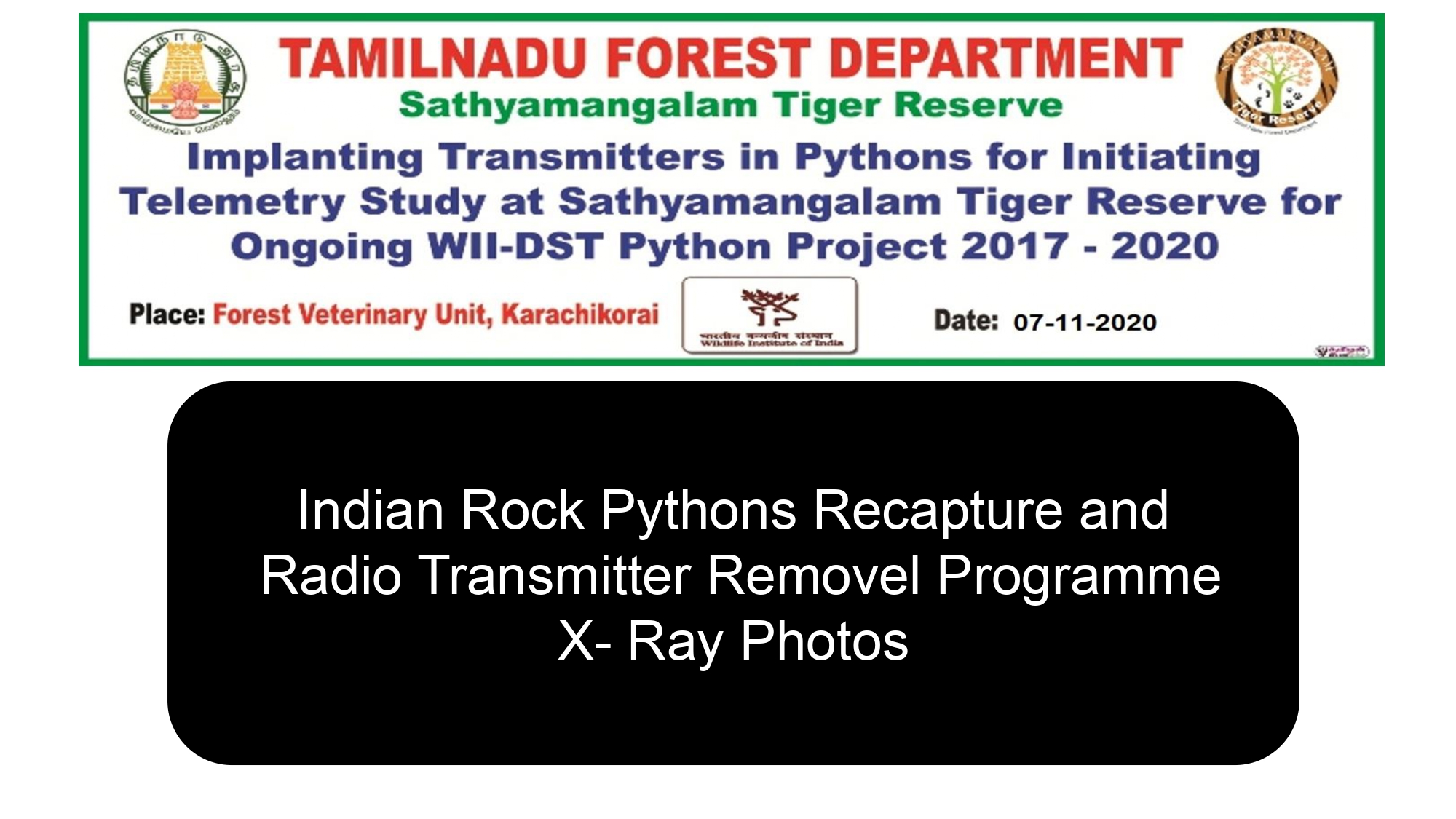
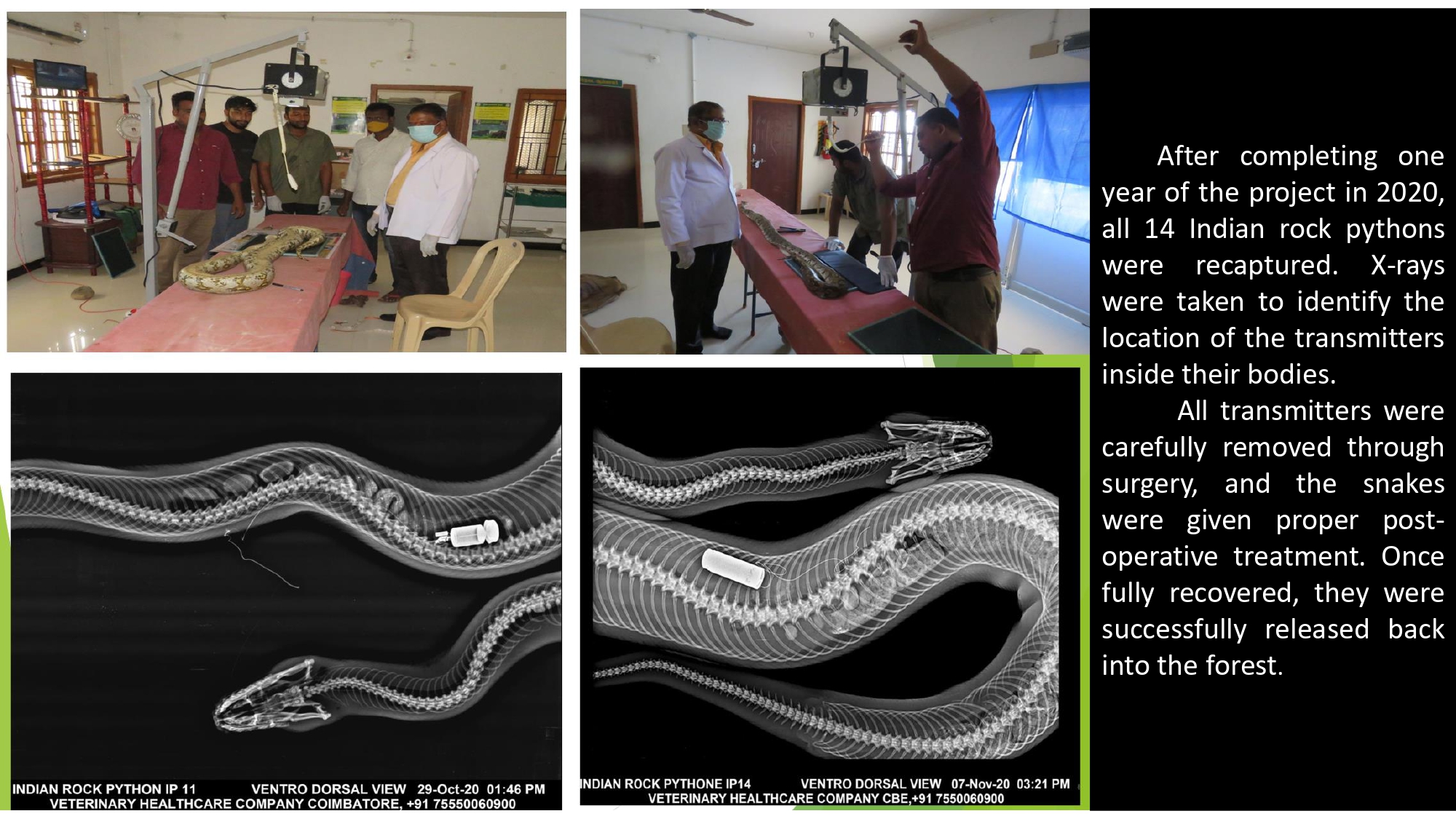
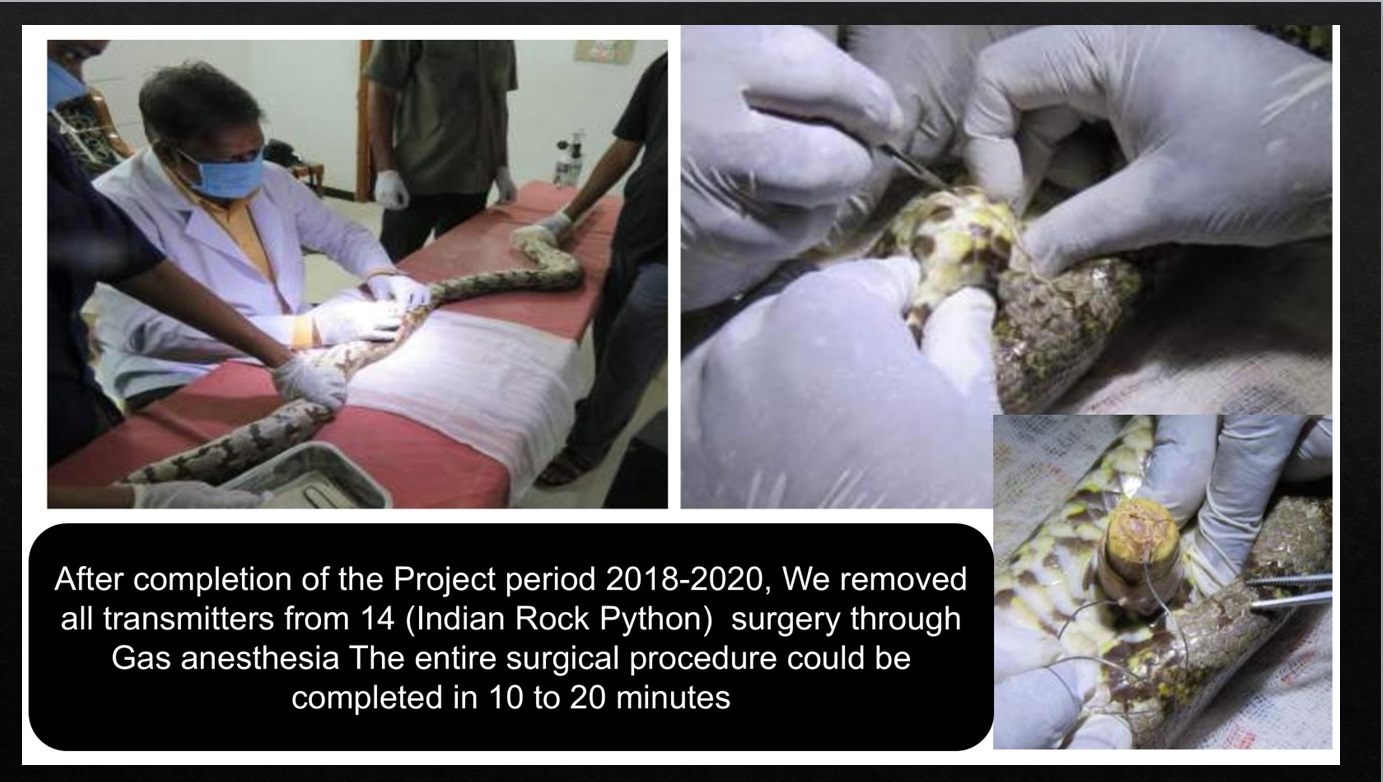
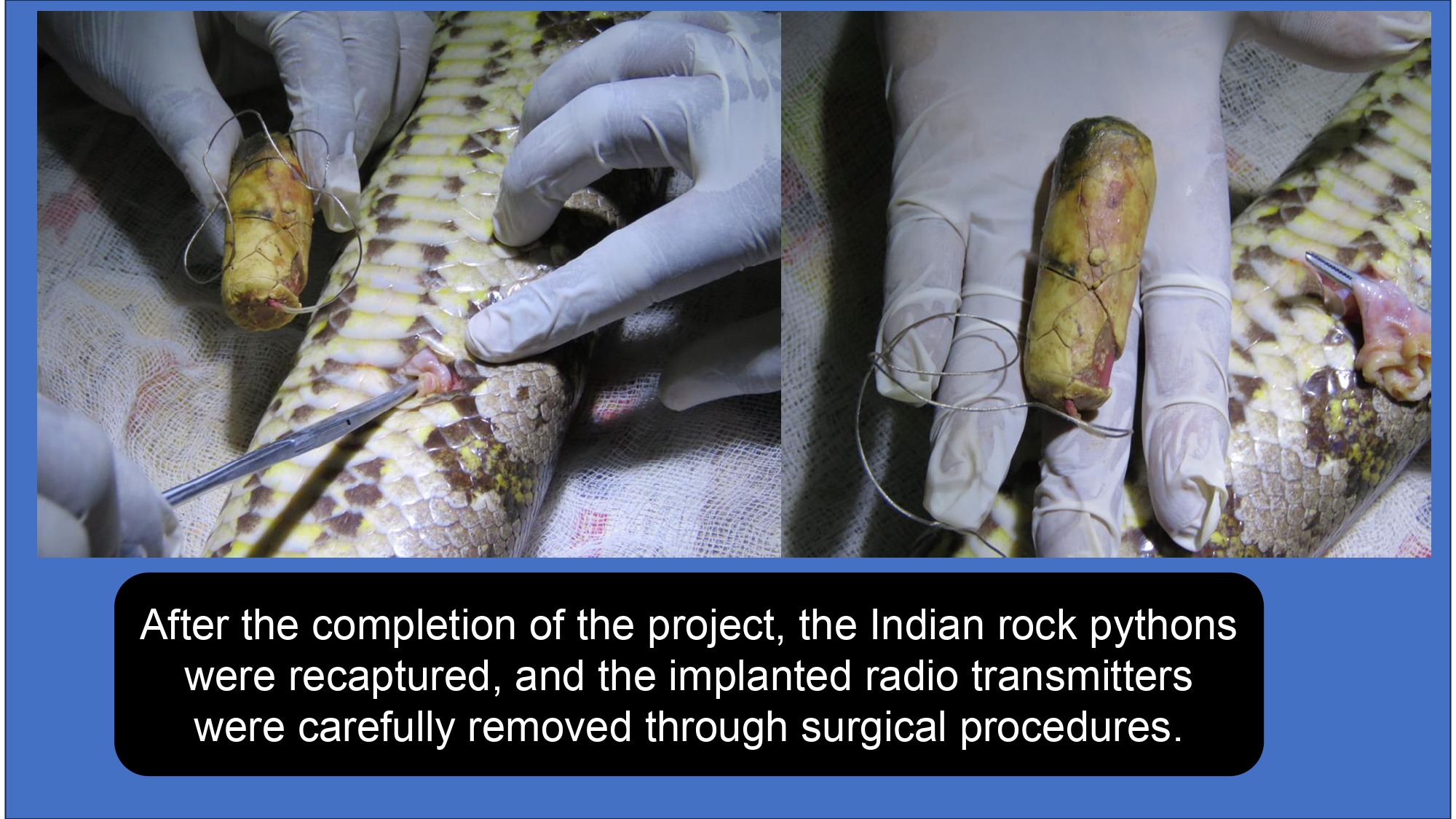
Dr. Asokan led one of India’s pioneering radio telemetry research projects on the Indian Rock Python (Python molurus). The project involved safe inhalation anesthesia, surgical implantation of VHF radio transmitters, post-operative rehabilitation, and long-term field monitoring of free-ranging pythons.
The study generated valuable scientific information on movement patterns, home range, habitat use, thermoregulation, seasonal activity, behaviour, and ecological adaptation. Tracking individual pythons in their natural environment provided evidence to support reptile conservation, habitat management, and scientific decision-making by wildlife authorities.
This work demonstrated the effective integration of veterinary expertise, surgical precision, field telemetry, and conservation biology for the protection of the Indian Rock Python.
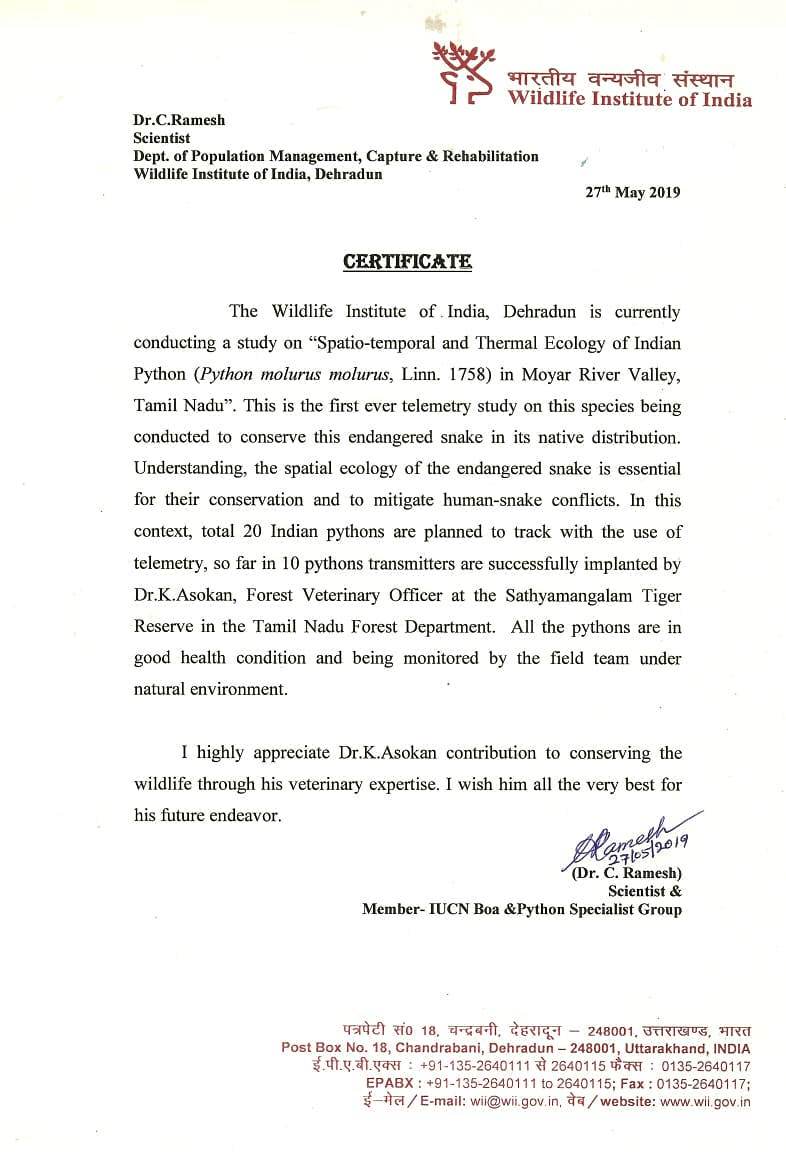
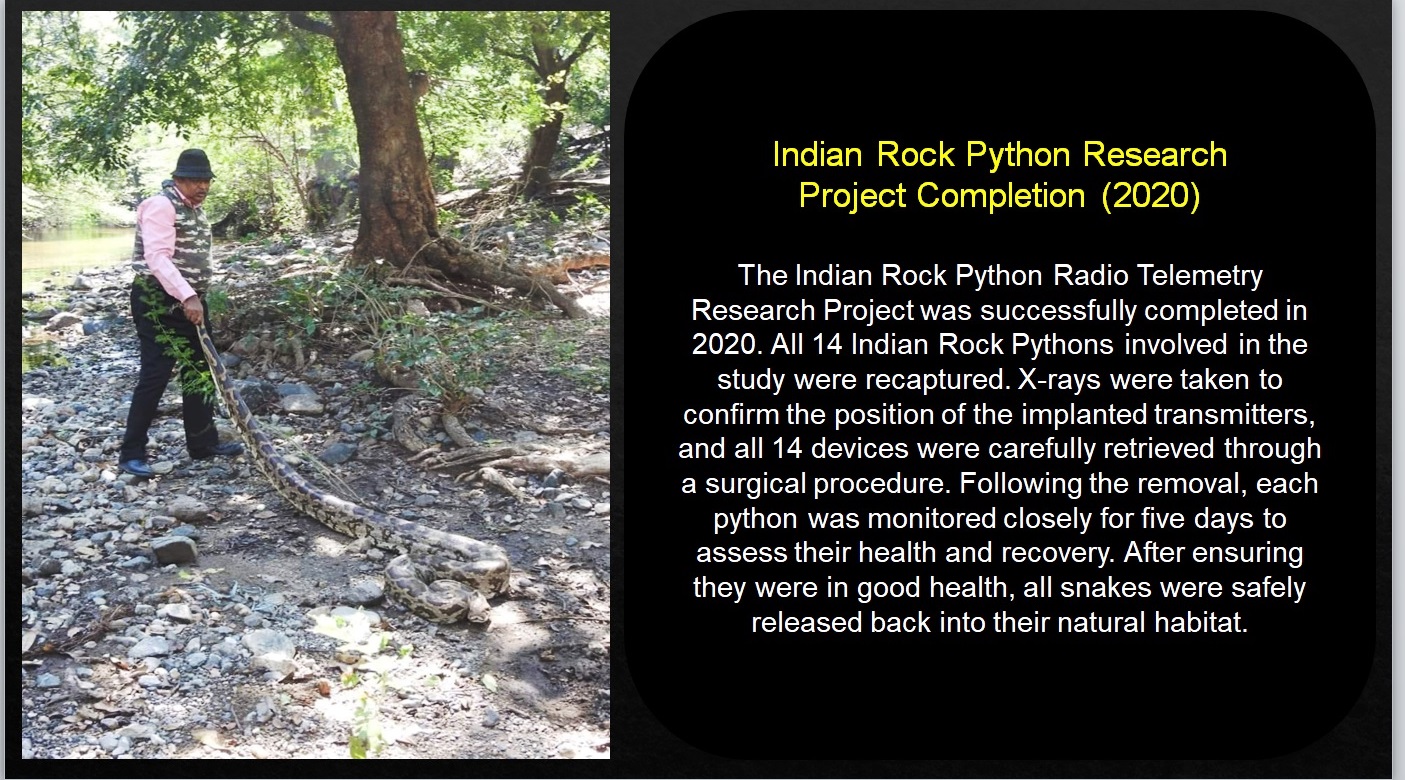
Appreciation for pioneering reptile research
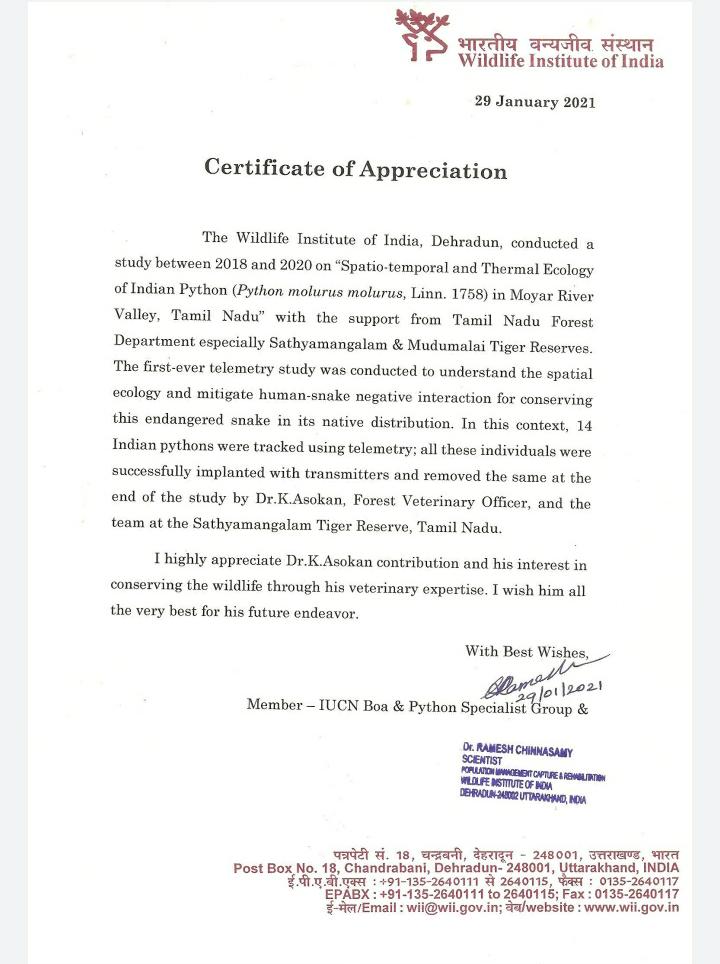
The Indian Rock Python Radio Telemetry Research Project received appreciation from the Wildlife Institute of India, Dehradun. In recognition of his contributions to reptile research and wildlife conservation, Dr. Asokan received two Appreciation Certificates from the Project Coordinator in 2019 and 2021 for successfully implementing the pioneering radio telemetry transmitter study.
Guest of Honour – SnakeHack Coimbatore Roadshow
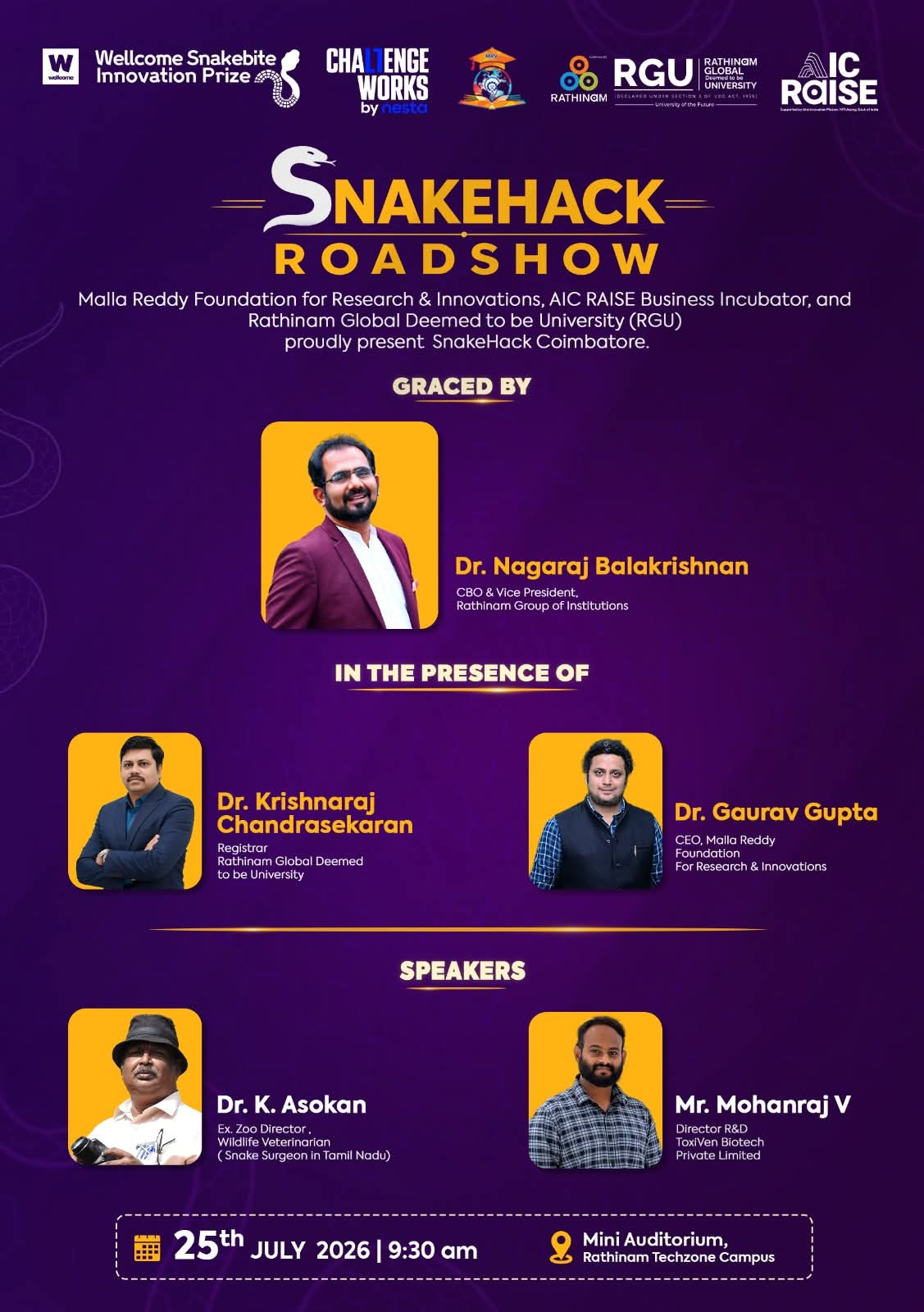
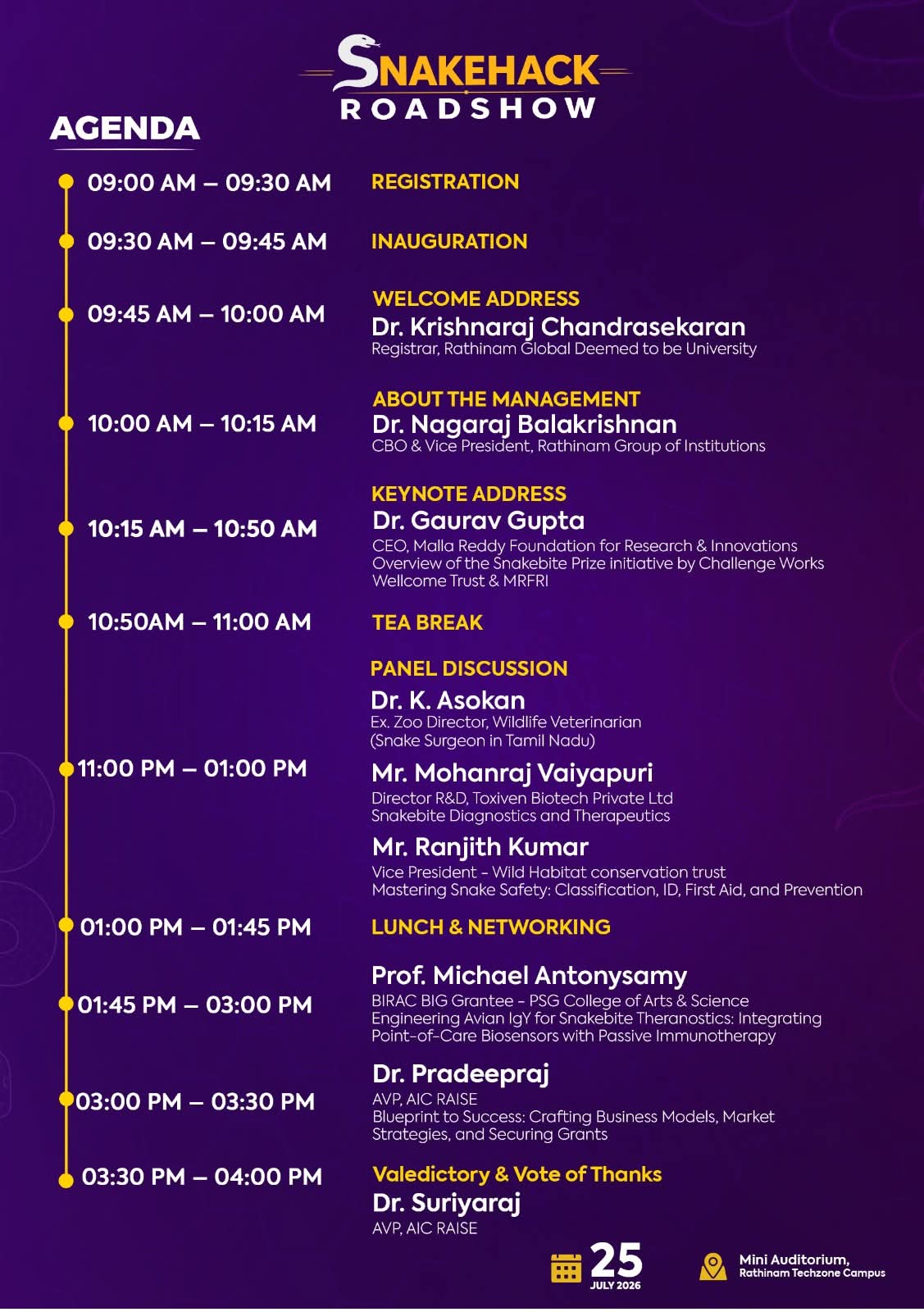
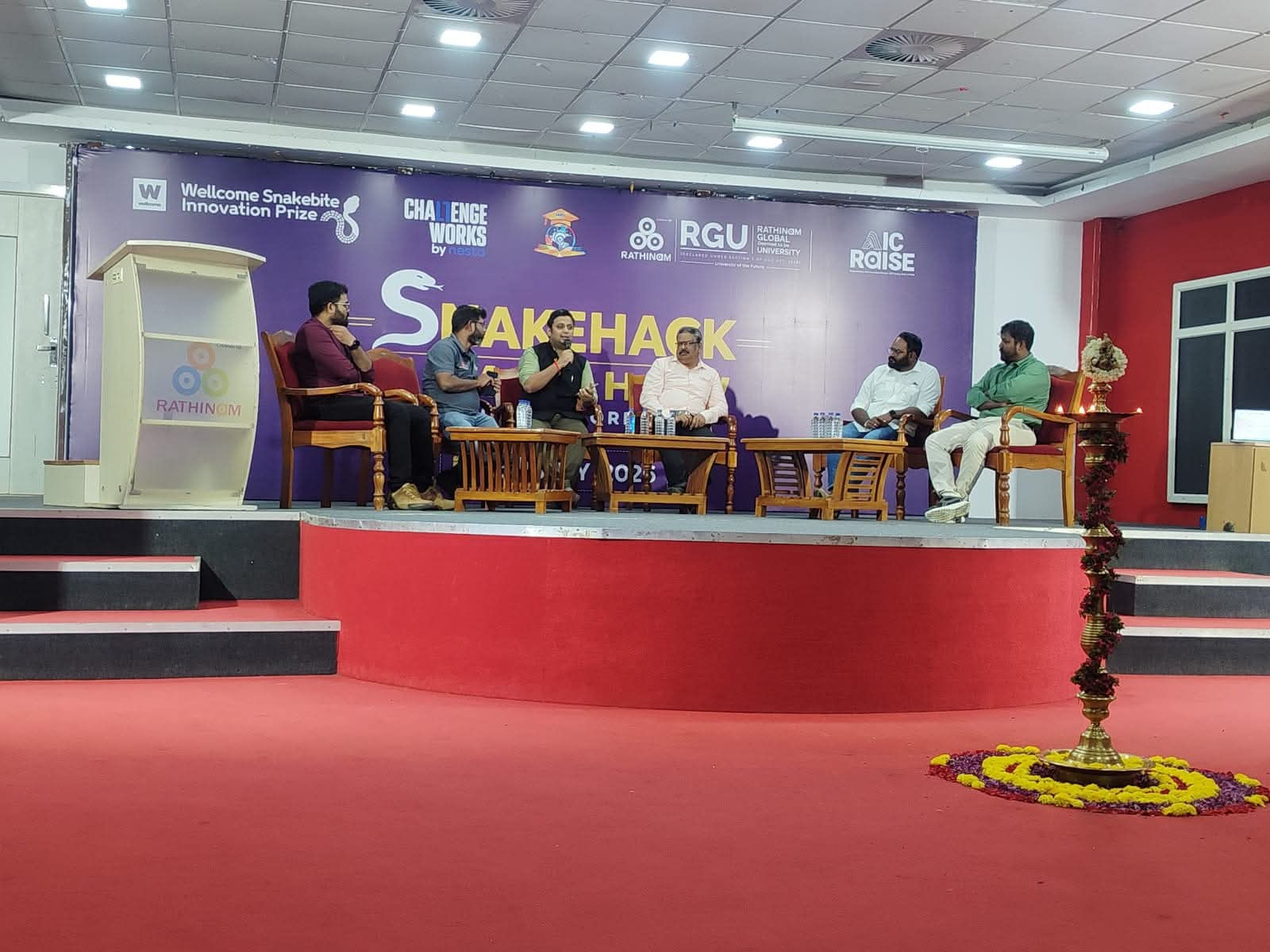
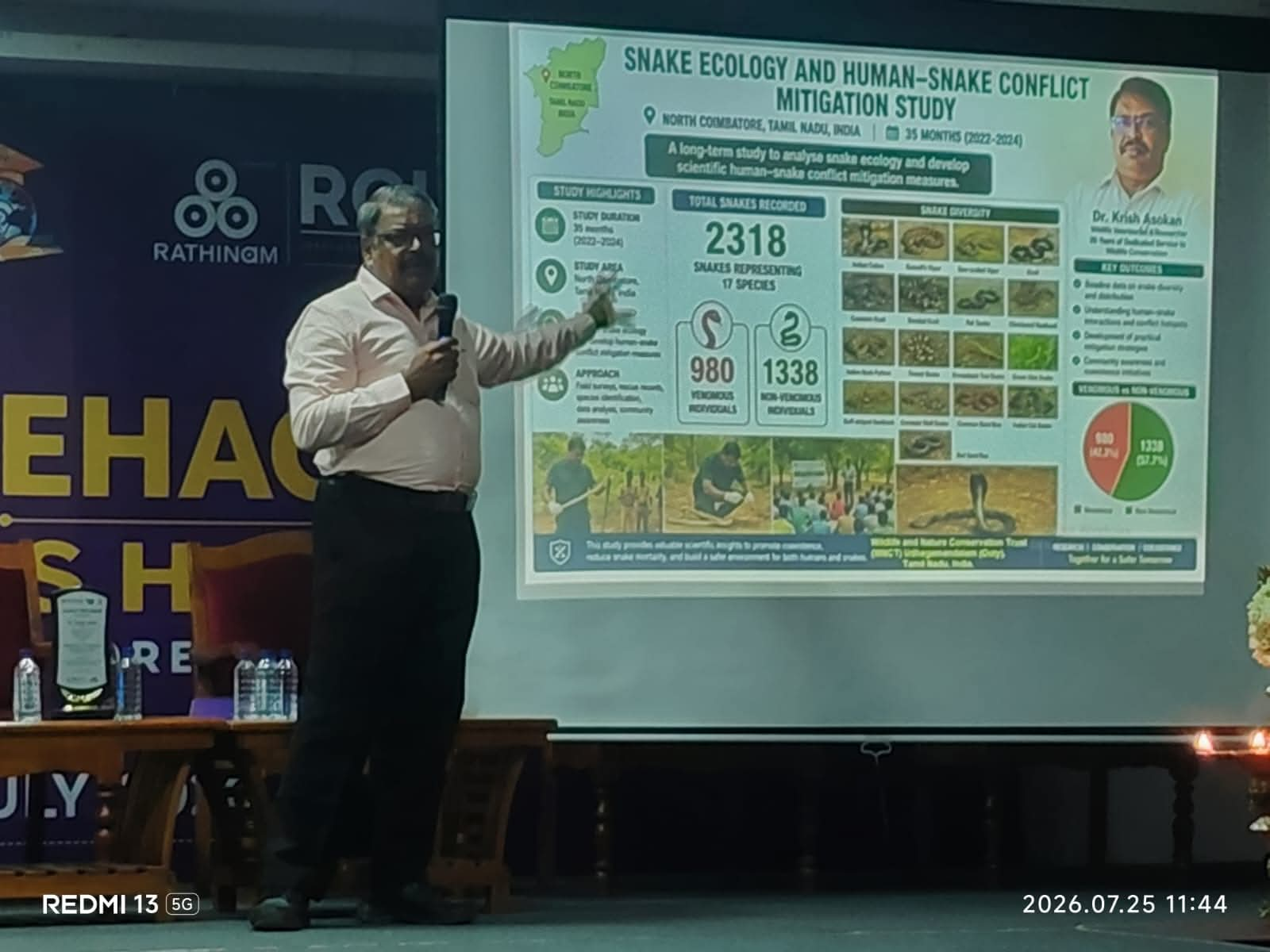
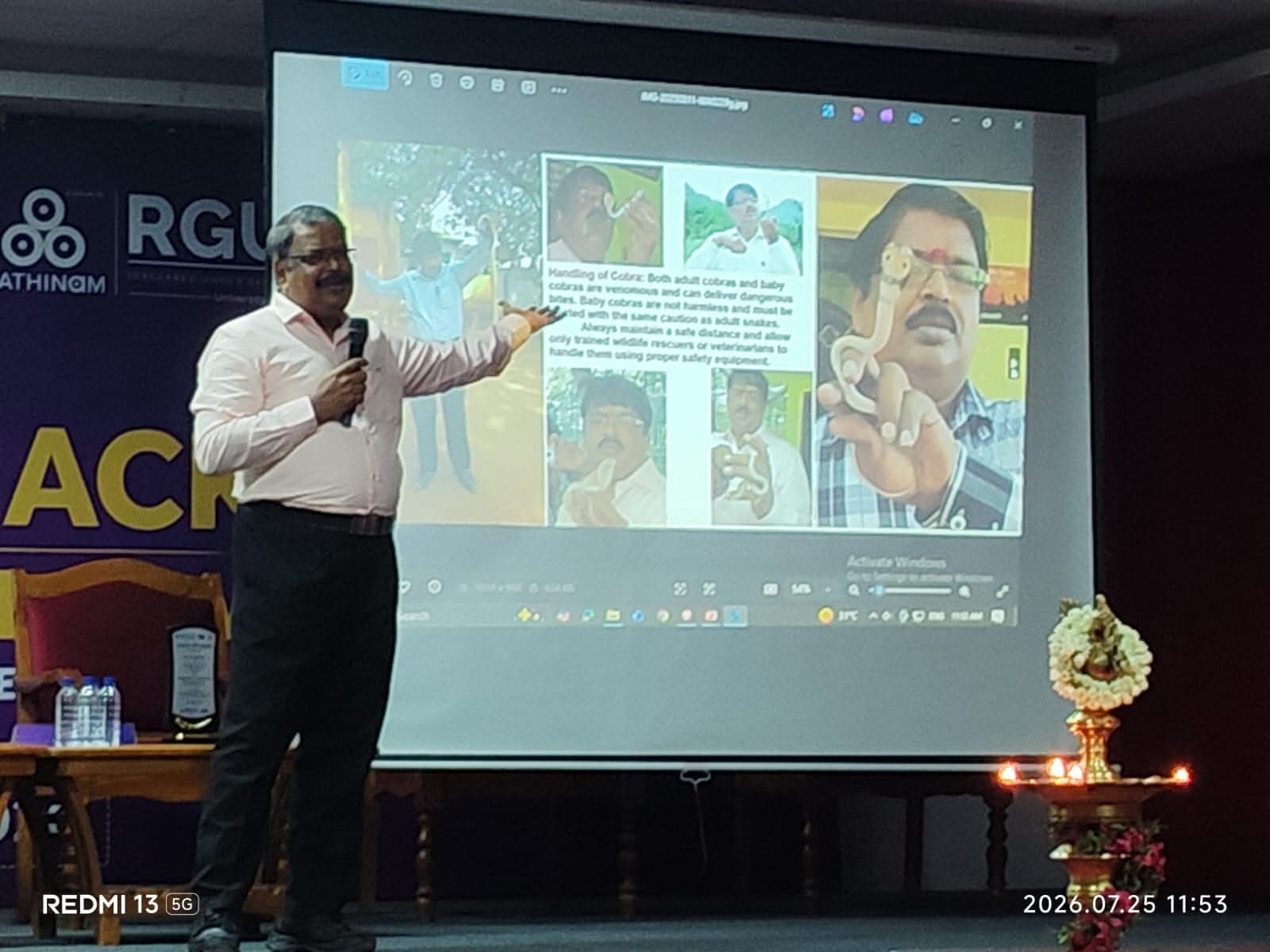
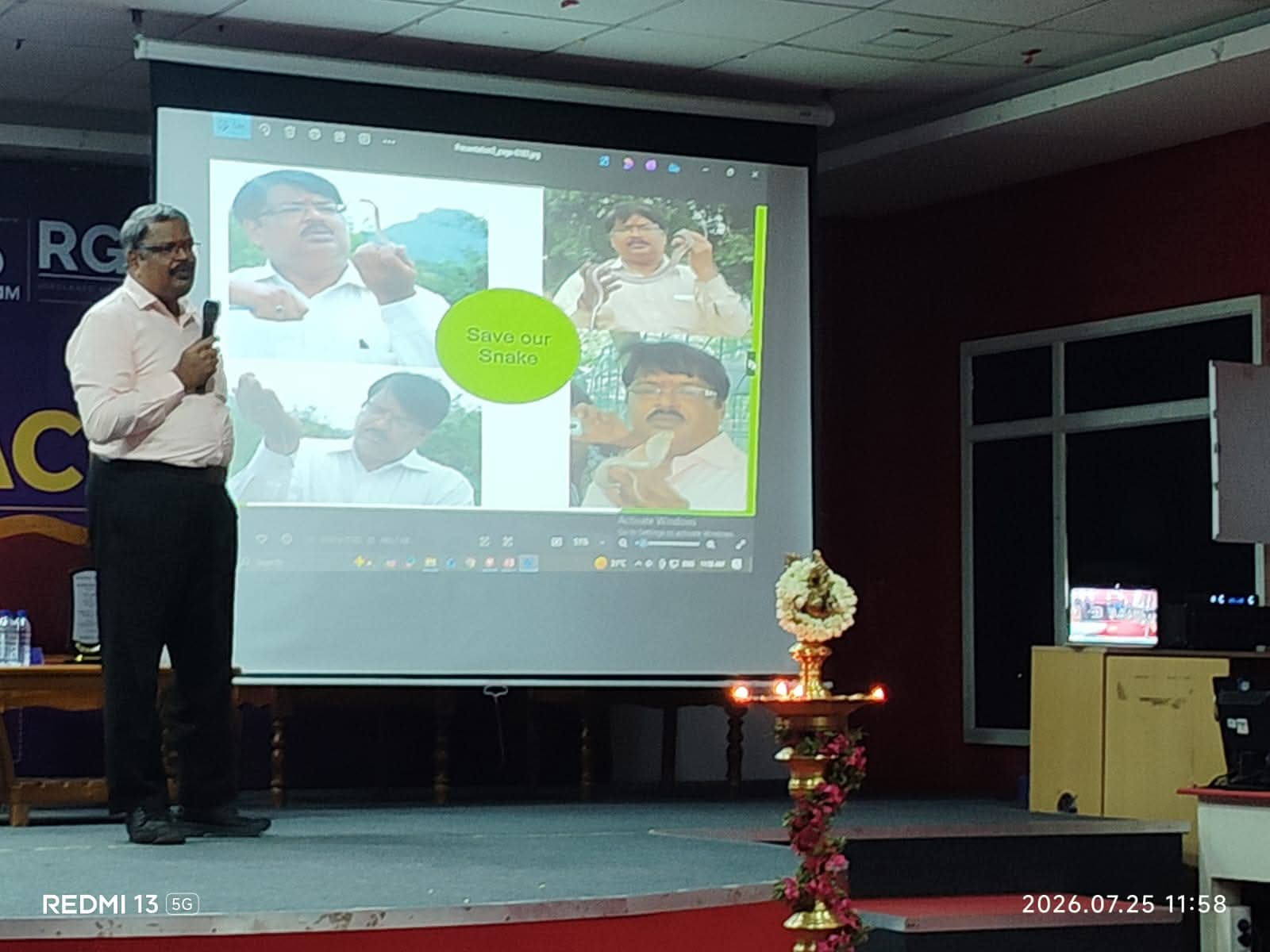
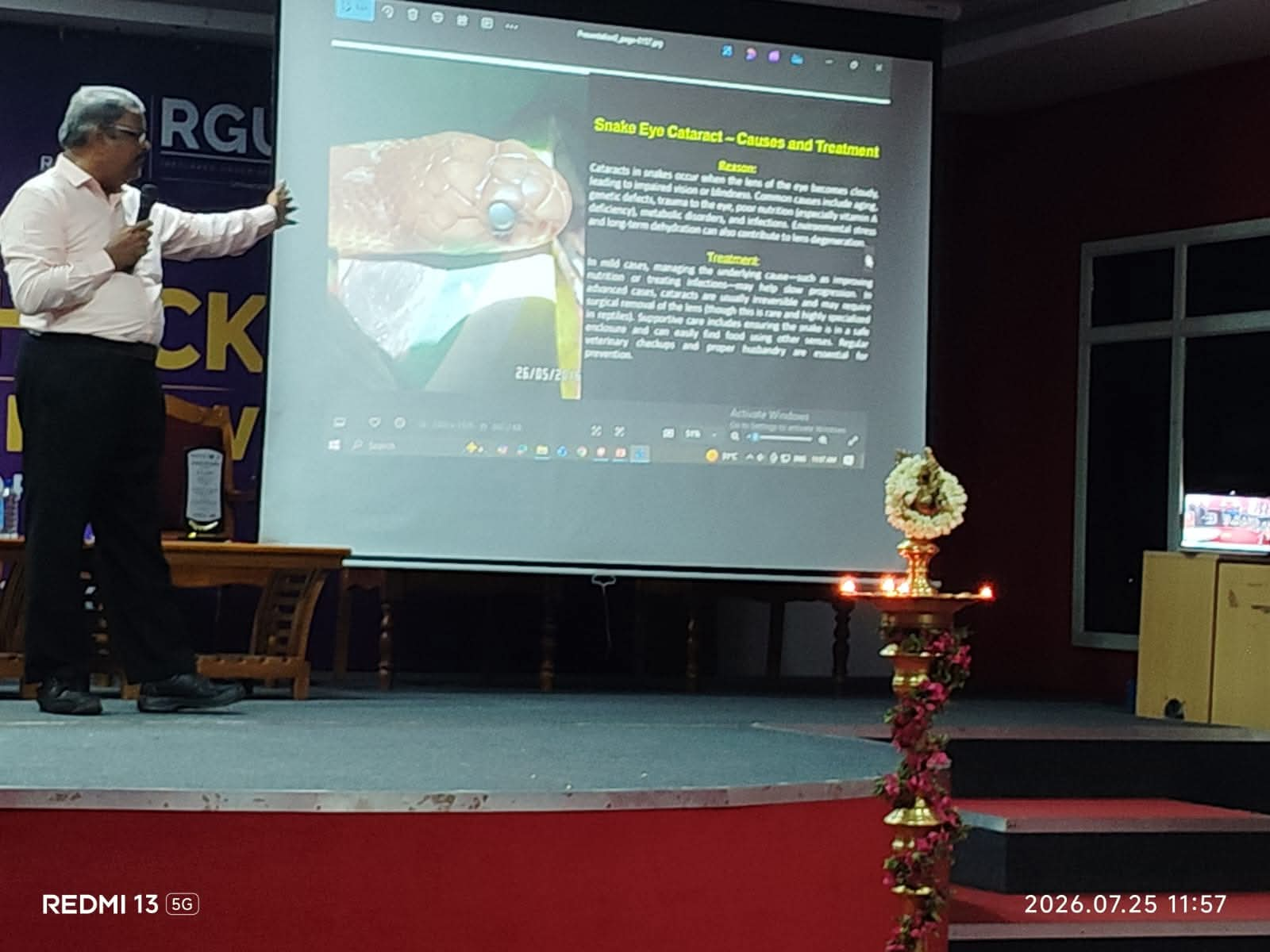
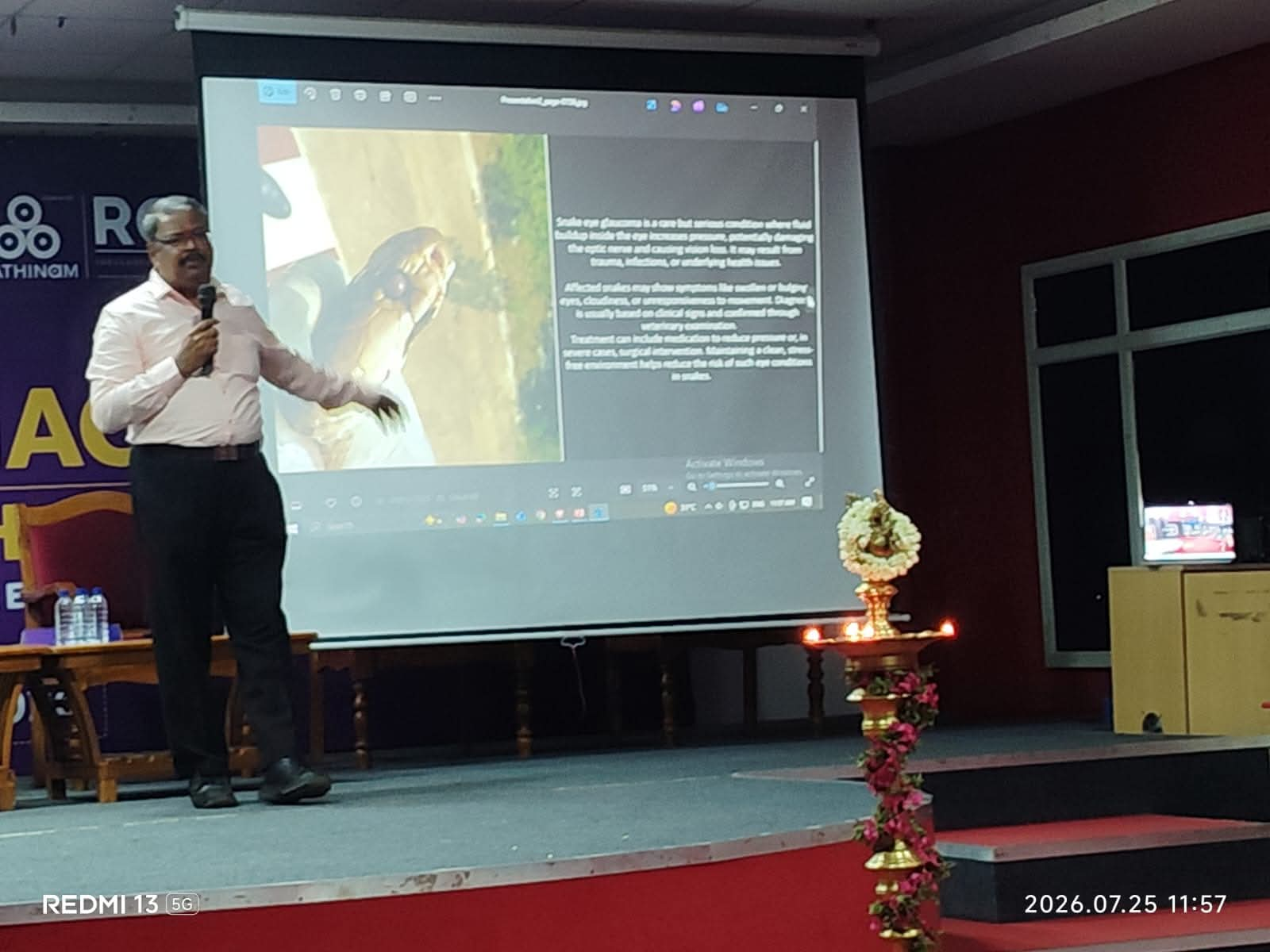
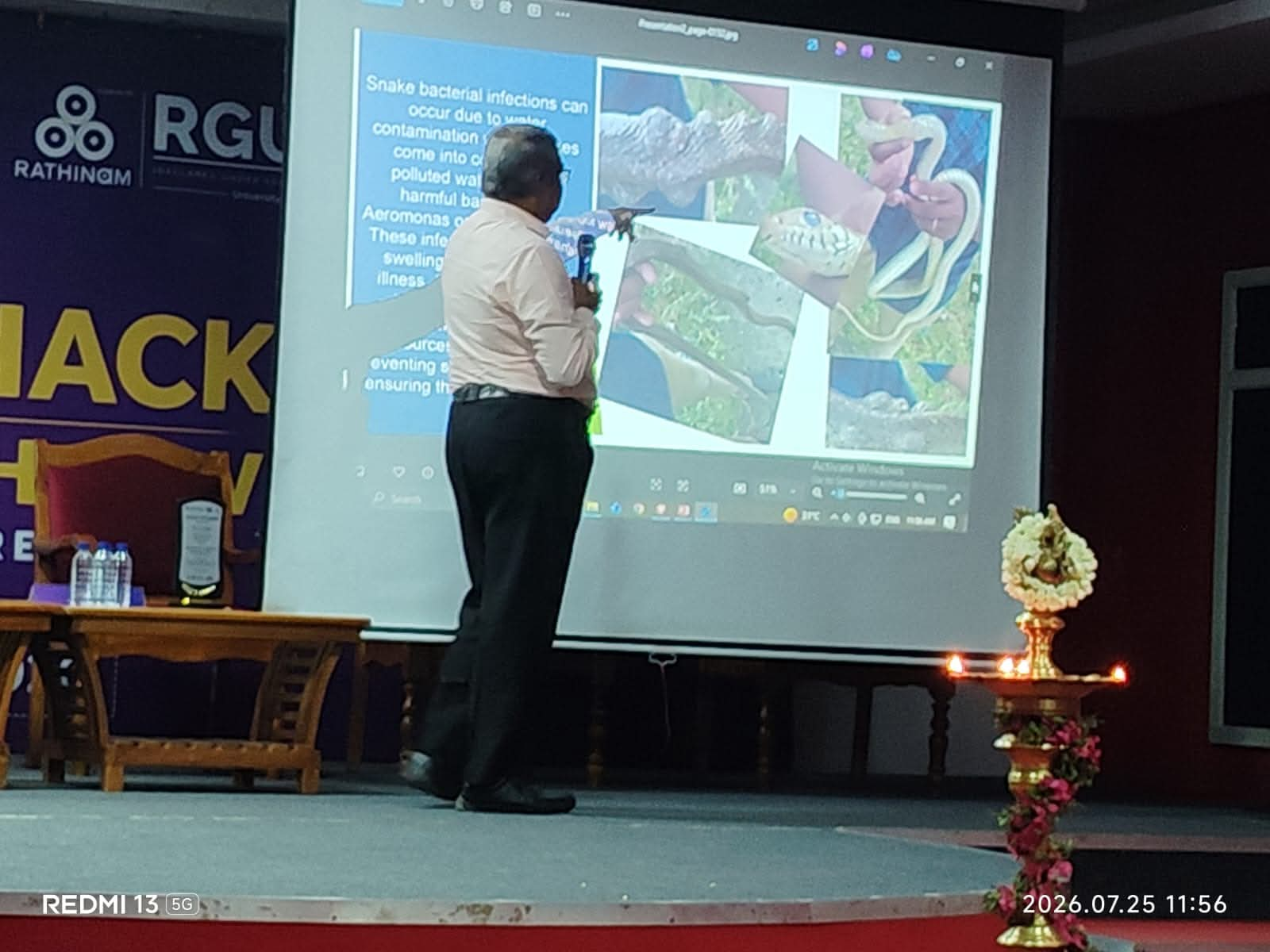
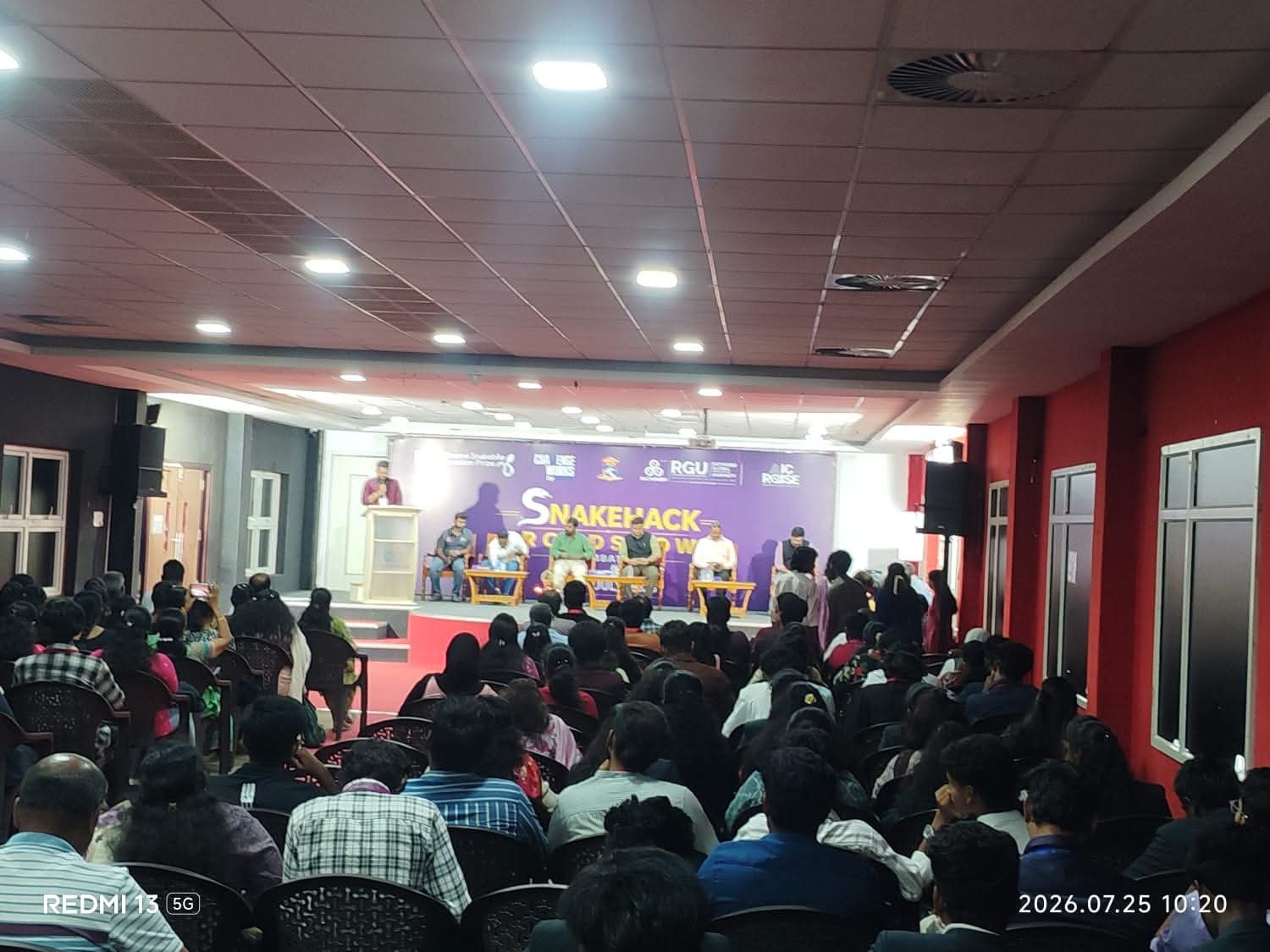
- Dr. K. Ashokan was invited as a Guest of Honour for the SnakeHack Coimbatore Roadshow, organized by BIOINNOSPACE and AIC RAISE, in collaboration with the Malla Reddy Foundation for Research & Innovations (MRFRI), Hyderabad. The event was part of the Pan-India Snakebite Innovation Roadshow supporting the £6.25 million Wellcome Snakebite Innovation Prize. Held on 25 July 2026 at Rathinam Techzone Campus, Coimbatore, the programme brought together snakebite experts, researchers, clinicians, innovators, and multidisciplinary problem-solvers to develop innovative solutions for snakebite prevention, diagnosis, treatment, and rehabilitation. Dr. Ashokan’s experience in snake veterinary medicine, snake surgery, rescue, conservation, and public awareness contributed valuable field-based perspectives to this national innovation initiative.
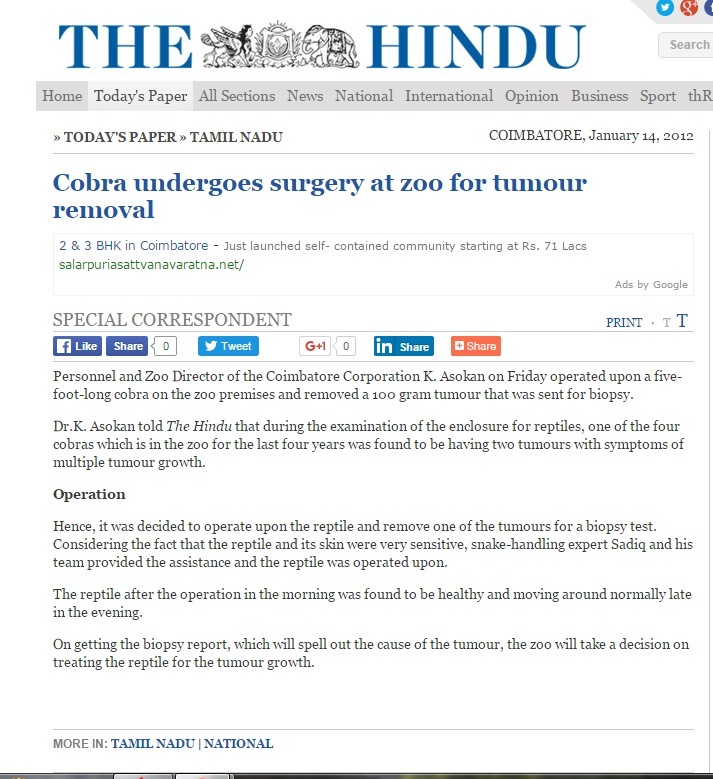
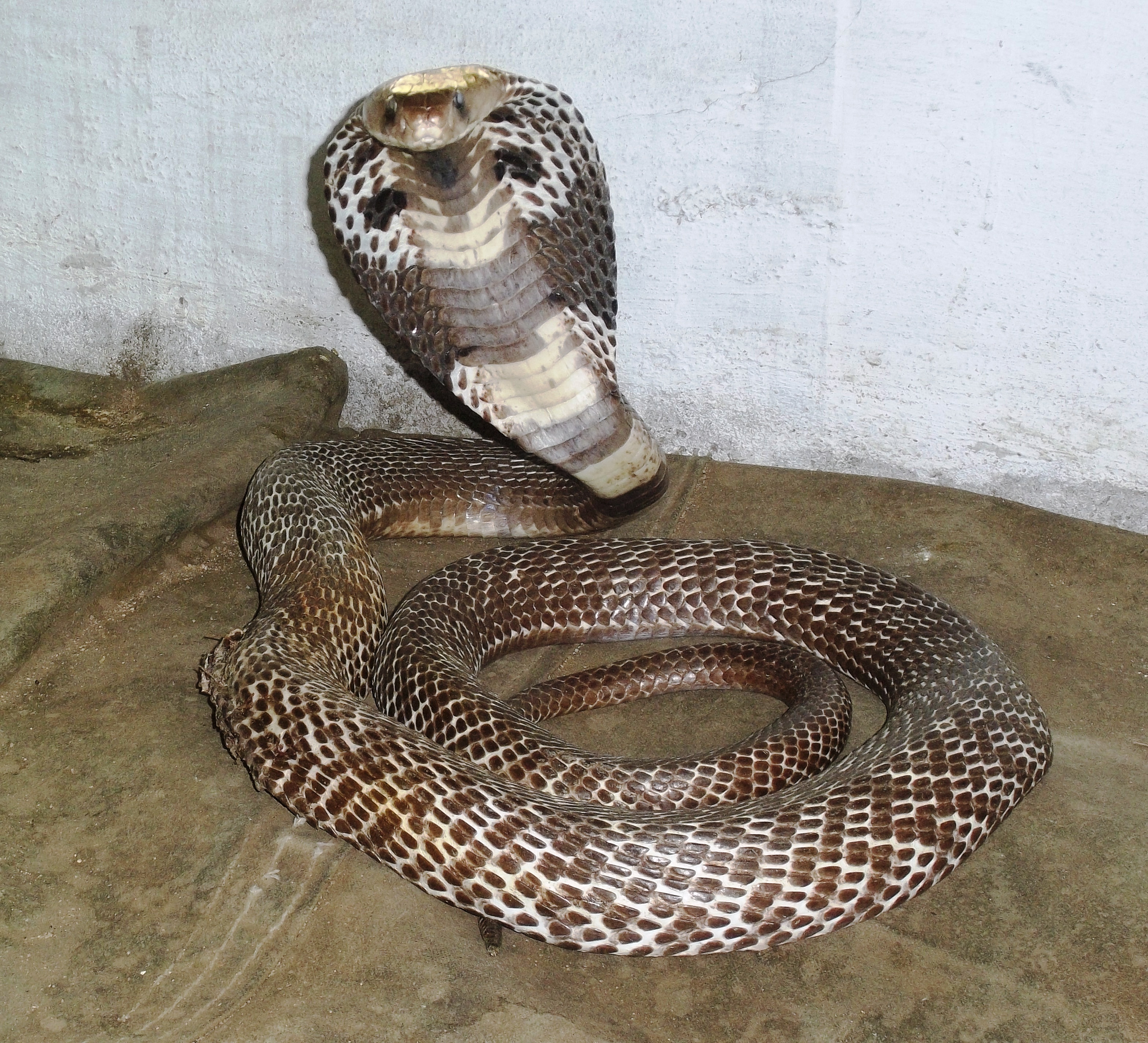
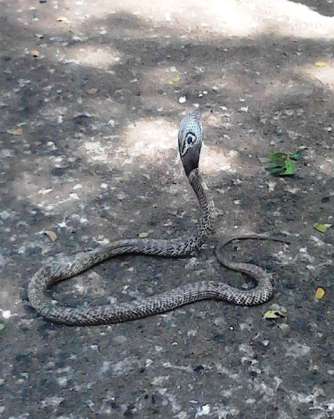
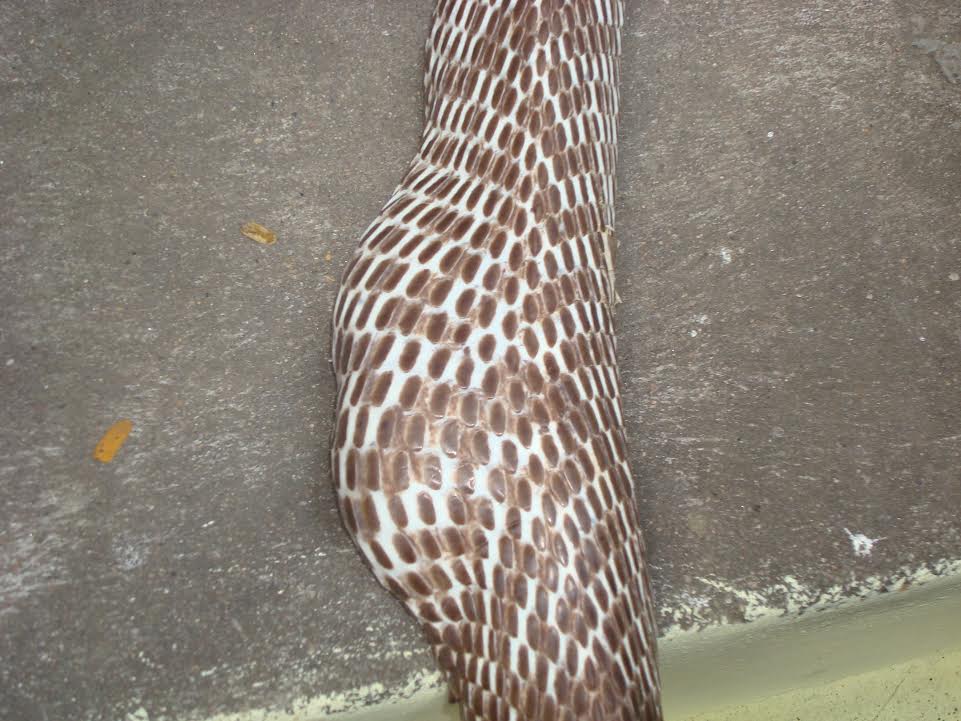
Successful Surgical Management of a Benign Tumour in an Indian Cobra
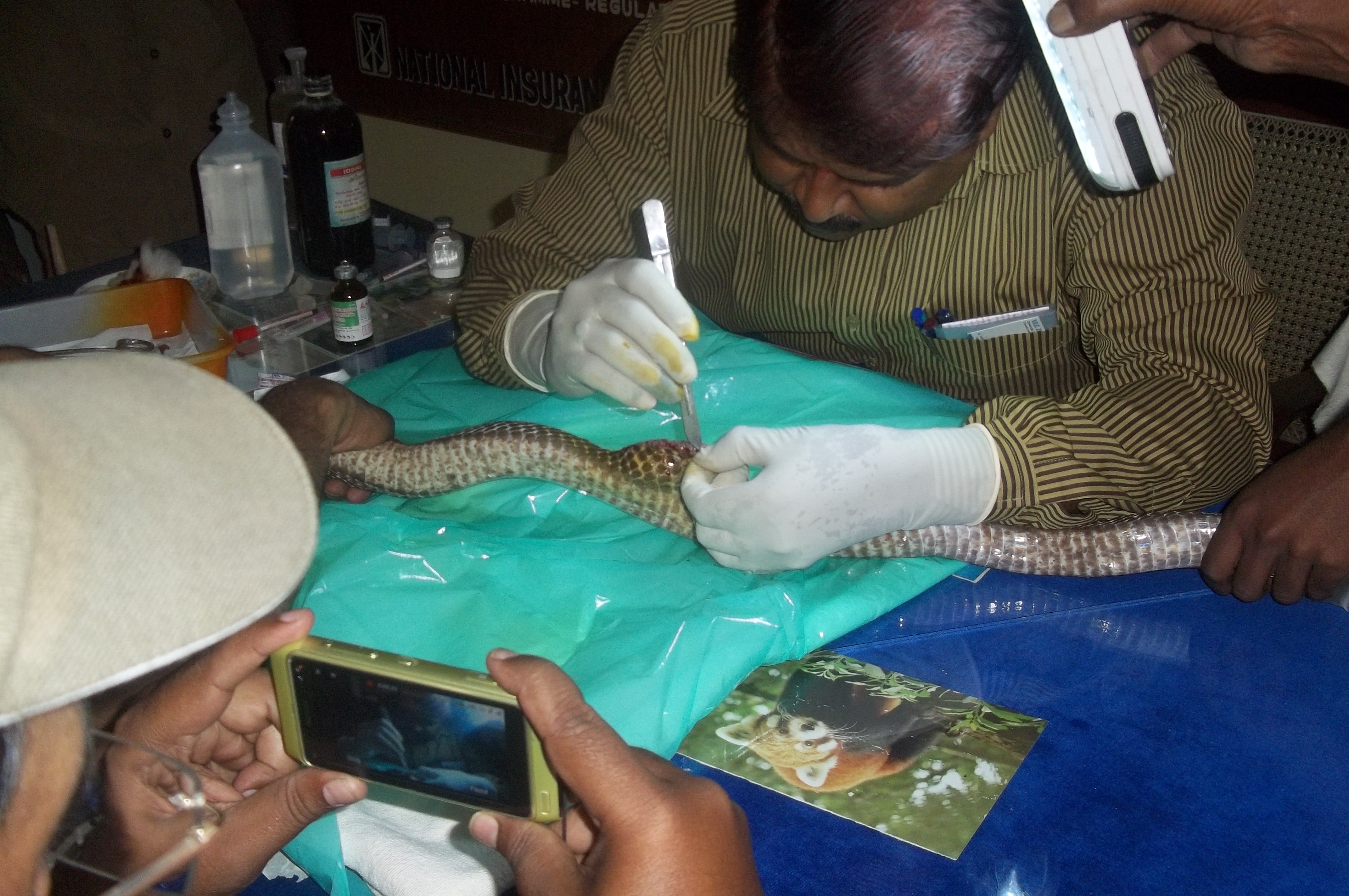
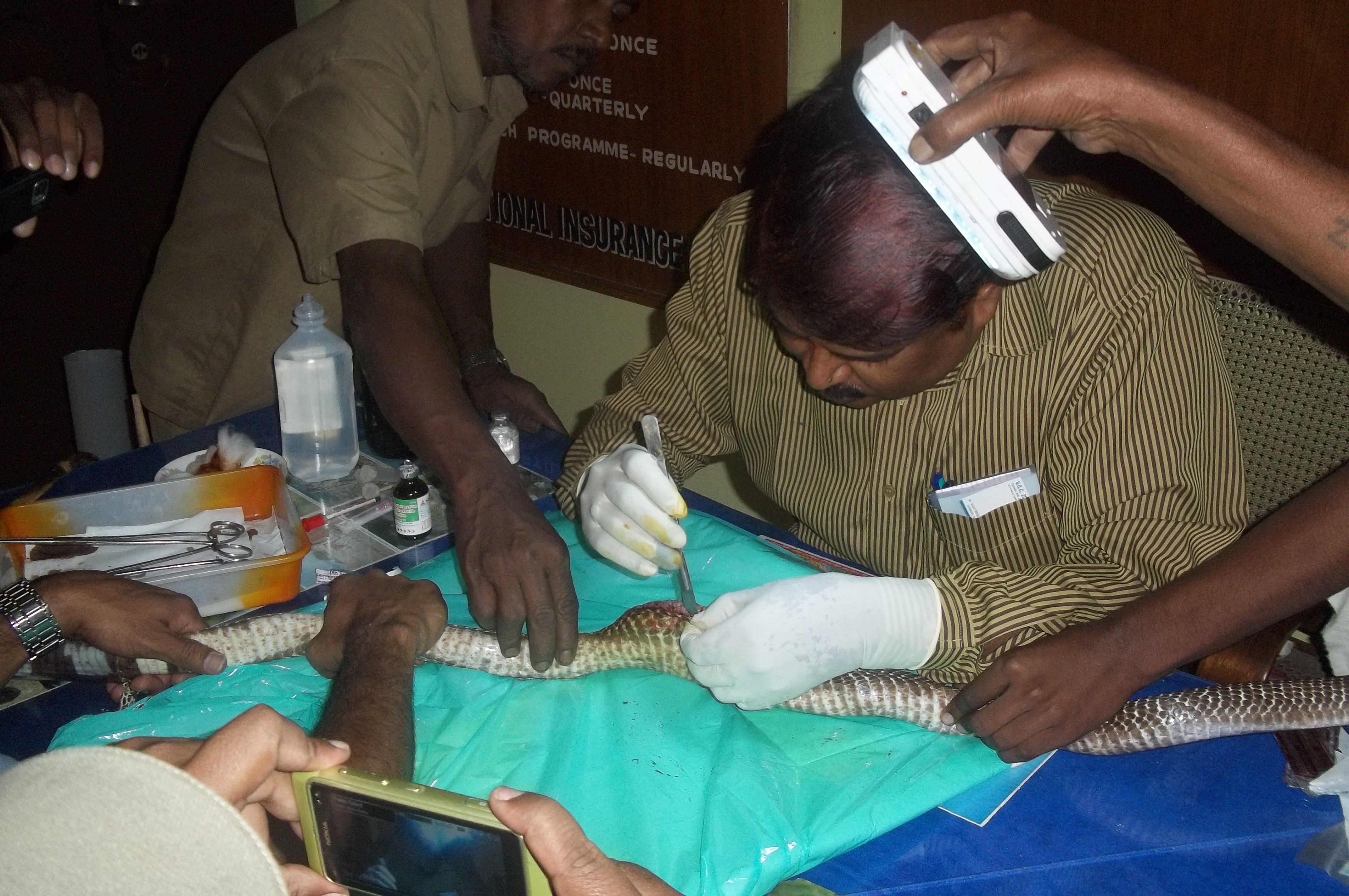
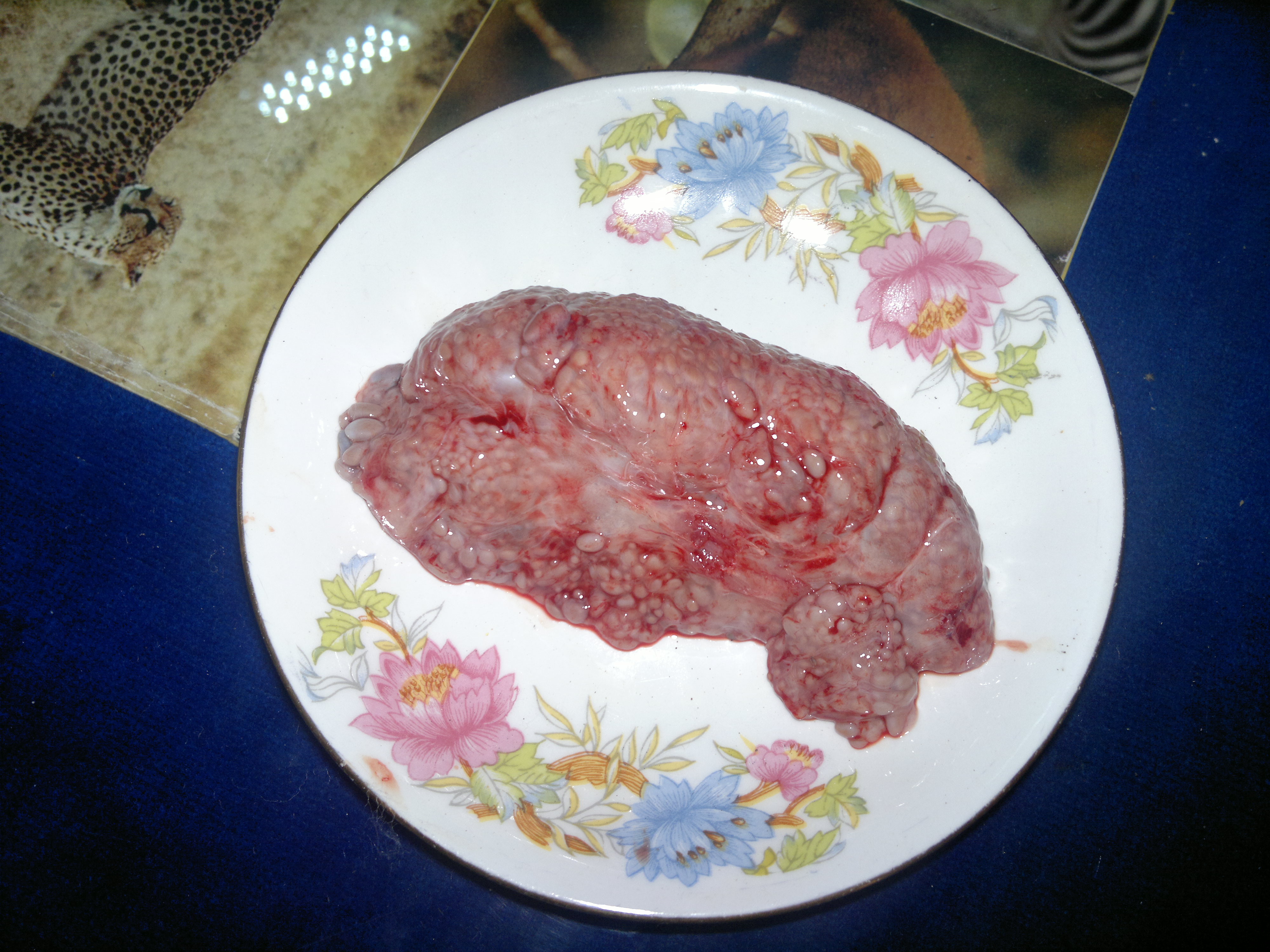
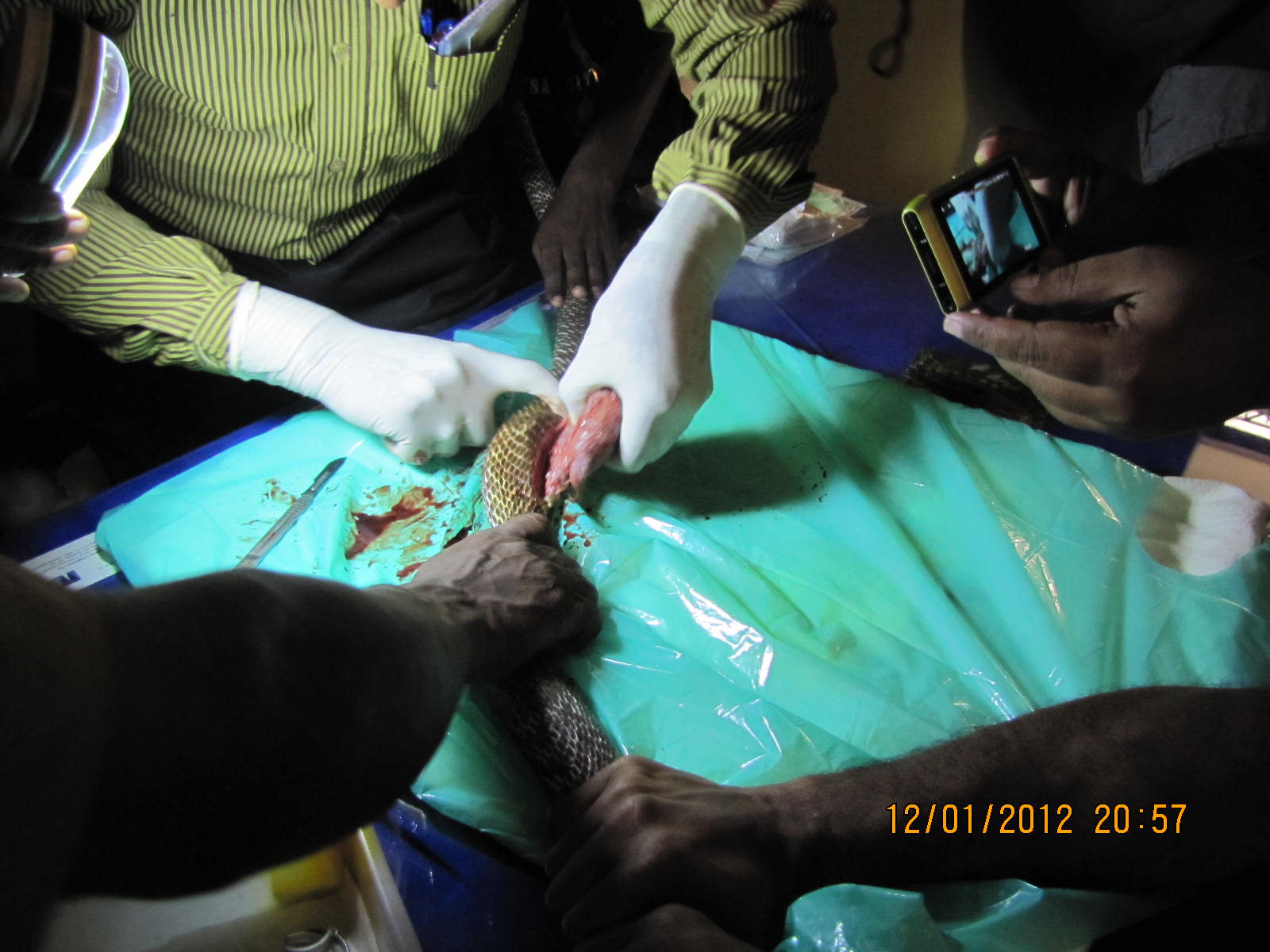
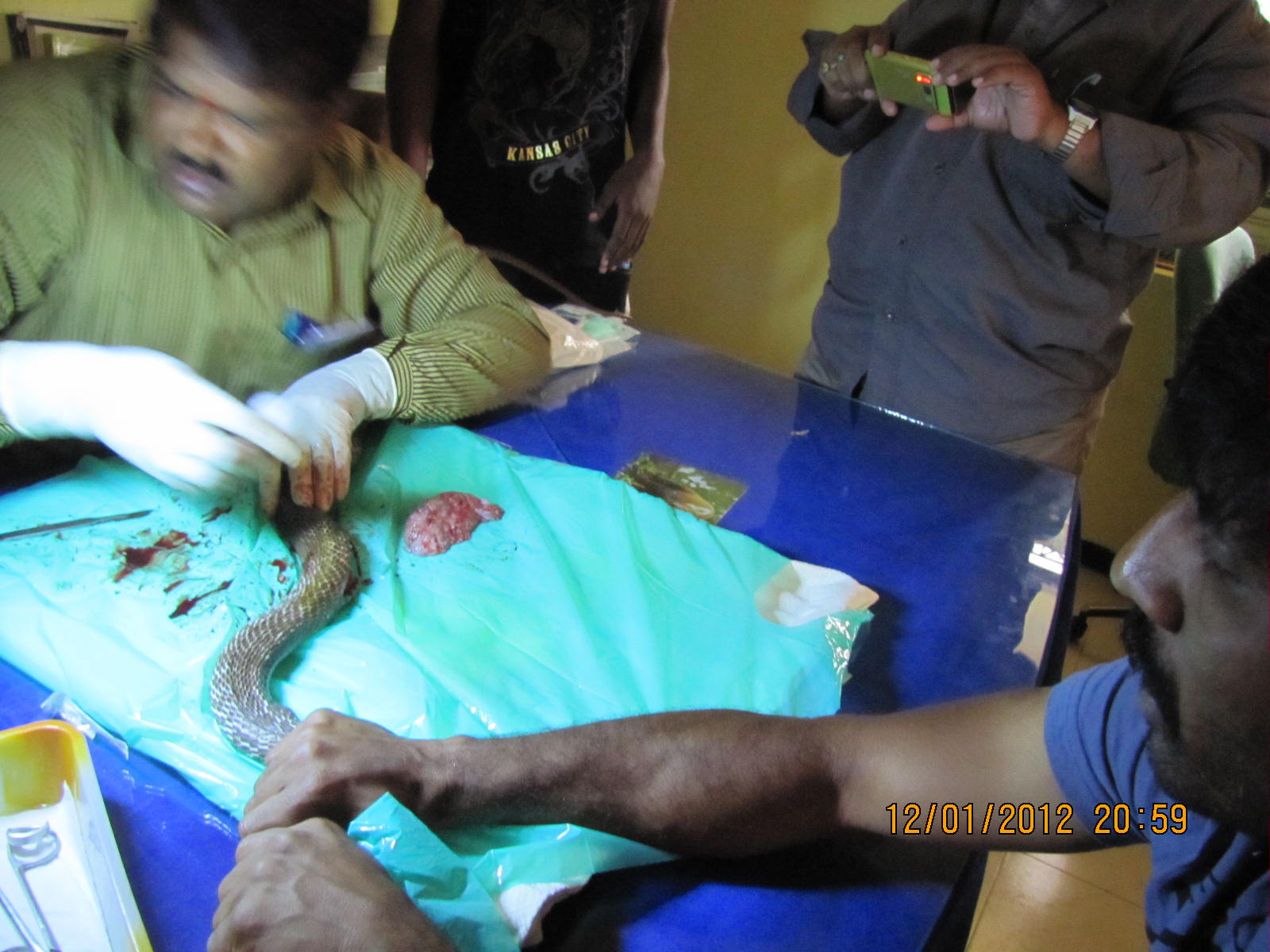
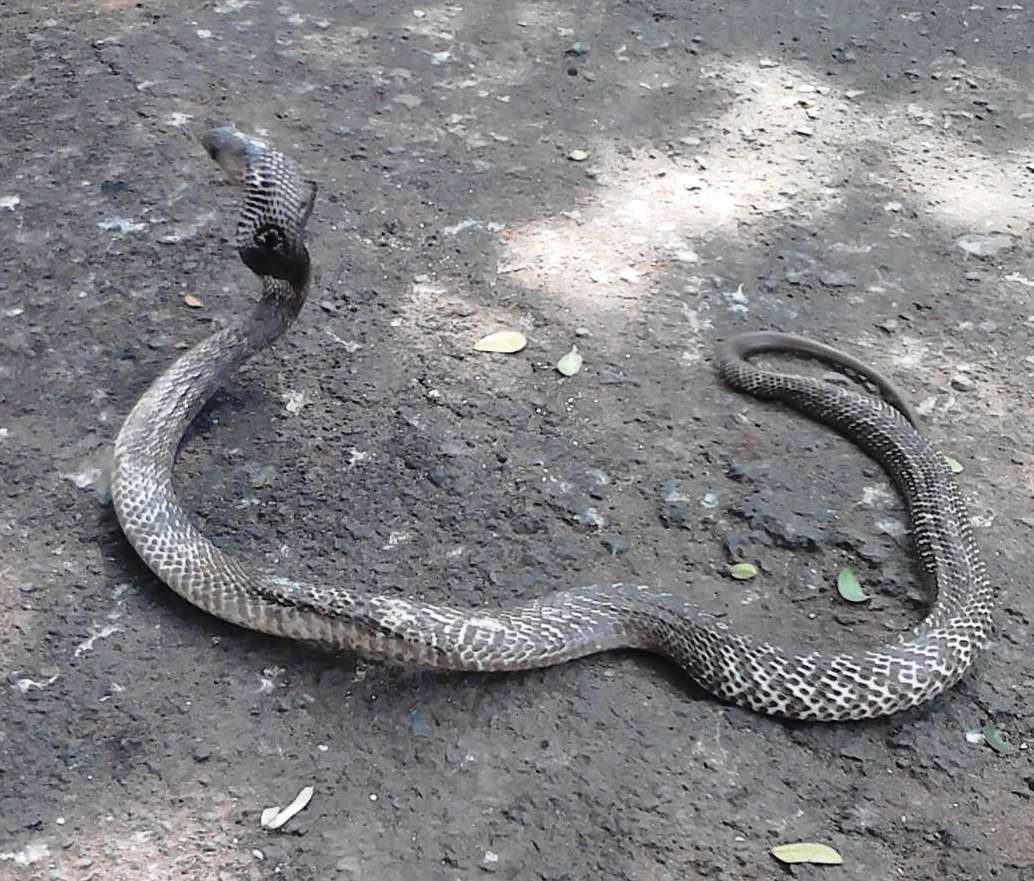
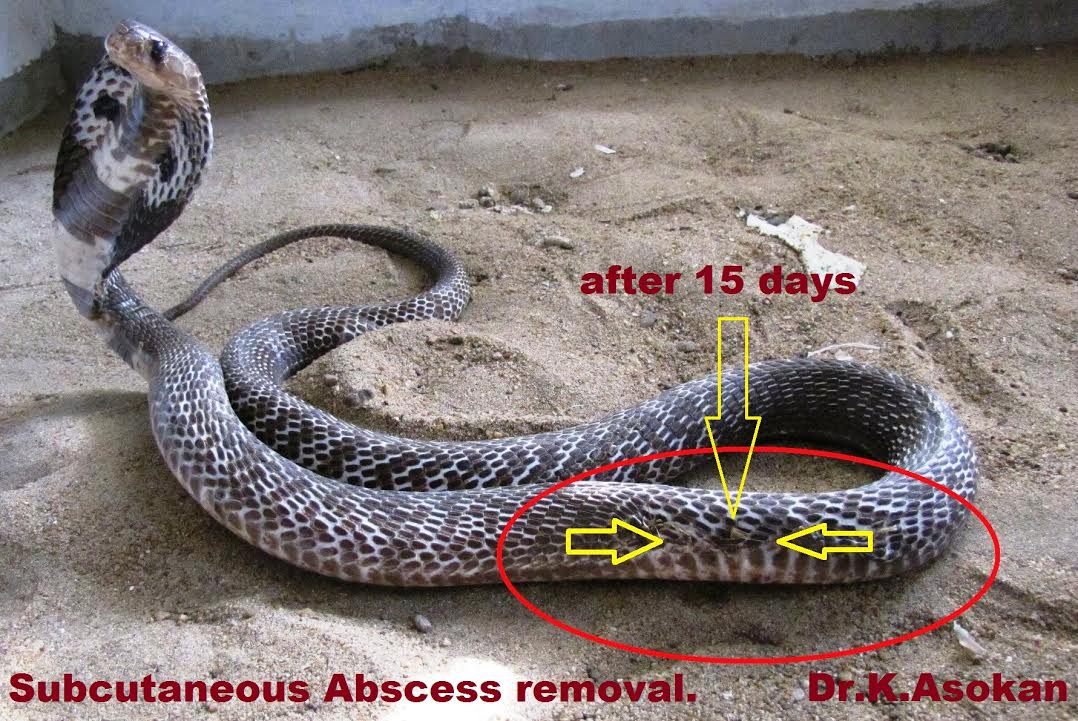
Identification and Surgical Management of Lipoma in a Russell's Viper
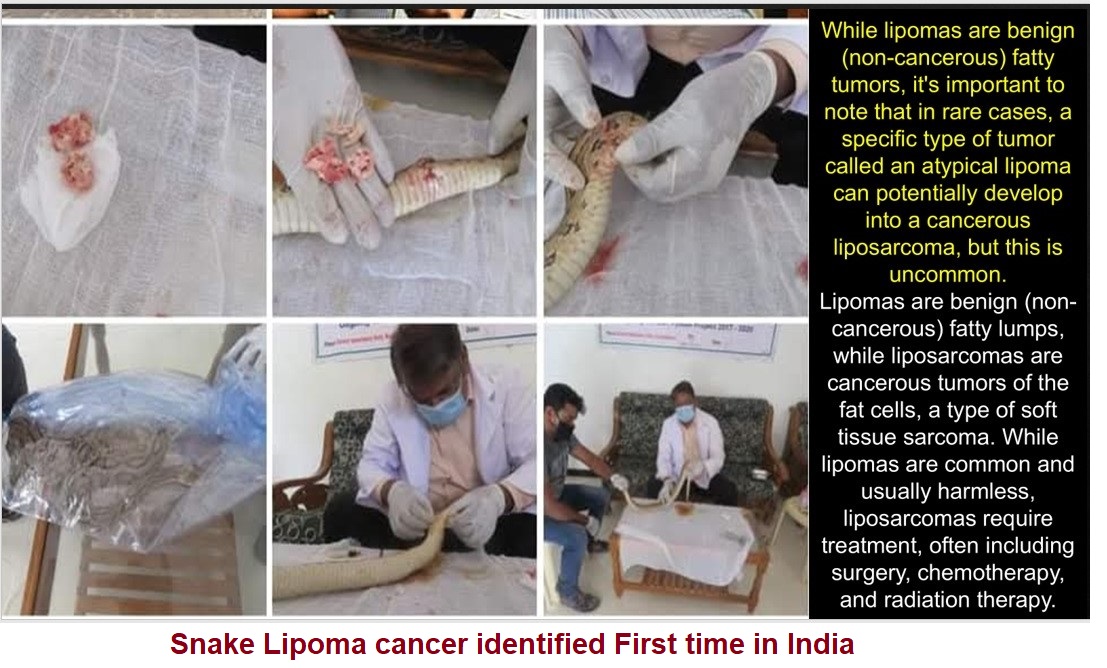
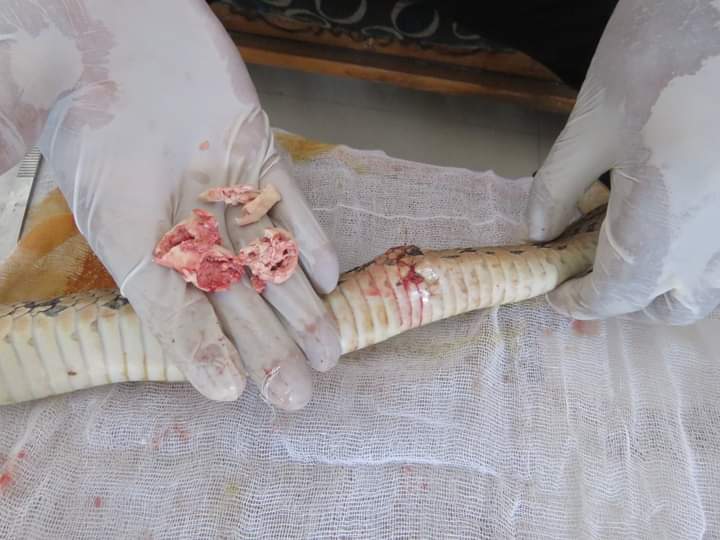
- During his service as a Wildlife Veterinarian, Dr. Krish Asokan diagnosed and successfully treated a Russell's Viper (Daboia russelii) affected by a lipoma (benign fatty tumour). The tumour was surgically removed, and histopathological examination confirmed the diagnosis. The snake recovered successfully following surgery and postoperative care. This rare clinical case contributed to the understanding of tumour conditions in free-ranging snakes and demonstrated the feasibility of advanced surgical management in venomous reptiles. Dr. Asokan has observed that neoplastic conditions, including benign and malignant tumours, are increasingly being detected in snakes. Although the exact causes remain uncertain, environmental pollution, habitat degradation, exposure to contaminants, and other ecological stressors may contribute to their occurrence and require further scientific investigation. If supported by published evidence, this case may represent one of the earliest documented reports of lipoma in a Russell's Viper in India.
Clinical and postmortem evidence for prevention and conservation
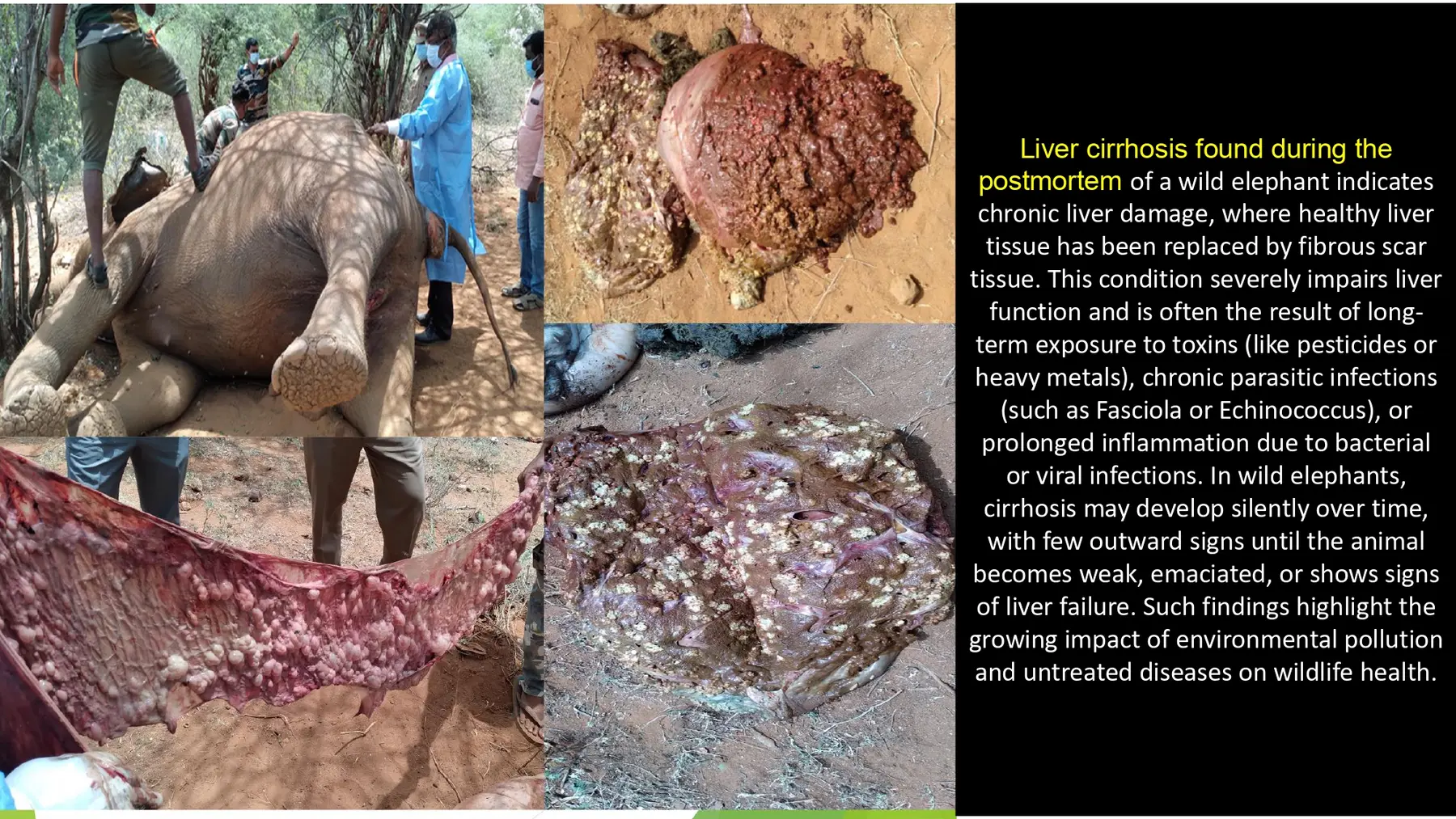
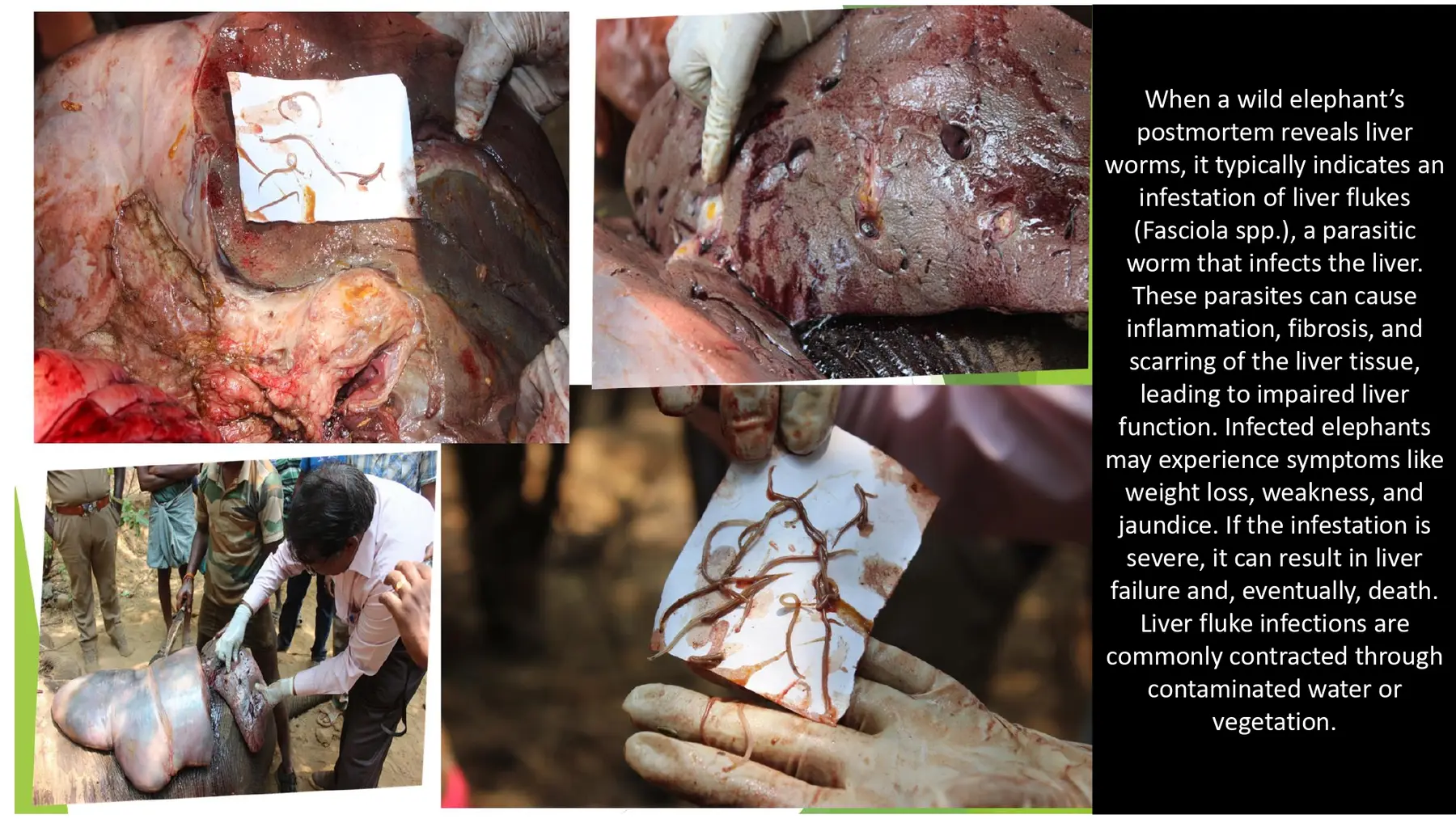
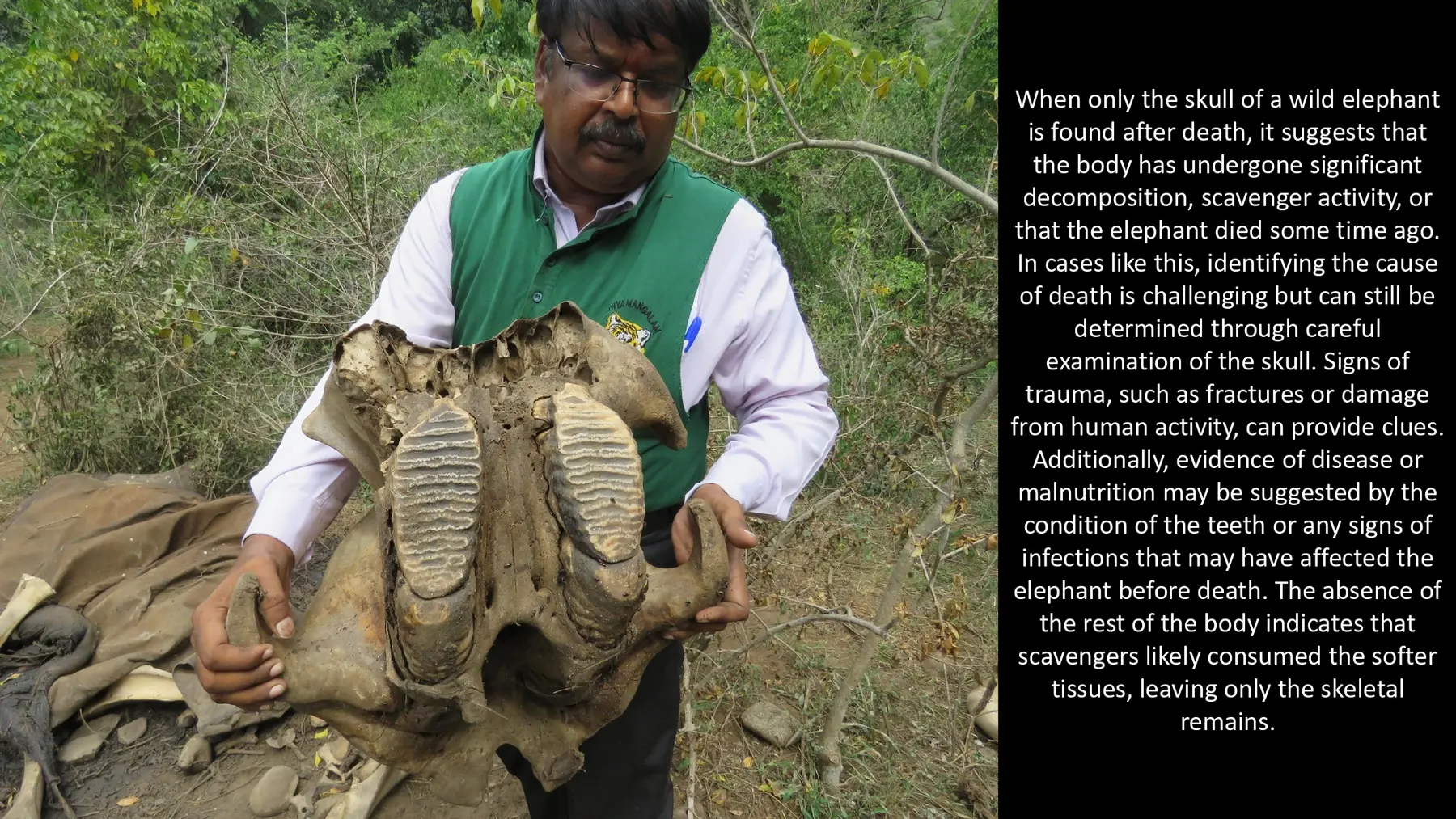
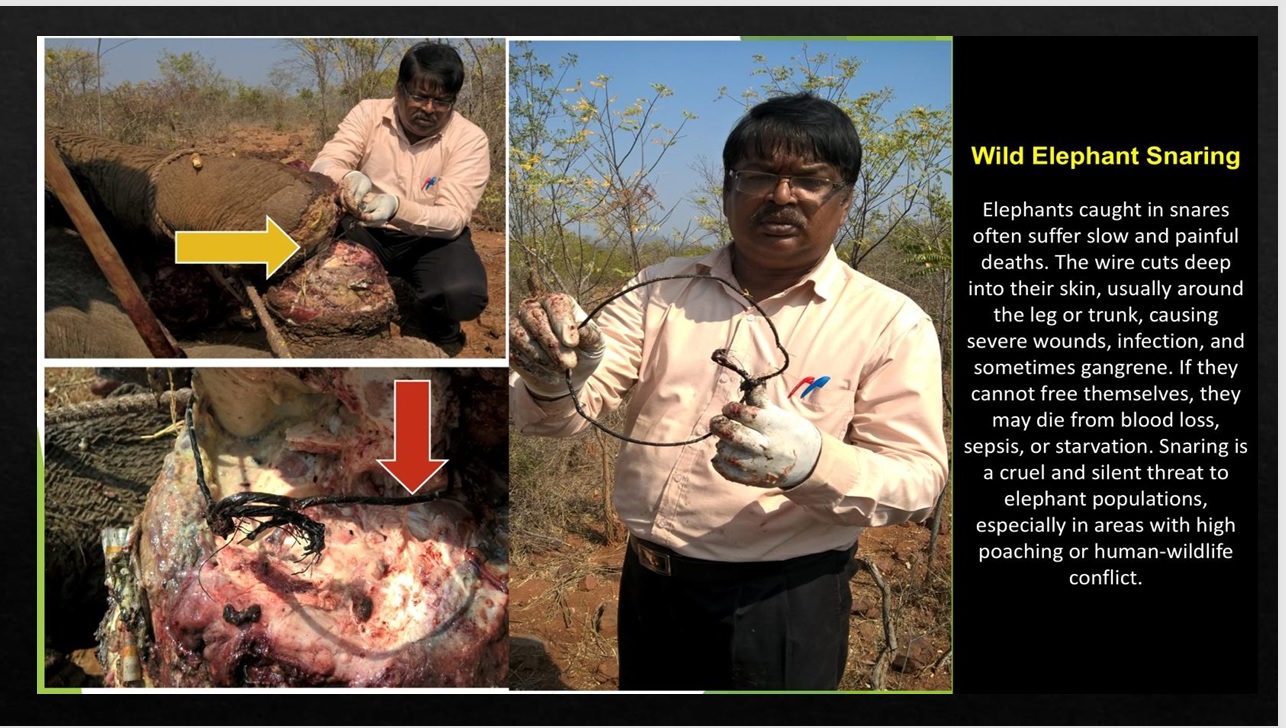
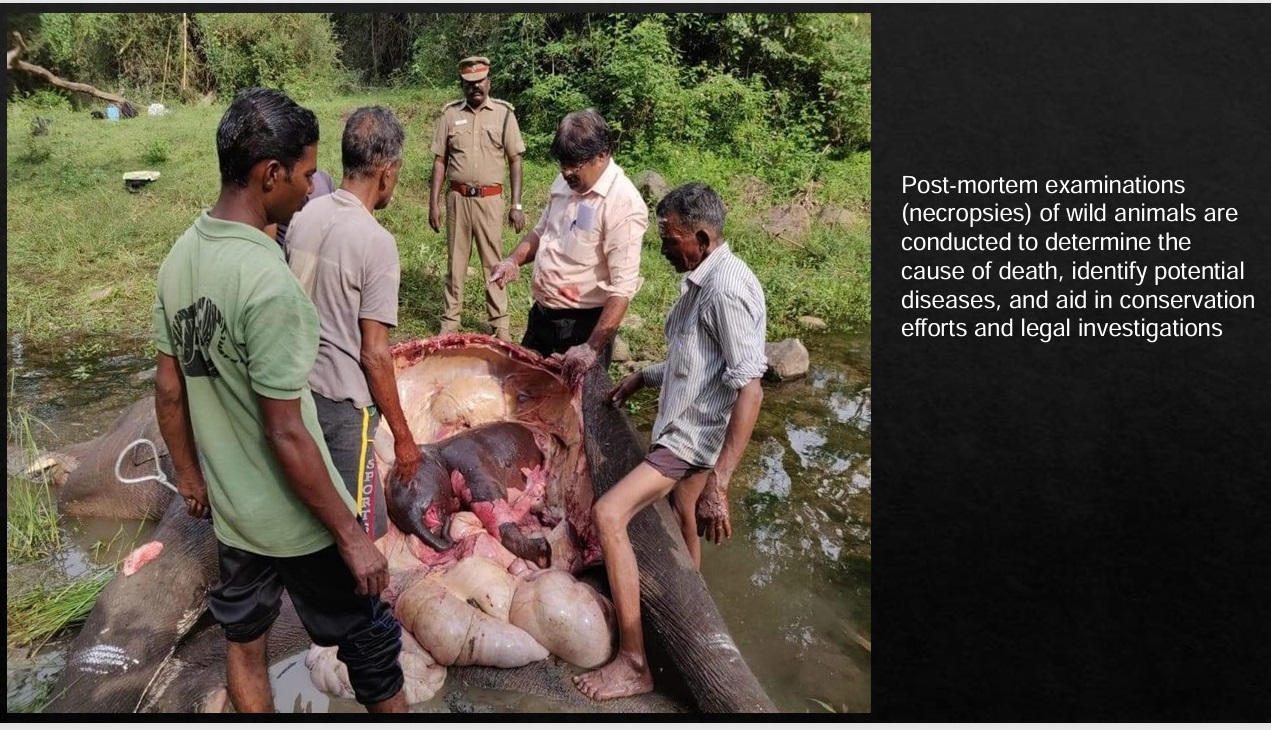
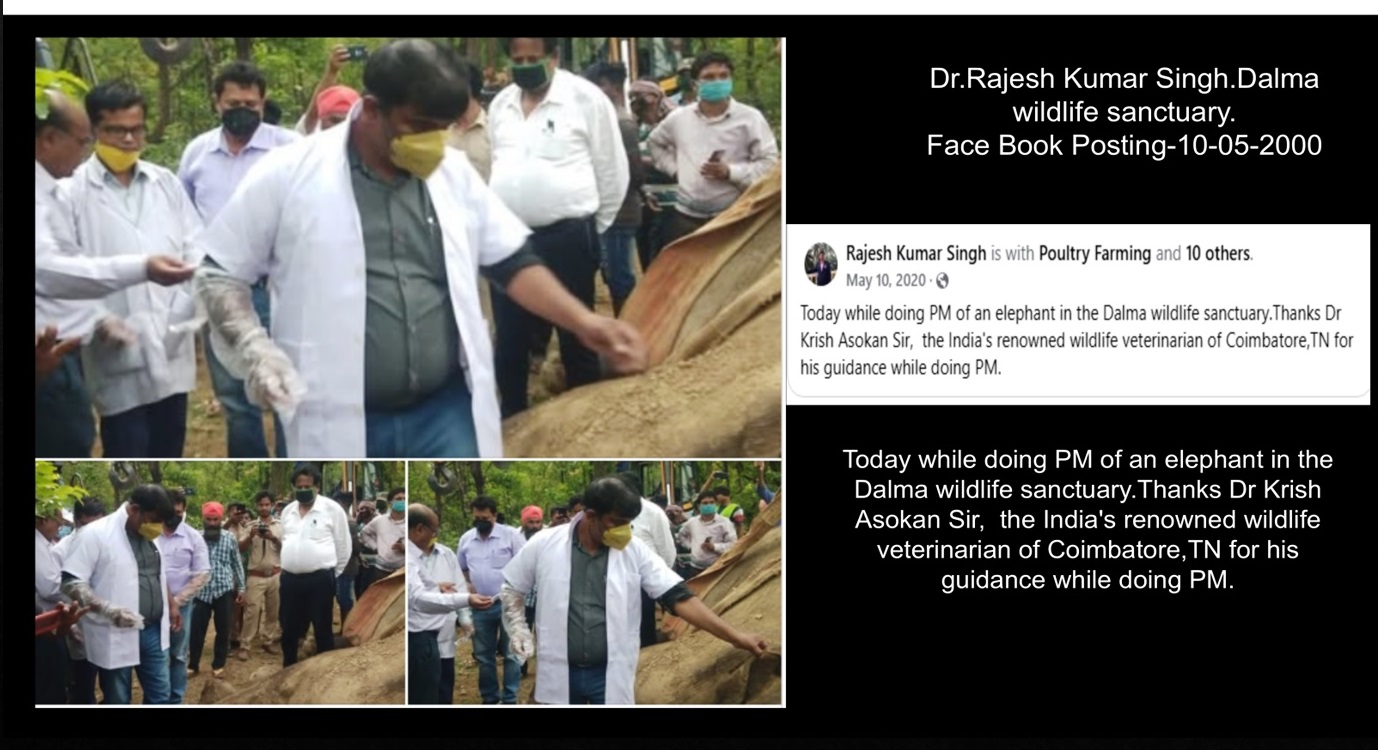
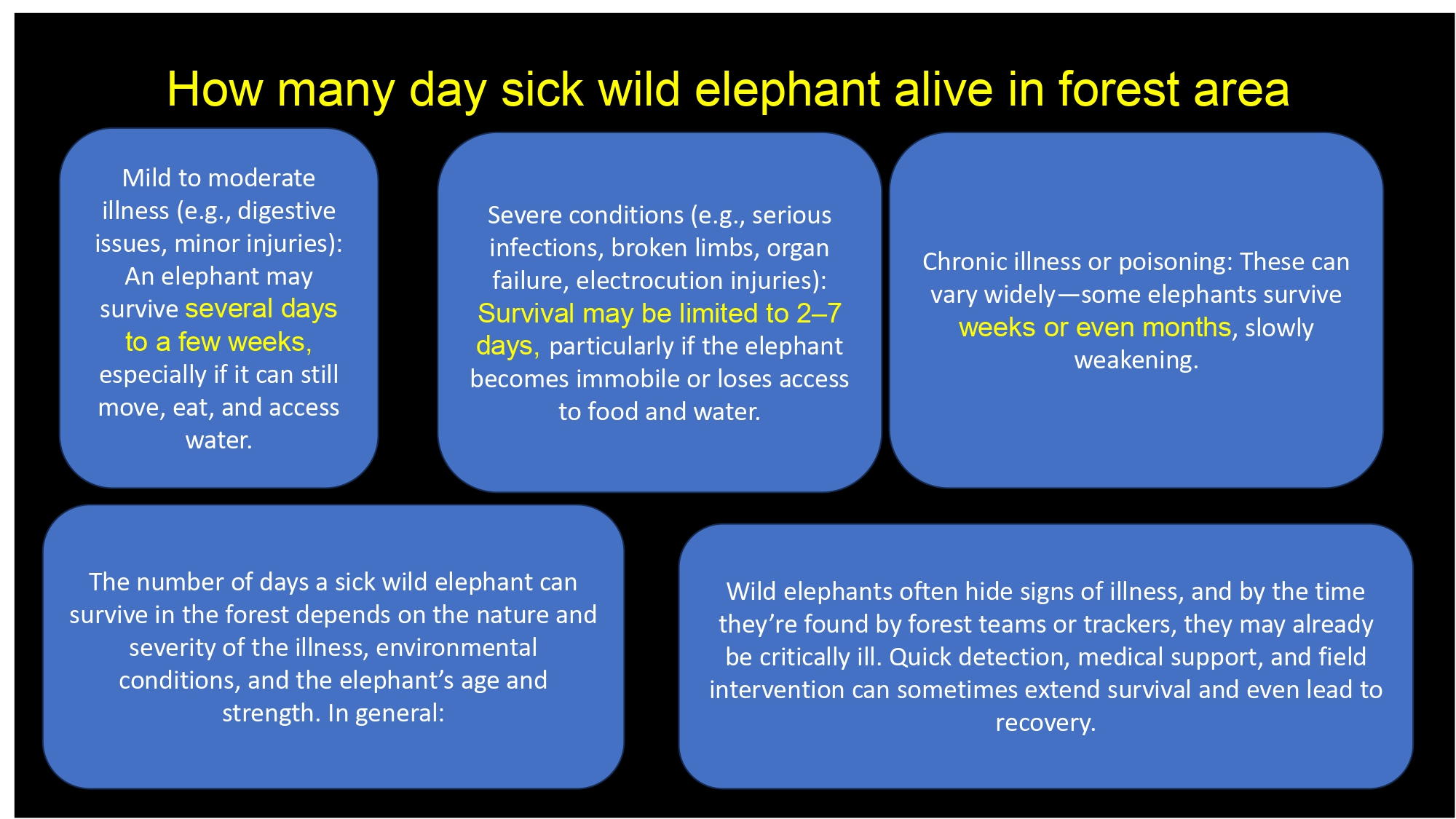
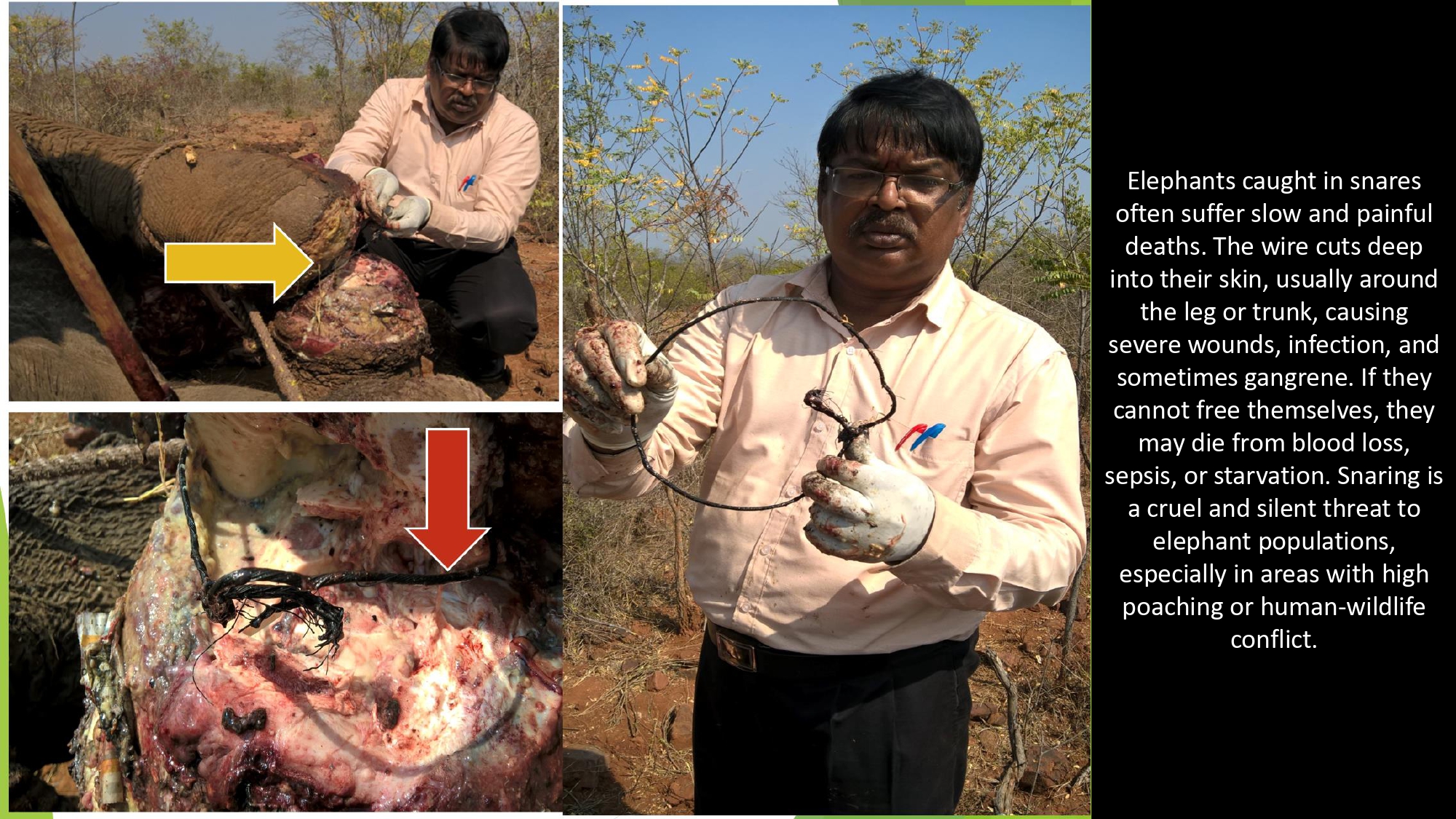
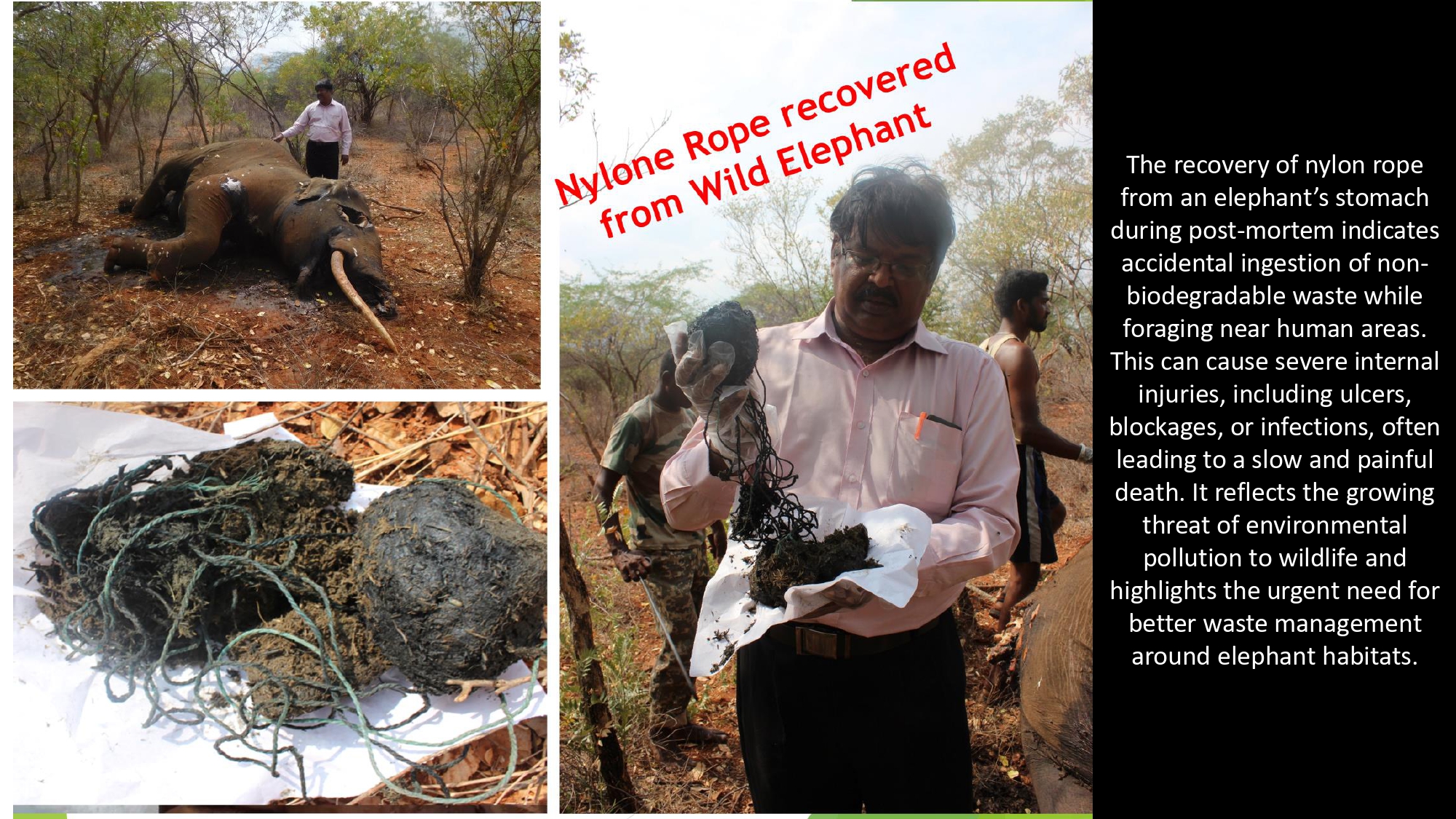
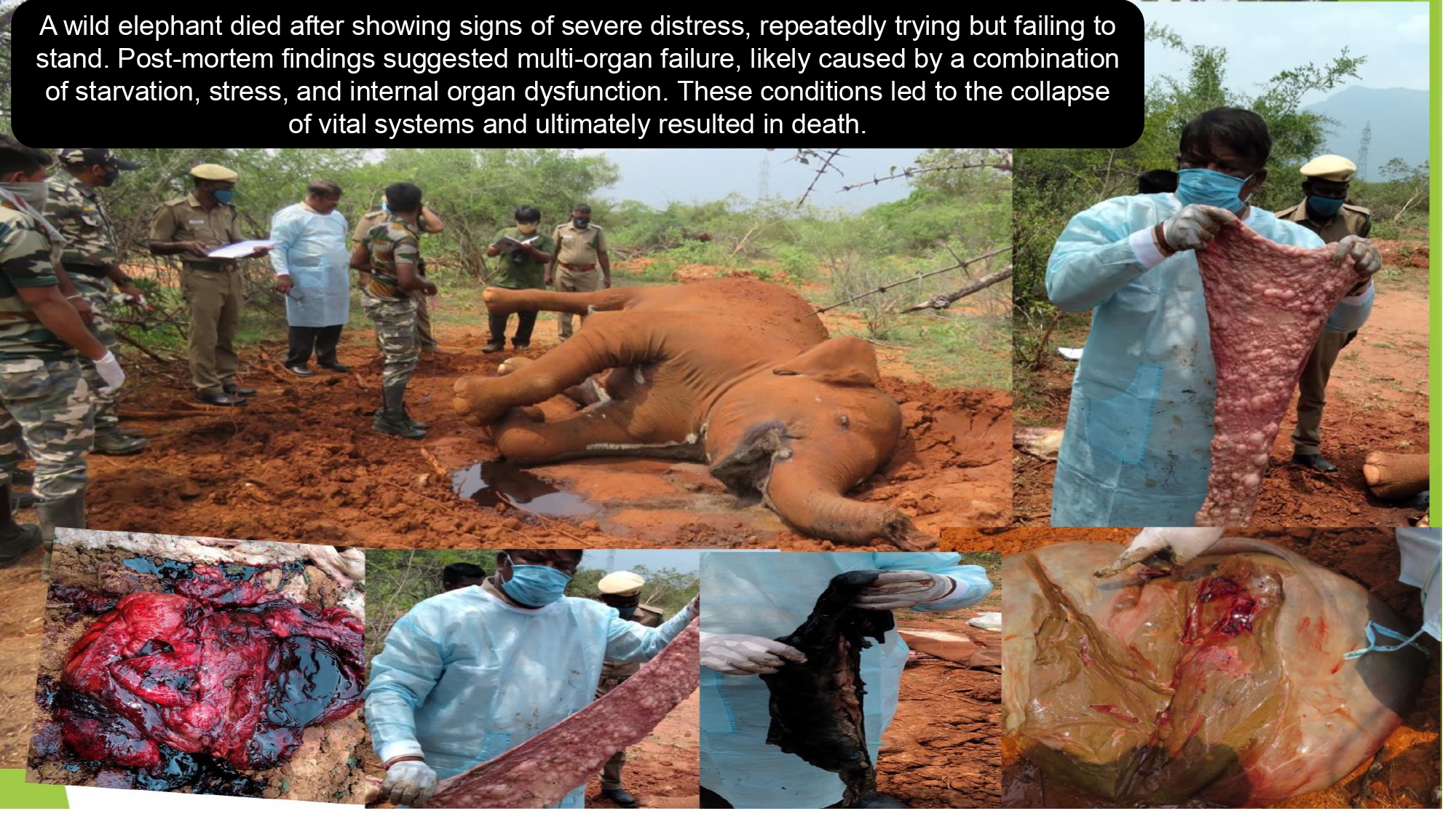
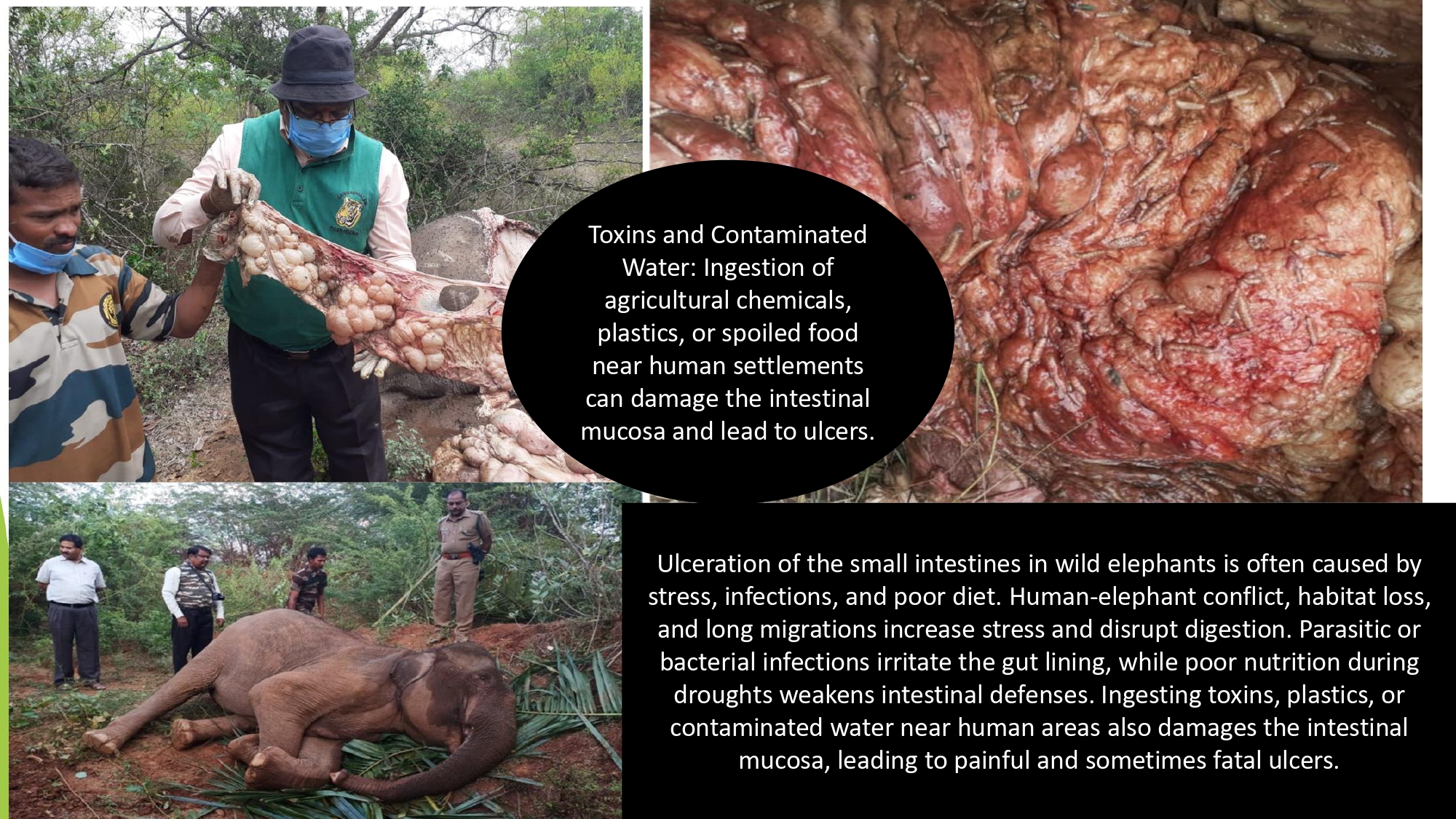
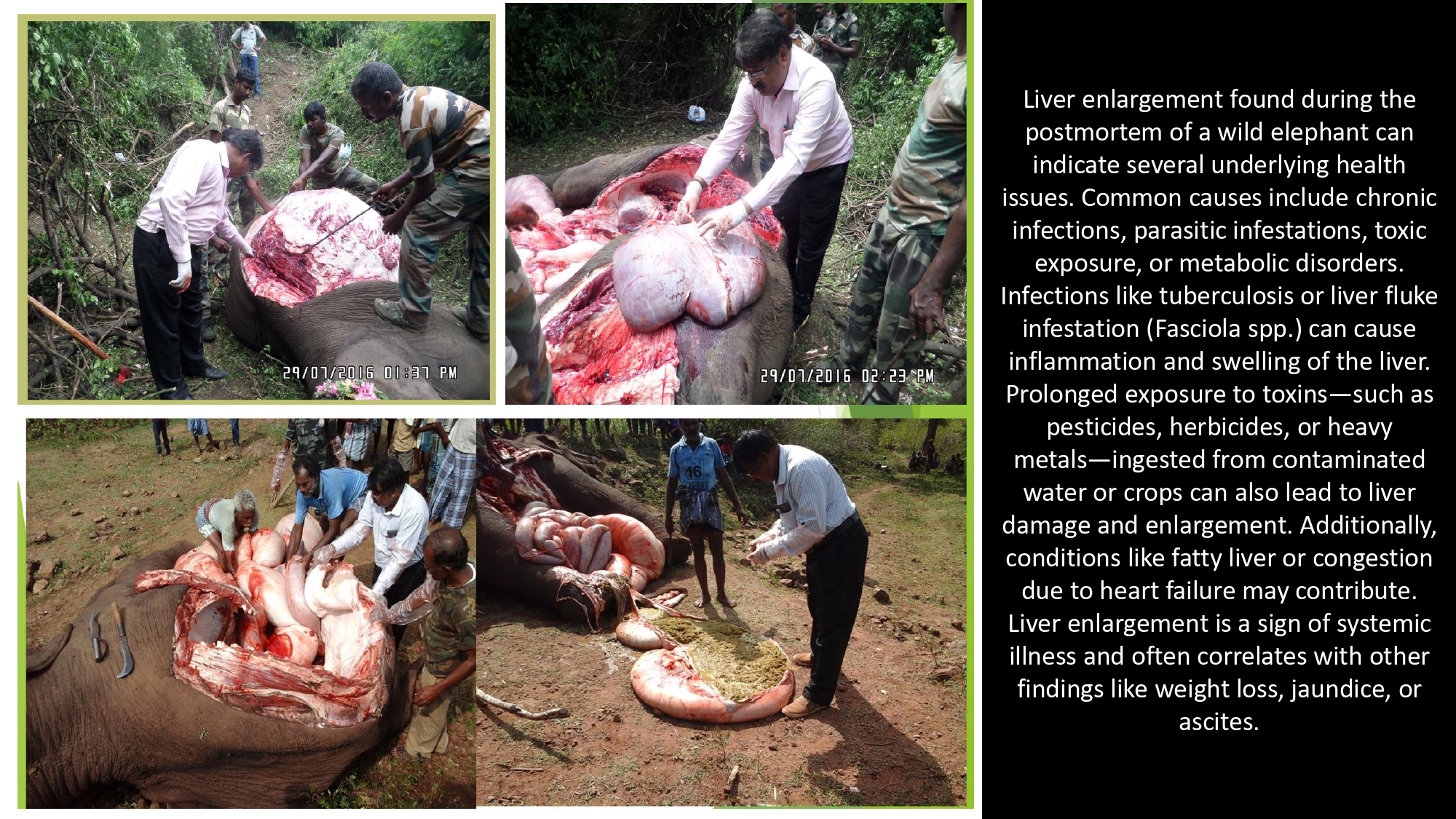
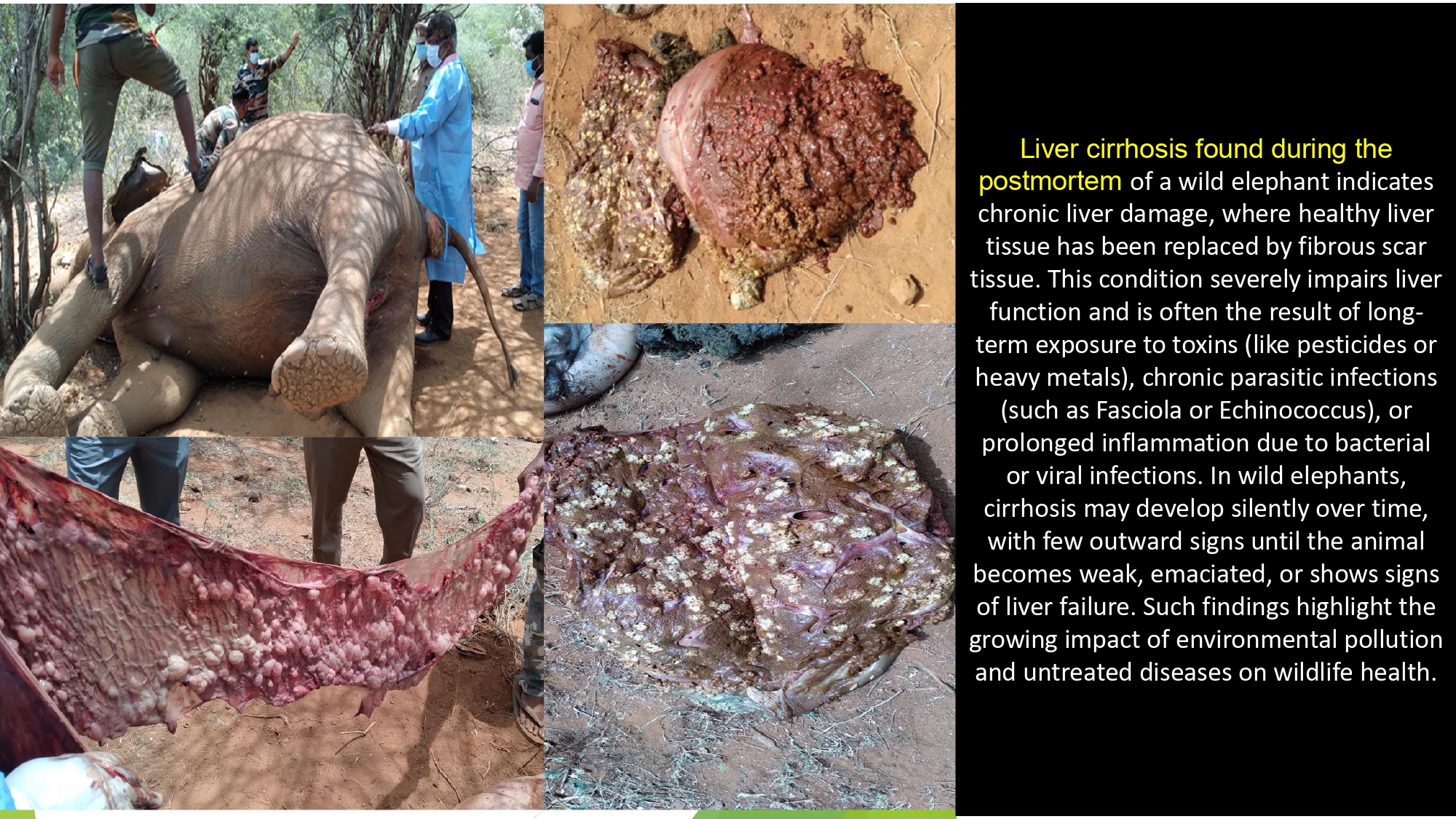
Dr. Asokan has made important contributions to wildlife disease investigation through clinical examinations and postmortem studies, particularly in elephants. He identified tuberculosis, parasitic infections, multi-organ failure, liver cirrhosis, kidney failure, and degenerative disorders, helping improve wildlife health management.
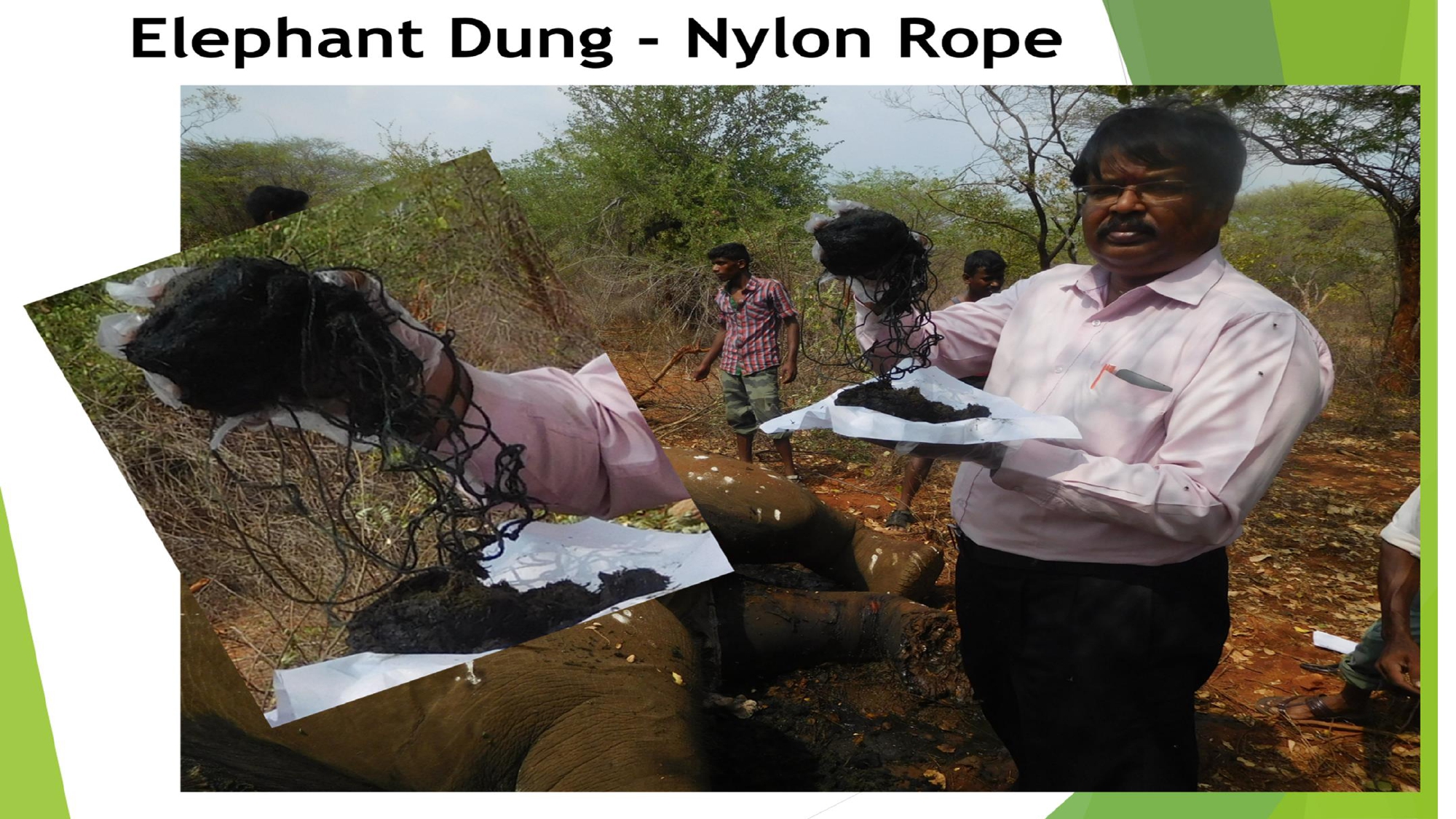
His investigations also uncovered wildlife crimes involving explosive bait and nail-studded traps. The discovery of plastic carry bags in the stomachs of spotted deer and sambar deer supported the ban on plastic bags in the Nilgiri Biosphere Reserve. He also identified four species of tapeworms in captive and wild elephants, contributing to improved disease prevention and parasite management.
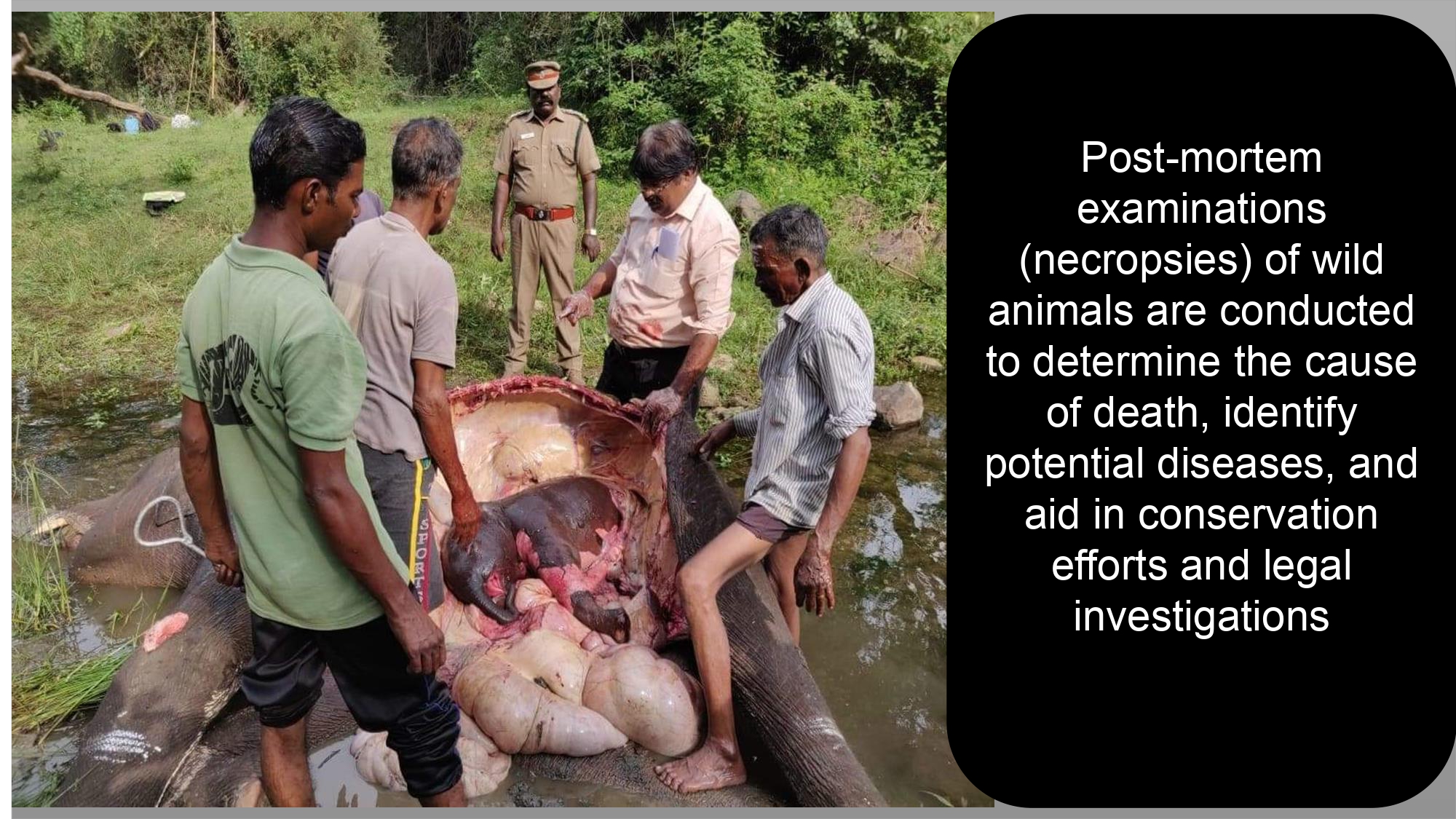
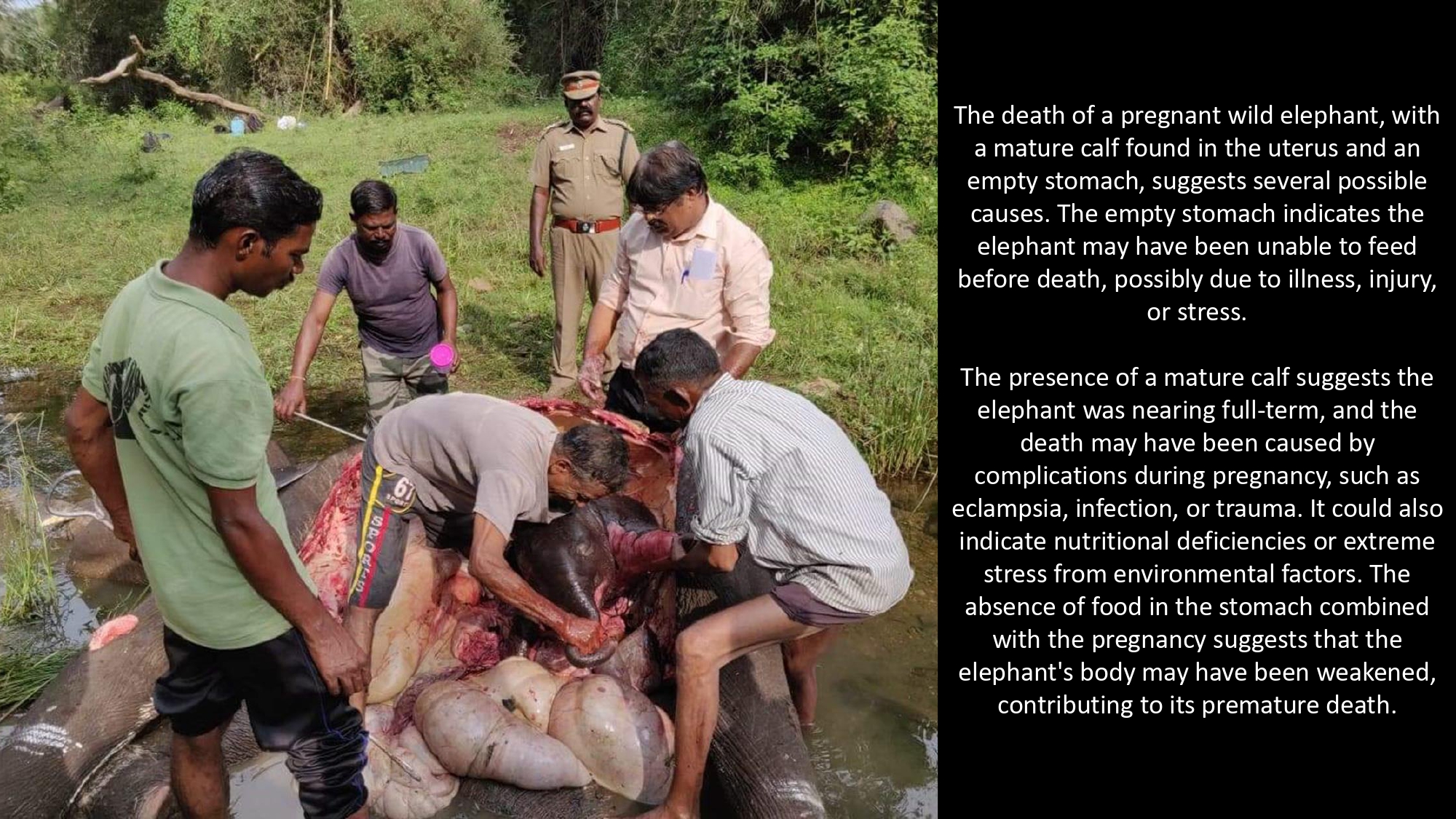
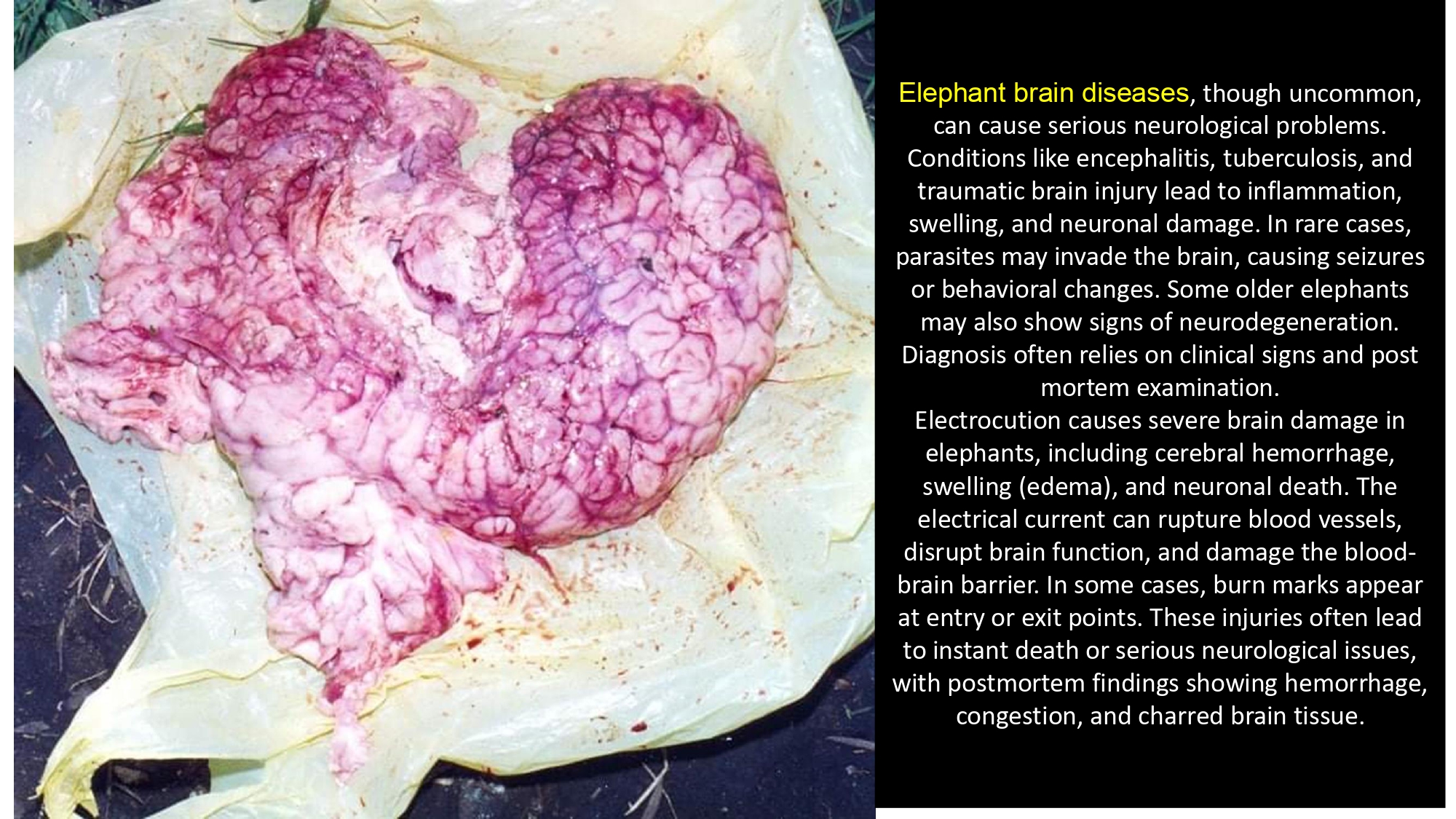
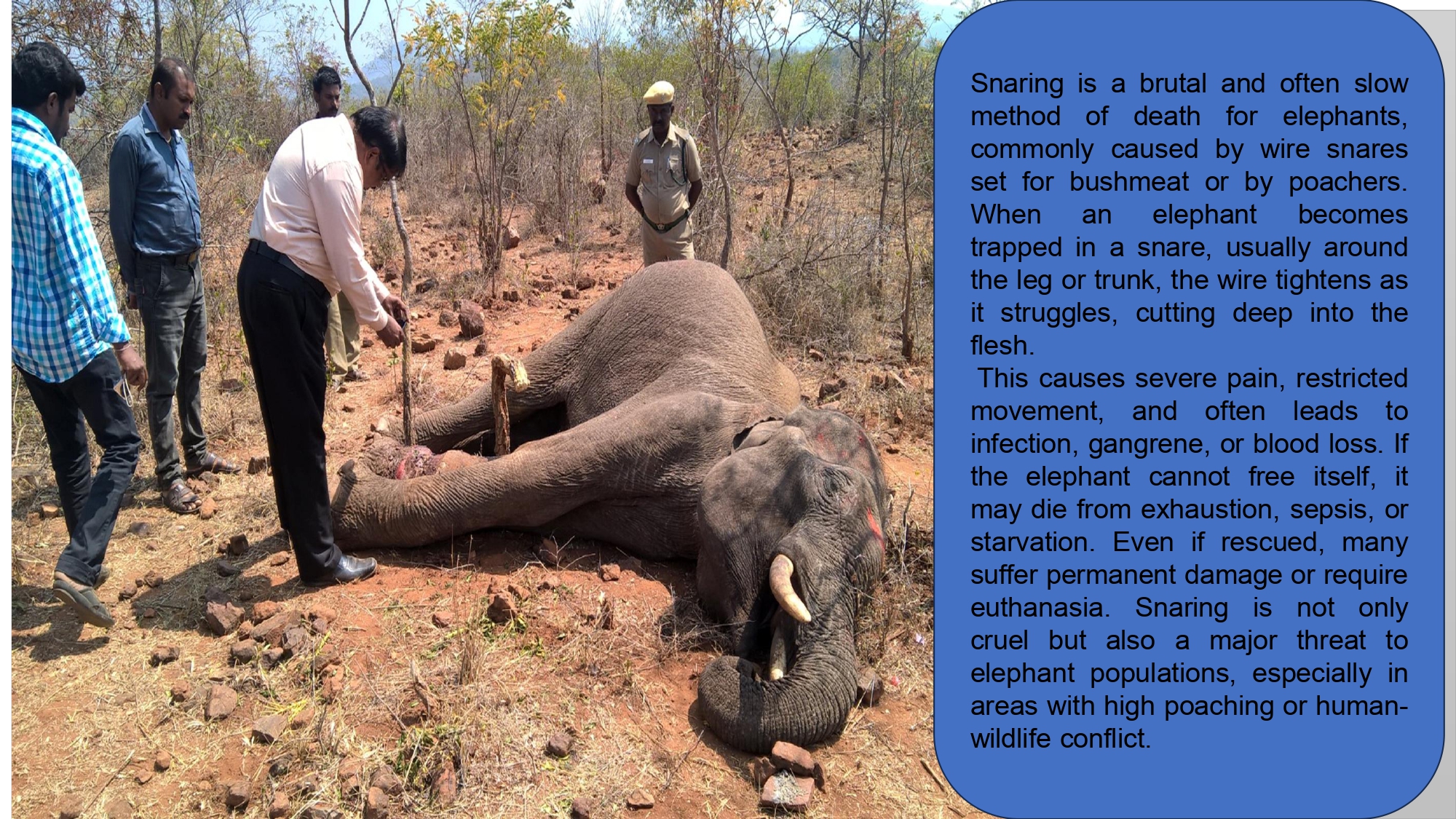
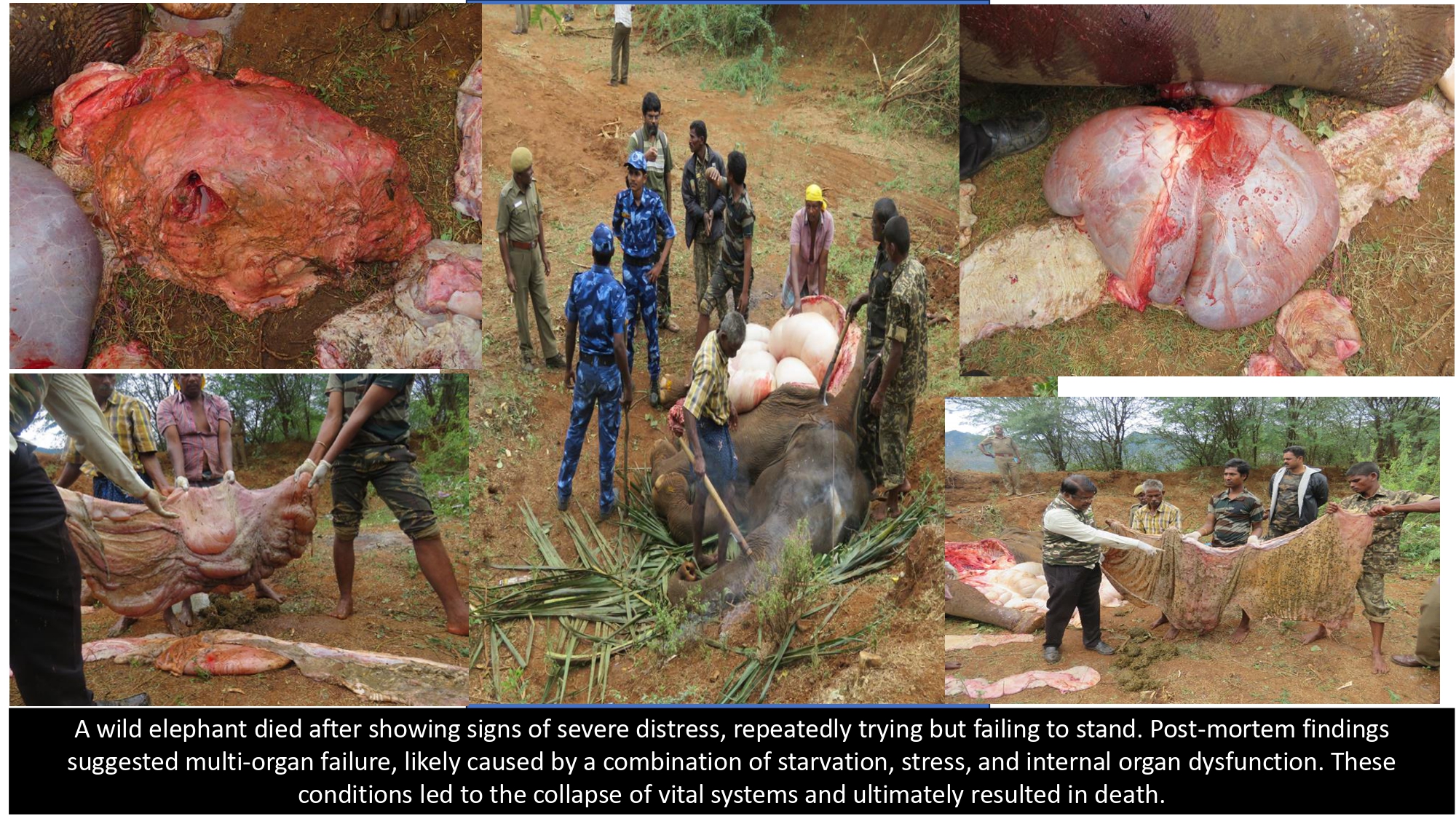
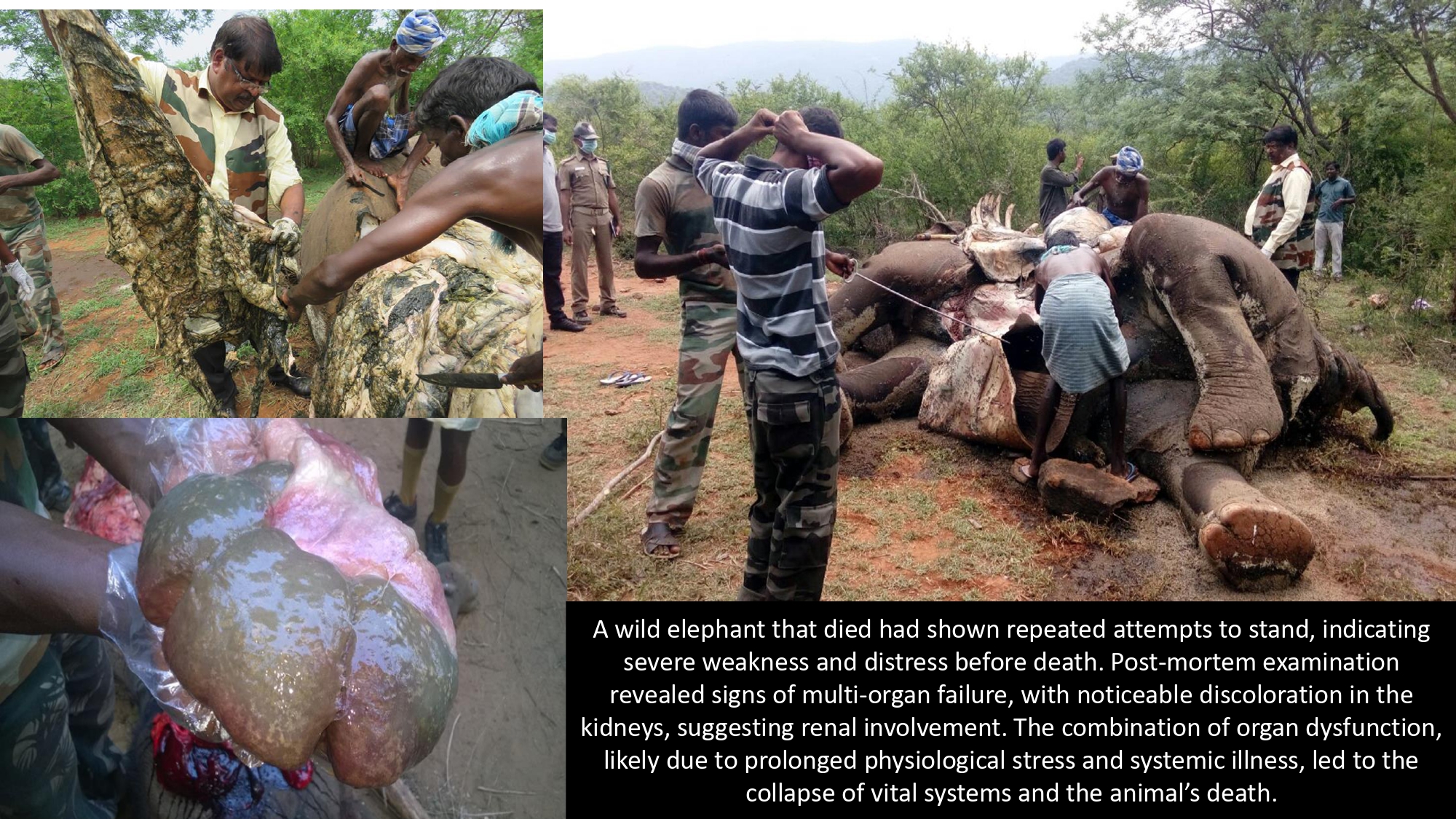
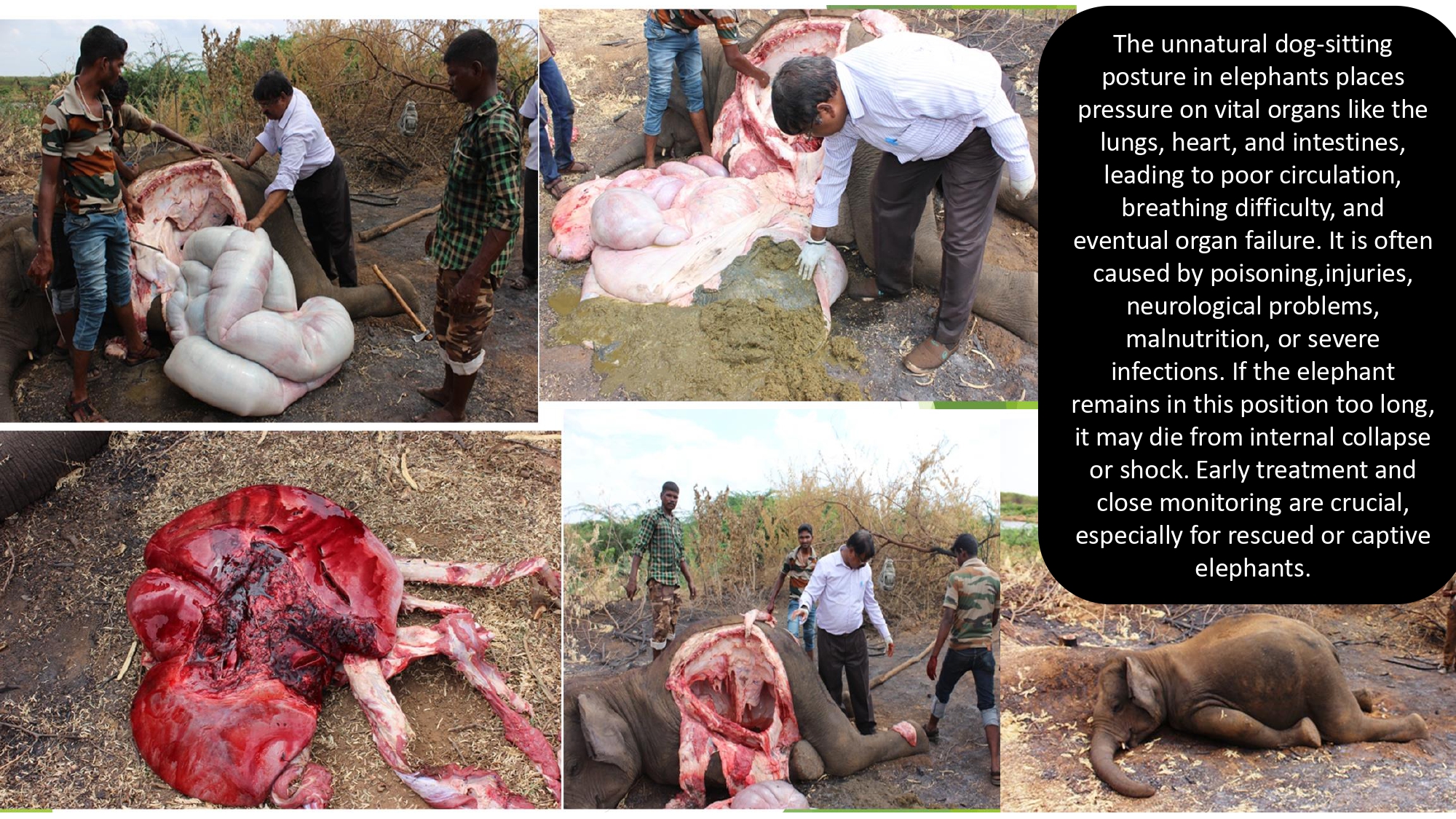
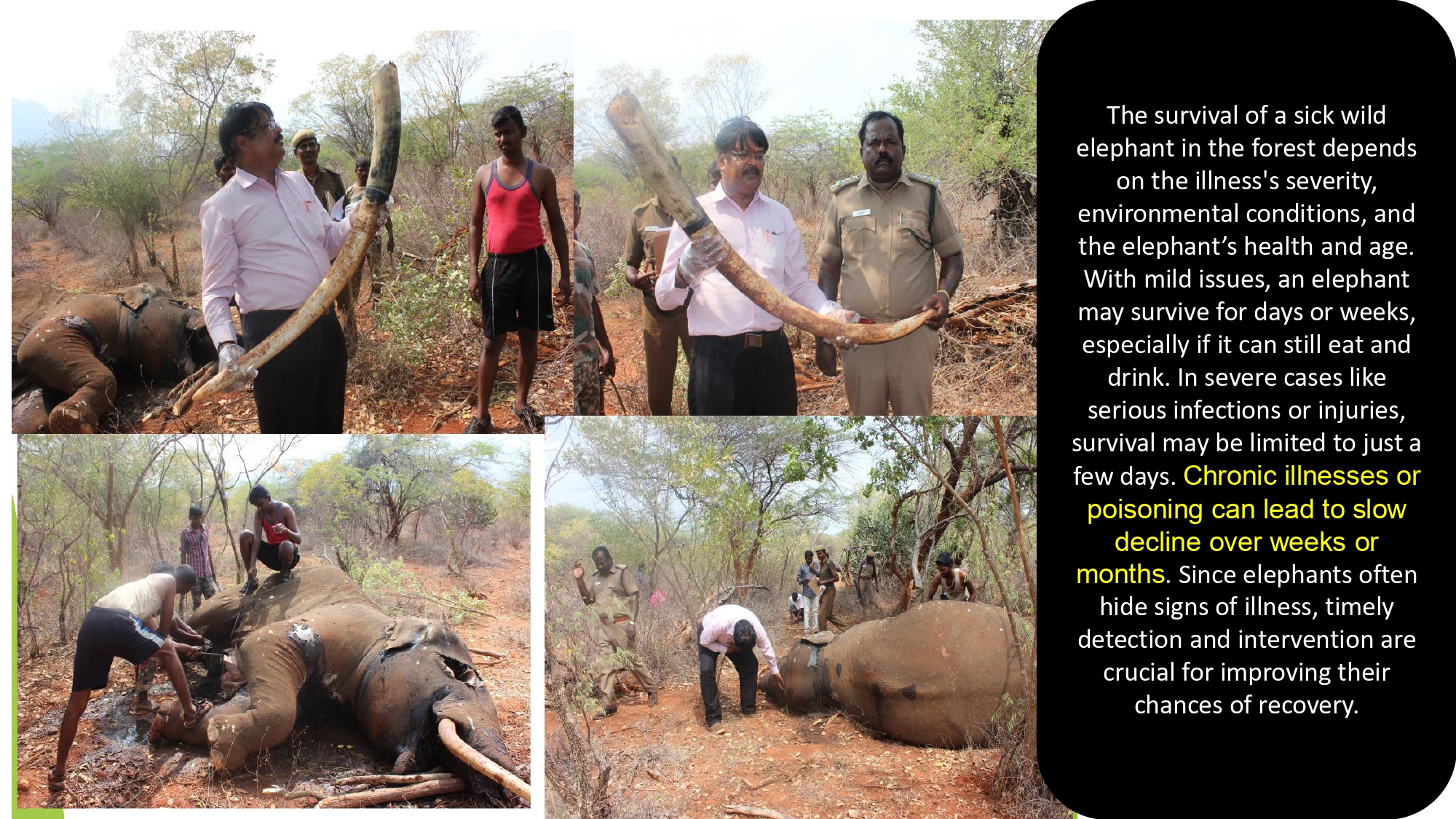
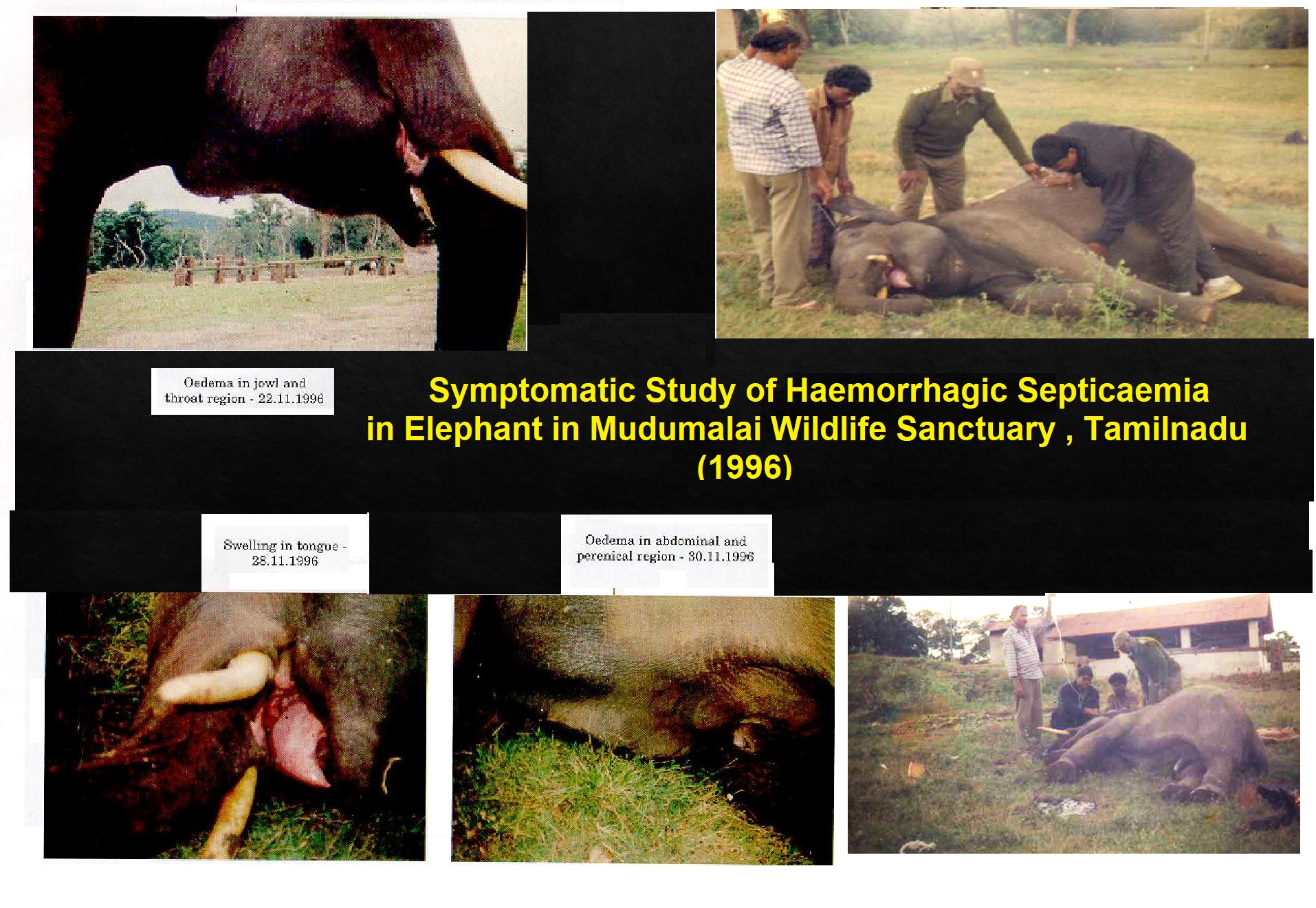
Haemorrhagic Septicaemia in Asian Elephants (1996): Clinical Diagnosis and Scientific Documentation
- While serving as a Wildlife Veterinarian at Mudumalai Wildlife Sanctuary and National Park (1996–2000), Dr. Krish Asokan clinically identified and managed a case of Haemorrhagic Septicaemia (HS) in a wild Asian elephant on 26 November 1996. The elephant was treated with appropriate antibiotic therapy, and blood samples were collected and analyzed at the Animal Disease Investigation Unit, Coimbatore, confirming the diagnosis. This important clinical case was subsequently documented in the scientific publication "Symptomatic Study of Haemorrhagic Septicaemia in Elephant in Mudumalai Wildlife Sanctuary, Tamil Nadu", published in Indian Forester, 128(10):1089–1100 (2002), contributing valuable knowledge on the diagnosis and management of HS in free-ranging Asian elephants.
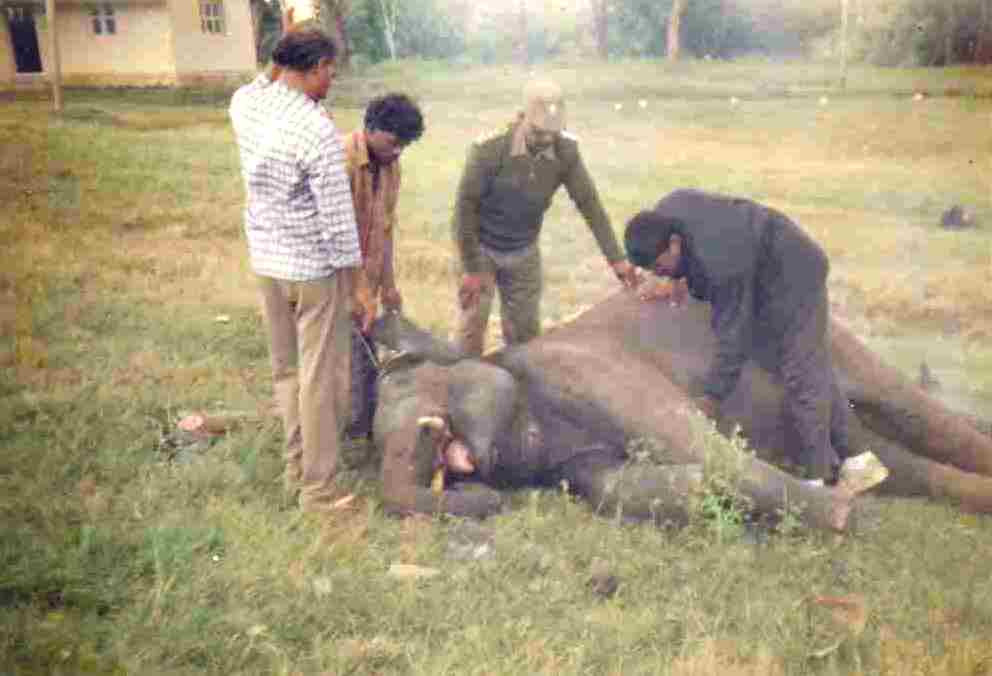
Understanding Wildlife Mortality: Clinical, Necropsy, and Toxicological Investigations
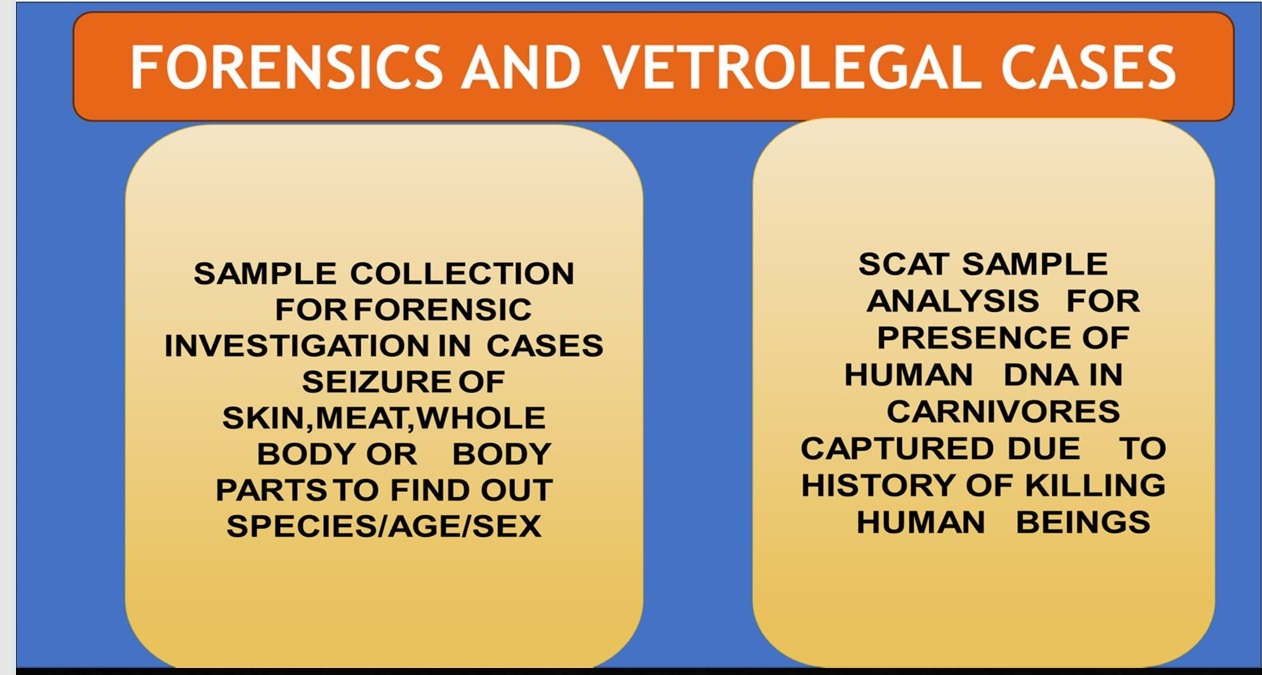
- Dr. Krish Asokan has conducted more than 500 wildlife necropsies on Asian elephants, Indian gaur, tigers, leopards, sloth bears, deer, reptiles, birds, and other wild animal species. His investigations identified major causes of mortality, including pesticide poisoning, electrocution, gunshot injuries, infectious diseases, plastic ingestion, parasitic diseases, road accidents, snare injuries, and human–wildlife conflict. His forensic examinations also documented severe oral and facial injuries caused by locally manufactured explosive bait devices used illegally to kill or injure wildlife. During his tenure at Mudumalai Wildlife Sanctuary and National Park (1996–2000), Dr. Asokan documented a confirmed case of organophosphorus pesticide poisoning in a wild elephant in 1998, making an important contribution to wildlife toxicology and forensic veterinary medicine. His clinical investigations, necropsy findings, and toxicological analyses have strengthened wildlife disease surveillance, forensic investigations, biodiversity conservation, and evidence-based wildlife management by identifying preventable threats and supporting effective conservation strategies.
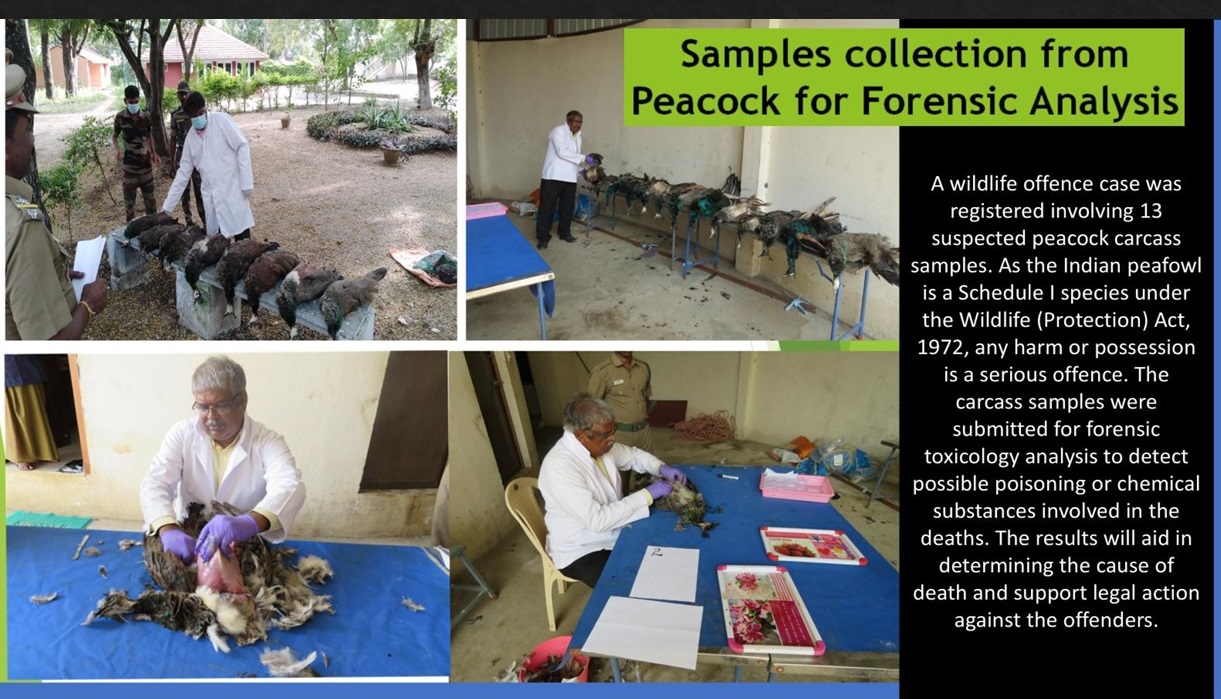
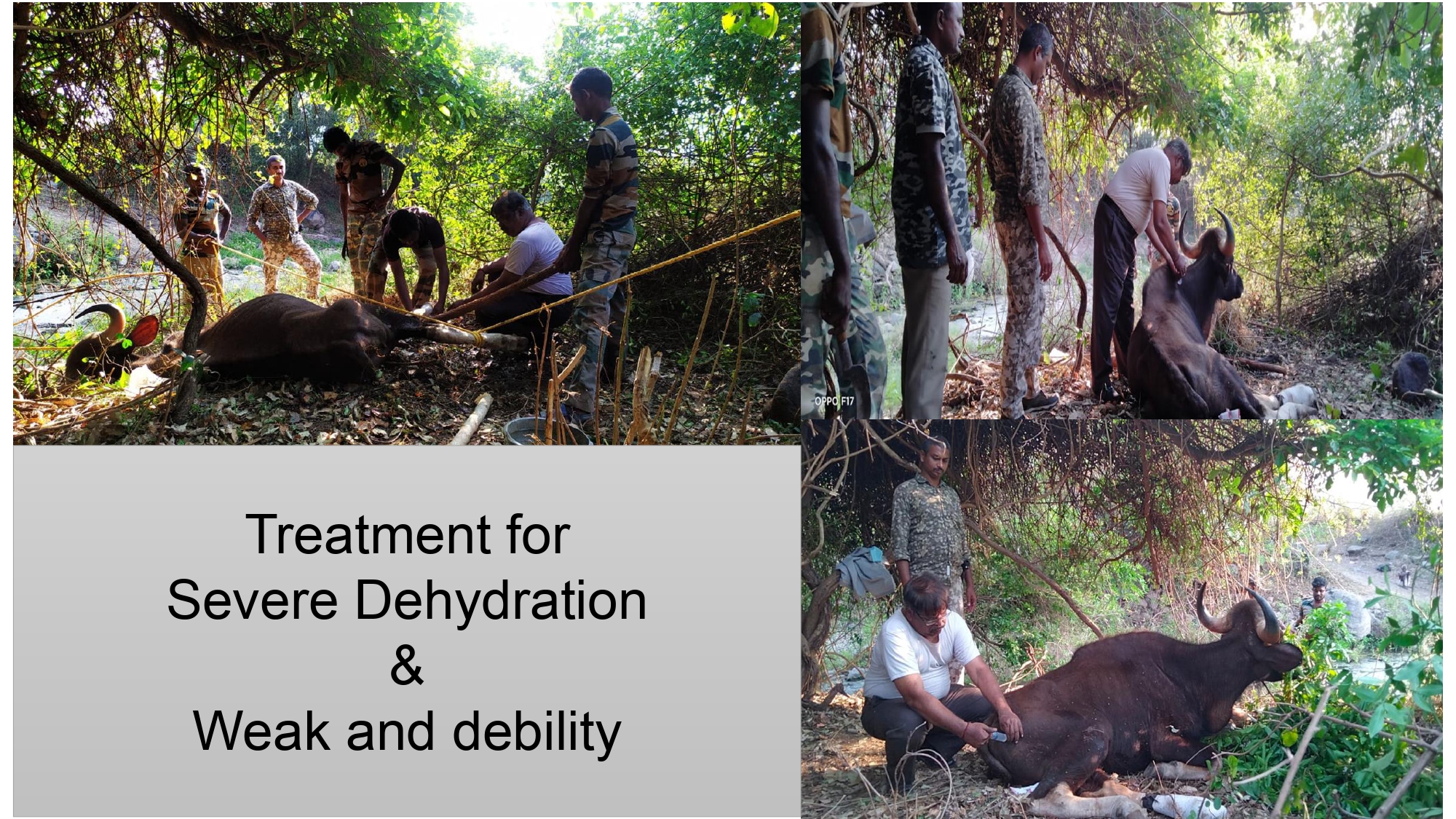
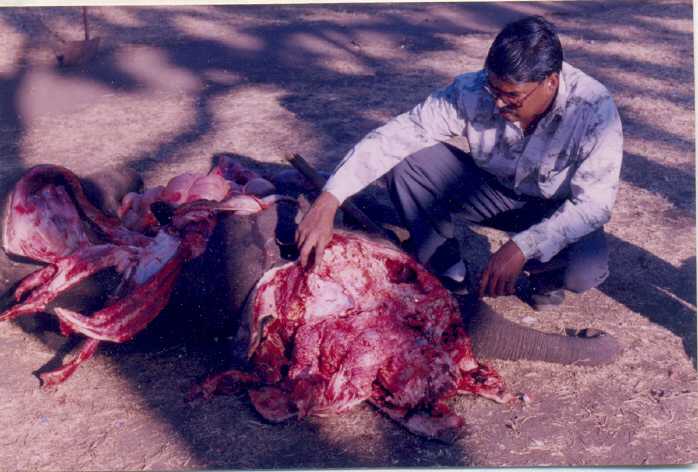
Field necropsy under difficult coastal conditions
Between 2005 and 2011, extensive field postmortem examinations were conducted on numerous stranded whales and dolphins along the coastline. The work required careful investigation despite tropical decomposition, shifting tides, remote access, and logistical constraints.
Rigorous multi-organ evaluations, blubber assessment, and precise cranial and acoustic-sinus sampling were undertaken to investigate anthropogenic, environmental, and pathological factors associated with marine mammal strandings.
Marine Wildlife Conservation and Tsunami Rehabilitation (2005–2011)
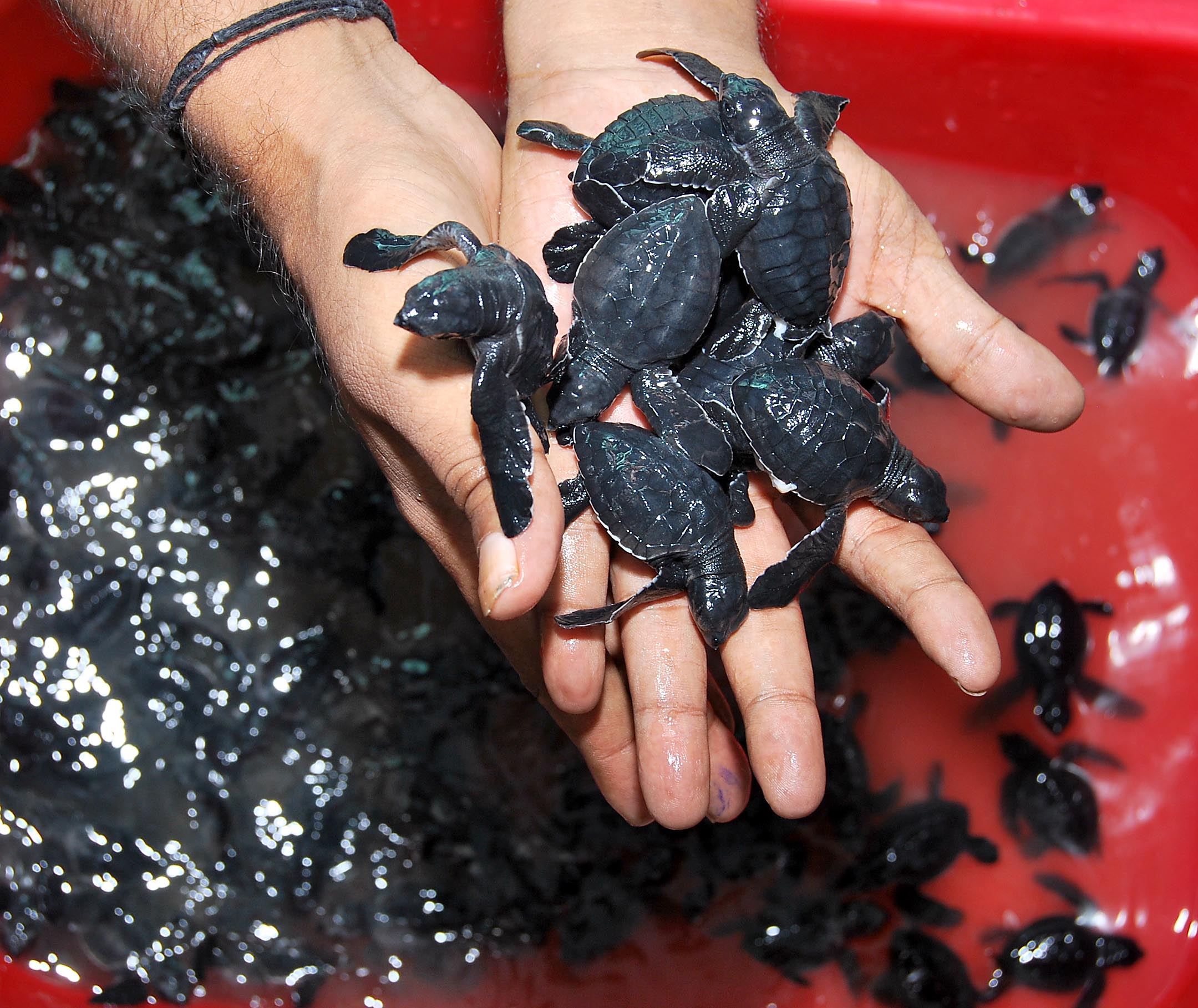
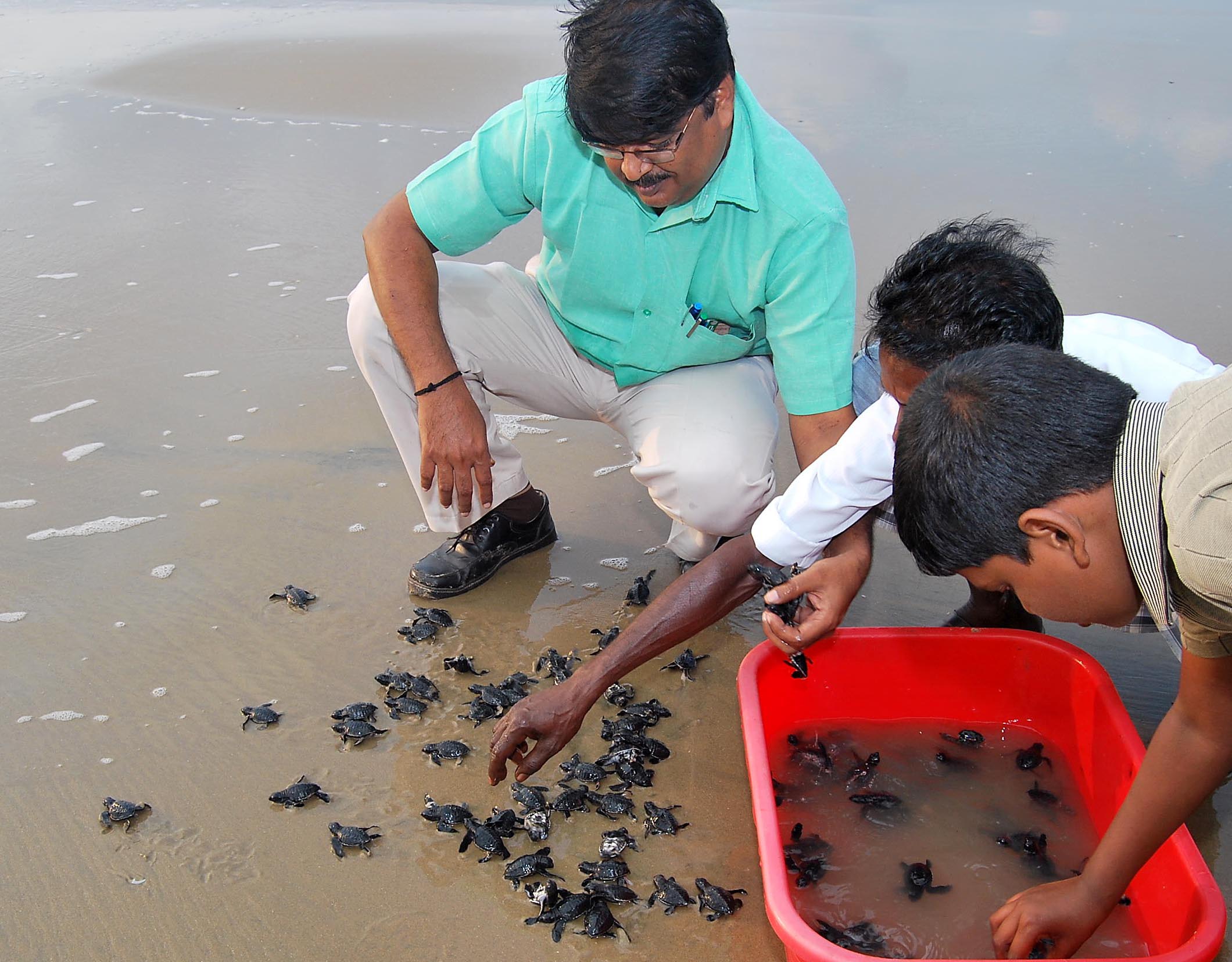
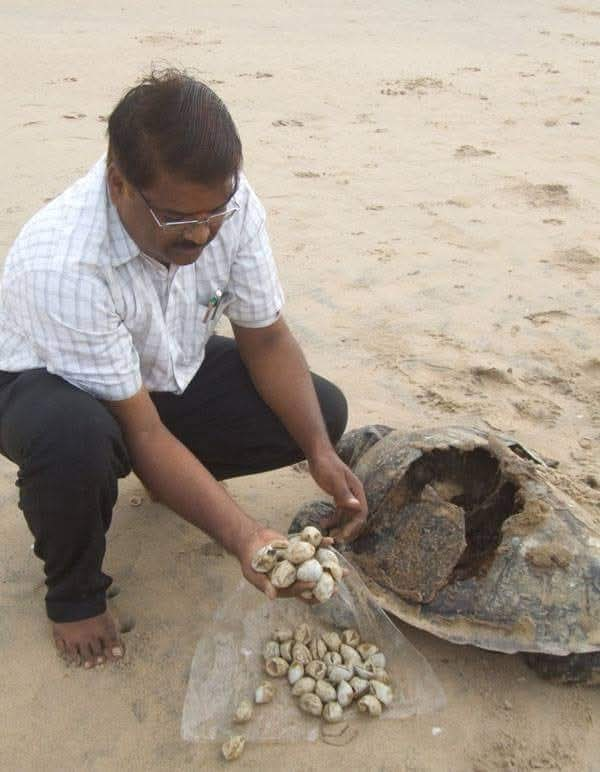
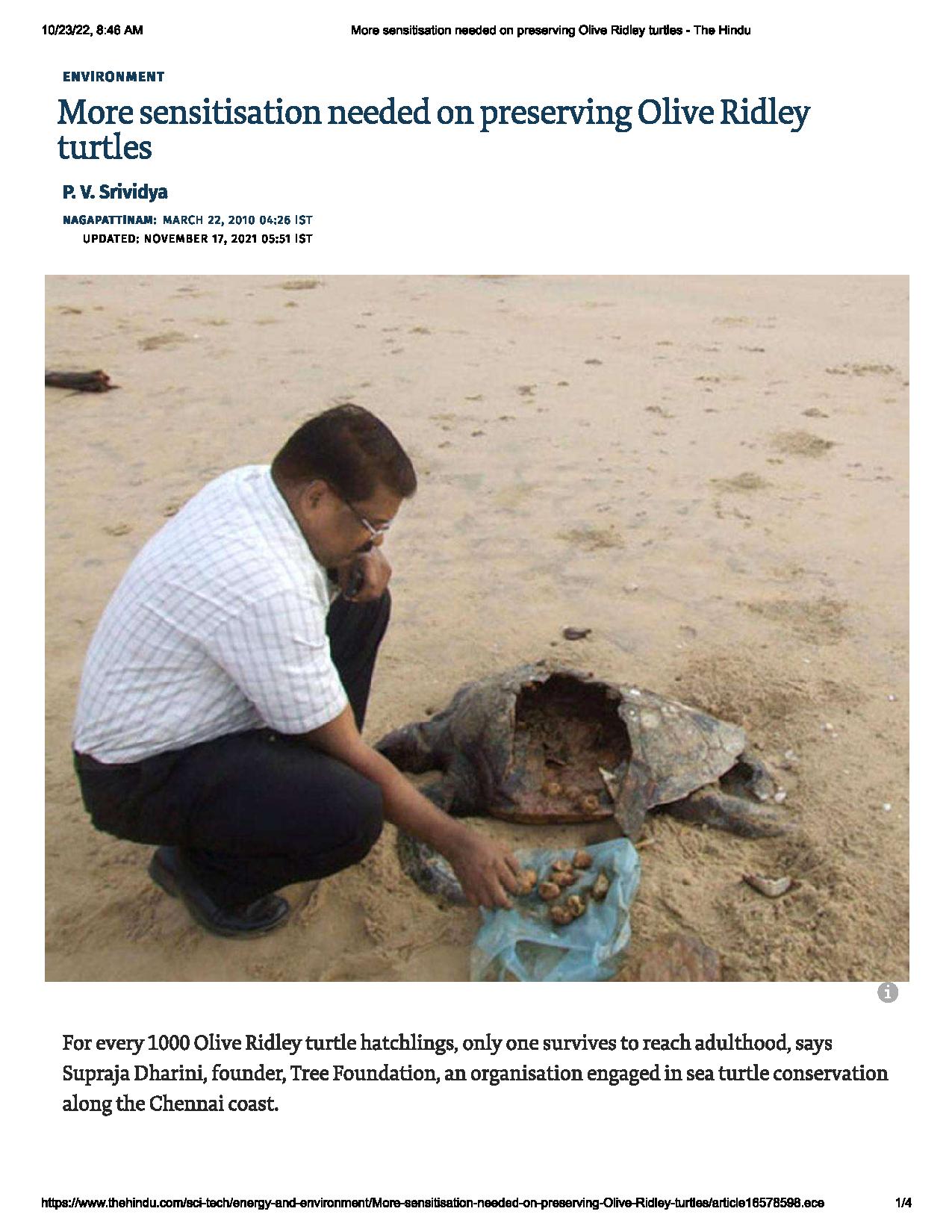
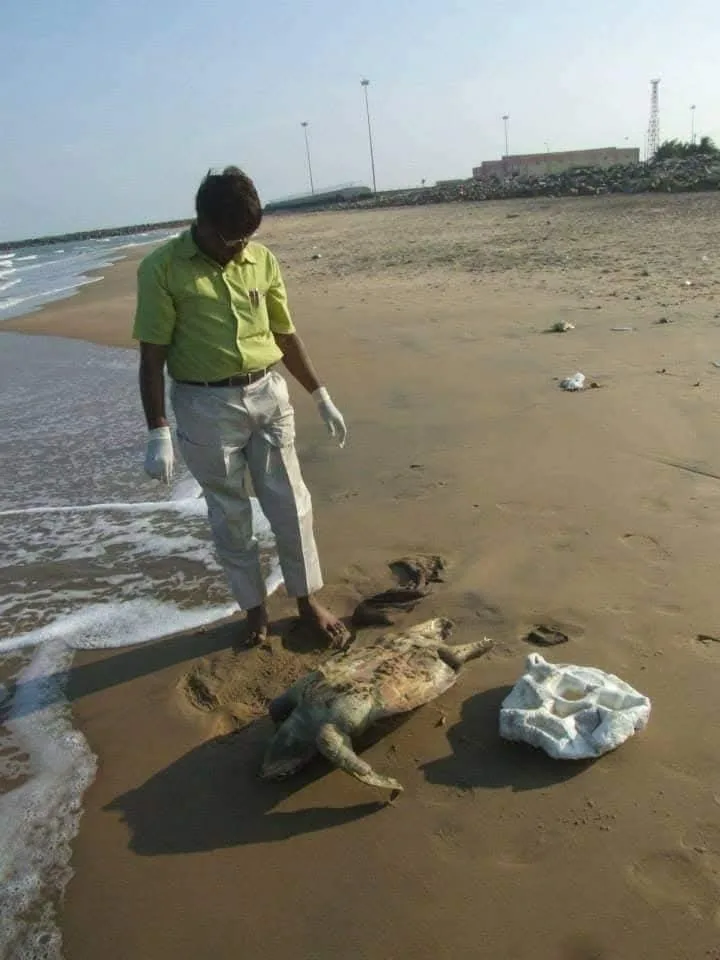
- From 2005 to 2011, Dr. Krish Asokan actively participated in marine wildlife conservation and community awareness programmes in the tsunami-affected coastal areas of Nagapattinam District, Tamil Nadu. Working voluntarily in collaboration with the Forest Department, he supported sea turtle conservation by assisting with the collection of Olive Ridley sea turtle eggs, artificial incubation, and the release of hatchlings into the sea.
- During this period, Dr. Asokan conducted post-mortem examinations (necropsies) on stranded sea turtles, whales, and dolphins to determine the causes of mortality and to support marine wildlife health investigations. He also organized numerous awareness programmes for fishing communities, promoting the conservation of marine biodiversity, protection of sea turtles, responsible fishing practices, and the reduction of threats such as marine pollution, entanglement in fishing gear, and accidental wildlife mortality. His contributions strengthened marine conservation efforts and encouraged greater community participation in protecting coastal ecosystems.