Why should we save wild elephants?
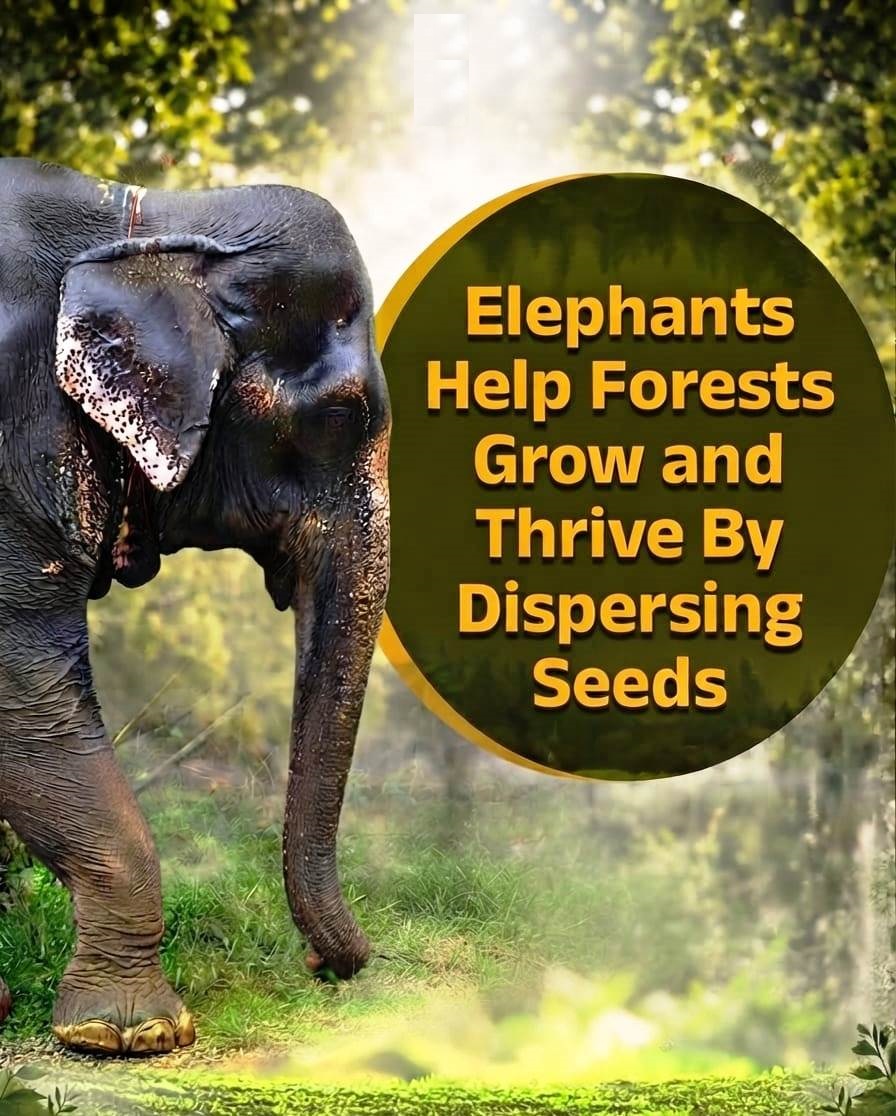
- Wild elephants are one of the most important species in our forests. They are not only magnificent animals but also ecosystem engineers that help forests regenerate and support many other species. As elephants move through the forest, they eat fruits, leaves, grasses and other vegetation and later disperse seeds through their dung. These seeds can germinate in new locations, helping forests grow and maintain biodiversity. Their movement also creates pathways and opens vegetation, benefiting smaller animals and influencing the structure of the forest.
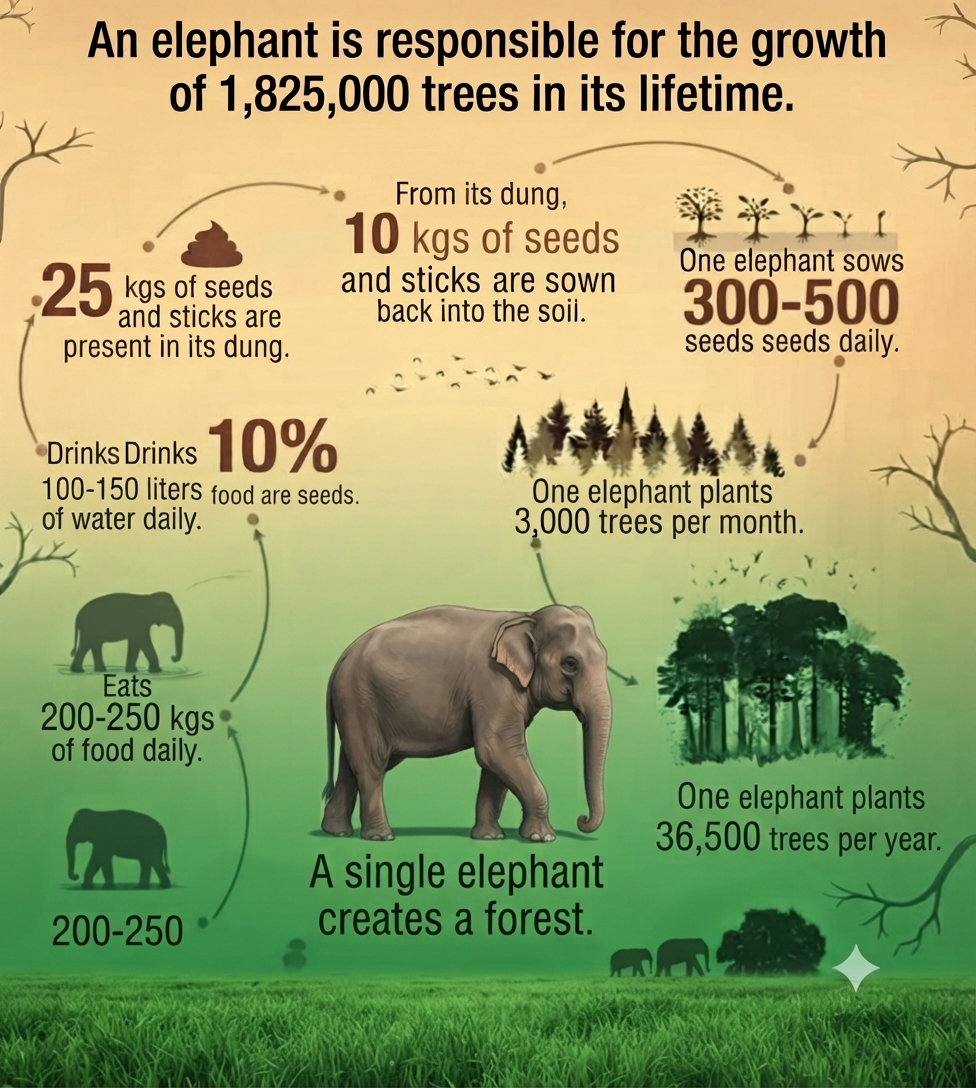
- An elephant consumes large quantities of food and water every day and plays an important role in the natural cycling of nutrients. Elephant dung contains seeds and organic matter that return nutrients to the soil. In this way, elephants contribute to seed dispersal, forest regeneration and nutrient recycling. Protecting elephants therefore means protecting the forests, plants, insects, birds and other wildlife that depend on these ecosystems.
- The infographic highlights the remarkable role of elephants as natural seed dispersers and forest regenerators. However, the specific numerical claims shown in the image—such as an elephant being responsible for 1,825,000 trees during its lifetime or planting 36,500 trees per year—should be treated as illustrative unless supported by a reliable scientific source. The exact number of trees an elephant contributes to depends greatly on its diet, habitat, lifespan, seed species and local ecological conditions.
- Why Save Wild Elephants?
- Saving wild elephants is essential because their survival is closely connected with the health of forests. Elephants help maintain ecological balance, support plant regeneration and contribute to biodiversity. They also have cultural and social importance and are an important part of India's natural heritage.
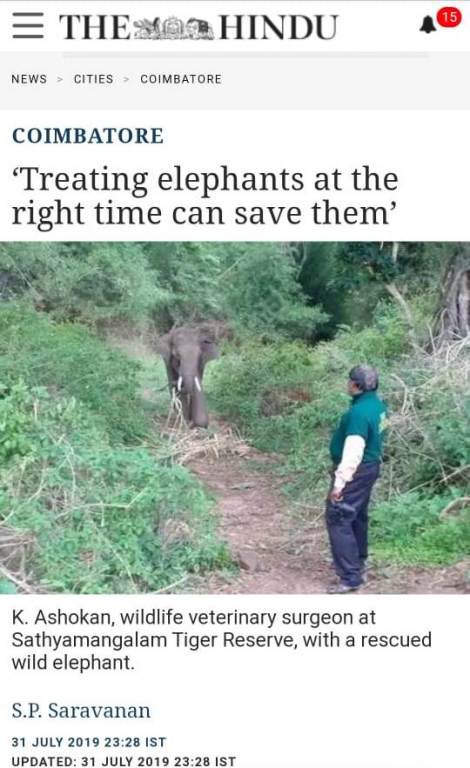
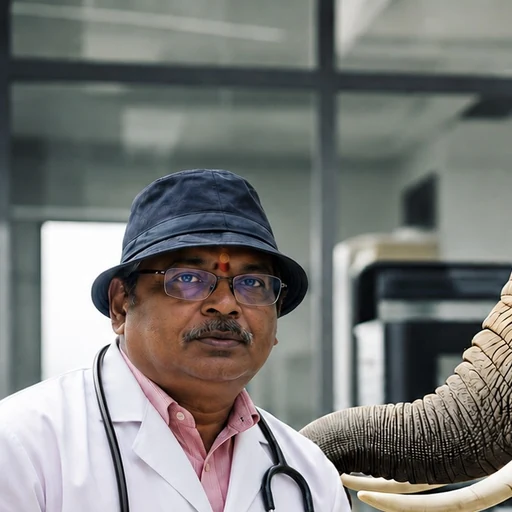
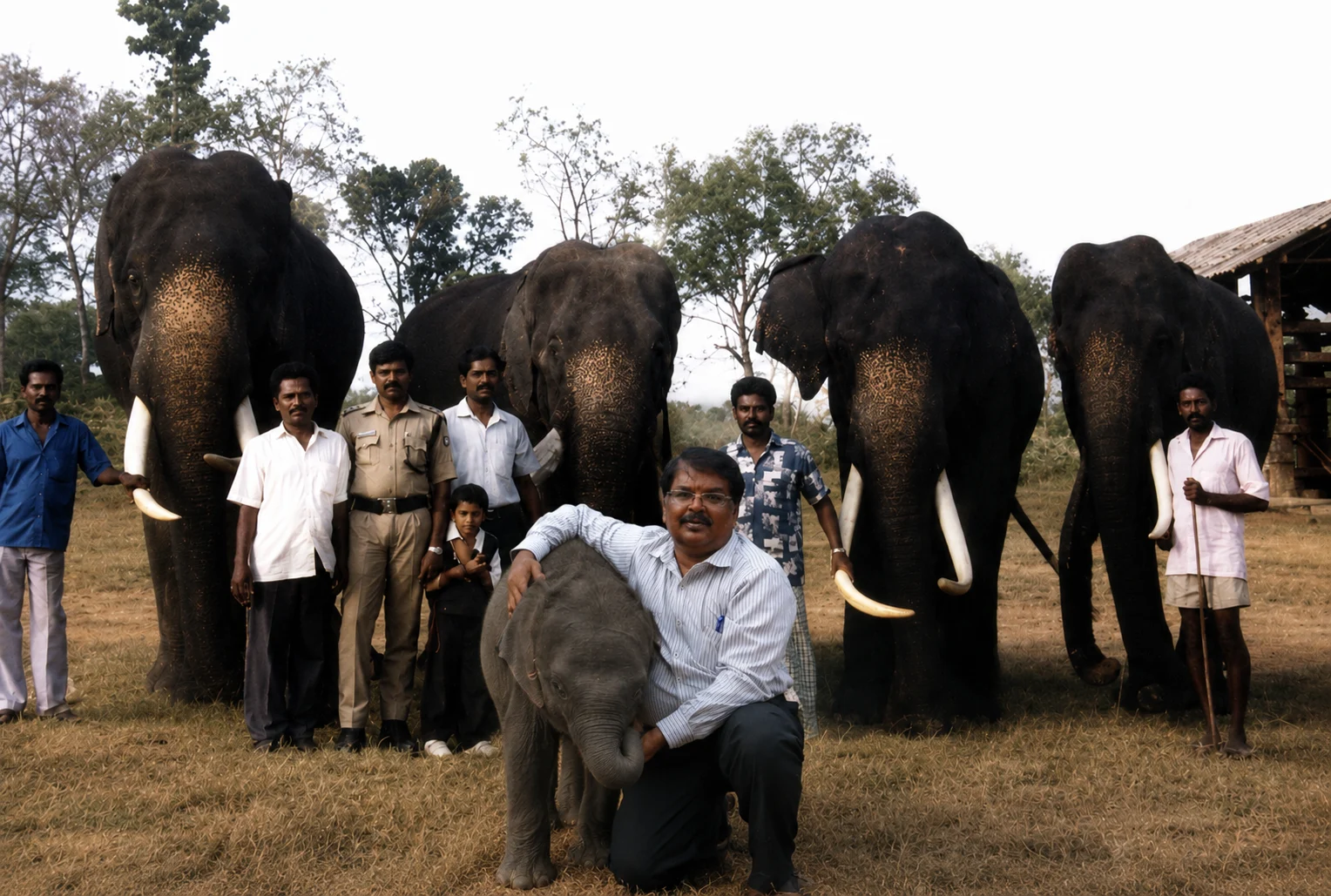
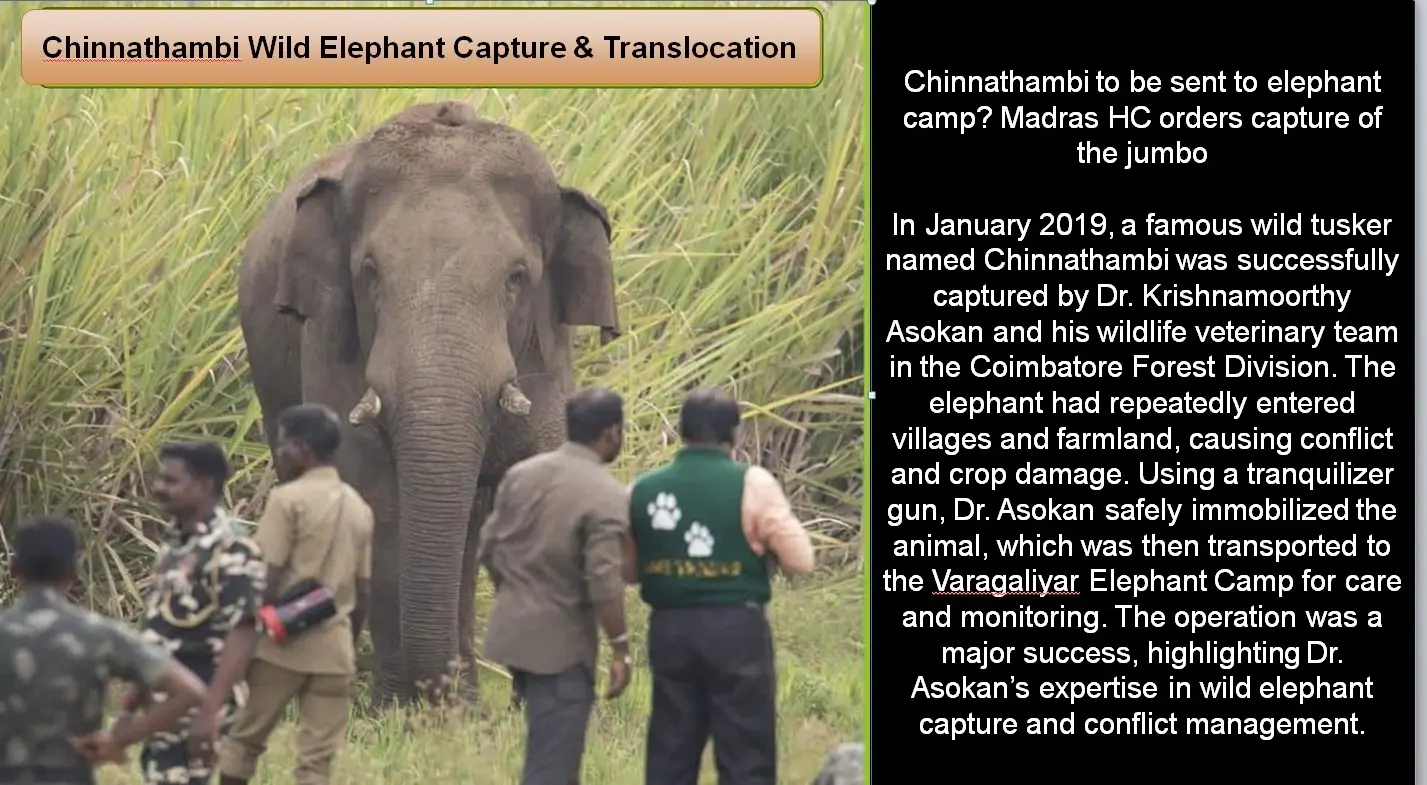
- Dr. Krishnamoorthy Asokan has contributed to elephant conservation through wildlife veterinary care, rescue, treatment and translocation. He has been involved in saving more than 50 elephants, including wild, captive and temple elephants, and has participated in important wild-elephant rescue operations. His work has included critical cases involving elephants affected by electric shock/electrocution, as well as landmark rescue and veterinary interventions involving Moorthy and Chinnathanbi.
- Every elephant saved represents more than the survival of one animal. It represents the protection of forest regeneration, biodiversity and ecological balance. By conserving wild elephants and reducing human–elephant conflict, we can help ensure that future generations inherit healthy forests where elephants and people can coexist.
- Save the Elephant — Protect the Forest — Protect Biodiversity — Protect Our Future.
The survival time of a sick wild elephant without veterinary treatment depends entirely on the cause and severity of the illness. There is no fixed number of days.
- The survival time of a sick wild elephant without veterinary treatment depends entirely on the cause and severity of the illness. There is no fixed number of days.
- General estimates are: Acute conditions (septicemia, severe poisoning, hemorrhage, intestinal torsion, heat stroke, or major trauma): a few hours to 1–3 days if untreated. Serious infections or severe injuries: 3–14 days, depending on the elephant's age, immune status, and ability to eat and drink. Chronic illnesses (foot infections, chronic abscesses, parasitic disease, malnutrition, arthritis): several weeks to months, but the animal usually becomes progressively weaker. Elephants that become recumbent (unable to stand) have a poor prognosis. Without intensive supportive care, prolonged recumbency often leads to dehydration, muscle damage, pressure sores, and organ failure. Factors that influence survival Cause of illness or injury Age (calves and old elephants deteriorate faster) Ability to walk, feed, and drink Access to water and forage Presence of a protective herd Weather and environmental stress
- In field wildlife medicine, early detection and treatment are critical. A sick elephant that still walks and feeds has a much better chance of recovery than one that is weak, recumbent, or severely dehydrated. Wildlife management guidelines recommend veterinary intervention when an elephant is unlikely to recover naturally or is suffering significantly.
Treating Wild Elephants Amidst Extraordinary Challenges
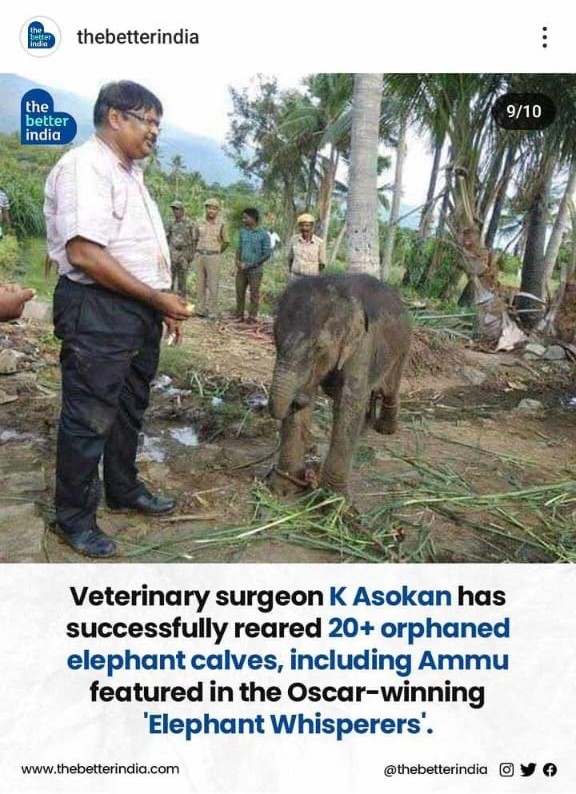
- Dr. Krishnamoorthy Asokan has rescued and rehabilitated more than 50 wild elephants, including injured elephants, distressed animals, and orphaned calves. One of the most memorable calves was Ammu, later renamed Bommi after being transferred for rehabilitation. Her story was featured in the acclaimed documentary The Elephant Whisperers, which won the Academy Award (Oscar) for Best Documentary Short Film in 2023. In addition to rescue and treatment,
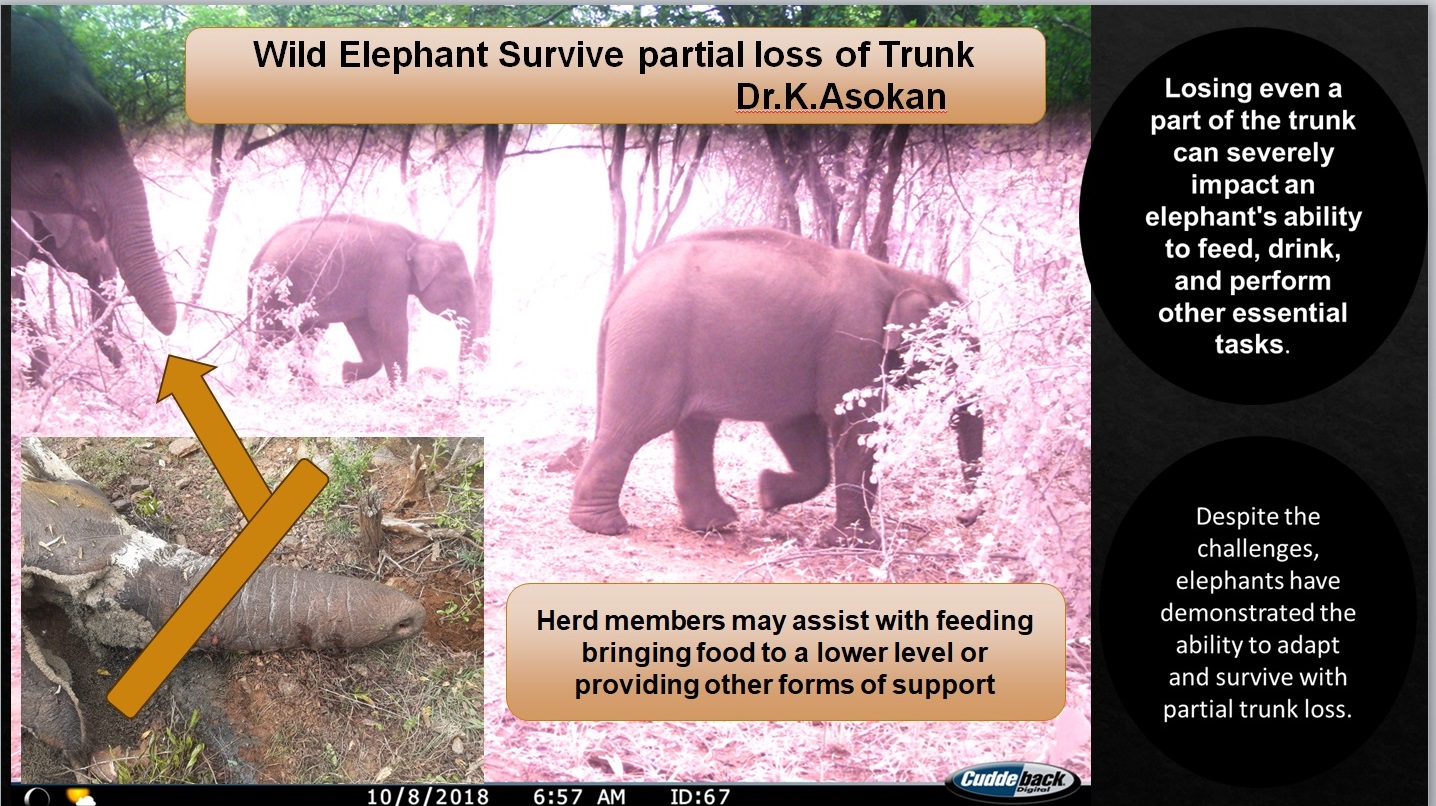
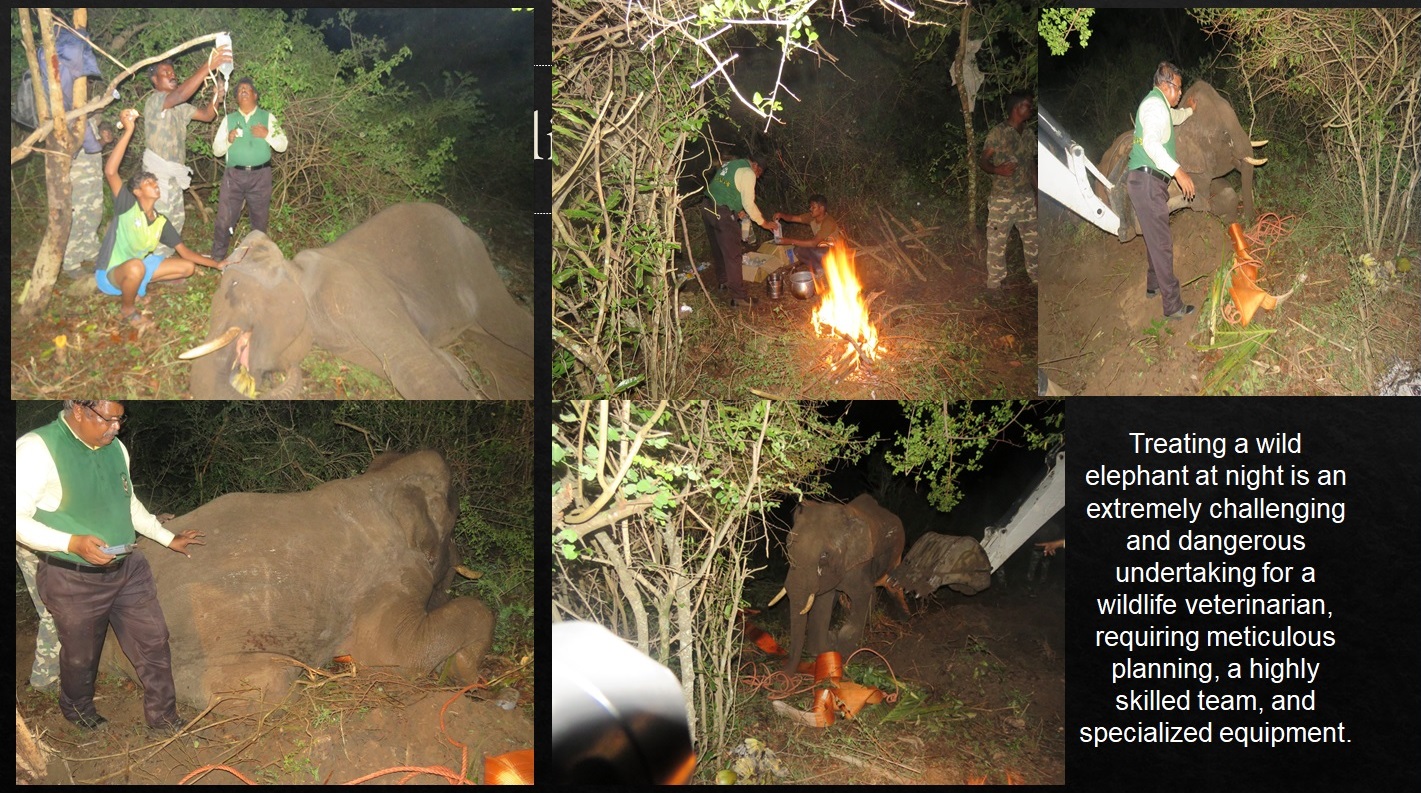
- Dr. Krishnamoorthy Asokan has conducted more than 250 wild elephant necropsies (post-mortem examinations), helping investigate causes of death and contributing valuable knowledge to wildlife health and conservation. He has treated numerous wild elephants under demanding field conditions, where veterinary care may involve safe capture and restraint, anaesthesia, emergency assessment, wound management, infection control, medication, monitoring, and rehabilitation—often without the facilities of a conventional hospital. Working in forests and remote terrain presents further challenges, including the elephant’s enormous size and strength, unpredictable behaviour, difficult access, limited equipment, changing weather, and risks to both the animal and veterinary team. His field experience demonstrates that wildlife veterinary medicine requires a combination of science, courage, teamwork, patience, and compassion.
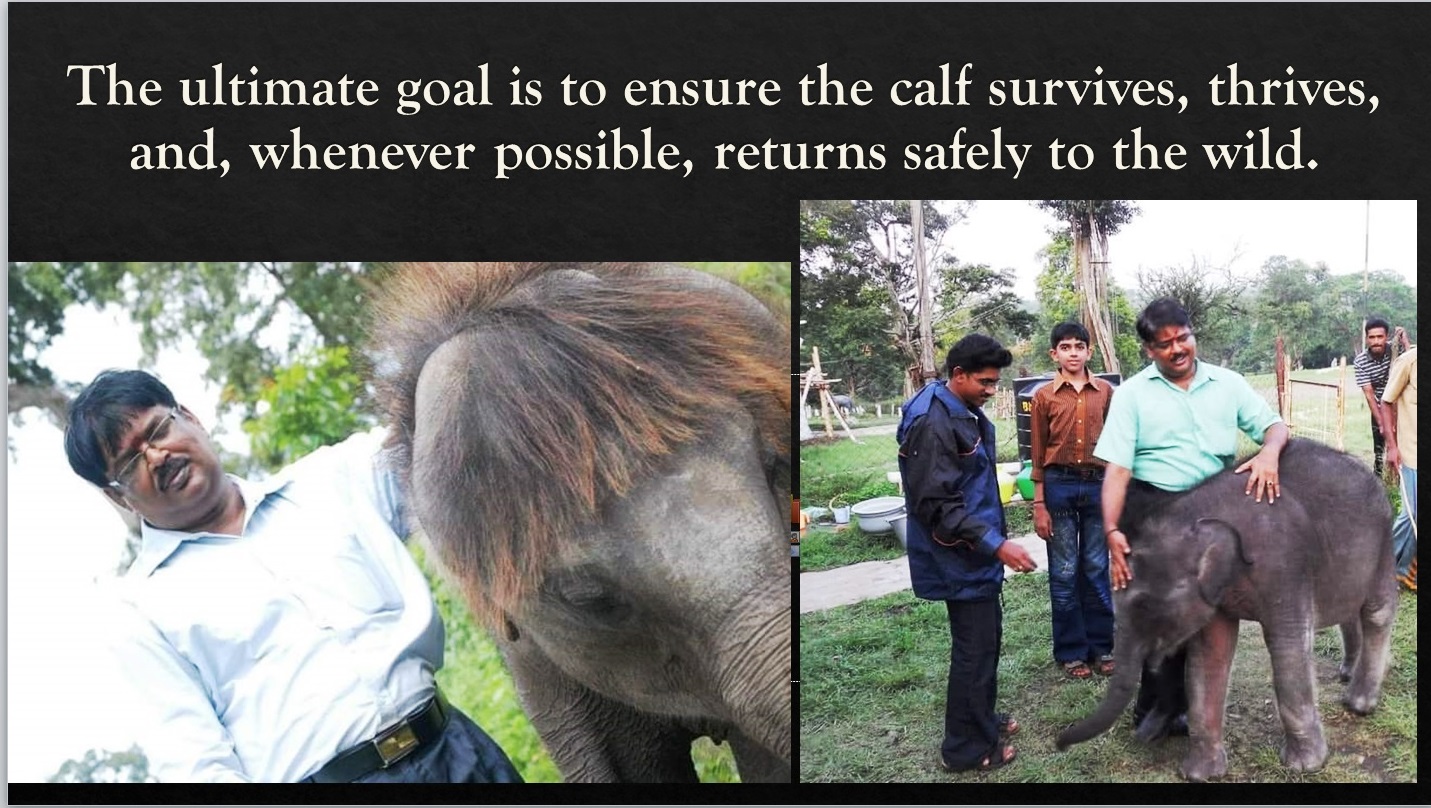
- The ultimate objective is not merely to treat an injury, but to stabilize the elephant, restore its health, understand the causes of mortality through systematic necropsy, and, whenever possible, return the animal safely to its natural habitat.
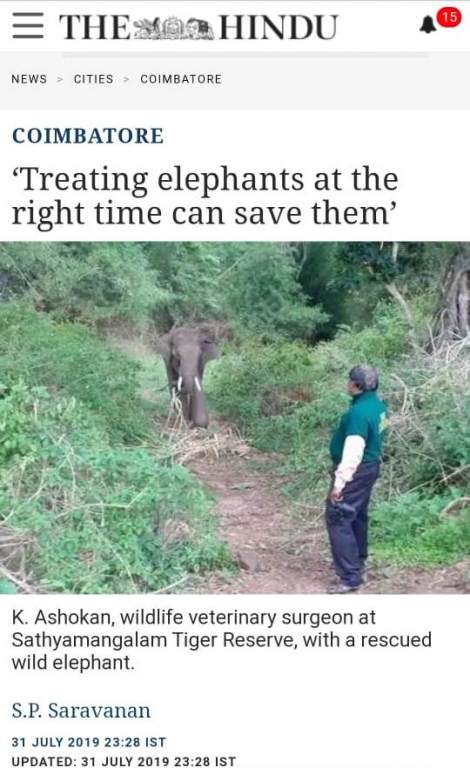
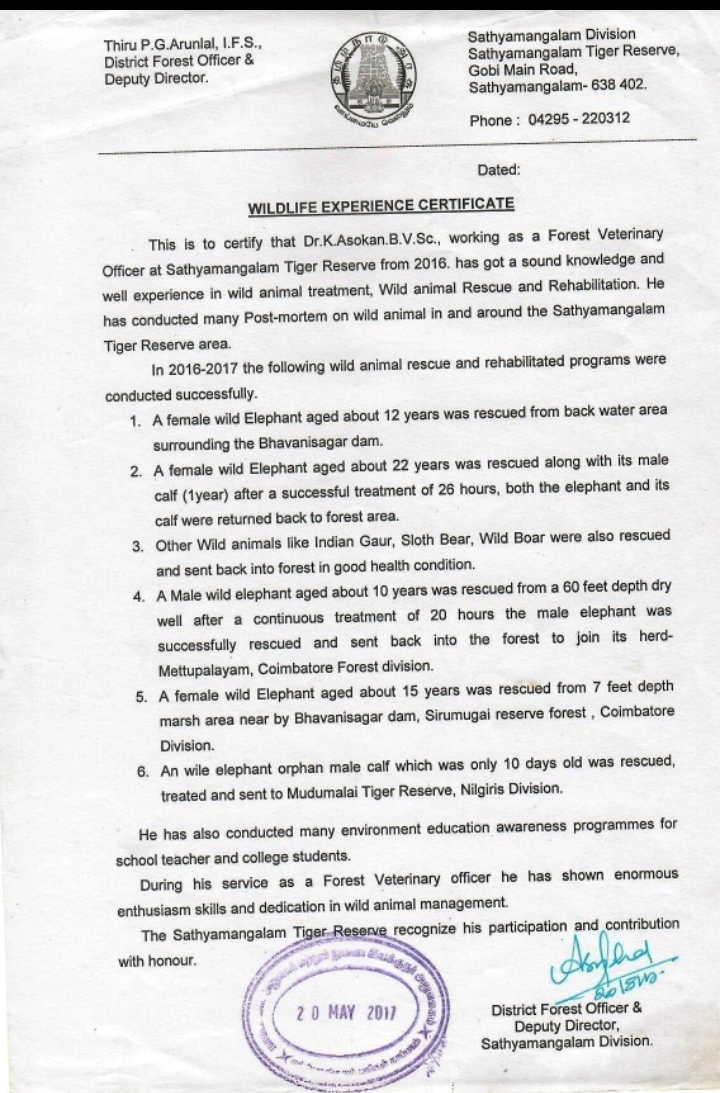
Field veterinary care under challenging conditions
- Elephant veterinary medicine requires a combination of advanced veterinary knowledge, wildlife experience, field skills, careful anaesthesia, anatomical understanding, teamwork, and rapid decision-making. In a critically injured or immobilized elephant, even a small mistake in positioning, drug administration, respiratory management, temperature control, or recovery can have serious consequences.
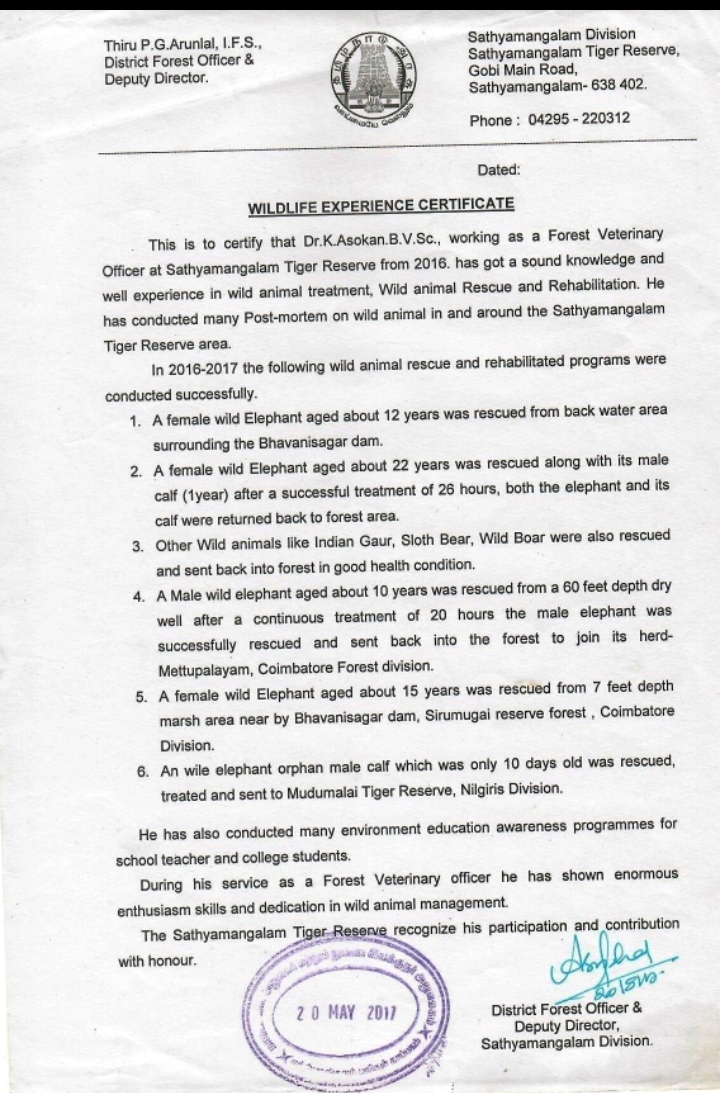
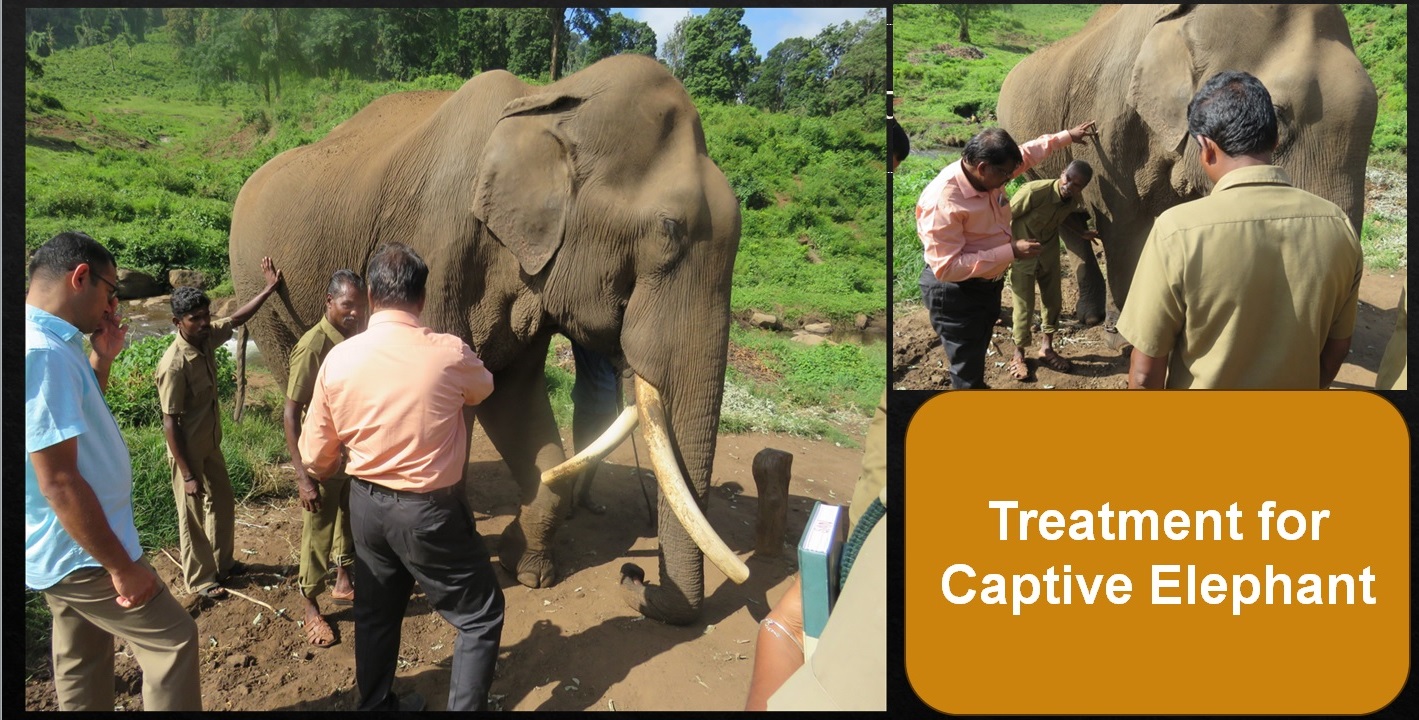
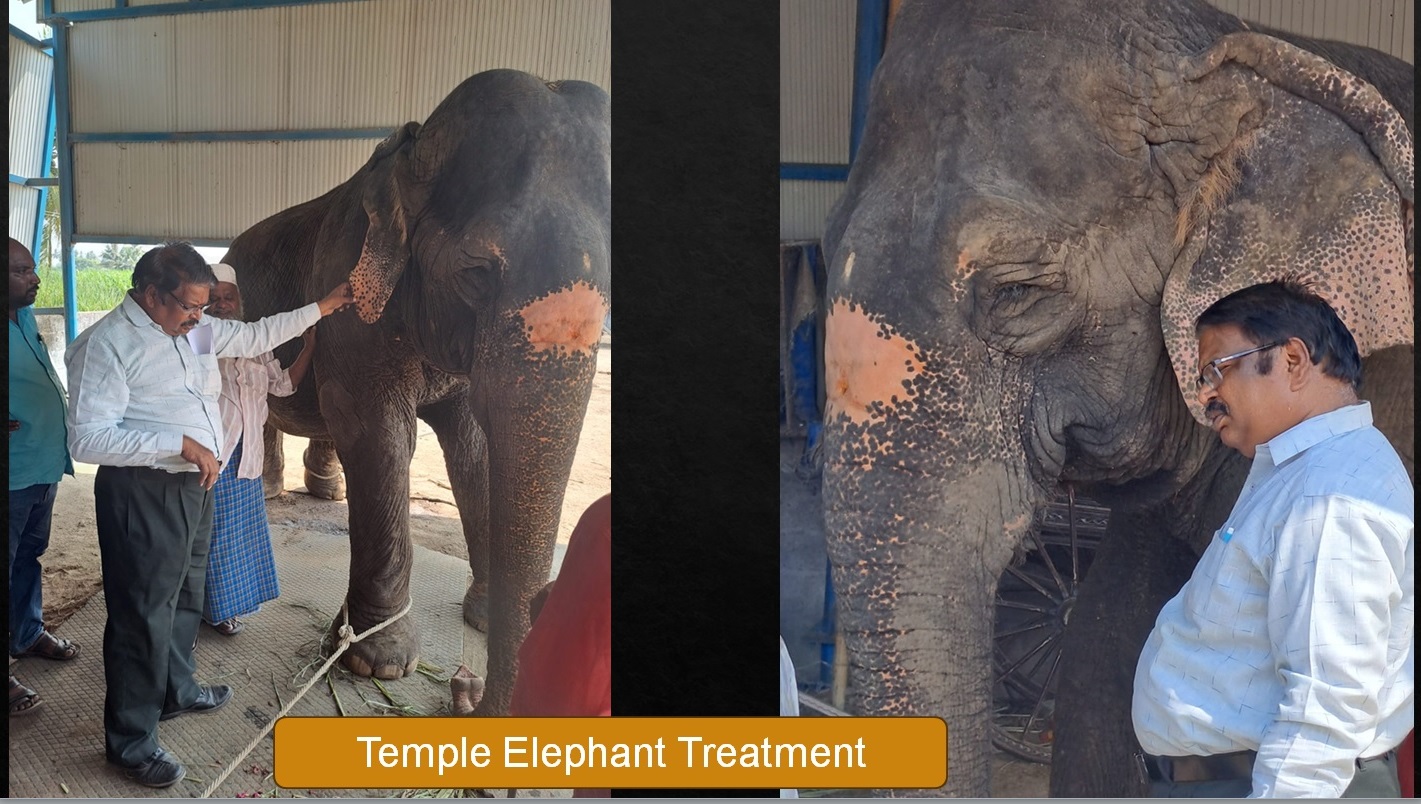
Dr. Asokan has extensive experience in the rescue, treatment, and rehabilitation of wild elephants affected by injuries, disease, accidents, and human–wildlife conflict. He has provided emergency veterinary care to sick, injured, and distressed elephants, ensuring timely diagnosis, treatment, and recovery under challenging field conditions.
His expertise includes safe capture and translocation, rescue and hand-rearing of orphaned calves, long-term rehabilitation, and post-release health monitoring. Working closely with forest officials, he has applied scientific wildlife-management practices to improve elephant welfare, reduce conflict, and support long-term conservation of Asian elephants in natural habitats.
Safe Immobilization and Anaesthesia – Adult elephants are extremely large and powerful, making restraint, sedation, and anaesthesia difficult and potentially dangerous. - Accurate Diagnosis in the Field – Many cases occur in forests where advanced diagnostic equipment, laboratory facilities, electricity, and trained support staff may not be readily available.
- Emergency Treatment of Severe Injuries – Gunshot wounds, electrocution, fractures, abscesses, snare injuries, septic wounds, and traumatic injuries often require immediate intervention.
- Difficult Access to the Animal – Thick forests, steep or undulating terrain, poor roads, and adverse weather can make reaching an injured elephant extremely challenging.
- Large Body Size and Special Anatomy – The elephant's enormous body mass creates unique challenges in drug dosage, positioning, wound management, fluid therapy, surgery, and monitoring.
- Drug Dosage and Anaesthetic Risk – Calculating appropriate drug doses for an animal weighing several tonnes requires considerable experience. Both excessive and inadequate sedation can create serious risks.
- Treatment on Undulating Slopes – Treating an immobilized elephant on uneven or sloping ground makes positioning difficult. The animal may roll or shift, increasing the risk of respiratory compromise, trauma, and accidental movement.
- Risk of Chest Compression – Elephants have a distinctive thoracic anatomy. Unlike most mammals, they lack a conventional fluid-filled pleural cavity; dense connective tissue occupies and seals the potential space between the lungs and chest wall. This anatomical feature is important when considering recumbency and respiratory management.
- Suffocation and Respiratory Risk – When an elephant is lying down, its enormous body weight can restrict chest and abdominal movement. Prolonged recumbency, particularly during anaesthesia, can compromise ventilation. Anaesthesia During Recumbency – Anaesthesia requires careful management because reduced respiratory function, body position, drug effects, and difficulty maintaining a safe posture can produce life-threatening complications.
- Changes in Pulse and Circulation – Stress, anaesthetic drugs, positioning, induction, recovery, and physiological compromise can alter heart rate and circulation. Continuous cardiovascular monitoring is therefore important. Heat-Stress Risk – Elephants have very limited functional sweat glands and depend largely on their ears, skin, behavioural cooling, and other mechanisms for heat dissipation. During prolonged treatment or immobilization, heat accumulation can become a serious concern.
- Continuous Monitoring – Respiration, pulse rate, body temperature, mucous membranes, oxygenation, depth of anaesthesia, and recovery must be monitored as closely as field conditions permit.
- Pressure-Related Injuries – A multi-tonne body lying in one position can exert enormous pressure on muscles, nerves, and other tissues, potentially causing pressure injuries and muscle damage.
- Chronic Wounds and Infections – Large wounds may require repeated cleaning, drainage, debridement, medication, antibiotics when indicated, and prolonged follow-up.
- Unpredictable Behaviour – Pain, fear, stress, and unfamiliar surroundings can make an injured elephant highly unpredictable and dangerous, even during sedation and recovery.
- Difficult Emergency Repositioning – Because of the elephant's enormous weight, repositioning a recumbent animal is extremely difficult. Adequate equipment, trained personnel, and careful planning are essential.
- Elephant–Human Conflict Situations – Rescue and treatment operations may require coordination among veterinarians, forest officials, mahouts, local communities, and specialized rescue teams.
- Translocation and Rehabilitation Risks – Treatment does not end when the animal stabilizes. Safe recovery, transportation, release, rehabilitation, and post-release monitoring can present additional challenges.
- Limited Field Resources – Wildlife veterinarians may have to make critical decisions with limited medicines, diagnostic equipment, personnel, communication facilities, and transportation.
Oscar Award-2023 -From a critical orphan calf to an internationally known conservation story
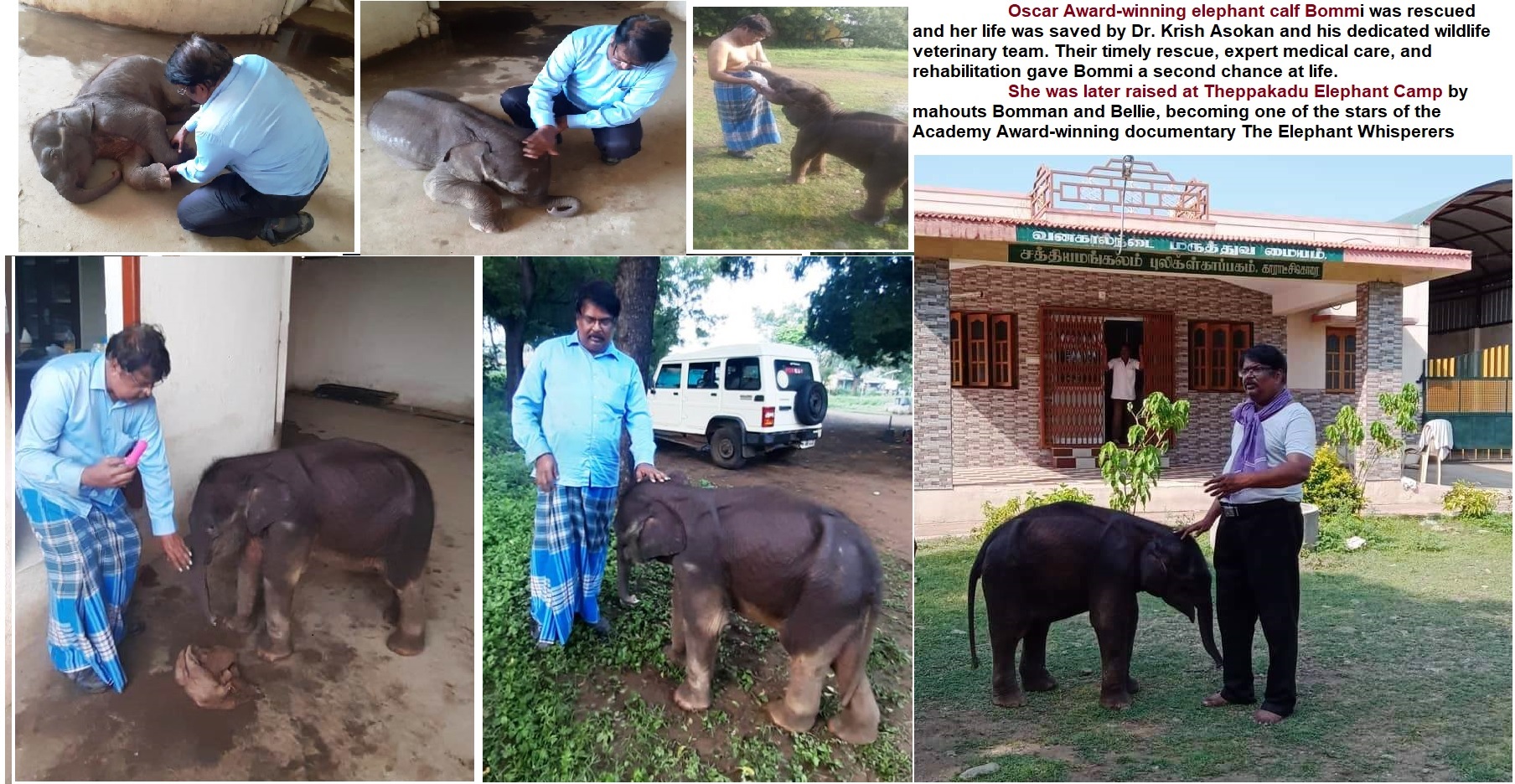
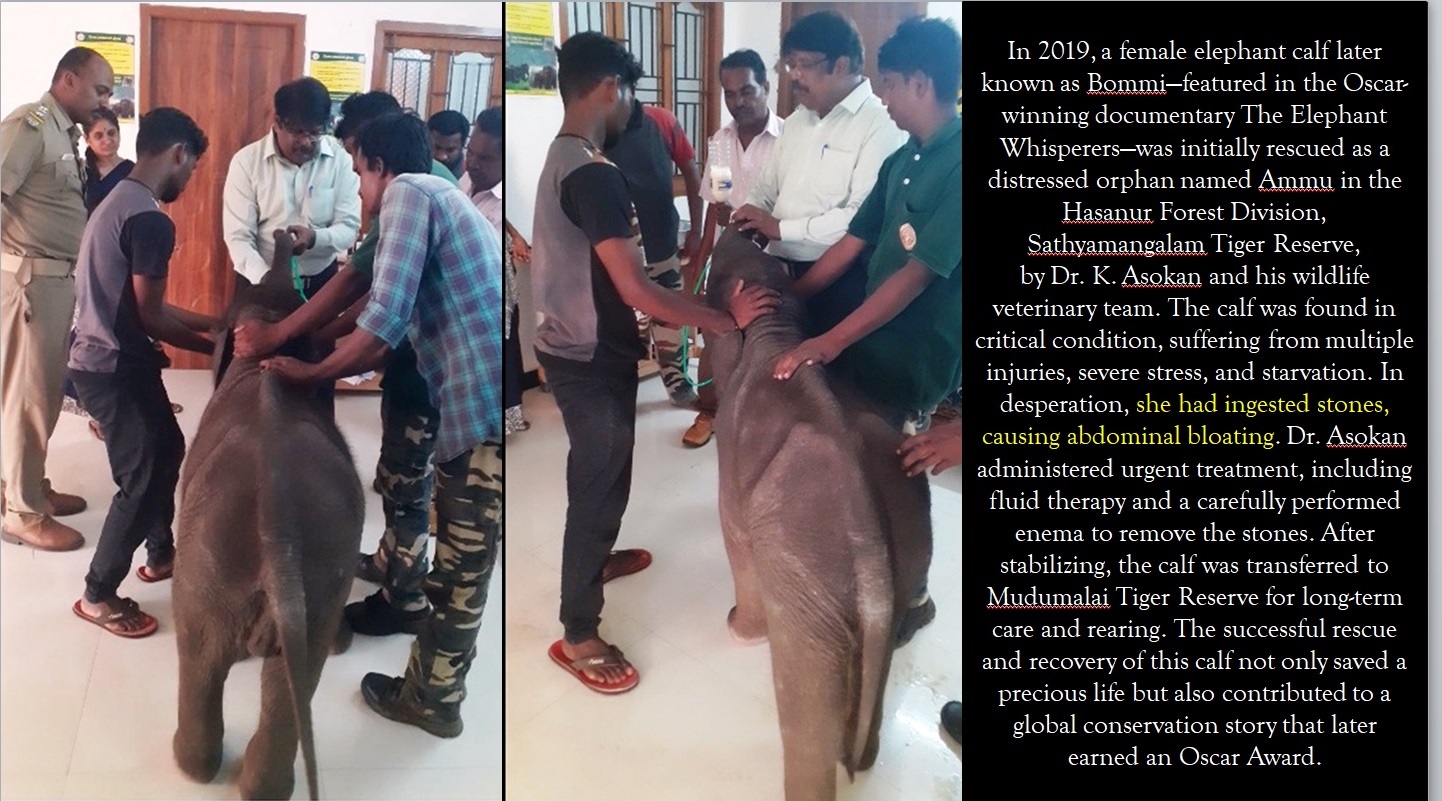
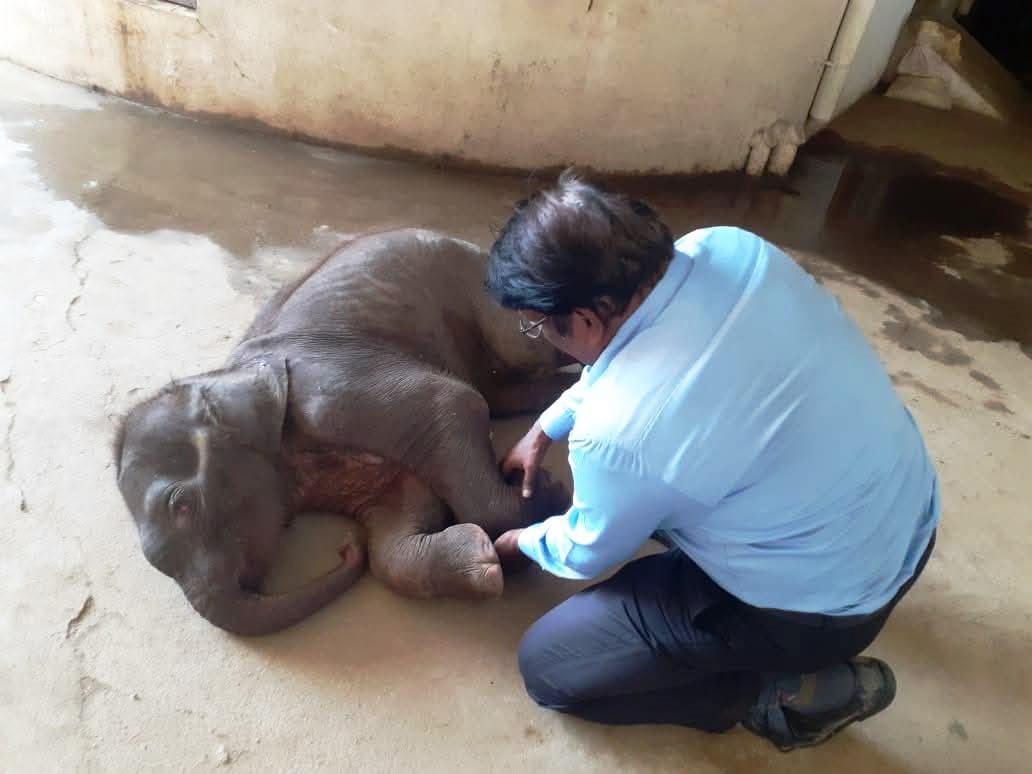
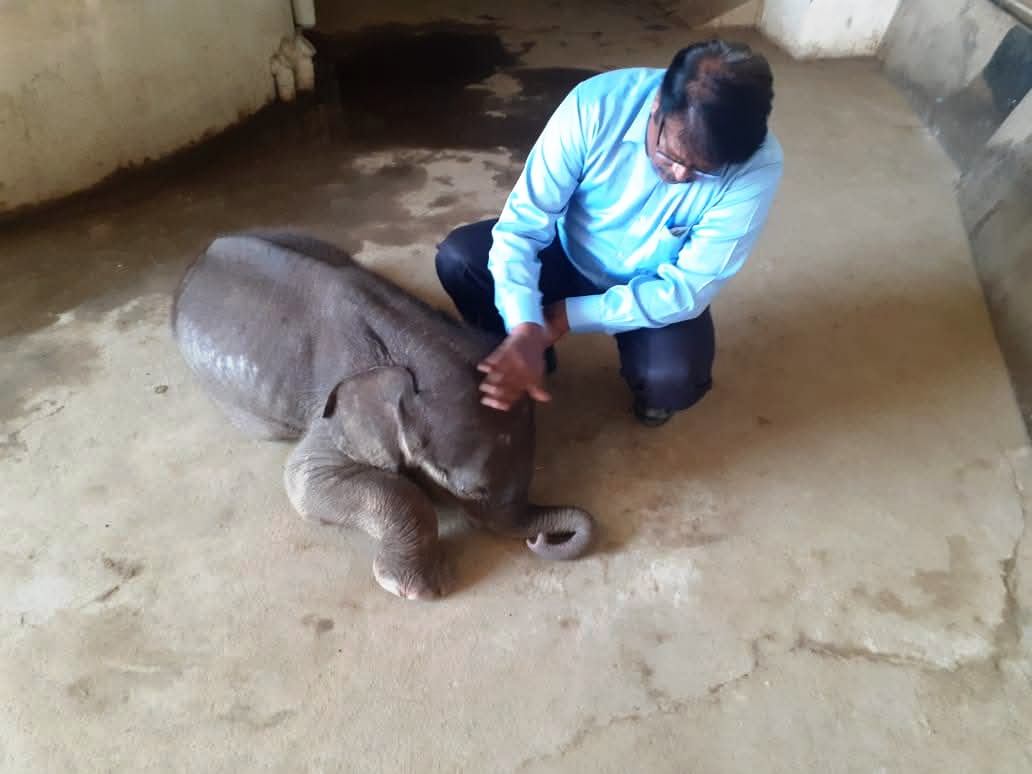
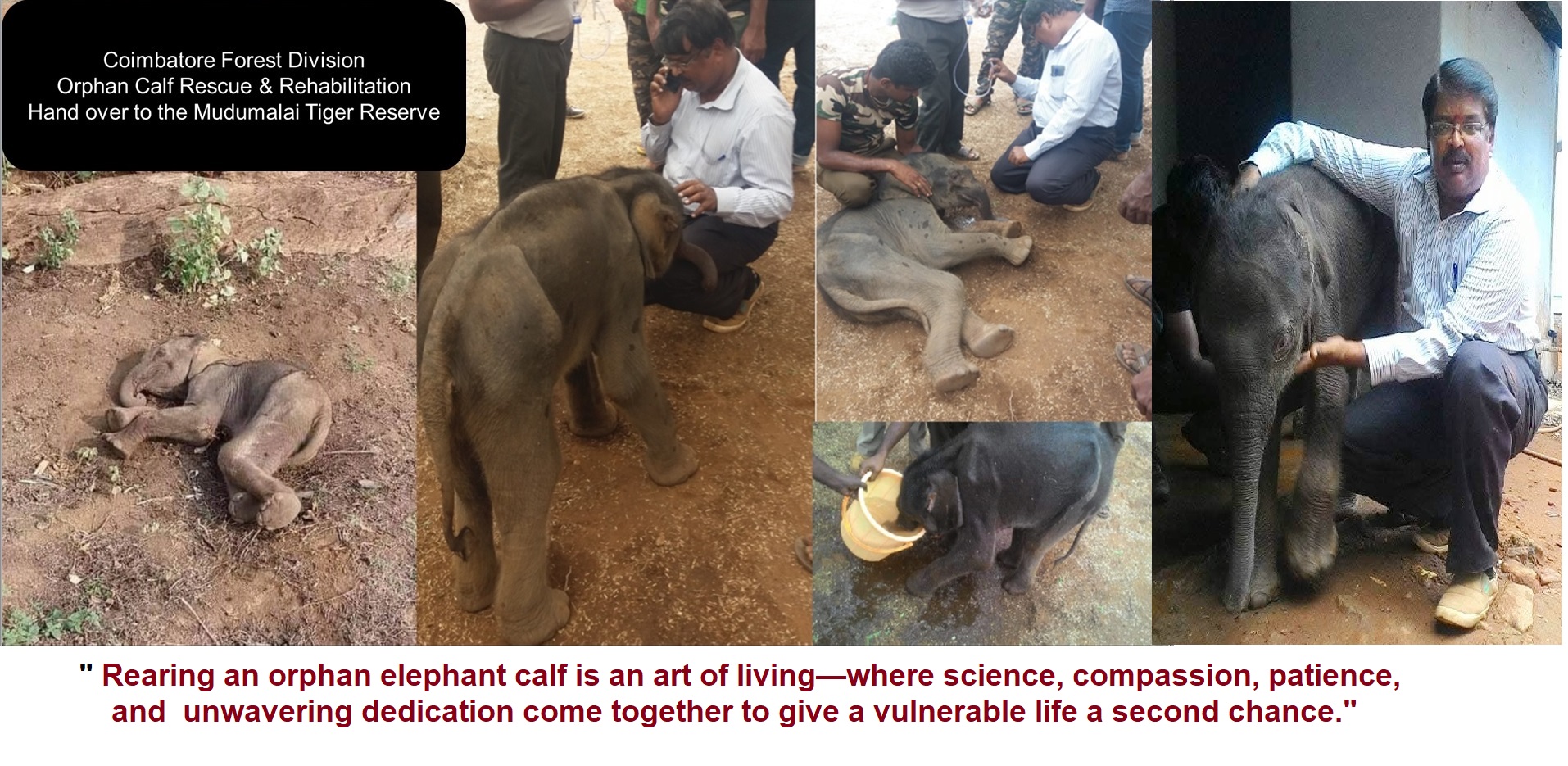
- On 2 October 2019, a three-month-old orphaned female wild elephant calf was rescued in critical condition from the Hasanur Forest Division. The calf was severely dehydrated and extremely weak, with a markedly distended abdomen and an inability to defecate. Veterinary examination revealed severe constipation, and a small stone mixed with faecal material was identified during treatment. Appropriate veterinary medication and an enema were administered to relieve the obstruction and facilitate defecation.
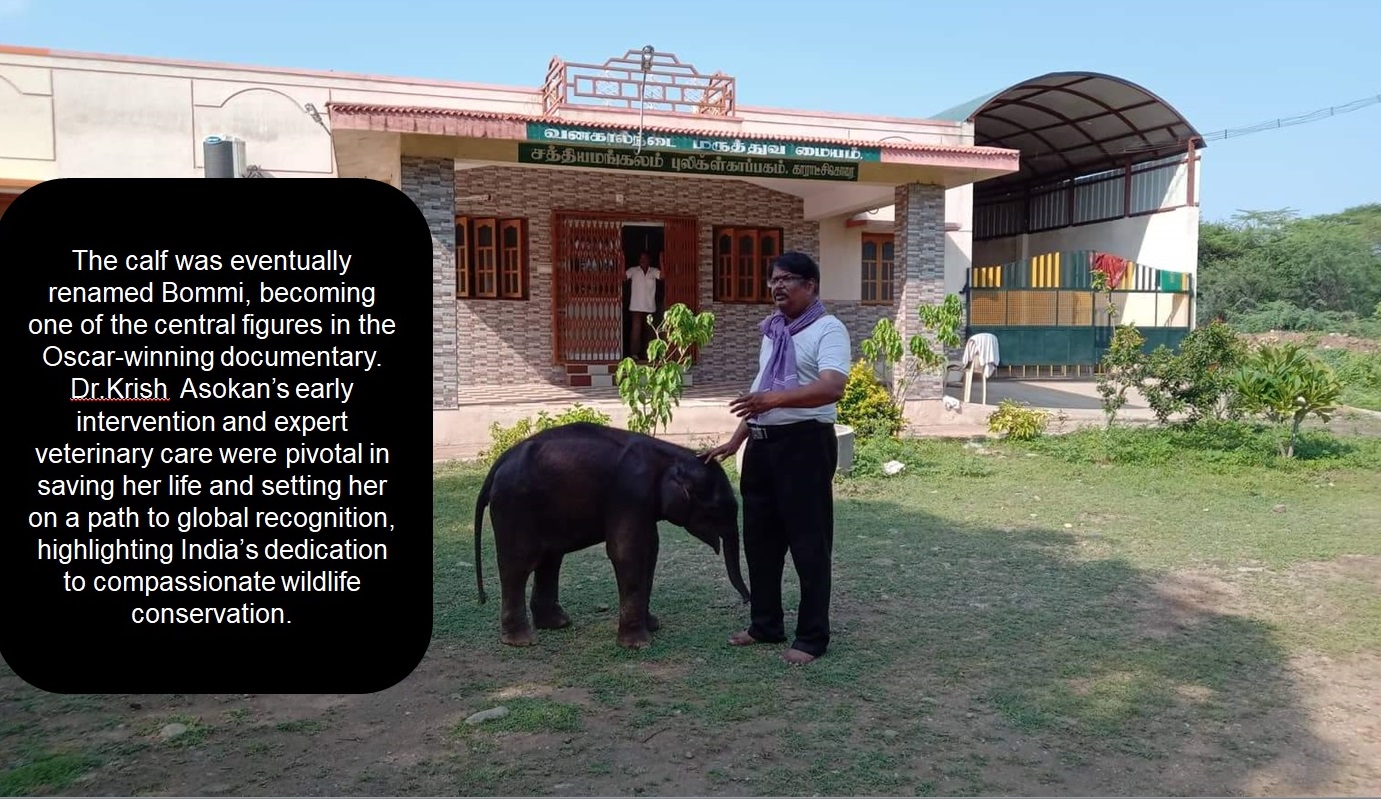
- The calf received emergency veterinary treatment and intensive care under Dr. Asokan, who named her Ammu. With dedicated veterinary care, nutritional support, hydration and continuous monitoring, Ammu gradually recovered. She was subsequently transferred to Theppakadu Elephant Camp for long-term rehabilitation, where she was renamed Bommi.
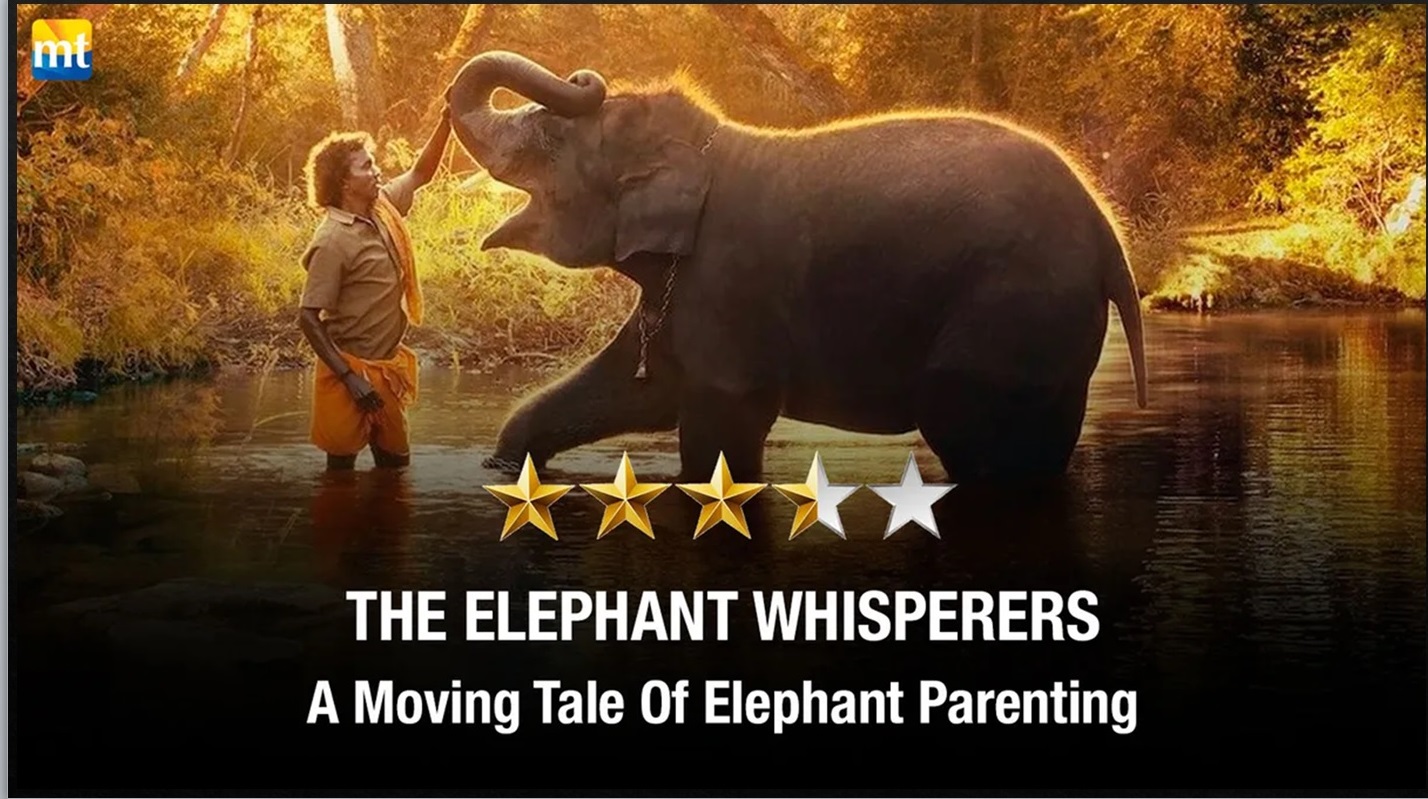
- In 2023, Bommi gained international recognition after appearing in The Elephant Whisperers, which won the Academy Award (Oscar) for Best Documentary Short Film.
- Bommi’s remarkable journey—from a critically ill orphaned elephant calf to an internationally recognised symbol of elephant conservation—highlights the dedication and collaborative efforts of wildlife veterinarians, mahouts, forest personnel and caregivers involved in the rescue, treatment, rehabilitation and long-term care of orphaned elephant calves.
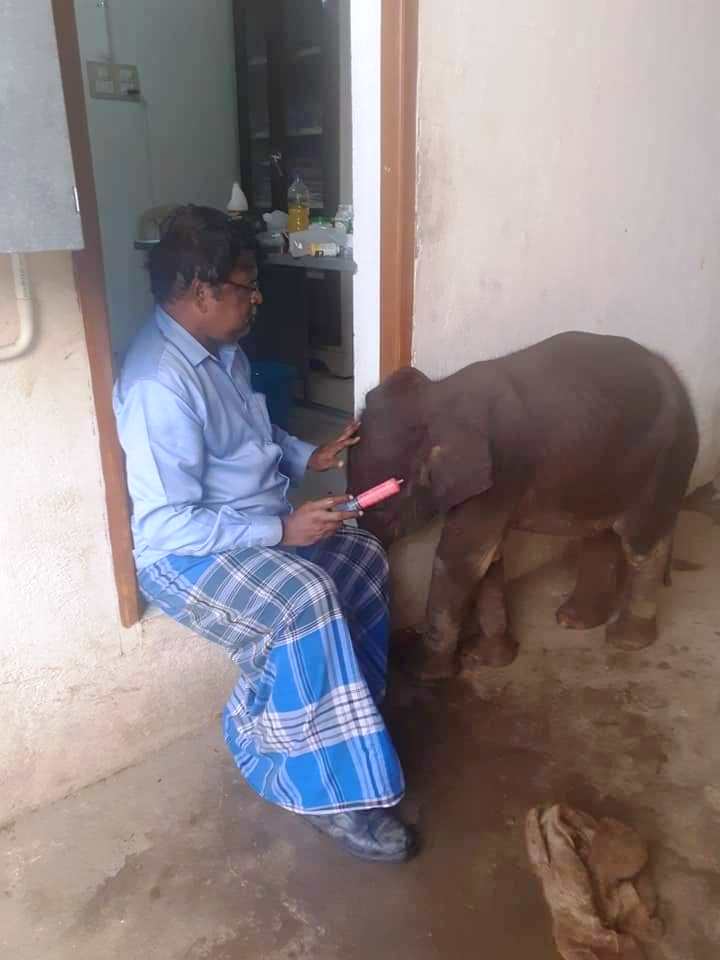
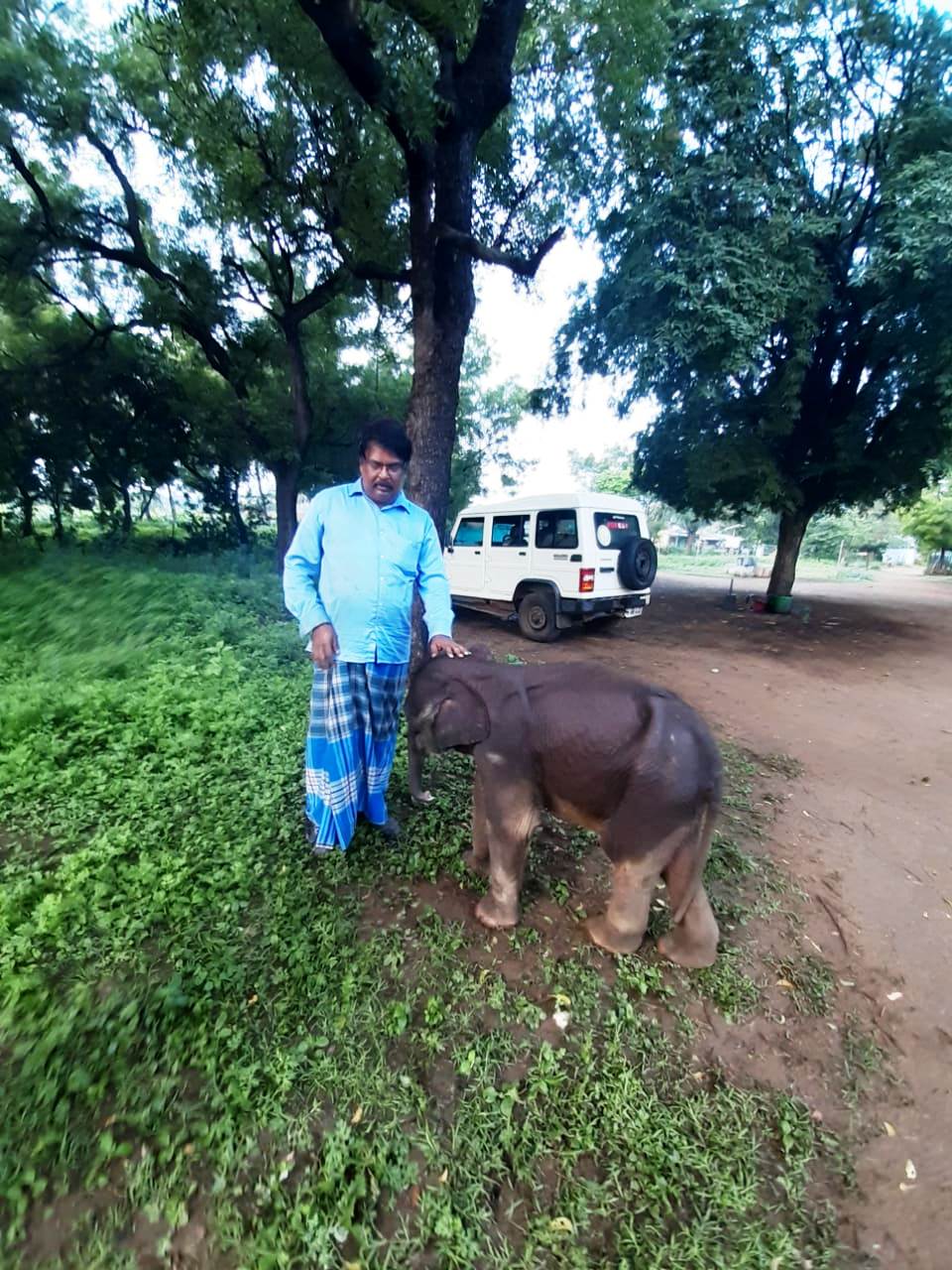
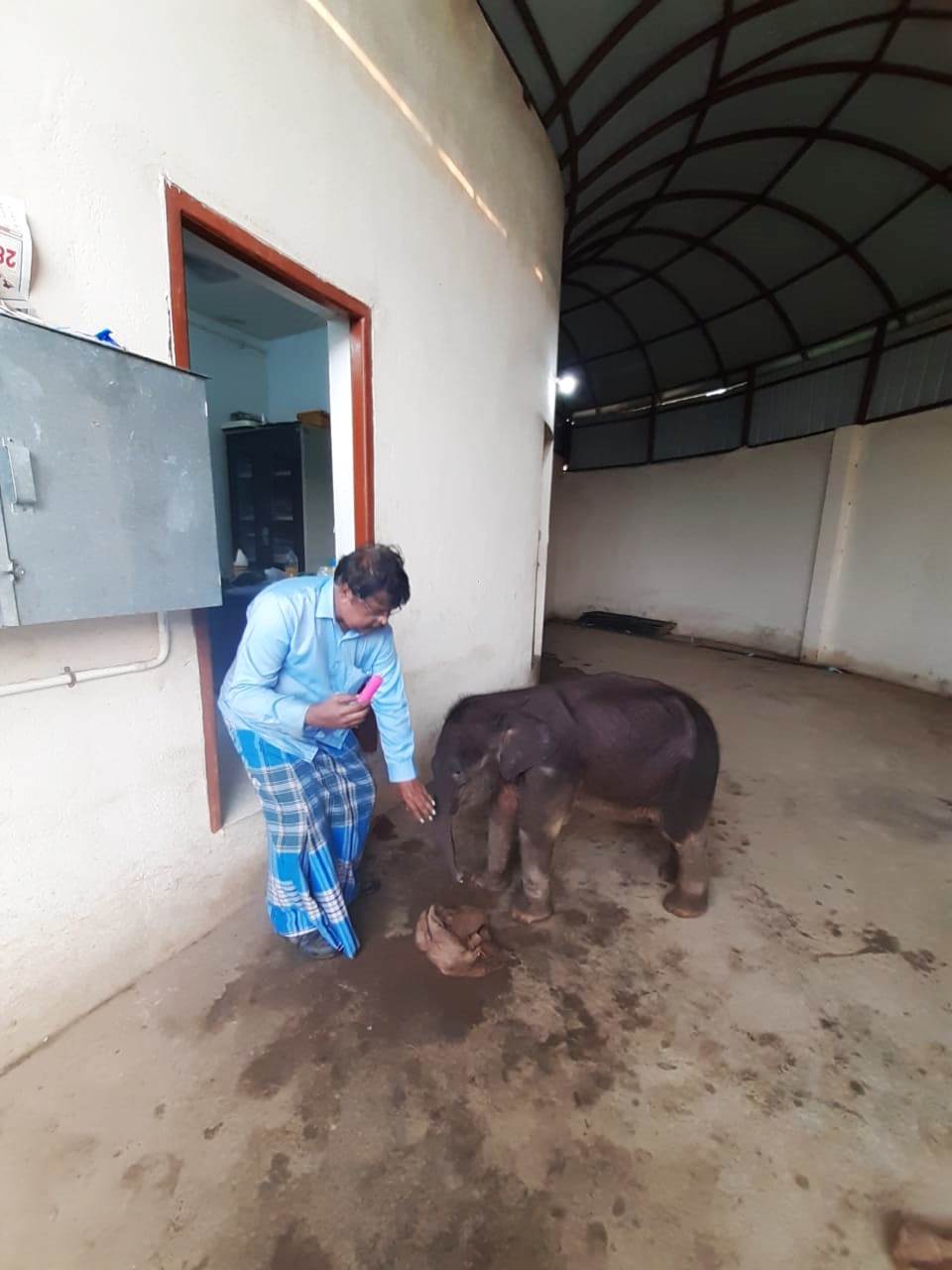
Compassionate Orphan Elephant calf Care and Structured Rehabilitation
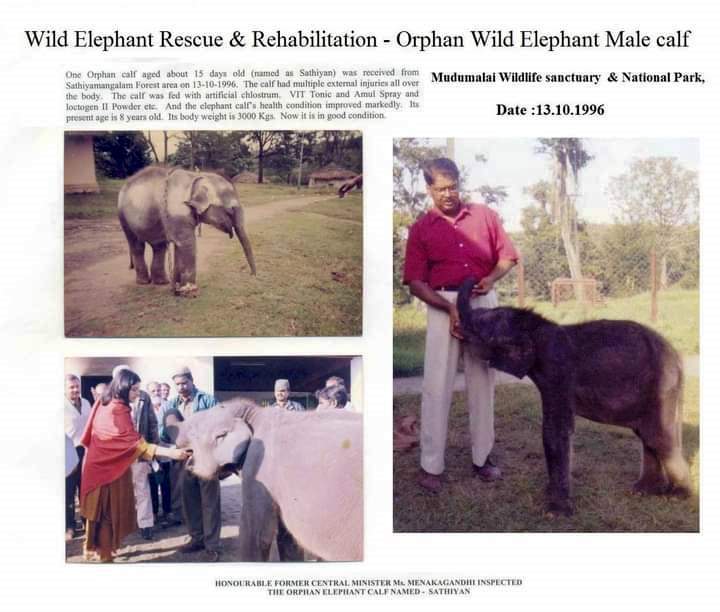
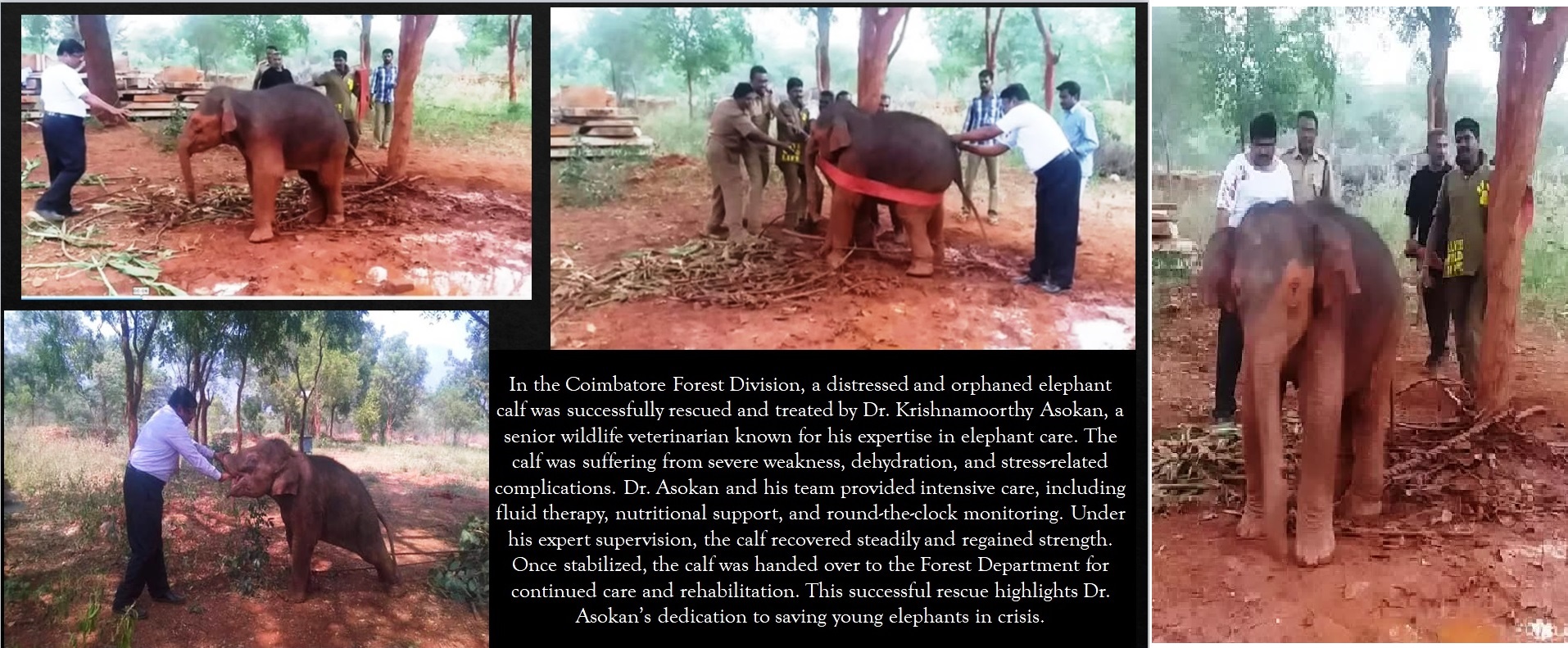
Dr. Asokan has made significant contributions to the rescue, care, and rehabilitation of orphaned wild elephant calves. His work includes emergency rescue and stabilization of weak or dehydrated calves, milk feeding and nutritional management, disease prevention, intensive veterinary treatment, behavioural assessment, and continuous health monitoring.
He has supervised the gradual transition of orphaned calves into protected elephant-camp environments, where they can safely adapt and undergo long-term rehabilitation. Several calves recovered successfully and developed the skills needed to thrive in protected environments.
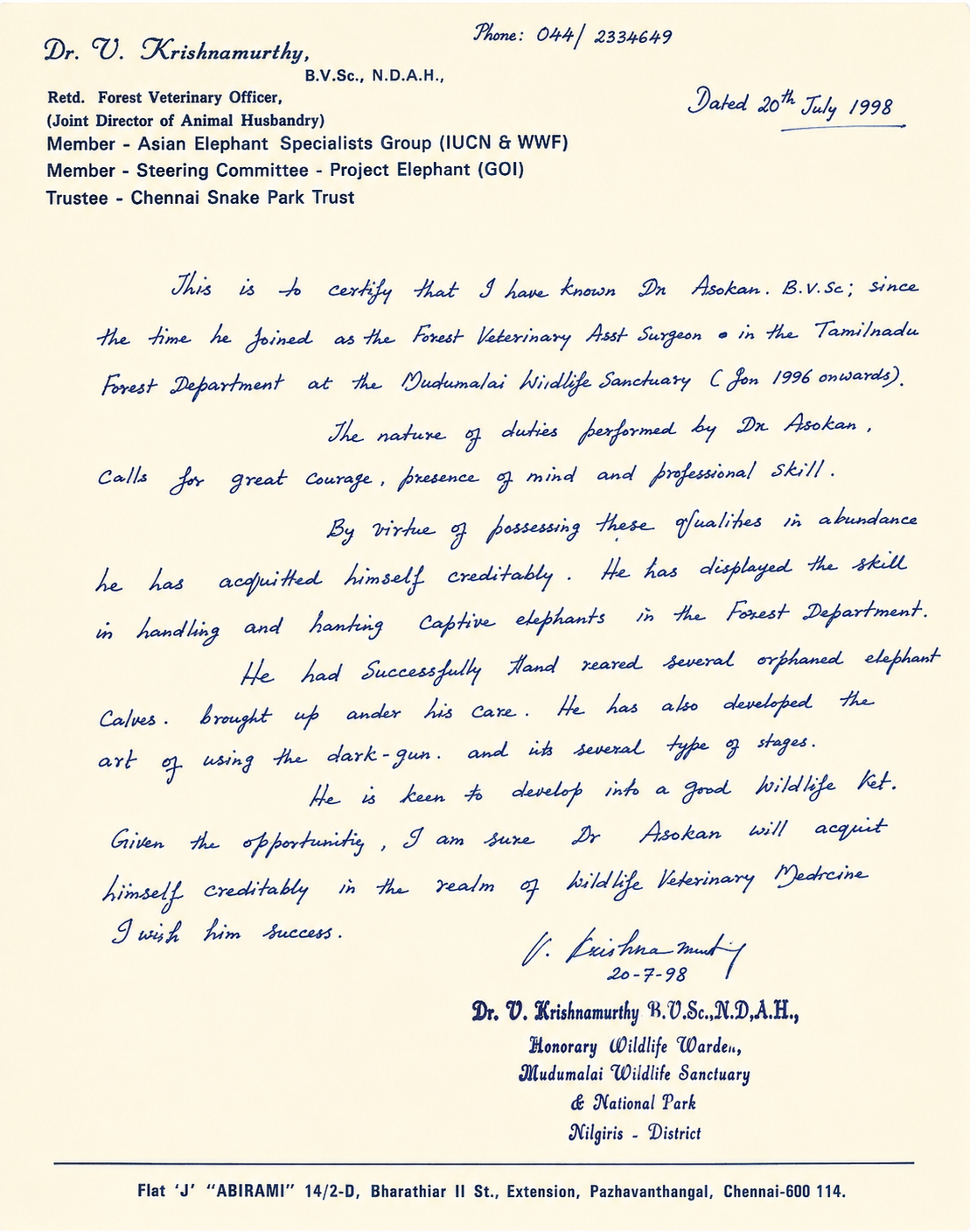
In 1998, Dr. V. Krishnamurthy presented him with an Appreciation Certificate for his contribution to orphan calf rehabilitation. In 2020, the Conservator of Forests, Coimbatore Circle, presented another Appreciation Certificate recognizing his services in the care, treatment, and rehabilitation of orphaned wild elephant calves.
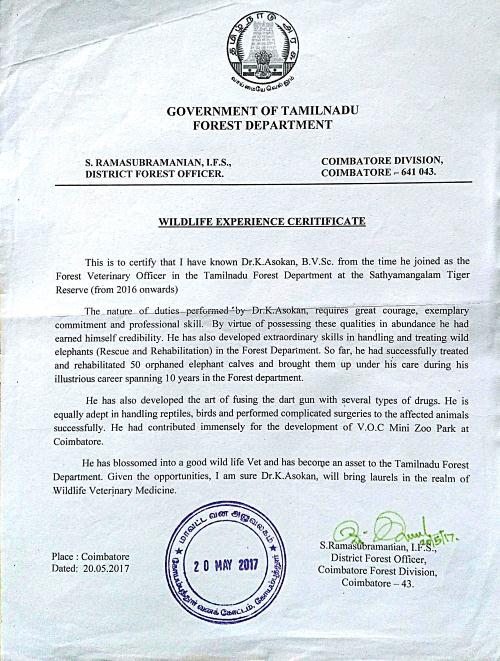
Landmark Achievement in Wild Elephant Orphan Calf Rearing
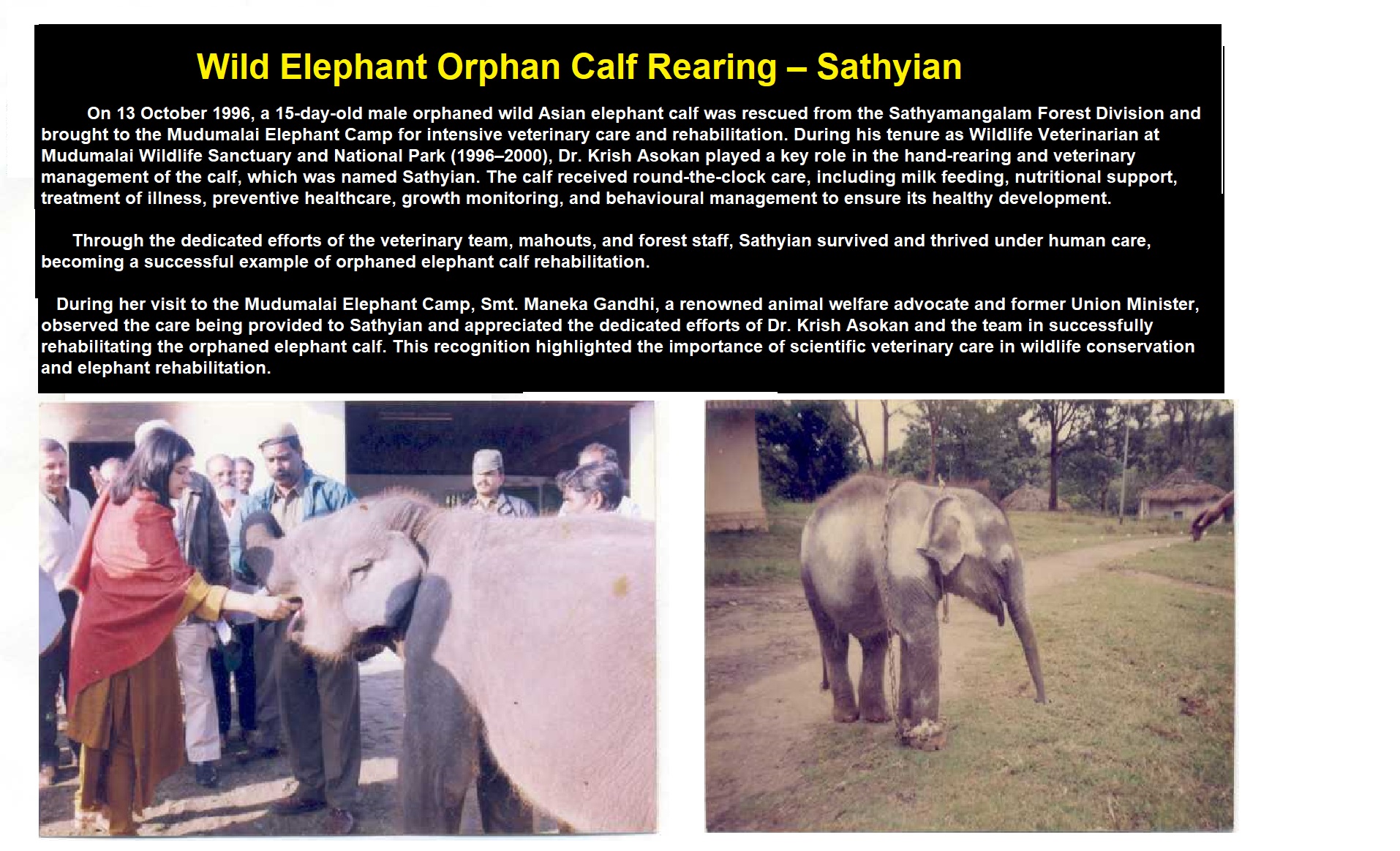
- Dr. Krishnamoorthy Asokan, popularly known for his dedicated wildlife veterinary service, made significant contributions to the rescue, veterinary care and rearing of wild elephant orphan calves during his government service. Orphaned elephant calves require intensive and specialised care because they lose the protection, nutrition and social support normally provided by their mothers and herd.
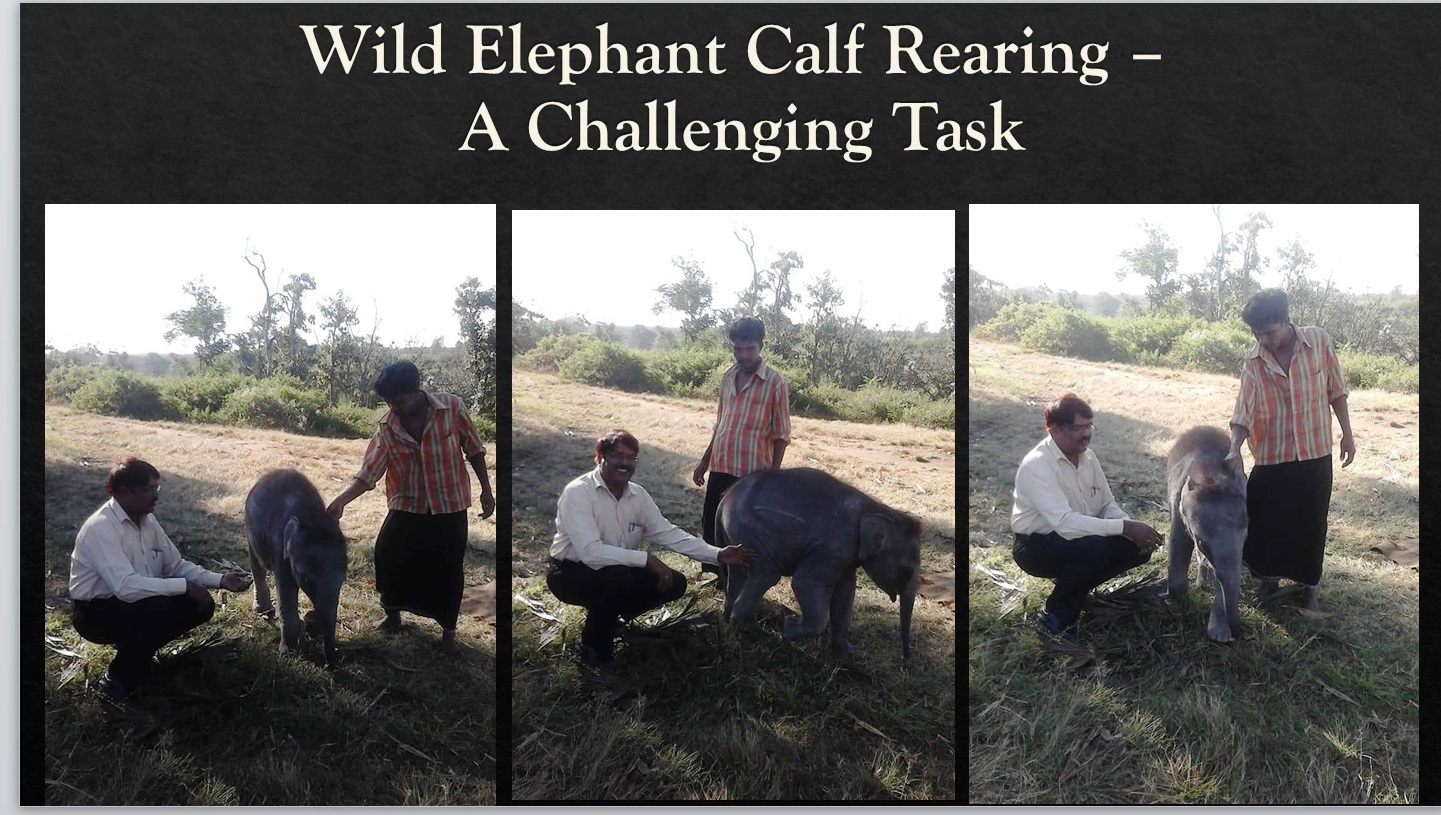
- Wild elephant orphan-calf rearing is an extremely difficult and demanding task. It requires round-the-clock attention, appropriate nutrition, medical monitoring, behavioural management and gradual adaptation to a safe social environment. A rescued calf may also suffer from dehydration, injuries, weakness, infections or psychological stress.
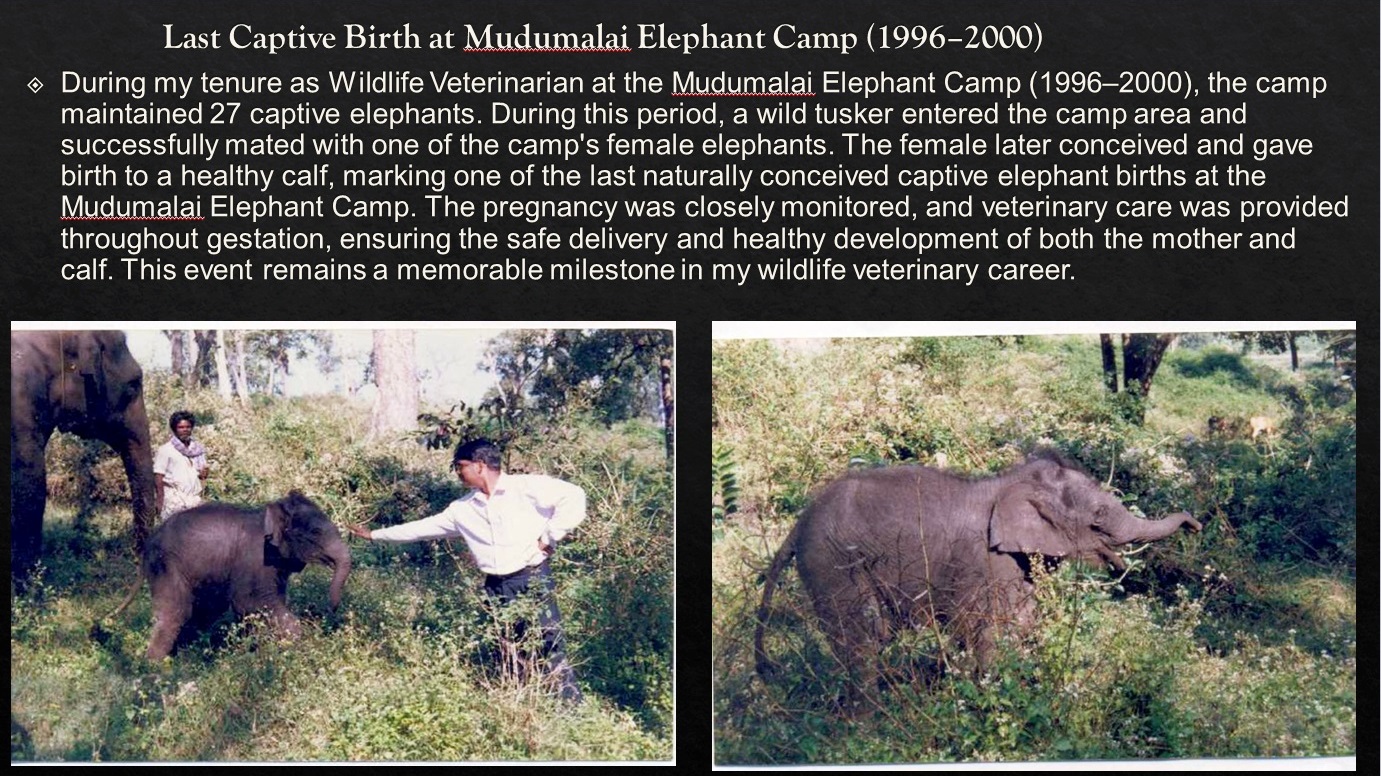
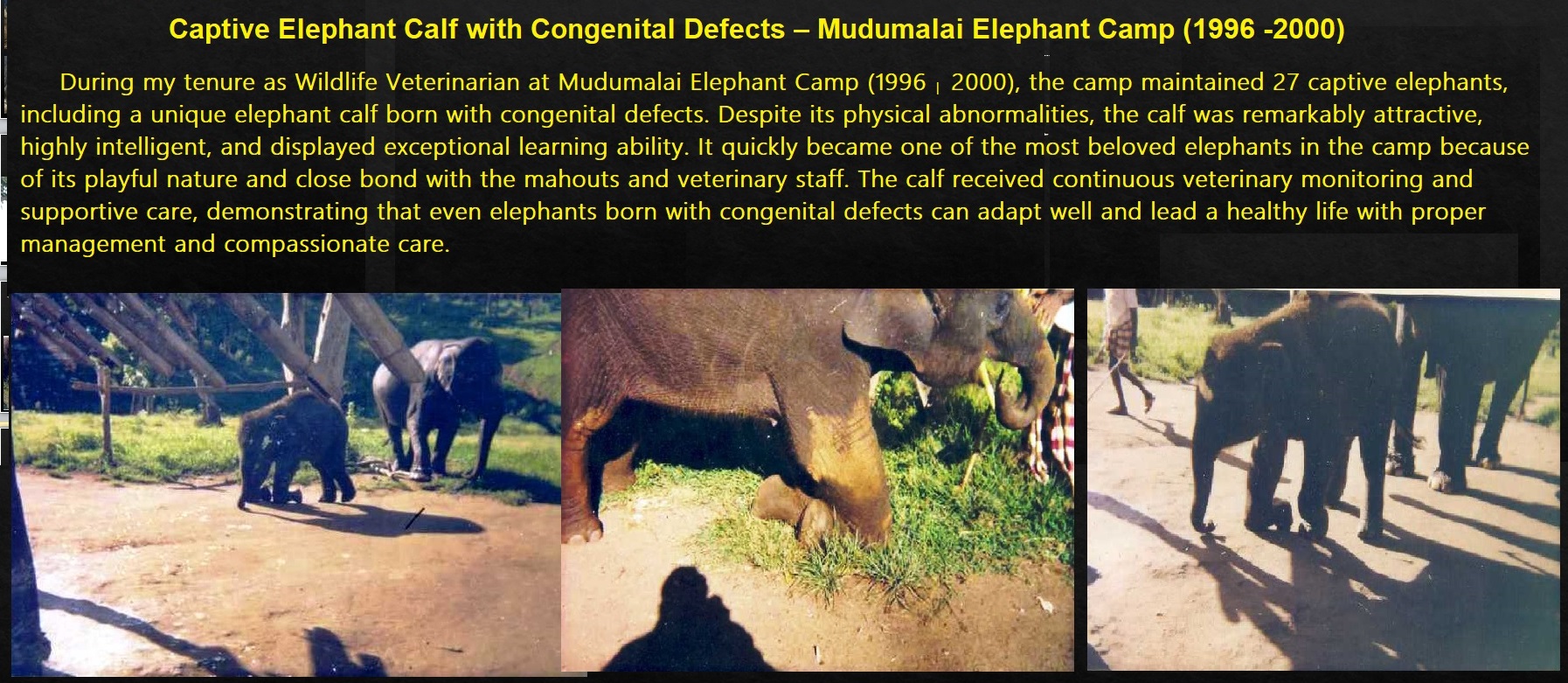
- During his wildlife veterinary service, Dr. Asokan was involved in the rescue and care of both wild elephant orphan calves and distressed captive elephant calves, providing veterinary attention and management at critical stages of their survival.
- Appreciation and Recognition His work in elephant calf care received appreciation from senior forest and wildlife authorities. Elephant Dr. V. Krishnamoorthy issued an appreciation letter to Dr. Asokan in 1998 recognising his contribution to elephant care. His elephant-related work was also appreciated by the Conservator of Forests, Coimbatore Forest Circle.
- These recognitions reflect the importance of his early wildlife veterinary work and his commitment to saving elephant calves that were vulnerable, injured, orphaned or in need of specialised care. A Landmark Contribution The successful rearing of an orphaned wild elephant calf is not simply a veterinary procedure—it is a long-term conservation responsibility. The veterinarian must combine clinical medicine with knowledge of elephant behaviour, nutrition, welfare and rehabilitation.
- Dr. Asokan's experience in elephant rescue, orphan-calf rearing, treatment and rehabilitation represents an important part of his wildlife conservation career and demonstrates how veterinary science can directly contribute to the survival and welfare of endangered wildlife.
- “Saving an orphaned elephant calf is one of the most challenging responsibilities in wildlife veterinary medicine. Every successful rescue gives a young life a second chance.”
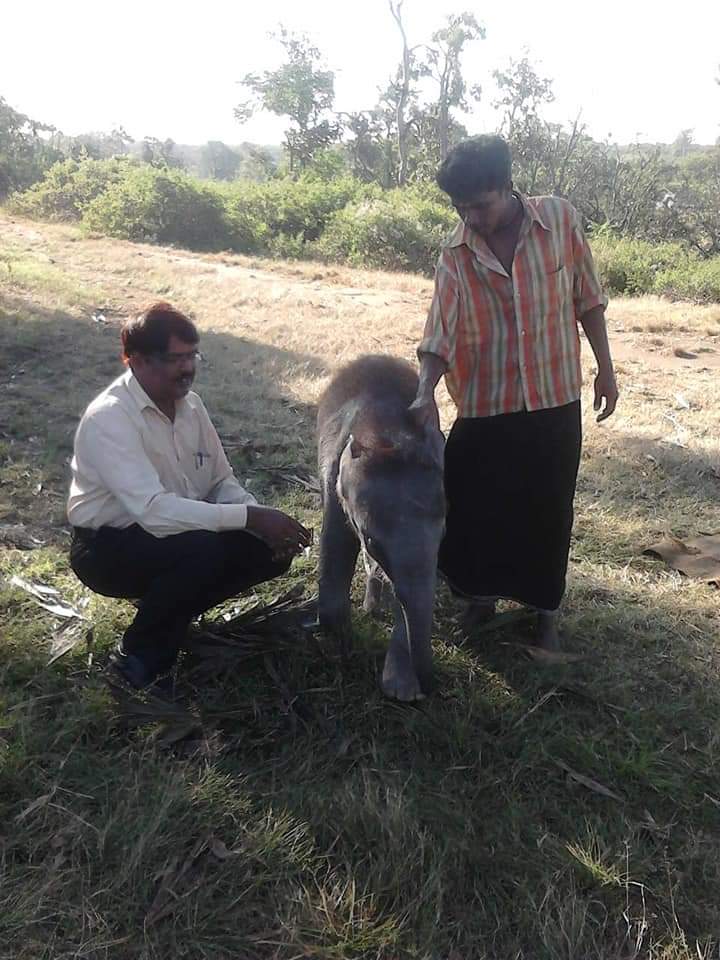
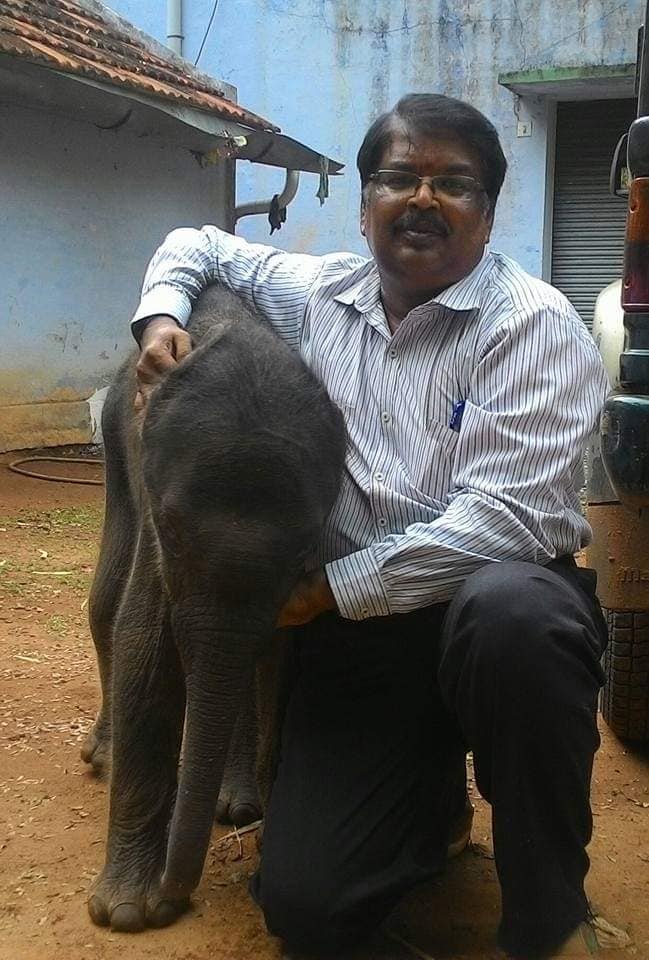
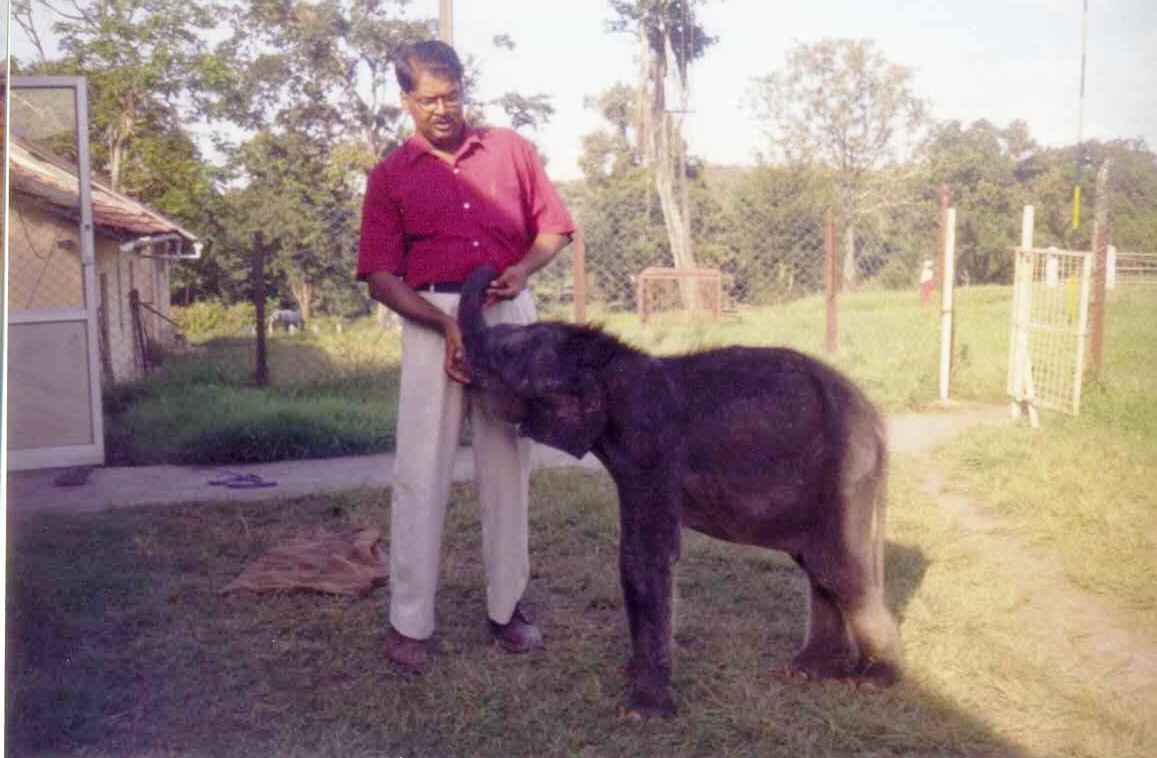
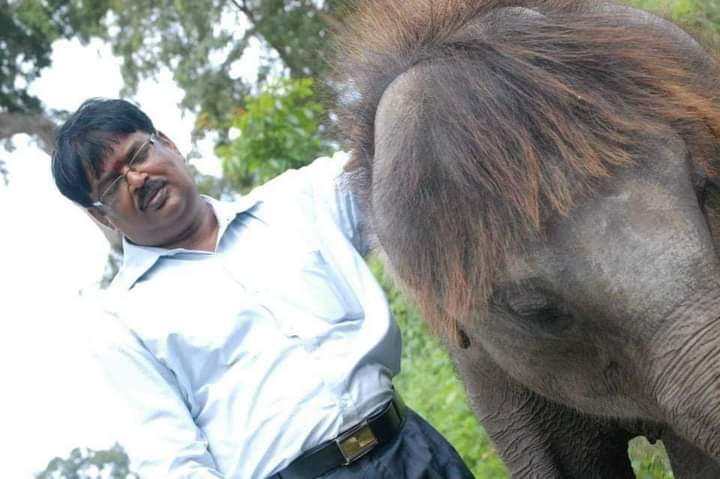
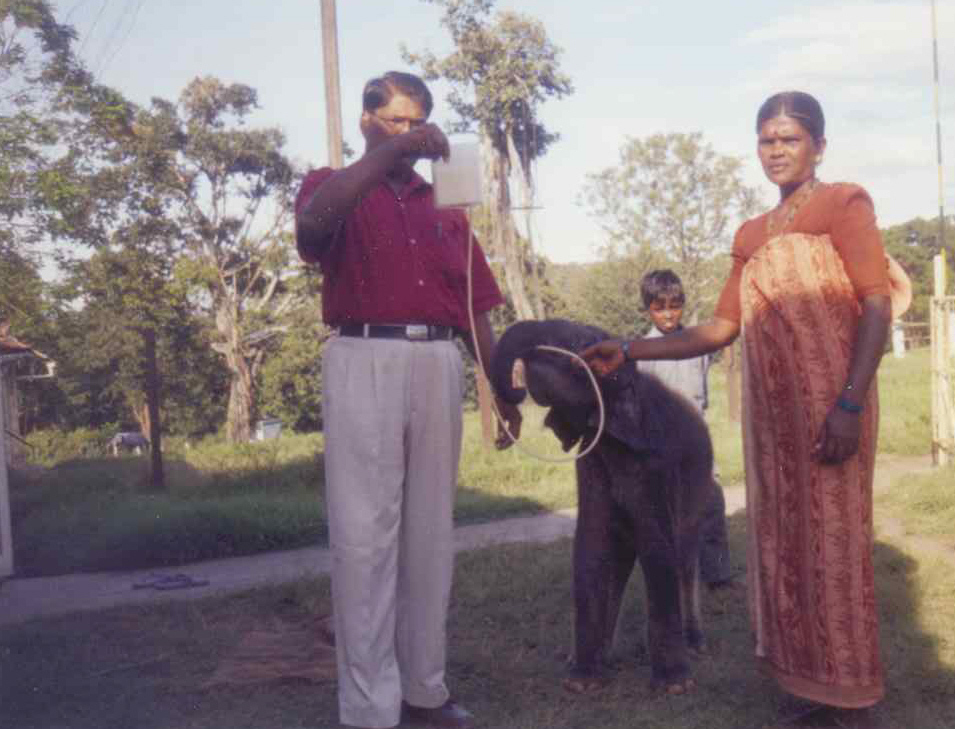
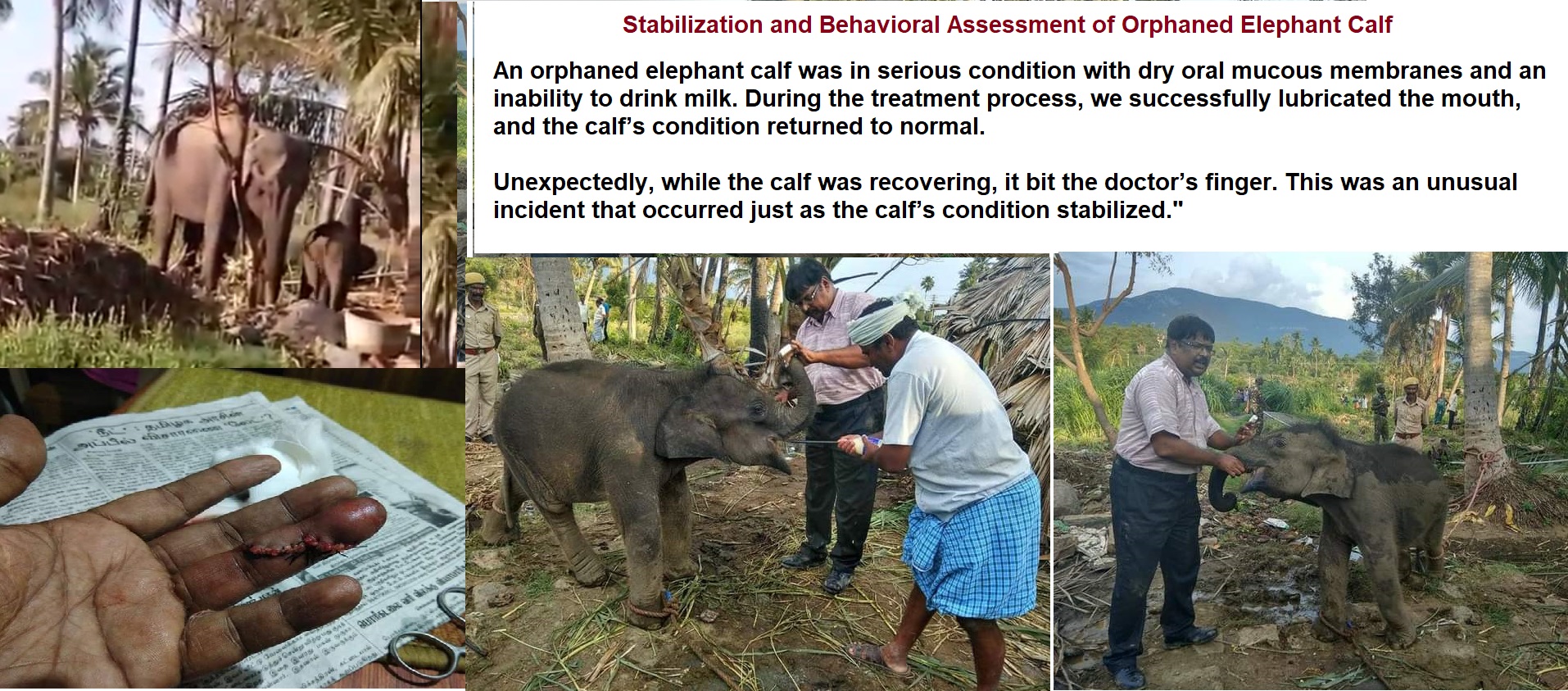
Wild Elephant Calf Rescue: Critical Treatment, Recovery and an Unexpected Bite
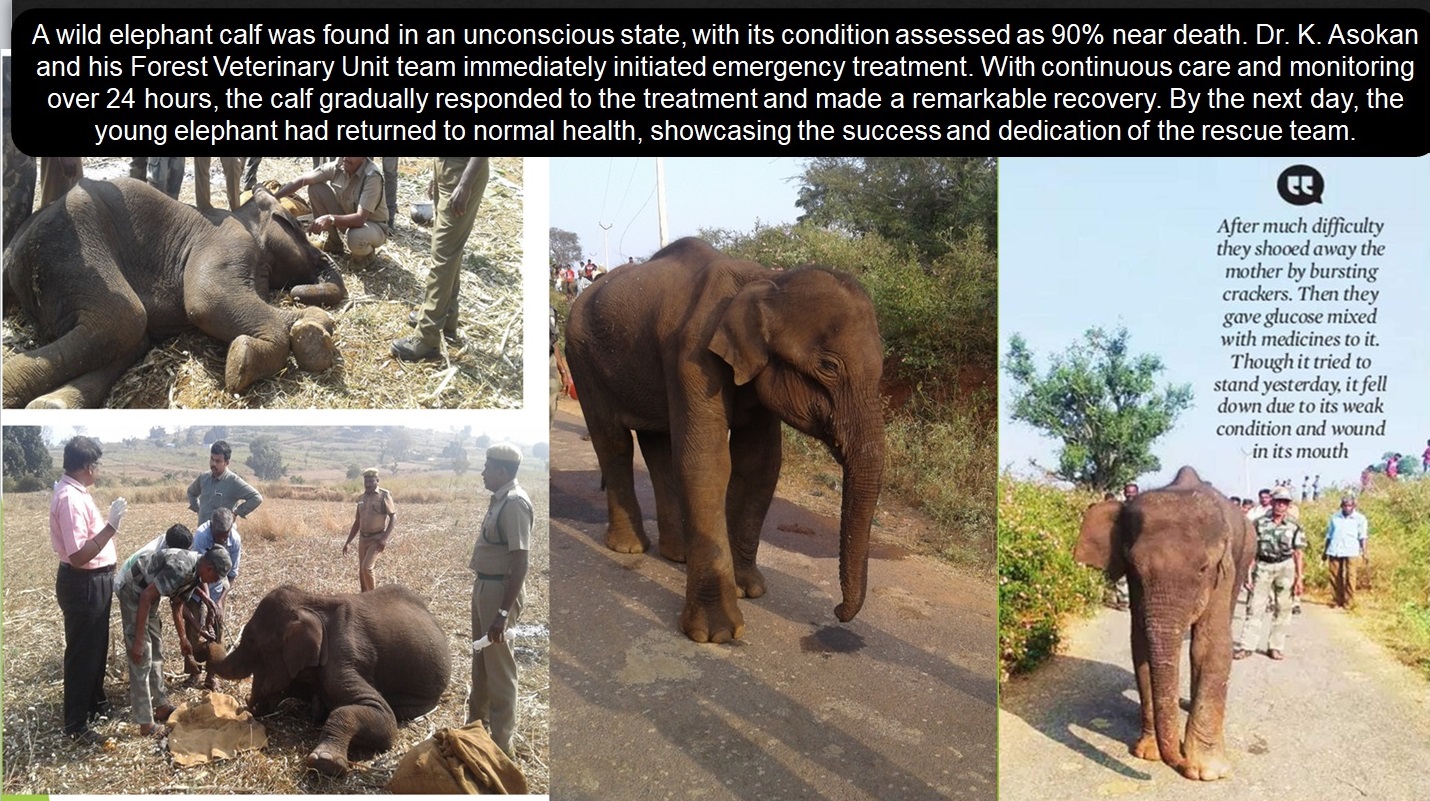
- The rescue and treatment of wild and captive elephant calves is one of the most challenging responsibilities in wildlife veterinary medicine. Young elephant calves can become critically ill or injured within a short period, and their treatment requires specialised veterinary knowledge, patience, courage and continuous monitoring.
- In one particularly challenging case, a wild elephant calf was brought for treatment in a critical condition. The calf required intensive veterinary care and close observation. Following treatment and supportive management, its condition gradually improved and, remarkably, the calf returned to a normal and active state.
- During the course of treatment and handling, the calf unexpectedly bit Dr. Krishnamoorthy Asokan on a finger of his left hand. Despite this unexpected incident, he continued his commitment to the calf's treatment and welfare. The incident illustrates the physical risks and challenges faced by wildlife veterinarians while working closely with distressed and unpredictable wild animals.
- The successful recovery of the calf was a particularly meaningful achievement because it demonstrated that timely veterinary intervention, careful handling and dedicated follow-up can transform a critically ill elephant calf into a healthy animal. “Wildlife veterinary service demands not only scientific knowledge, but also courage, patience, compassion and dedication—even when the animal itself may pose a risk to the veterinarian.”
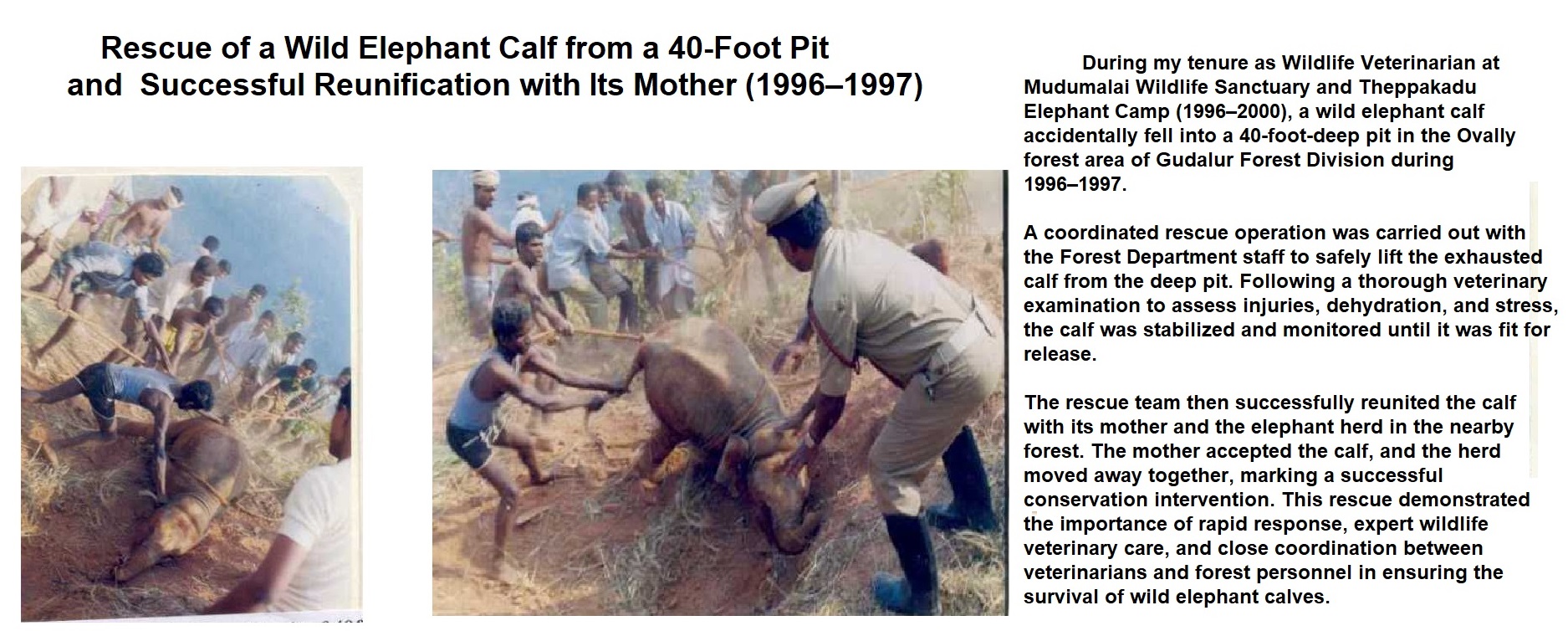
Wild Elephant Rescued from Electric Shock – A Landmark Wildlife Rescue in Tamil Nadu (1998)
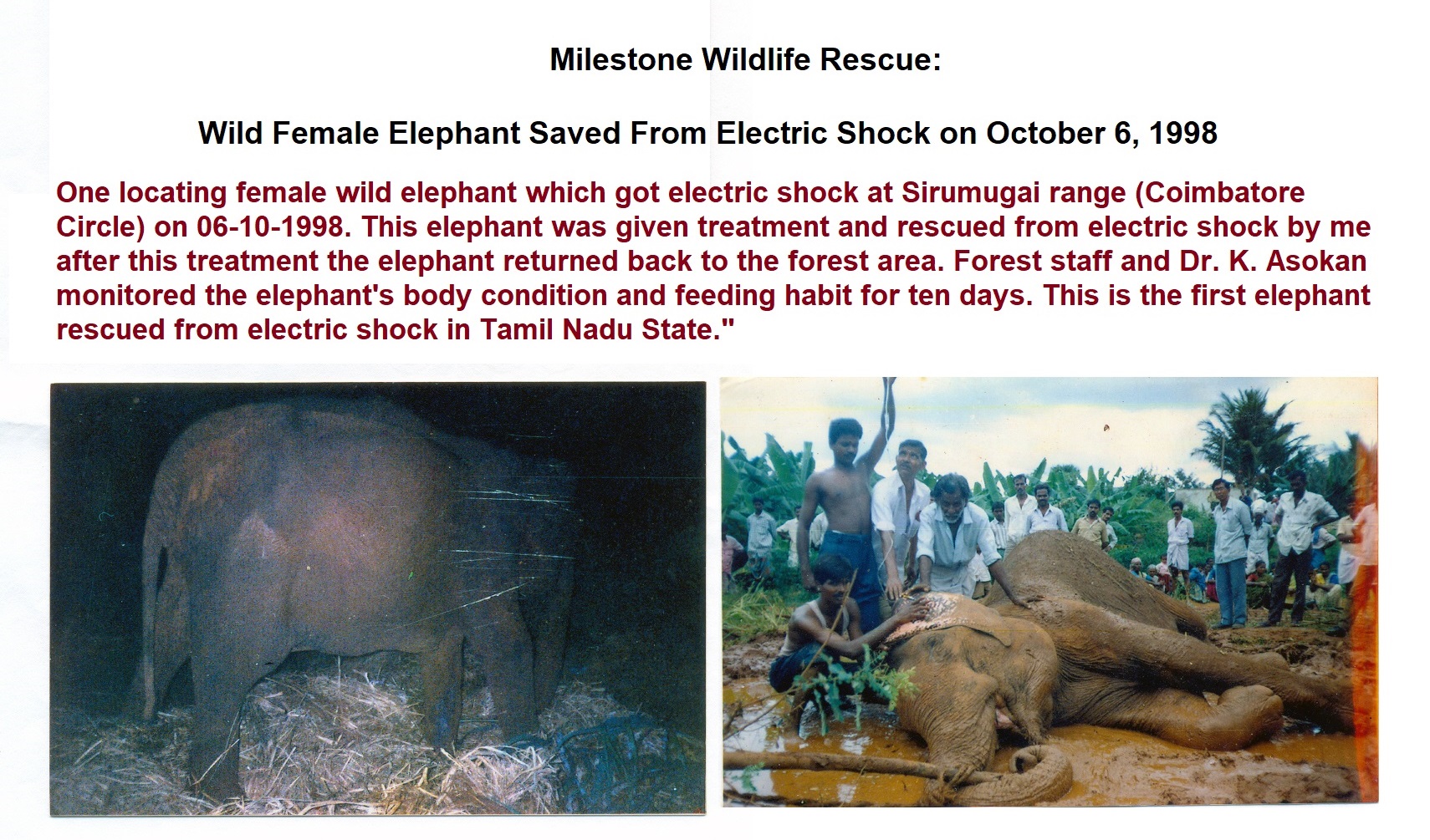
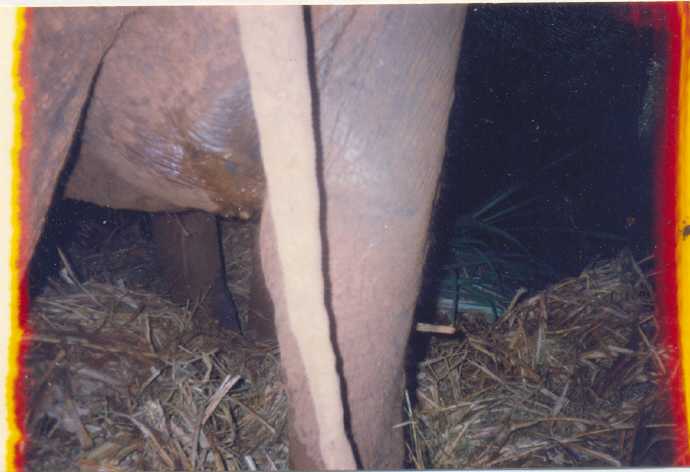
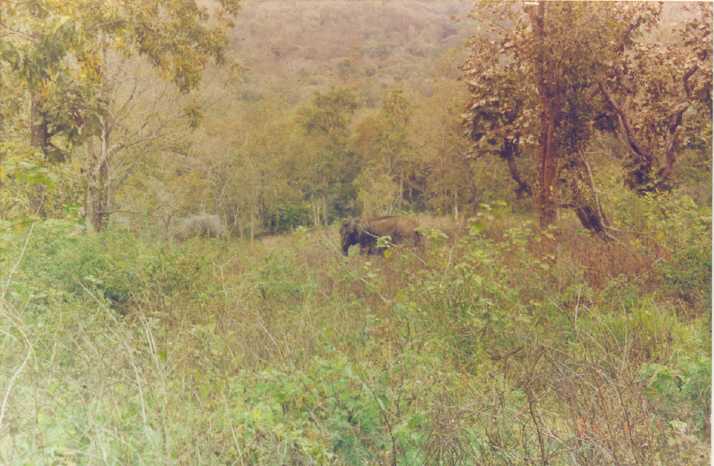
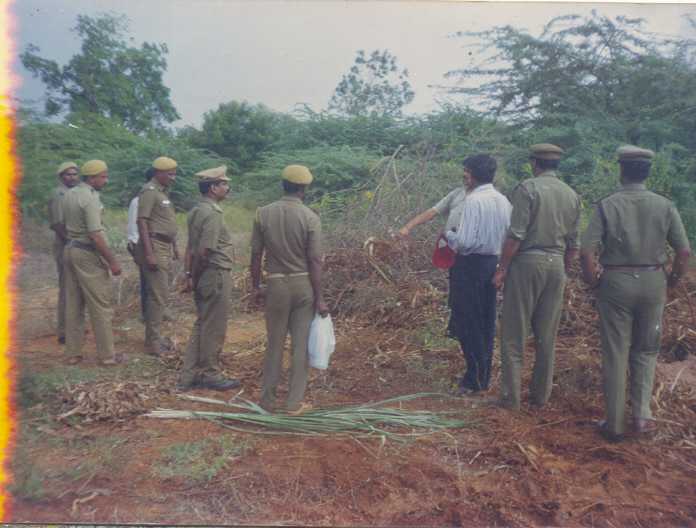
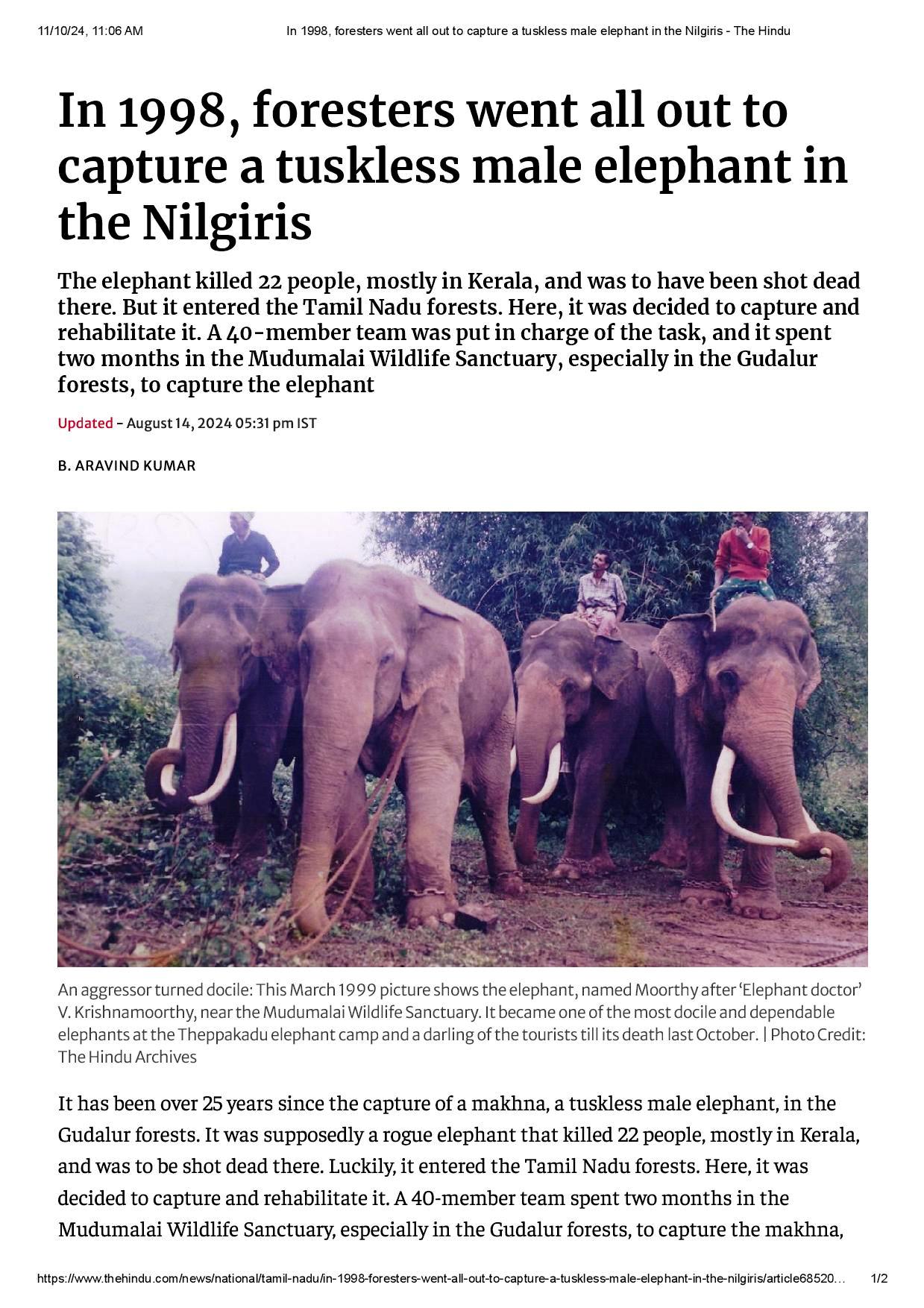
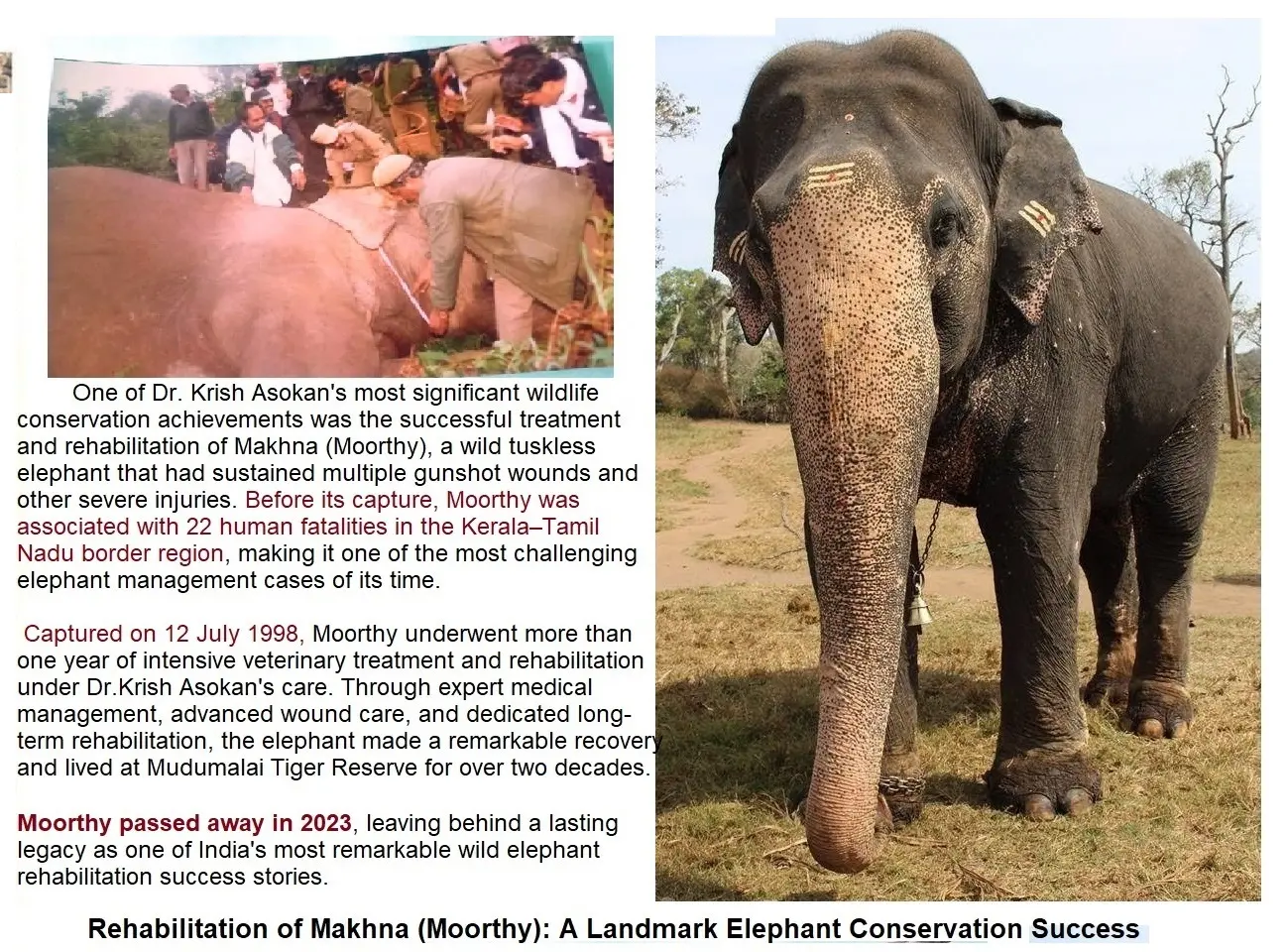
Wild Elephant Makhna "Moorthy" – A Remarkable Wildlife Rehabilitation Success Story (1998–2023)
- The rehabilitation of Makhna (tuskless male) elephant "Moorthy" is one of India's most remarkable wildlife conservation success stories. In 1998, Moorthy was regarded as one of the most dangerous wild elephants in southern India after being associated with the deaths of 22 people, primarily along the Kerala–Tamil Nadu border. Because of the escalating human-elephant conflict, authorities initially considered shooting the elephant. However, after it entered the forests of Tamil Nadu, the Forest Department chose a different path—capture, treatment, rehabilitation, and lifelong care instead of destruction.
- On 12 July 1998, after an extensive operation involving forest officials, Dr .Krishnamoorthy Asokan Wildlife veterinarian, mahouts, and kumki elephants, Moorthy was successfully captured in the Gudalur forests of the Mudumalai Wildlife Sanctuary. The elephant had sustained multiple gunshot wounds and severe traumatic injuries, requiring prolonged veterinary treatment. Under the dedicated veterinary care of Dr. V. Krishnamurthy ("Elephant Doctor") and Dr. K. Krishnamoorthy Asokan, comprehensive wound management, infection control, nutritional rehabilitation, and behavioural conditioning were undertaken over more than a year. During rehabilitation, the elephant was named "Moorthy" in honour of Dr. V. Krishnamurthy.
- Through meticulous veterinary management and patient rehabilitation, Moorthy gradually transformed from a severely injured and aggressive wild elephant into one of the calmest and most dependable elephants at the Theppakadu Elephant Camp in the Mudumalai Tiger Reserve. He later served as a respected kumki elephant, assisting the Tamil Nadu Forest Department in the safe management and capture of conflict elephants, thereby contributing significantly to wildlife conservation and reducing human-elephant conflict.
- Moorthy continued to serve the Forest Department for more than two decades before retiring from active service in 2022. He passed away in October 2023 due to age-related health conditions, leaving behind an extraordinary conservation legacy. His life demonstrated that even an elephant once considered beyond redemption could be successfully rehabilitated through scientific veterinary care, compassion, and long-term management.
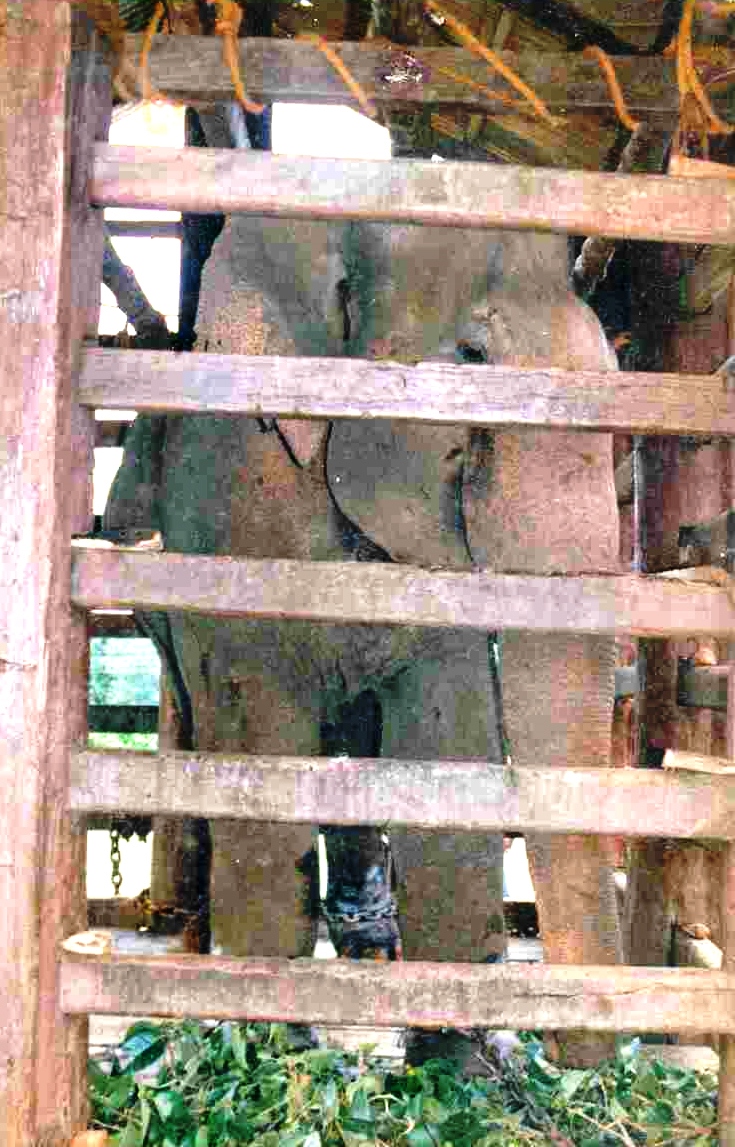
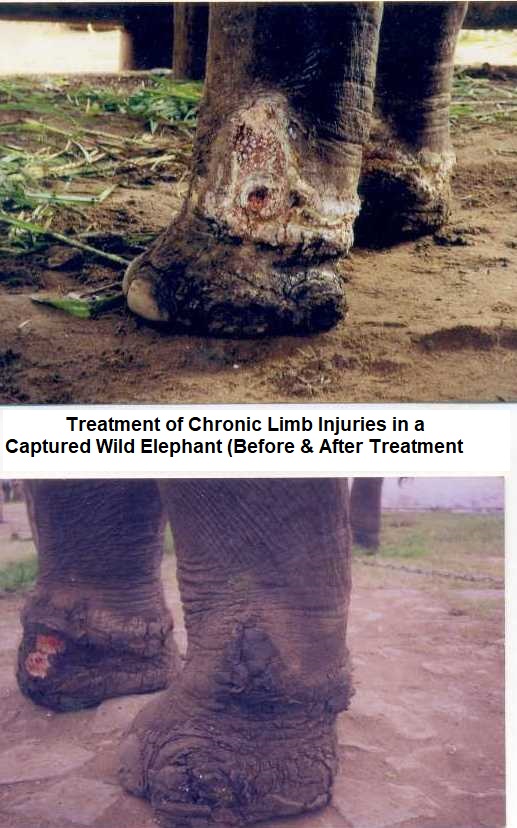
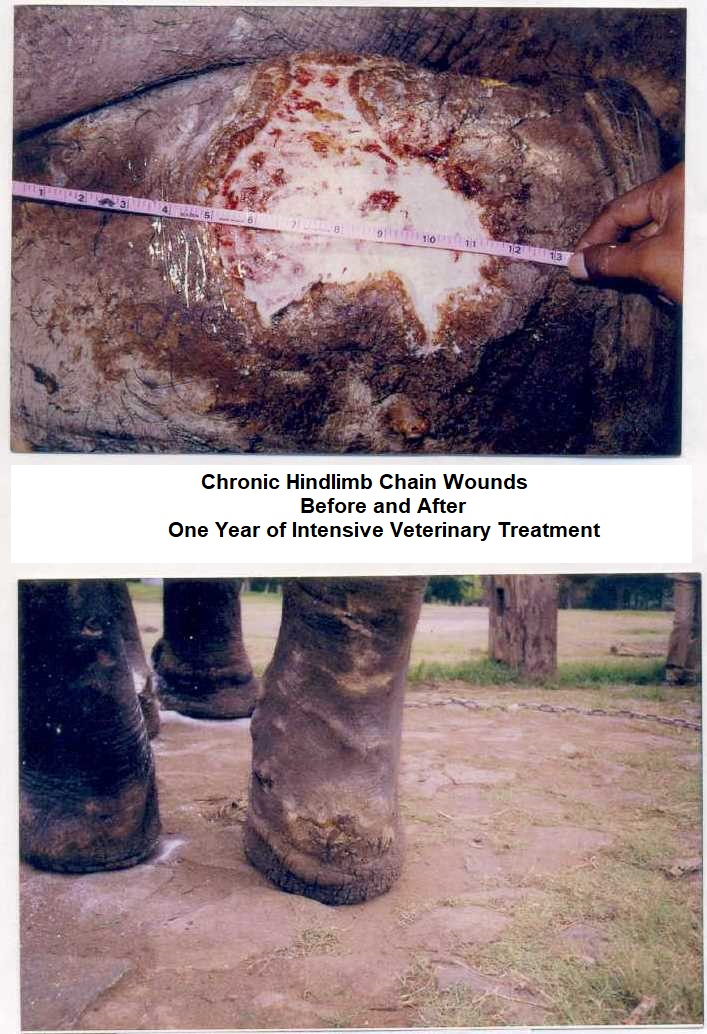
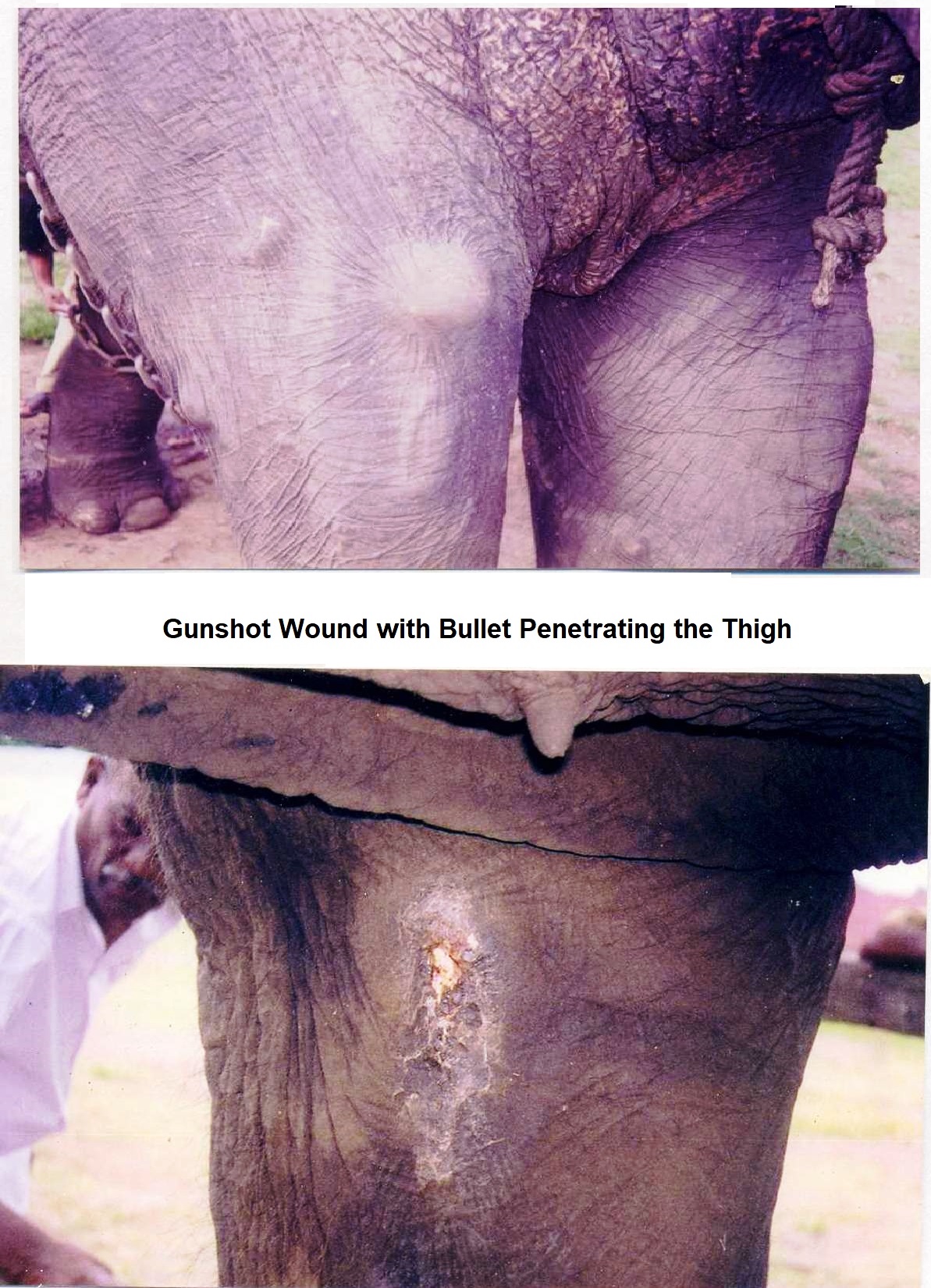
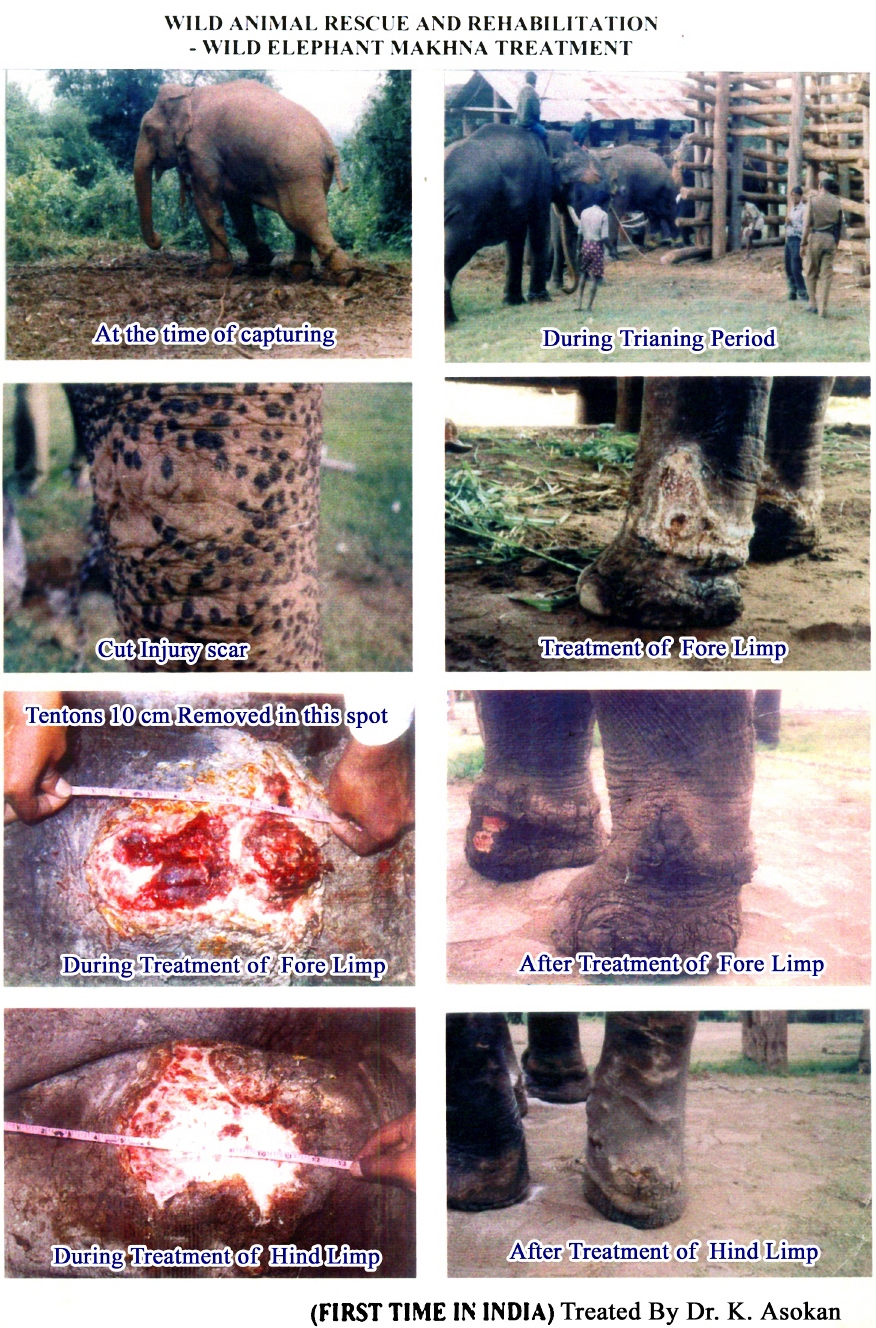
Elephant Rescue and Treatment of Chronic Injuries –
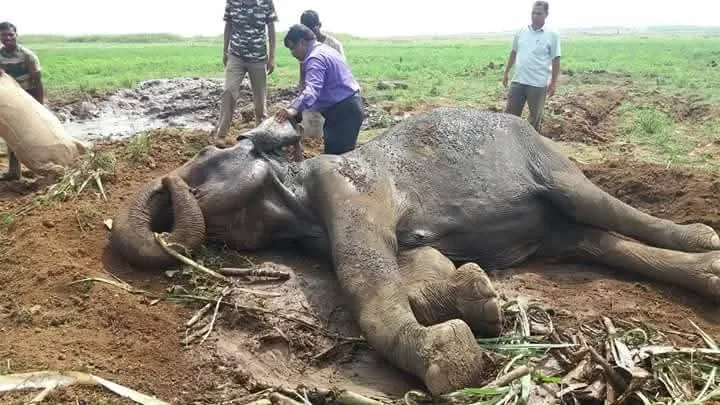
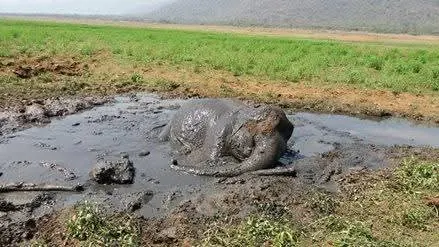
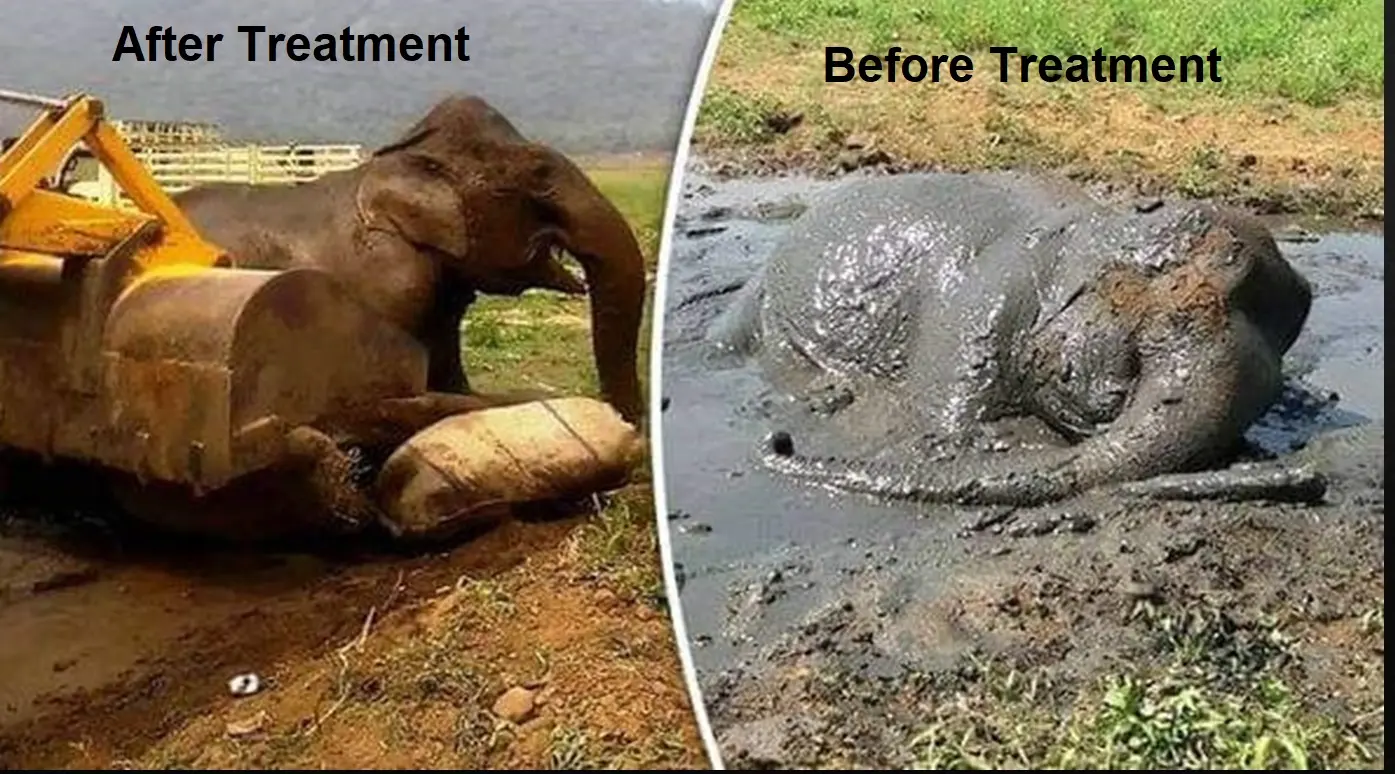
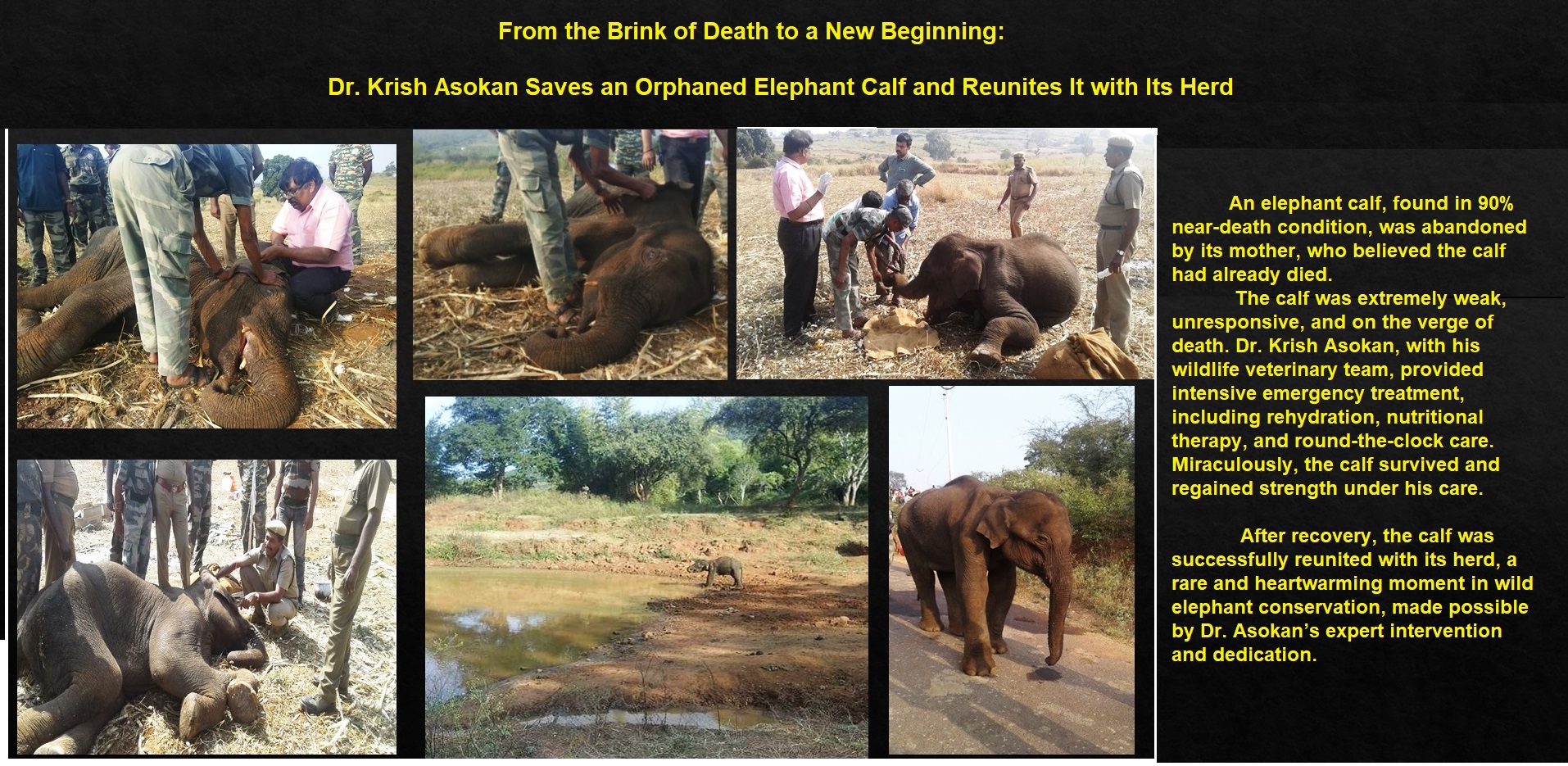
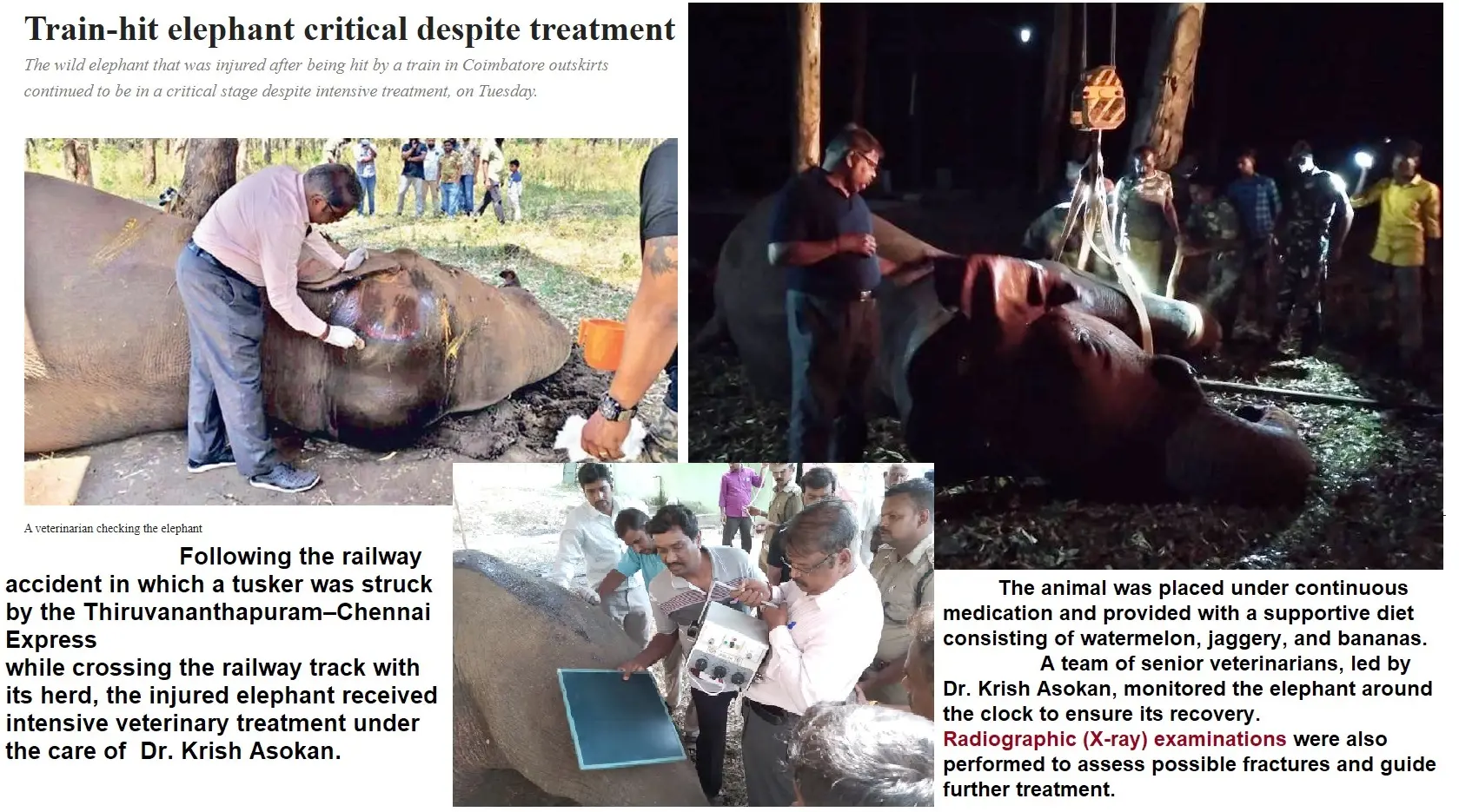
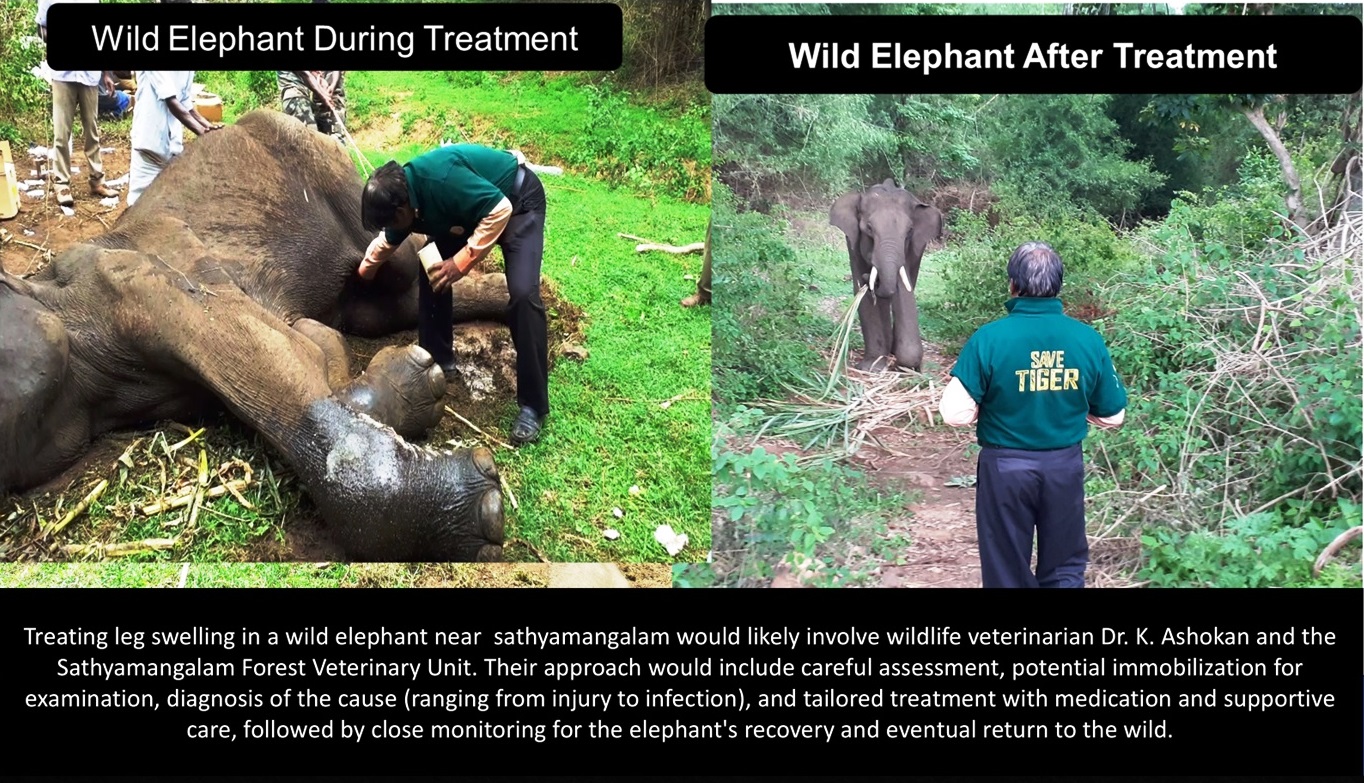
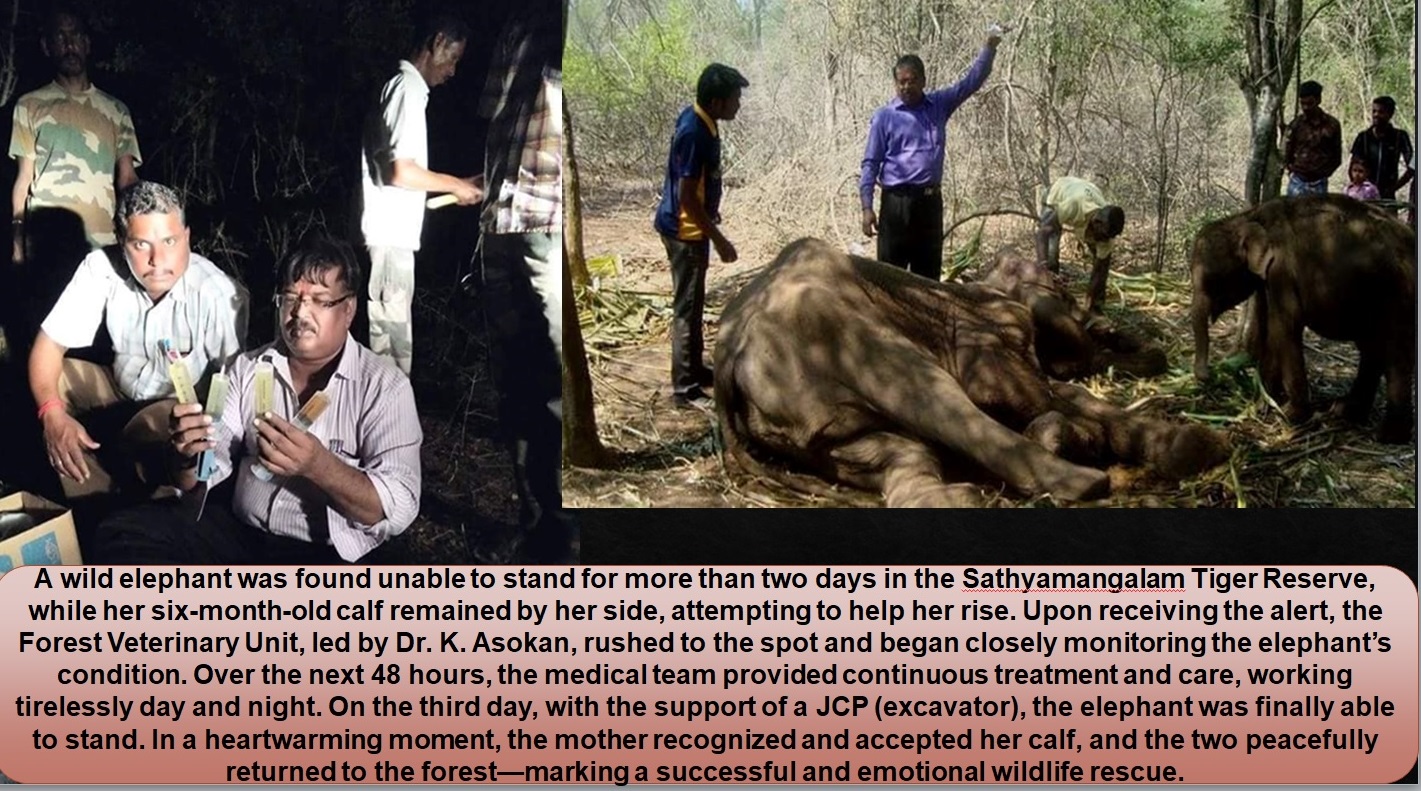
- Dr. Krishnamoorthy Asokan has been involved in the rescue and veterinary treatment of wild elephants suffering from severe and chronic injuries. Such cases are particularly challenging because elephants may survive for long periods with wounds, infections, abscesses, traumatic injuries or other complications before they can be located and treated. Effective wildlife veterinary care requires careful examination, appropriate medication, supportive treatment and repeated monitoring in difficult forest conditions.
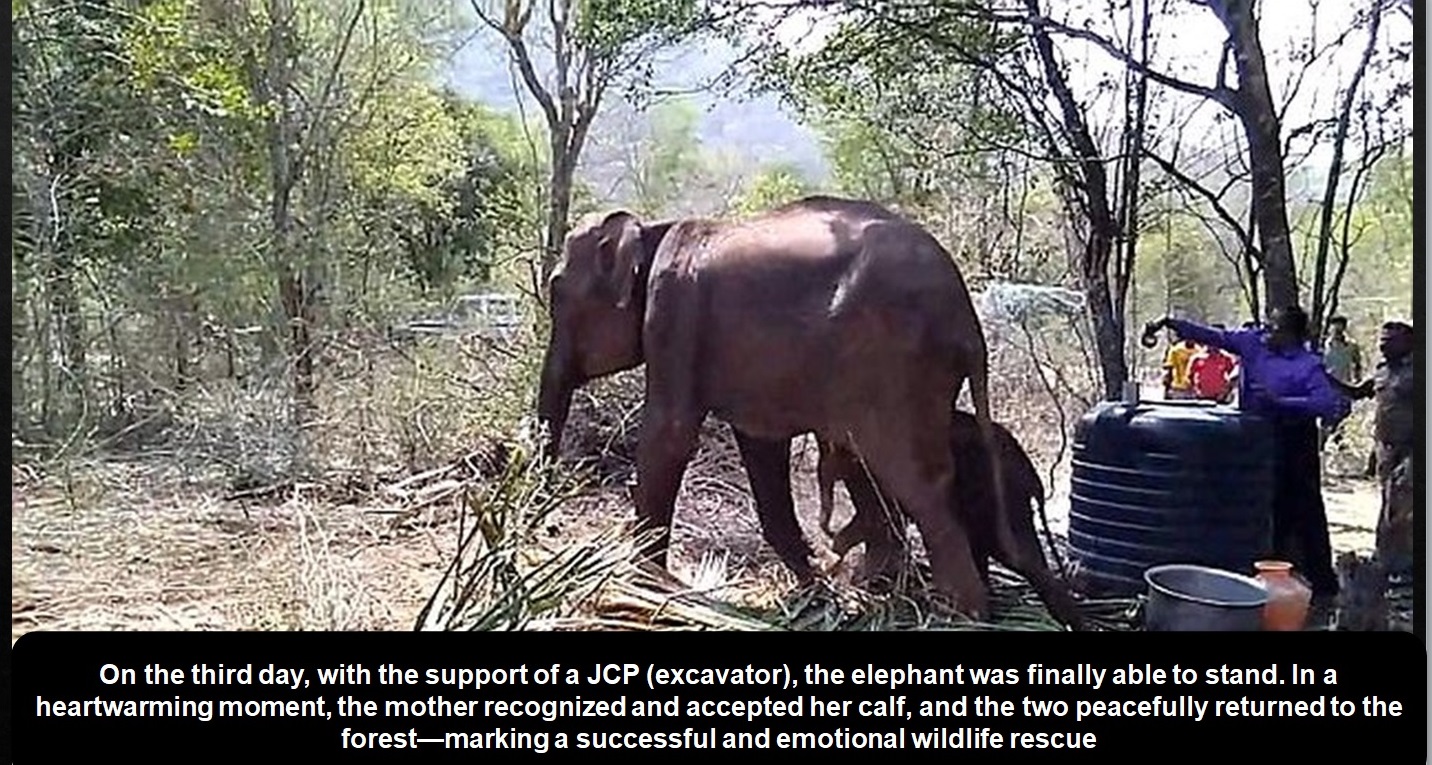
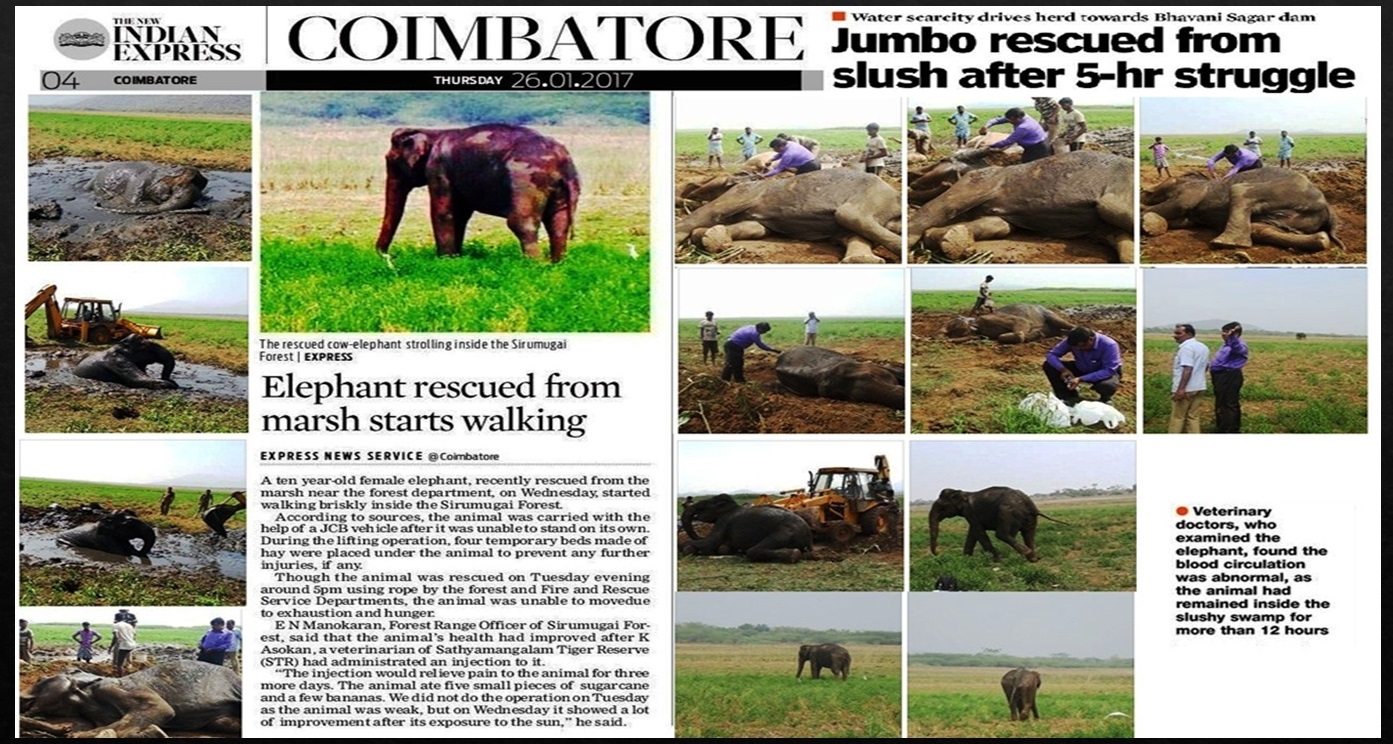
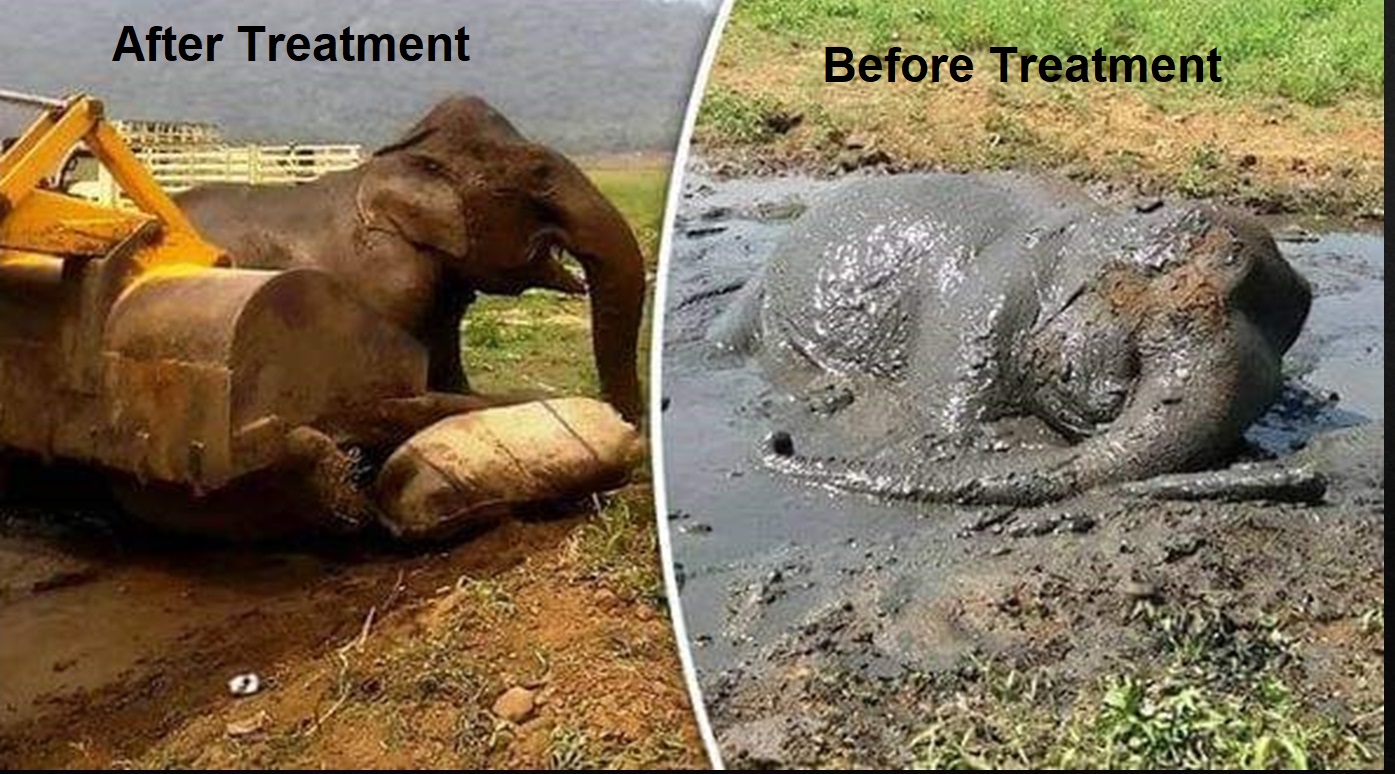
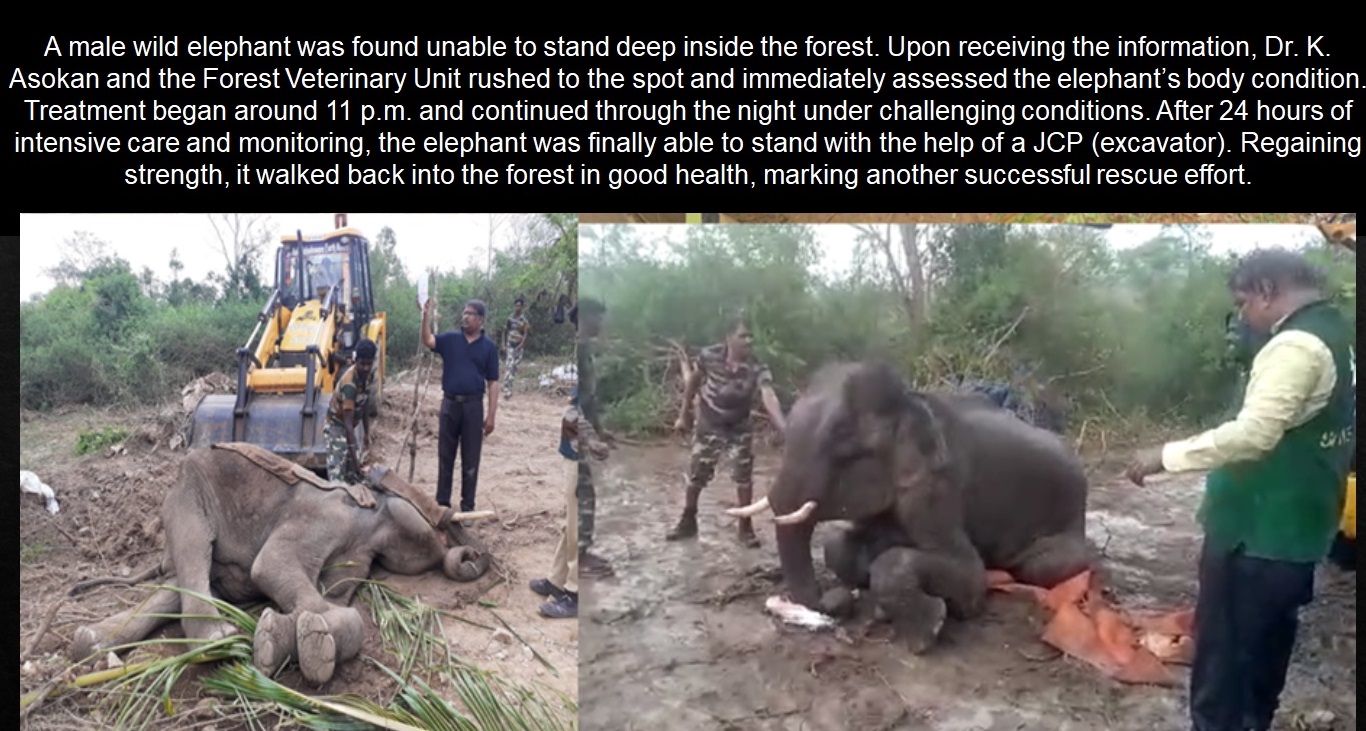
- The photographs shown document successful treatment of a critically ill wild elephant in 2001. The elephant is seen in a severely debilitated condition during treatment and subsequently standing and recovering after veterinary intervention. The case demonstrates the importance of timely veterinary care, field treatment, physical support and continued observation in giving an injured elephant an opportunity to recover and return to its natural habitat.
- Dr. Asokan's elephant conservation work illustrates that wildlife veterinary medicine is not limited to emergency rescue. Chronic injury management, rehabilitation, pain and infection control, nutritional support and post-treatment monitoring are all important components of elephant conservation.
- A message for elephant conservation “An injured elephant cannot ask for help. A wildlife veterinarian must recognize the suffering, provide timely treatment and give the animal a chance to return to the forest.”
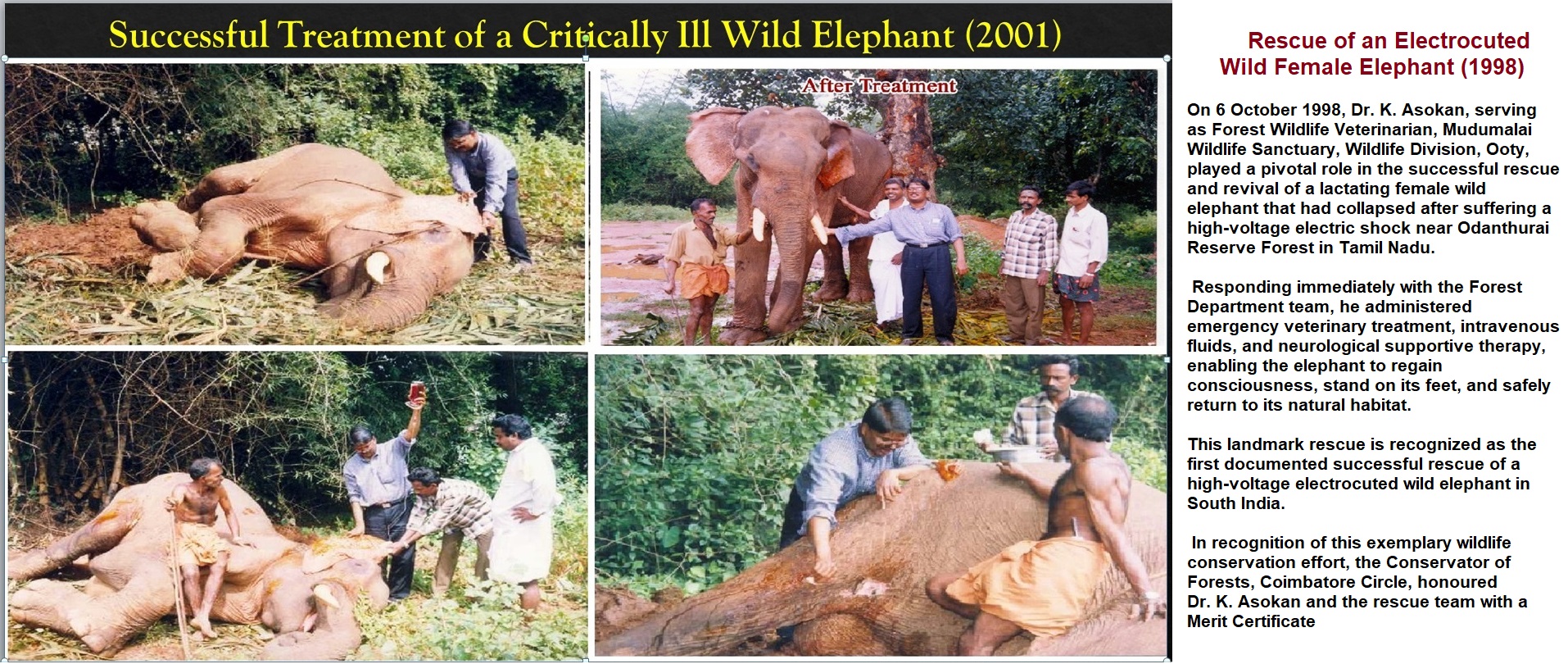
Scientific handling with welfare and safety at the centre
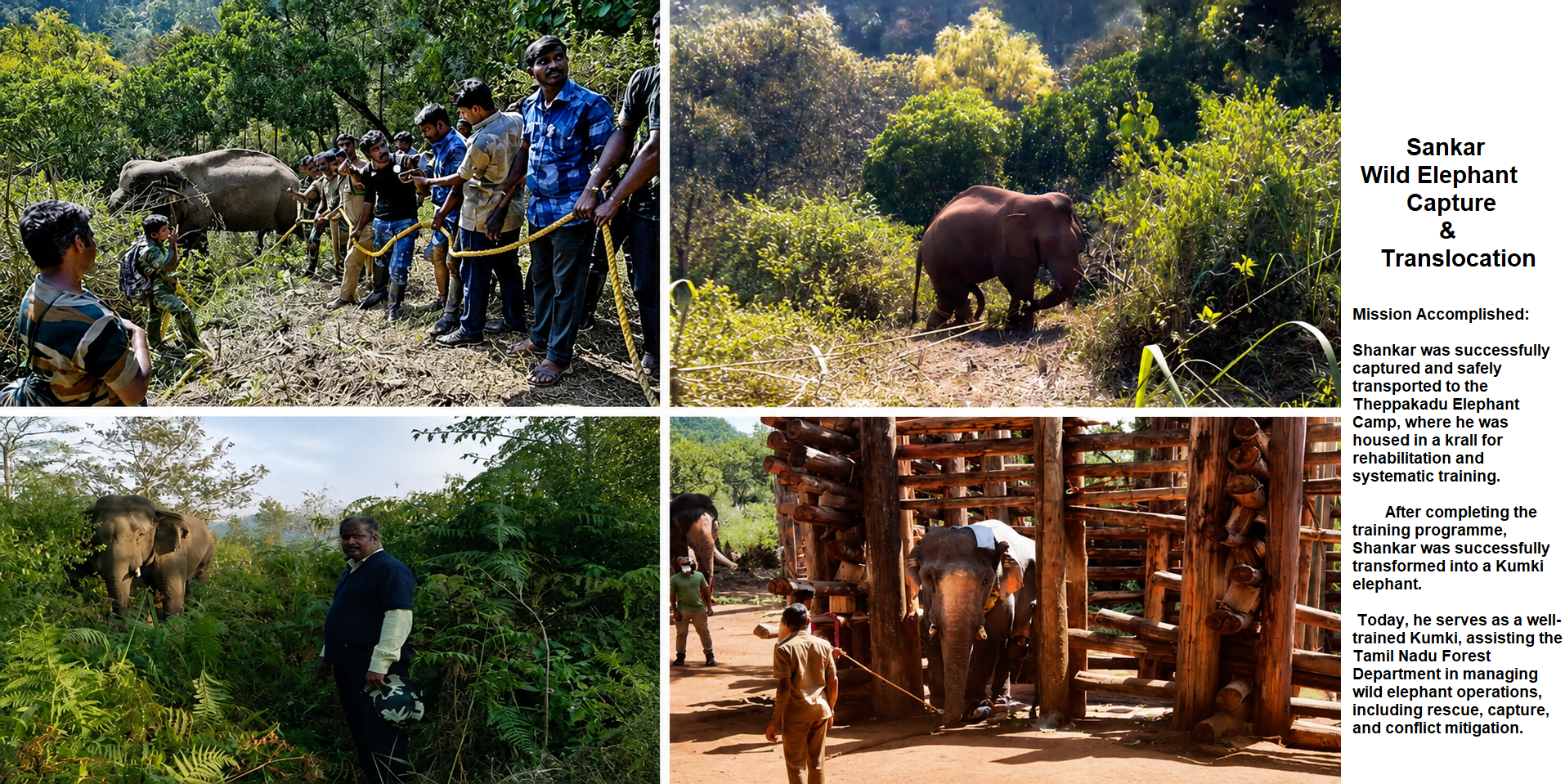
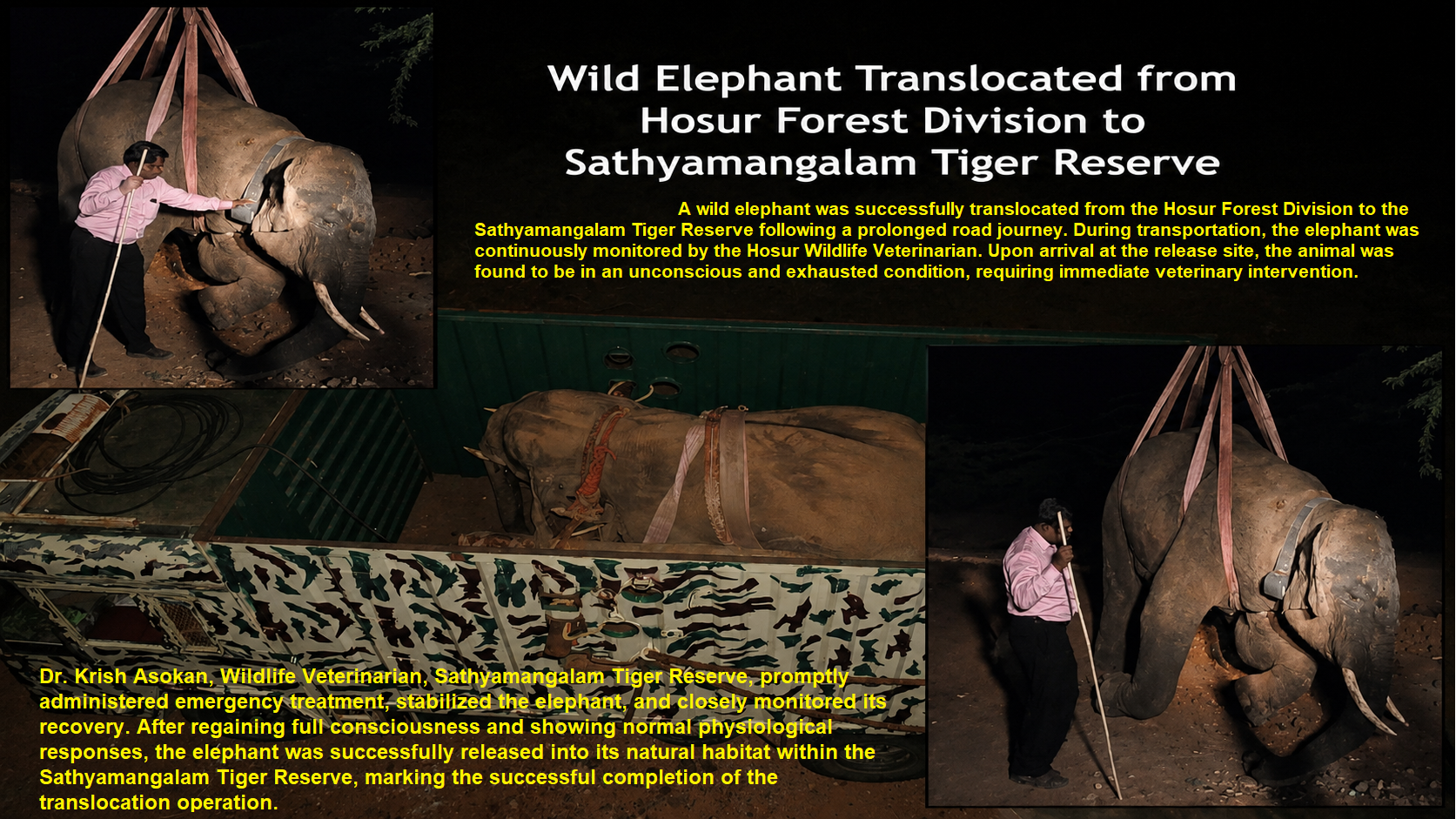
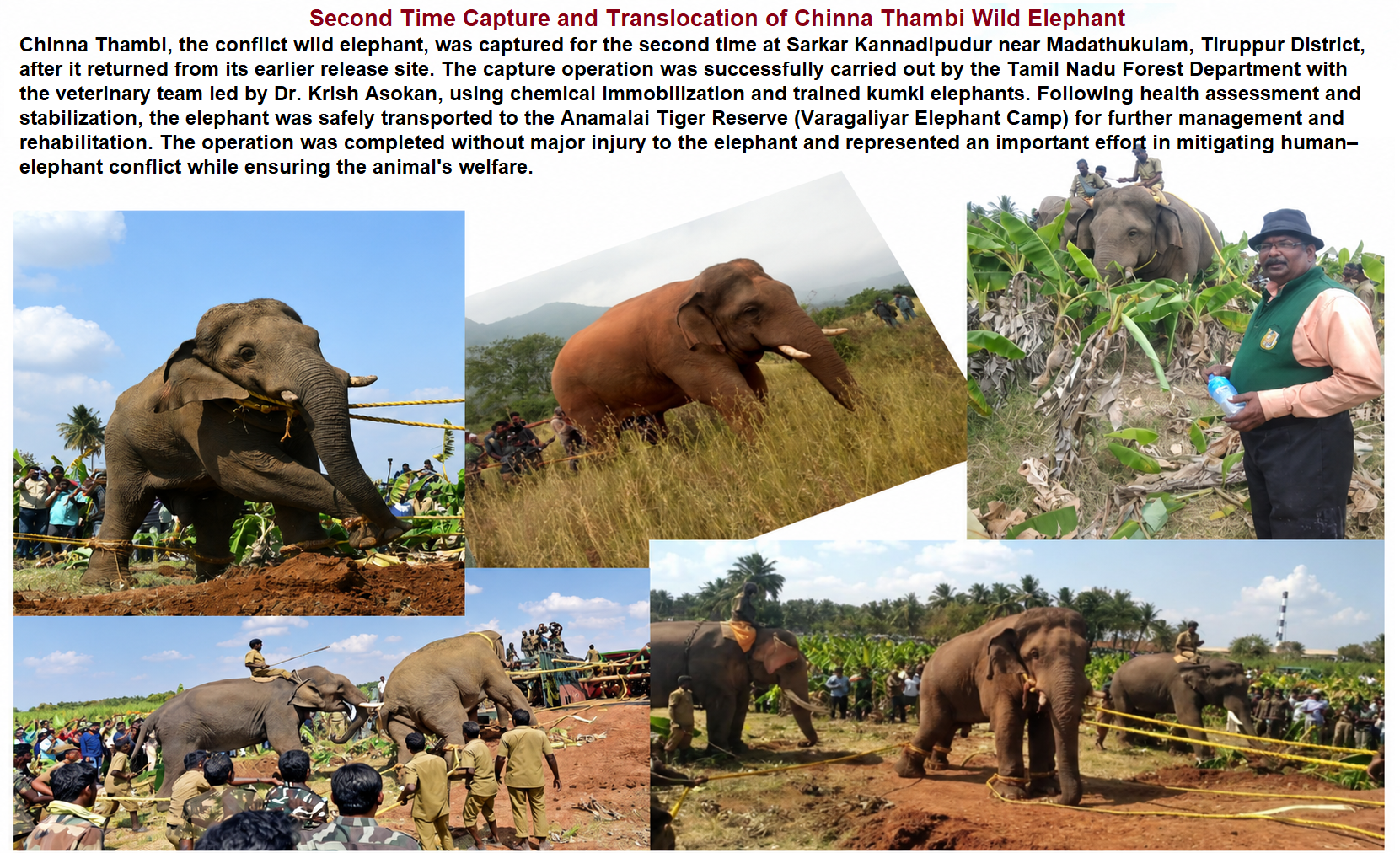
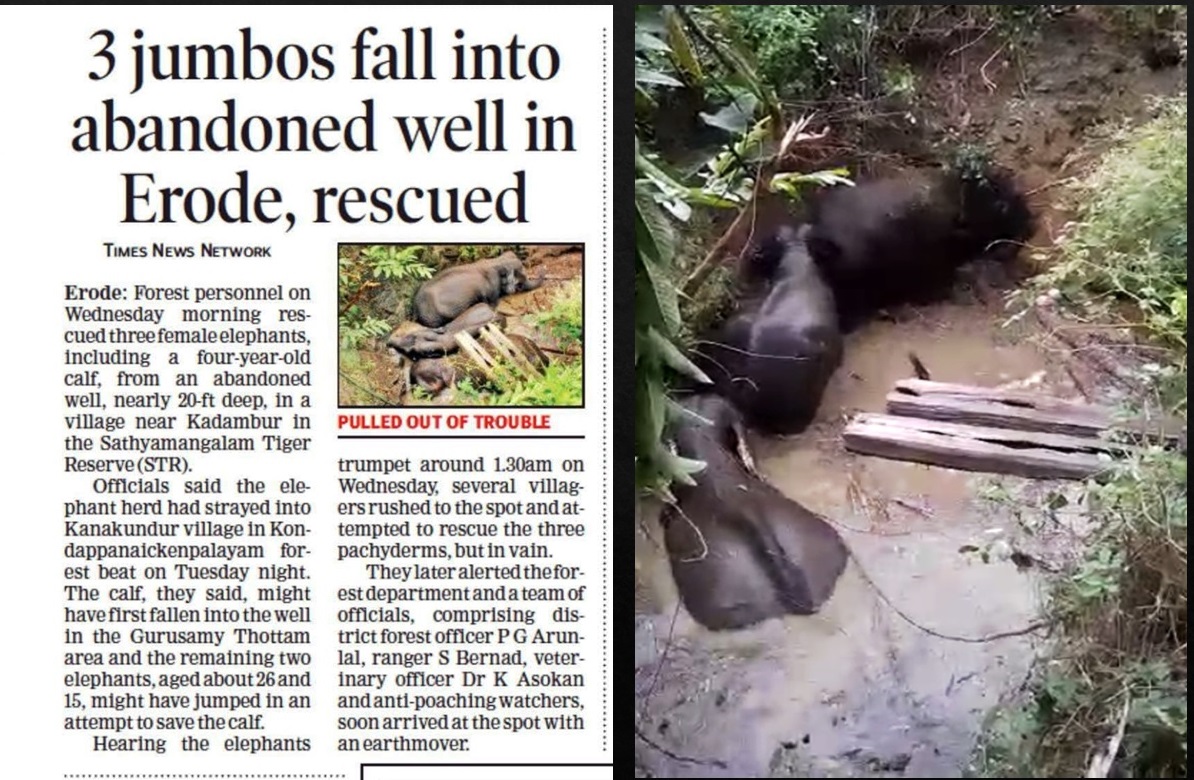
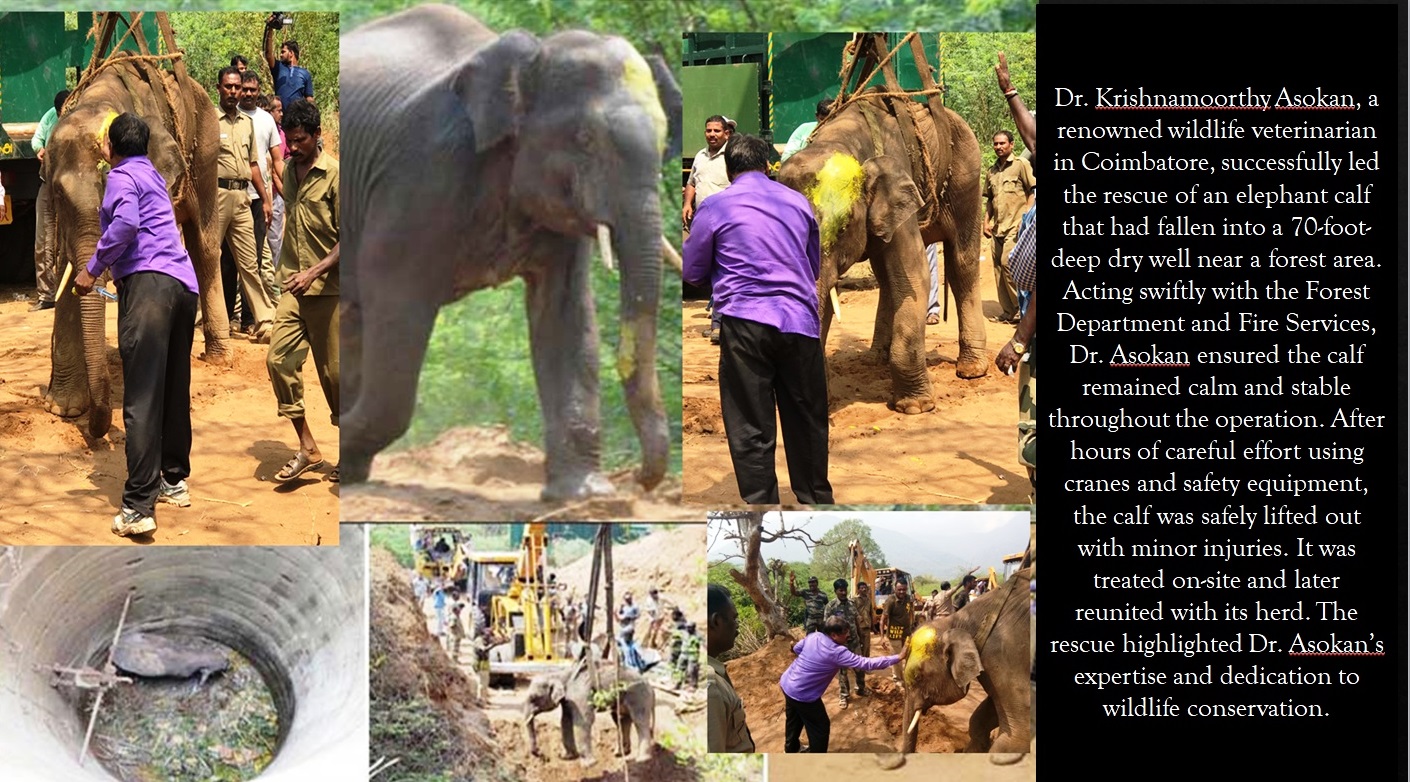
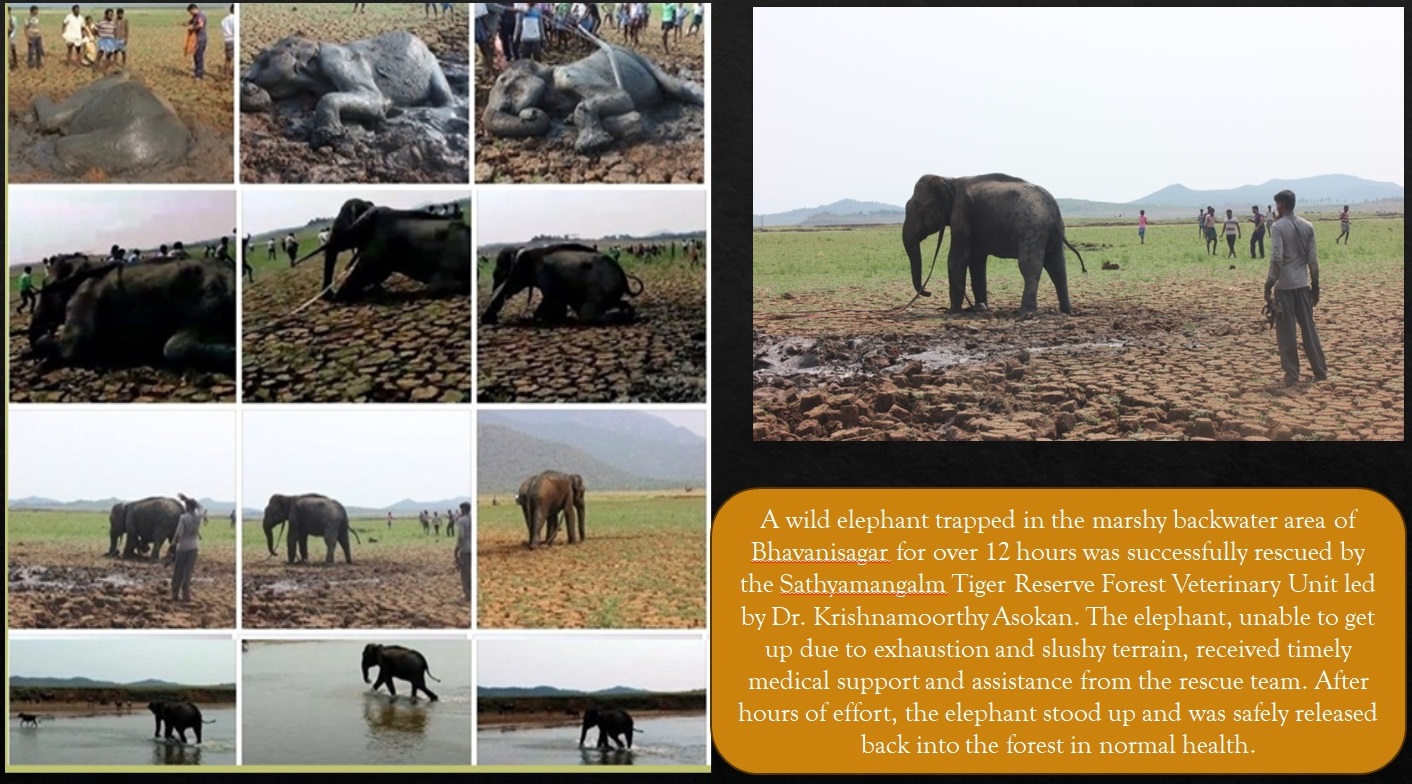
Dr. Asokan has supported the safe capture, veterinary assessment, immobilization, transport, translocation, rehabilitation, and monitoring of wild elephants involved in human–elephant conflict. His field work includes elephants affected by gunshot injuries, electrocution, train collisions, deep-well and marsh entrapment, snaring, and urban or agricultural conflict.
These operations require careful planning, low-stress handling, appropriate anesthesia, rapid medical support, coordination with forest teams, and welfare-focused post-capture management.
Landmark Achievement in Wild Elephant Treatment, Rescue and Rehabilitation
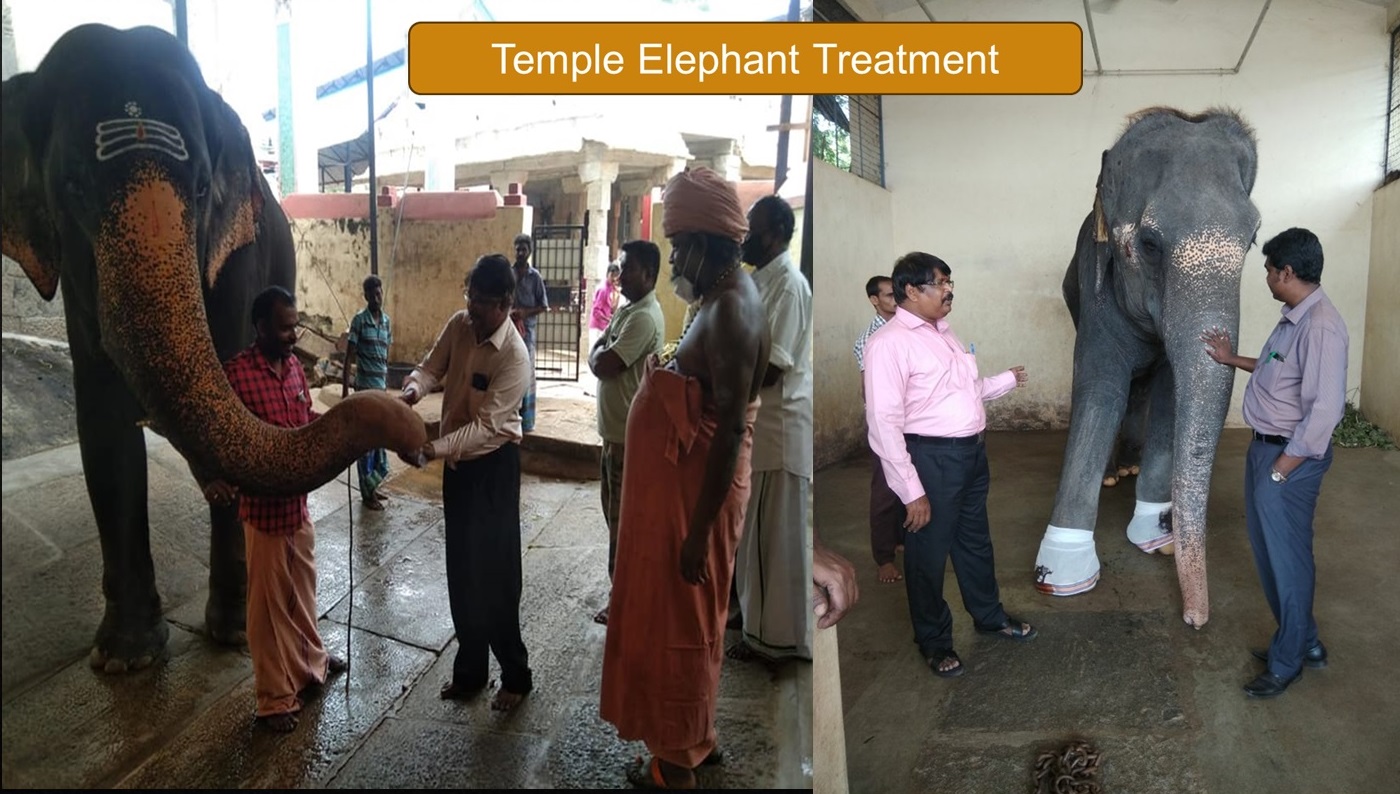
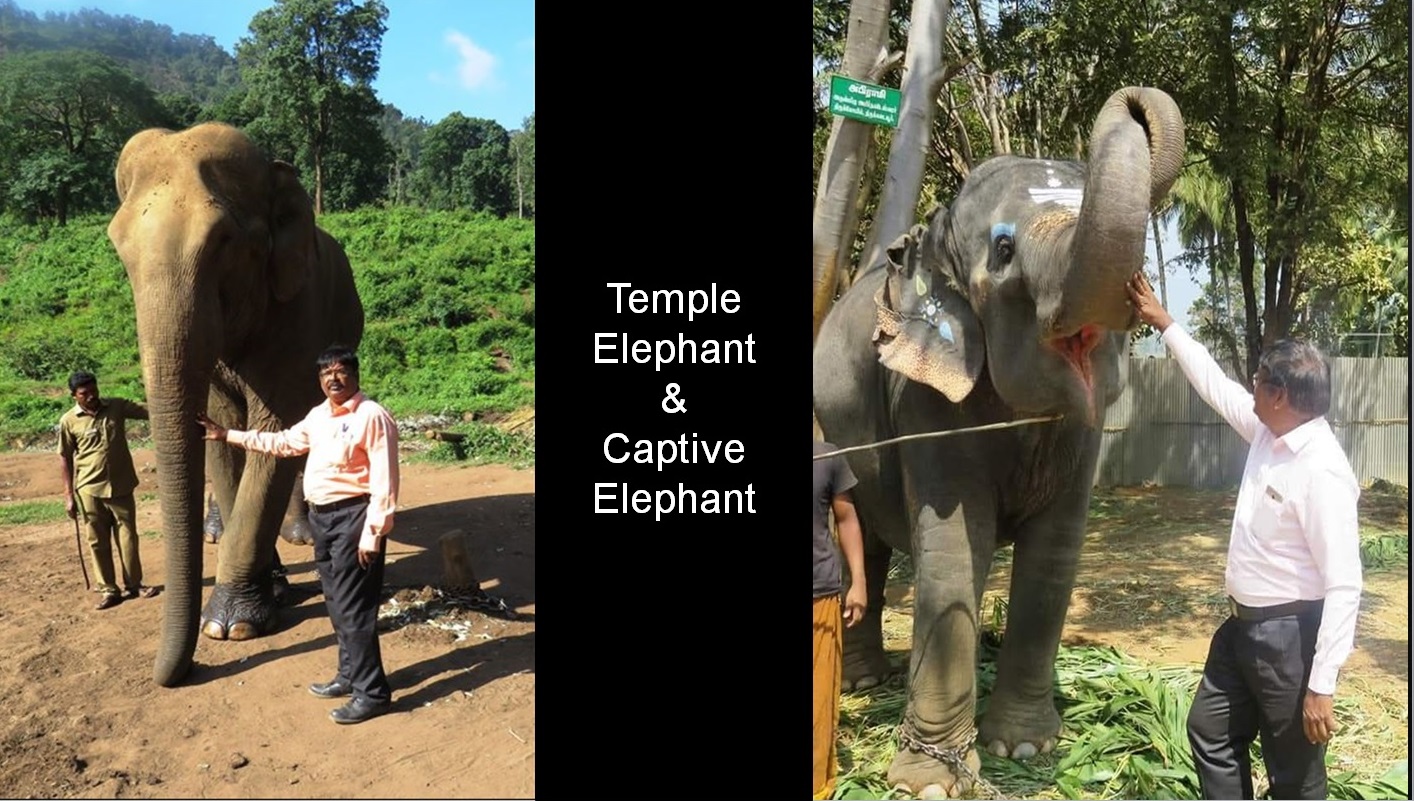
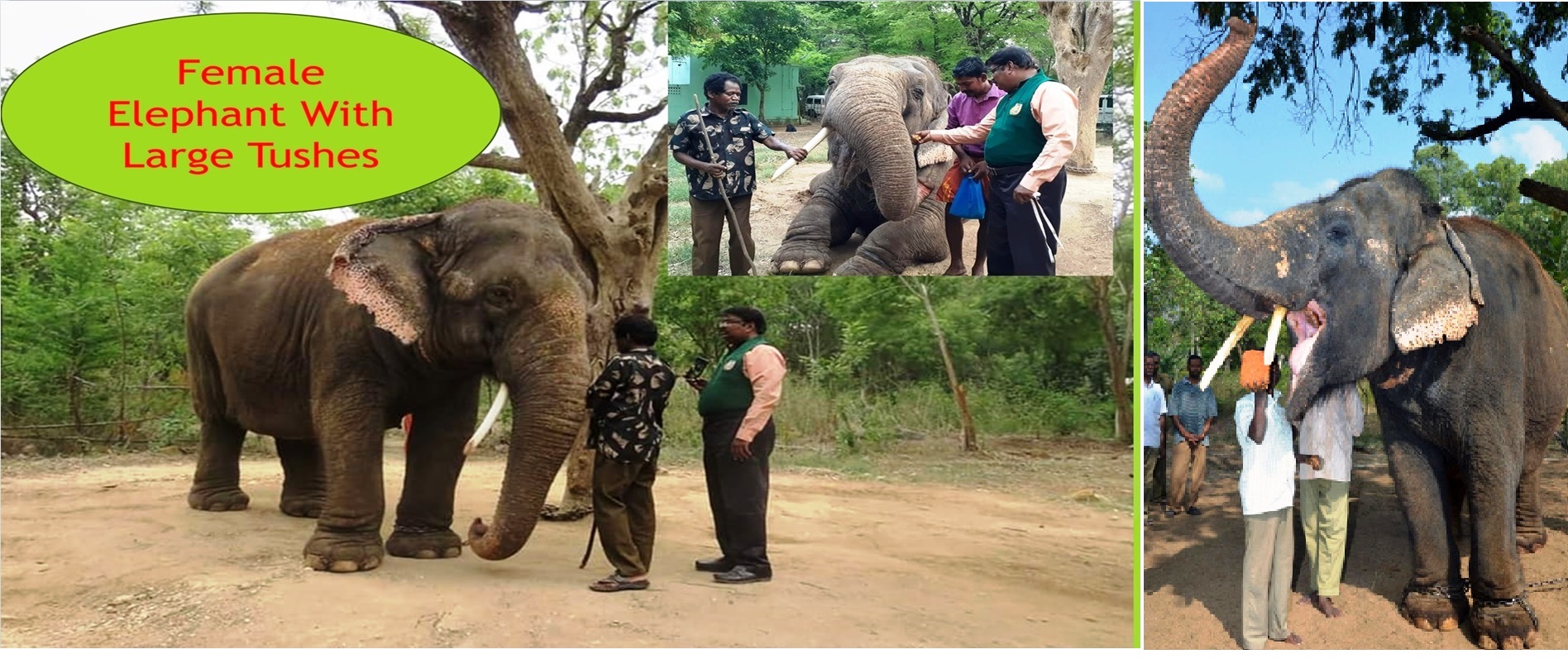
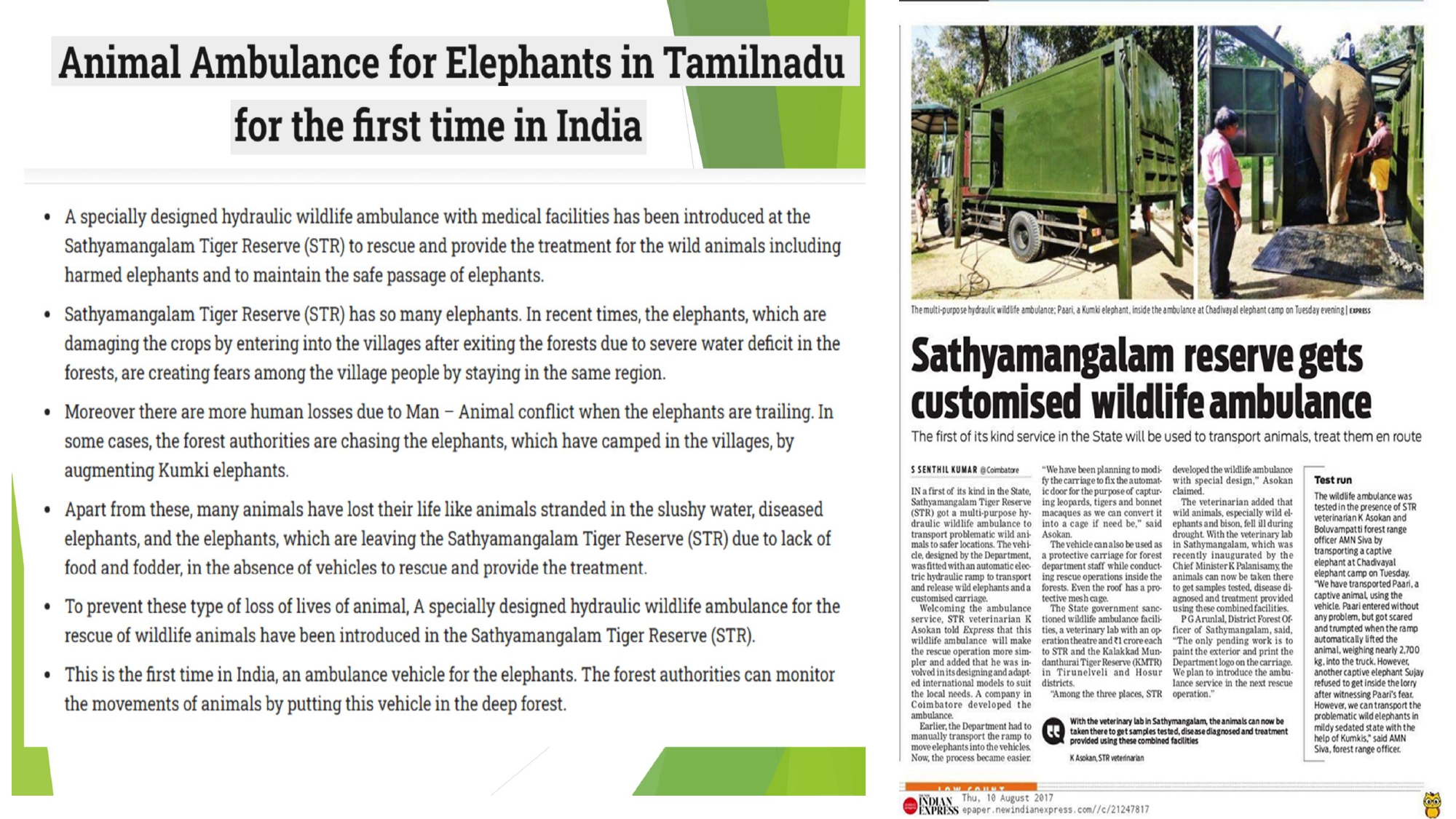
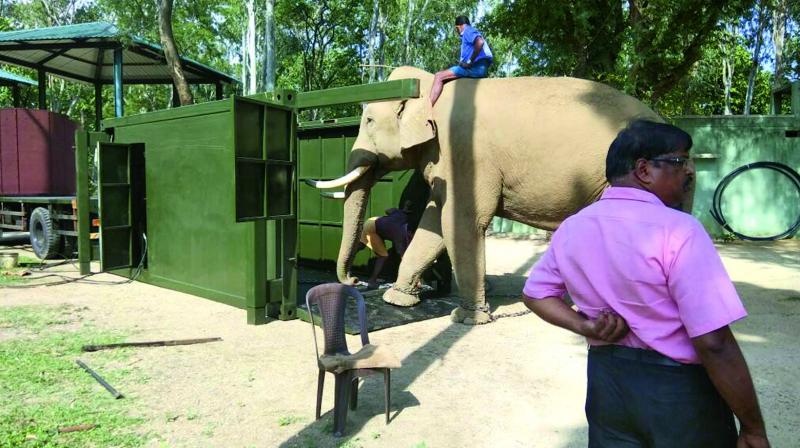
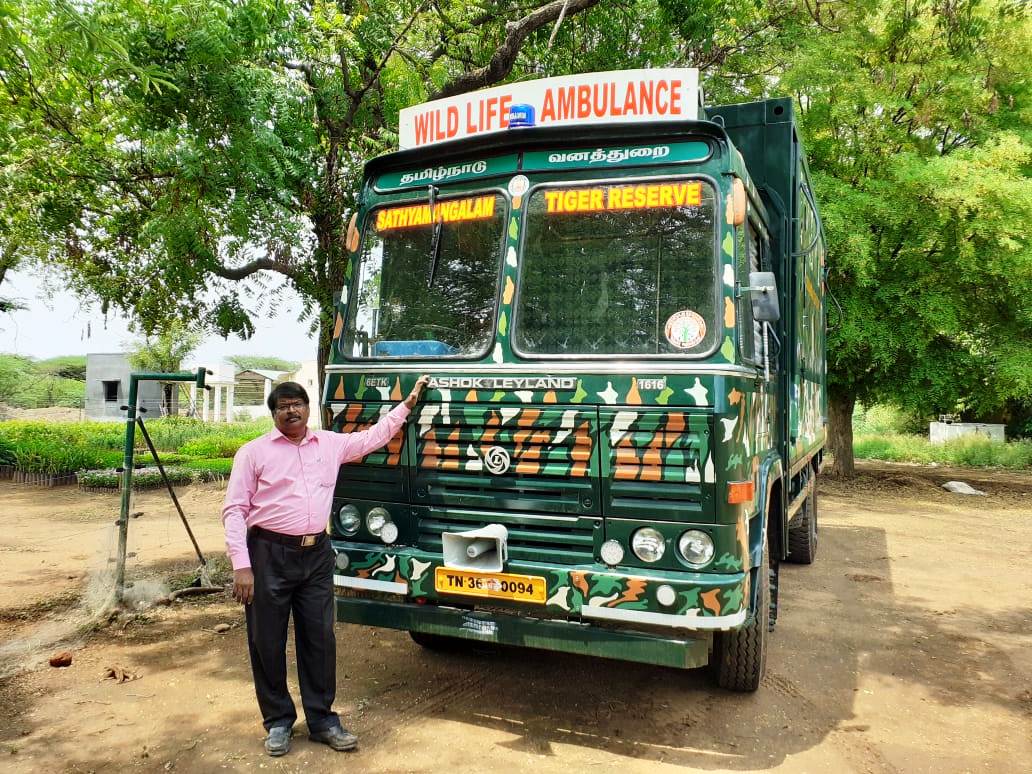
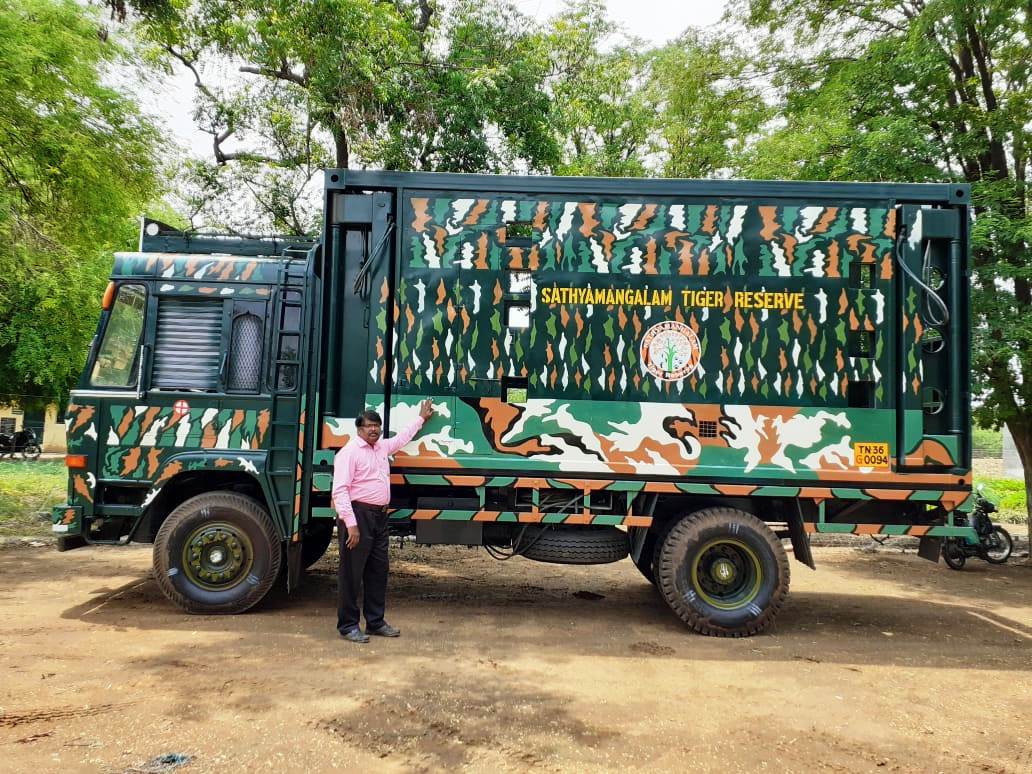
Specially-designed ambulance to rescue elephants in trouble
- The development of a hydraulic wildlife ambulance addressed one of the most difficult practical problems in elephant veterinary medicine: safely moving a multi-tonne animal from a dangerous or inaccessible location to a place where it could receive treatment. It represents the combination of veterinary knowledge, field experience, engineering innovation, and Forest Department teamwork to improve emergency wildlife rescue and treatment. The vehicle could also support monitoring and veterinary operations in remote forest areas.
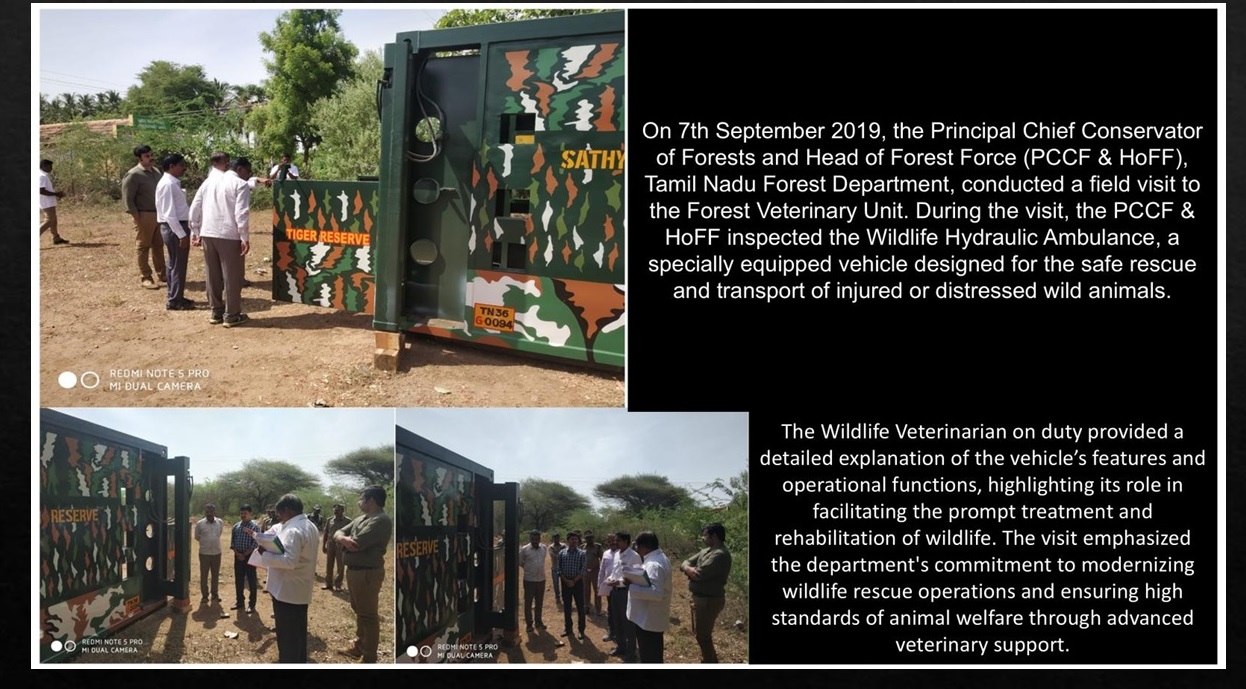
“Successful Elephant Treatment: Where Veterinary Science, Wildlife Experience and Courage Come Together”