Bird Conservation – Rescue & Rehabilitation
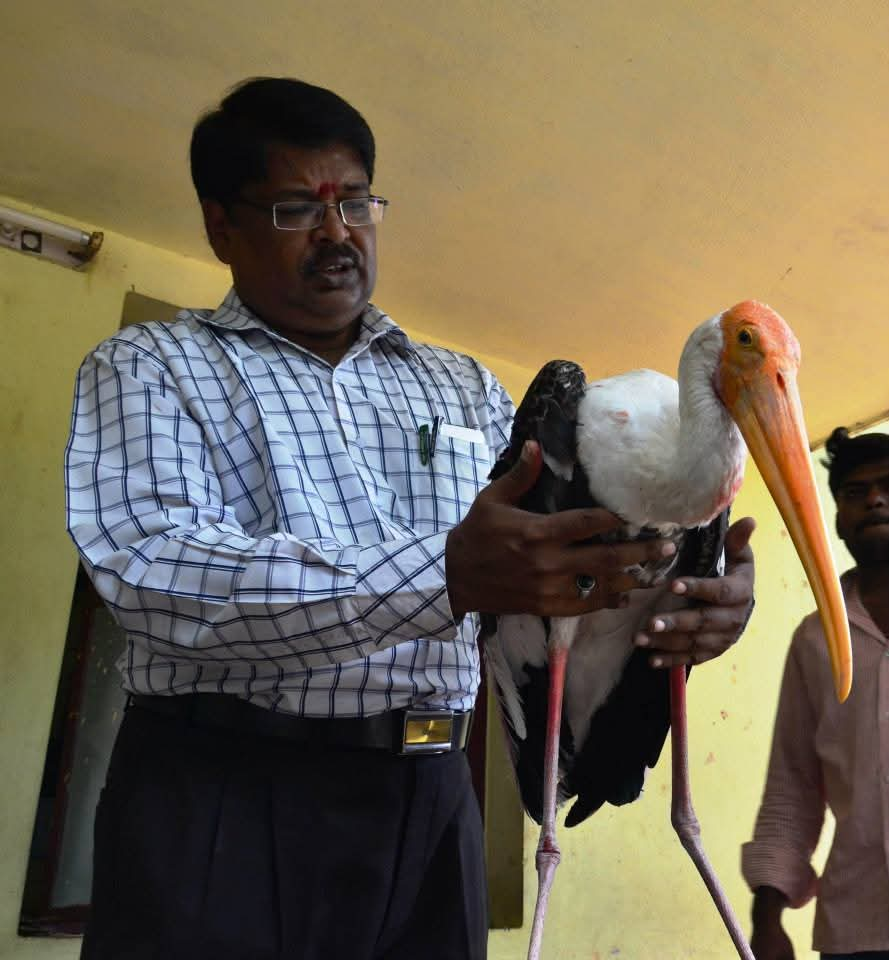
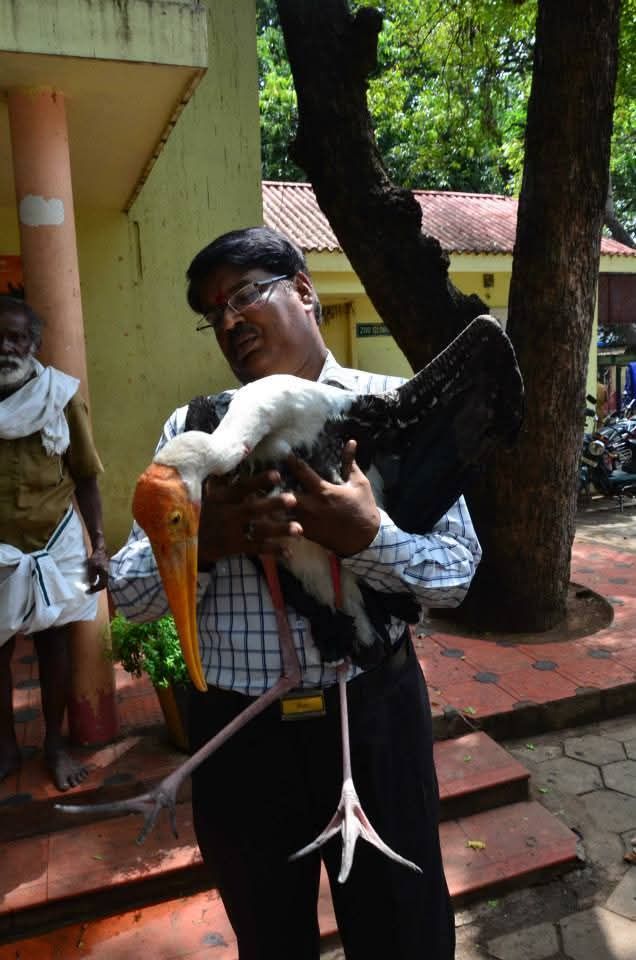
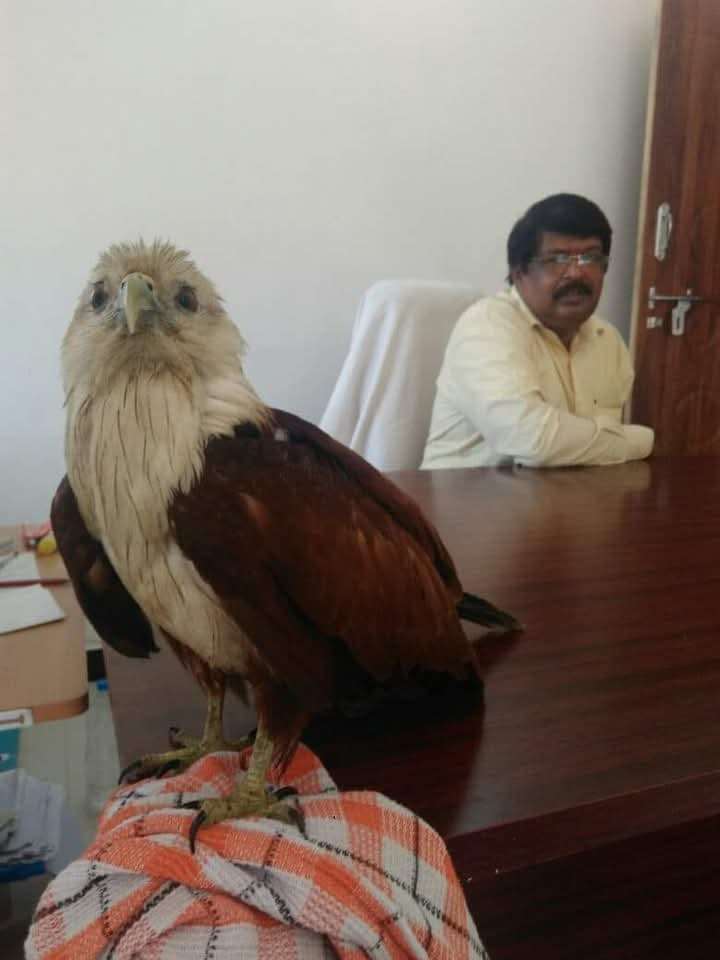
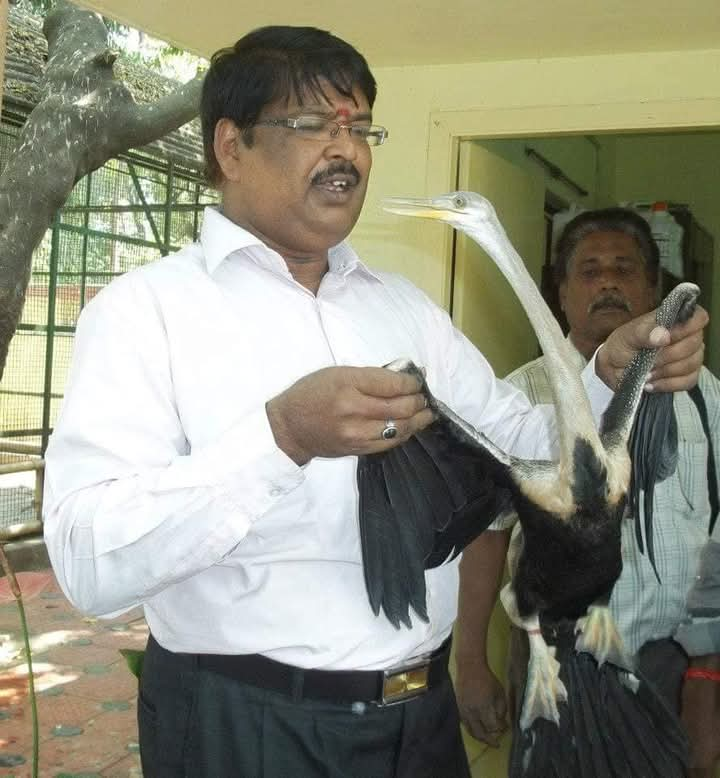
Restoring injured birds to health and flight
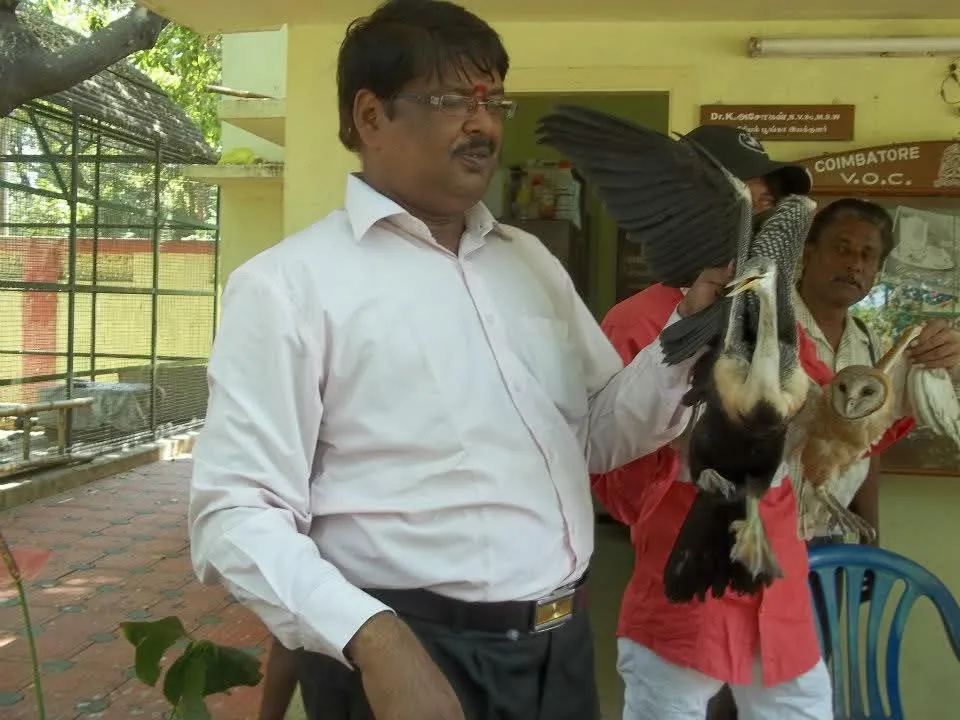
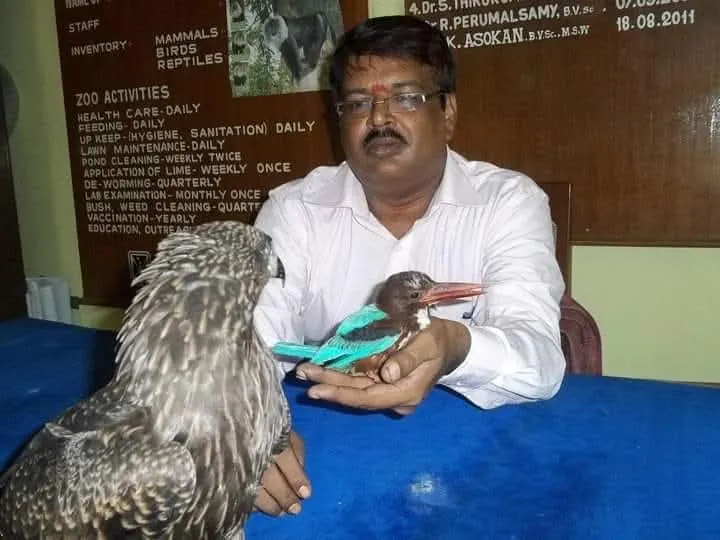
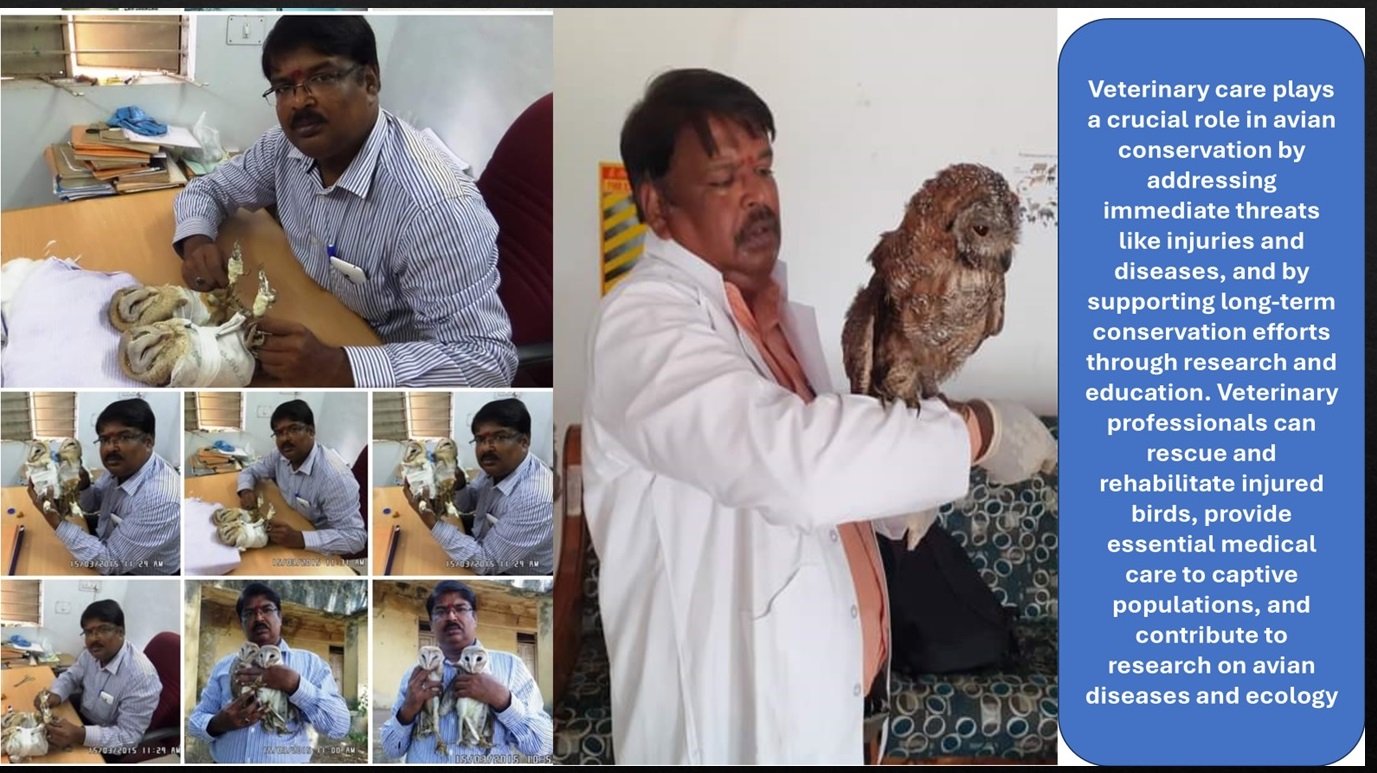
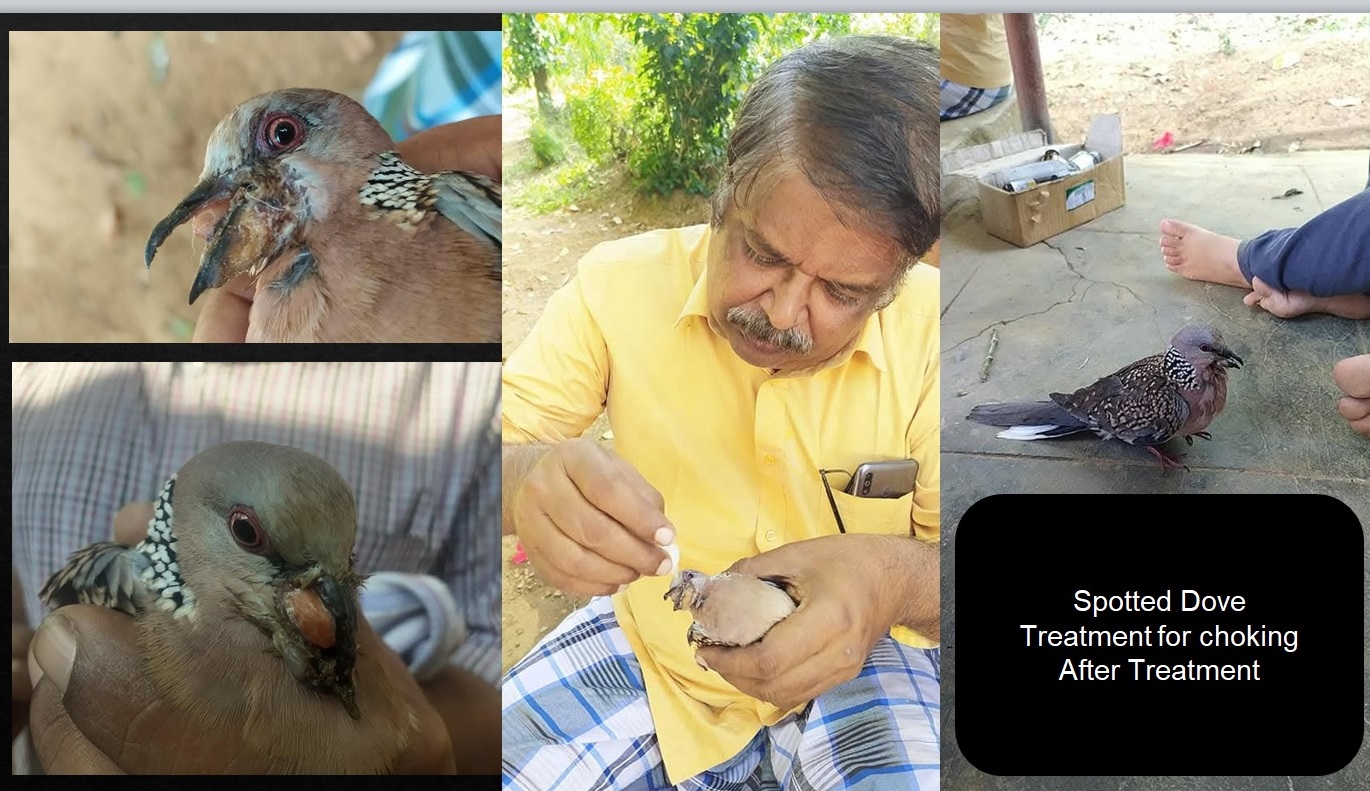
Dr. Asokan has provided specialized surgical treatment and rehabilitation for Indian Black Kites, peacocks, parakeets, owls, eagles, vultures, kingfishers, water birds, and other native species. His expertise covers diagnosis, emergency stabilization, surgery, post-operative care, nutrition, physiotherapy, and release assessment.
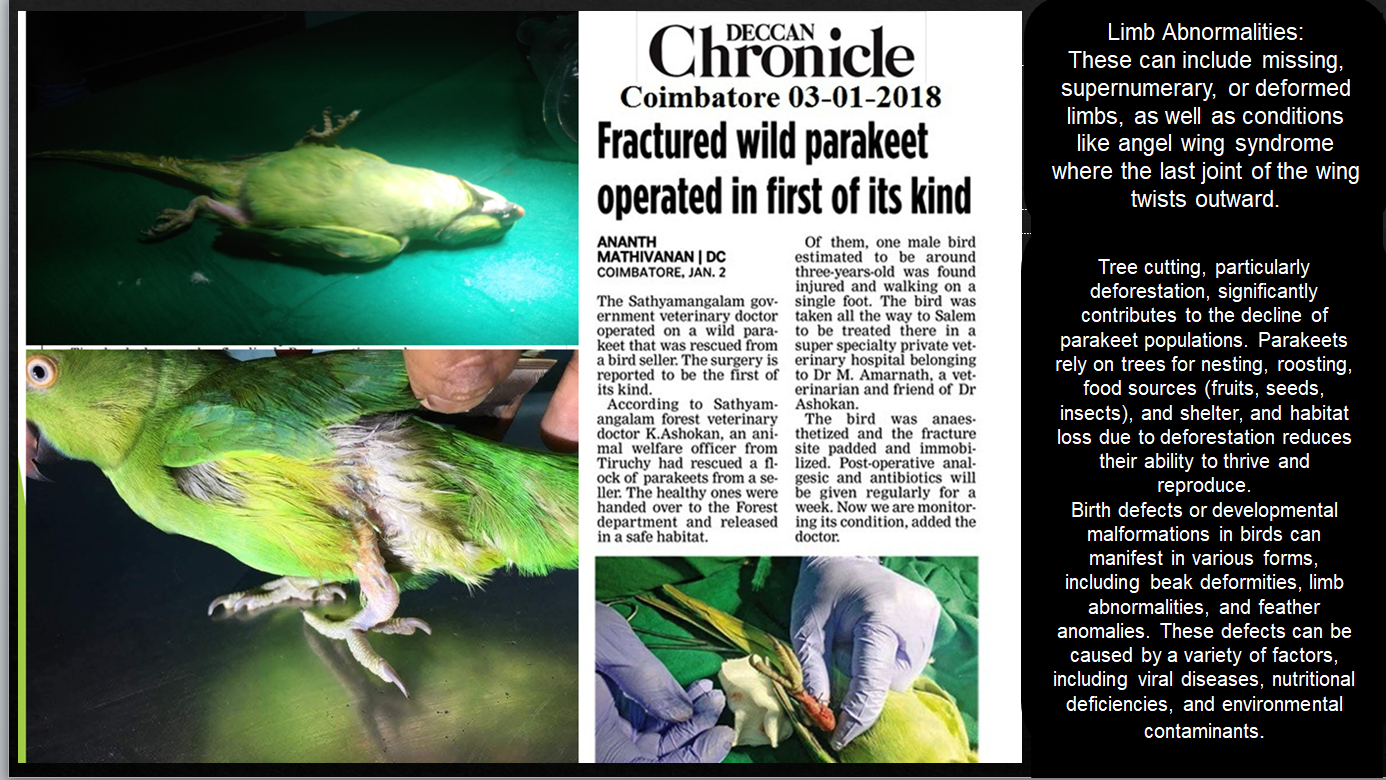
Major avian procedures include wing fracture repair and orthopaedic surgery, talon and beak reconstruction, cataract and other ophthalmic surgery, soft-tissue reconstruction, wound management, limb amputation, and prosthetic management where necessary. Many severely injured birds recovered and were returned to the wild to resume their ecological roles.
By Dr. Krish Asokan
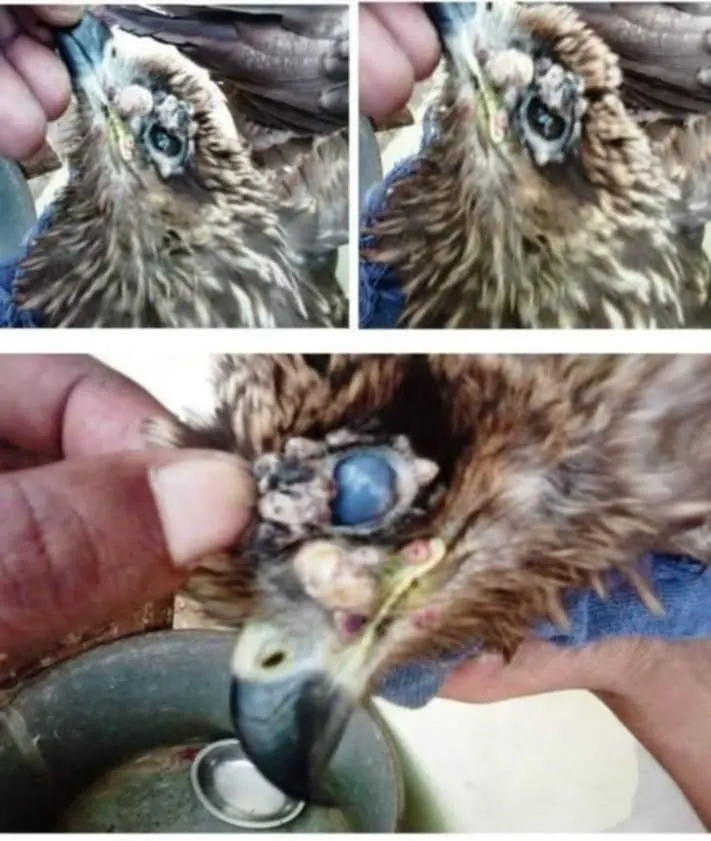
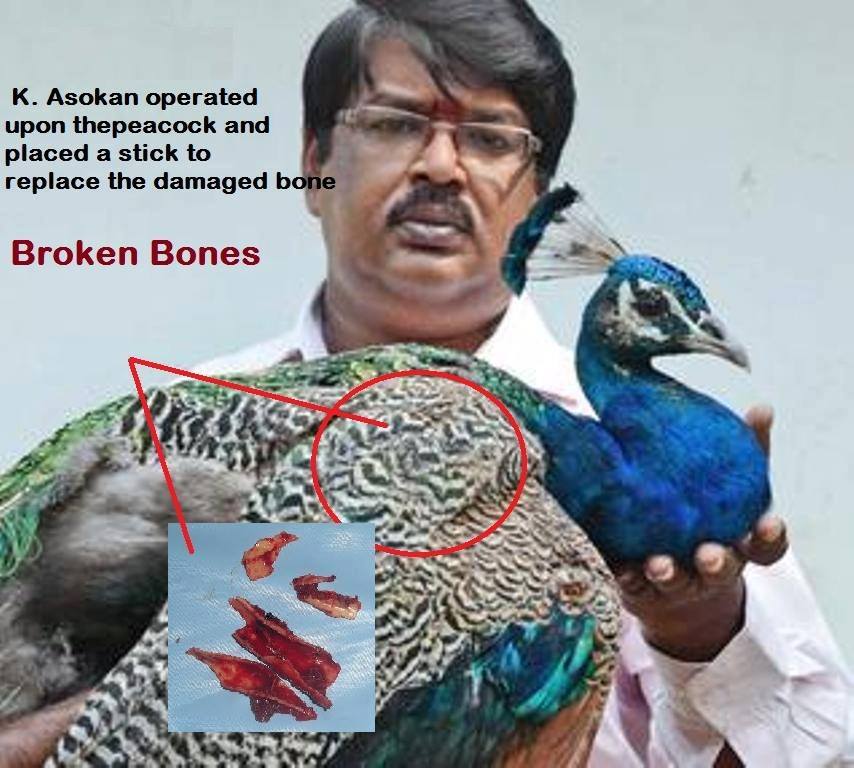
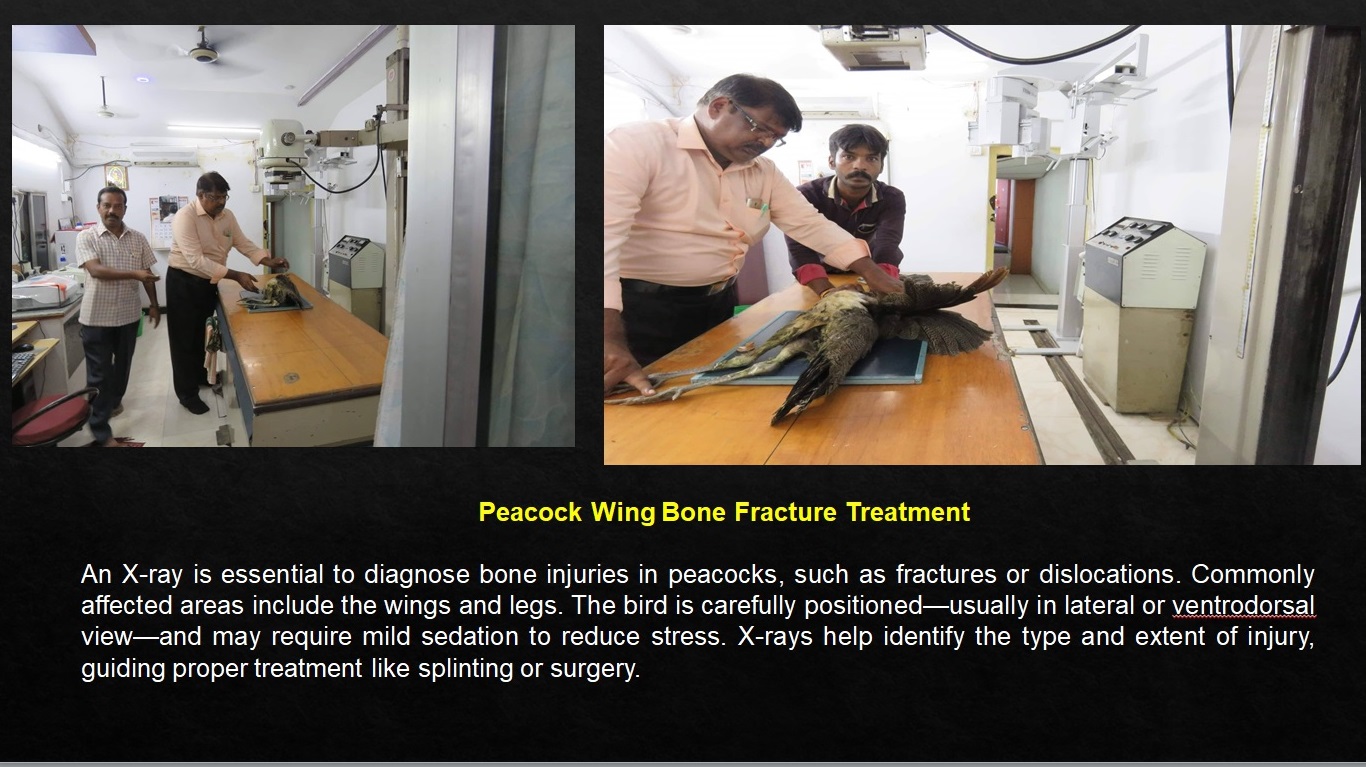
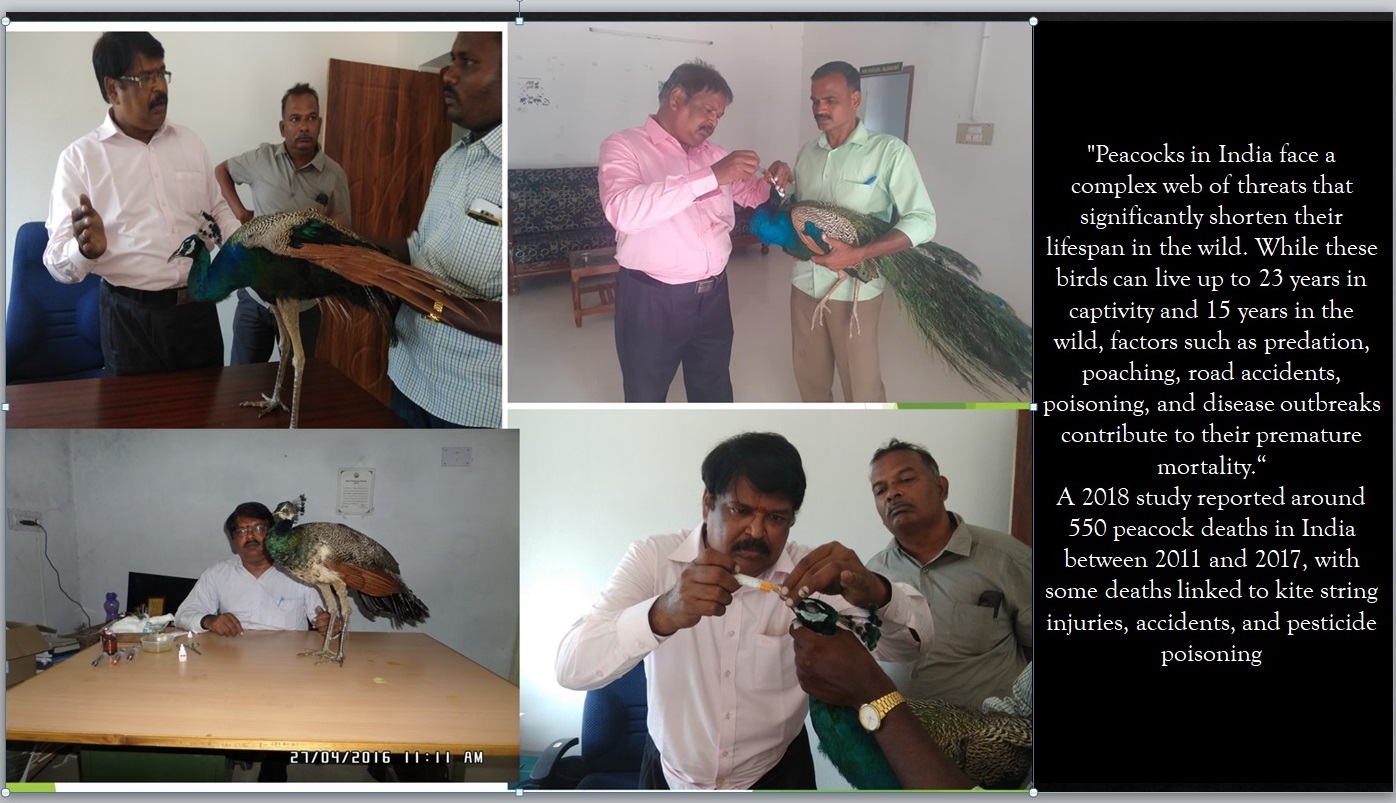
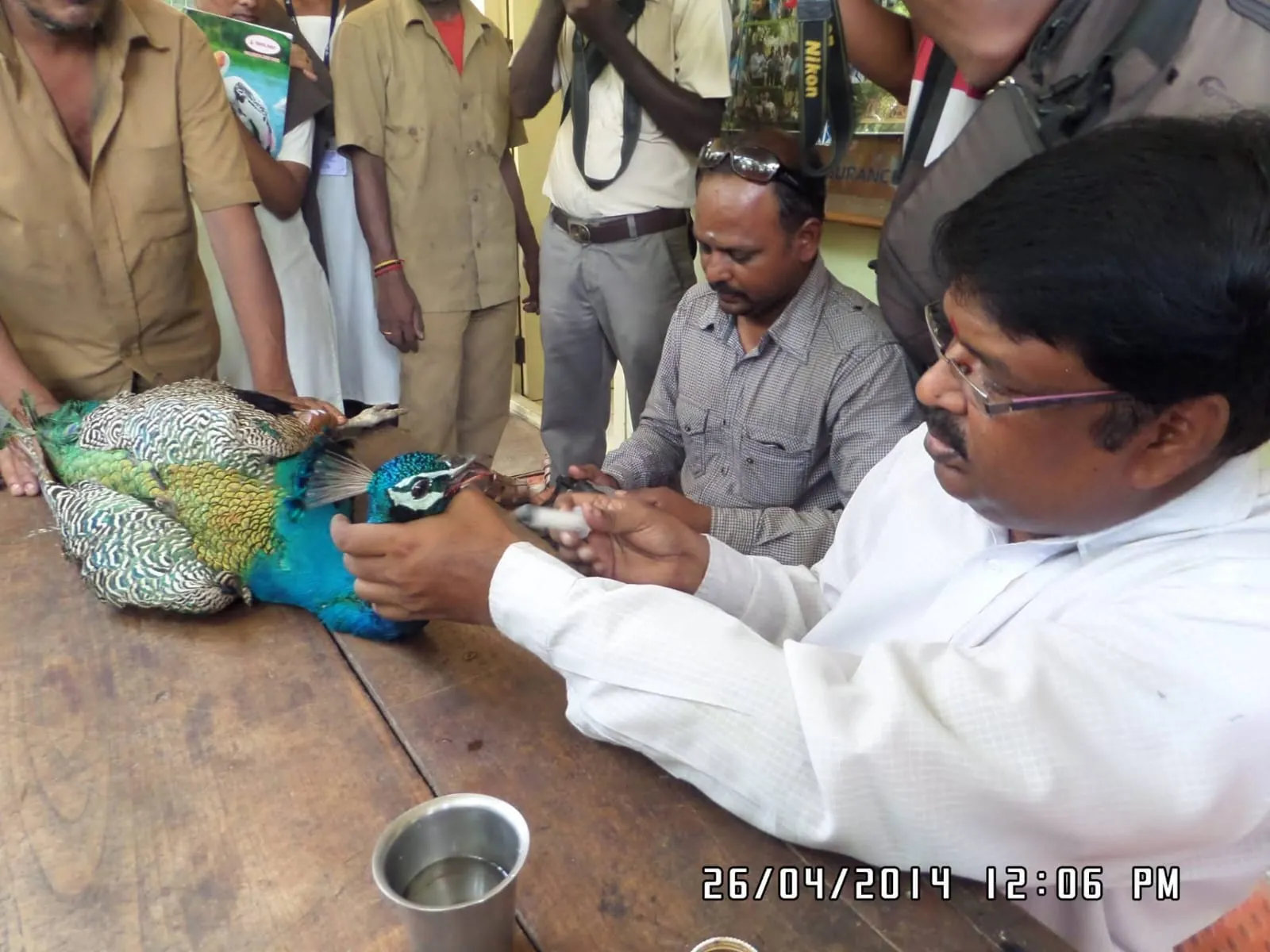
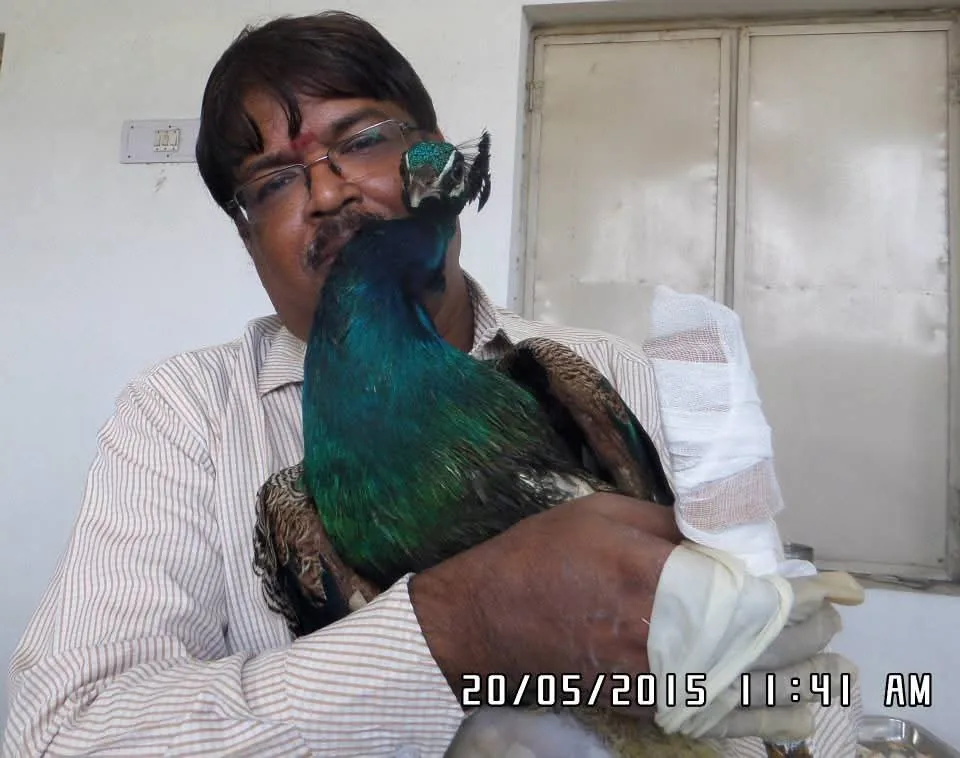
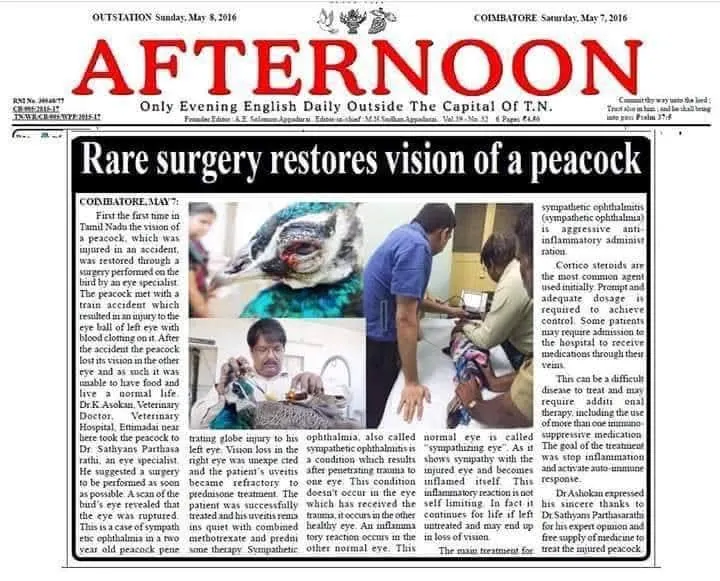
Over the past 15 years, Dr. Asokan has treated and rehabilitated more than 100 peacocks affected by road accidents, traumatic injuries, eye diseases, fractures, dehydration, heat stress, weakness, infections, and other health problems, many associated with climate change and increasing human–wildlife interaction.
Advanced care—including wound management, eye treatment, fracture stabilization, surgery, supportive therapy, and rehabilitation—enabled many birds to recover successfully and return to natural habitats. These efforts demonstrate the importance of timely wildlife veterinary intervention in conserving India’s national bird.
Protecting a familiar urban raptor
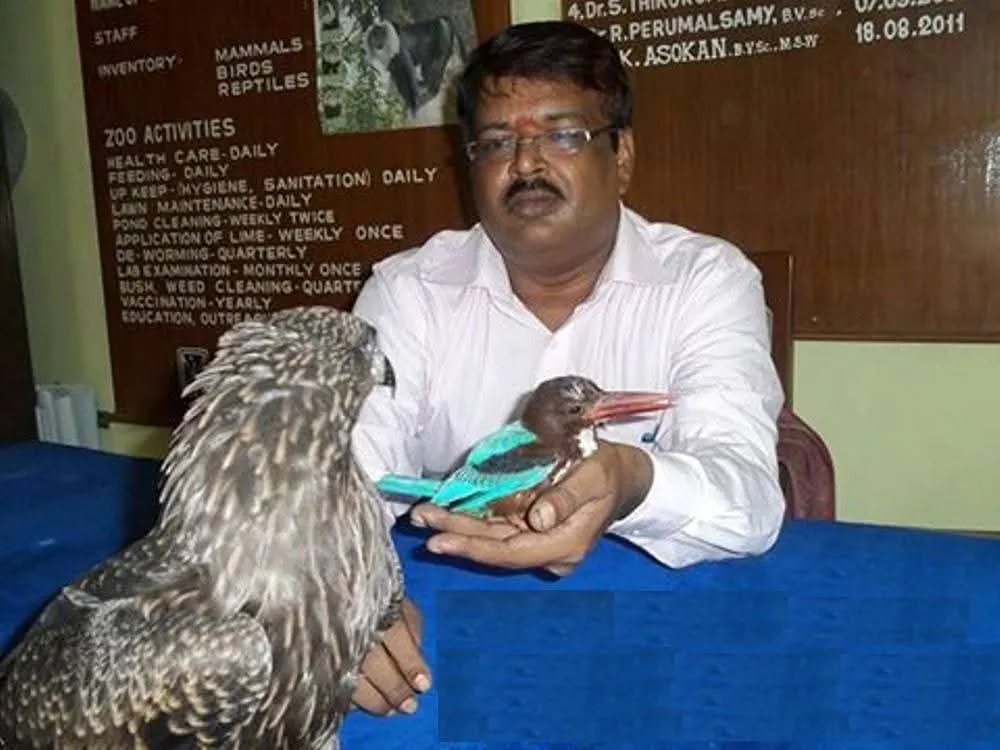
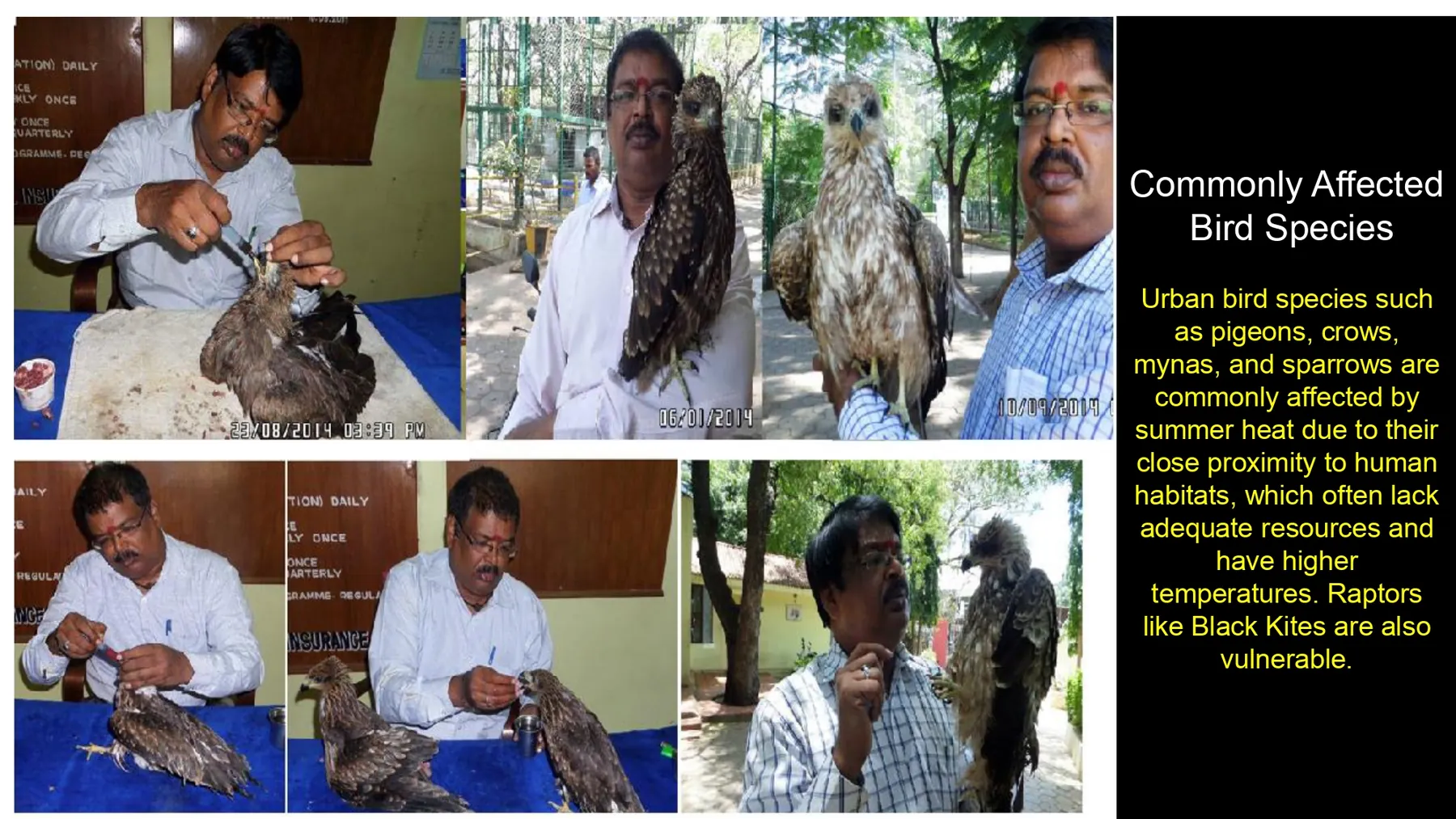
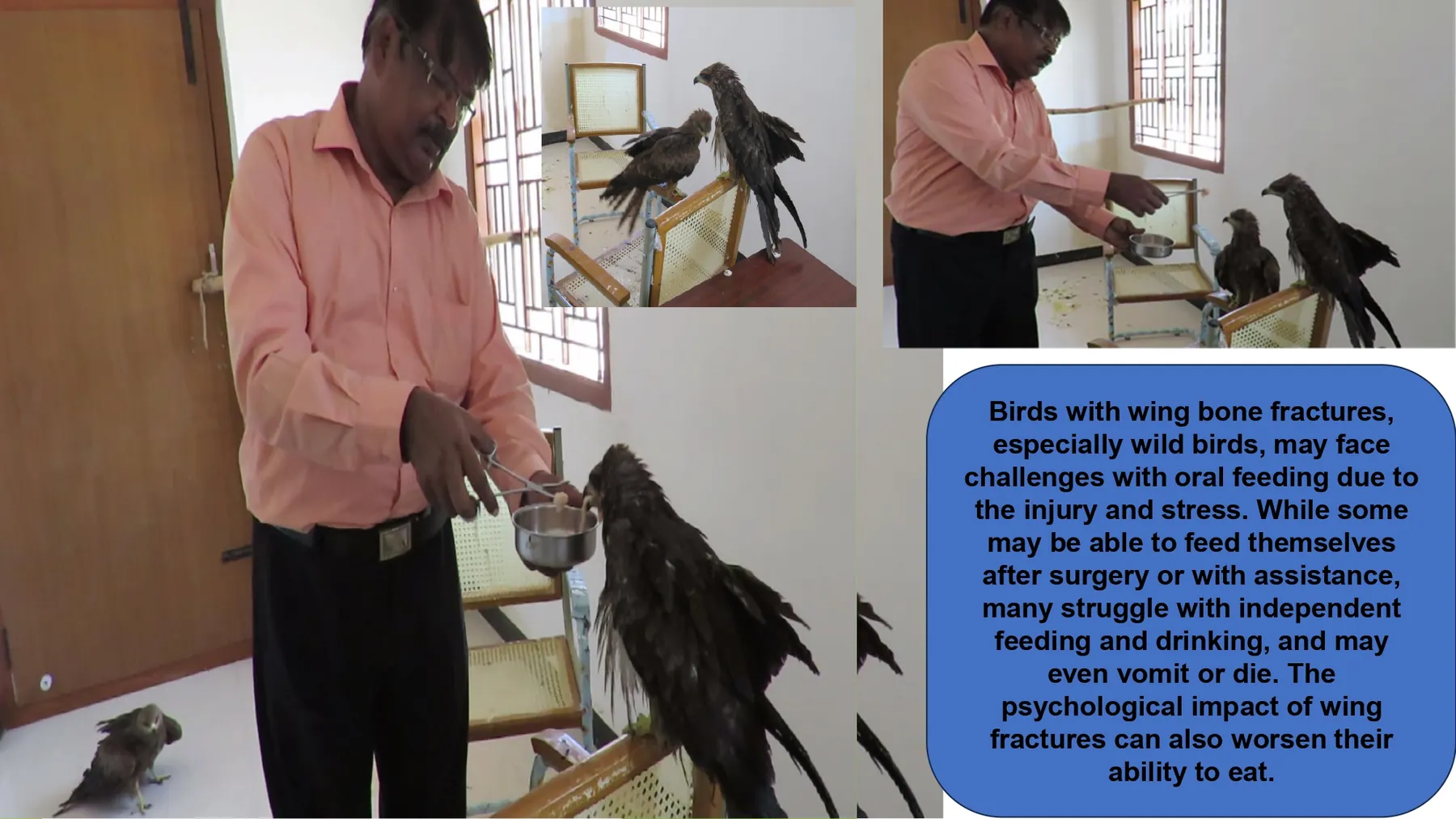
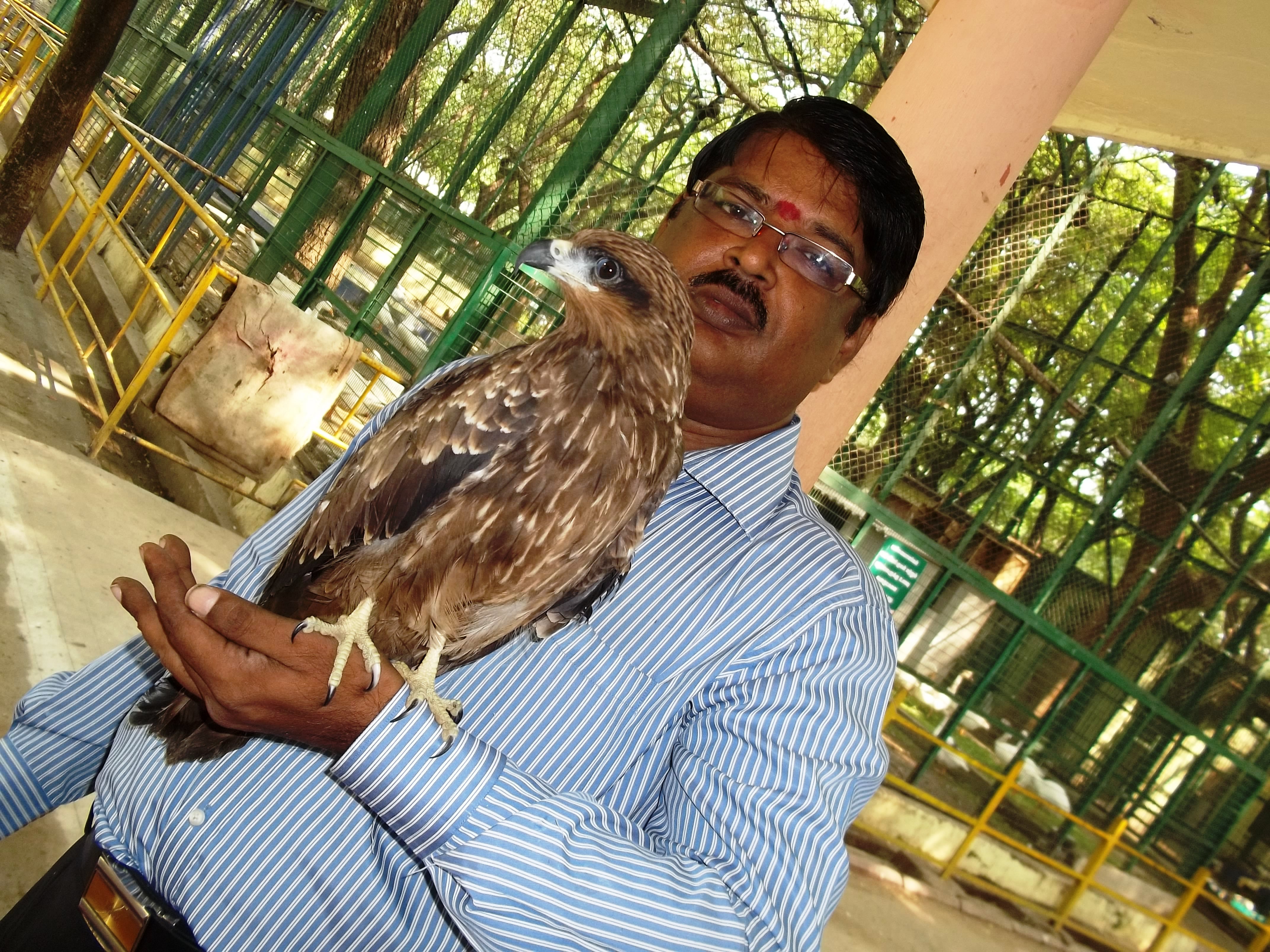
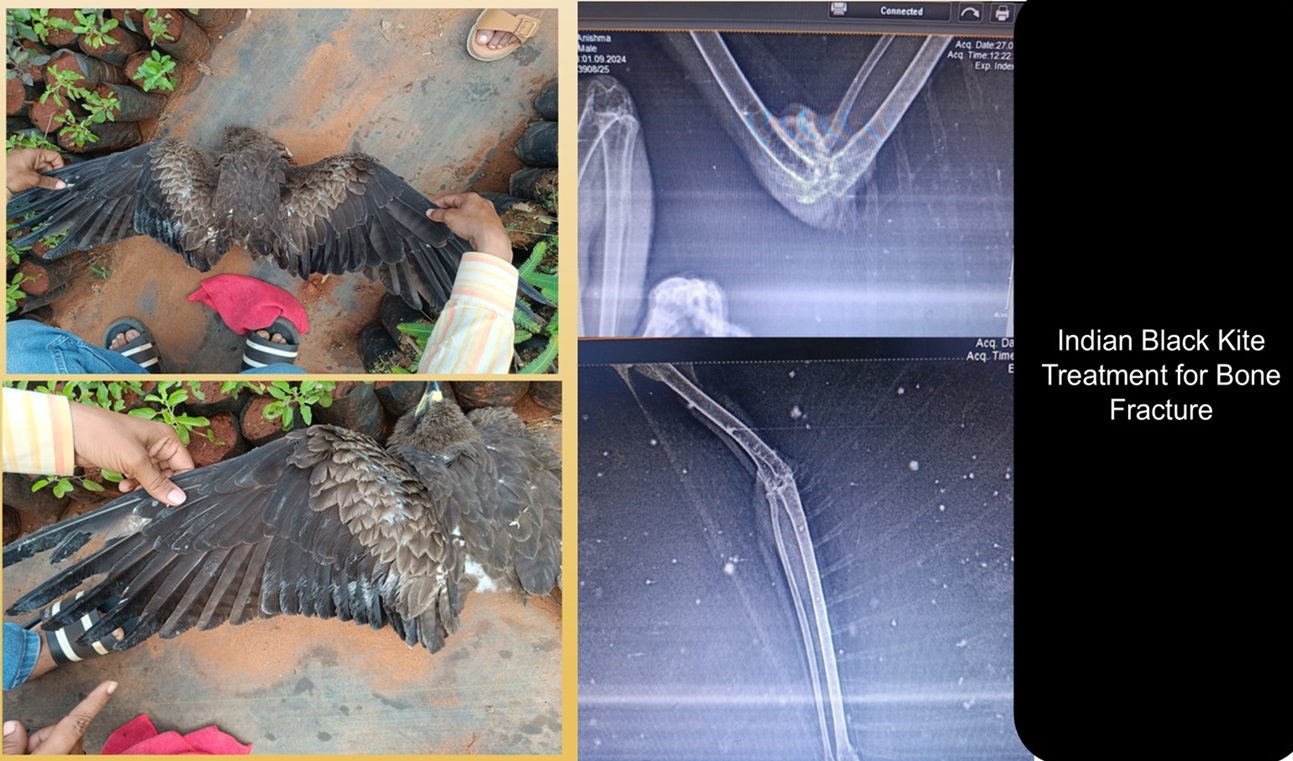
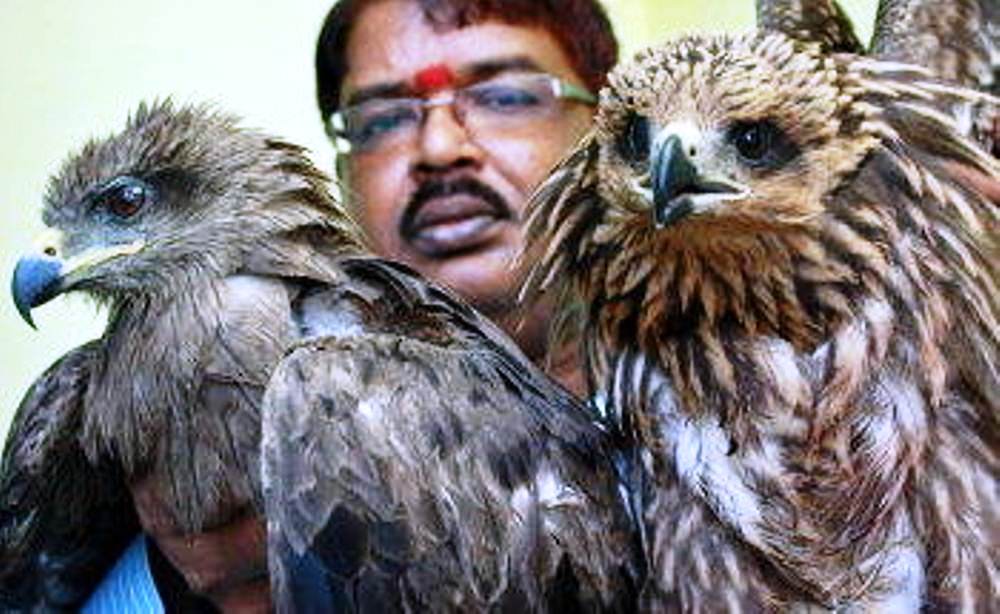
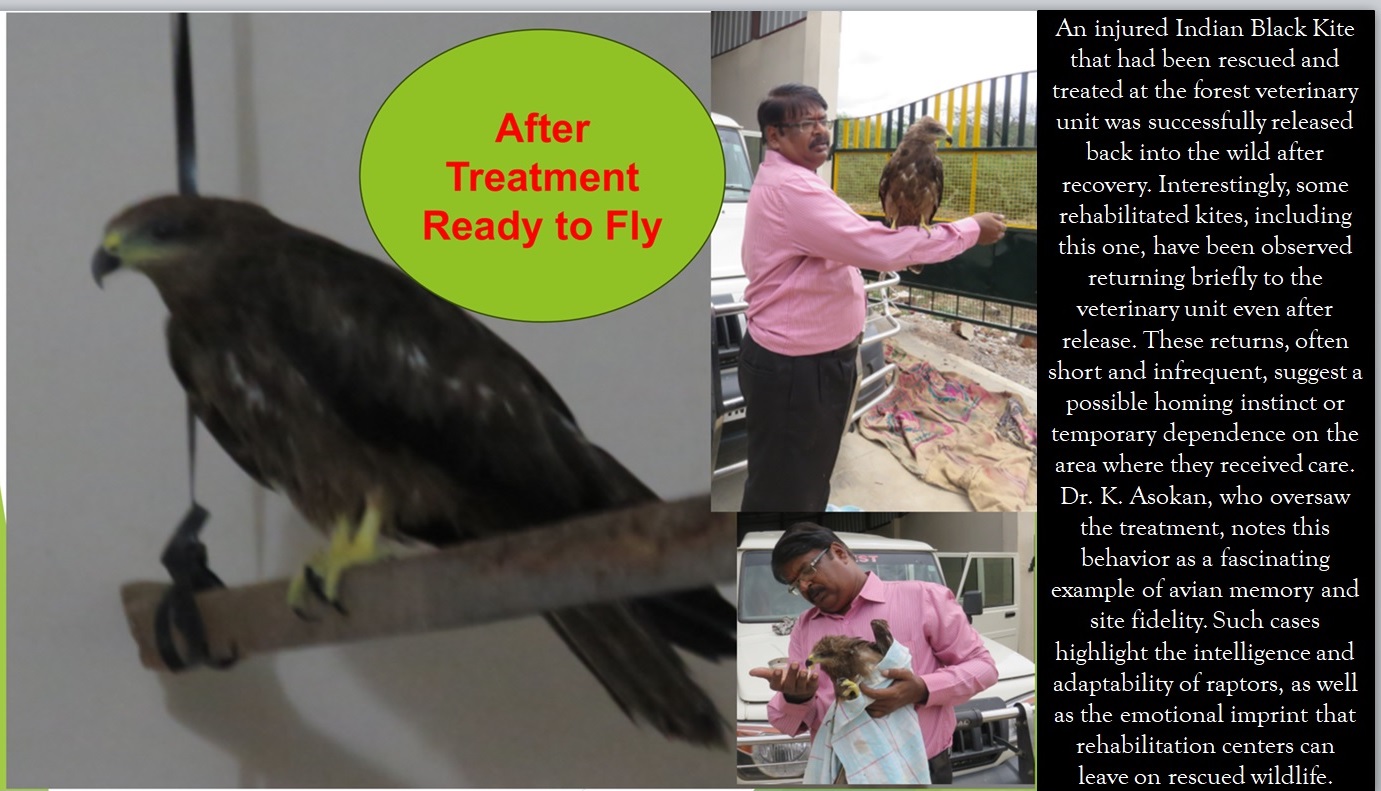
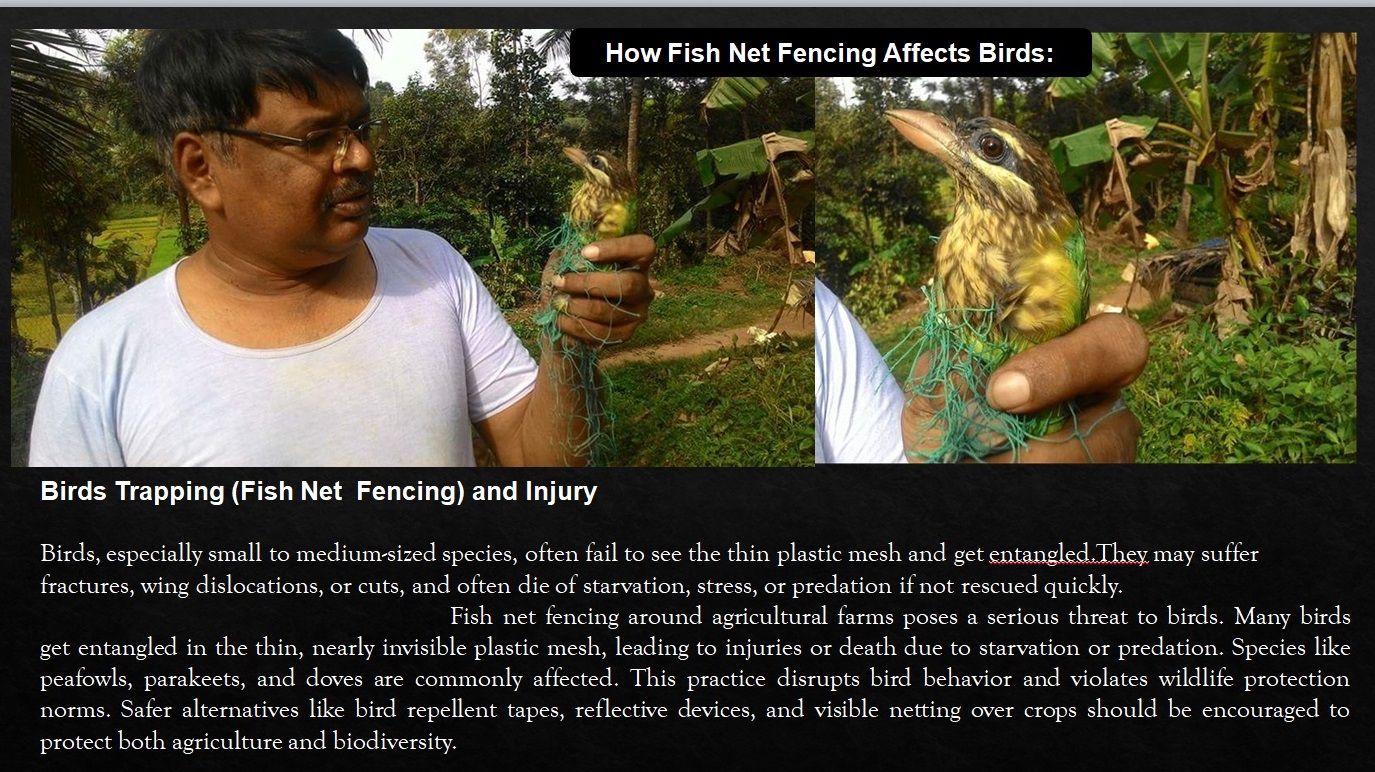
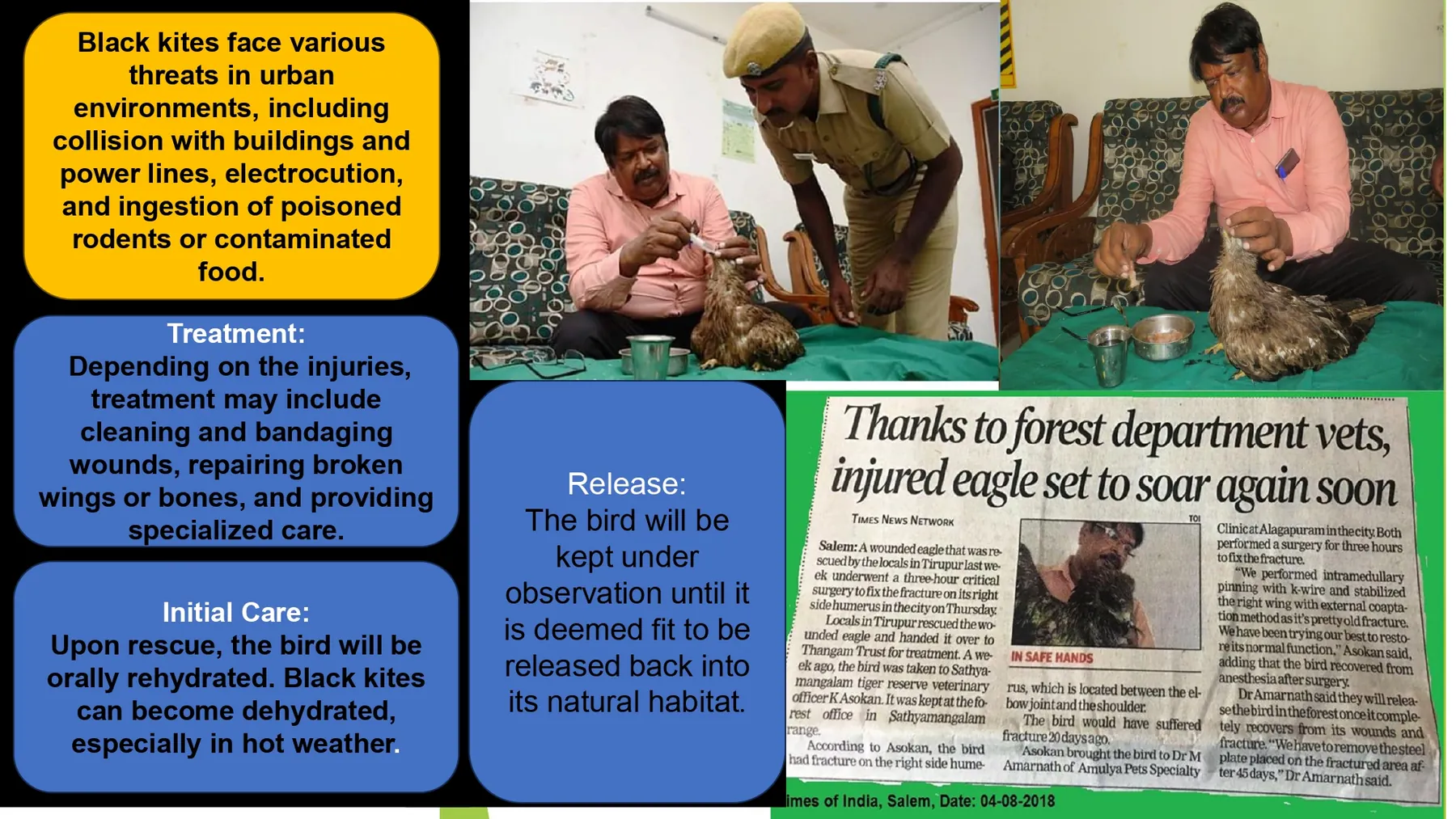
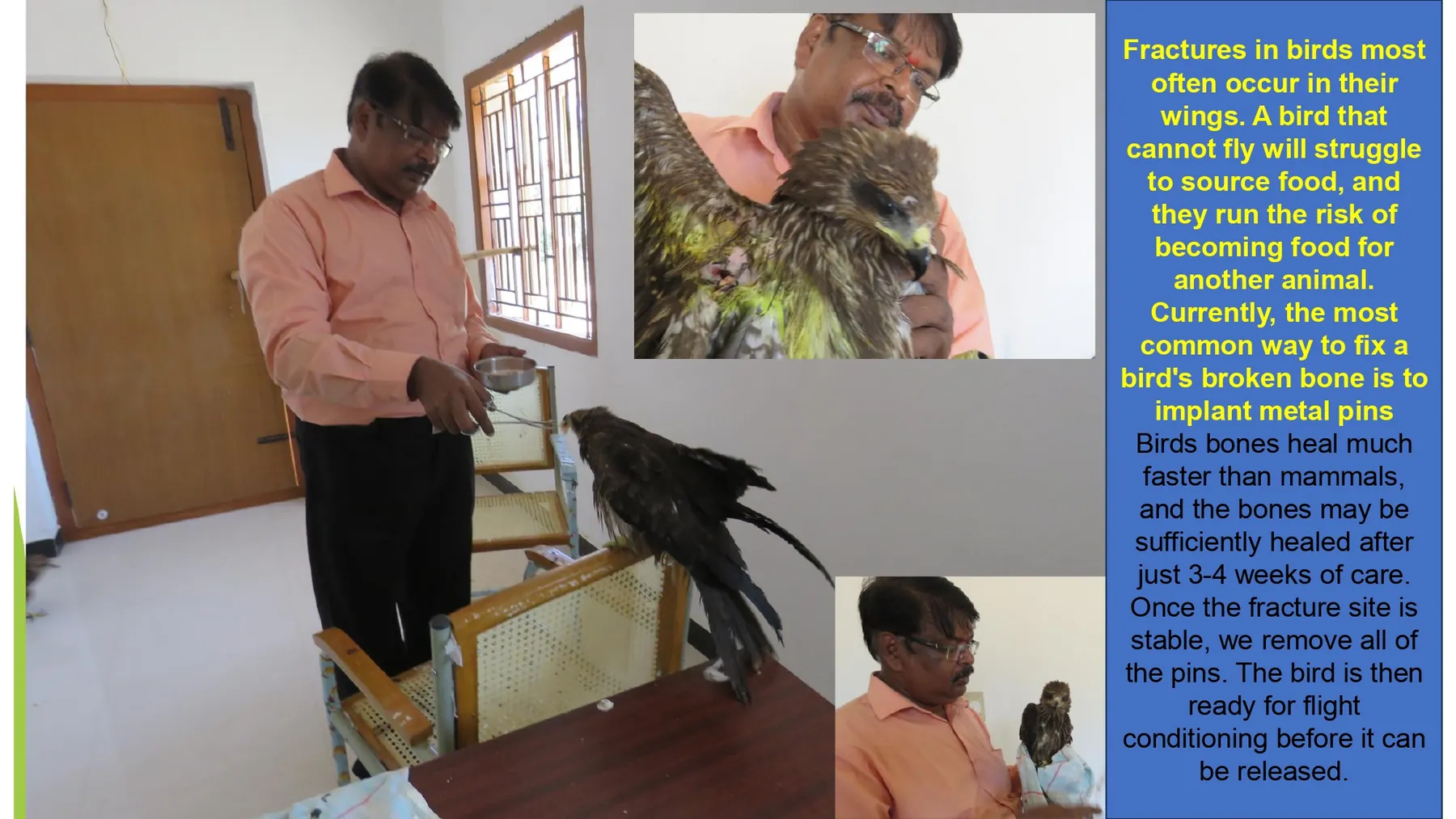
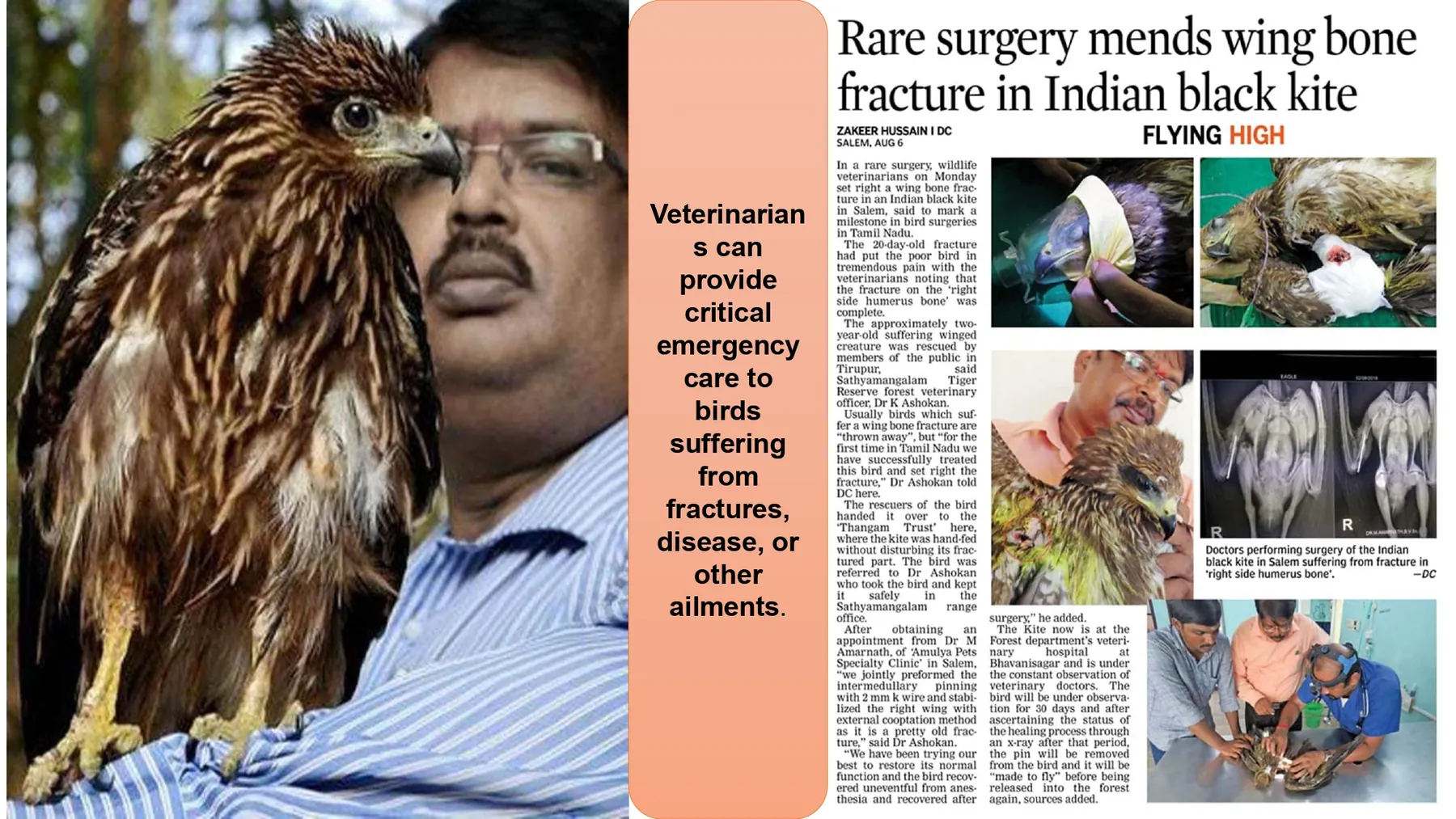
The Indian Black Kite (Milvus migrans govinda) is a common urban raptor in India but faces increasing threats from climate change, habitat degradation, air pollution, and human activities. Injured kites have been admitted with dehydration, heat stress, malnutrition, viral and bacterial infection, eye disease, wing fractures, soft-tissue injury, and entanglement trauma.
Comprehensive veterinary care—including wound management, fracture stabilization, eye treatment, fluid therapy, nutritional support, and rehabilitation—helped many regain flight and return to the natural environment. Such work supports urban raptor conservation and ecological balance.
Protecting essential nocturnal predators
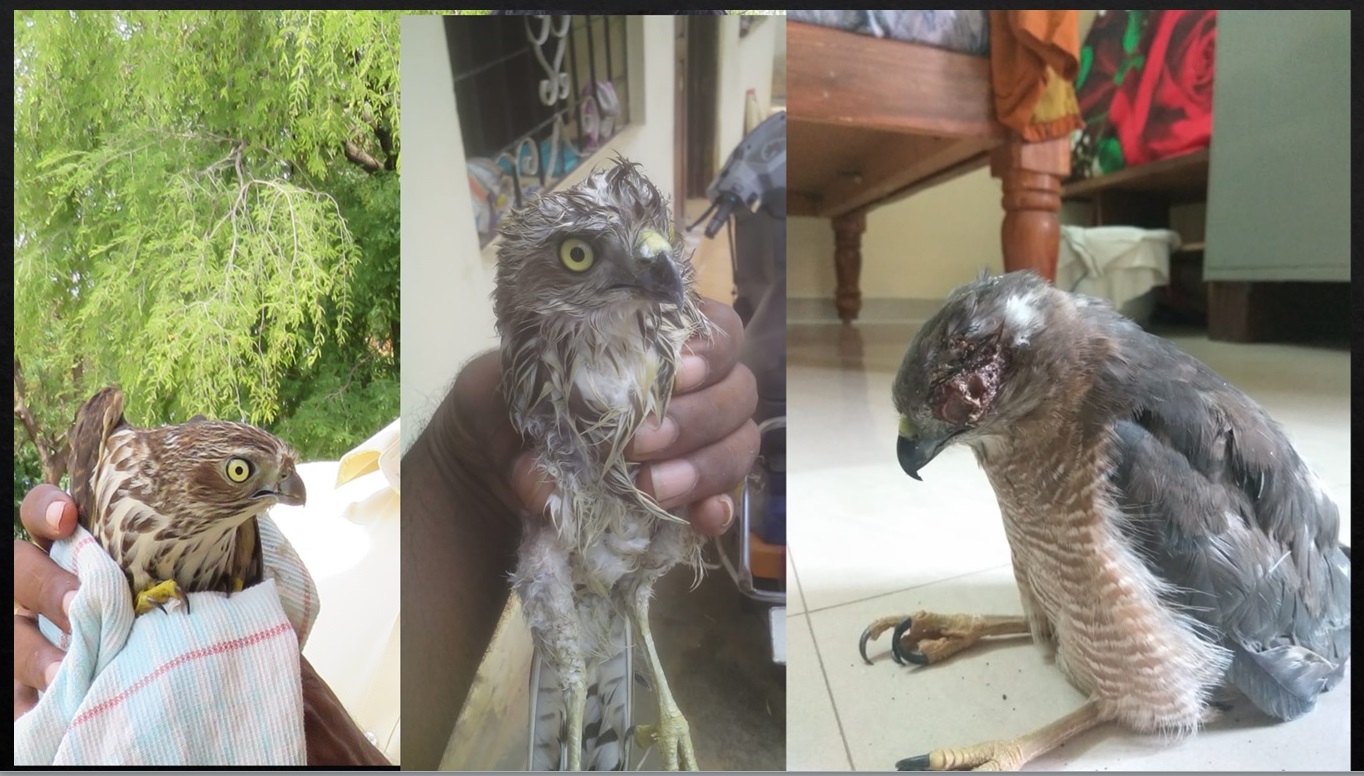
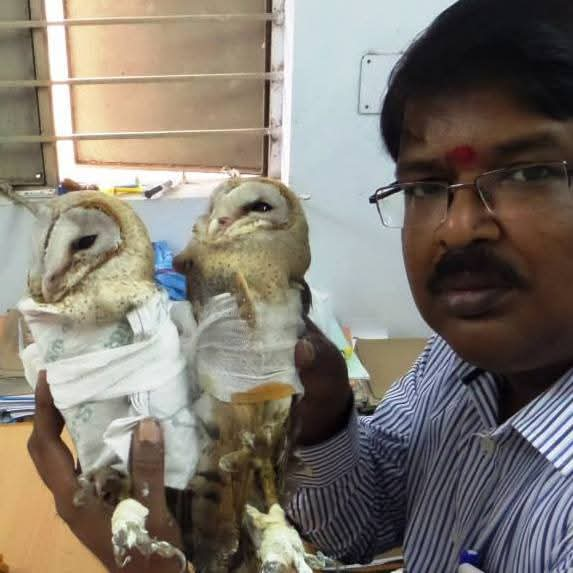
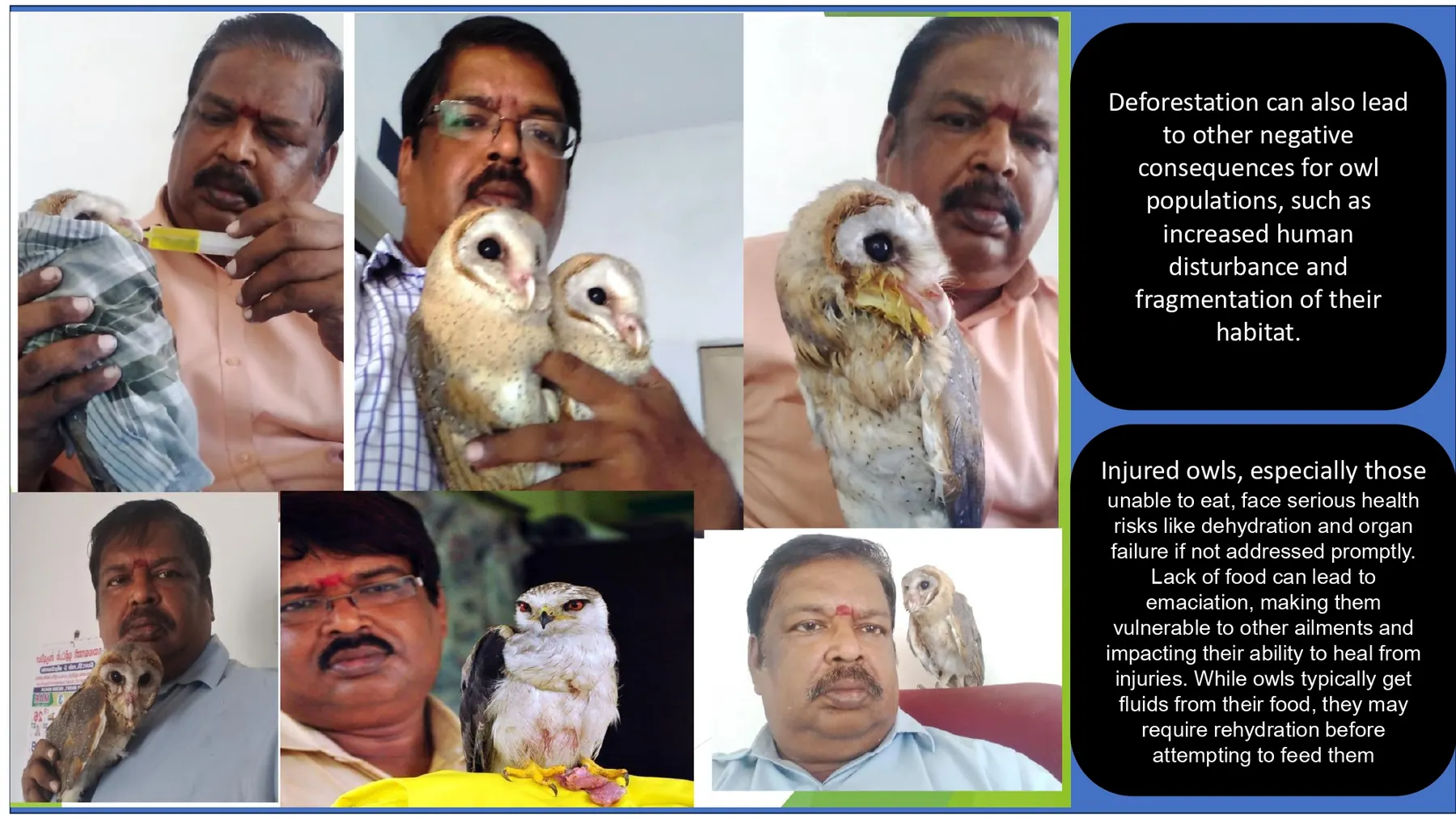
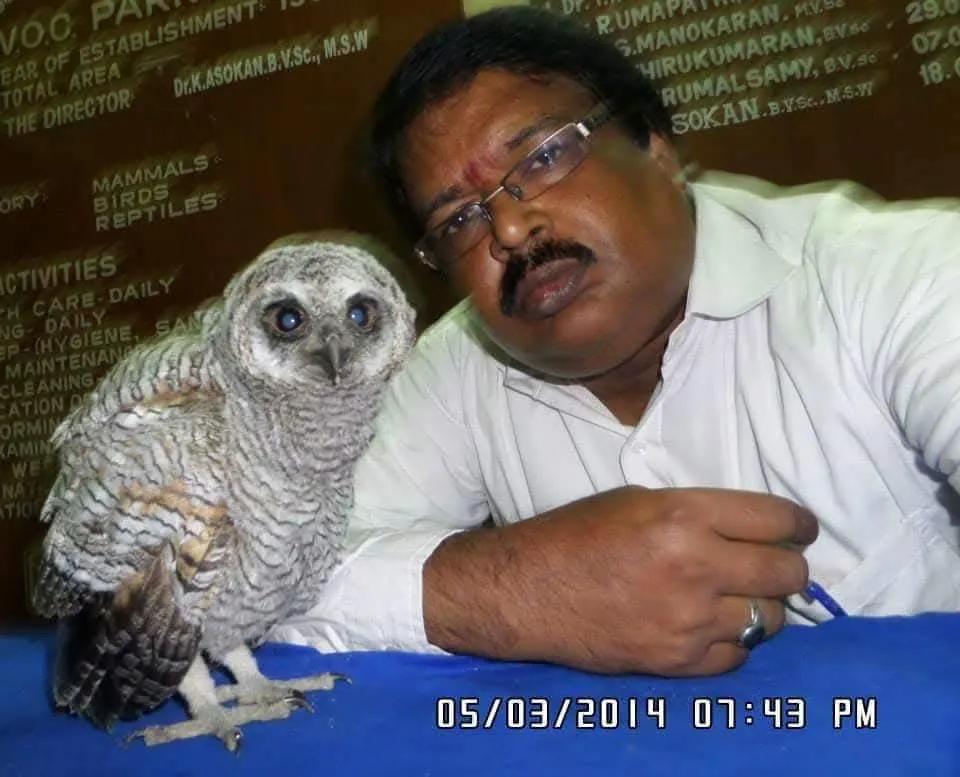
Owls help maintain ecological balance by controlling rodent populations, but they are threatened by habitat loss, climate change, declining nesting sites, food shortages, road accidents, electrocution, and starvation. Rescued owls have presented with wing fractures, eye injuries, dehydration, malnutrition, soft-tissue trauma, and other complications.
Timely emergency treatment, fracture management, nutritional support, wound care, and rehabilitation enabled many to recover and return to natural habitats. Long-term owl conservation also requires nesting-habitat protection and public awareness.
Safeguarding wetland birds and aquatic ecosystems
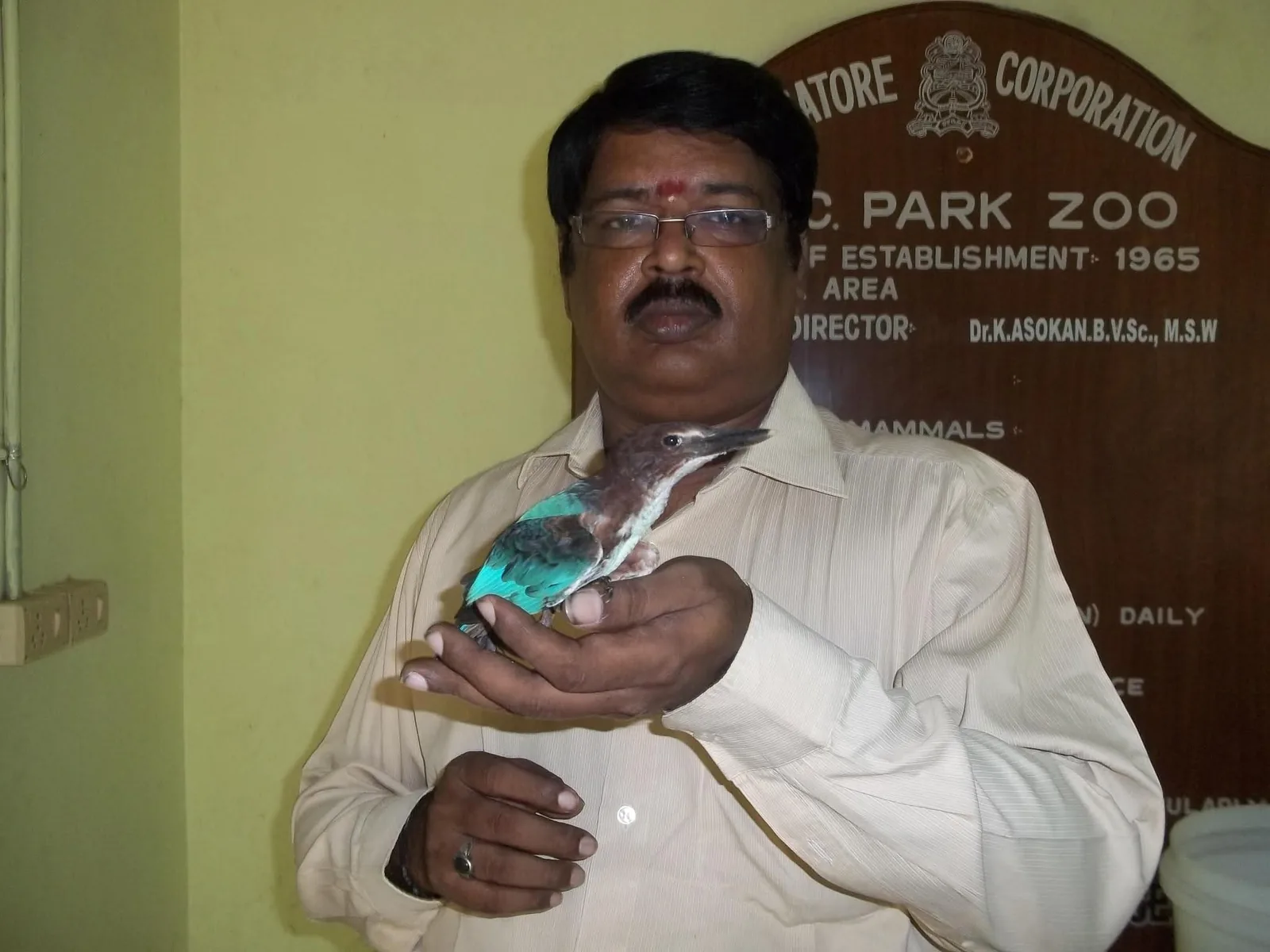
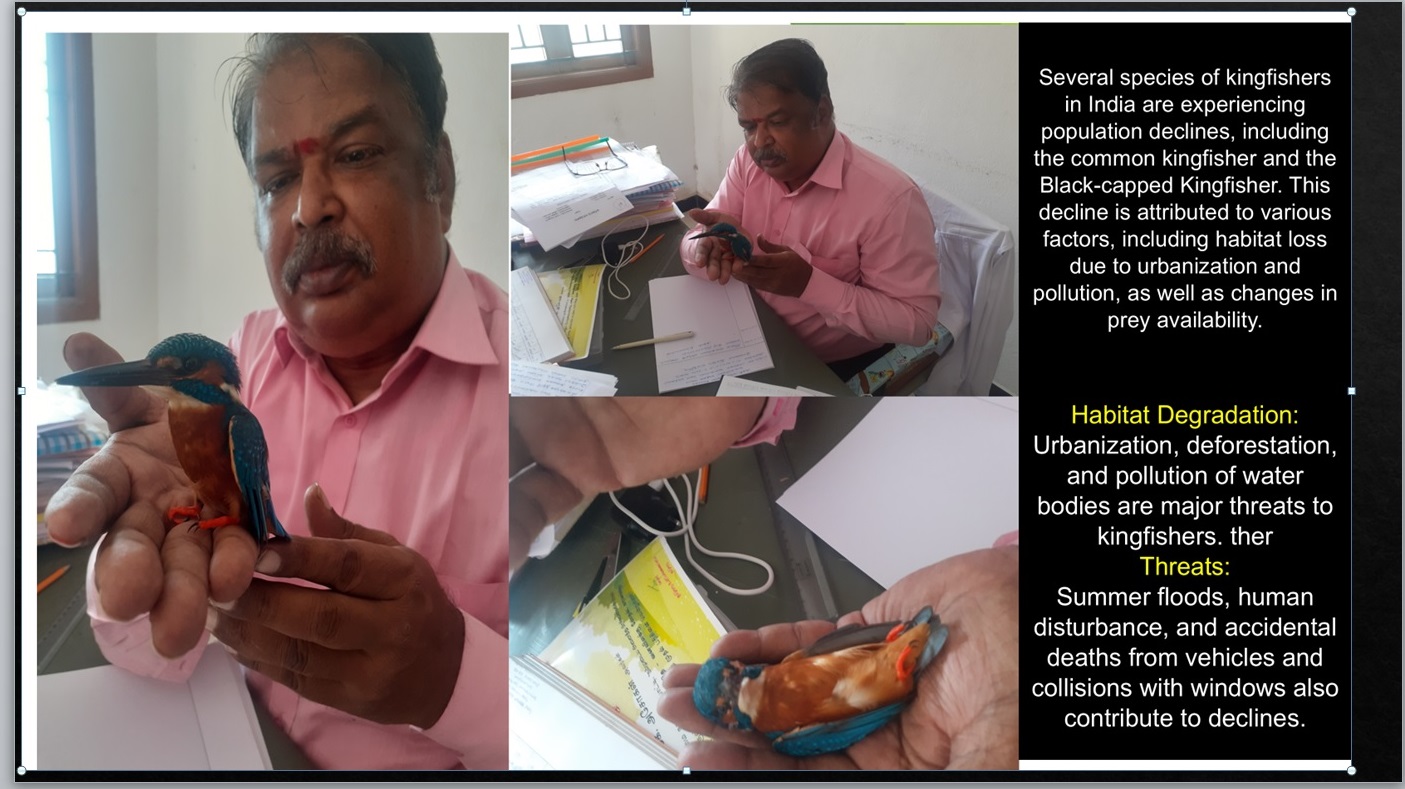
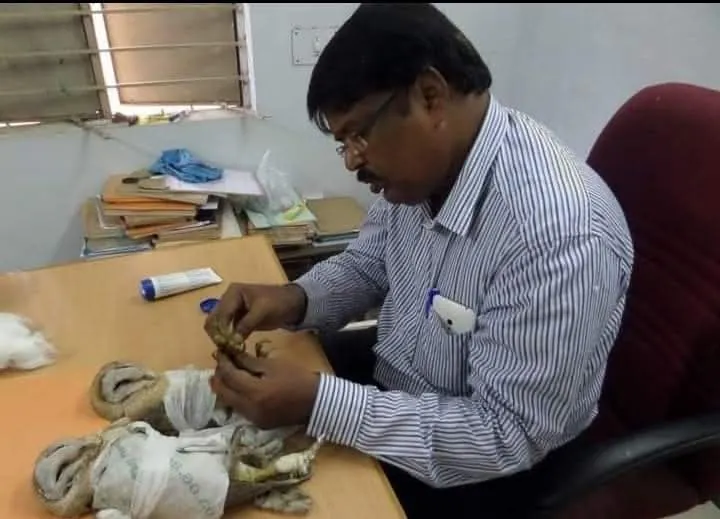
Water birds and kingfishers are increasingly affected by water pollution, pesticide contamination, habitat degradation, climate change, and declining fish populations. Rescued birds have suffered poisoning, dehydration, starvation, fishing-hook and line injuries, wing and leg fractures, eye infection, respiratory illness, and weakness.
Prompt veterinary care—including emergency treatment, wound management, fracture stabilization, fluid therapy, nutritional support, and rehabilitation—enabled many birds to recover and be released into suitable wetland habitats. Protecting clean wetlands and reducing pesticide use are essential to safeguarding these species.